Sun Spots vs Freckles: What’s the Real Difference?

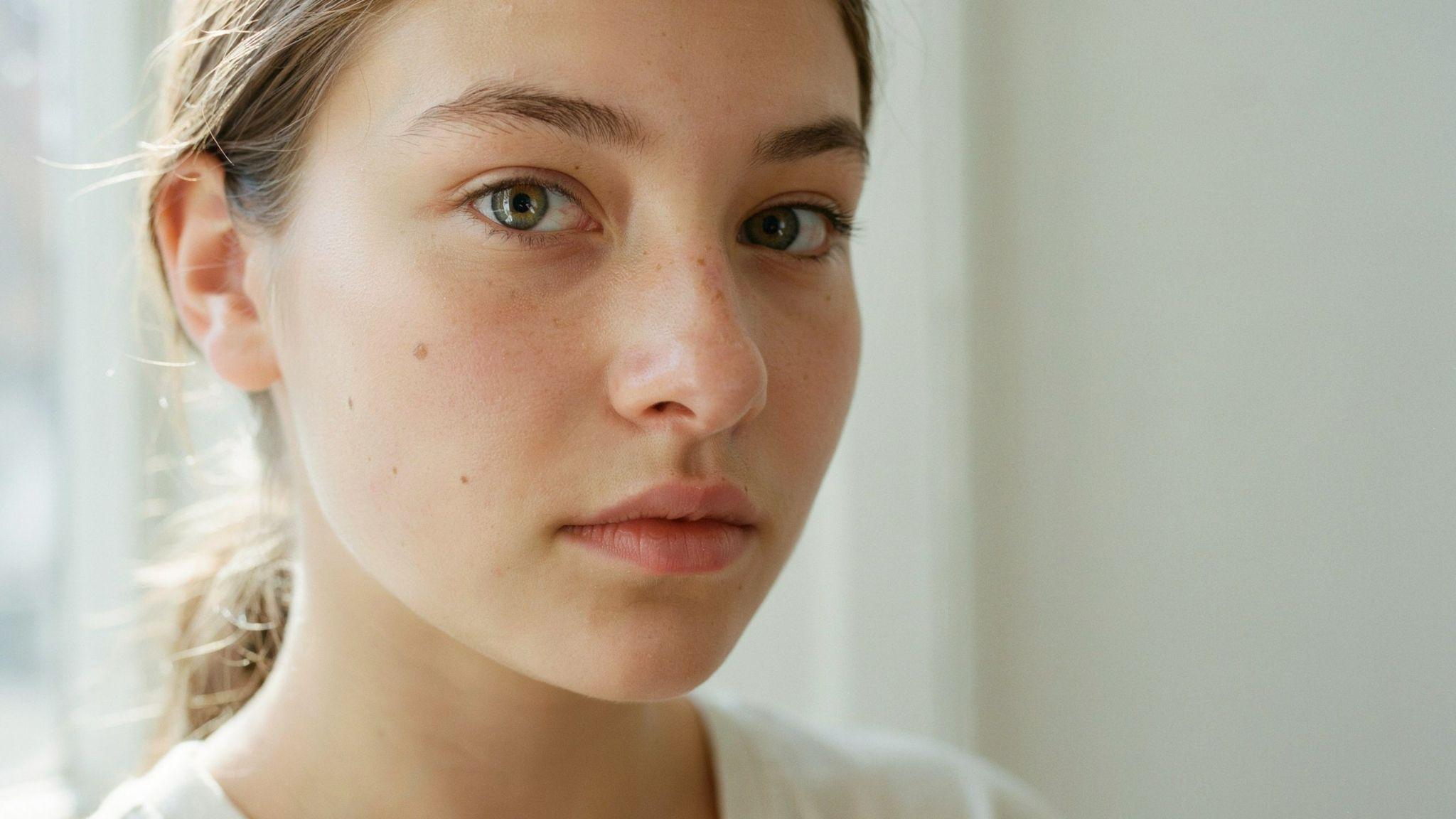
I used to stare at my skin and wonder if those spots were always there or something new. Sound familiar?
Telling the difference between sun spots vs freckles is more confusing than most people think. They look similar but they're not the same thing.
In this post, I'll break down what each one is, what causes them, how they look, and what you can actually do about them.
No complicated skin science. Just clear, simple answers.
If you've been trying to figure out what's showing up on your skin, this post will help you sort it out fast.
What Are Sun Spots?
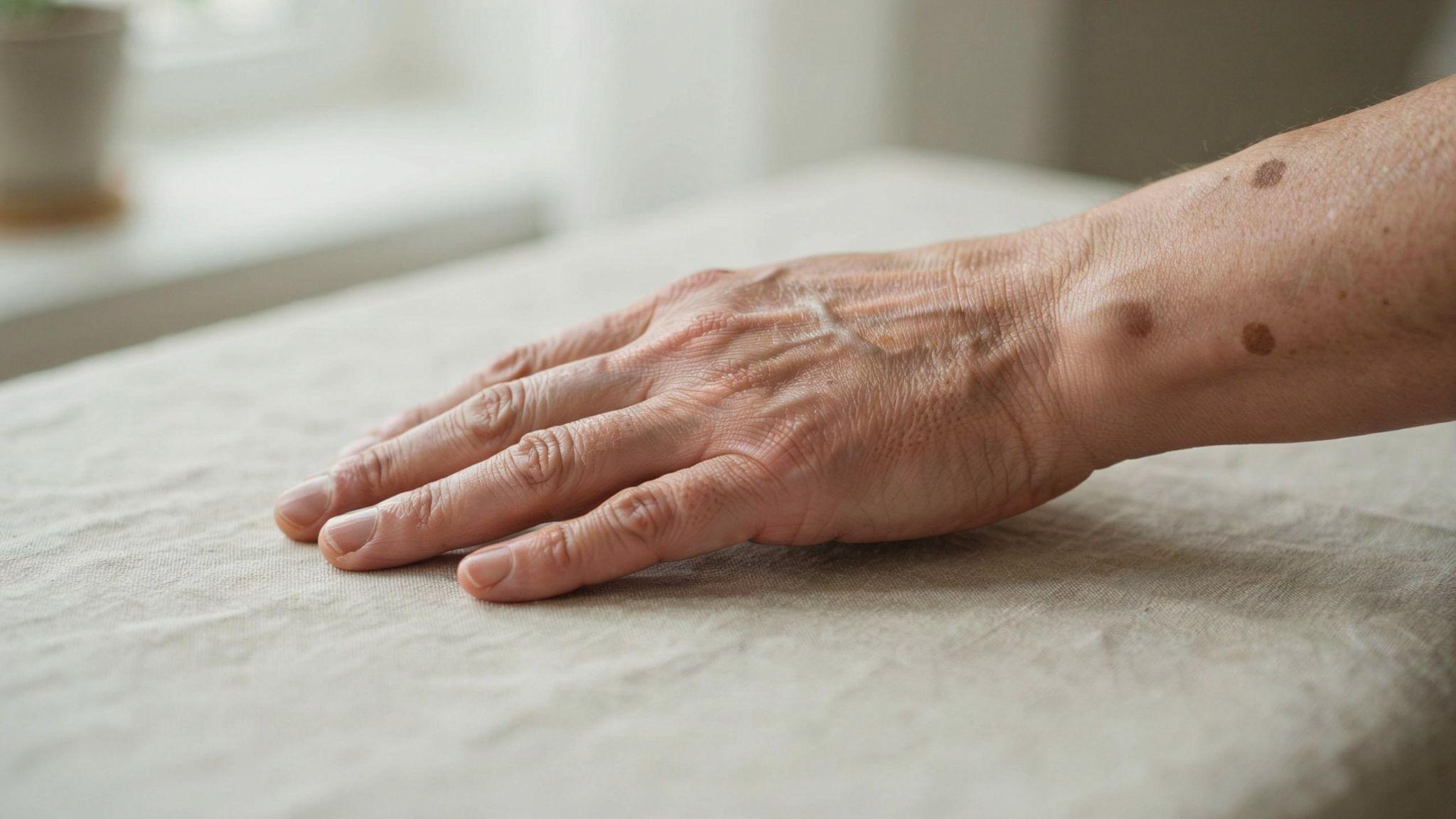
Sun spots are flat, darkened patches that show up on the skin after years of sun exposure. They are also called liver spots or age spots.
They form when melanin, the pigment that gives skin its color, builds up in one area over time. This usually happens in your 30s or later.
Sun spots are not raised or rough. They just sit flat on the skin. They don't fade on their own the way freckles sometimes do.
You'll most often see them on areas that get a lot of sun like the face, hands, and shoulders.
Causes of Sun Spots
Sun spots don't appear overnight. They build up slowly from years of UV damage.
- Long-term UV exposure breaks down the skin's ability to spread melanin evenly.
- Accumulated sun damage from years of being outdoors without protection speeds up their appearance.
- As skin ages, melanin production becomes harder to control, leading to uneven dark patches.
- Fair-skinned people tend to develop sun spots earlier due to lower natural UV protection.
- Using tanning beds regularly can also trigger sun spot formation over time.
Appearance of Sun Spots
Sun spots have a very specific look that sets them apart from other skin changes.
- They range in color from light tan to dark brown depending on skin tone and sun exposure.
- Most sun spots are larger than freckles, often between 1mm and 2cm in size.
- They have clear, defined edges and a flat surface with no texture.
- Common areas include the face, backs of hands, forearms, and upper shoulders.
- Unlike freckles, sun spots do not fade in winter. They stay the same year-round.
Treatment Options for Sun Spots
There are several ways to reduce the appearance of sun spots depending on your skin and budget.
- Daily broad-spectrum sunscreen slows down new sun spot formation and protects existing skin.
- Vitamin C serums and retinoids help fade dark spots gradually with regular use.
- Chemical peels remove the top layer of skin and can lighten sun spots over multiple sessions.
- IPL therapy uses light energy to break up pigmentation deep in the skin.
- Laser treatments are one of the most effective options for stubborn, deep sun spots.
What Are Freckles?

Freckles are small, flat spots that appear on the skin, usually starting in childhood. They are mostly linked to genetics.
If your parents had freckles, there's a good chance you do too. Freckles form when certain skin cells produce more melanin than the surrounding skin.
Sun exposure doesn't cause freckles but it does make them darker and more visible. The interesting part is that freckles can fade during winter months when sun exposure drops.
They are most common on fair-skinned people and usually appear on the face, nose, and shoulders.
Causes of Freckles
Freckles come from a mix of genetics and sun triggers.
- Freckles are largely inherited. The MC1R gene plays a big role in who gets them.
- Sun exposure doesn't create freckles but activates existing melanin cells to produce more color.
- Fair or light skin tones have less melanin overall, making freckles more visible.
- Children tend to develop freckles early because their skin reacts strongly to UV light.
- People with red or light blonde hair are more genetically likely to have freckles.
Appearance of Freckles
Freckles have a softer, more scattered look compared to sun spots.
- They are usually light to medium brown and sometimes have a reddish tone on fair skin.
- Freckles are small, typically under 2mm, and appear in clusters rather than alone.
- They show up most often on the nose, cheeks, and shoulders.
- In summer, freckles darken and become more visible due to increased UV exposure.
- In winter, they often fade significantly or disappear almost completely on some skin tones.
Treatment Options for Freckles
Freckles are harmless, but some people prefer to lighten them.
- Brightening products with ingredients like kojic acid or niacinamide can gradually reduce freckle visibility.
- Chemical peels help lighten freckles by removing the outer layer of pigmented skin.
- Laser treatments can target melanin in freckles with more precision for faster results.
- SPF use daily helps stop freckles from darkening further during sun exposure.
- Many people choose to leave freckles alone since they are completely harmless and natural.
Sun Spots vs Freckles: Quick Comparison
Use this quick comparison chart to understand the key differences between sun spots and freckles.
| Feature | Sun Spots | Freckles |
| Cause | Long-term sun damage | Genetics + sun exposure |
| Age of Appearance | Adulthood | Childhood |
| Size | Larger, defined patches | Small, scattered spots |
| Color | Tan to dark brown | Light to medium brown |
| Seasonal Changes | Stay year-round | Fade in winter, darken in summer |
| Permanence | Usually permanent | Often temporary |
| Common Areas | Face, hands, shoulders | Face, nose, shoulders |
| Treatment | Retinoids, peels, IPL, lasers | Brightening products, peels, lasers |
Are Sun Spots and Freckles Harmful?
Most of the time, neither sun spots nor freckles are dangerous. Freckles are completely harmless and have no link to skin cancer.
Sun spots, on the other hand, are a sign that your skin has taken in a lot of UV damage over the years. That doesn't mean they're cancerous, but it does mean your skin needs more protection going forward.
If a spot starts to change in shape, color, or size, or if it bleeds or itches, see a dermatologist right away.
Getting your skin checked once a year is a smart habit no matter what spots you have.
Tips to Prevent Sun Spots and Freckles
Small daily habits make a big difference for your skin over time.
- Wear SPF every day. Even on cloudy days, UV rays reach your skin and trigger pigmentation.
- Cover up when outdoors. Hats, long sleeves, and UV-protective clothing reduce direct sun exposure significantly.
- Avoid peak sun hours. UV rays are strongest between 10am and 4pm. Stay in the shade when you can.
- Check your skin regularly. Look for new spots or changes in existing ones and track them over time.
Conclusion
Now you know the difference. Sun spots come from years of UV damage. Freckles come from genetics.
They look alike but they are not the same. Knowing the difference between sun spots vs freckles helps you treat the right thing the right way. Start with SPF every day.
Look into brightening products or see a dermatologist if needed.
Got questions or tips? Drop them in the comments. And if this helped, share it with someone who needs it.
Frequently Asked Questions
Can sun spots turn into skin cancer?
Sun spots are not cancerous but any spot that changes shape, color, or bleeds should be checked by a dermatologist.
Do freckles go away permanently?
Freckles often fade with age and reduced sun exposure but may never fully disappear depending on genetics.
Can sunscreen remove existing sun spots?
Sunscreen prevents new spots from forming but will not fade sun spots that are already on the skin.
Are freckles more common in certain skin tones?
Yes, freckles appear most often in people with fair skin, light hair, and the MC1R gene variant.
What is the fastest way to fade sun spots?
Laser treatments and IPL therapy tend to give the fastest results for reducing the appearance of sun spots.