Skin Purging vs Breakout: How to Tell the Difference

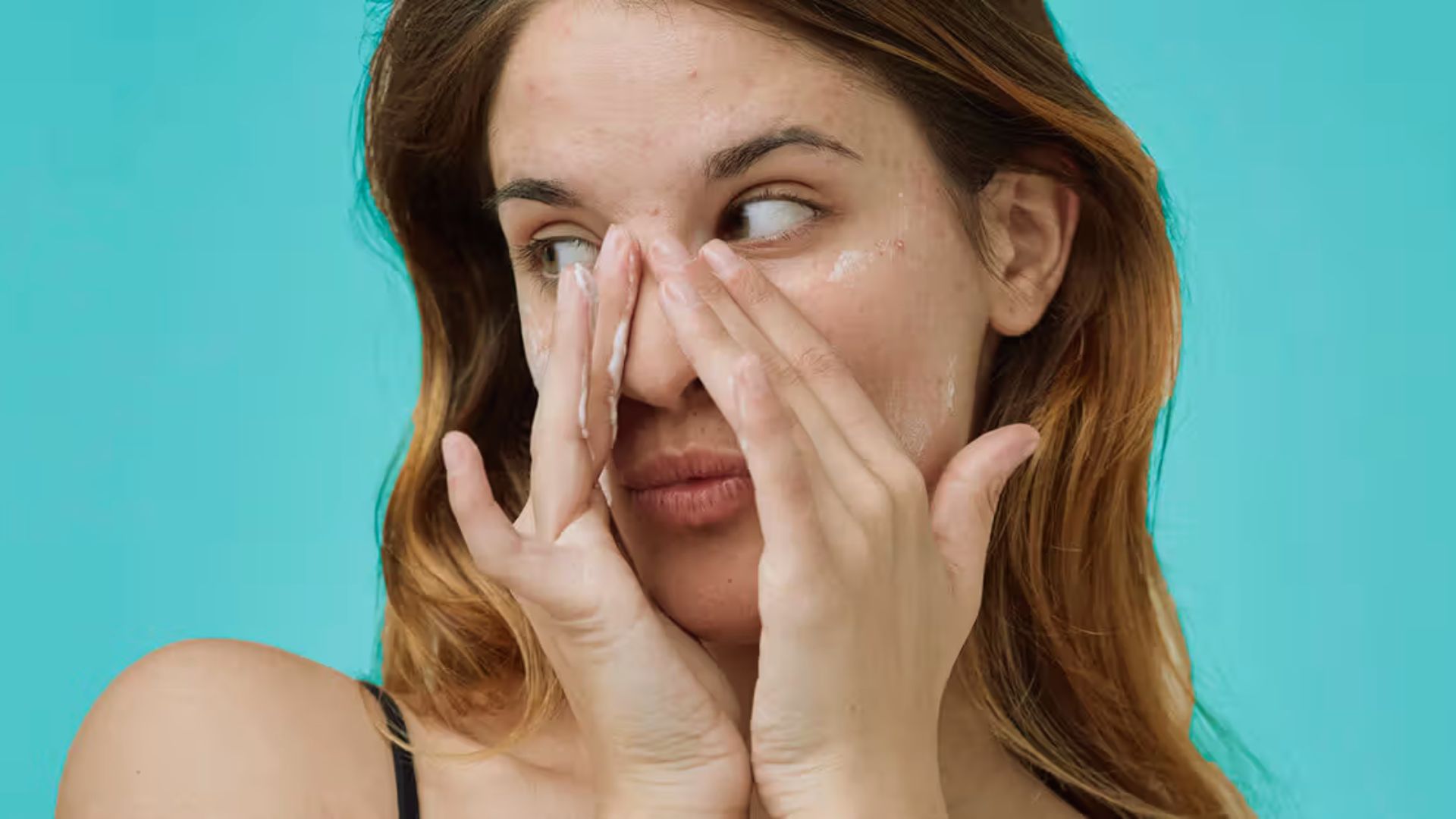
Your skin just broke out after starting a new product. Now you’re wondering: is this purging or just a plain breakout?
It’s a confusing situation. Both look similar, but they’re very different. And treating one like the other can make things worse.
In this article, I’ll break down exactly how to tell skin purging vs breakout apart. You’ll get a clear timeline, real signs to watch for, and tips on what to do next.
Let’s clear this up for good.
Skin Purging vs Breakout: Quick Comparison (TL;DR)
Short on time? Here’s the fast version before we get into the details.
Purging is triggered by active skincare ingredients and clears up within 4–6 weeks. It shows up in your usual breakout spots and heals faster than normal.
A breakout has different causes like stress, hormones, or a bad product reaction. It can appear anywhere on your face, lasts longer, and doesn’t follow a clear end date.
The biggest tell? If you just started a new active ingredient and pimples are popping up where they usually do, it’s likely purging.
If nothing new changes and your skin is acting up, it’s probably a breakout.
Skin Purging vs Breakout: Key Differences Explained

Knowing what separates purging from a breakout helps you react the right way.
Location: Where Pimples Appear
Purging shows up in your usual breakout zones. A regular breakout can appear anywhere, including areas that are normally clear for you.
Duration: How Long It Lasts
Purging clears up within 4–6 weeks as your skin pushes out existing congestion. If things are still getting worse after that, it’s likely a breakout or a reaction to a product.
Appearance: Type of Pimples
Purging brings out whiteheads, blackheads, or cysts that were already forming under the skin. Breakouts tend to look more inflamed, red, and can appear suddenly without warning.
Triggers: What Causes Each
Purging is caused by active ingredients like retinol, AHAs, and BHAs that speed up cell turnover. Breakouts are triggered by hormones, stress, diet, or a product your skin simply doesn’t agree with.
Healing Time and Skin Behavior
Purging pimples heal faster than usual. Breakout spots take longer to fade, spread to new areas, and often come back without a clear pattern.
Skin Purging vs Breakout

Skin purging and breakouts can look almost identical, but knowing which one you’re dealing with changes everything about how you treat it.
| Feature | Skin Purging | Breakout |
|---|---|---|
|
What it is |
Skin clearing out clogged pores faster |
Clogged pores from irritation or bacteria |
|
Cause |
Active ingredients speeding up cell turnover |
New product, diet, stress, or hormones |
|
Common triggers |
Retinol, AHAs, BHAs, vitamin C |
Comedogenic products, sweat, poor diet |
|
Where it appears |
Where you already get breakouts |
Anywhere, including new areas |
|
Skin type |
Whiteheads, small pimples, flaking |
Pustules, cysts, blackheads |
|
How long it lasts |
4 to 6 weeks max |
Persists or gets worse over time |
|
What to do |
Keep using the product, be patient |
Stop the trigger, treat the breakout |
|
Pain level |
Usually mild |
Can be painful or tender |
|
Skin after healing |
Clearer and smoother than before |
Same or worse without treatment |
|
Sign it’s working |
Breakouts slow down after a few weeks |
No improvement or spreading |
If your skin gets worse after 6 weeks, it is most likely a breakout and not a purge.
How to Tell the Difference Between Skin Purging vs Breakout
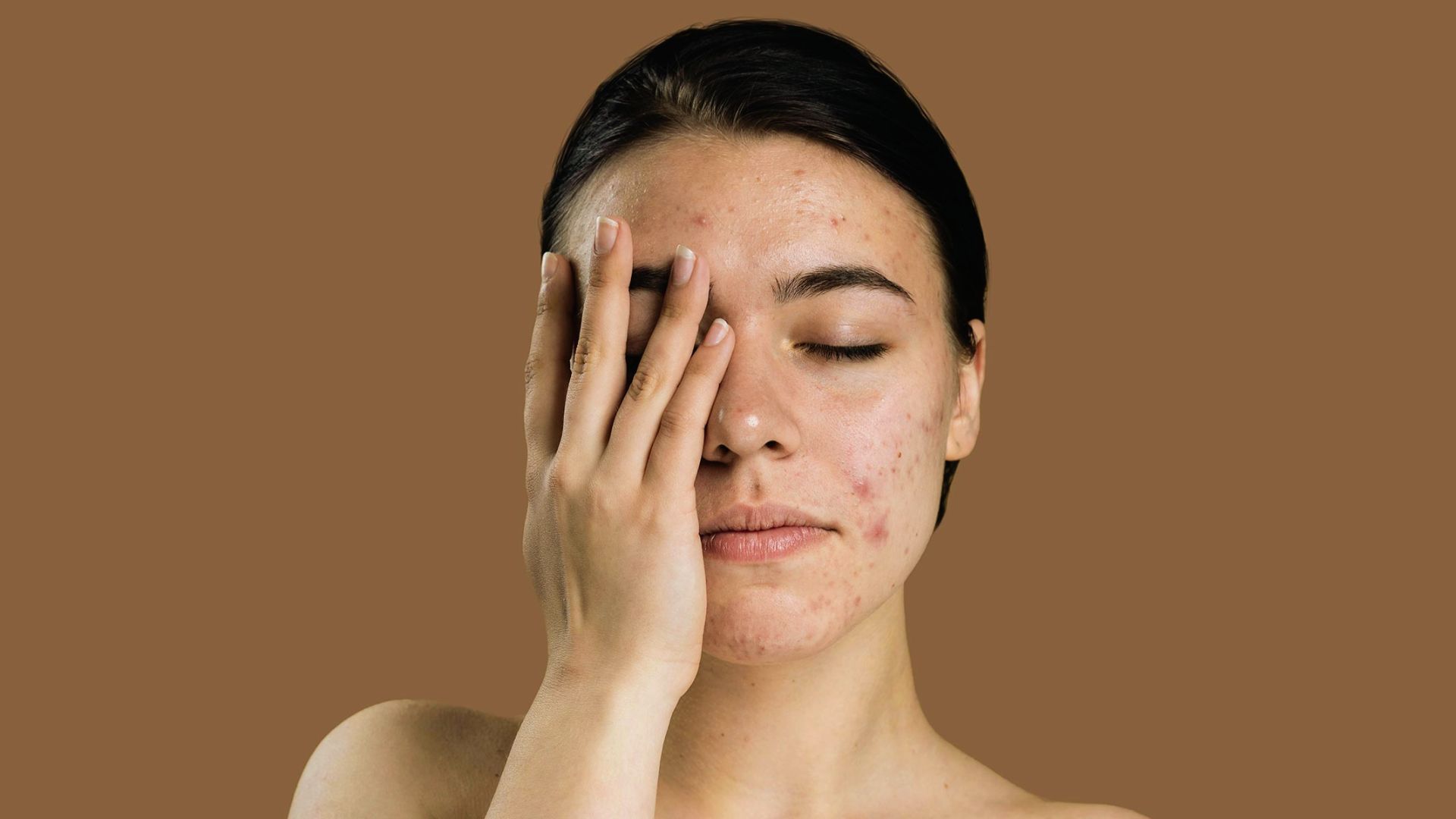
A few simple checks can help you figure out what’s actually going on with your skin.
Skin Purging vs Breakout Signs to Watch
With purging, pimples appear in familiar spots, heal quickly, and start after introducing a new active. With a breakout, spots show up in new areas, heal slowly, and nothing new is added to your routine.
Checklist: Is It Purging or Breakout?
Ask yourself: Did you recently add an active ingredient? Are pimples in your usual spots? Did it start within the first two weeks?
If yes to all three, it’s likely purging. If spots are spreading to new areas and it’s been over 6 weeks, it’s a breakout.
When It’s Not Purging Anymore
If your skin hasn’t improved after 6 weeks, stop treating it as purging. Persistent redness, spreading pimples, or a burning feeling are all signs that something else is going on.
Skin Purging vs Breakout Timeline

Timelines are one of the most helpful tools for telling these two apart.
Typical Purging Timeline (Week-by-Week)
Week 1–2: More pimples than usual. This is normal and expected.
Week 3–4: Spots are still appearing but healing faster.
Week 5–6: Things begin to settle and skin starts to clear.
After week 6, real improvement should be visible if you’ve been consistent.
Breakout Timeline and Patterns
Breakouts don’t follow a neat arc. They flare up without warning, last longer than expected, and often come back in cycles.
Stress breakouts can last days. Hormonal ones follow a monthly pattern. A bad product reaction keeps going until you stop using it.
When to Be Concerned
Be concerned if pimples are spreading fast, your skin is burning after using a product, you’ve been purging for over 6–8 weeks with no improvement, or you’re getting painful new cysts that are unusual for you.
Skin Purging vs Breakout: Best Skincare Routine
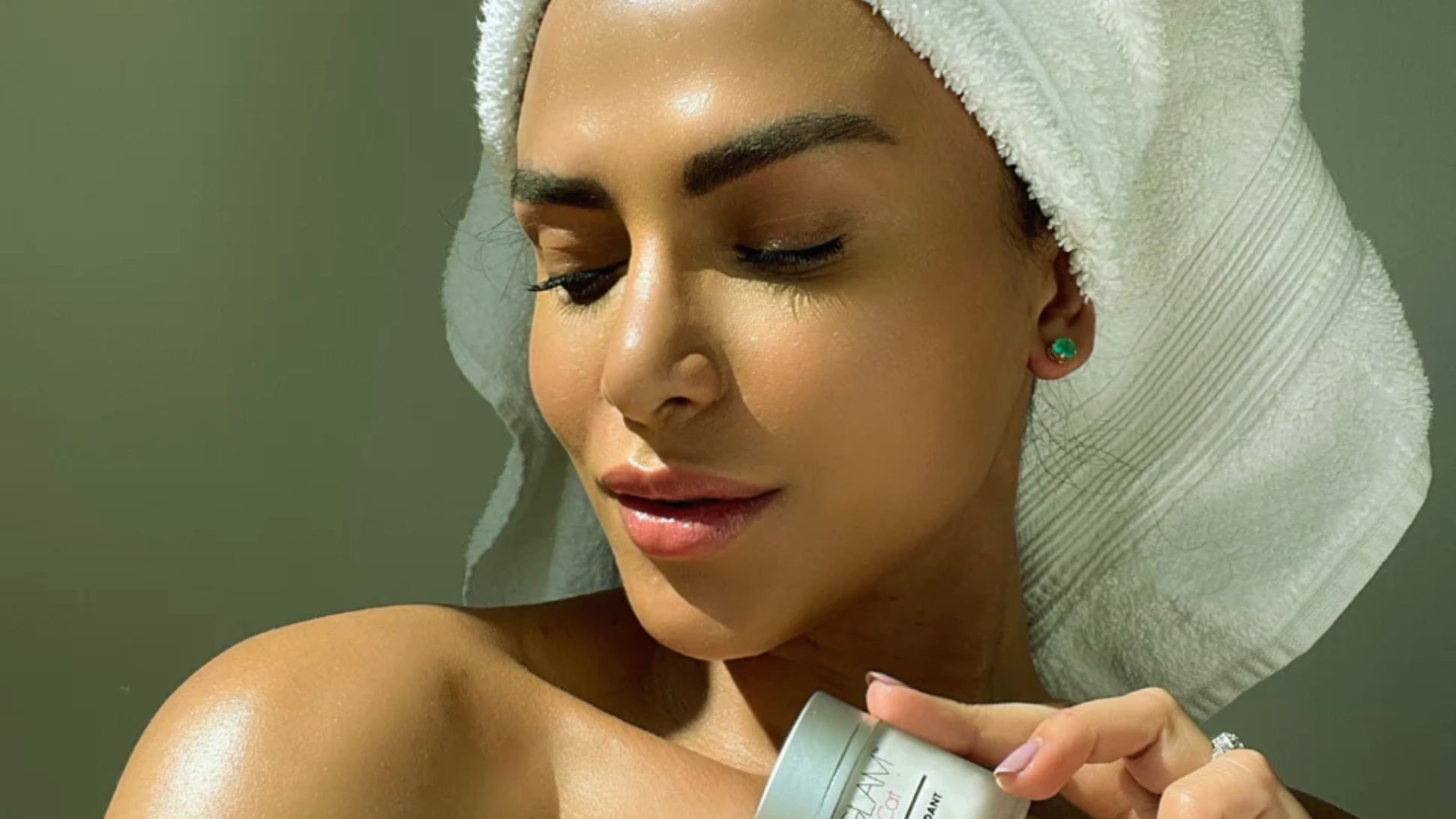
Building the right routine can prevent a lot of confusion down the line.
Beginner-Friendly Routine
Start with just one active ingredient and see how your skin reacts. A cleanser, moisturizer, and SPF is a solid base before adding anything else.
Products to Use and Avoid
Use non-comedogenic moisturizers, gentle cleansers, SPF, and one active at a time. Avoid heavy oils, alcohol-heavy products, fragranced items on sensitive skin, and anything that stings.
How to Introduce Active Ingredients Safely
Start two to three times a week before building up to daily use. Always follow activities with moisturizer. Don’t layer multiple strong activities on the same night unless your skin is used to it.
How to Treat Breakouts Effectively
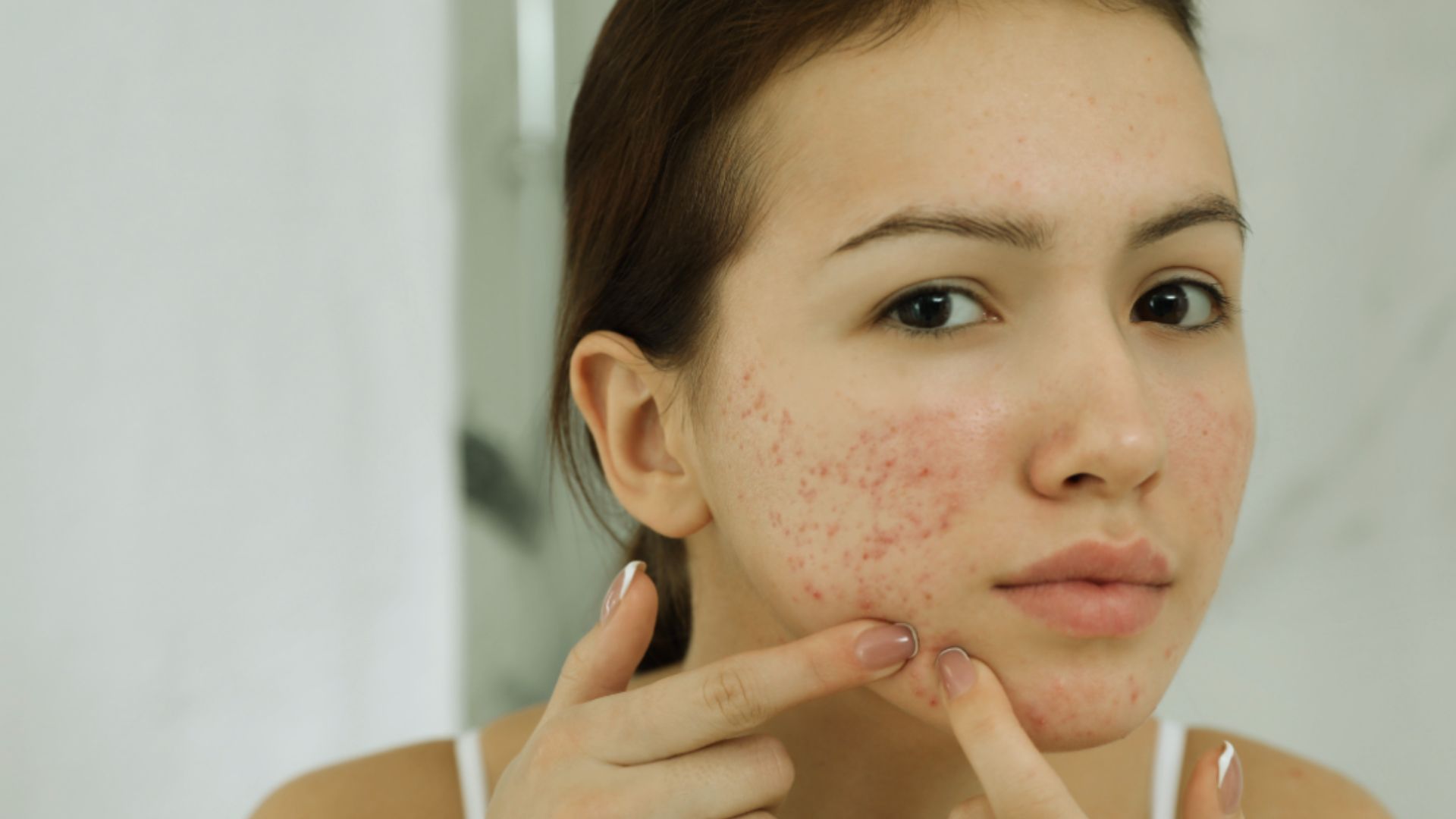
Treating a breakout is a little different from managing purging.
Best Ingredients for Acne Treatment
Salicylic acid: clears clogged pores and keeps them from getting blocked again.
Benzoyl peroxide: goes after acne-causing bacteria and helps reduce active breakouts faster.
Niacinamide: calms redness, balances oil production, and is gentle enough for most skin types.
Retinoids: speed up cell turnover and work well for preventing future breakouts over time.
Azelaic acid: reduces inflammation, targets redness, and helps fade those stubborn post-acne marks.
Lifestyle Changes to Prevent Breakouts
Change your pillowcase twice a week, clean your phone screen regularly, cut back on processed and sugary foods, manage stress, and stay hydrated. Small daily habits add up over time.
When to Change Your Skincare Products
If your skin has been breaking out for over 6–8 weeks with no improvement, reassess your routine. Check for comedogenic ingredients and consider simplifying to a more basic routine.
When to See a Dermatologist
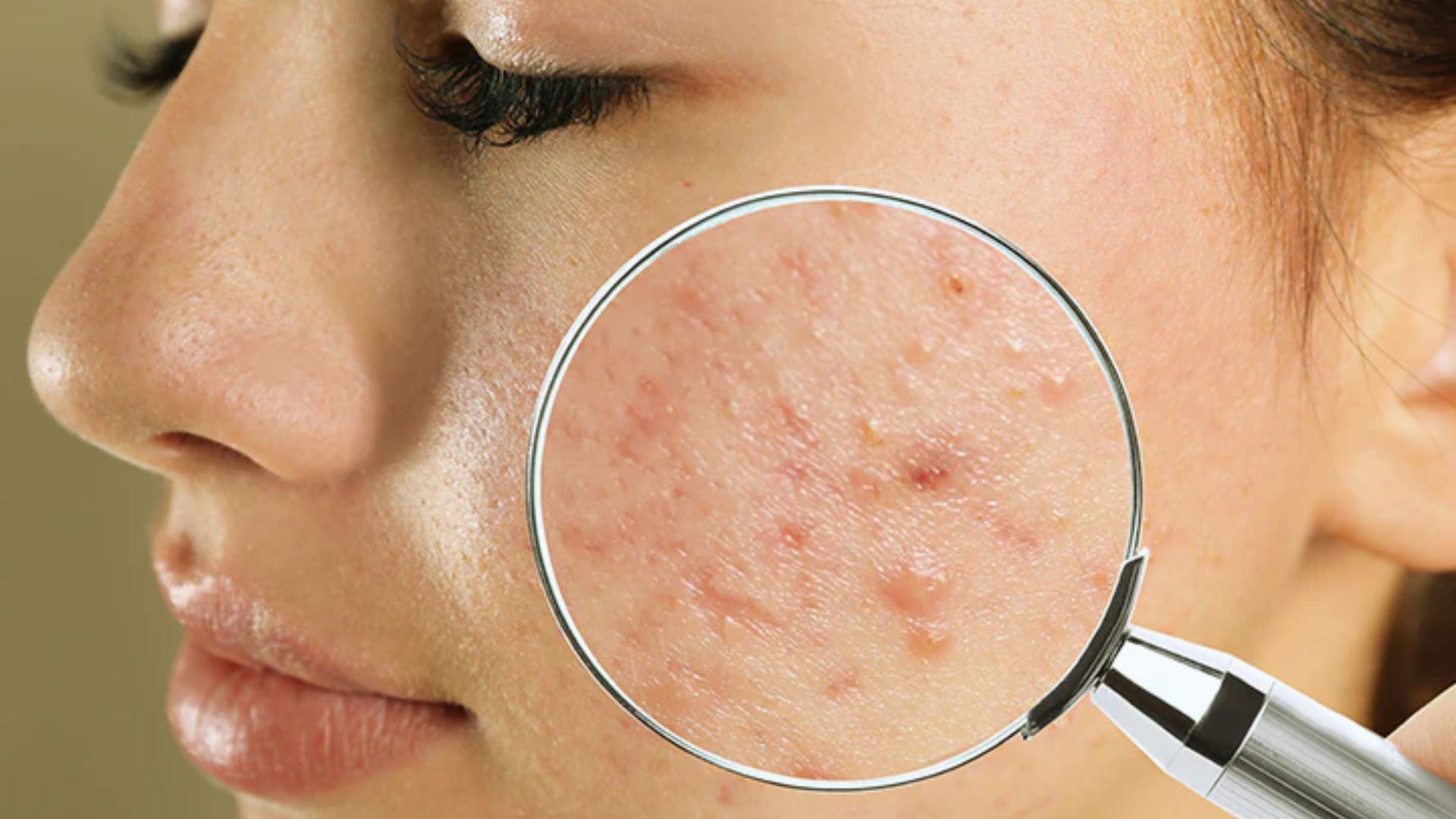
Sometimes skin issues go beyond what any over-the-counter product can fix.
Signs Your Skin Needs Professional Help
See a dermatologist if breakouts keep coming back despite a consistent routine, you’re getting painful deep cysts, scarring is getting worse, or your skin feels constantly raw and irritated.
Severe Acne vs Normal Purging
Normal purging is temporary and manageable. If you’re getting large inflamed cysts consistently across your face, jawline, and neck, that’s not purging.
That’s a skin condition that needs professional care.
Treatment Options You May Need
A dermatologist may recommend prescription retinoids, antibiotics, or hormonal treatments. In-office options like chemical peels, extractions, or light therapy are also available depending on what your skin needs.
Tips for Managing Skin Purging and Breakouts
Small, consistent habits go a long way when it comes to your skin.
- Be patient and give new products at least 4–6 weeks to work
- Introduce active ingredients slowly to avoid irritation
- Use a gentle, non-comedogenic cleanser and moisturizer
- Always wear sunscreen to prevent dark spots and damage
- Avoid picking or squeezing pimples to reduce scarring
- Keep your pillowcases and makeup tools clean
- Stay hydrated and maintain a balanced diet
Conclusion
I’ve been there. Starting a new product, watching my skin get worse, and wondering if I should just stop. It’s stressful.
But once I understood the difference between skin purging vs breakout, things got a lot less scary. Purging means your skin is adjusting. A breakout means something needs to change.
Trust the process, keep your routine simple, and give your skin the time it needs.
Have questions or want to share your experience? Drop a comment below. And if this helped, share it with someone who needs it.
Frequently Asked Questions
How to tell the difference between skin purging vs breakout?
Check where pimples appear and if you added a new active recently. Purging stays in your usual spots and clears within 6 weeks. Breakouts can pop up anywhere and last longer.
How long does skin purging last?
Purging typically lasts 4–6 weeks. No improvement after that window means it’s likely a breakout or reaction, not purging.
Can all skincare products cause purging?
No. Only activities like retinol, AHAs, and BHAs cause purging. Regular cleansers and moisturizers do not trigger it.
Should I stop using a product when purging?
Not right away. Give it 4–6 weeks unless you have severe irritation or an allergic reaction. Quitting too soon means missing the results.
Can purging and breakouts happen together?
Yes. You can purge from a new activity and break out from stress or hormones at the same time. Track what’s new in your routine to figure out the cause.