Does Alcohol Make You Breakout? The Truth About Acne


Does alcohol make you break out? I’ve asked myself this question countless times after waking up to new spots following a night out. The answer is yes, but not in the way you might think.
In this article, I’ll explain how drinking affects your skin and why those pimples appear. We’ll cover hormones, dehydration, inflammation, and the types of drinks that cause the most damage.
I’ve spent years researching skin health and testing these theories on my own face.
You’ll also get practical tips to prevent breakouts while still enjoying yourself. Let’s figure this out together.
Understanding How Alcohol Affects Your Skin
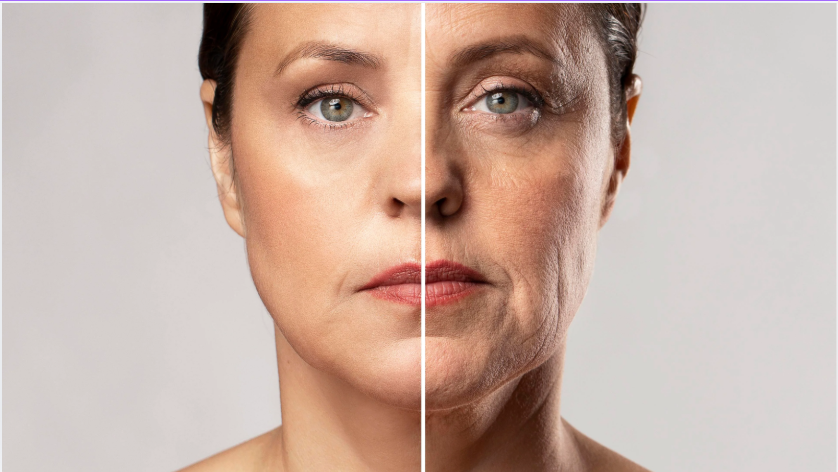
Drinking changes how your body works from the inside out, creating conditions that lead to problem skin.
When you drink, your body goes through major shifts. Your hormone levels change. Your immune system gets weaker. Your hydration drops fast.
These changes don’t happen in isolation. They work together to create the perfect storm for acne. Your skin is often the first place these internal problems show up.
I’m not saying you need to quit completely. But understanding what happens inside your body helps you make better choices.
The Physiological Connection Between Alcohol and Acne
Your body reacts to alcohol in ways that directly trigger inflammation, oil overload, and blocked pores.
Hormonal Fluctuations and Sebum Production
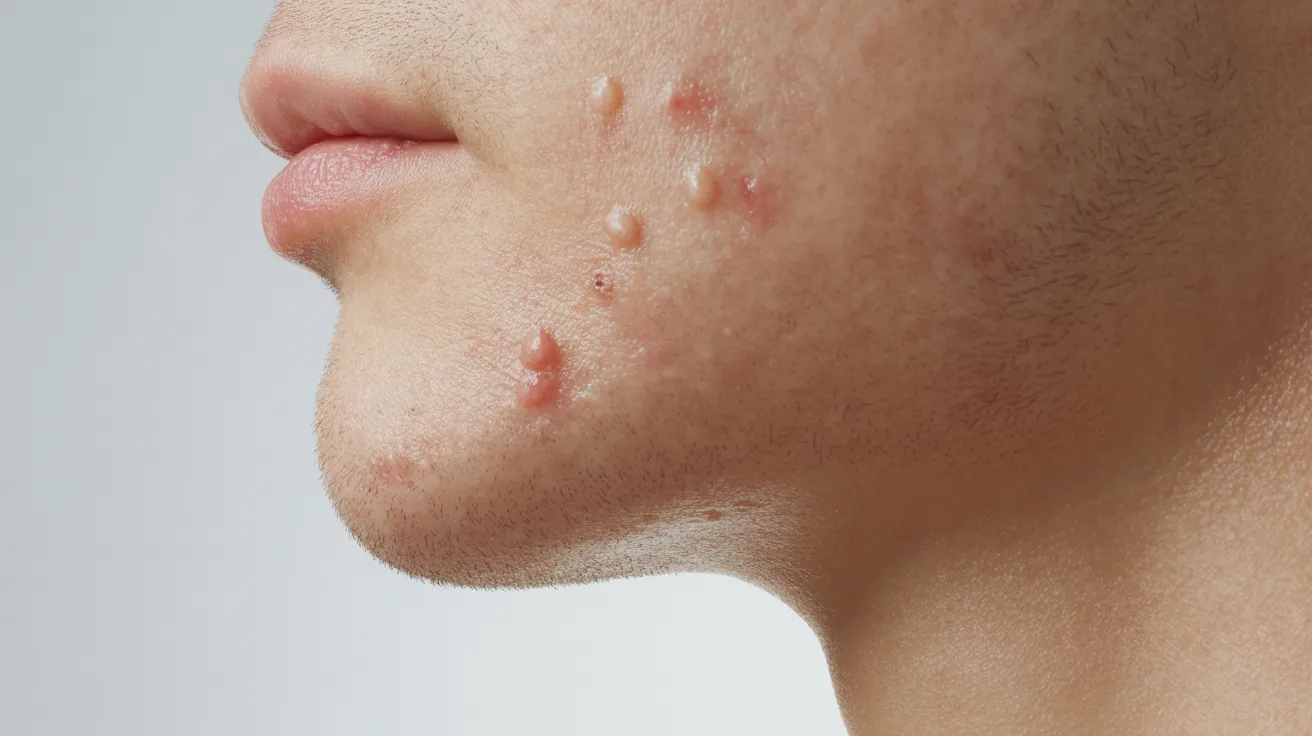
Alcohol increases testosterone and estradiol in your bloodstream. These hormones tell your sebaceous glands to work overtime.
More hormones mean more oil. Your pores get flooded with sebum. This creates the perfect environment for acne to form. Hormonal breakouts are stubborn. They show up along your jawline and chin. They hurt more than regular pimples. And they take longer to heal.
I notice this pattern in my own skin. After a few drinks, my face feels greasier the next morning. Those deep, painful bumps appear within 48 hours.
The hormone spike is temporary. But the damage to your skin can last weeks.
Immune System Suppression and Bacteria
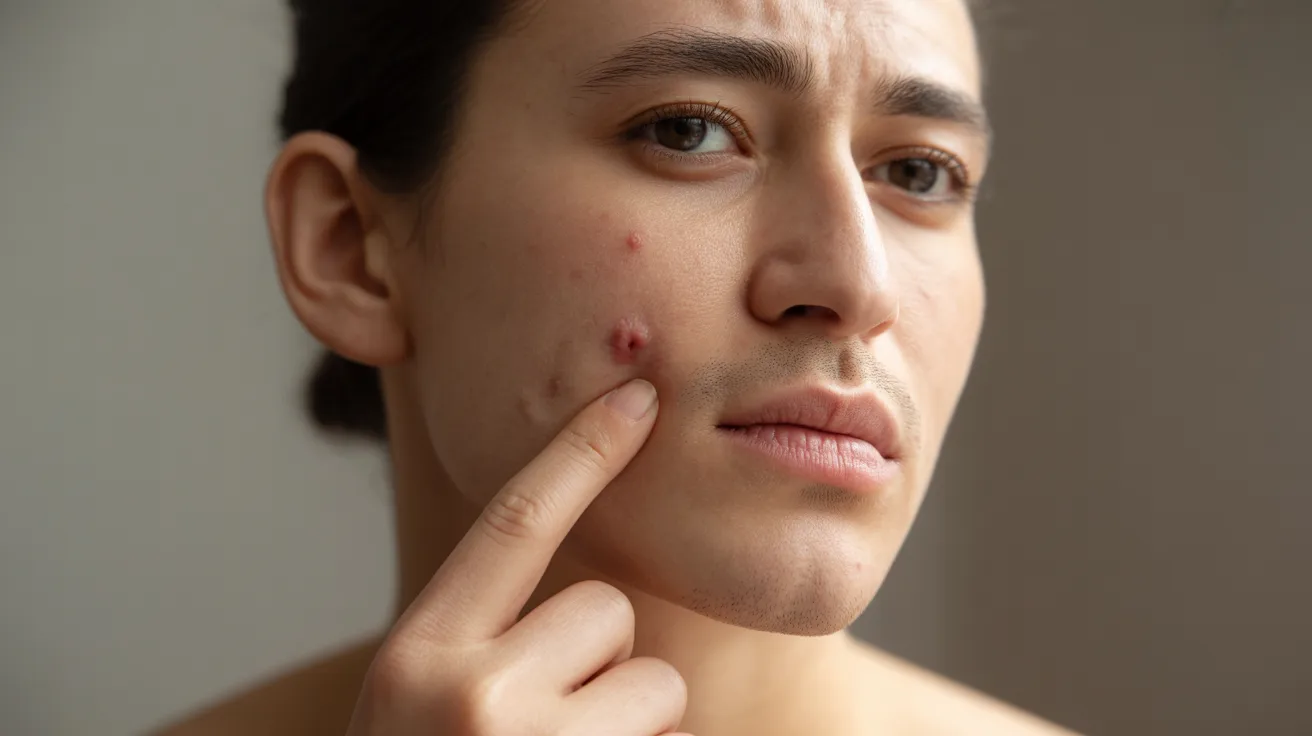
Drinking lowers your body’s protective cells and cytokines. These are the soldiers that fight off bad bacteria.
When your immune system is down, P. acnes bacteria multiply faster. Your skin can’t defend itself properly. The result is painful cysts and pustules that seem to appear overnight.Your skin needs a strong immune system. Without it, even small amounts of bacteria cause major problems.
This is why some people get sick after drinking. Your body is vulnerable. Your skin is vulnerable too.
Dehydration and Compensatory Oil Production
Alcohol is a diuretic. It pulls water out of your cells and sends it straight to your bladder.
When your skin gets dehydrated, it panics. It tries to protect itself by making more oil. This is called rebound oil production.
The extra oil clogs your pores. You end up with both dry skin and breakouts at the same time. It’s the worst combination. I always wake up thirsty after drinking. My skin feels tight and looks dull. Then within a day or two, the oil comes flooding back.
Drinking water helps. But it can’t completely reverse the damage.
Inflammation and Oxidative Stress
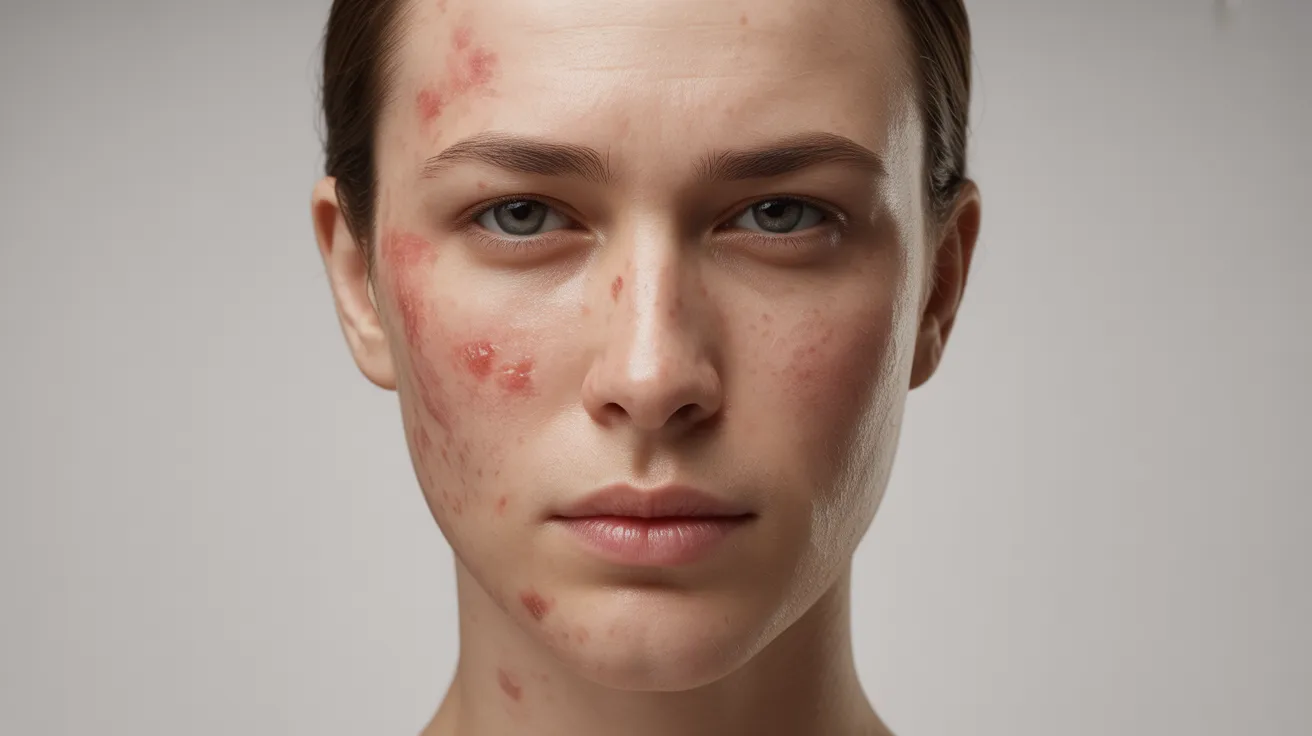
Your body treats alcohol like sugar. It breaks down into glucose and causes blood sugar spikes.
High blood sugar triggers inflammation throughout your entire system. Existing acne gets redder and more swollen. New breakouts form faster.
Inflammation slows healing. That pimple that might have cleared in three days now takes a week. The redness sticks around even longer.Oxidative stress damages your skin cells. It breaks down collagen. It makes scars more likely to form.
This is the hidden cost of drinking. The damage goes deeper than you can see.
How Alcohol Impacts Your Skin Health?

When your liver gets overloaded and oxidative stress builds up, toxins start coming out through your skin instead.Your liver is your body’s main detox organ. It filters everything you consume. But alcohol puts a massive strain on it.
When your liver can’t keep up, toxins build up in your bloodstream. Your body looks for other ways to get rid of them. Your skin becomes a backup exit route.Oxidative stress makes everything worse. Free radicals attack healthy skin cells. Your skin ages faster. It heals slower.
Supporting your liver is supporting your skin. They’re more connected than most people realize.
Does the Type of Alcohol Matter?
Different drinks have different effects on your skin because of sugar content and impurities.
Clear Liquors vs. Dark Liquors
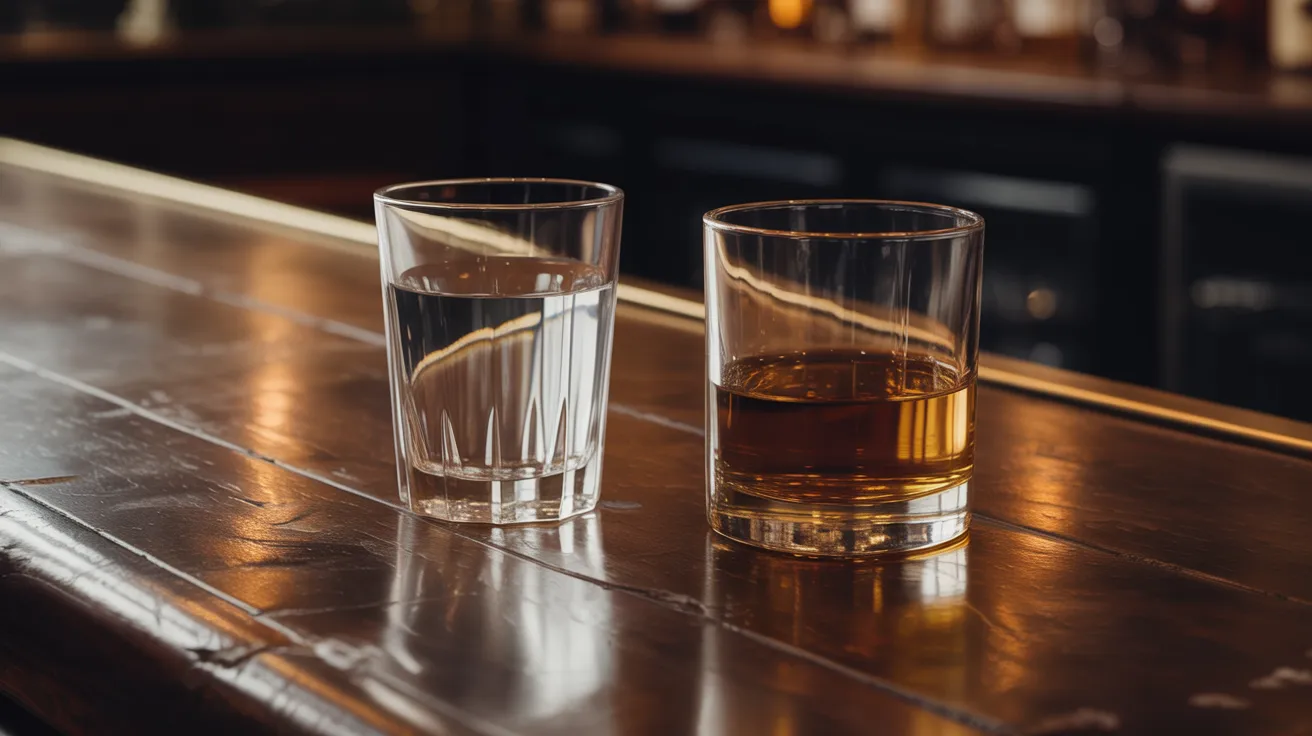
Clear spirits like vodka and gin are cleaner. They have less sugar and fewer congeners.
Congeners are impurities that form during fermentation. They make hangovers worse. They also make inflammation worse.
Dark liquors like whiskey and rum contain more of these compounds. They’re harder on your liver. They cause more skin redness and irritation.
If you’re going to drink, clear spirits are the safer choice for your skin.
The Hidden Dangers of Mixed Drinks and Beer
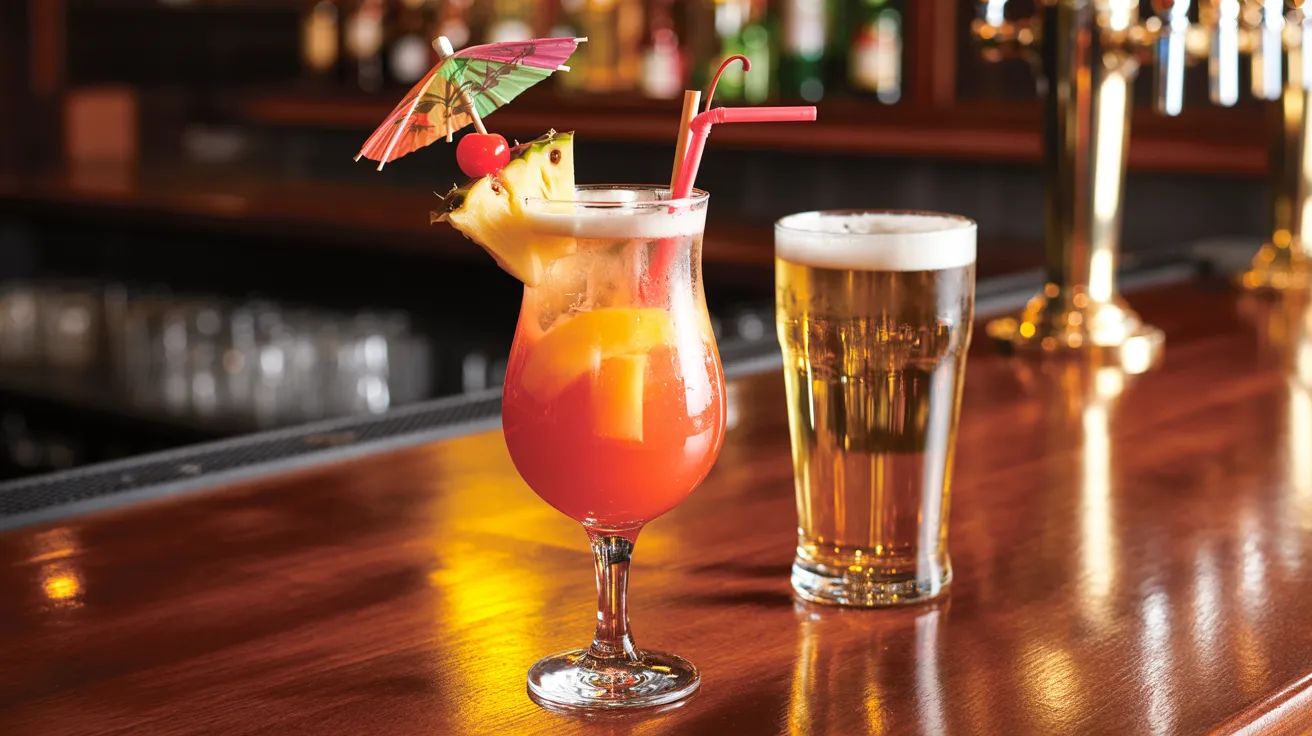
Mixed drinks are loaded with sugar. Syrups, juices, and sodas spike your blood sugar fast.
High sugar equals high inflammation. Your skin pays the price. These drinks are basically asking for a breakout.
Beer has its own problems. It contains yeast inhibitors and high salt content. This leads to facial bloating and severe dehydration.
I’ve noticed my face looks puffy after beer. The swelling goes down, but the breakouts appear a day later.
Stick to simple mixers. Soda water and fresh lime are your friends.
Wine and Rosacea Triggers
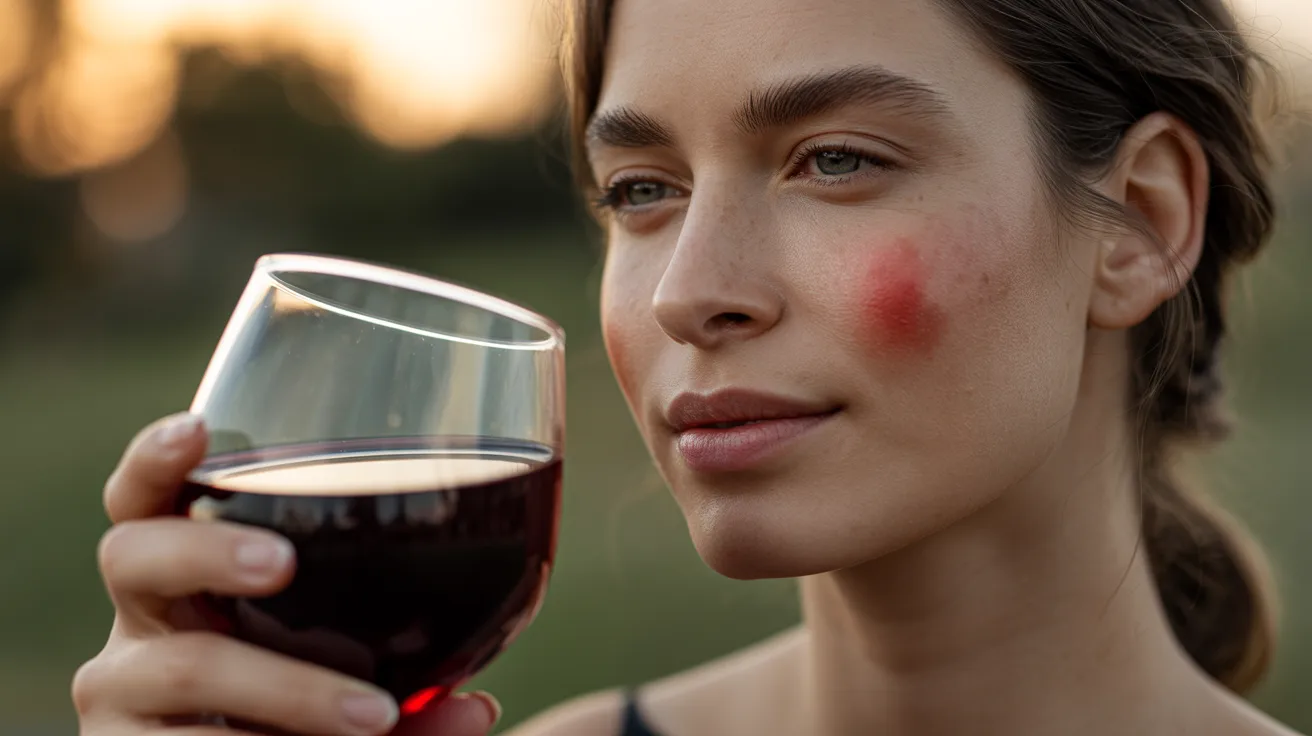
Red wine is high in tannins. These compounds dilate your blood vessels. Your face flushes and turns red.
For people with rosacea or sensitive skin, red wine is trouble. It makes redness worse and can trigger flare-ups.
White wine seems safer but isn’t. It often has more sugar than red. That sugar feeds inflammation and acne-causing bacteria.
Wine in general is tricky for skin. Moderation is key.
Tips for Preventing Alcohol-Related Breakouts
You can still have fun without ruining your skin by following smart strategies.
Here’s what actually works
- Drink one glass of water for every alcoholic drink. This keeps you hydrated and helps your liver process toxins. I keep a water bottle with me when I drink.
- Choose low-sugar drinks and skip fruity cocktails. Fresh lime and soda water are better for acne-prone skin than tonic or juice.
- Stick to clear spirits like vodka when possible. They have less sugar and fewer impurities that trigger inflammation.
- Never skip your nighttime skincare routine. Wash your face and remove the excess oil that alcohol triggered, even if you’re tired.
- Eat antioxidant-rich foods the next day. Berries, greens, and nuts help fight oxidative stress. I also take vitamin C and drink green tea.
Conclusion
I’ll be honest with you. Does alcohol make you break out? Absolutely. I’ve seen it happen to my own skin too many times to deny it. The hormonal shifts, the dehydration, the inflammation all add up to create the perfect conditions for acne.
But here’s the good news: you’re not powerless. Drinking water, choosing cleaner options, and supporting your skin can make a real difference. Start small. Try the one-to-one water rule this weekend. Your skin will show you the results.
Drop a comment below and tell me your experience with alcohol and breakouts.
Frequently Asked Questions
Can one night of drinking cause acne?
Yes, even one night can trigger breakouts. Alcohol causes immediate hormonal changes and dehydration that show up as pimples within 24 to 48 hours.
How long does it take for skin to clear after quitting alcohol?
Most people see improvement within two to four weeks. Your hormone levels stabilize, inflammation decreases, and your liver starts working more efficiently again.
Is vodka better for your skin than wine?
Generally yes. Vodka has less sugar and fewer impurities than most wines. But mixing vodka with sugary drinks cancels out any benefit.
Why does my face look puffy after drinking?
Alcohol causes inflammation and fluid retention. The dehydration also makes your body hold onto water in strange places, including your face and under your eyes.
Can alcohol worsen existing acne scars?
Yes. Alcohol slows healing and increases inflammation. This makes scars darker and more visible. It also increases the risk of new acne leaving permanent marks.