Lemongrass Benefits for Skin: A Complete Beauty Guide


Your skin deserves ingredients that actually work. Lemongrass is one of them.
I have been using lemongrass in my skincare for over two years now, and the difference in my skin clarity has been real.
That is why I wanted to write this guide, to share what works and what to watch out for.
In this blog, you will learn: The top lemongrass benefits for skin How to use it safely Whether it helps with skin whitening Side effects and precautions to know
With years of research and personal experience behind this guide, you can trust the information here is both honest and practical.
What Makes Lemongrass Effective for Skin?
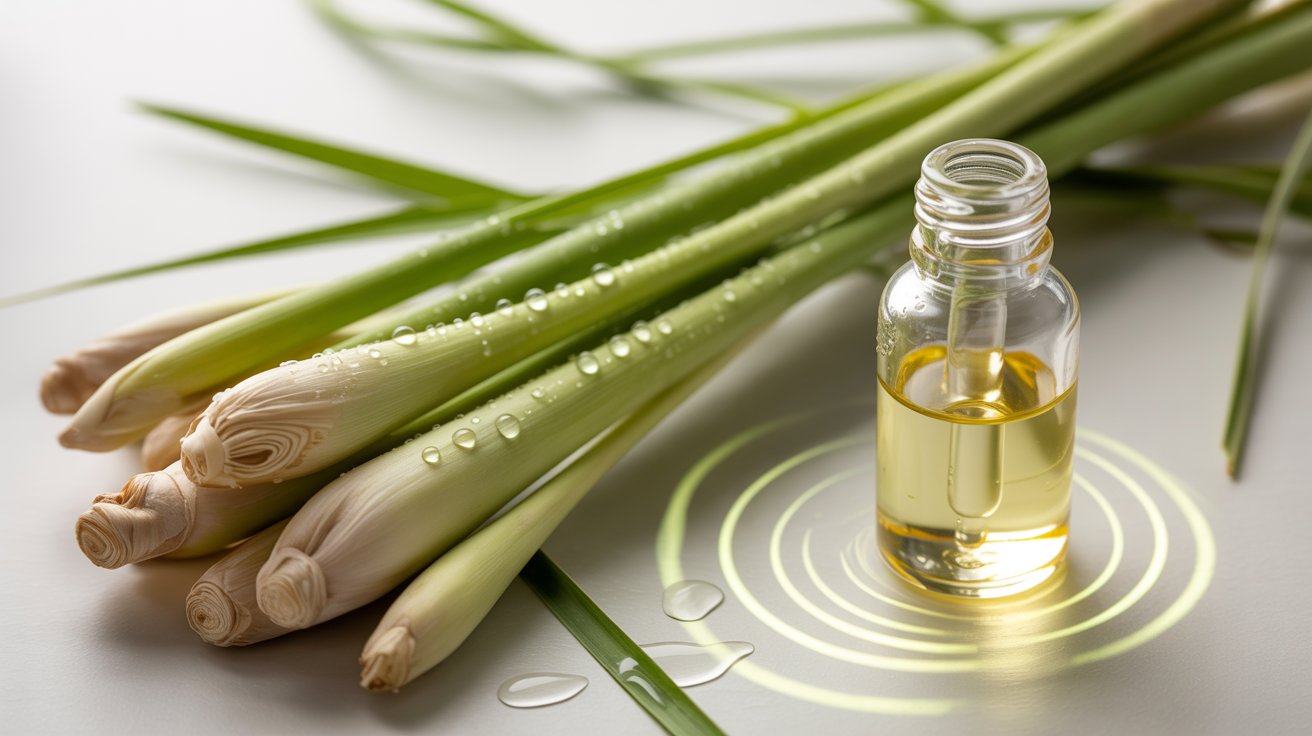
Lemongrass brings together natural compounds that work hard for your skin.
Lemongrass contains citral, limonene, and chlorogenic acid. These compounds give it antibacterial, anti-inflammatory, and antioxidant properties.
Together, they help target acne, reduce oiliness, and protect the skin from everyday damage.
It also works as a natural astringent. This means it can tighten skin and minimize the appearance of pores without harsh chemicals.
The key reason lemongrass works so well is because it addresses multiple skin concerns at once, from breakouts to dullness, making it a practical addition to your skincare routine.
Lemongrass Benefits for Skin
Here is a closer look at what lemongrass can do for your skin when used correctly.
Helps Fight Acne and Breakouts
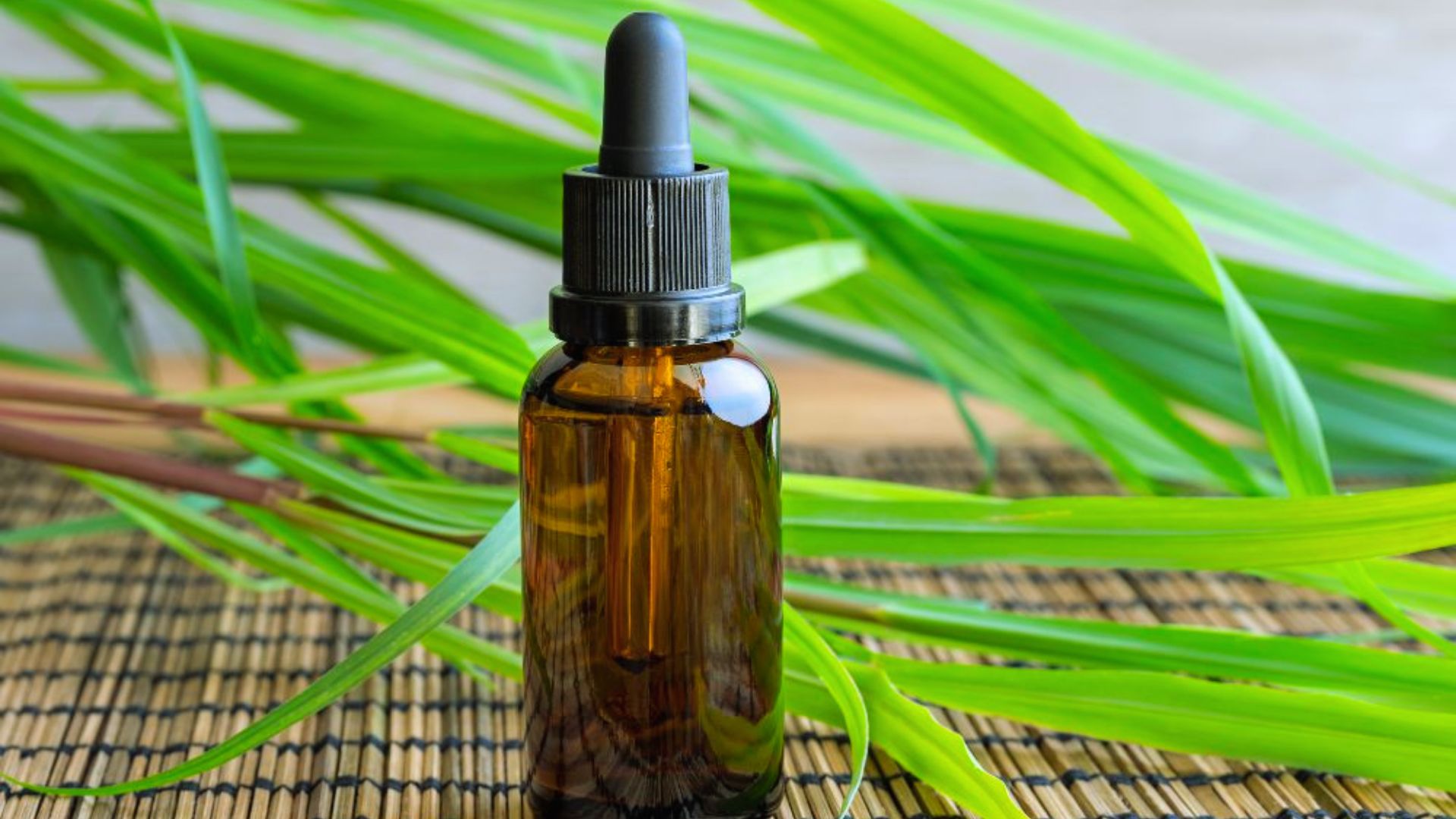
Lemongrass has strong antibacterial properties that target acne-causing bacteria on the skin’s surface.
It works by reducing clogged pores and calming inflammation around existing breakouts.
If you deal with regular pimples or congested skin, adding lemongrass to your routine may help reduce their frequency over time.
Controls Excess Oil Production

If you have oily or combination skin, lemongrass can be a good fit.
It helps regulate sebum production, which is the oil your skin naturally makes. When sebum is balanced, your face stays fresher throughout the day without that shiny, heavy feeling.
Minimizes Pores and Tightens Skin
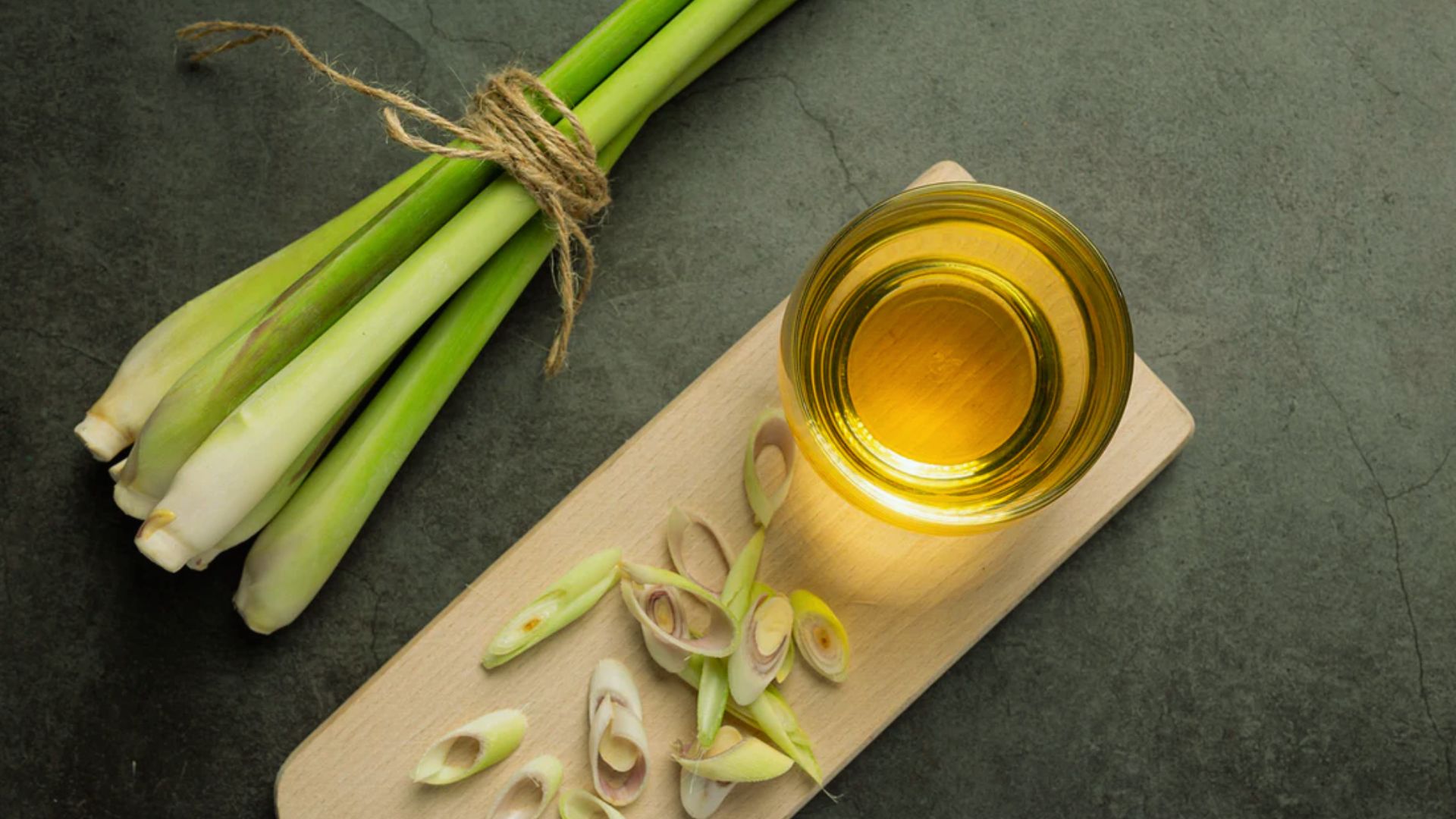
Lemongrass acts as a natural astringent, which means it temporarily tightens the skin.
This can make pores look smaller and improve overall skin texture. With regular use, the skin can feel firmer and look more even in tone.
Reduces Redness and Skin Irritation
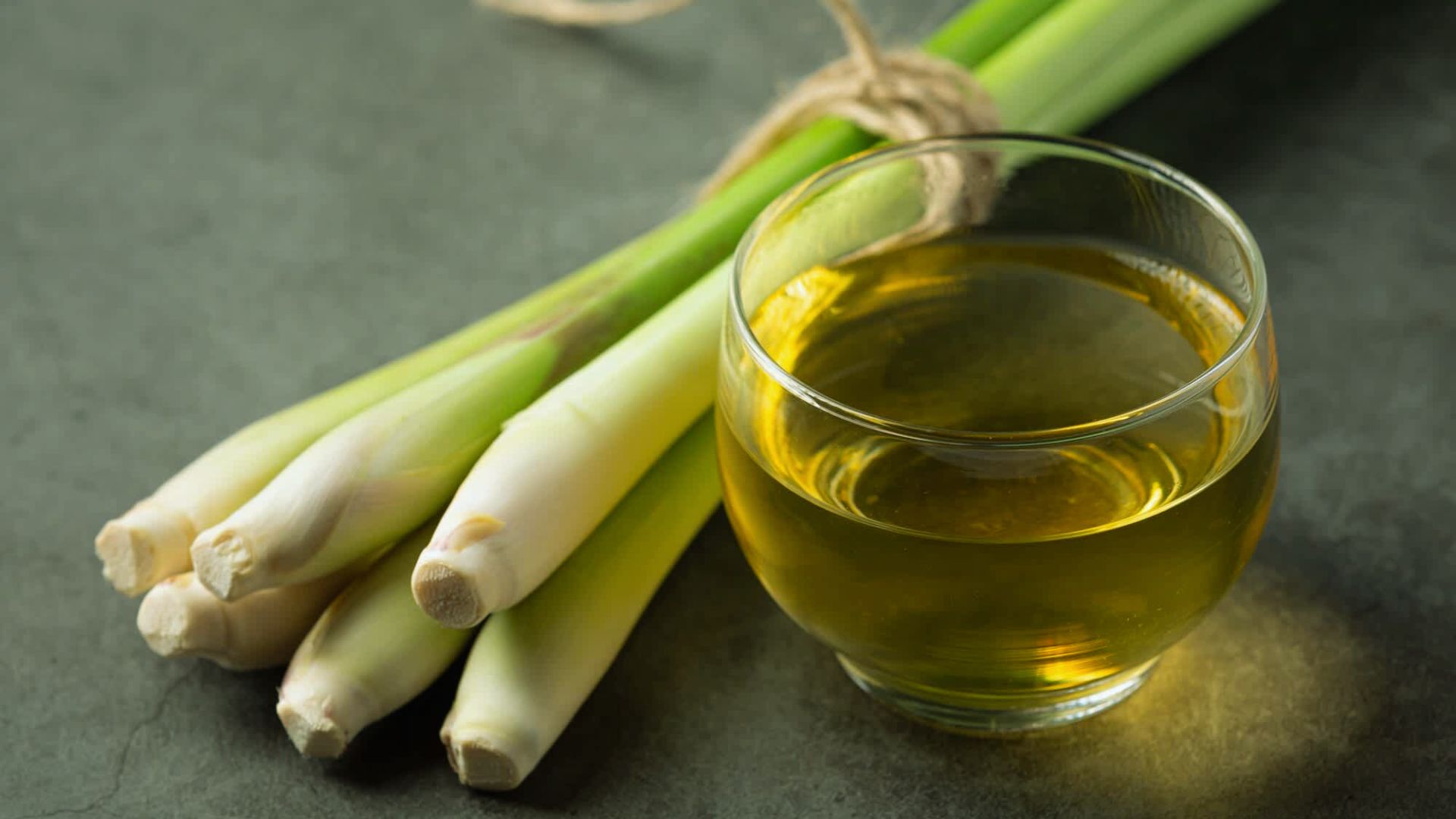
The anti-inflammatory properties in lemongrass make it helpful for calming red, irritated skin.
It soothes sensitive and acne-prone skin without the harsh side effects of stronger treatments. If your skin gets reactive easily, lemongrass used in the right way can offer gentle relief.
Supports Skin Detoxification
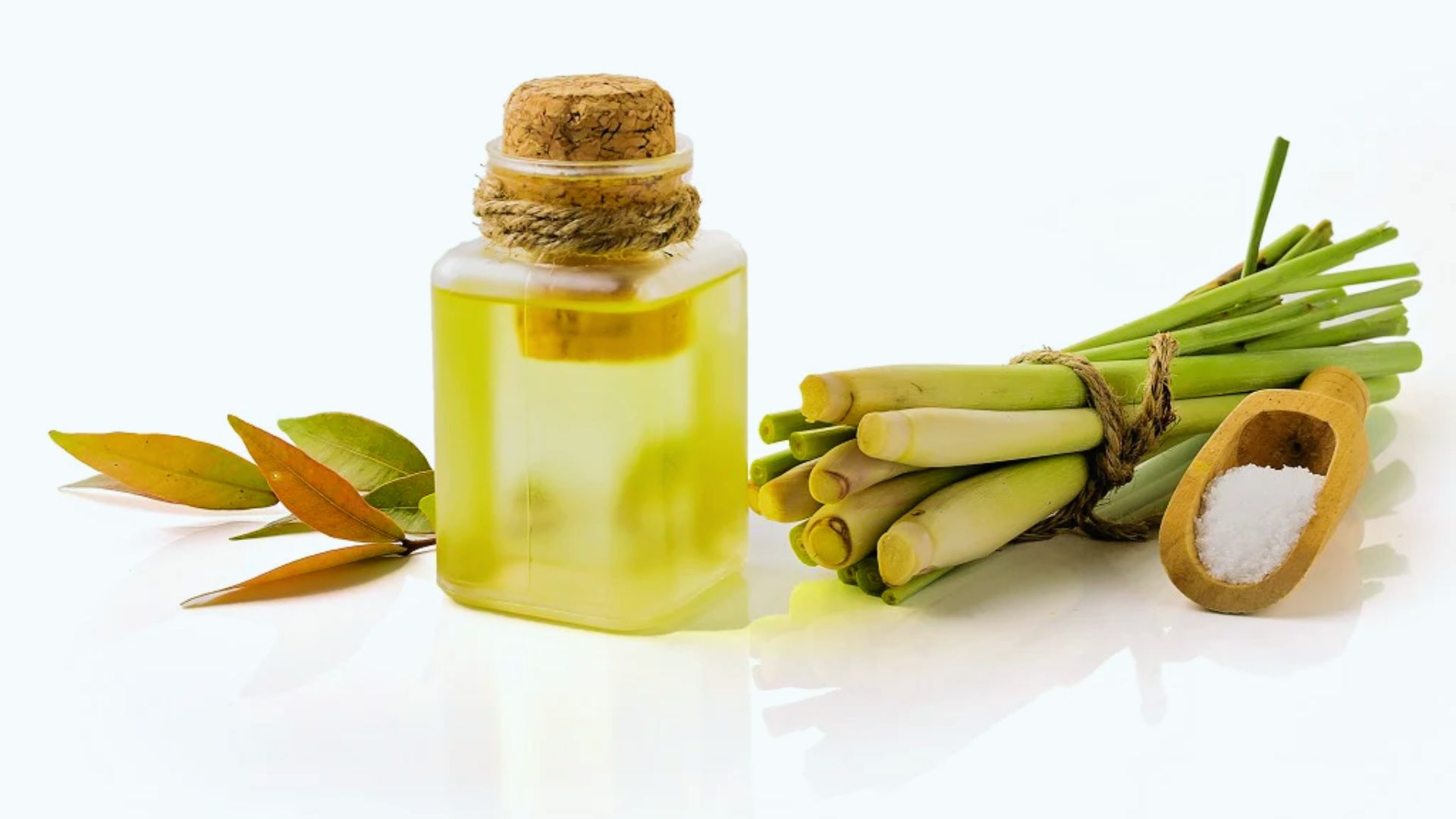
Lemongrass helps draw out impurities and dirt from the skin.
Think of it as a gentle cleansing support for your pores. It promotes cleaner, more refreshed-looking skin when used consistently over time.
May Help Improve Skin Tone and Brightness
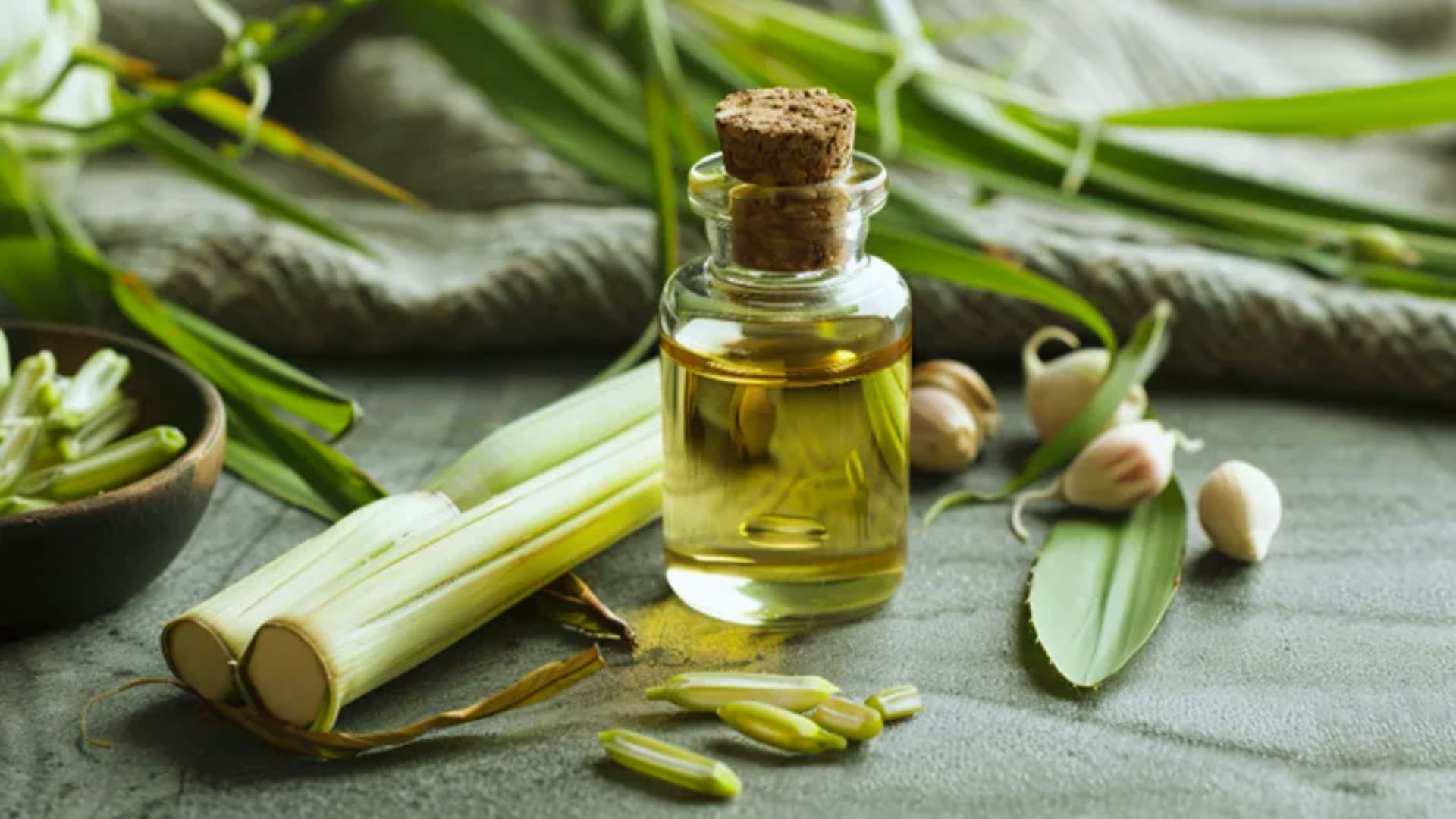
Lemongrass has a connection to natural glow rather than dramatic whitening.
It may help reduce the appearance of dullness and uneven tone. This makes it popular among those finding lemongrass benefits for skin whitening, though the results are more about clarity and radiance than a bleaching effect.
Provides Anti-Aging Benefits
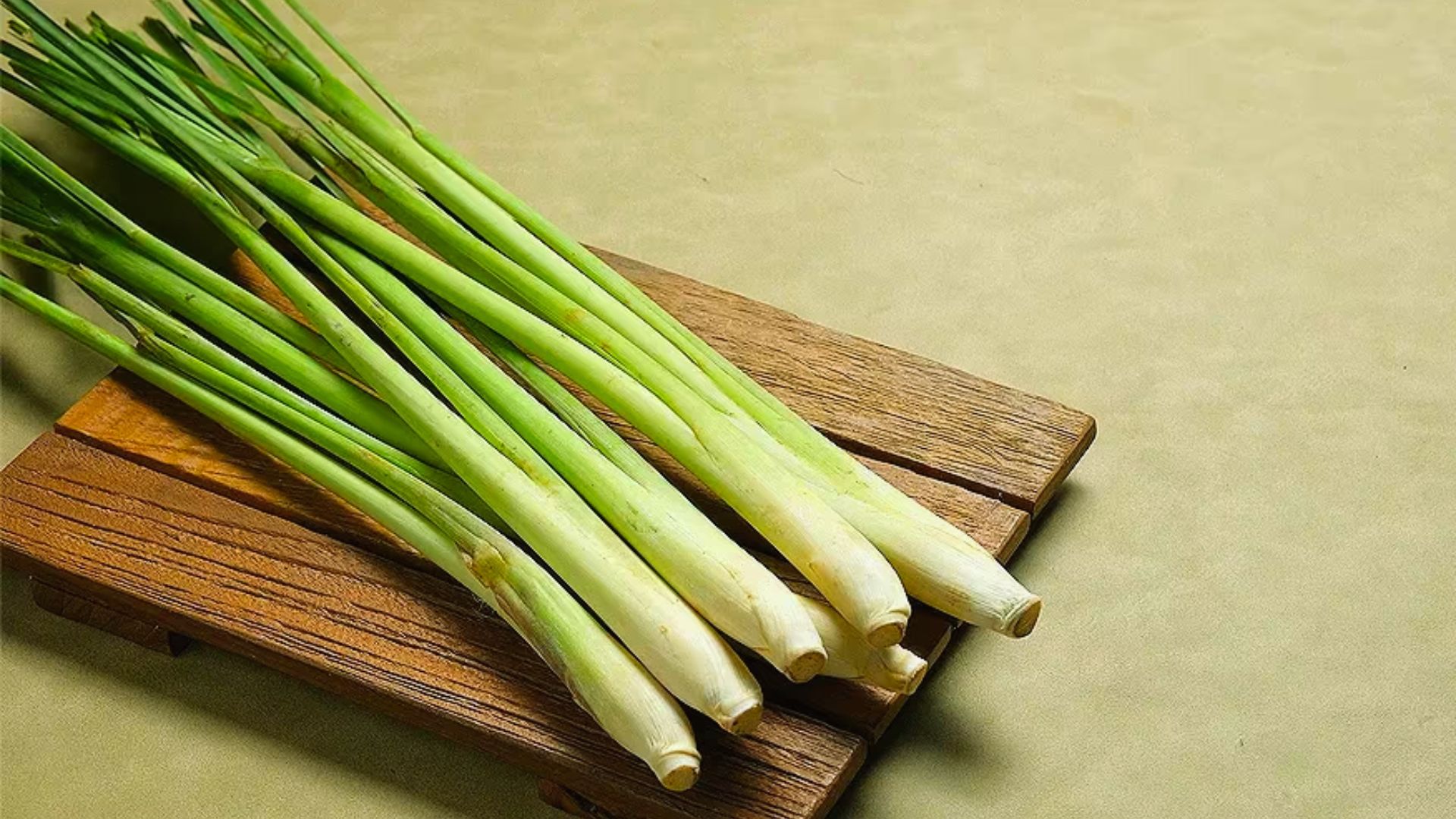
Lemongrass is rich in antioxidants, which help protect the skin from free radical damage.
Free radicals are one of the main causes of early signs of aging like fine lines and loss of firmness. Regular use of lemongrass may slow down this process and keep skin looking healthier for longer.
How to Use Lemongrass Essential Oil for Skin
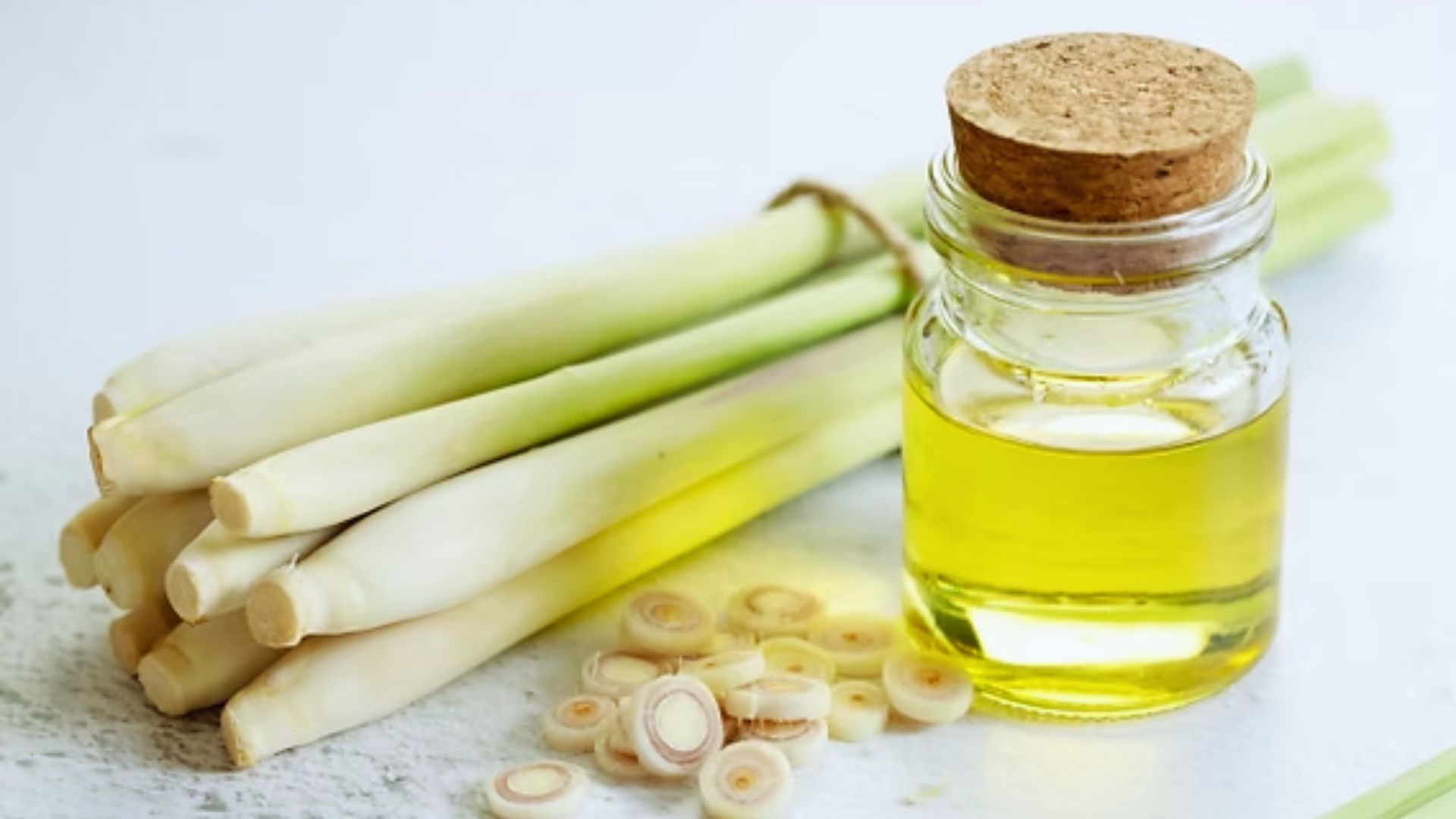
Using lemongrass correctly makes all the difference between great results and skin irritation.
Proper Dilution with Carrier Oils
Lemongrass essential oil is highly concentrated and must always be diluted before applying to skin.
Safe carrier oils to use with it include: Coconut oil Jojoba oil Tallow Argan oil
A general guideline is to keep lemongrass oil at 1 to 2 percent of the total mixture. For every teaspoon of carrier oil, that is about 1 to 2 drops of lemongrass oil.
Application Methods
As a lightweight face oil after cleansing In a homemade toner with water and aloe vera Mixed into a DIY mask with clay or honey As a spot treatment applied directly to breakouts only
Always apply on clean skin and follow up with a moisturizer if needed.
Lemongrass Benefits for Skin Whitening: Does It Work?
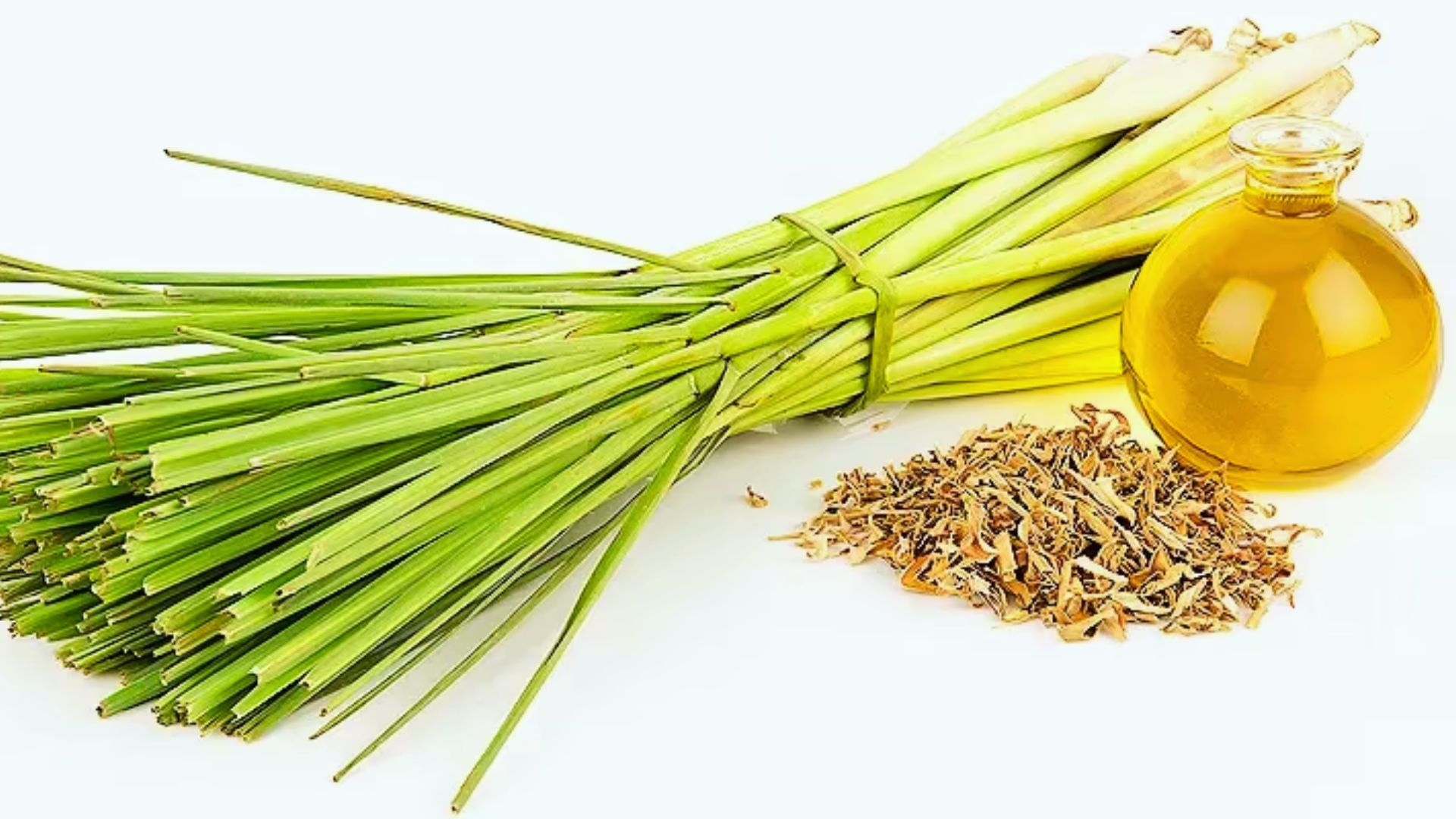
Many people search for lemongrass benefits for skin whitening, hoping for dramatic results.
Natural Brightening vs Whitening Claims
It is important to be clear here. Lemongrass does not bleach or lighten the skin in a chemical way.
What it does is support a more even, glowing complexion. It can reduce the appearance of dullness, uneven patches, and tired-looking skin.
Expecting a drastic skin tone change would not be realistic, but a noticeable improvement in radiance is very much possible.
How It Supports Even Skin Tone
Lemongrass helps reduce dullness and the appearance of pigmentation over time.
It works by supporting clearer skin from within, flushing out impurities, calming inflammation that can cause dark spots, and giving the skin a fresher appearance.
The result is radiant skin that looks healthier, not skin that has been artificially lightened.
Precautions and Side Effects of Lemongrass on Skin
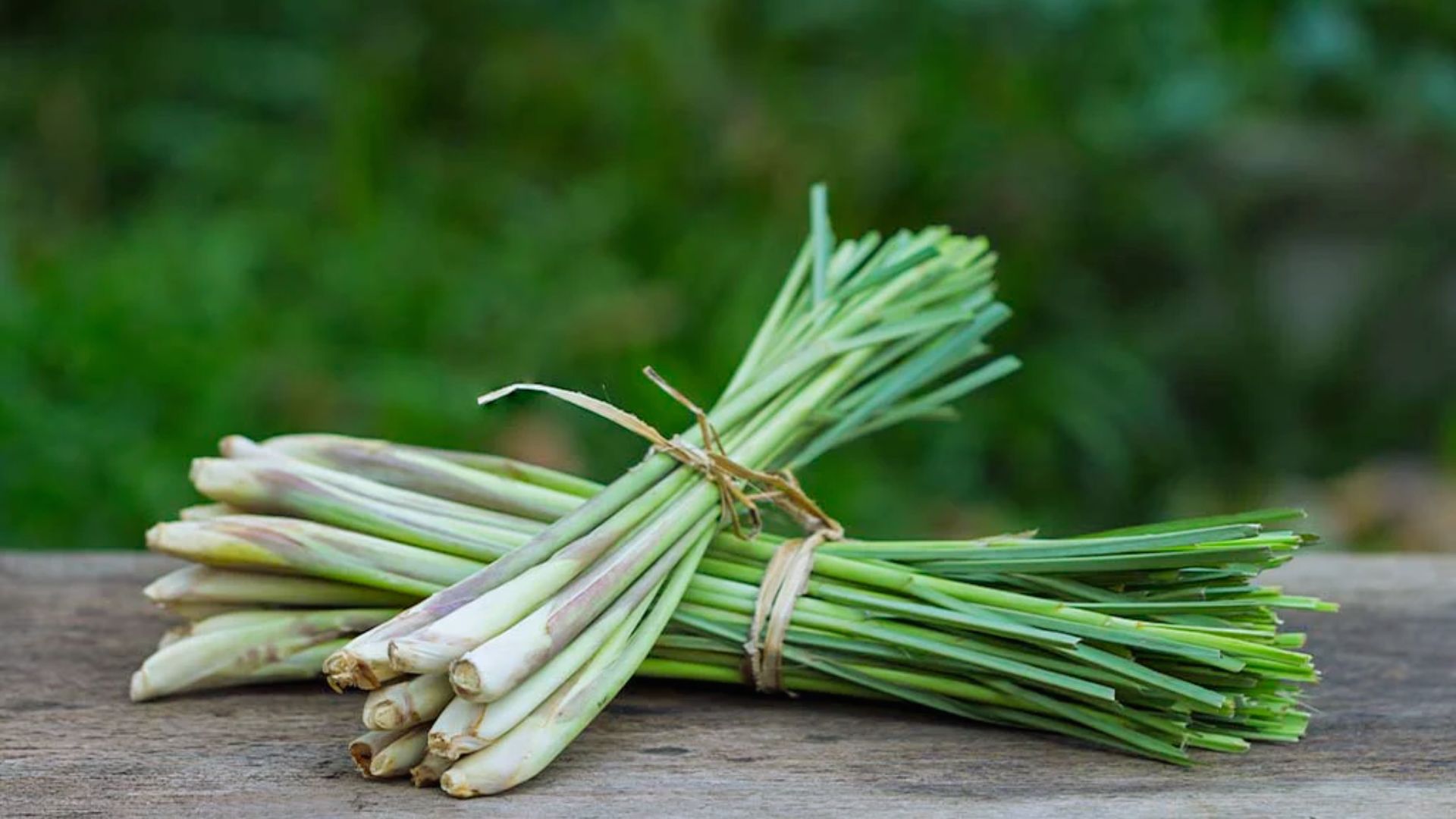
Lemongrass is effective, but it is not for everyone.
Who Should Avoid It or Be Careful
Those with sensitive skin types may find it too strong even when diluted People who are allergy-prone should always check ingredients before use Pregnant women should consult a doctor before using any essential oil
Patch Test Importance
Before using lemongrass anywhere on your face or body, do a patch test.
Apply a small amount of your diluted mixture to the inside of your wrist or forearm Wait 24 hours before using it on your face Watch for any redness, itching, burning, or swelling
Tips for Using Lemongrass in Skincare Routine
Getting the most out of lemongrass comes down to how you use it.
- Always dilute lemongrass essential oil before applying it to skin
- Use it consistently but in moderation, as more is not better with essential oils
- Pair it with sunscreen during the day to protect your skin
- Choose a high-quality, pure lemongrass essential oil from a trusted brand
- Use it alongside a good cleanser and moisturizer for balanced results
Conclusion
Lemongrass has genuinely surprised me. I started using it to manage oily skin and ended up with cleaner, calmer skin overall. The benefits are real when you use it the right way.
If you take one thing from this guide, let it be this. Start slow, dilute properly, and be consistent. Healthy, glowing skin does not happen overnight, but with the right ingredients and a little patience, it absolutely happens.
Give lemongrass a try and let me know in the comments how it works for you. Feel free to share this post with someone who might benefit from it too.
Frequently Asked Questions
Is lemongrass good for all skin types?
Lemongrass works well for oily, combination, and normal skin types. Those with sensitive or dry skin should use it with extra caution and always dilute it well.
Can lemongrass oil be applied directly to skin?
No, lemongrass essential oil should never be applied directly to the skin. It must always be mixed with a carrier oil like coconut or jojoba oil before use.
How often should lemongrass be used on the face?
Two to three times a week is a good starting point. As your skin adjusts, you can increase frequency, but daily use is not recommended for most people.
Does lemongrass help with acne scars?
Lemongrass may help reduce the appearance of acne scars over time due to its brightening and detoxifying properties. Results will vary and consistency is key.
Is lemongrass safe for daily use?
For most skin types, daily use is not ideal. Using it a few times a week gives your skin time to benefit without the risk of over-irritation or sensitivity.