Melasma vs Hyperpigmentation: Key Differences

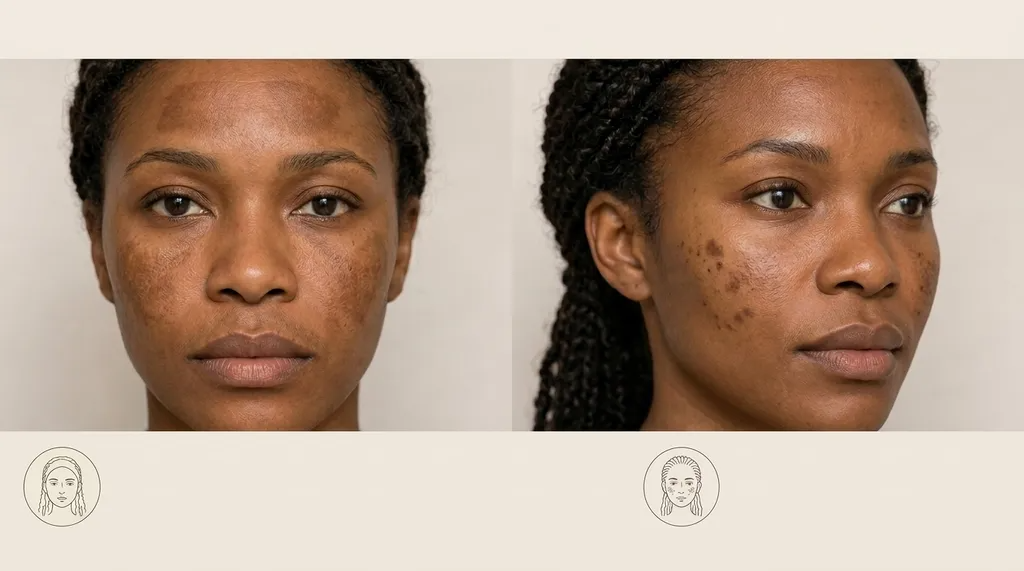
Dark spots can be confusing. I know because I have dealt with them myself.
When I first noticed uneven patches on my skin, I did not know if it was melasma vs hyperpigmentation. They look similar but they are not the same thing.
In this blog, I will break down what each condition is, how they differ, what causes them, and how to treat them. I have done the research so you do not have to.
I have spent time going through dermatologist-backed information to bring you clear, simple answers.
By the end, you will know exactly what you are dealing with and what to do next.
Melasma vs Hyperpigmentation: What's the Difference?
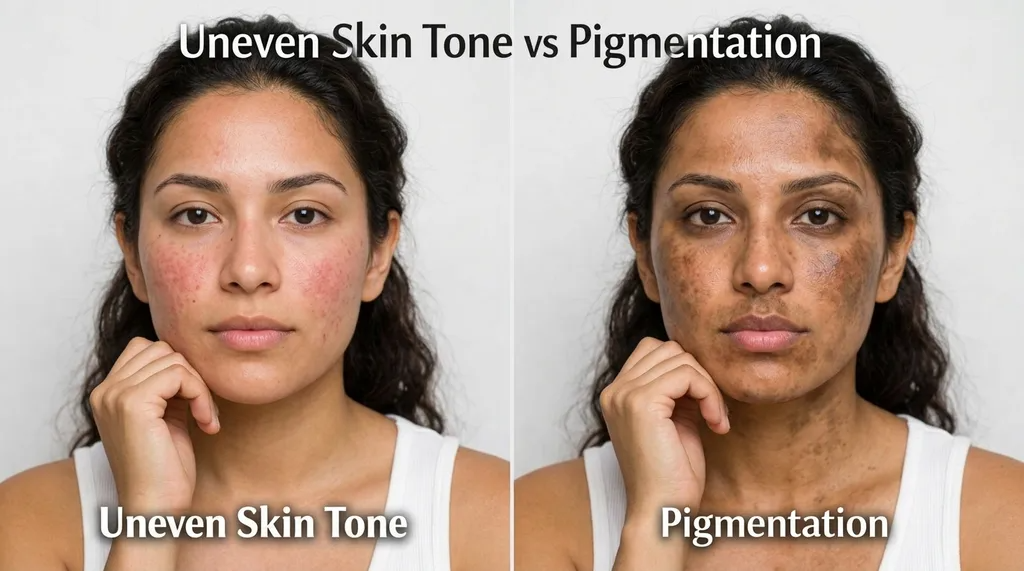
They both darken your skin, but the reason behind each one is very different. Both conditions cause dark patches on the skin. But they are not the same.
Hyperpigmentation is a broad term. It covers any darkening of the skin caused by extra melanin.
Melasma is a specific type of hyperpigmentation. It is driven mostly by hormones and sun exposure together.
Knowing which one you have matters. The treatments are different. Using the wrong approach can make things worse.
What Is Hyperpigmentation?
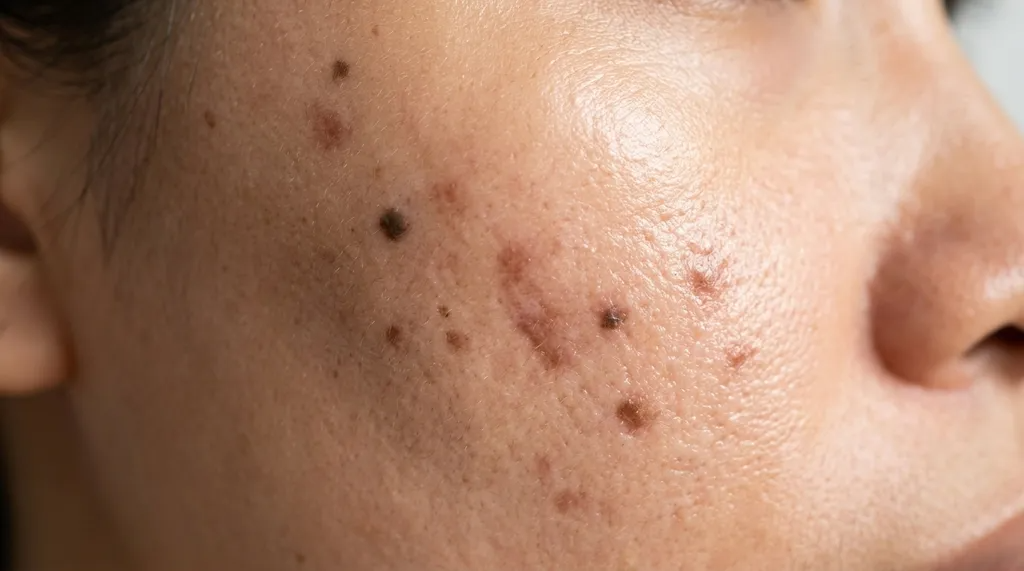
It is your skin making too much melanin in one spot. Hyperpigmentation means your skin is producing too much melanin in certain areas.
Melanin is the pigment that gives your skin its color. When something triggers excess production, dark spots or patches appear.
It can happen to anyone. Any skin tone, any age.
Common forms include age spots, acne scars, and sun spots. These are usually harmless but can affect how you feel about your skin.
What Is Melasma?
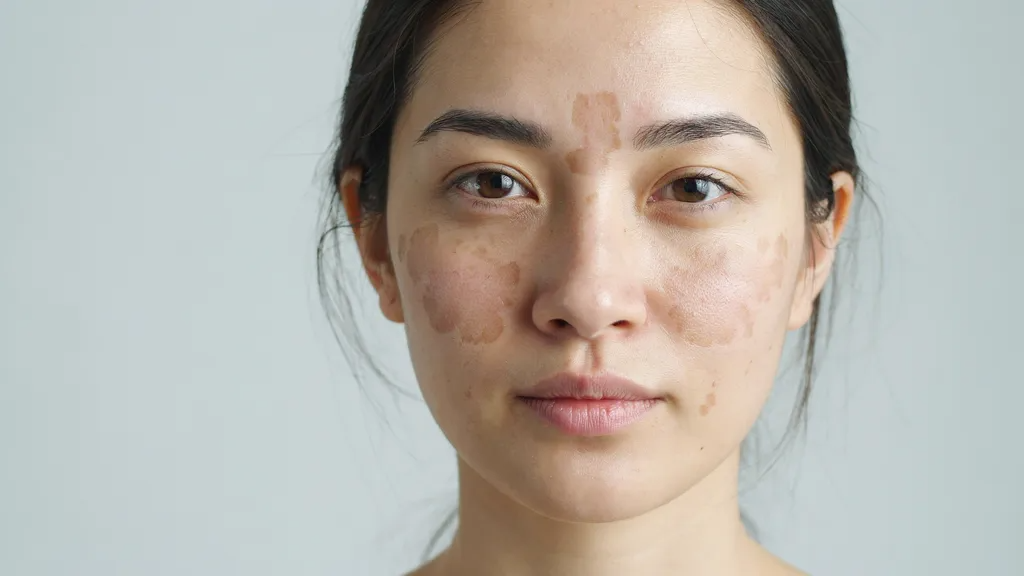
It is a hormone-driven skin condition that mostly shows up on your face.
Melasma is a condition where large, blotchy patches of brown or gray-brown skin appear. Usually on the face.
It is much more common in women. Hormones play a big role.
The word melasma comes from the Greek word for black. It is sometimes called the mask of pregnancy because it often shows up during pregnancy.
Unlike general hyperpigmentation, melasma tends to be harder to treat and more likely to come back.
Melasma vs Hyperpigmentation: Key Differences
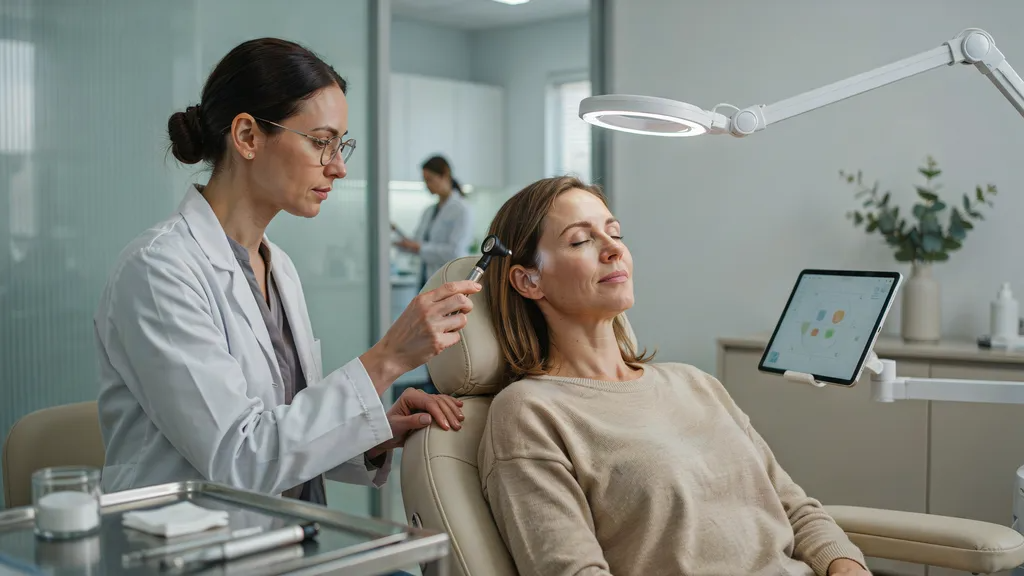
From how they look to how they respond to treatment, these two are not the same.
Differences in Appearance
Hyperpigmentation shows up as small, defined spots or patches. Think acne scars or sun spots with clear edges.
Melasma looks different. It appears as larger, irregular patches with blurry borders. Often covering both cheeks, the forehead, or upper lip symmetrically.
Differences in Causes and Triggers
Hyperpigmentation is triggered by things like sun damage, acne, injury, or certain medications.
Melasma is mainly triggered by hormone changes combined with UV exposure. It is not just about sun damage.
Differences in Location on the Body
Hyperpigmentation can appear anywhere. Arms, back, neck, legs, or face.
Melasma almost always appears on the face. Cheeks, forehead, upper lip, chin, and nose bridge are the most common spots.
Differences in Treatment Response
Hyperpigmentation often responds well to topical treatments and time.
Melasma is more stubborn. It can fade and then return, especially with sun exposure or hormonal shifts. It needs a more careful, long-term plan.
Common Causes of Hyperpigmentation
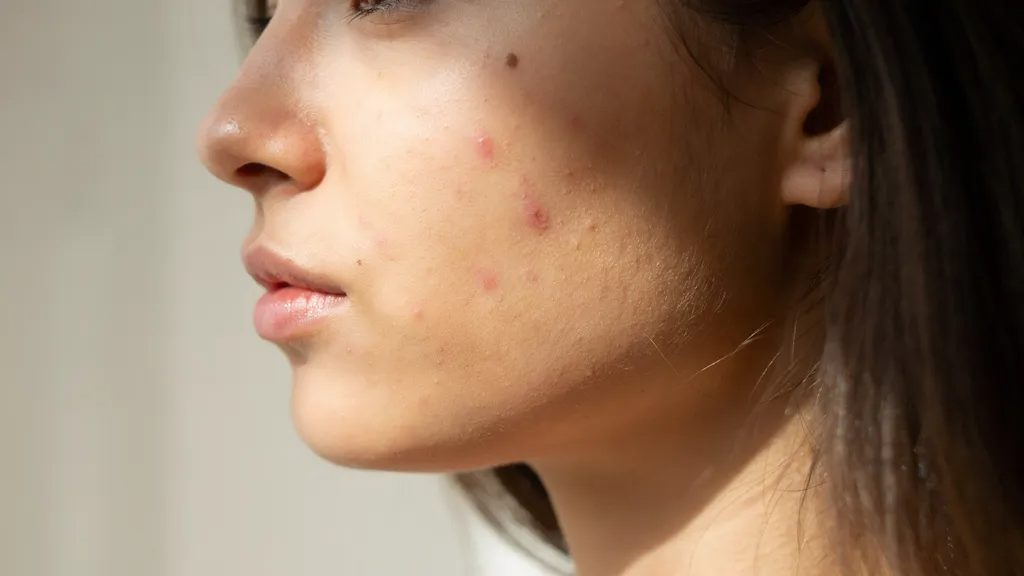
Sun, acne, and inflammation are the usual reasons dark spots show up.
Sun Exposure and UV Damage
UV rays trigger your skin to produce more melanin. That is your skin trying to protect itself.
Over time, this leads to sun spots or age spots. The more unprotected sun exposure, the worse it gets.
Post-Inflammatory Hyperpigmentation (PIH)
This happens after your skin gets inflamed. Acne, eczema, cuts, and burns can all leave behind dark marks.
PIH is very common in medium to dark skin tones. The inflammation sends melanin production into overdrive.
Medications and Skin Conditions
Some medications can make your skin more sensitive to the sun. This leads to dark patches.
Certain health conditions like Addison's disease can also trigger widespread hyperpigmentation.
Common Causes of Melasma

Hormones and heat are the two biggest triggers most people overlook.
Pregnancy and Hormonal Changes
Pregnancy is one of the biggest triggers. Estrogen and progesterone levels spike, which can activate more melanin production.
Many women notice dark patches forming on their face during pregnancy. For some, it fades after delivery. For others, it stays.
Birth Control and Hormone Therapy
Hormonal birth control pills and hormone replacement therapy can trigger melasma even without pregnancy.
If you started birth control and noticed dark patches soon after, this could be why.
Sun Exposure and Heat Triggers
Sun exposure makes melasma much worse. Even a little UV exposure can darken patches significantly.
Heat alone, not just UV light, can also trigger flares. This is why melasma is more common in warmer climates.
How to Tell If You Have Melasma or Hyperpigmentation
The size, shape, and location of your dark patches can tell you a lot.
Look at the shape of your dark patches.
Small, defined spots after a pimple or sun burn? Likely hyperpigmentation.
Large, blurry patches on both sides of your face? Likely melasma.
Think about your history too. Are you pregnant? On birth control? Hormonal changes point to melasma.
A dermatologist can confirm with a Wood's lamp exam or skin analysis. Getting a proper diagnosis saves you time and money on the wrong treatments.
Treatment Options for Hyperpigmentation
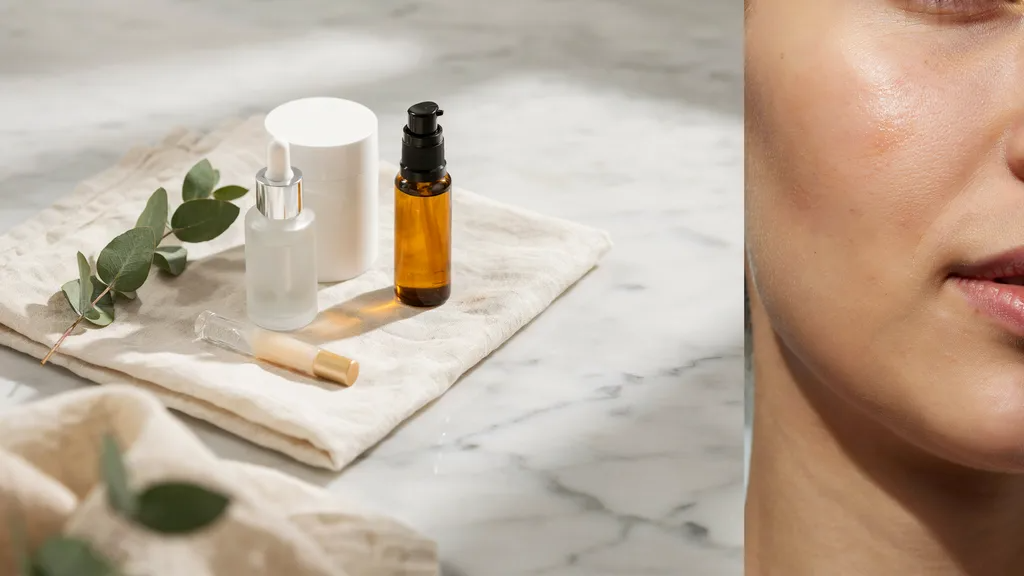
The right ingredients and consistency can make a real difference over time.
Topical Brightening Treatments
Ingredients like vitamin C, niacinamide, kojic acid, and azelaic acid can help fade dark spots over time.
These work by slowing melanin production. Consistency matters more than speed.
Chemical Peels and Exfoliation
Chemical peels remove the top layers of skin to speed up cell turnover. This helps lighten dark patches faster.
Glycolic acid and lactic acid peels are commonly used. Always get these done by a professional.
Laser and Light-Based Procedures
Laser treatments target melanin directly. They can work well for stubborn spots.
Results vary by skin tone and type. Talk to a dermatologist before choosing this route.
Treatment Options for Melasma
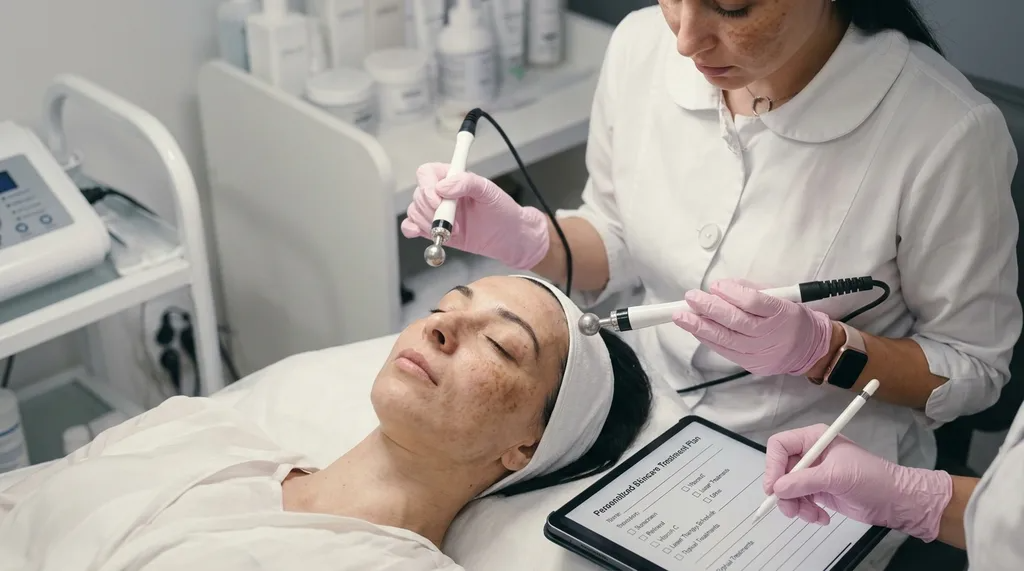
Melasma needs a careful, long-term plan because it tends to come back.
Prescription Creams and Lightening Agents
Hydroquinone is the most commonly prescribed ingredient for melasma. It reduces melanin production.
Tretinoin and corticosteroids are often added to boost results. These are prescription-only products.
Azelaic acid and tranexamic acid are gentler options that work well for sensitive skin.
Professional Treatments for Melasma
Chemical peels, microneedling with serums, and laser treatments are all used for melasma.
But these need to be done carefully. Some lasers can make melasma worse, especially on darker skin tones.
Why Melasma Can Be Difficult to Treat
Melasma has a strong hormonal component. Even with treatment, it can return.
Sun exposure, stress, and hormone changes can trigger it again. This is why long-term maintenance matters more than a one-time fix.
Sun Protection: Important for Both Conditions
No treatment works well if you are skipping sunscreen every day.
Wear SPF 30 or higher every single day. Even on cloudy days. Even indoors near windows.
Reapply every two hours if you are outside.
Use a wide-brimmed hat and seek shade when you can. No treatment will hold if you skip sun protection.
I learned this the hard way. Without sunscreen, all the progress I made would fade within weeks.
Conclusion
I know how frustrating it feels to look in the mirror and not understand what your skin is doing.
After going through all of this myself, I can tell you that knowing the difference between melasma vs hyperpigmentation is the first step toward real progress.
Melasma needs hormonal awareness and long-term care. Hyperpigmentation often responds faster with the right products.
Both need sun protection. Every single day.
Do not skip the dermatologist step if you are unsure. Getting the right diagnosis early saves so much time.
Your skin can improve. You just need the right plan.
What has been your biggest challenge dealing with dark spots or melasma?
Frequently Asked Questions
Can melasma turn into hyperpigmentation?
Melasma is technically a type of hyperpigmentation. But it has specific triggers that make it behave differently from other forms of skin darkening.
Is melasma permanent?
Melasma is not always permanent. It can fade with the right treatment and sun protection, but it tends to return if triggers like hormones or sun exposure are not managed.
Can men get melasma?
Yes, men can get melasma, but it is much less common. Hormonal differences explain why women are far more likely to develop it.
Does hyperpigmentation go away on its own?
Mild hyperpigmentation, like post-acne marks, can fade on its own over months. But sun exposure without protection can slow or reverse that progress.
What is the fastest way to treat dark spots?
Consistent use of brightening ingredients like vitamin C or niacinamide, combined with daily SPF, gives the best results over time. Professional treatments can speed things up.