Ingrown Hair Turned Into Hard Lump Under Skin Guide

An ingrown hair turned into a hard lump under skin is more common than you think, and it can be frustrating to deal with.
I've been there, staring at a painful bump that just won't go away, wondering what it actually is. Is it infected? Will it go away on its own?
In this blog, I'll walk you through everything you need to know. We'll cover what causes these lumps, how to treat them at home, and when it's time to see a doctor.
I've researched this topic thoroughly and spoken with people who've dealt with the same issue, so you're in good hands.
Understanding an Ingrown Hair Turned Into Hard Lump Under Skin

When a trapped hair causes more than just a bump, it's time to understand what's really going on beneath the skin.
An ingrown hair happens when a hair curls back and grows into the skin instead of upward, causing redness, swelling, and sometimes a visible bump.
The body treats the trapped hair like a foreign object, triggering inflammation. Over time, dead skin cells, oil, and fluid build up around it, forming a firm lump.
Not every lump is an ingrown hair though. It could be a cyst, lipoma, or swollen lymph node. If the lump is deep, painless, or keeps growing, see a doctor.
Symptoms and Causes of a Hard Lump from an Ingrown Hair

Knowing the signs early can help you act fast and avoid a more serious skin problem.
Common Signs and Symptoms to Watch For
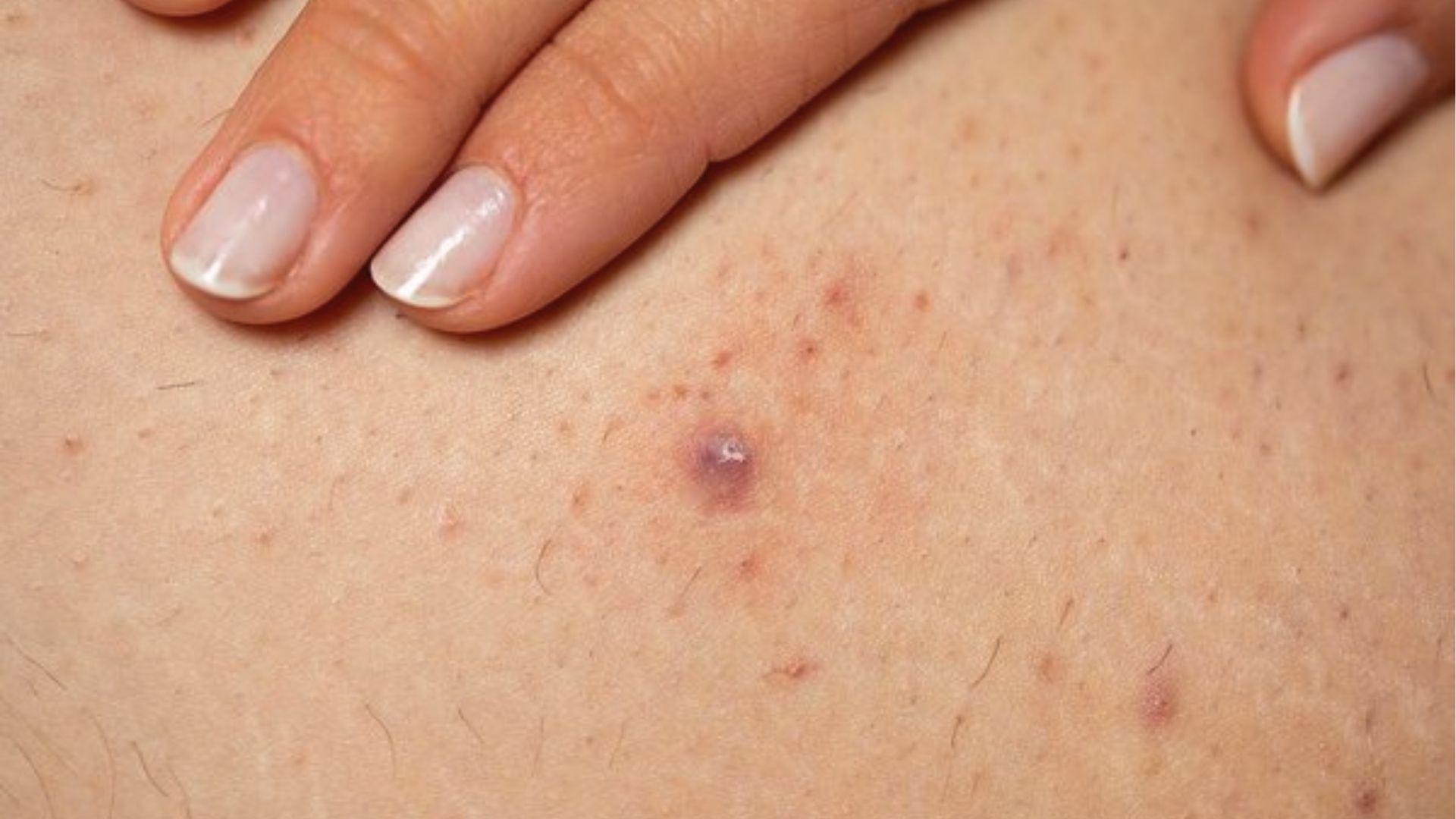
You may notice a firm bump, redness, or tenderness in the affected area. Some lumps fill with pus and look like a pimple.
Others remain hard with no visible head. The skin around the lump may feel warm or itchy. These are all signs that your body is reacting to trapped hair.
Persistent Inflammation and Follicle Blockage
When a hair follicle stays blocked for too long, the inflammation doesn't calm down on its own.
The body keeps sending white blood cells to the area, which adds to the swelling. This is why some lumps stick around for weeks.
The longer the follicle stays blocked, the harder the lump can become.
Infection, Folliculitis, and Cyst Formation
Bacteria can enter a blocked follicle and cause an infection called folliculitis. This leads to increased pain, pus, and swelling.
In some cases, a cyst forms when the lump fills with fluid or dead skin cells. These cysts can grow larger and may not go away without medical treatment.
Risk Factors That Increase Your Chances
People with curly or coarse hair are more likely to get ingrown hairs. Shaving too close to the skin, using dull blades, or shaving against the grain also raises your risk.
Wearing tight clothing that causes friction can make things worse. People with certain skin types may also be more prone to inflammation.
Ingrown Hair Turned Into Hard Lump Under Skin Treatment

There are effective ways to treat these lumps at home, but some cases do need professional care.
Warm Compresses and Home Remedies
Applying a warm compress to the area for 10 to 15 minutes a few times a day can soften the skin and help the hair work its way out.
This also reduces inflammation and encourages drainage. You can also try salicylic acid or tea tree oil to gently reduce swelling and kill bacteria around the lump.
Safe Skincare Practices That Promote Healing
Keep the area clean and avoid touching or scratching the lump. Use a gentle, non-comedogenic cleanser on the area.
Don't shave over the lump, as this can worsen irritation. Keeping the skin moisturized can also prevent the surrounding skin from tightening and trapping the hair further.
When Antibiotics or Prescription Treatments Are Needed
If the lump shows signs of infection, like spreading redness, pus, or fever, a doctor may prescribe antibiotics.
Topical retinoids can also help by speeding up cell turnover and freeing the trapped hair. Never try to self-diagnose an infected lump.
Getting the right treatment early prevents things from getting worse.
Medical Procedures for Stubborn Lumps and Cysts
A doctor can lance and drain a cyst or deeply embedded ingrown hair safely. This is a quick in-office procedure that relieves pressure and speeds up healing.
For recurring cysts, a dermatologist may recommend complete removal. Do not attempt to drain the lump yourself, as this can lead to scarring or a worse infection.
When Should You See a Doctor?

Some signs should never be ignored, and knowing when to get help can protect your skin long term.
Warning Signs of Infection
See a doctor if the lump becomes very painful, hot to the touch, or starts spreading.
Pus that smells bad, a fever, or red streaks coming from the lump are serious signs. These symptoms suggest a deeper infection that needs professional care right away.
Painful, Enlarging, or Draining Lumps
If the lump keeps growing or starts draining on its own, don't wait. Draining lumps can introduce more bacteria if handled incorrectly.
A doctor can drain it properly and check for signs of a more serious condition.
Recurring Lumps in the Same Area
If you keep getting lumps in the same spot, that's a sign something needs to change. It could mean your shaving technique, skin type, or hygiene routine isn't working for you.
A dermatologist can help figure out why the lumps keep coming back and suggest better prevention strategies.
Diagnosis and Professional Treatment Options
A doctor will examine the lump and may take a culture if infection is suspected. Treatment options include drainage, antibiotics, corticosteroid injections, or surgical removal.
Getting a proper diagnosis means you're not guessing and you're getting the right treatment for your specific situation.
Tips to Prevent Ingrown Hairs from Turning Into Hard Lumps
Good habits before and after hair removal can make a big difference in keeping your skin clear.
- Always shave in the direction of hair growth using a sharp, clean razor and a shaving gel to reduce friction
- Exfoliate two to three times a week with a gentle scrub or glycolic acid to keep follicles clear
- Moisturize daily with a lightweight product and avoid thick creams that can clog pores
- Wear loose-fitting clothing after shaving and pat the skin dry instead of rubbing to reduce irritation
- Consider laser hair removal, waxing, or depilatory creams as lower-risk alternatives to regular shaving
Conclusion
Dealing with an ingrown hair turned into a hard lump under skin isn't fun, but it's very manageable.
I've seen how quickly things can improve with the right care and a few small changes to your routine.
Start with warm compresses, keep the area clean, and don't pick at it. If the lump doesn't budge or gets worse, please see a doctor.
You don't have to figure this out alone. Drop a comment below if you have questions, and share this post with someone who might need it.
Frequently Asked Questions
Can Ingrown Hair Leave a Permanent Lump?
In most cases, lumps go away with proper treatment. However, if the area becomes scarred or repeatedly infected, a permanent bump may form. Seeing a dermatologist early reduces this risk significantly.
Why Is My Lump Still There After Months?
A lump that stays for months usually means the hair is still trapped or the follicle is blocked. It could also be a cyst that formed around the hair. Medical treatment is the best step at this point.
Can Ingrown Hair Turn Into a Cyst?
Yes, it can. When a blocked follicle fills with dead skin cells and fluid, a cyst forms. These are often firmer than a regular ingrown hair bump and may not respond to home treatment alone.
Is It Safe to Pop or Squeeze the Lump?
No, it's not. Squeezing can push bacteria deeper into the skin, cause scarring, and make the infection worse. If the lump needs to be drained, a doctor should do it in a clean, controlled setting.
Why Is There No Visible Hair in the Lump?
The hair may be too deep in the skin to see. The body can also absorb parts of the hair over time, leaving behind a lump of scar tissue or fluid. This is common in older, untreated ingrown hairs.