Best Treatment for Under Eye Wrinkles: Expert Guide


Under eye wrinkles are one of the first signs of aging most people notice, and they can feel frustrating to deal with.
I know because I have been there too, standing in front of the mirror wondering what actually works.
This guide covers everything from what causes these wrinkles to the best treatments for under eye wrinkles available today.
We will look at non-surgical options, laser treatments, fillers, Botox, and surgery.
With years of research and real-world insights behind this content, you can trust that what you read here is practical and honest.
My goal is to help you understand your choices clearly so you can decide what fits your needs.
Under Eye Wrinkles Explained: Causes, Types, and Signs
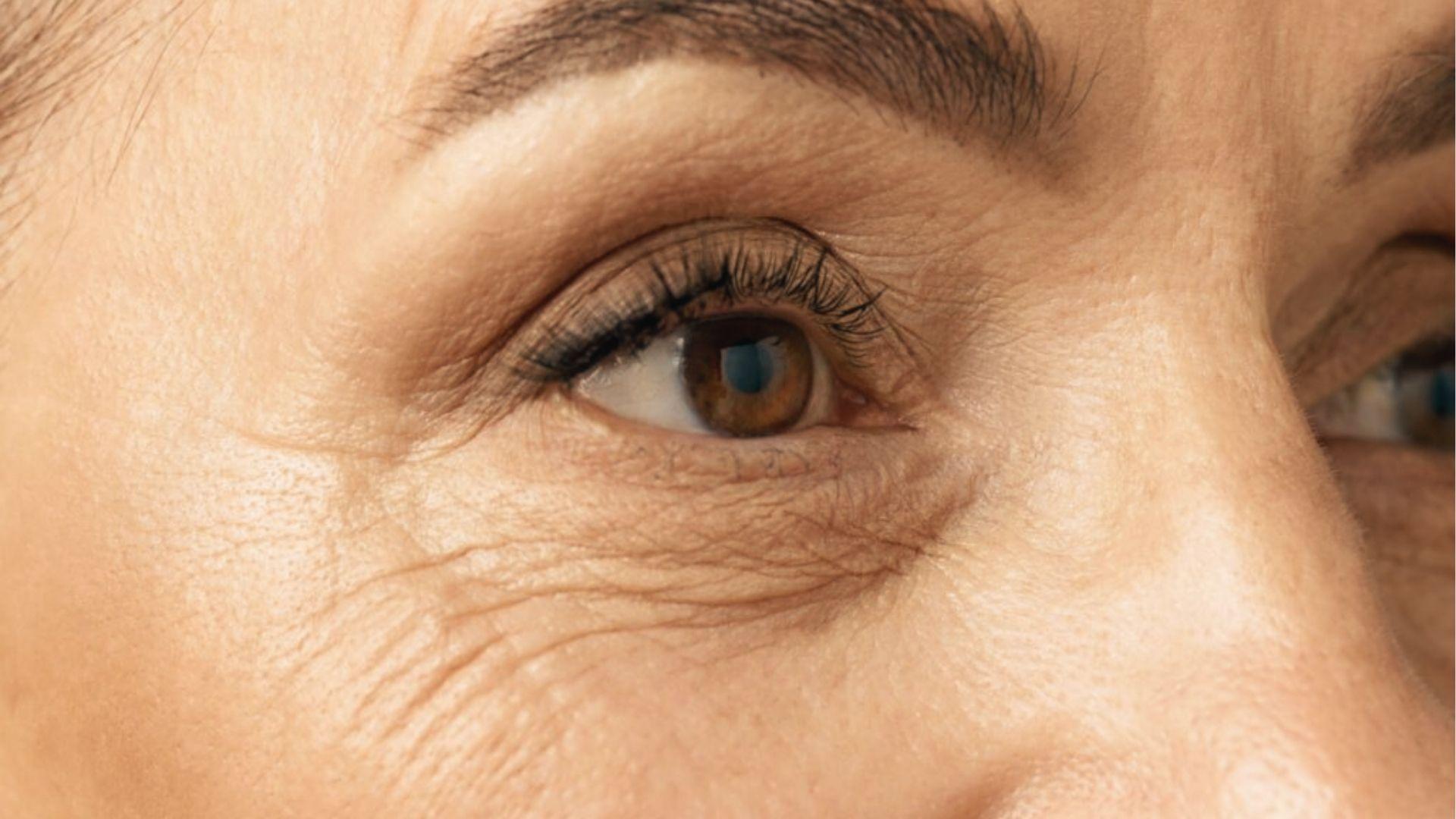
Under eye wrinkles are fine lines or creases that form in the thin skin just below and around the eyes, an area that shows signs of aging early because it loses firmness faster than other parts of the face.
These wrinkles come in two forms, dynamic ones that appear when you smile or squint, and static ones that remain visible when your face is at rest.
A major cause is collagen loss, since the body produces less of this firming protein with age, leaving the delicate skin with less support and leading to sagging.
Early signs include fine lines at the corners, puffiness, hollowness, dark circles, and crepe-like or loose-looking skin.
What Is the Best Treatment for Under Eye Wrinkles?

Choosing the right treatment depends on your skin type, wrinkle depth, and personal goals.
Factors That Determine the Best Treatment
Age, skin type, the depth of wrinkles, and how much downtime you can manage all play a role. What works well for one person may not be the right fit for another.
A consultation with a professional is the most reliable way to figure out where to start.
Fine Lines vs Deep Wrinkles vs Under-Eye Hollows
Fine lines often respond well to topical treatments and light procedures. Deep wrinkles may need fillers or laser therapy.
Under-eye hollows are a different concern entirely and are best addressed with volumizing fillers rather than treatments that target surface lines.
Non-Surgical vs Surgical Treatment Options
Most people start with non-surgical options because they require little to no recovery time.
Surgical options offer more dramatic and long-lasting results but come with greater risk and a longer recovery period. The right choice depends on the severity of your concerns.
When Combination Treatments Deliver Better Results
A single treatment rarely addresses every concern at once. Combining Botox for movement-related lines with fillers for volume loss, for example, can produce more balanced results.
Many practitioners now recommend a layered approach for this reason.
Surgical Treatments for Under Eye Wrinkles and Eye Bags
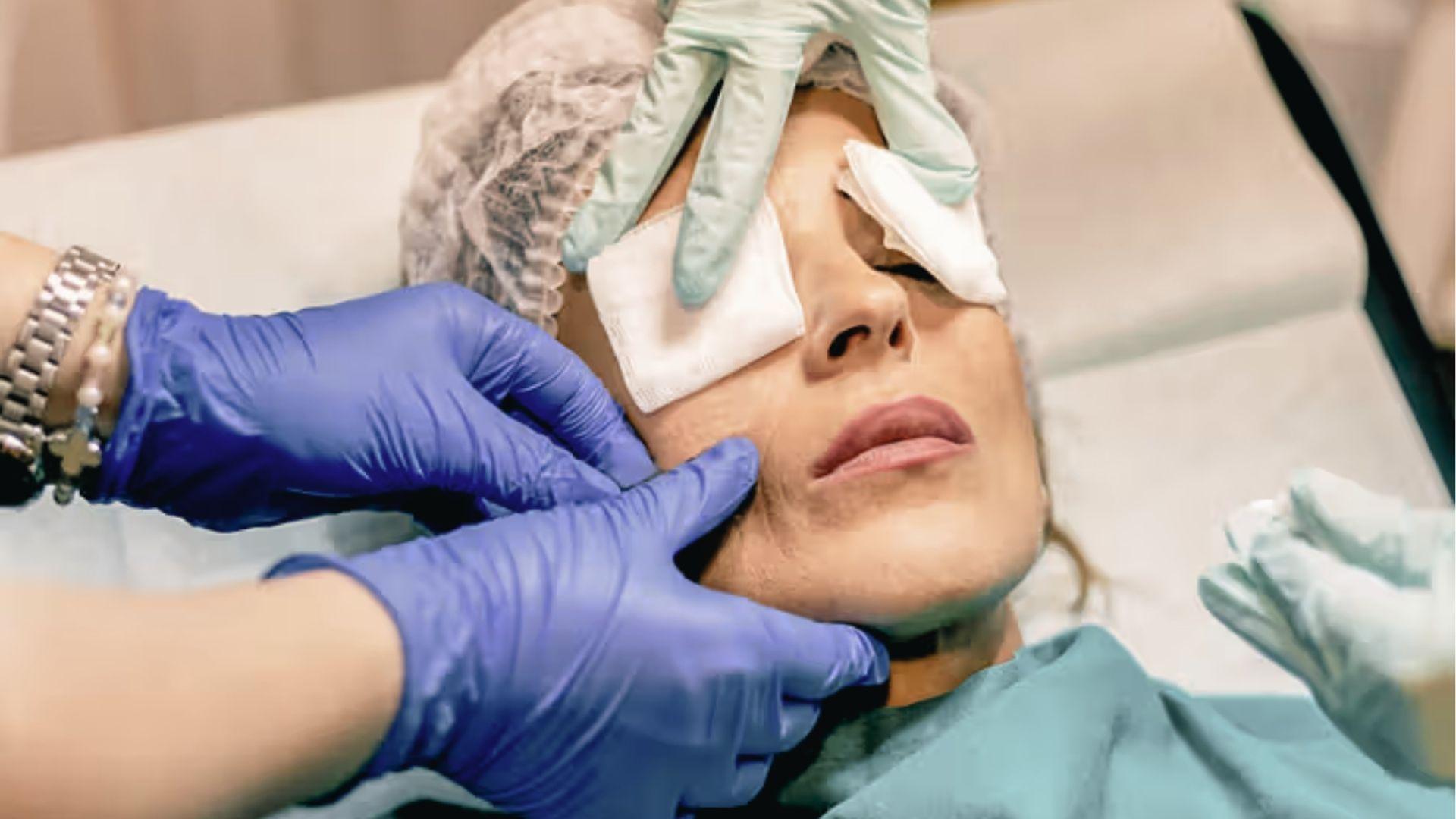
Surgery offers the most lasting results for severe sagging, eye bags, and excess skin around the eyes.
When Blepharoplasty Is the Right Choice
Blepharoplasty, or eyelid surgery, is recommended when there is significant loose skin, fat herniation, or eye bags that cannot be addressed with non-surgical methods.
It is a long-term solution for people with more advanced signs of aging.
Transconjunctival Blepharoplasty Explained
This variation of the procedure is done through the inner lining of the eyelid, leaving no visible scar.
It is used to remove or reposition fat under the eye without cutting external skin. It suits people who have fat pockets but no excess skin to remove.
How Surgery Improves Under-Eye Appearance
Surgery removes or repositions excess fat and skin to create a smoother, more rested appearance.
The results are immediate and can last for many years. For those with significant aging in this area, no non-surgical treatment can replicate these outcomes.
Risks and Recovery After Surgery
Bruising, swelling, and temporary vision changes are common after blepharoplasty. Full recovery usually takes two to four weeks.
Serious complications are rare when the procedure is performed by a qualified surgeon.
Fillers vs Botox vs Laser vs Surgery: Which Treatment Works Best?
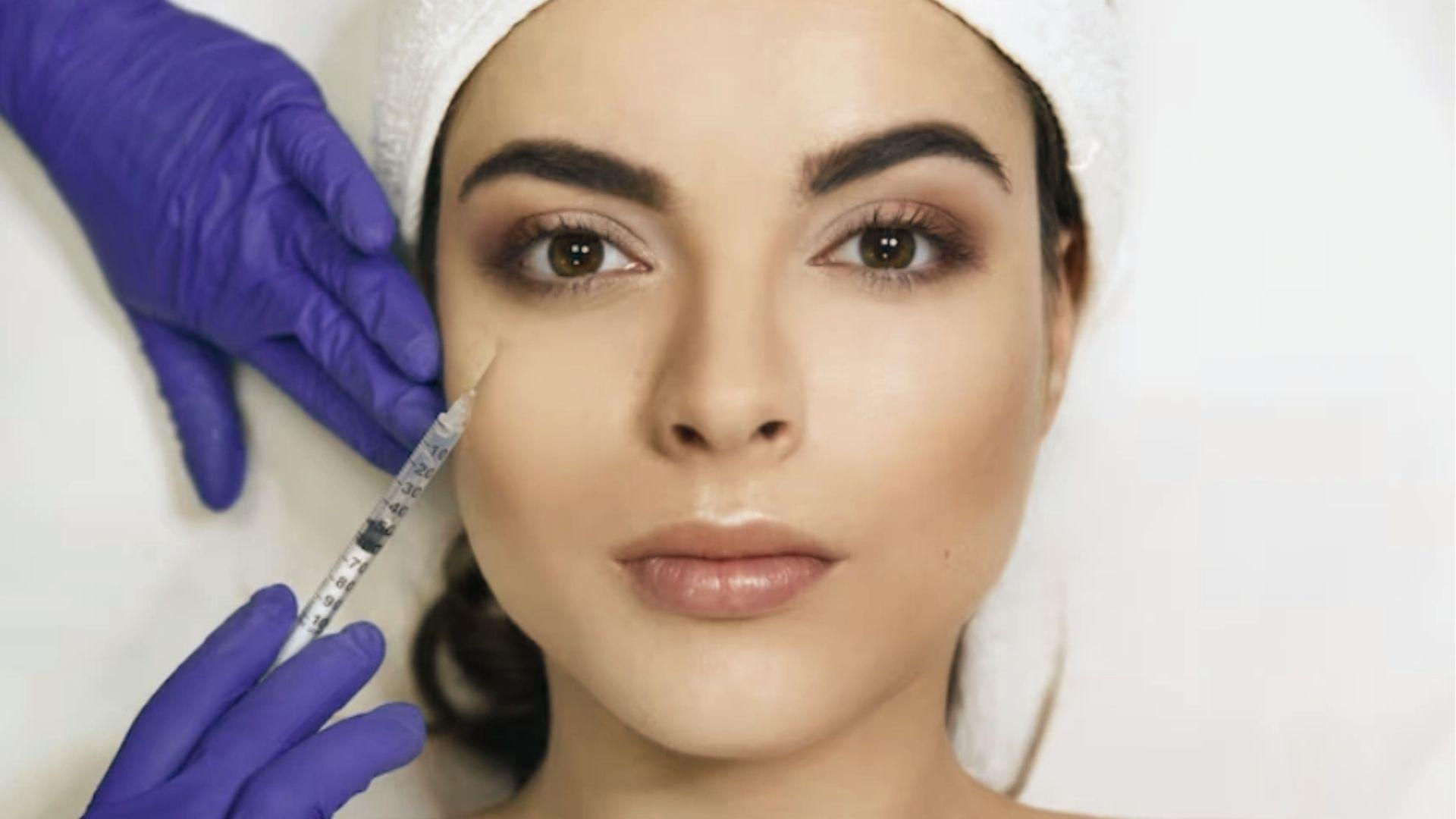
A side-by-side comparison to help you match the right treatment to your specific concern.
Best Treatment for Fine Lines
Botox works well for fine lines caused by repeated muscle movement.
For surface-level texture and dryness, retinol-based skincare, microneedling, or Profhilo can make a visible difference over time.
Best Treatment for Deep Under Eye Wrinkles
Deep, static wrinkles often require a combination approach. Laser resurfacing can improve skin texture, while fillers restore volume.
In severe cases, surgical correction may be the most effective long-term option.
Best Treatment for Eye Bags and Loose Skin
Eye bags caused by fat prolapse respond best to surgery. Loose skin can be tightened to some degree with radiofrequency or laser, but significant laxity usually requires blepharoplasty for a lasting result.
Best Treatment for Under-Eye Hollows
Tear trough or dermal fillers are the go-to option for hollowness. They restore volume and reduce the shadow effect that can make the area look tired or aged.
Results are immediate and can be adjusted over time.
Comparing Cost, Downtime and Results
Botox and fillers are typically the most affordable entry points, with minimal downtime. Laser treatments cost more and require some recovery.
Surgery carries the highest upfront cost and longest downtime but delivers the most lasting change.
Tips to Prevent Under Eye Wrinkles and Maintain Results
Simple daily habits that help slow down aging and protect the results of any treatment you choose.
- Wear daily SPF UV exposure breaks down collagen faster than almost anything, so apply sunscreen around the eyes every day, even in winter.
- Use proven ingredients Retinol boosts cell turnover, vitamin C supports collagen, and hyaluronic acid keeps skin hydrated. Use them consistently to slow fine lines.
- Fix your habits. Get seven to eight hours of sleep, drink enough water, cut back on alcohol, and eat a balanced diet rich in antioxidants and healthy fats.
- Quit smoking and avoid rubbing. Smoking reduces blood flow and breaks down collagen, while rubbing stretches the thin skin and worsens lines.
- Stay consistent. A simple daily routine of sunscreen, moisturizer, and targeted activities works better than an aggressive one used occasionally.
Conclusion
I have tried a fair share of products and sat through enough consultations to know that the best treatment for under eye wrinkles is the one matched to your actual skin, not just a trend.
Start with a professional opinion, be consistent with your routine, and give treatments time to work.
If this helped you feel clearer about your options, share it with someone who could use the same guidance.
Drop a comment below and let me know what has worked for you.
Frequently Asked Questions
What is the most effective treatment for under eye wrinkles?
The most effective option depends on the type of wrinkles you have. Dynamic wrinkles respond well to Botox, while volume loss and hollowness are best addressed with fillers. A professional consultation helps determine the right starting point.
How long do under eye filler results last?
Most under eye fillers last between six months and one year, depending on the product used and how your body metabolizes it. Some hyaluronic acid fillers in this area can last even longer with careful placement.
Can retinol really reduce under eye wrinkles?
Yes, retinol can visibly reduce fine lines over time by speeding up cell turnover and stimulating collagen production. It requires consistent use over several months before results become noticeable, and it should be introduced gradually.
Is laser treatment safe for the under eye area?
Laser treatments can be safe around the eyes when performed by a qualified professional using the right settings. The skin in this area is thin, so gentler options like erbium laser or radiofrequency are often preferred over more aggressive choices.
When should I consider surgery for under eye wrinkles?
Surgery is worth considering when non-surgical treatments have not delivered the results you need, or when the concern involves significant loose skin, fat pockets, or eye bags. A consultation with a board-certified surgeon will clarify whether you are a good candidate.