Does Shea Butter Clog Pores? The Truth Explained

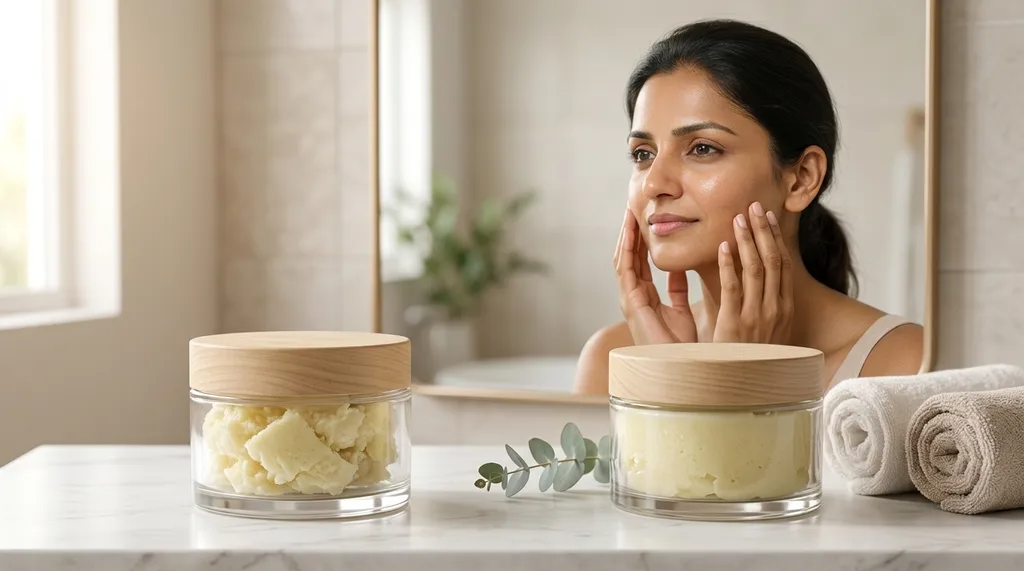
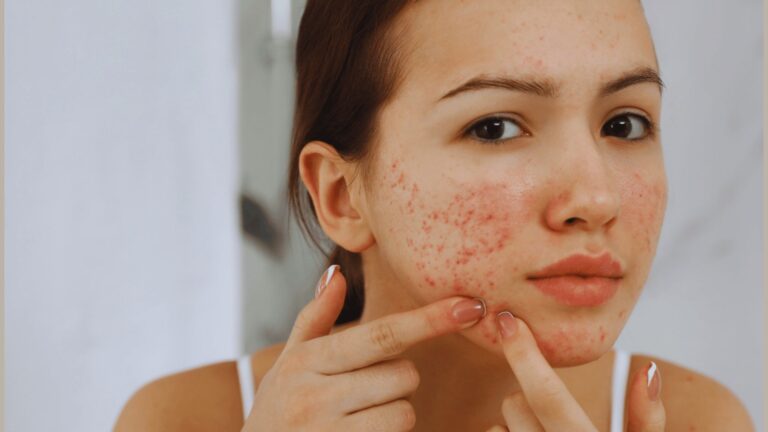
I've asked this question myself. I was using shea butter every night and started noticing breakouts. I didn't know if shea butter was the real problem.
So I looked into it properly. In this article, I'll cover what shea butter clog pores, what the research actually says, and how different skin types react to it.
I'll also share how to use it the right way so your skin stays clear.
I've spent time studying skincare ingredients, and I want to give you honest, straight answers.
Here's everything you need to know.
Does Shea Butter Clog Pores?
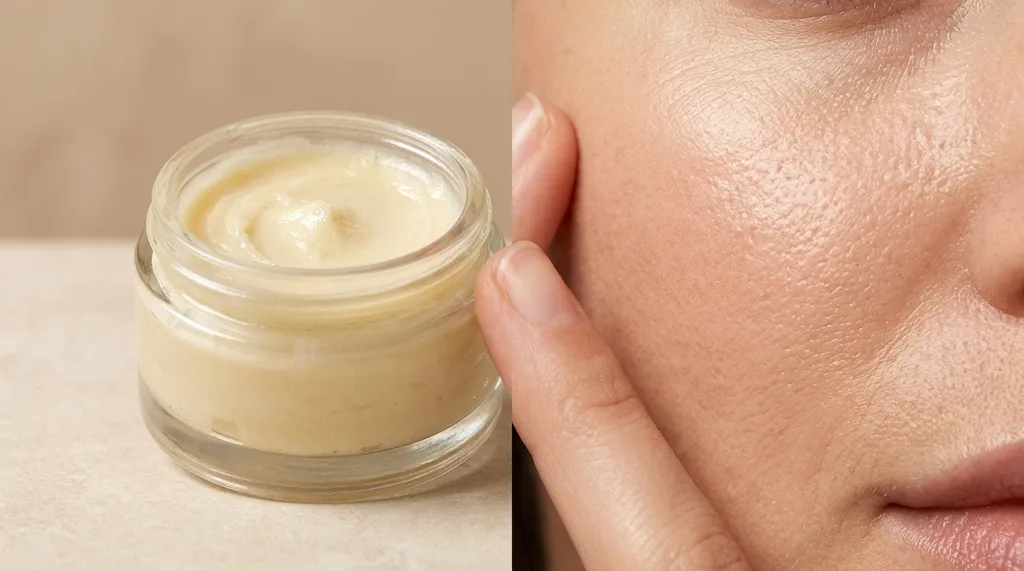
The short answer is no, but there's more to it than that.
Shea butter has a comedogenic rating of 0 to 2. That puts it on the lower end of the scale. It means it's unlikely to clog pores for most people.
But here's the thing. "Unlikely" is not the same as "never."
Some people do break out after using it. That doesn't mean shea butter is bad. It often comes down to how much you use and your skin type.
Shea butter is mostly made of oleic acid and stearic acid. These fatty acids are heavier. They sit on the skin longer.
For oily or acne-prone skin, that can sometimes be a problem.
Is Shea Butter Non-Comedogenic?
Yes, it is, but the rating alone doesn't tell the full story.
Technically, yes. A comedogenic rating of 0 to 2 means it's considered non-comedogenic. Most dermatologists agree it's a safer option compared to other oils.
But ratings are not perfect. They're based on lab tests, not always on real skin.
Some people use shea butter for months with no issues. Others break out in the first week. Both reactions are valid.
The rating is a guide, not a guarantee. Your skin gets the final vote.
Shea Butter for Different Skin Types
Not all skin types respond to shea butter the same way.
- Oily and Acne-Prone Skin
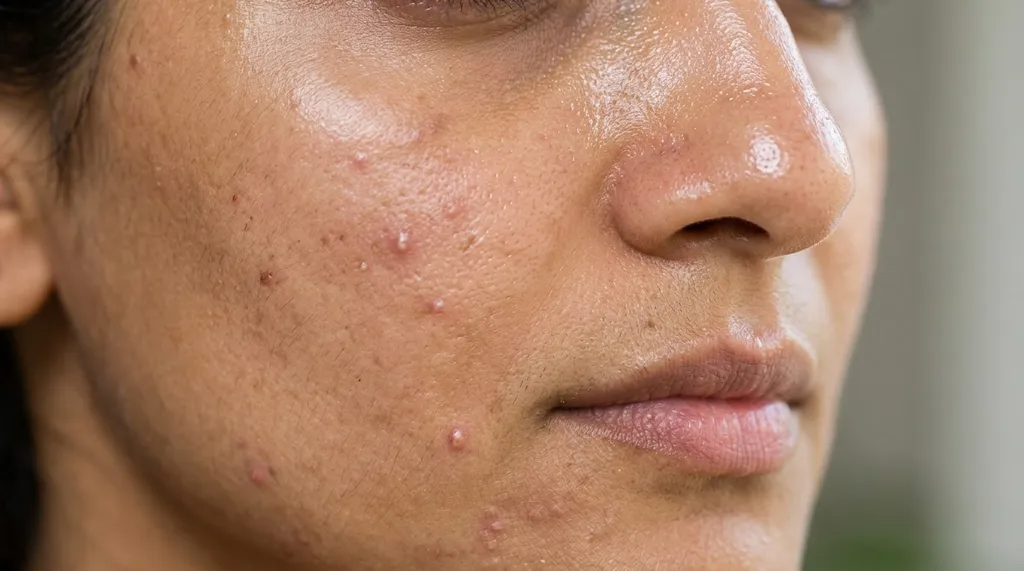
If your skin gets oily fast, shea butter needs a little more care.
It can feel heavy. It doesn't absorb as quickly as lighter oils. So if you layer it over other products, it might sit on top of your skin and trap things in.
That said, some people with oily skin use a small amount at night with no issues at all.
If you want to try it, start slow. Use it every other night. See how your skin reacts over two to three weeks.
- Dry and Sensitive Skin

This is where shea butter really works well.
Dry skin loves the rich fatty acids. It helps lock in moisture. It also has anti-inflammatory properties that can calm redness and irritation.
If your skin is tight, flaky, or easily irritated, shea butter is often a good choice. It's gentle. It doesn't have many added chemicals in its pure form.
I've seen people with eczema use it with great results. It won't work for everyone, but it's worth trying.
How to Use Shea Butter Without Clogging Pores
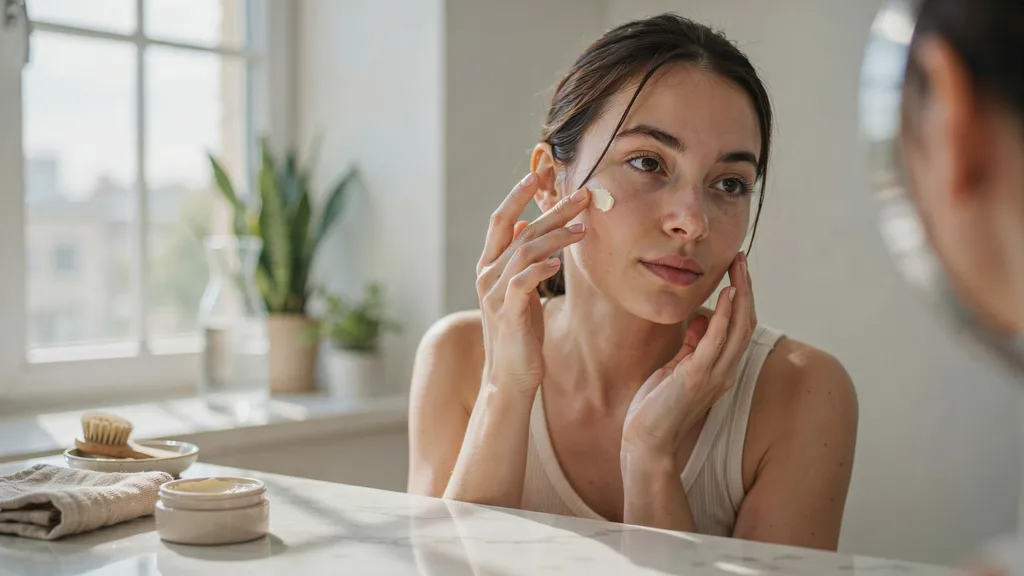
A few simple habits can make all the difference here.
- Use the Right Amount
This is probably the biggest mistake I see. People scoop out way too much.
A pea-sized amount is enough for your whole face. For your body, a little goes a long way too. More does not mean better results.
More means more product sitting on your skin.
Start with a small amount. Warm it between your fingers first. Then press it into your skin gently.
- Choose Pure, Unrefined Shea Butter
Refined shea butter goes through processing. That process strips away many of the good things. Some refined versions also have added ingredients that may irritate the skin.
Raw or unrefined shea butter is usually off-white or slightly yellow. It has a faint nutty smell.
This version keeps its natural properties and is less likely to cause reactions.
If you can, always go for unrefined. Look for a short ingredient list. Just shea butter. Nothing else.
- Patch Test Before Regular Use
I always say this and I'll say it again. Patch test first.
Put a small amount on your inner arm or behind your ear. Wait 24 hours. If nothing happens, try a small area on your face. Wait another 24 to 48 hours.
Only then should you add it to your full routine. Skipping this step is how people end up blaming ingredients that may not even be the real issue.
Common Reasons Shea Butter May Seem to Clog Pores
Sometimes shea butter gets blamed for breakouts it didn't actually cause.
Here are the real reasons this happens:
- Using too much product at once
- Mixing it with other heavy or pore-clogging products
- Not cleansing the skin properly before applying
- Using a low-quality or heavily refined version
- Having a skin sensitivity to one of its natural compounds
- Applying it to skin that already has blocked pores
If you break out, don't immediately blame shea butter. Think about everything else in your routine first.
Conclusion
So, does shea butter clog pores? For most people, no. It has a low comedogenic rating and works well for dry and sensitive skin. But everyone's skin is different, and reactions can vary.
The key is how you use it. Use a small amount. Pick a pure, unrefined version. Always patch tests. And pay attention to how your skin responds over time.
I've found shea butter to be one of the most gentle and affordable moisturizers out there. It just needs to be used the right way.
Give it a fair trial. Be patient. Your skin will tell you what it needs.
What's your experience with shea butter? Has it worked for you or caused issues?
Frequently Asked Questions
Does shea butter cause acne?
Shea butter is not likely to cause acne for most people. But using too much, or using it on already-congested skin, can sometimes lead to breakouts.
Can I use shea butter on my face every day?
Yes, you can. Use a small amount and see how your skin responds. Daily use works well for many people, especially those with dry or sensitive skin.
Is shea butter safe for sensitive skin?
Shea butter is generally safe for sensitive skin. Its anti-inflammatory properties can actually help calm irritated skin when used in its pure, unrefined form.
Does raw shea butter work better than refined?
Raw shea butter keeps more of its natural benefits. Refined versions may have added ingredients or lose key properties during processing, so raw is usually the better pick.
How long does it take to see results from shea butter?
Most people notice a difference in skin softness within one to two weeks. For issues like dryness or mild irritation, consistent use over a few weeks shows the best results.