Do Tans Go Away? How Long a Tan Really Lasts


So you got a fresh tan and now you are wondering how long it will actually stick around. That is a fair question, and one most people ask right after coming back from the beach or a day in the sun.
In this article, we will walk through how long a tan typically lasts, what causes it to fade, and the small habits that can help it stay longer.
We will also cover what speeds up fading, so you know exactly what to avoid.
I have tested most of these tips myself over the years, and they genuinely work.
By the end of this post, you will know how to care for your tan the right way, without any guesswork.
Do Tans Go Away Naturally?
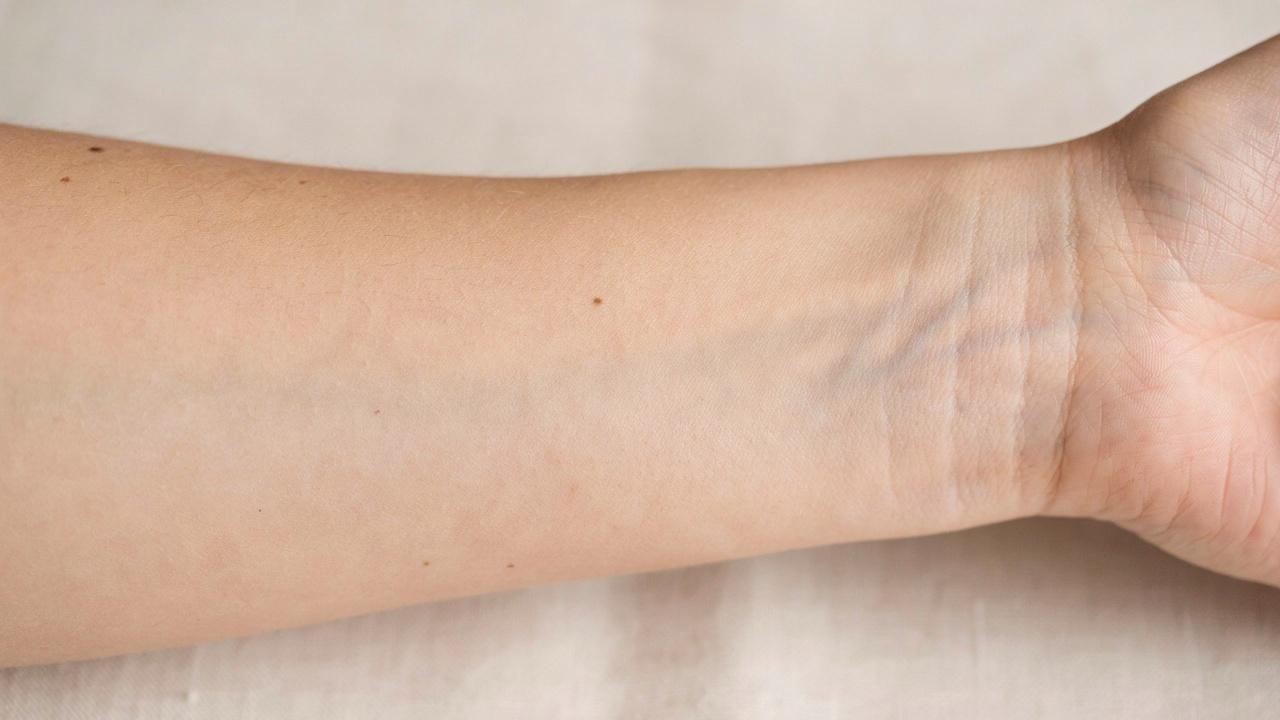
Yes, tans fade on their own as part of your skin's natural renewal cycle. A tan starts when UV radiation from the sun triggers your skin to produce more melanin, the pigment that darkens skin tone. Old skin cells shed and new ones take their place, usually over two to four weeks.
Skin type plays a big role here. This is often measured using the Fitzpatrick skin type scale, which ranks skin by how much melanin it naturally holds. Oily skin tends to fade faster, while dry skin holds onto a tan longer since dead cells build up more easily.
Exfoliating and moisturizing can help speed up the process by clearing away dead skin more evenly.
Continued sun exposure can slow fading down or even deepen the tan further. Diet and water intake matter too, since well-nourished, hydrated skin renews itself faster.
In short, a tan does not need any special treatment to fade. Time and basic skin care are usually enough.
How Long Does a Tan Last?
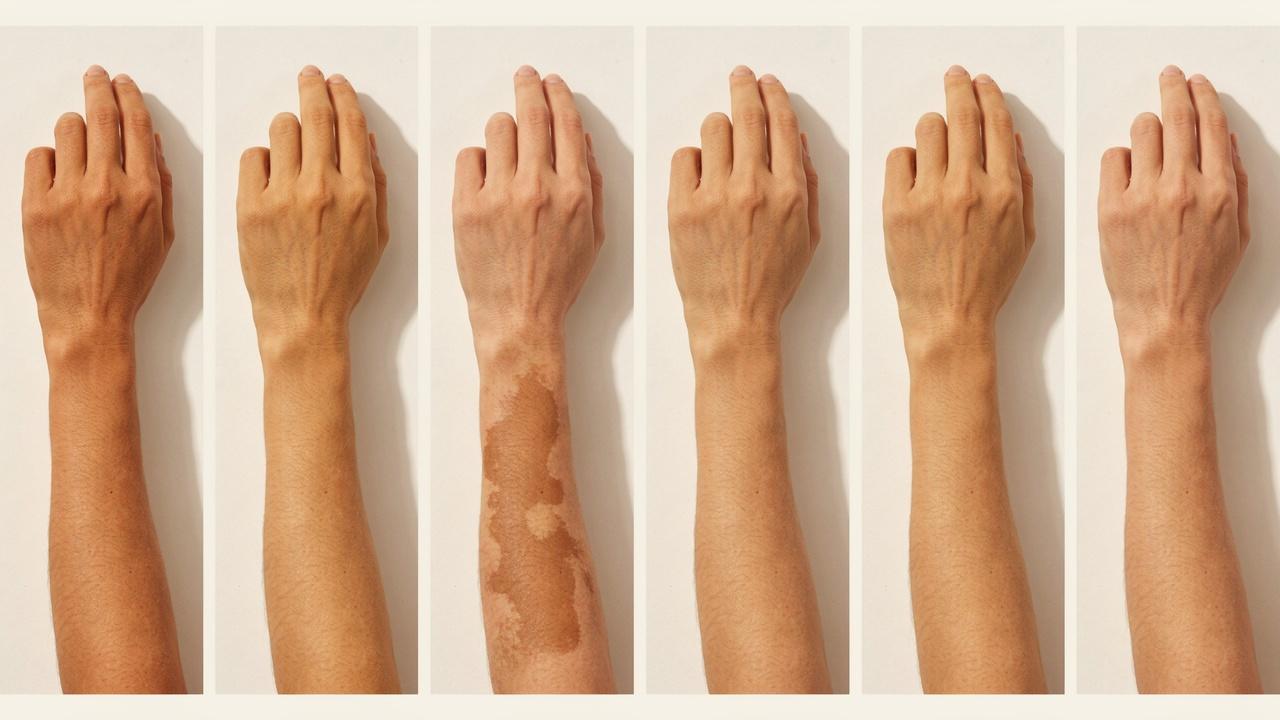
A quick look at how long a tan typically stays on your skin and why it fades over time.
How Fast Do Tans Go Away?
Your skin replaces itself every few weeks. As new keratinocytes push older, tanned cells to the surface, they flake off and the color slowly lightens.
Some people notice fading within a week, while others hold their tan a bit longer.
What Affects How Long a Tan Lasts?
Several things play a role here. Your skin type, how often you shower, the products you use, and how much sun you get afterward all affect how quickly a tan fades.
Genetics also matter, since some skin holds pigment longer than others. A spray tan or self-tanner fades faster than a natural tan too, usually within five to seven days, since it sits only on the surface layer of skin rather than triggering real melanin production.
Can You Make a Tan Last Longer?
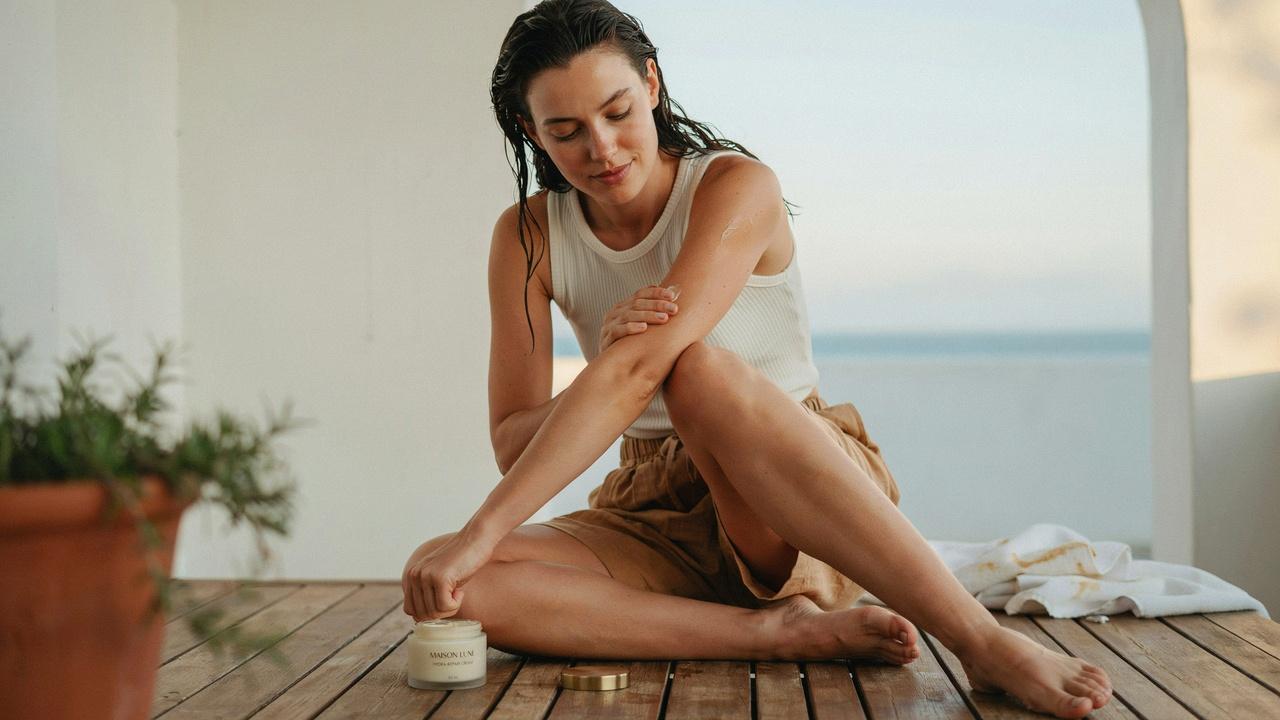
Simple daily habits that help your tan stay in place for a longer stretch of time.
Moisturize Your Skin Daily
Dry skin sheds faster, which means your tan fades faster too. Applying lotion every day keeps your skin soft and helps hold onto color for a longer time.
Exfoliate Gently Before and After Tanning
Light exfoliation before tanning removes dead skin so the tan applies evenly. After tanning, keep it gentle and infrequent so you are not scrubbing away the color you just got.
Take Cool Showers Instead of Hot Ones
Hot water strips natural oils from your skin and speeds up peeling. Cool or lukewarm showers are much gentler and help your tan last a bit longer.
Stay Hydrated
Drinking enough water keeps your skin plump and healthy. Well hydrated skin holds color better than skin that is dry or flaky.
Wear Sunscreen Every Day
Sunscreen protects your skin from burning and peeling, both of which can cause your tan to fade unevenly. It also keeps your skin healthier in the long run, and it will not stop you from tanning since sunscreen never blocks all UV rays.
What Makes a Tan Fade Faster?
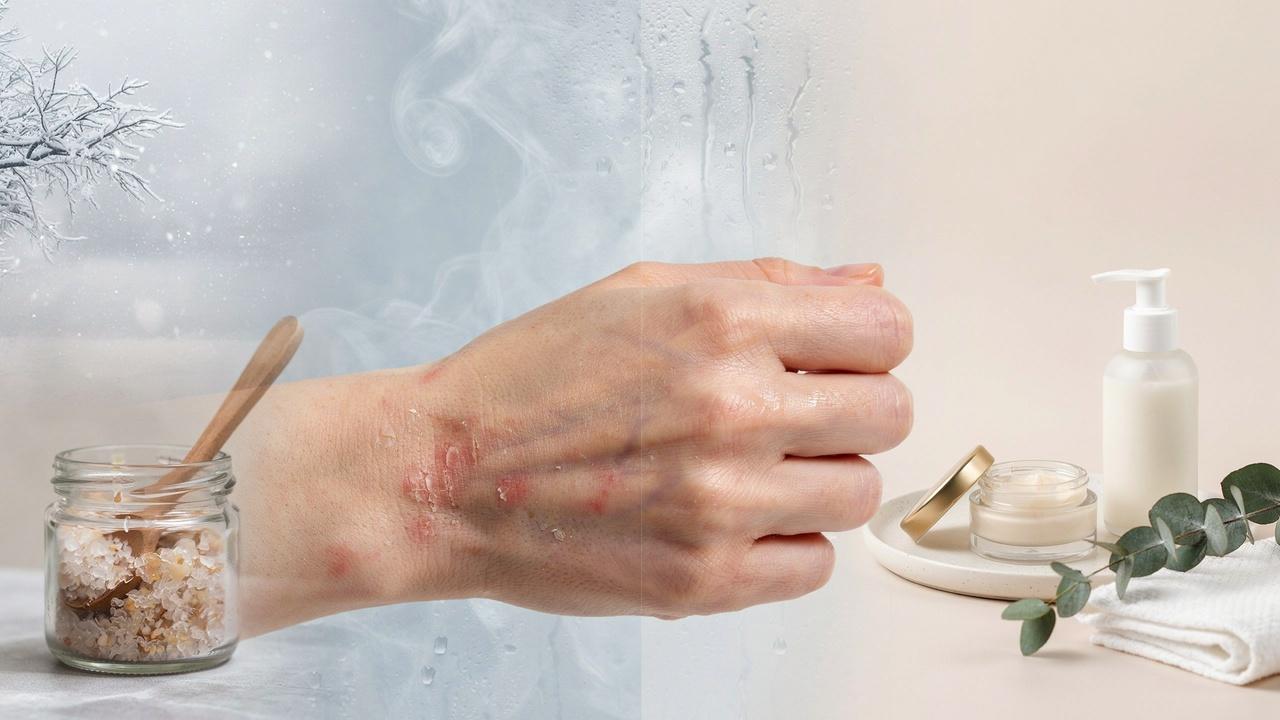
A look at common habits and conditions that cause a tan to disappear more quickly than usual.
A few everyday habits can cause a tan to fade faster than it should. Dry or peeling skin is one of the biggest culprits, since flaking skin takes the tanned layer along with it.
Exfoliating too often adds to this problem by removing tanned cells before they are ready to shed on their own, so a light touch used occasionally works much better.
Long hot showers and strong soaps also play a part, as they strip natural oils and dry out the skin, leading to quicker peeling and faster loss of color.
On top of this, less sun exposure, especially during winter months, naturally causes a tan to fade since the skin gets little to no light to maintain melanin production.
Tips to Keep Your Tan Looking Great
Easy, practical steps you can follow to help maintain your tan for as long as possible.
- Prep your skin before tanning.
- Apply an after-sun moisturizer daily.
- Drink plenty of water.
- Avoid harsh scrubs and long hot showers.
- Reapply sunscreen during sun exposure.
- Eat foods rich in antioxidants and beta-carotene.
Do Tans Fade Differently on Different Skin Tones?
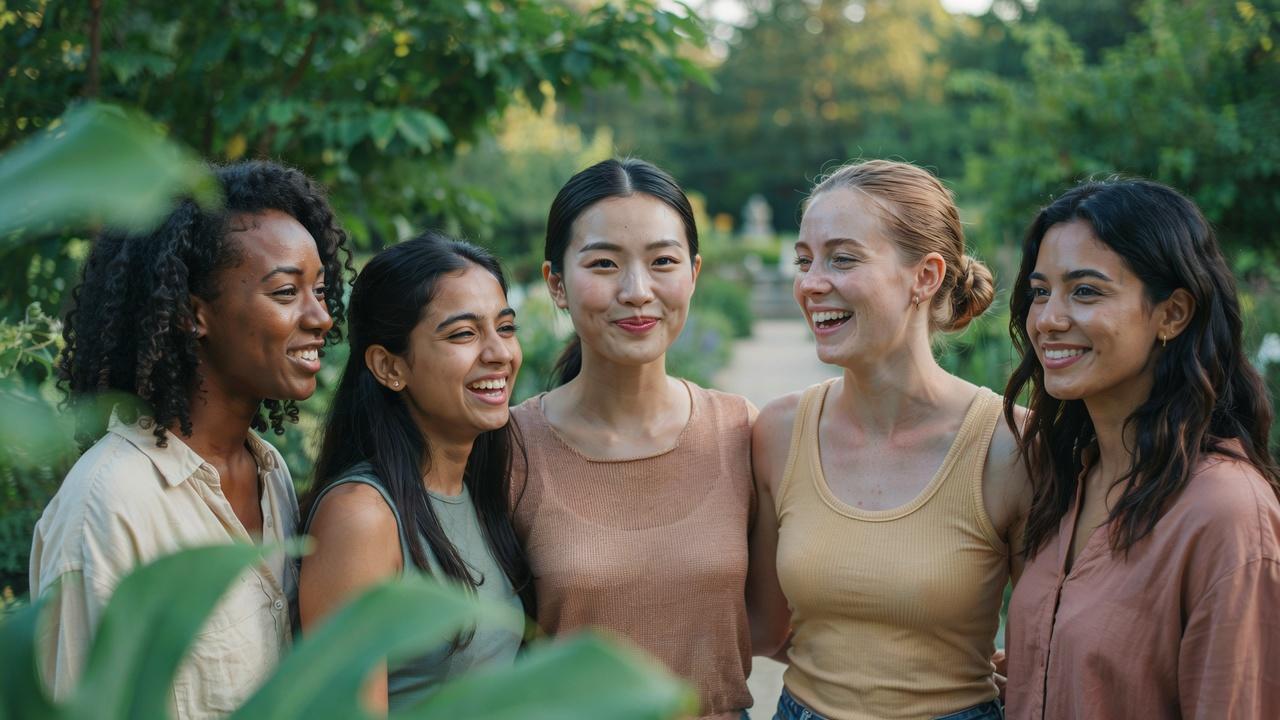
An overview of how tan fading can vary based on natural skin tone and pigment levels.
Yes, skin tone plays a role in how a tan fades. People with darker natural skin tones tend to hold onto a tan longer, since their skin already carries more melanin and more keratinocytes to shed.
Lighter skin tones often show fading sooner, and the color can look patchier as it wears off.
No matter your skin tone, the same basic habits apply. Moisturizing, gentle skin care, and sun protection help any tan last a bit longer, regardless of your natural shade.
Conclusion
I have noticed my own tan hangs around longer whenever I stick to simple habits like moisturizing daily and skipping those long hot showers.
It really does make a difference. A tan is a lovely reminder of time spent outdoors, and with a little care, you can hold onto that glow a bit longer.
Try adding one or two of these tips into your routine this week and see how your skin responds.
Got a trick that works for you? Drop it in the comments below, share this post with a friend who loves tanning, and check out our other skin care reads.
Frequently Asked Questions
How long does a tan usually last?
A tan typically lasts one to two weeks, depending on your skin type and care routine. Some people notice fading sooner, while others hold color a bit longer.
Can I make my tan fade faster on purpose?
Yes, frequent exfoliation and hot showers can speed up fading. Using gentle soaps and skipping harsh scrubs will help you avoid rapid, patchy color loss.
Does moisturizing really help a tan last longer?
Yes, moisturized skin sheds cells more evenly and slowly. This keeps your tan looking smooth for a longer stretch instead of fading in uneven patches.
Why does my tan fade faster in winter?
Less sunlight means your skin gets little exposure to maintain melanin production. Combined with dry indoor air, this often causes tans to fade more quickly in colder months.
Do all skin tones lose a tan at the same rate?
No, darker skin tones often hold a tan longer due to higher natural melanin levels. Lighter skin tones tend to show fading sooner and more noticeably.