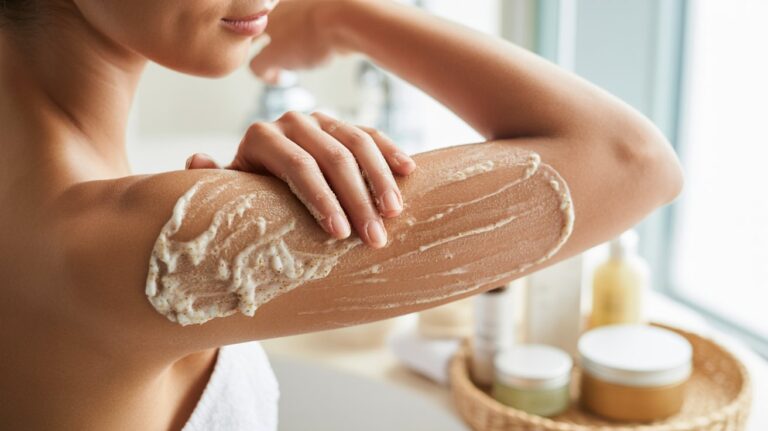
Dehydrated Skin Texture: What Causes It & Treatment


If your skin feels tight, looks dull, or has that rough, uneven texture no matter what you do, dehydration might be the real issue. And no, drinking one extra glass of water won’t fix it overnight.
This article covers what dehydrated skin texture actually is, what causes it, and how to fix it with real steps.
I’ve worked through these skin concerns myself, so everything here is practical and honest.
You’ll learn the difference between dry and dehydrated skin, what signs to look for, and a simple routine that actually helps.
What Is Dehydrated Skin Texture?
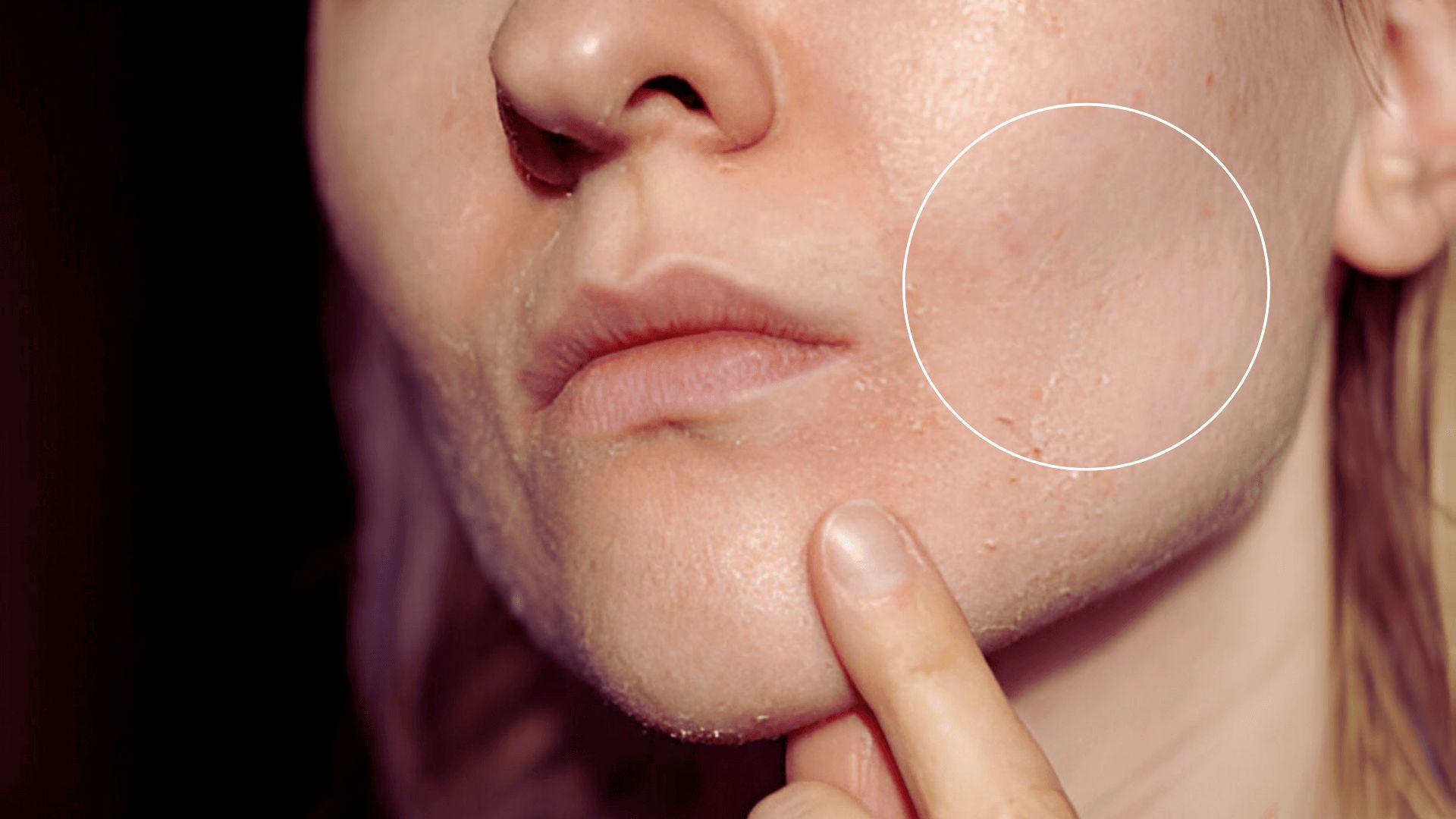
Dehydrated skin lacks water, not oil. It can happen to anyone, including oily skin types.
Dry skin is a skin type you’re usually born with. It produces less natural oil. Dehydrated skin is a condition where your skin is simply low on water. Any skin type can experience it, at any age.
Dry skin needs more oil. Dehydrated skin needs more water. Using the wrong product won’t help either one.
Oily skin can still be dehydrated. When skin loses water, it produces extra oil to make up for it. This can make breakouts worse. So yes, you can have greasy skin and still be dehydrated at the same time.
How Dehydration Affects Skin Texture
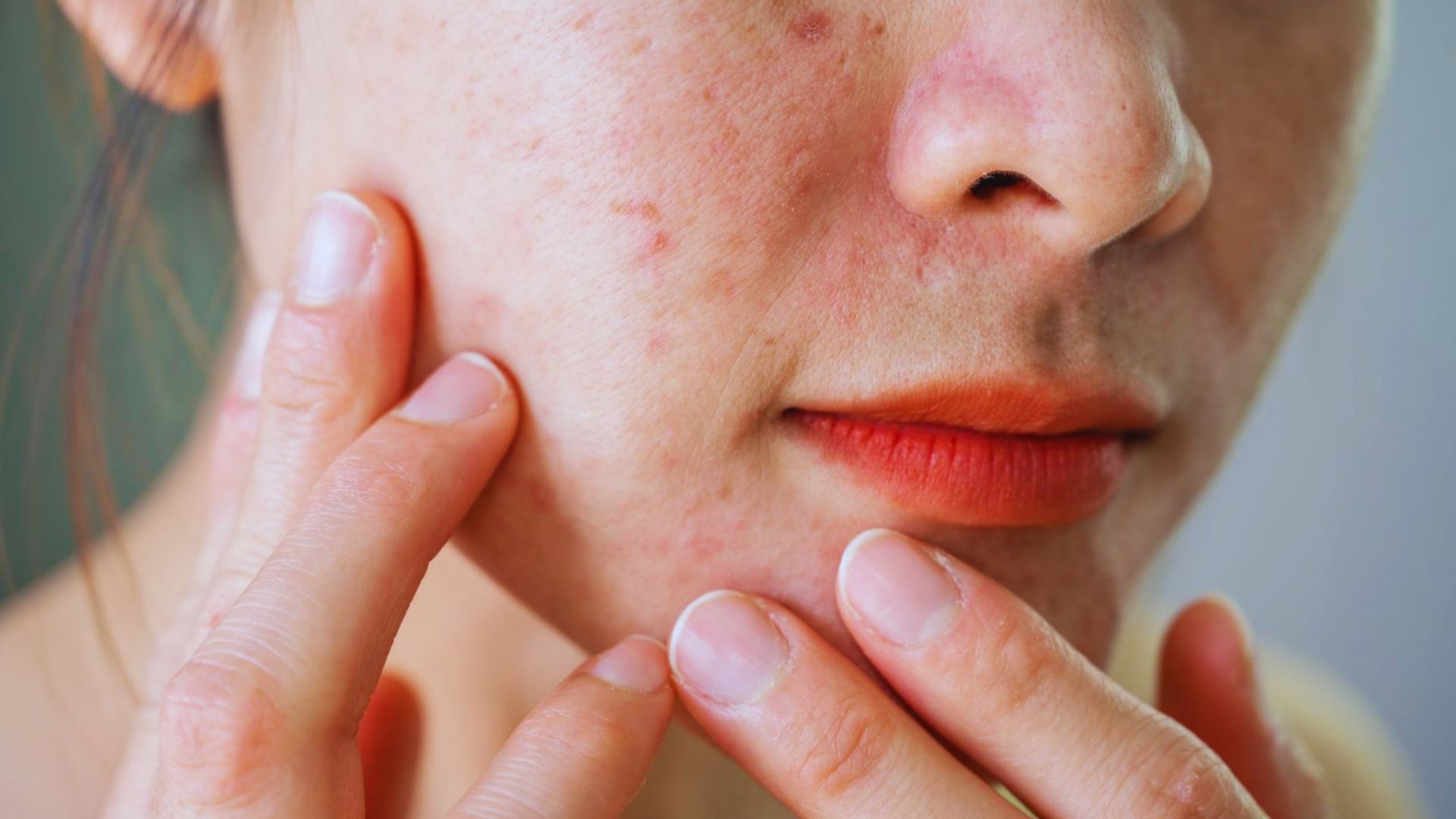
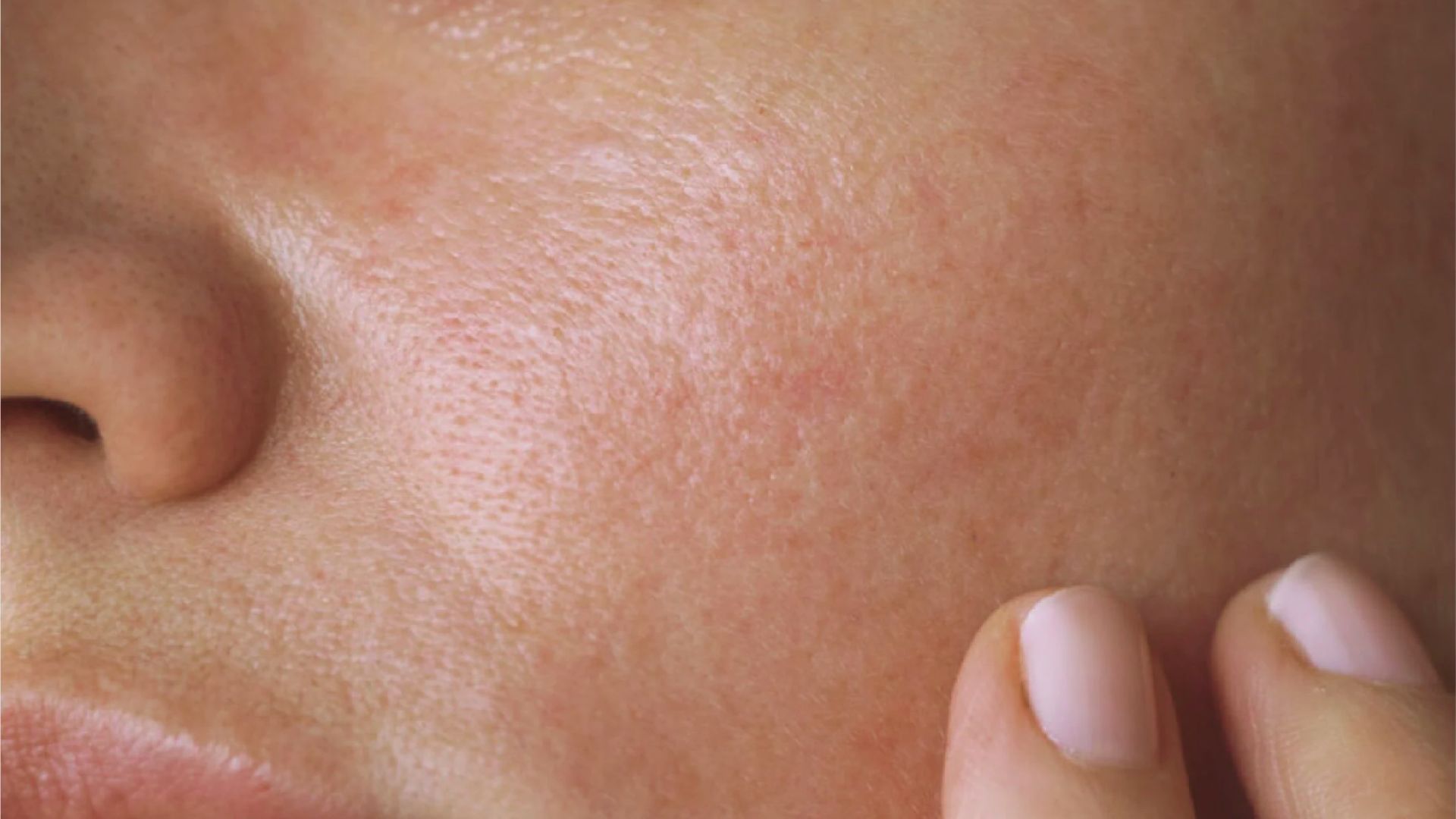
When skin loses water, it loses its smoothness and bounce. The surface becomes rough, uneven, or feels almost “papery” to touch.
Your natural glow fades. Skin stops reflecting light evenly, which makes it look tired and flat. Fine lines appear more visible, not because of aging, but because the skin is simply low on moisture.
The texture changes are often one of the first signs people notice. It can feel like no amount of moisturizer is helping.
Signs of Dehydrated Skin Texture
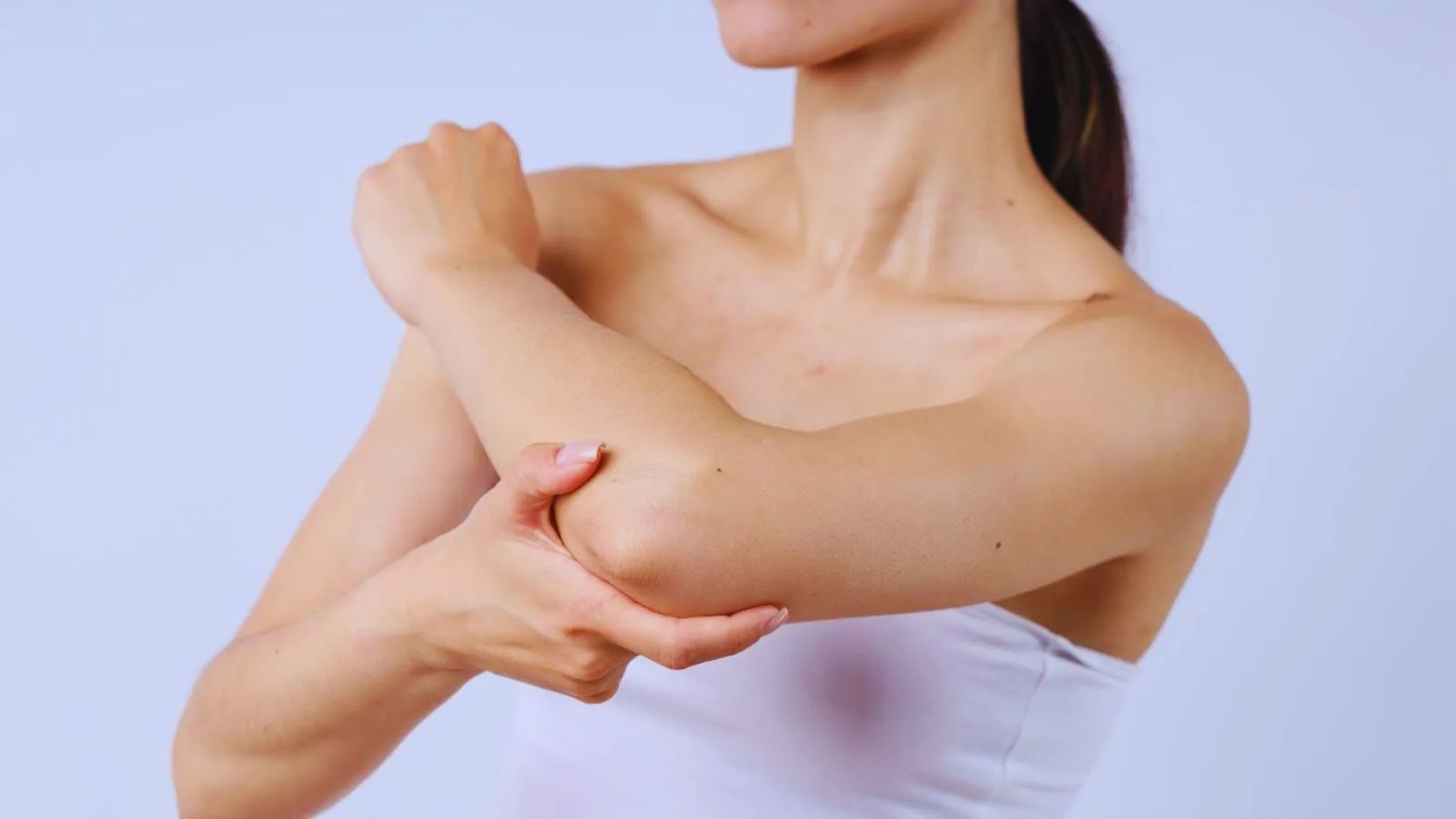
Your skin sends clear signals when it’s low on water. Here’s what to look for.
Visible Signs
These are the changes you can actually see in the mirror every day.
Dull, tired complexion: Skin loses its natural brightness and looks flat.
Fine dehydration lines: These are small, surface-level lines that show up when skin is pressed or pinched.
Uneven or bumpy texture: The surface feels rough or flaky in patches.
Makeup clinging to dry patches: Foundation settles into texture instead of sitting smoothly.
How It Feels
Sometimes what you feel on your skin tells you more than what you see.
Tightness: Especially noticeable after washing your face. The skin feels pulled or stiff.
Itchiness or irritation: Mild itching with no rash is a classic sign.
Increased sensitivity: Skin reacts more easily to products that it used to tolerate fine.
What Causes Dehydrated Skin Texture
Everything from your environment to your daily habits can quietly drain your skin of the water it needs.
Environmental Factors
Sun exposure is one of the biggest culprits. UV rays damage the skin barrier and speed up water loss over time. Cold weather and low humidity make things worse, as winter air pulls moisture right out of the skin.
Add air conditioning and indoor heating into the mix, and the air around you is constantly working against your skin’s hydration levels.
Lifestyle Habits
Not drinking enough water affects skin hydration more than most people realize. Alcohol and caffeine are both diuretics, meaning they increase water loss from the body.
Poor sleep and high stress also play a role by slowing down skin repair and weakening the skin barrier.
Skincare Mistakes
Scrubbing too often strips away the skin’s natural protection, making dehydration worse. Harsh foaming or alcohol-based cleansers do the same by removing moisture with every wash.
Using heavy oils instead of actual hydrating products is another common mistake. Oils seal the skin but don’t add water. If there’s no moisture underneath to lock in, they simply won’t help.
Damaged Skin Barrier
The skin barrier is your first line of defense. When it’s damaged, water escapes more easily. This is called transepidermal water loss (TEWL).
The higher the TEWL, the drier and more irritated the skin becomes.
How to Fix Dehydrated Skin Texture (Step-by-Step Guide)
The right steps, done consistently, can bring your skin back to feeling soft, smooth, and healthy.
Step 1: Hydrate From Within

Start simple. Your skin needs water from the inside too. Drink enough water throughout the day and eat water-rich foods like cucumber, watermelon, oranges, and leafy greens.
Cut back on alcohol and caffeine, or balance them with extra water. This alone won’t fix everything, but it creates a solid foundation for your skincare to actually work.
Step 2: Use the Right Hydrating Ingredients
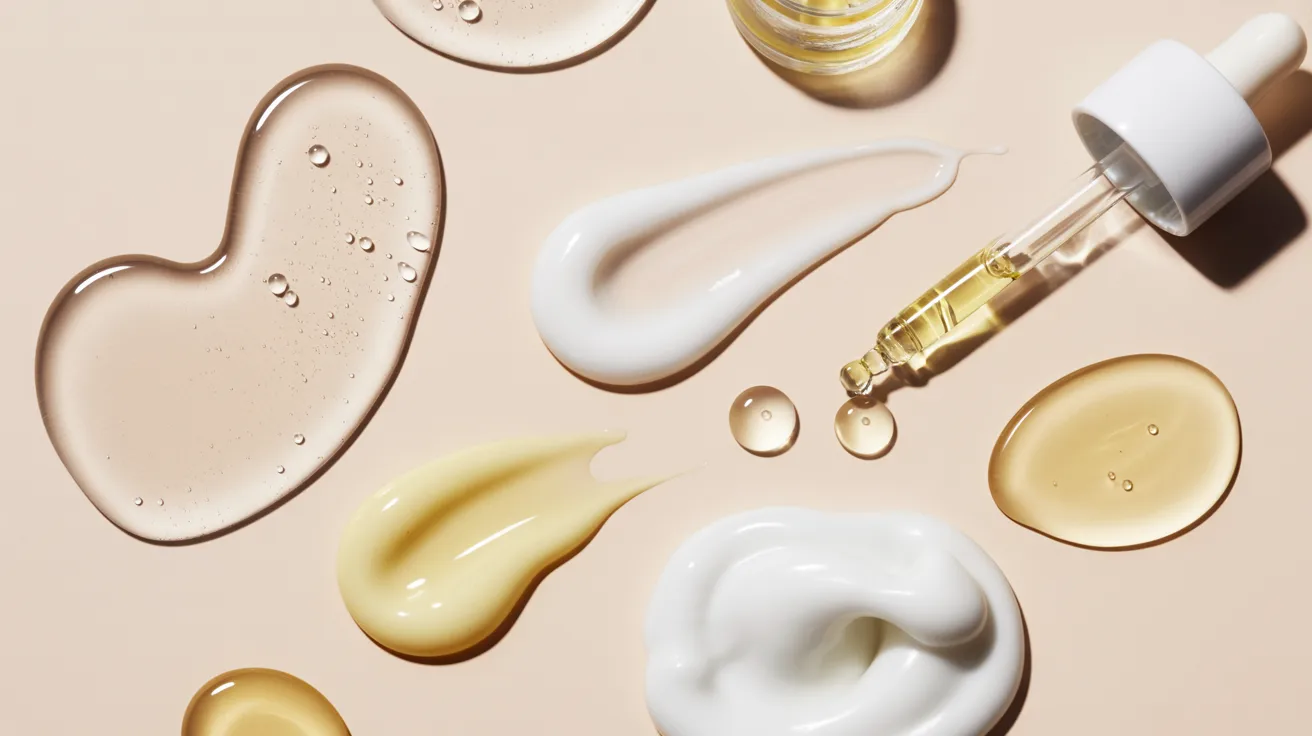
Not all moisturizing ingredients work the same way. Humectants like hyaluronic acid and glycerin pull water into the skin.
Emollients like ceramides and fatty acids smooth the surface and support the skin barrier.
Occlusives like petrolatum and squalane sit on top and stop water from escaping. Using all three types together works best.
Step 3: Build a Simple Hydrating Skincare Routine
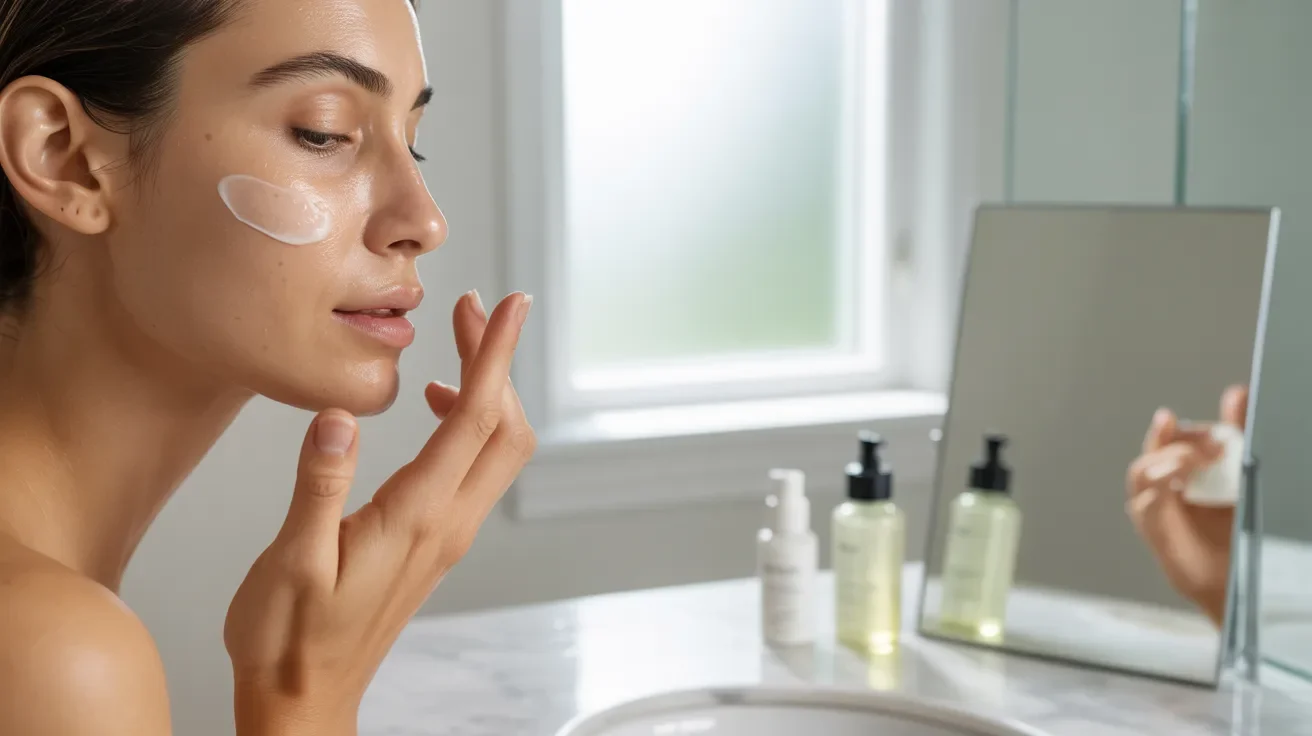
You don’t need ten steps. Keep it simple and consistent. Start with a gentle, non-stripping cleanser, a cream or gel formula works well.
Follow with a hydrating toner or essence if you like, as it adds a lightweight layer of moisture before your serum.
Apply a serum with hyaluronic acid or glycerin onto damp skin for better absorption. Lock it all in with a moisturizer suited to your skin type. Finish with sunscreen every single day to protect your skin barrier from UV damage.
Step 4: Avoid Common Skincare Mistakes

Stop over-exfoliating. Once or twice a week is enough for most people. Don’t skip moisturizer even if your skin feels oily, a lightweight water-based option works fine.
Check your ingredient lists and avoid products with denatured alcohol near the top, as these can dry the skin out further.
Best Ingredients for Dehydrated Skin Texture
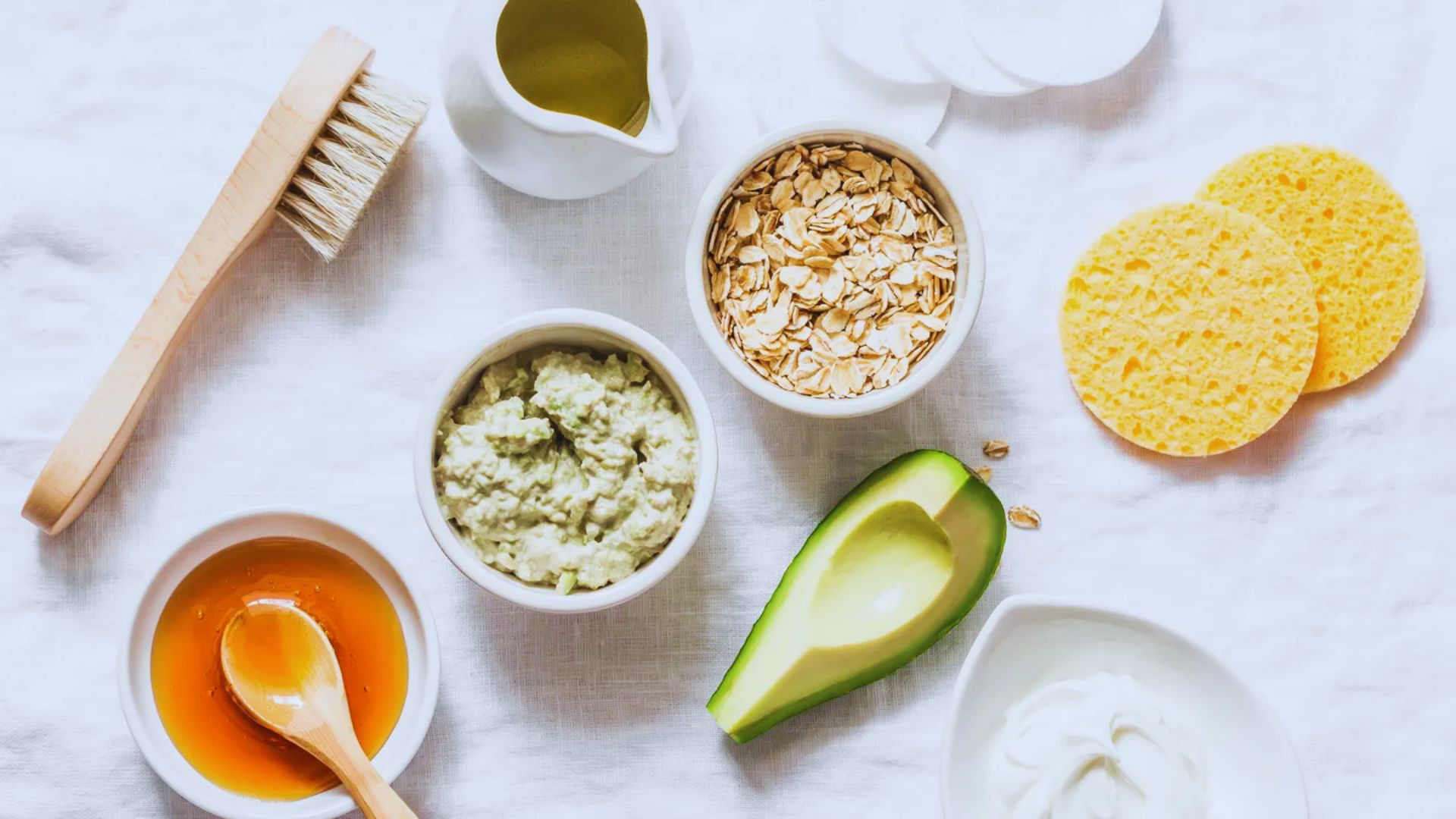
Knowing which ingredients to look for makes choosing the right products a lot easier.
Humectants (Hydration Boosters)
Hyaluronic acid draws water into the skin and works best when applied to slightly damp skin.
Glycerin is a gentle, affordable option found in most moisturizers and works very well for everyday hydration.
Barrier-Repair Ingredients
Ceramides help seal and rebuild the skin barrier to reduce water loss over time.
Niacinamide works alongside them by reducing redness, strengthening the barrier, and helping keep oil production balanced.
Occlusives (Moisture Lockers)
Squalane is a lightweight oil that seals in hydration without clogging pores, making it great for most skin types.
Petrolatum is one of the most effective moisture-locking ingredients out there and works best used in small amounts or as part of a night routine.
Can Dehydrated Skin Texture Cause Other Skin Problems?
Yes, and more than most people expect.
When skin lacks water, it produces extra oil to compensate. That oil mixes with dead skin cells and clogs pores, leading to more breakouts.
A weakened skin barrier also makes skin more reactive, so products that felt fine before may start causing redness or stinging.
Dehydration lines can also look like early wrinkles. The good news is they often fade once hydration is restored. Sorting this out early helps prevent premature aging from getting worse.
Tips to Prevent Dehydrated Skin Texture
Small, consistent habits go a long way in keeping your skin hydrated and healthy all year round.
- Drink water consistently throughout the day, not just when you feel thirsty.
- Skipping moisturizer even a few days can slow down your skin’s recovery.
- Stay away from harsh scrubs, hot water, and over-cleansing.
- Switch to heavier creams and add an occlusive at night when cold air hits.
- Use gel moisturizers and lightweight serums to keep skin hydrated without feeling heavy.
Conclusion
Dealing with rough, dull, or tight skin can be really frustrating, especially when you feel like you’ve tried everything.
I’ve been there too, layering on moisturizers and wondering why nothing was working.
Turns out, the fix was much simpler: focus on water, not just oils.
Start with one step, a gentler cleanser, a good serum, or just drinking more water. Small changes add up.
If this helped you, drop a comment below or share it with a friend who’s dealing with dehydrated skin texture too.
Frequently Asked Questions
How do I know if my skin is dehydrated or just dry?
Dry skin lacks oil and is a skin type you’re born with. Dehydrated skin lacks water and can affect any skin type, even oily skin.
Can dehydrated skin texture be fixed at home?
Yes. Using hydrating ingredients like hyaluronic acid, glycerin, and ceramides consistently can show results within a few weeks.
Does drinking more water actually improve skin texture?
It helps, but it works best alongside a proper skincare routine. Water alone won’t fully fix dehydrated skin.
Why does my oily skin still feel dehydrated?
Oily skin can still lack water. Low moisture triggers excess oil production, which is why skin can feel greasy and tight at the same time.
How long does it take for dehydrated skin texture to improve?
Most people notice a difference in two to four weeks with the right routine and consistent hydration.