Puffy Eyes, Salty Dinners and the Limits of the Kitchen Fix

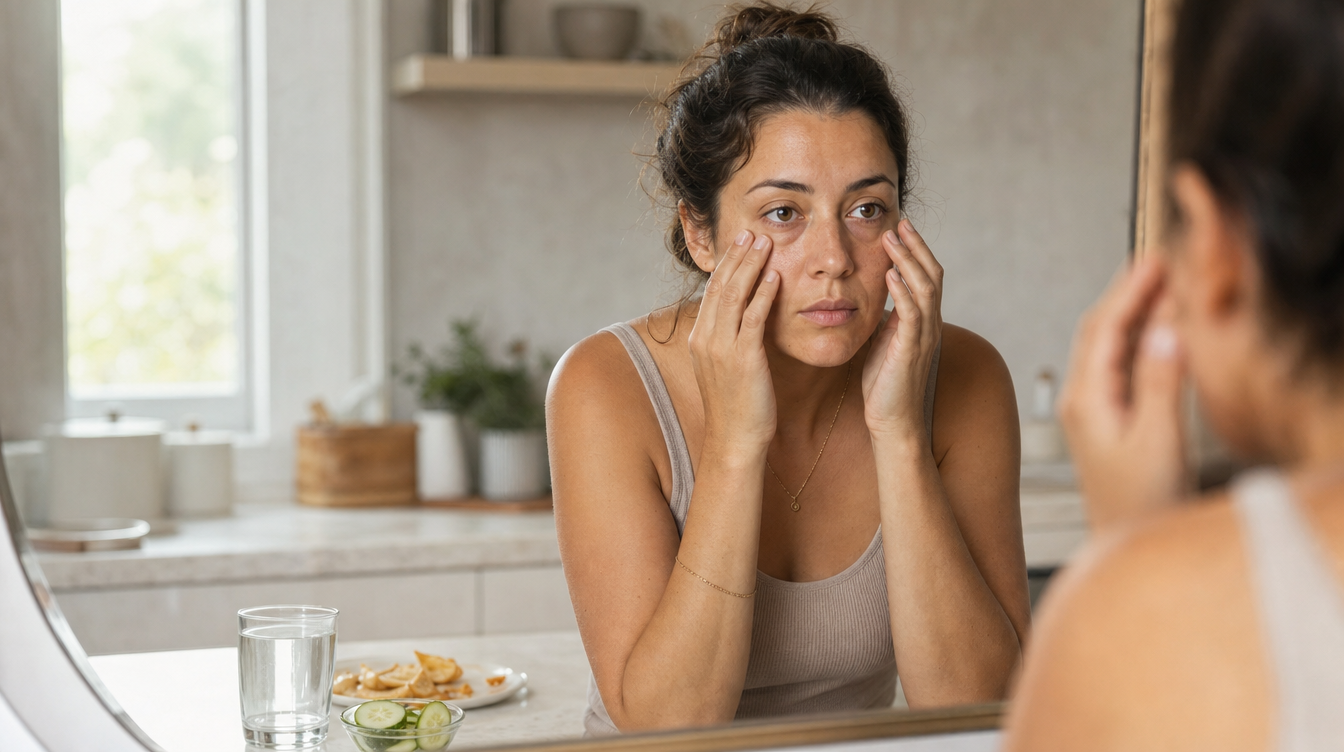
Most people have had the experience of catching their reflection the morning after a ramen night or a long dinner with wine and wondering who swapped their face. The skin under the eyes is some of the thinnest on the body, and it shows changes in fluid, sleep and inflammation faster than almost anywhere else. That makes the eye area a kind of early warning panel for what happened the evening before. It also explains why so many food and beauty habits get credited, sometimes fairly and sometimes not, with fixing puffiness that has nothing to do with dinner at all.
Why Fluid Collects Under the Eyes
The lower eyelid sits over loose connective tissue with very little fat or muscle to hold it firm. When the body retains extra water, gravity and posture decide where some of it pools, and lying flat for seven or eight hours lets it settle around the eyes. A salty meal is the classic trigger, since sodium pulls water into the spaces between cells and the kidneys need time to rebalance. Alcohol works through a different route, first dehydrating the body and then prompting it to hold on to water while also widening small blood vessels near the surface.
Sleep plays its own part. Short nights tend to leave the eye area darker and puffier, partly because of fluid shifts and partly because tired skin looks duller under bathroom lighting. Sleeping face down or with the head very flat can make the morning version worse, and plenty of people find that a second pillow takes the edge off. That is a cheap experiment worth trying before spending money on anything in a jar.
Allergies deserve a mention too, since pollen, dust and pet dander can all make the tissue around the eyes swell and itch. Rubbing makes it worse, and the darker circles some people call “allergic shiners” come from congestion in the small veins nearby. A person who sees puffiness mostly in spring or after visiting a friend with a cat is probably looking at an allergy pattern, and an antihistamine plan from a doctor may help more than any change at the dinner table.
When the Bags Stay Put
A large share of persistent under-eye bags have little to do with salt or sleep. With age, the thin membrane that holds the fat pads around the eye in place weakens, and some of that fat moves forward and creates a visible bulge, a process that runs strongly in families. If the bags look the same after a week of careful eating, early nights and no alcohol, the cause is probably structural. That is usually the point at which people start reading about blepharoplasty under eye bags, along with fillers and the other options a specialist might raise, and it is worth knowing that no recipe will move a fat pad back into place.
What Food Can Actually Change
Within its limits, the kitchen still has real influence. Cutting back on heavily processed foods, which carry most of the sodium in a typical diet, often reduces morning puffiness within a few days. Potassium-rich foods such as bananas, beans, leafy greens and avocados help the body balance sodium, and drinking enough water through the day sounds backward for a fluid problem but tends to reduce retention.
Cold helps in the short term. Chilled spoons, cucumber slices and cold compresses all constrict surface blood vessels and push some fluid away for an hour or two, and caffeine in eye creams works on a similar principle. A few people swear by cold green tea bags for the same reason. These remedies do not change the structure of the eyelid and they fade by lunchtime, yet they are harmless and pleasant as part of a morning routine.
Patterns count for more than any single trick. Someone who eats a high-sodium dinner, has two drinks and sleeps five hours will wake up puffier than someone who does only one of those things. Adjusting the evening as a whole usually works better than hunting for one magic ingredient, and it tends to improve sleep and energy along the way. A simple food diary kept for two weeks can show which evenings line up with the puffiest mornings, which is often more convincing than any general advice.
Bumps and Spots Worth a Second Look
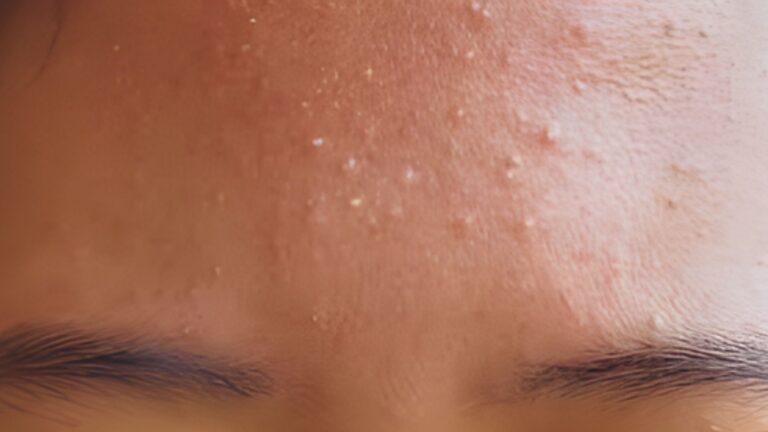
Puffiness is not the only change that shows up around the eyes. Small yellowish patches near the inner corners, called xanthelasma, can be linked to cholesterol levels, which makes them one of the few eyelid findings where diet and a blood test genuinely belong in the same conversation. Tiny white bumps known as milia are common and harmless, while a firm painless lump in the lid may be a chalazion, a blocked oil gland that often settles with warm compresses. A late-night symptom search might pull up a health encyclopedia, a skincare forum and https://www.chicagoeyelids.com/chicago-eyelid-lesion-removal within the same handful of results, and that mix is exactly why the search should end with an appointment.
The eyelids also get a lot of sun exposure, and skin cancers such as basal cell carcinoma can develop there. Warning signs include a spot that bleeds, crusts, refuses to heal or causes lashes to fall out in one area. The eyelid margin is delicate, so anything suspicious should be examined and, when needed, biopsied by a qualified physician before any decision about removal.
A bump that has been there for months without changing may well be harmless, yet it still deserves one professional look. The cost of checking is small, and the cost of missing something can be high. Beauty routines are a fine place to notice changes, and they work best when noticing leads to a booked visit instead of another serum.
Eating Well Around Treatment
For people who do go ahead with eyelid surgery, food comes back into the picture during recovery. Swelling and bruising usually last a week or two, and surgeons commonly recommend the same habits that calm ordinary puffiness, including lower sodium, good sleep with the head raised and a break from alcohol. Meals with enough protein support healing tissue, and simple dishes that need little bending over a stove make the first few days easier. Soups, yogurt, soft eggs and pre-cut fruit are popular choices, partly because they are easy to eat while keeping the head upright.
The choice of doctor matters as much as the menu. Oculoplastic surgeons train in ophthalmology and then focus on the eyelids, tear system and orbit, while facial plastic surgeons and dermatologists also treat many conditions in this area. Someone comparing naperville plastic surgeons with an eye practice closer to work can ask how often each surgeon performs the specific procedure and how complications are handled. Before-and-after photos help, though they tend to show the best outcomes, so a frank talk about realistic results is worth more.
Recovery instructions vary, and the surgeon’s own guidance always comes first. Supplements and herbal products deserve a mention at the consultation, since some of them can affect bleeding and may need to be paused. Patients who plan their groceries before the procedure tend to find the first week far less stressful.
The kitchen will never rebuild an eyelid, but it can make a real difference to how the eyes look on an ordinary morning, and trying costs almost nothing. Knowing where food stops helping is part of the same practical knowledge, and that bit of honesty saves both money and disappointment. A glass of water before bed and a steady look in good light at anything new may end up being the most useful habits of all.