Do Pimple Patches Work on Blackheads?

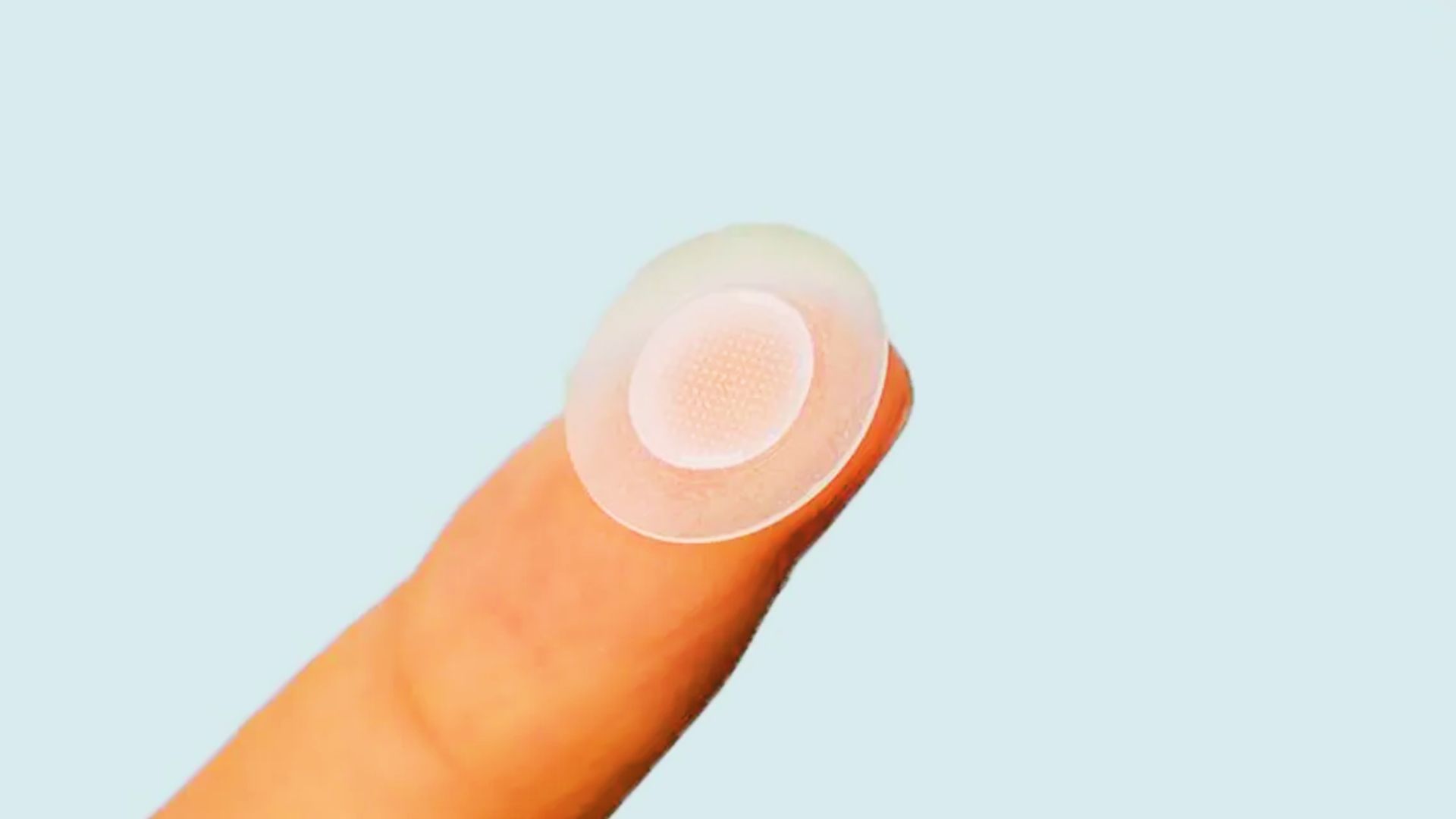
I get it. You’ve probably stared at your reflection, spotted those stubborn blackheads on your nose, and wondered if a pimple patch could work its magic.
I’ve been there too. These little stickers seem like the perfect solution when you’re desperate for clear skin.
But do they actually tackle blackheads, or are we just fooling ourselves?
If you’ve ever stuck one on and waited hopefully, only to feel disappointed, this guide is for you.
Let’s talk honestly about what pimple patches can really do and discover what actually works for those clogged pores.
What Are Blackheads and How Do They Form?
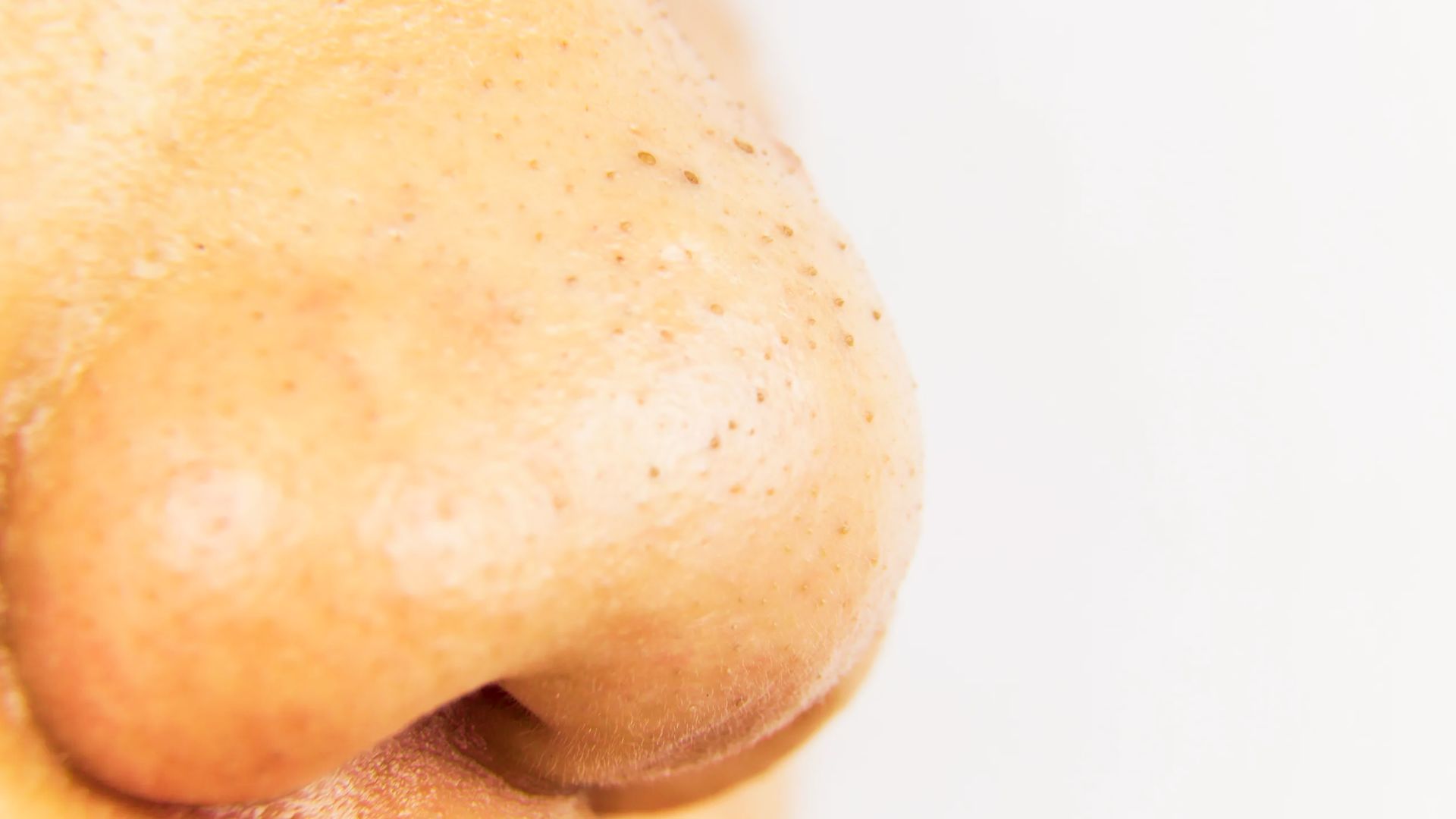
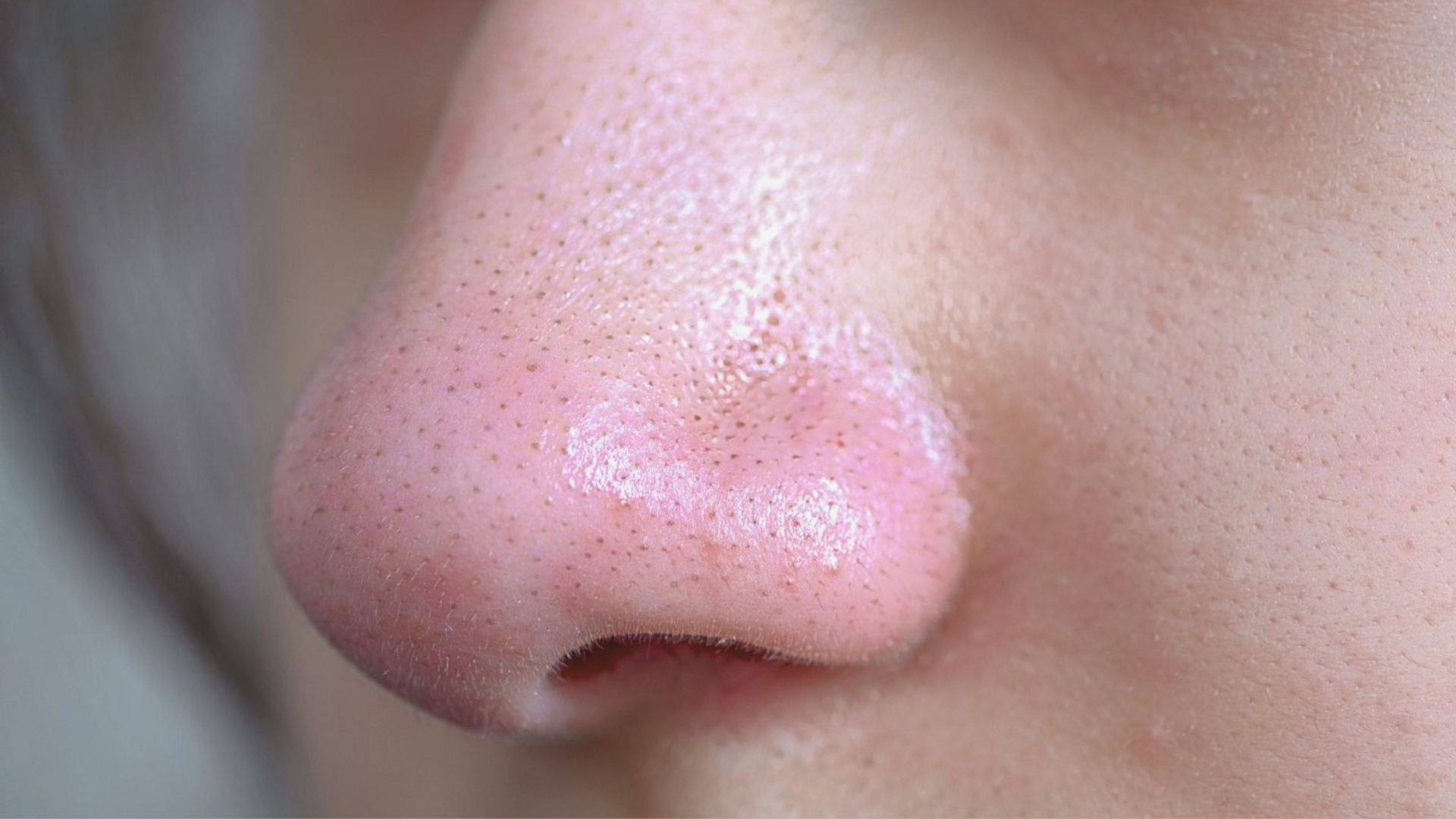
Blackheads are those tiny dark spots that pop up on your skin, usually around your nose and chin.
They’re actually open comedones, which is just a fancy term for clogged pores that stay open at the surface.
Unlike whiteheads that are sealed shut, blackheads stay exposed to air, which turns them dark brown or black.
Here’s what you need to know: they’re not filled with fluid or pus like pimples are.
Instead, they’re packed with a mix of excess oil, dead skin cells, and debris that’s gotten trapped in your pores. When this combo hits oxygen, it oxidizes and creates that signature dark color.
How Do Pimple Patches Work?
Pimple patches use hydrocolloid technology to absorb fluid and protect your skin. But they only work on certain types of breakouts, not all blemishes.
What Is Hydrocolloid Technology?
Pimple patches use hydrocolloid technology, which might sound fancy but it’s pretty simple. Think of them as tiny medical-grade sponges that stick to your skin.
These patches were originally used in hospitals to help wounds heal faster. Now they’ve become a skincare favorite because they create a protective seal over blemishes while drawing out impurities.
How Patches Absorb Fluid From Whiteheads
When you place a patch on a pimple, it gets to work immediately. The hydrocolloid material creates a moist environment and starts pulling out fluid, pus, and oil from the blemish.
You’ll notice the patch turns white or cloudy as it absorbs all that gunk. It’s oddly satisfying to peel off and see what it collected overnight.
Why They’re Designed for Surface Pimples
Here’s the important part. These patches need moisture to function properly. They’re specifically made for surface pimples that have already come to a head and are actively oozing.
That’s why they work great on whiteheads but struggle with other types of breakouts that don’t have that fluid component.
Do Pimple Patches Work on Blackheads?
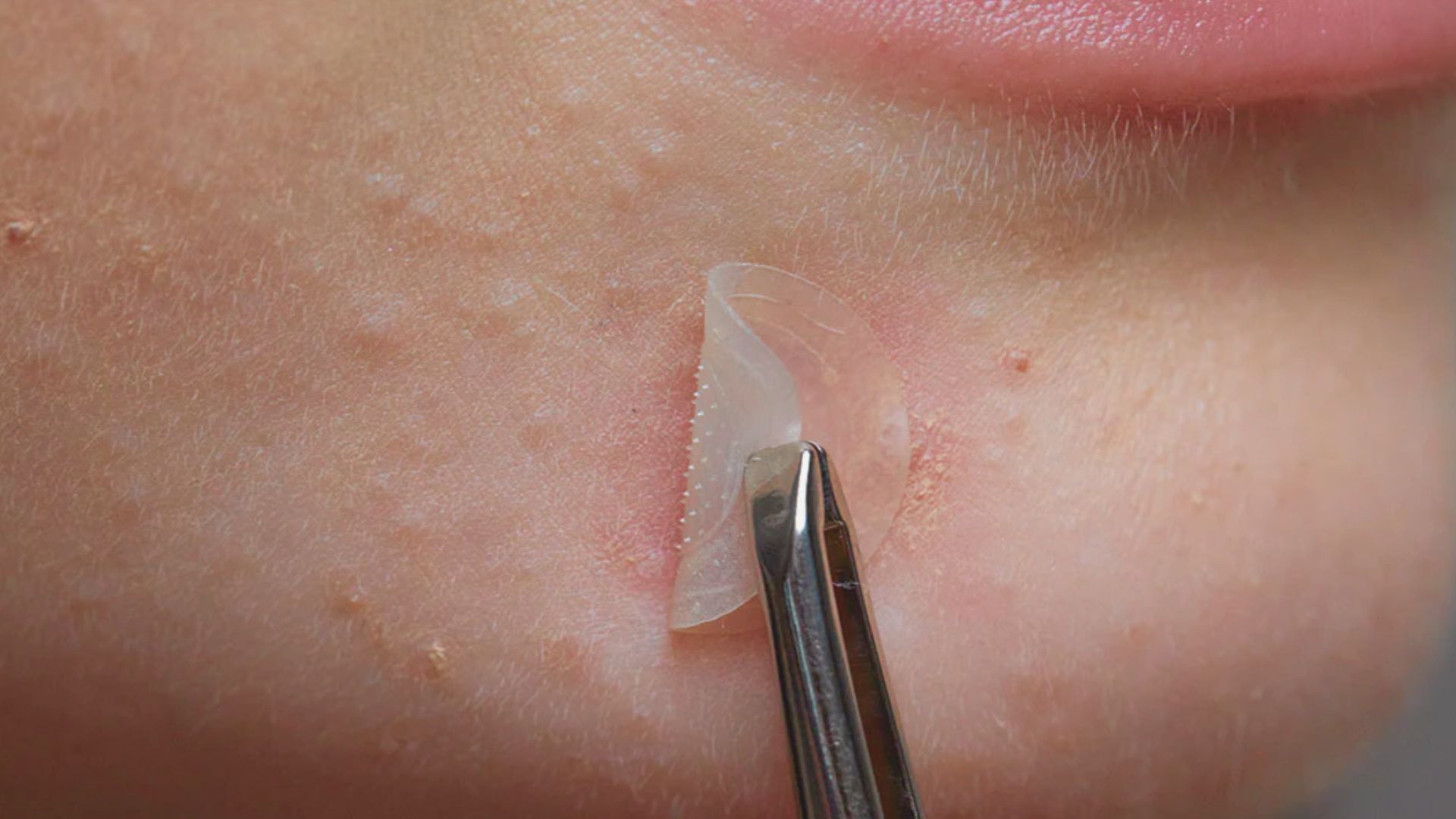
Let’s be honest. Pimple patches don’t really work on blackheads the way you’d hope.
Unlike pore strips that physically pull out the gunk, hydrocolloid patches can’t extract that hardened plug of oil and dead skin sitting in your pore.
Remember, blackheads aren’t filled with fluid, so there’s nothing for the patch to absorb. That said, they’re not completely useless.
If you stick one on, it might absorb some surface oil and prevent you from picking at your skin. But don’t expect to peel it off and see your blackheads magically gone.
They’re just not designed for this job, and that’s okay.
When Should You Use a Pimple Patch for Blackheads?
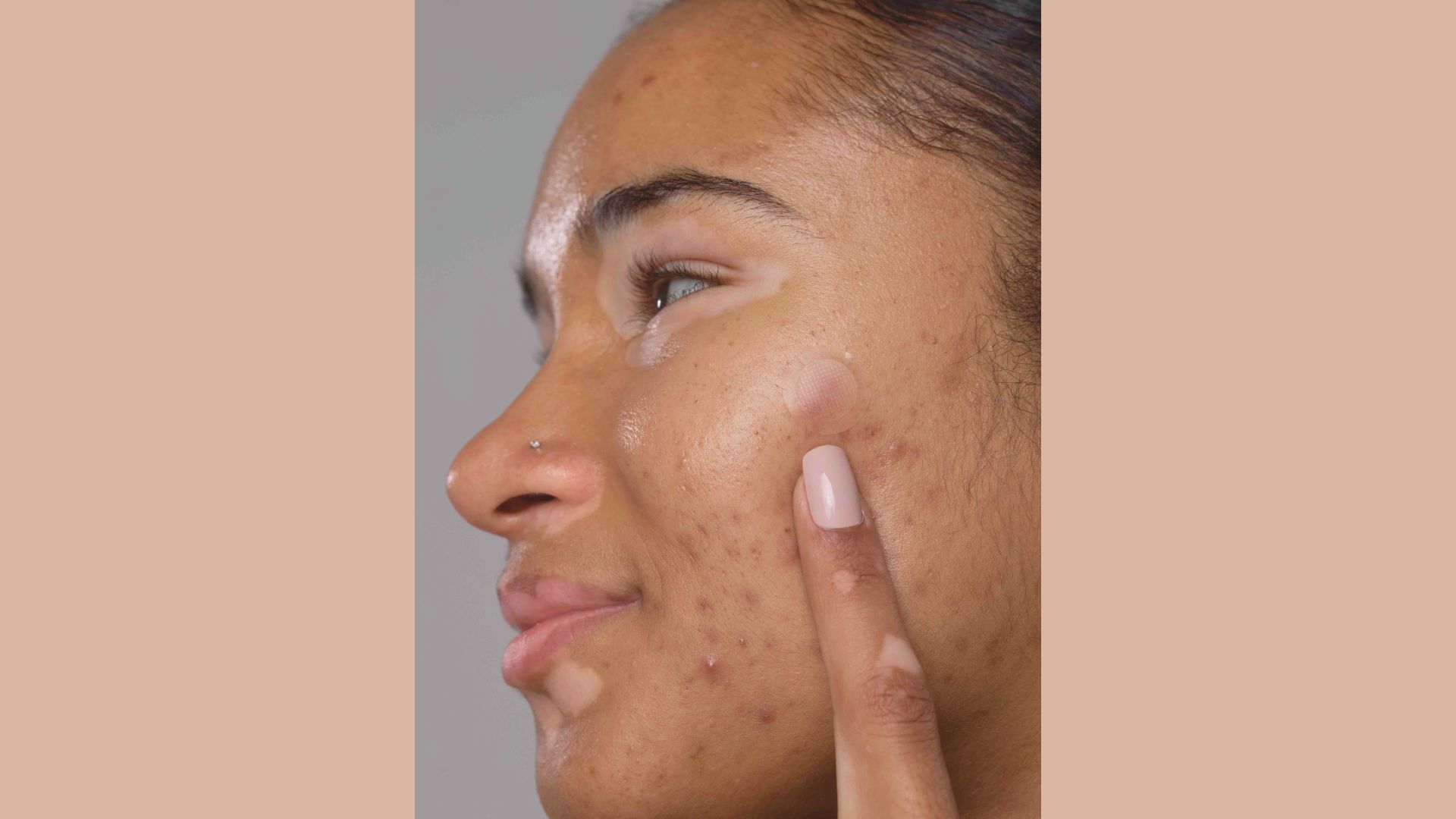
While patches won’t remove blackheads, there are specific situations where they can actually help. Here’s when it makes sense to reach for one.
After Blackhead Extraction
If you’ve just extracted a blackhead (whether at home or professionally), a pimple patch can be your best friend. It creates a protective barrier over the open pore, keeping dirt and bacteria out while your skin heals.
This is especially helpful if the extraction left your skin a bit raw or oozing. The patch absorbs any leftover fluid and speeds up recovery.
To Prevent Picking and Irritation
Let’s face it. We all pick at our skin sometimes, even when we know we shouldn’t. Placing a patch over a blackhead acts as a physical reminder to keep your hands away.
It’s like putting a barrier between you and temptation. This alone can prevent inflammation, scarring, and turning a simple blackhead into a full-blown pimple.
To Protect an Inflamed Pore
Sometimes a blackhead gets irritated and starts to swell or redden. When this happens, a pimple patch can calm things down.
It reduces friction from touching, rubbing, or makeup application. The protective seal also helps soothe the area and prevents the situation from getting worse.
What Actually Works Better for Blackheads?
If pimple patches aren’t the answer, what is? Here are treatments that actually tackle blackheads and give you real results.
1. Salicylic Acid (BHA) for Deep Pore Cleaning
Salicylic acid is your blackhead fighter. This BHA dives deep into pores and dissolves the oil and gunk clogging them up. Use it in cleansers or toners a few times weekly. You’ll notice clearer, smaller looking pores over time.
2. Retinoids for Preventing Clogged Pores
Retinoids speed up cell turnover so dead skin doesn’t clog your pores. Start with over the counter retinol or get a prescription from your dermatologist. There’s an adjustment period, but the results are worth it.
3. Clay Masks for Excess Oil Control
Clay masks absorb excess oil and pull impurities from pores. Use kaolin or bentonite clay masks once or twice weekly on problem areas. Your skin will feel cleaner and look less congested immediately.
4. Professional Dermatology Treatments
Sometimes you need professional help. Dermatologists can safely extract blackheads, perform chemical peels, or do microdermabrasion. These treatments cost more but deliver results home care can’t match.
Common Mistakes That Make Blackheads Worse
Sometimes we’re our own worst enemy when it comes to clear skin. Here are the mistakes that can actually make your blackheads multiply.
- Overusing Pore Strips: Pore strips feel satisfying, but using them too often damages your skin and stretches your pores. Stick to once a week maximum, or skip them entirely for gentler methods.
- Over-Exfoliating: Scrubbing your face daily seems like a good idea, but it strips your skin’s natural barrier. Your skin then produces more oil to compensate, creating even more blackheads.
- Skipping Moisturizer: Many people with oily skin skip moisturizer thinking it’ll make things worse. Actually, dry skin produces extra oil to protect itself, which clogs pores and creates more blackheads.
- Not Wearing Sunscreen: Sun damage thickens your skin and makes pores more likely to clog. Always wear sunscreen, even on cloudy days, to keep your skin healthy and pores clear.
- Picking at Your Skin: We’ve all been guilty of squeezing blackheads in the mirror. This pushes bacteria deeper, causes inflammation, and can lead to scarring or even bigger breakouts.
Conclusion
So here’s the bottom line. Pimple patches are great for certain breakouts, but they won’t magically remove your blackheads.
Since blackheads are solid clogs, not fluid-filled pimples, hydrocolloid patches just can’t extract them.
Focus on consistent exfoliation, oil control, and treatments your dermatologist recommends instead. With the right routine and realistic expectations, you’ll see real improvement over time.
Your skin deserves care that actually works.
Start building better habits today, stay patient with the process, and watch your skin transform. You’ve got this.
Frequently Asked Questions
Can I use pimple patches on my nose for blackheads?
You can, but they won’t remove the blackheads since they’re designed to absorb fluid, not extract solid clogs. They might help control oil and prevent picking, but don’t expect them to clear your pores.
How long should I leave a pimple patch on a blackhead?
If you choose to use one, leave it on for 6 to 8 hours or overnight. However, remember that it won’t extract the blackhead itself, just protect the area and absorb surface oil.
Are there special pimple patches made for blackheads?
Some brands market patches with added ingredients like salicylic acid for blackheads. While these may help more than regular patches, traditional blackhead treatments like BHA serums work better for actually clearing clogged pores.
Can pimple patches make blackheads worse?
They won’t make blackheads worse, but they won’t improve them either. The main risk is wasting time on something that doesn’t work when you could be using effective treatments instead.
What should I put on blackheads instead of pimple patches?
Use salicylic acid products, retinoids, or clay masks that actually penetrate and clean your pores. These ingredients target the root cause of blackheads rather than just sitting on the surface.