Why Is My Forehead Breaking Out? Causes and How to Fix It

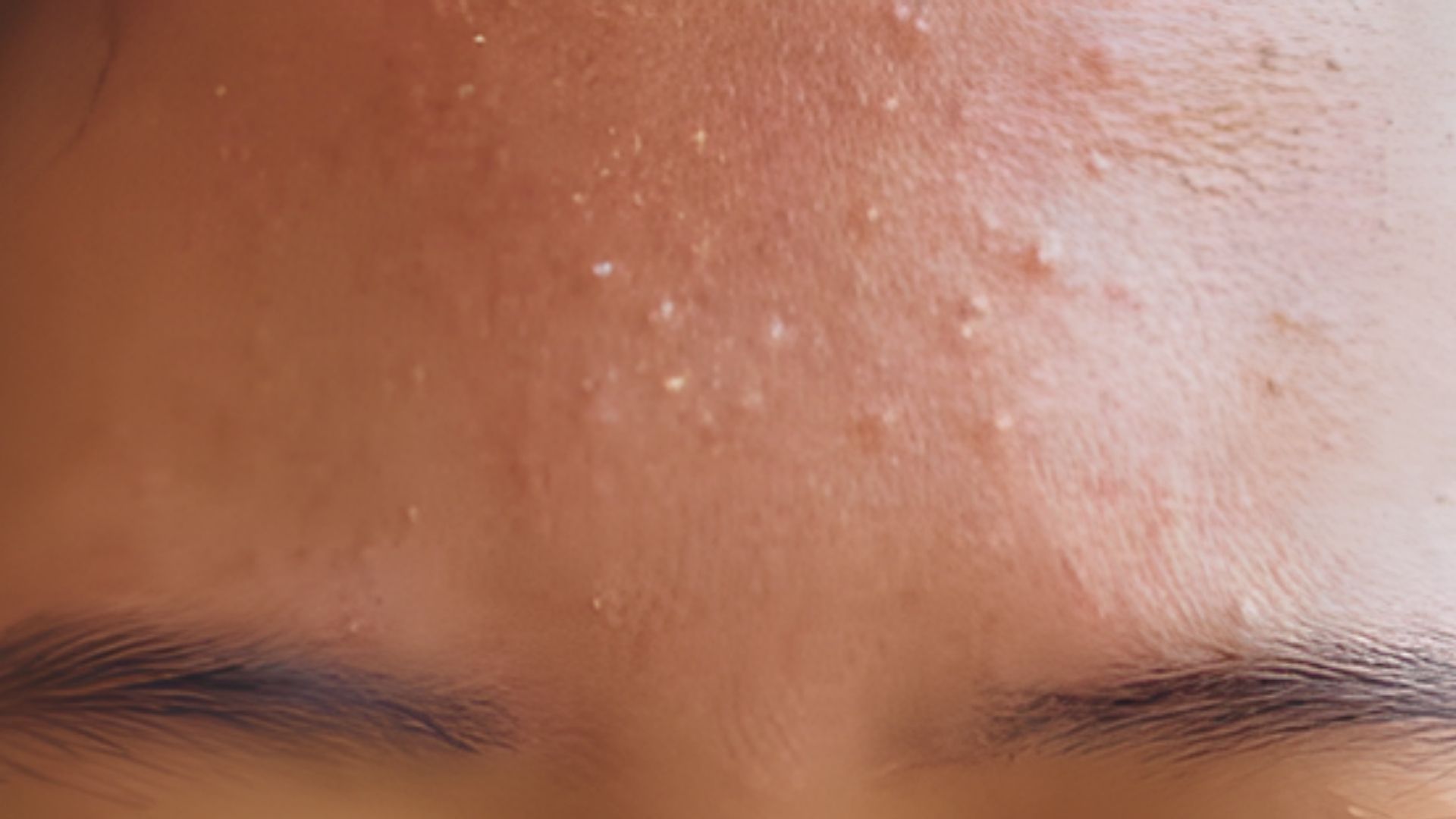
If you’re dealing with forehead breakouts, I get it. I’ve been there too, staring at those bumps and wondering why they keep showing up.
Your forehead has more oil glands than other parts of your face, which means it’s prone to clogged pores. Plus, it’s constantly touching hair, sweat, hats, and your hands.
What helped me was understanding that my forehead skin behaves differently. It produces more oil and traps dirt easily.
Once I figured out my personal triggers, whether stress, products, or hormones, I finally started seeing clearer skin.
What Causes Forehead Breakouts?
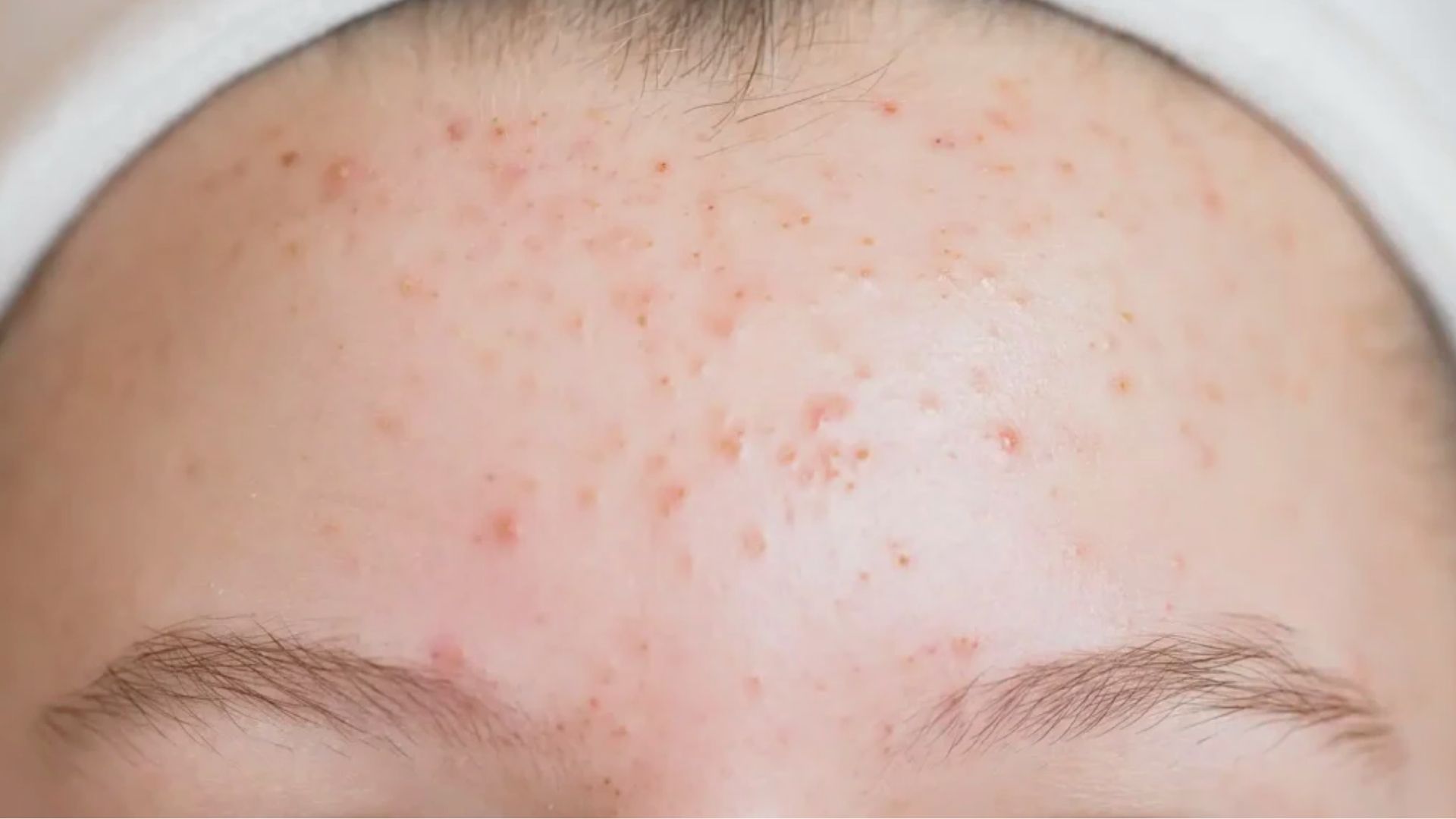
Forehead acne happens for many reasons, from excess oil and clogged pores to hormones and lifestyle habits. Let’s break down what’s really going on.
1. Excess Oil Production in the T-Zone
Your forehead sits in the T-zone, where sebaceous glands work overtime.
These glands pump out more oil here than anywhere else on your face, which is why breakouts show up so often in this spot.
2. Clogged Pores and Bacteria
Dead skin cells pile up and block your pores. When bacteria get trapped inside, they cause inflammation and those red, painful bumps you see.
It’s a cycle that keeps repeating without proper care.
3. Hormonal Changes
Hormones fluctuate during puberty, periods, pregnancy, and menopause. Conditions like PCOS or switching birth control can also trigger breakouts.
These shifts tell your skin to produce more oil, leading to clogged pores and acne.
4. Stress and Forehead Acne
When you’re stressed, your body releases cortisol.
This hormone ramps up oil production in your skin. Stress alone won’t cause acne, but it definitely makes existing breakouts worse and harder to control.
5. Hair Products and Pomade Acne
Oils, gels, waxes, and conditioners in your hair can slide down onto your forehead.
These products clog pores along your hairline, creating what’s called pomade acne. It’s super common but often overlooked.
6. Skin Irritation and Friction
Hats, helmets, headbands, and face masks rub against your forehead constantly. Add sweat to the mix, and you’ve got the perfect recipe for irritation.
This friction traps oil and bacteria against your skin.
7. Medications That Can Cause Forehead Acne
Some medications come with acne as a side effect. Corticosteroids and certain hormonal medications can trigger breakouts on your forehead.
If you suspect your medication is the culprit, talk to your doctor.
8. Vitamin and Nutrient Deficiencies
Low levels of vitamins D, A, and B can affect your skin health. Your body needs these nutrients to regulate oil production and fight inflammation.
Deficiencies might show up as stubborn forehead breakouts.
9. Skin Type and Genetics
If you have oily skin or large pores, you’re more likely to break out. Genetics play a big role too.
If your parents struggled with acne, there’s a good chance you will too.
Types of Acne That Appear on the Forehead
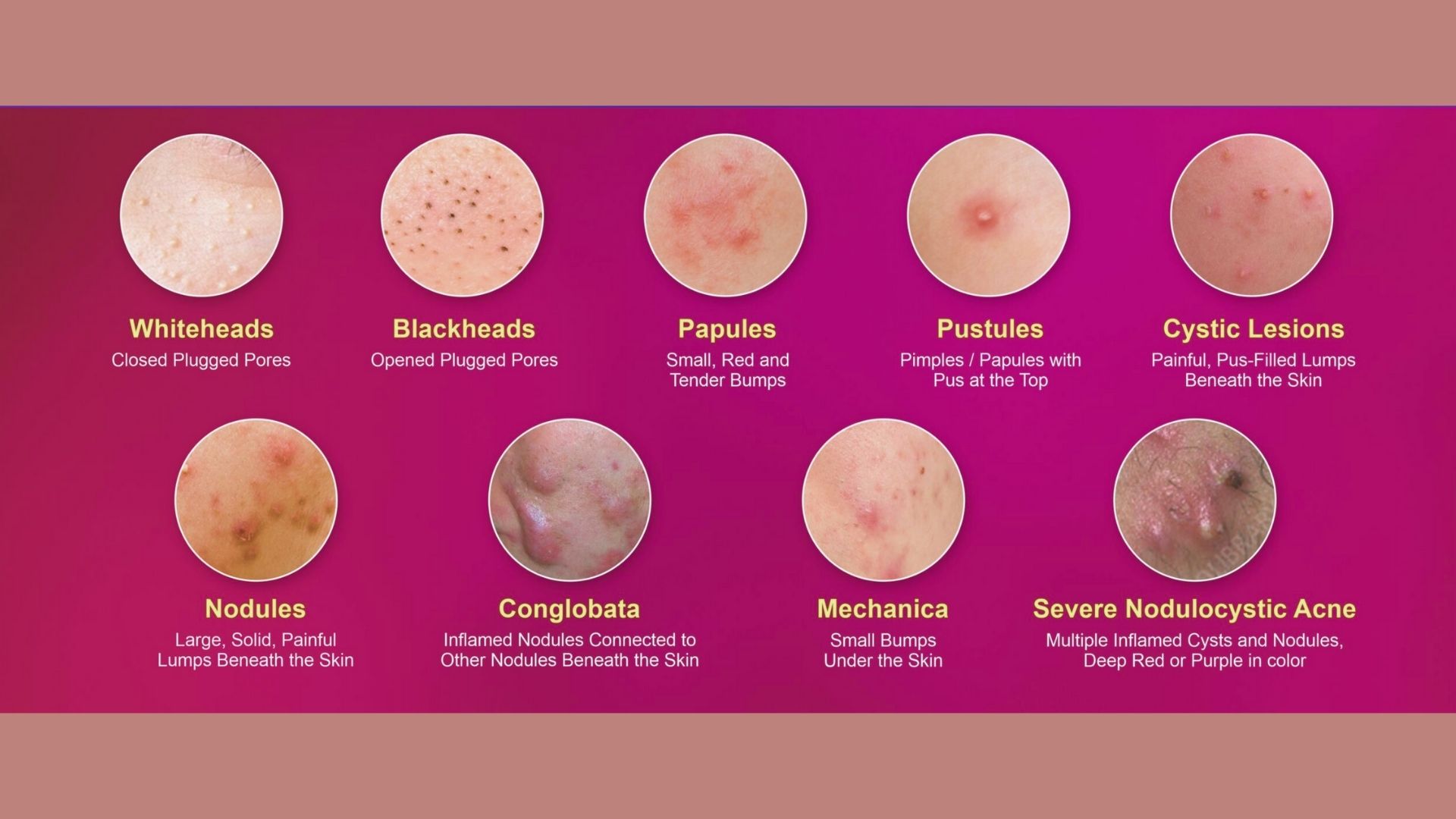
Not all forehead acne looks the same. Different types form based on what’s happening beneath your skin’s surface.
- Whiteheads and Blackheads (Comedonal Acne): These are clogged pores without any inflammation. Whiteheads stay closed under the skin, while blackheads open up and turn dark when exposed to air. They’re annoying but usually not painful or red.
- Inflammatory Acne: This type shows up as red, swollen, painful pimples on your forehead. Inflammation happens when bacteria get involved and your body fights back. These bumps hurt to touch and take longer to heal than simple blackheads.
- Acne Mechanica: This breakout comes from friction and pressure on your skin. Hats, helmets, headbands, or anything rubbing your forehead repeatedly can cause it. The constant contact traps sweat and oil, leading to clusters of small bumps.
- Nodular or Cystic Acne: These are deep, painful lumps under your skin that don’t come to a head. Cystic acne is the most serious type and can leave scars if not treated properly. You’ll need professional help to manage this kind.
How to Identify Your Personal Forehead Acne Triggers
Figuring out what causes your breakouts takes some detective work. If you notice acne along your hairline or after using new hair products, that’s a product issue.
Pay attention to when breakouts happen. Do they show up before your period or during stressful times? That points to hormones. Look at your daily habits too.
Dirty pillowcases, sweaty workouts without washing your face, holding your phone against your forehead, or wearing hats can all trigger breakouts.
Track these patterns and you’ll spot your triggers.
What to Do About Forehead Breakouts
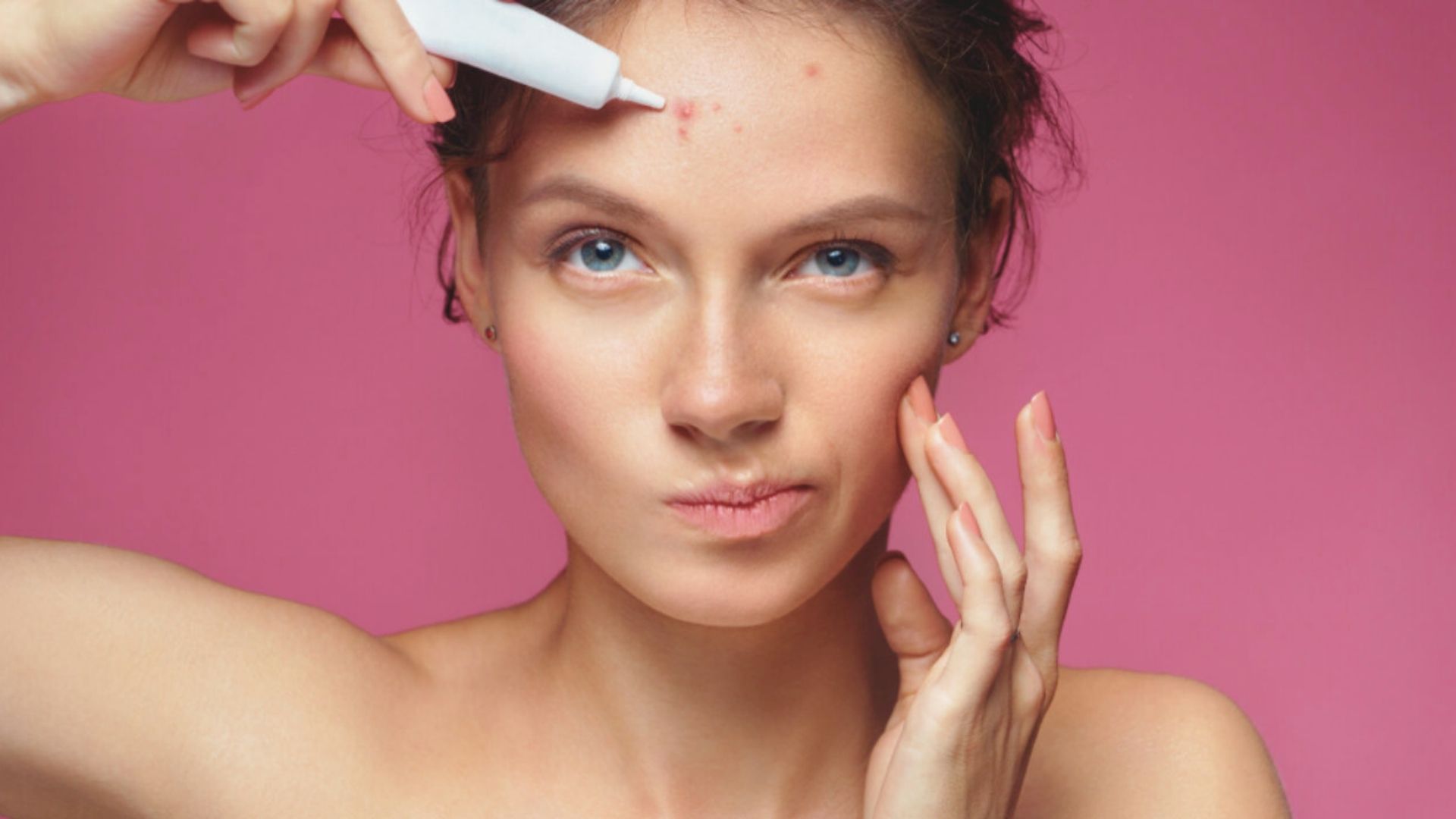
Once breakouts show up, you need a plan to treat them. Here’s what works, from drugstore options to professional help.
Over-the-Counter Treatments That Help
Benzoyl peroxide kills acne-causing bacteria. Salicylic acid clears out clogged pores. Adapalene speeds up cell turnover and prevents new breakouts.
Azelaic acid fights bacteria and fades dark spots. Pick one active ingredient and stick with it for at least six weeks.
Home Remedies That May Support Healing
Aloe vera gel soothes inflamed skin. Tea tree oil works as a natural antiseptic but needs diluting first. Zinc supplements or creams help reduce inflammation.
These won’t replace medical treatment for severe acne. Always patch test before using anything new.
When Prescription Treatments Are Needed
See a dermatologist if drugstore products don’t work after three months. Prescription antibiotics fight bacterial infection. Hormonal therapy helps with hormone-related breakouts in women.
Severe cystic acne may need isotretinoin. Dermatologists can also do chemical peels, cortisone injections, or laser therapy.
How to Prevent Forehead Acne From Coming Back
Keeping your forehead clear means building good habits that last. Here’s what actually works.
- Wash your face twice daily with a gentle cleanser and lukewarm water. Don’t over-wash or scrub hard, as this strips natural oils and makes your skin produce even more oil.
- Wash your hair regularly, especially if it’s oily or you use styling products. Skip heavy gels, pomades, and oil-based conditioners near your hairline to prevent product transfer.
- Wear loose-fitting hats and clean your headbands, helmets, and accessories regularly. Wash your face right after working out and change pillowcases at least twice a week.
- Cut back on high-glycemic foods like white bread and sugary snacks, and consider reducing dairy if you notice breakouts after consuming it. Drink plenty of water and eat foods rich in vitamins A and D.
- Manage stress through exercise, adequate sleep, or relaxation techniques that work for you. Chronic stress raises cortisol levels, which increases oil production and triggers breakouts.
Conclusion
Dealing with forehead acne can feel frustrating, but now you know what’s causing those breakouts and how to fix them.
I’ve found that consistency matters more than any single product.
Start by identifying your triggers, whether it’s hair products, hormones, or lifestyle habits. Build a simple routine with the right treatments and stick with it for at least six weeks.
Your skin needs time to heal and adjust. If nothing works after three months, don’t hesitate to see a dermatologist.
Clear skin is possible, and you deserve to feel confident in yours.
Frequently Asked Questions
Why does my forehead break out more than other parts of my face?
Your forehead has more oil glands than other areas. It’s also constantly exposed to hair products, sweat, and friction from hats, which clog pores and trap bacteria.
Can stress really cause forehead acne?
Yes, stress triggers cortisol release, which increases oil production. While stress alone won’t cause acne, it makes existing breakouts worse and harder to manage.
How long does it take for forehead acne to clear up?
Most treatments need six to eight weeks to work. If you don’t see improvement after three months, see a dermatologist for stronger treatment options.
Should I pop my forehead pimples?
No, popping pushes bacteria deeper and causes inflammation. It leads to scarring and dark spots that last longer than the original pimple.
What’s the best way to prevent forehead breakouts?
Wash your face twice daily, keep hair products off your hairline, and change pillowcases regularly. Avoid touching your forehead and reduce friction from hats.