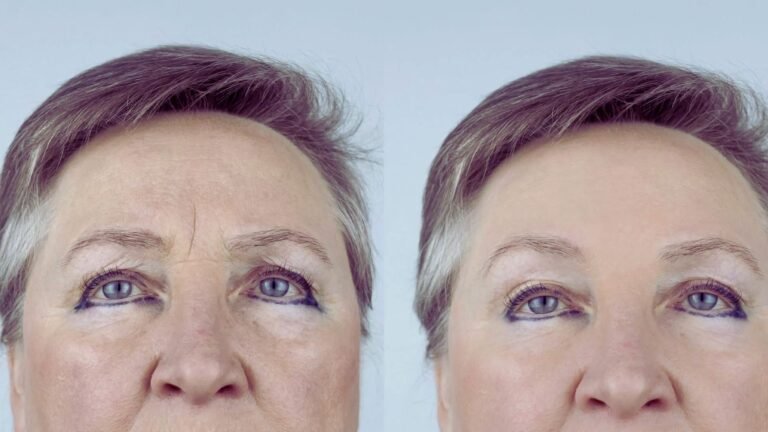
How Long Does a Facelift Last? Complete Guide

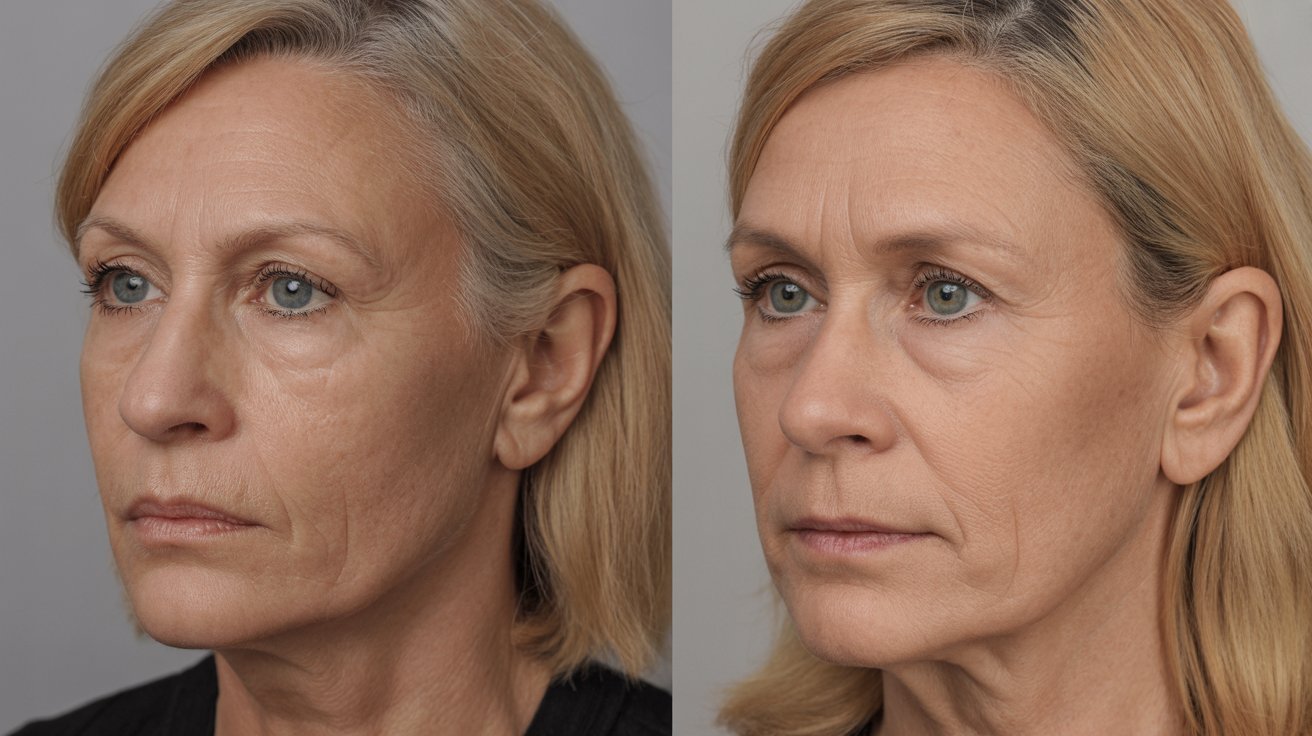
Thinking about getting a facelift? You’re not alone. Many people wonder how long a facelift lasts and if it’s worth the investment.
I get it this is a big decision. In this guide, I’ll walk you through everything you need to know about facelift longevity.
We’ll cover the different types of facelifts, what affects how long results last, and how to make your results last longer.
You’ll learn about the procedure itself, recovery expectations, and when you might need a touch up.
My goal is to give you honest, straightforward information so you can make the right choice for yourself.
Let’s get into it.
What Are Facelifts?
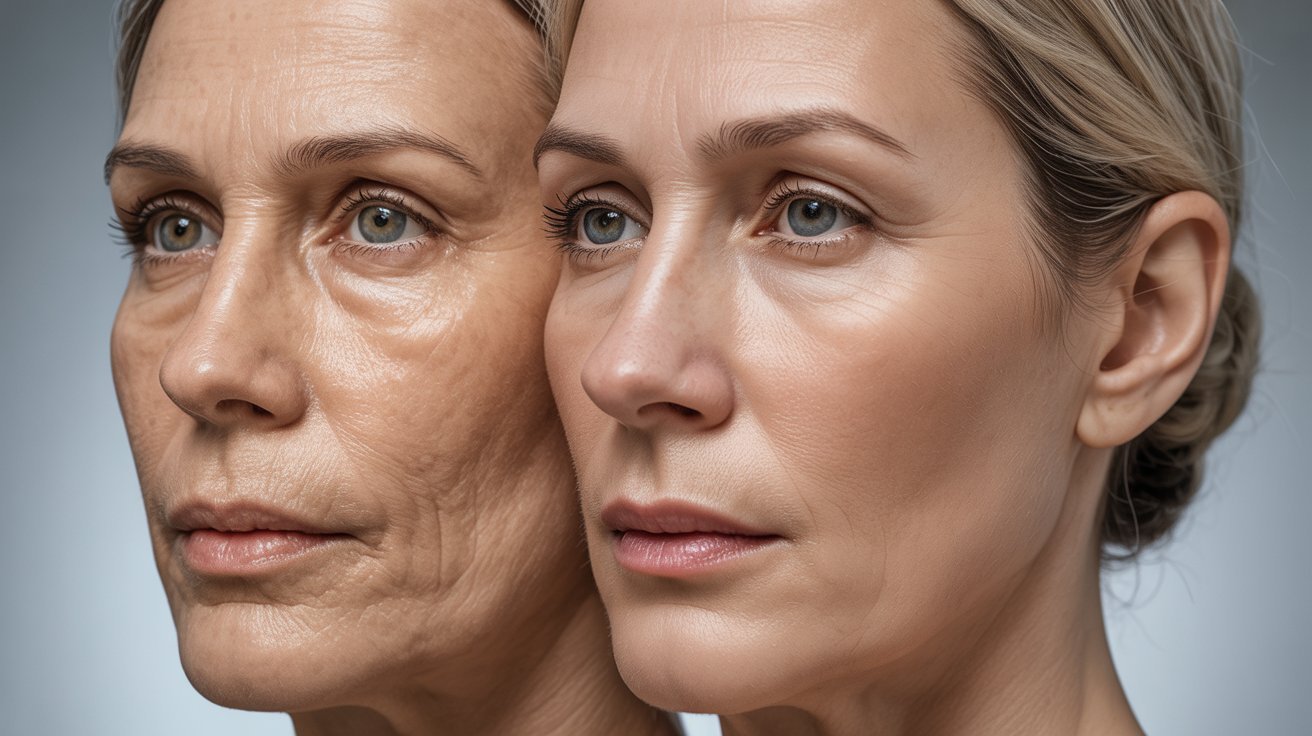
A facelift removes loose skin and tightens facial tissues to create a fresher, younger appearance.
A facelift is a surgical procedure doctors call rhytidectomy. It fixes sagging skin on your face and neck.
The surgeon lifts your skin and tightens the tissues underneath. Extra skin gets removed to smooth out wrinkles and sharpen your jawline.
You can choose from different types. Traditional facelifts work on the whole face. Mini facelifts use smaller cuts for targeted areas. Neck lifts focus only on the neck.
Facelift Procedure
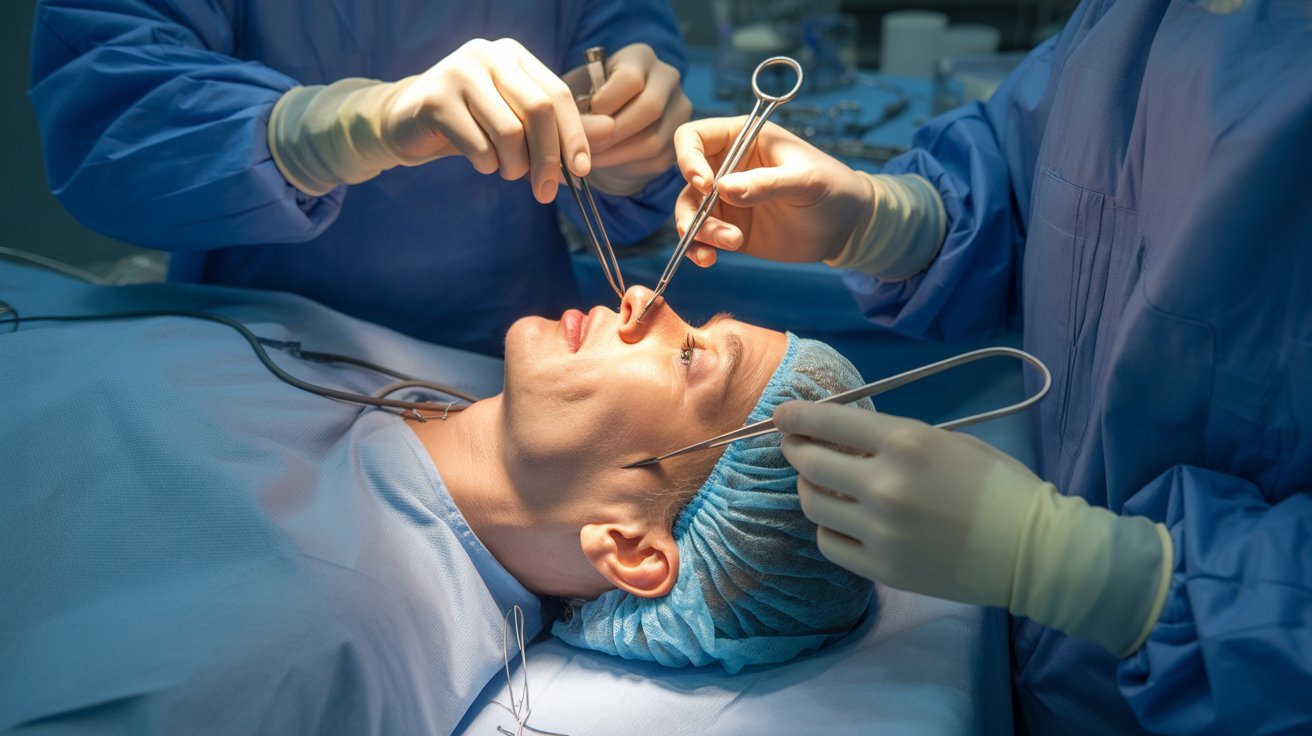
The surgery takes 3 to 6 hours and involves careful incisions, tissue work, and closing techniques.
Your surgeon starts with a consultation to examine your face and discuss your goals. You’ll receive anesthesia before surgery.
This could be local with sedation or general anesthesia. Incision locations vary by procedure type. Traditional facelifts start at your temples and go around your ear.
Mini facelifts use shorter cuts. Neck lifts need incisions under your chin. Your surgeon lifts the skin and tightens tissues underneath.
Extra skin and fat are removed or repositioned. Everything gets closed with sutures, staples, or surgical tape. The procedure typically takes 3 to 6 hours.
Types of Facelifts
Different facelift types address specific areas and last varying lengths, typically 5 to 15 years.
Standard/Traditional Facelift
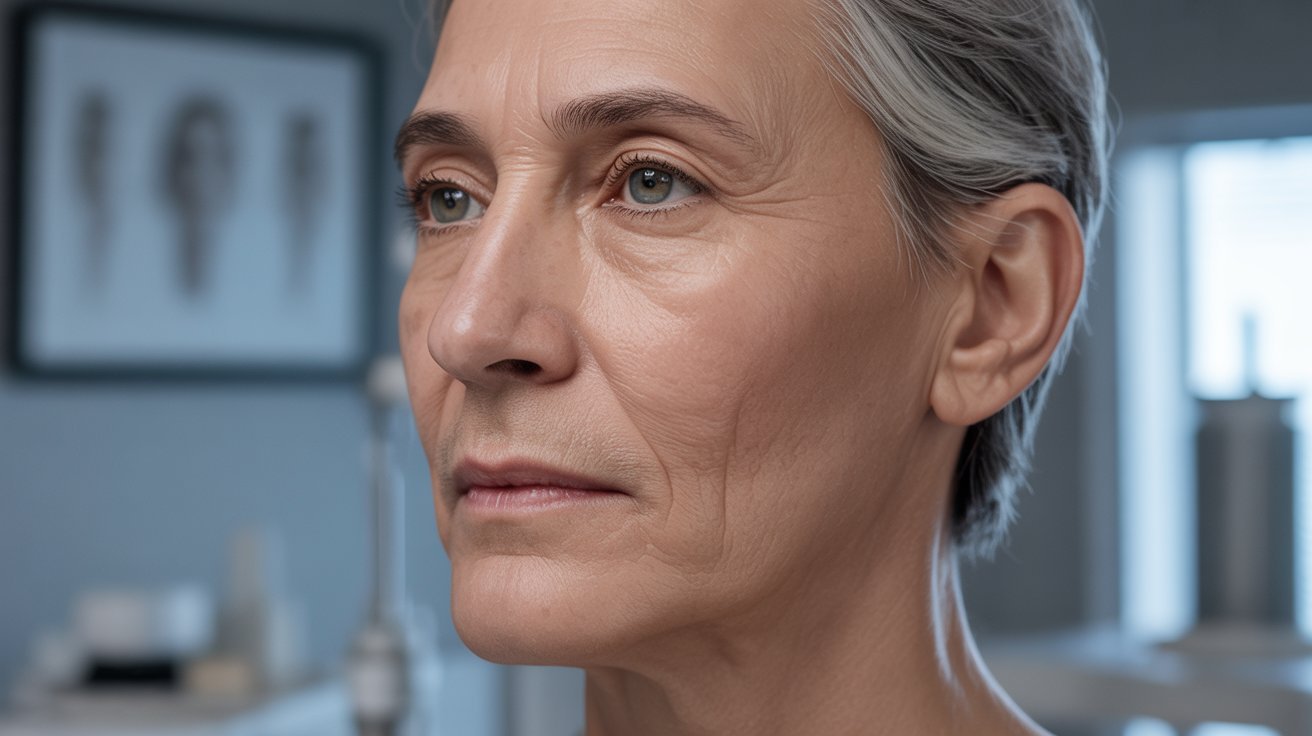
This is the most complete option available. It works on your cheeks, jawline, and neck together. The results are significant and noticeable.
You can expect the results to hold for 10 to 15 years. That’s a long time before you’d need another procedure.
Mini Facelift

This version focuses on your jowls and lower face. It’s less intensive than the full version. Recovery time is shorter too.
The results typically last 5 to 10 years. This works great for younger patients. It’s also good if you just need a small touch up.
Neck Lift
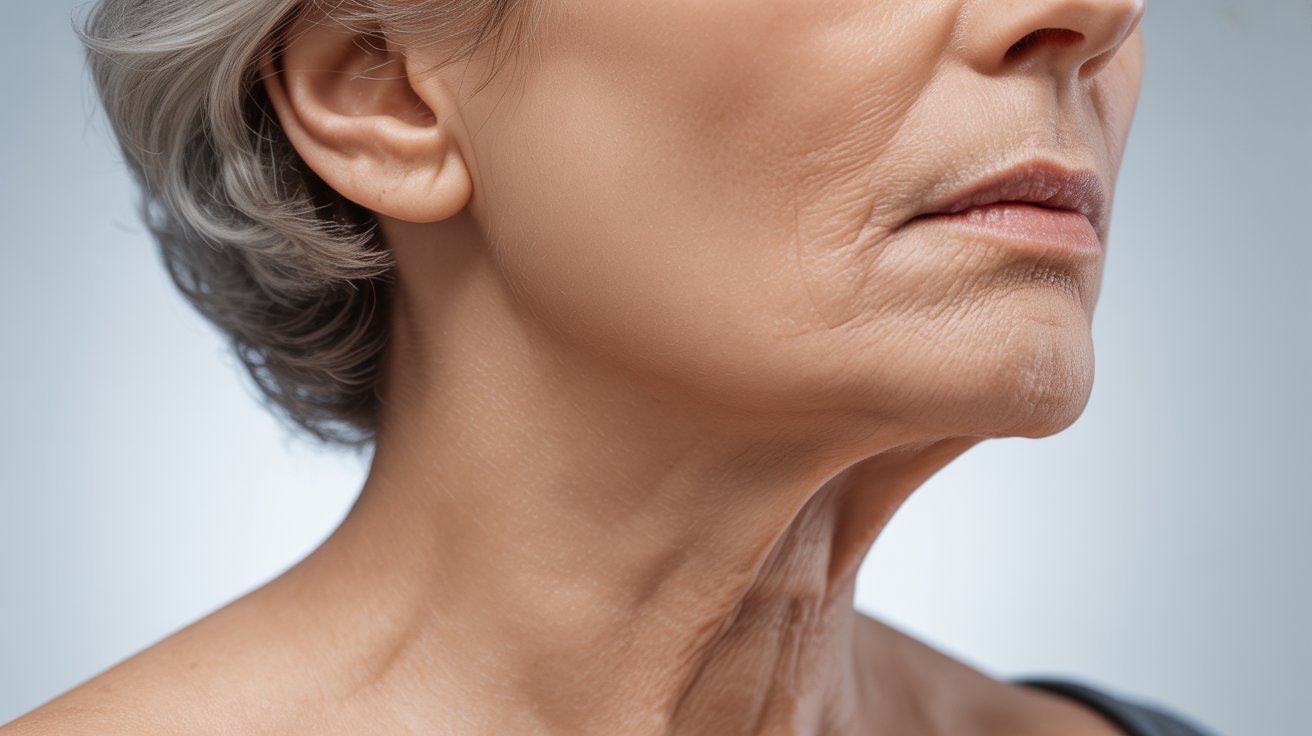
This one targets your neck specifically. It fixes sagging skin and removes extra fat under your chin. You can get it alone or with a full facelift.
Neck lift results usually last 10 to 15 years. Many people combine it with other procedures for better overall results.
Factors Affecting Facelift Results
Your age, lifestyle choices, and surgeon’s skill all play major roles in how long results last.
- Your age and skin quality at the time of surgery directly impact how long results last. Younger, elastic skin holds up better over time.
- Smoking and alcohol consumption speed up aging and break down your results much faster than normal.
- Sun exposure damages your skin constantly. UV rays are one of the biggest threats to maintaining your facelift results.
- Keeping a stable weight through a good diet and exercise helps preserve your results. Big weight changes can alter your face shape.
- Your surgeon’s experience and skill level determine both immediate outcomes and long-term results. Skilled surgeons create natural looks that last longer.
Recovery Timeline
Most people return to normal activities within 2 to 6 weeks with proper care and patience.
First 24 Hours
Rest is your top priority right now. Keep your head elevated when lying down. Have family or friends nearby to help you.
Take your pain medication as prescribed. Stick to soft foods that are easy to eat. Soups and smoothies work well during this phase.
First Week
Expect swelling and bruising across your face. This is completely normal. Don’t panic when you see it.
Your doctor will likely remove stitches by week’s weekend. You can start wearing makeup to cover any bruising. Just apply it gently.
Second Week
The swelling goes down quite a bit now. Most people feel comfortable returning to work. You can go back to school too if needed.
Your incisions might still look red or pink. That’s fine. They’ll continue fading over the coming months.
Weeks 3 to 6
You can slowly add exercise back into your routine. Start light and build up gradually. Listen to your body.
Protect your face from the sun religiously. Be gentle when washing and styling your hair. Your scars will start fading during this time.
Signs You May Need a Touch Up
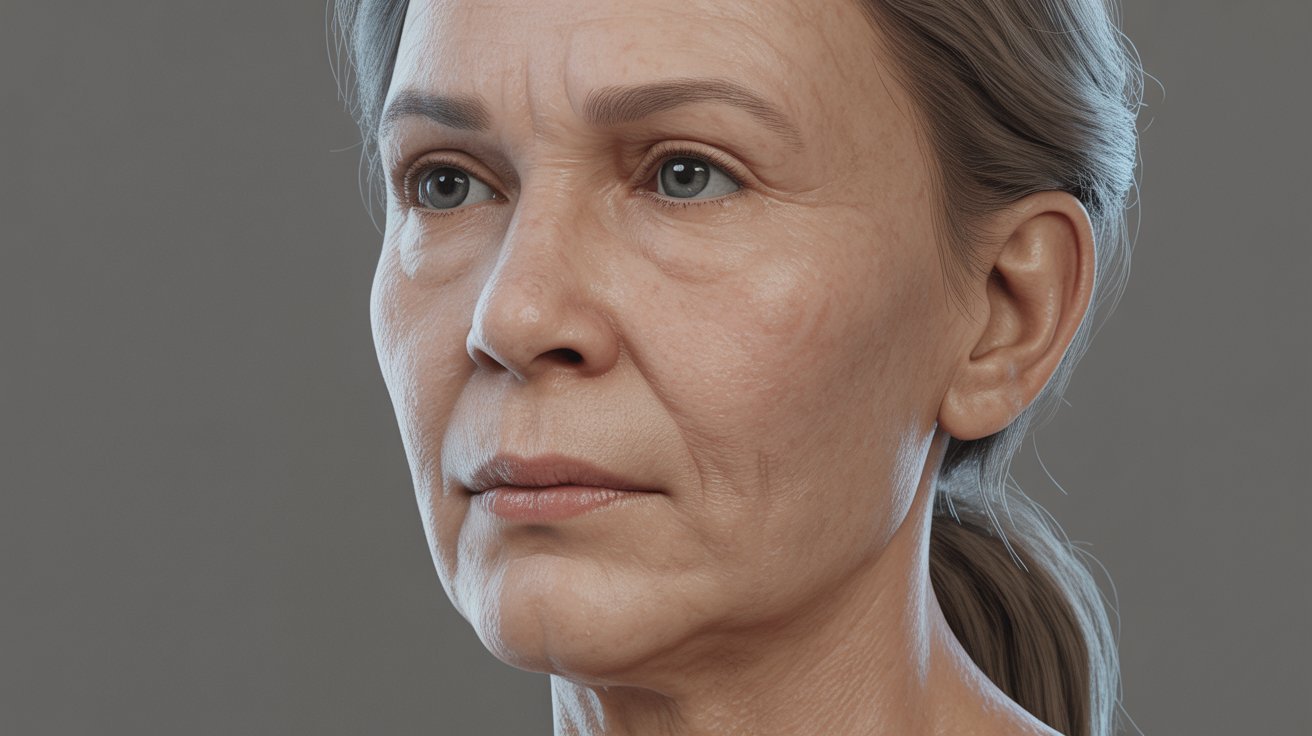
Watch for returning sagging, deeper lines, and volume loss as signs you might want another procedure.
Your jawline might start sagging again over time. The cheeks can lose their lifted position. Neck skin may begin loosening up.
Wrinkles and folds get deeper as years pass. You’ll notice lines that weren’t there before. The ones you had might become more visible again.
Facial volume naturally decreases with age. Your face might look hollower in certain spots. The fullness you had after surgery fades gradually.
Your face contours change as time goes on. What looked great five years ago might shift. These changes happen slowly but surely.
Maximizing Facelift Longevity
Good skincare, healthy habits, and sun protection can add years to your facelift results. Build a solid skincare routine and stick with it.
Clean your face daily and use quality moisturizers your doctor recommends. Live a healthy lifestyle. Eat balanced meals and exercise regularly. Never smoke or quit if you do.
Sun protection is critical. Wear SPF 30 or higher every day. Reapply when you’re outside for long periods. Follow every instruction your surgeon gives you.
Show up for all follow up appointments to catch any issues early. Consider additional procedures as you age. Fillers restore lost volume. Laser treatments refresh your skin surface.
Facelifts vs Non Surgical Alternatives
Facelifts last longer and do more, while non-surgical options require less recovery but need repeating.
|
Feature |
Facelift |
Non Surgical (Fillers) |
|
Duration |
10 to 15 years |
6 to 12 months |
|
Invasiveness |
Surgical procedure |
Injections only |
|
Recovery Time |
Several weeks |
Minimal downtime |
|
Results |
Comprehensive, multiple areas |
Limited, targeted areas |
|
Cost Over Time |
Higher upfront, lasts longer |
Lower upfront, repeated treatments |
|
Effect |
Removes excess skin, tightens tissues |
Adds volume, smooths lines |
|
Long-term Benefits |
Lasting facial rejuvenation |
Temporary collagen boost |
Choosing a Surgeon
A board certified, experienced surgeon gives you the best chance for natural, long-lasting results. Look for board certification first.
This proves they have proper training. Check their experience specifically with facelifts. Schedule a personal consultation before deciding.
The surgeon should listen to your needs and evaluate your face carefully. A skilled surgeon minimizes your risks and avoids complications. Their work looks natural and holds up better over many years.
Conclusion
After years of writing about cosmetic procedures, I’ve seen how facelifts genuinely change lives. The results typically last 5 to 15 years depending on which type you choose.
Your lifestyle and how you care for yourself matter just as much as the surgery itself. Set realistic expectations from the start.
Follow your recovery plan closely. Find a surgeon you trust completely. If you’re considering this procedure, book that consultation.
Ask every question on your mind. What’s your biggest concern about getting a facelift? Drop a comment below and let’s talk about it.
Frequently Asked Questions
How long does a traditional facelift last?
A traditional facelift typically lasts 10 to 15 years. Individual results vary based on your age, skin quality, and lifestyle habits. Proper care can extend your results even longer.
Can I get a second facelift?
Yes, you can get another facelift when needed. Many people opt for a second procedure 10 to 15 years after their first. Your surgeon will assess your skin condition before proceeding.
Will lifestyle changes really extend my results?
Absolutely. Avoiding smoking, protecting yourself from sun damage, and maintaining stable weight significantly impact longevity. These habits preserve your skin quality and surgical results.
Is a mini facelift worth it for younger patients?
A mini facelift works great for people with mild to moderate sagging. It requires less recovery time and costs less than traditional surgery. Results last 5 to 10 years on average.
When should I schedule a consultation?
Schedule a consultation when you notice persistent sagging that bothers you. Early consultation helps you plan properly and set realistic goals. Most surgeons offer free initial meetings.