20 Units of Botox Before and After: Real Results

Botox has become one of the most popular ways to smooth wrinkles and refresh your face. But what can you really expect from 20 units of botox before and after treatment?
I’ll walk you through real results you can count on. This isn’t about hype or perfect promises. It’s about honest answers backed by actual patient cases.
Here’s what I’ll cover: how the treatment works, what happens before your first session, the visible changes you can expect, and how long results last.
You’ll also see real patient cases so you know exactly what 20 units can do.
The Science Behind Botox Results
Botox works by temporarily relaxing the muscles that cause wrinkles when you make facial expressions. It’s not a filler and doesn’t add volume.
Instead, it stops the muscle contractions that create lines over time.
Most people start seeing changes within 3 to 5 days, with full results appearing around two weeks after treatment. The active ingredient blocks signals from your nerves to your muscles, which prevents them from tightening up.
This gives your skin a chance to smooth out naturally while the treatment is active.
What Does 20 Units of Botox Mean?
Twenty units of Botox refers to the measured amount injected during your treatment session across specific facial areas.
Botox is measured in units, with each vial containing a specific amount that gets diluted and prepared for injection.
Twenty units is a moderate dose. Your provider uses these units strategically to target specific muscles that cause wrinkles.
The number of units you need depends on your muscle strength and the depth of your lines.
Men typically need more units than women since their facial muscles are often stronger and more active.
Common Treatment Areas
Twenty units can cover several treatment areas depending on your needs. Forehead lines usually need 10 to 20 units, these are the horizontal lines that show up when you raise your eyebrows.
If your forehead is your only concern, 20 units might cover the entire area.
Frown lines between your eyebrows need about 20 units. These are the vertical lines people call the “11s,” making this one of the most common uses for exactly 20 units.
Crow’s feet around your eyes typically need 12 to 24 units total that’s 6 to 12 units per side.
Lip flip procedures use 4 to 6 units, while chin dimpling takes about the same amount. You could combine both these smaller areas and still have units left over from your 20.
Most people use their 20 units for one primary area, with your injector helping you decide where those units will make the biggest difference.
Before Treatment: What to Expect
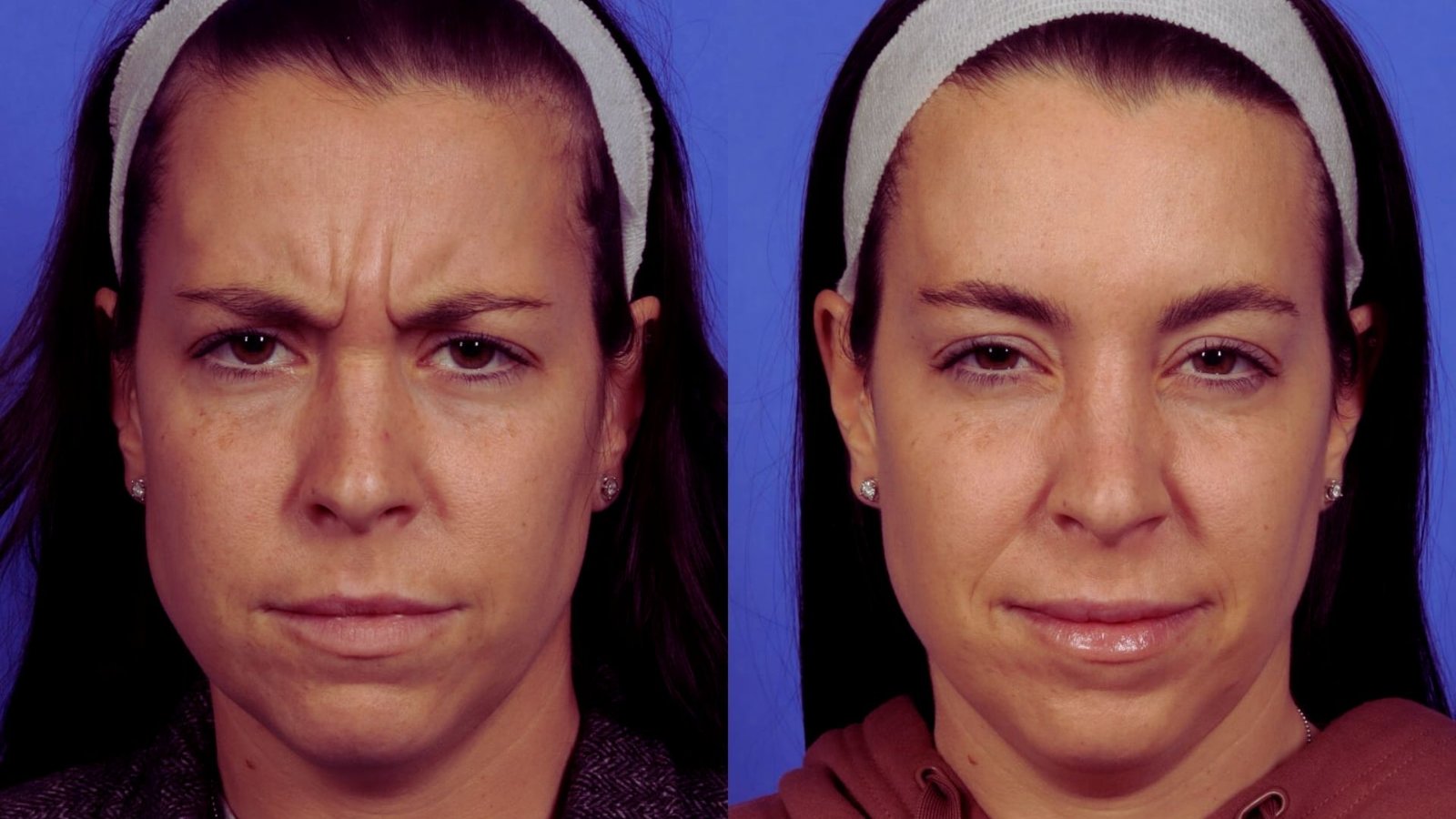
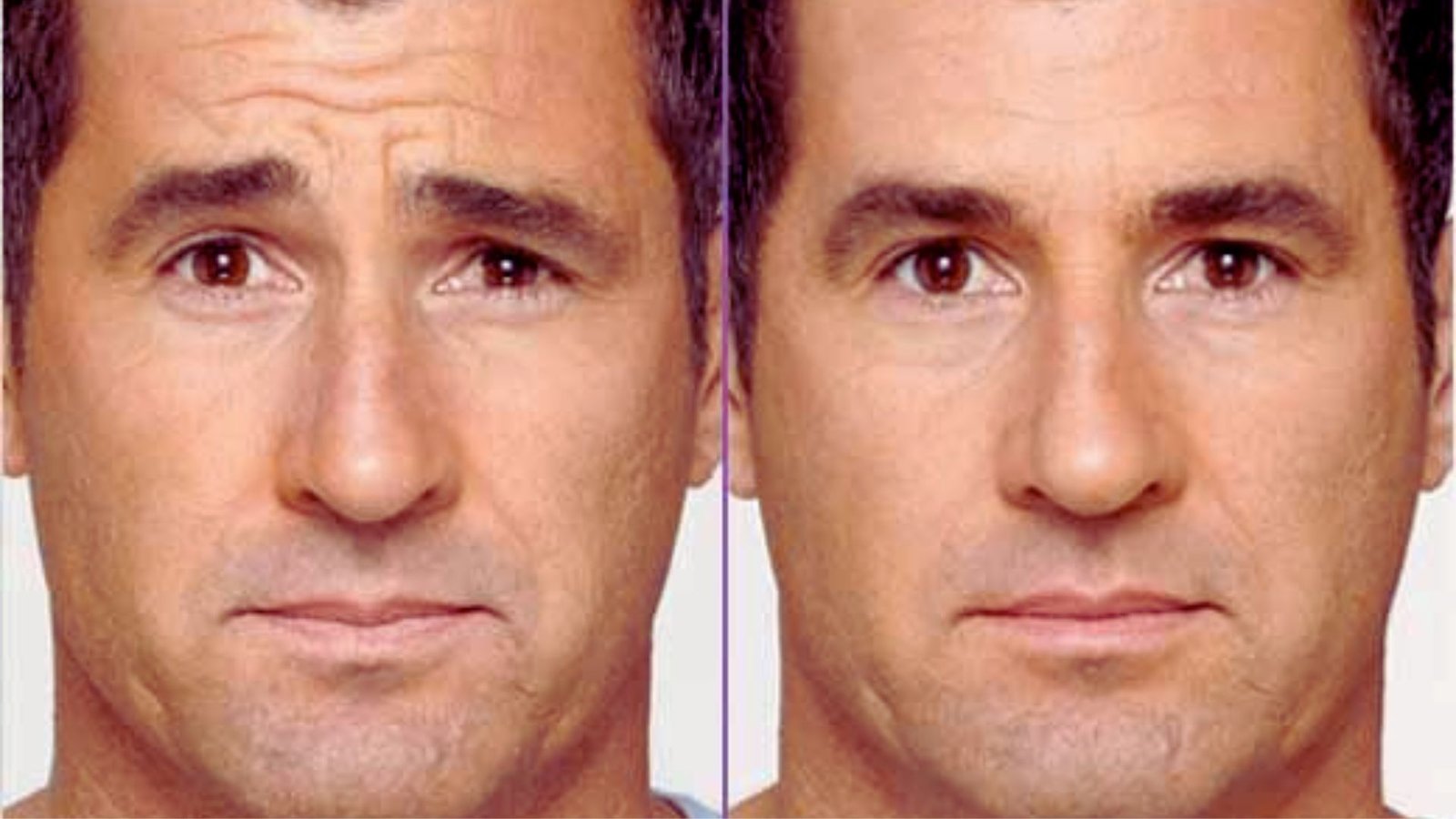
Your skin shows visible lines and creases before Botox, especially when you make facial expressions or move your eyebrows. Your forehead shows horizontal lines when you raise your eyebrows.
Some people have three or four deep grooves, while others have lighter lines that fan across the entire forehead.Around your eyes, you’ll notice lines that fan out from the corners when you smile or squint.
There are two types of wrinkles to understand: dynamic wrinkles appear when you move your face and fade when your face relaxes, while static wrinkles stay visible even at rest.
Botox works best on dynamic wrinkles but can soften static wrinkles too. The results are more noticeable when treating lines that appear with movement.
Deep Creases and Muscle Tension
The area between your eyebrows often shows two vertical lines that appear when you concentrate, feel stressed, or squint in bright light.
Over time, these lines get deeper and stay visible even when you’re relaxed. The muscles in this area are strong and pull together every time you furrow your brow.
This constant muscle tension creates the wrinkles you see as the skin folds in the same place over and over.
Before treatment, you might notice these lines make you look tired or angry even when you feel fine. Botox targets exactly this problem by relaxing those overactive muscles.
After 20 Units of Botox: Real Results
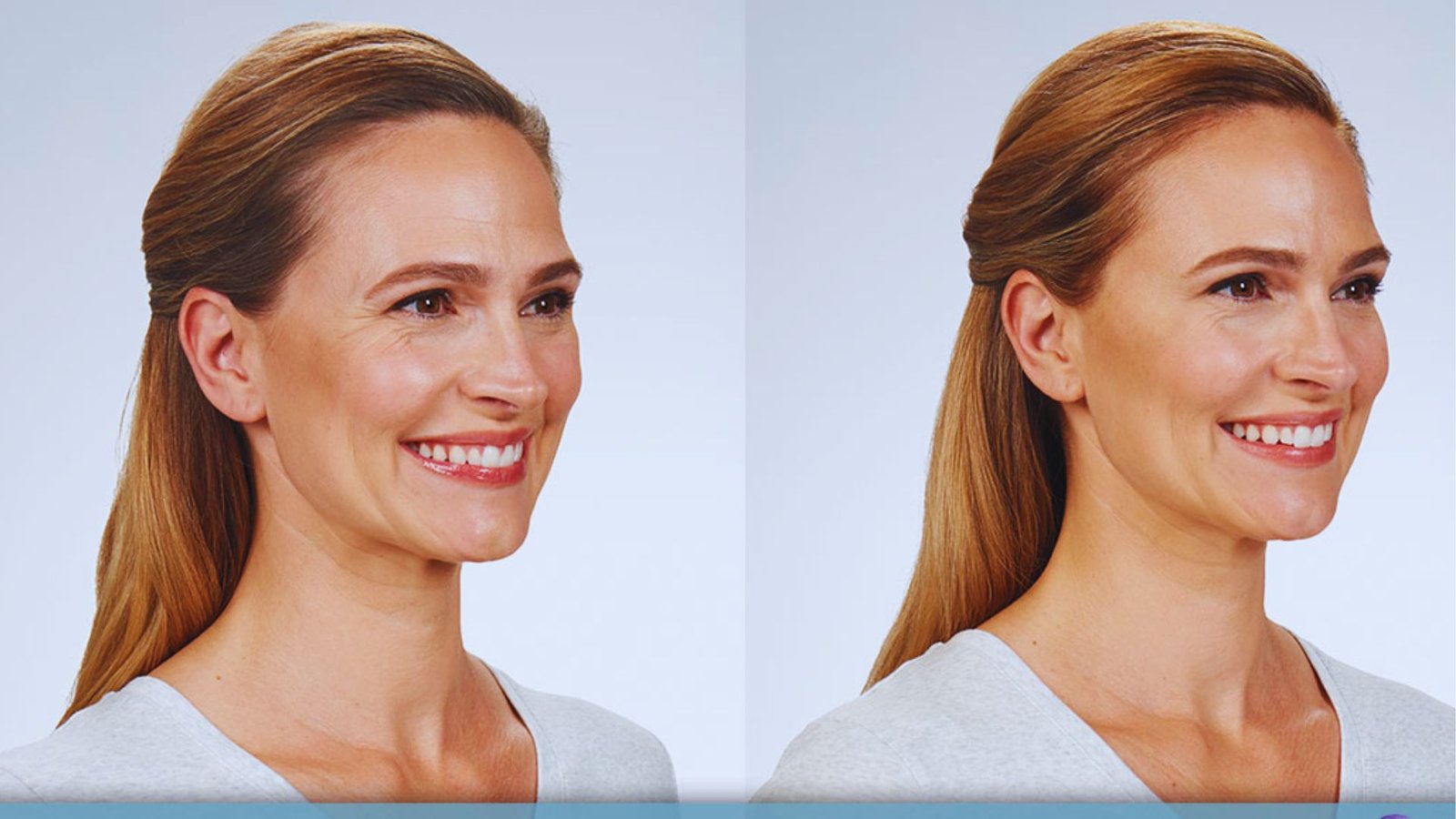
After treatment, you’ll notice smoother skin, softer lines, and a more relaxed appearance within days to two weeks.
Your forehead becomes noticeably smoother, and those horizontal lines that showed up every time you raised your eyebrows fade significantly.
The frown lines between your eyebrows soften. You can still make expressions, but the deep creases don’t form like they used to.
Crow’s feet around your eyes become less noticeable, with the skin staying smoother when you smile instead of crinkling into multiple fine lines.
The changes aren’t instant. You’ll start seeing results around day three or four, with full effects showing up by week two. Your face looks more rested, and people might say you look refreshed or well-rested without being able to pinpoint exactly what changed.
Maintaining Natural Movement
Your face still moves naturally. That’s important to understand. Good Botox doesn’t freeze your expressions. You can still raise your eyebrows and smile.
The difference is that your skin doesn’t fold into deep lines when you do.
Dynamic wrinkles barely show up now. When you make expressions, your skin moves more smoothly instead of bunching up. This gives you a more youthful look without looking overdone.
Nobody should be able to tell you had Botox unless you tell them.
Your skin looks smoother overall, with the texture evening out. Fine lines that were starting to form don’t get a chance to deepen during the treatment period.
Some people notice their makeup applies more smoothly since foundation doesn’t settle into lines as much.
Real Patient Results
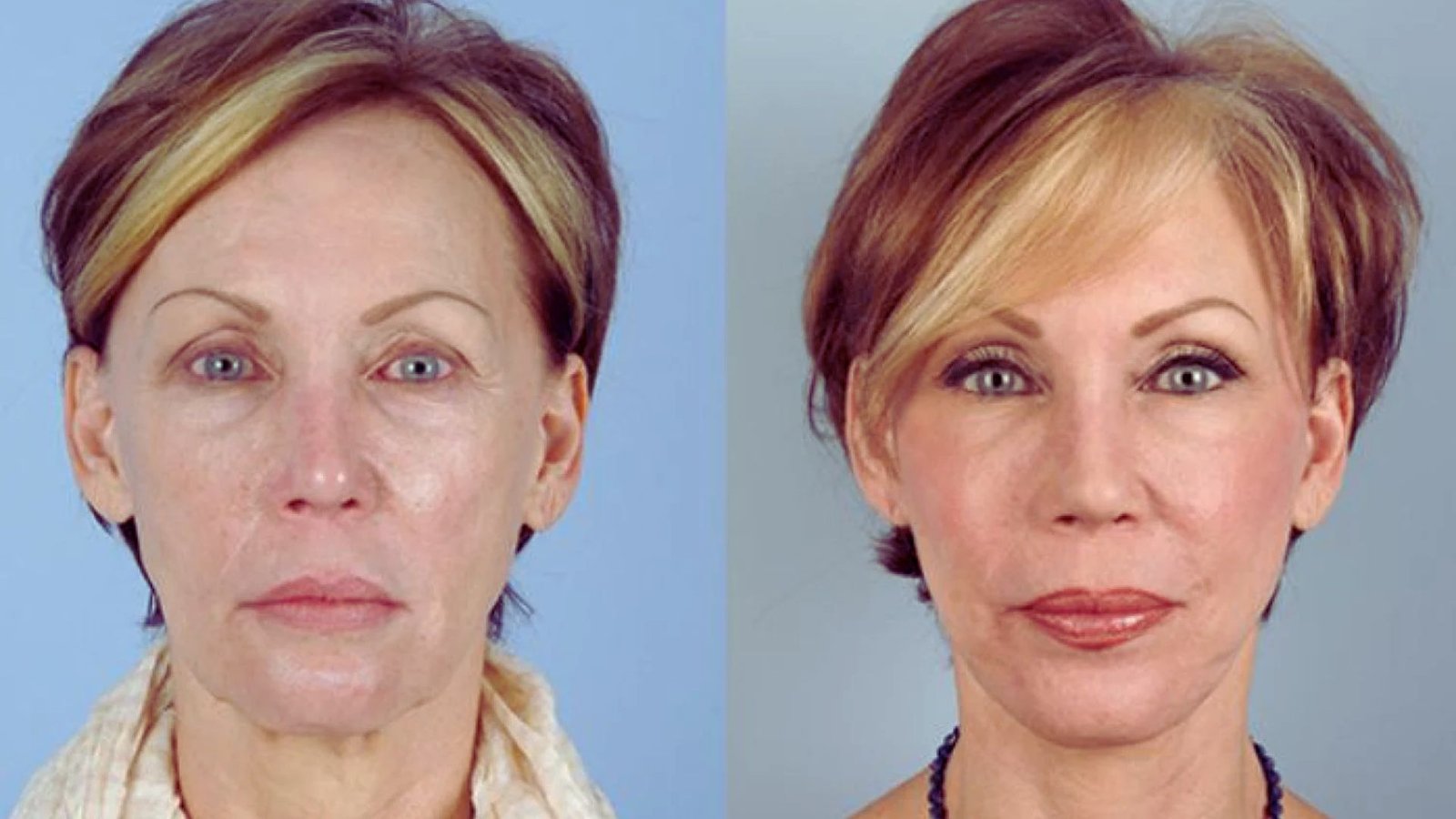
Real cases show how different dosages work across various facial areas, giving you a clear idea of what to expect from your treatment.
Forehead Treatment (10 Units)
Ten units on the forehead can make a noticeable difference. Before treatment, you’ll see three to five horizontal lines across the forehead.
After treatment, the forehead looks smooth when making the same expression. The lines are still there if you look closely, but they’re much softer.
Frown Lines Treatment (20 Units)
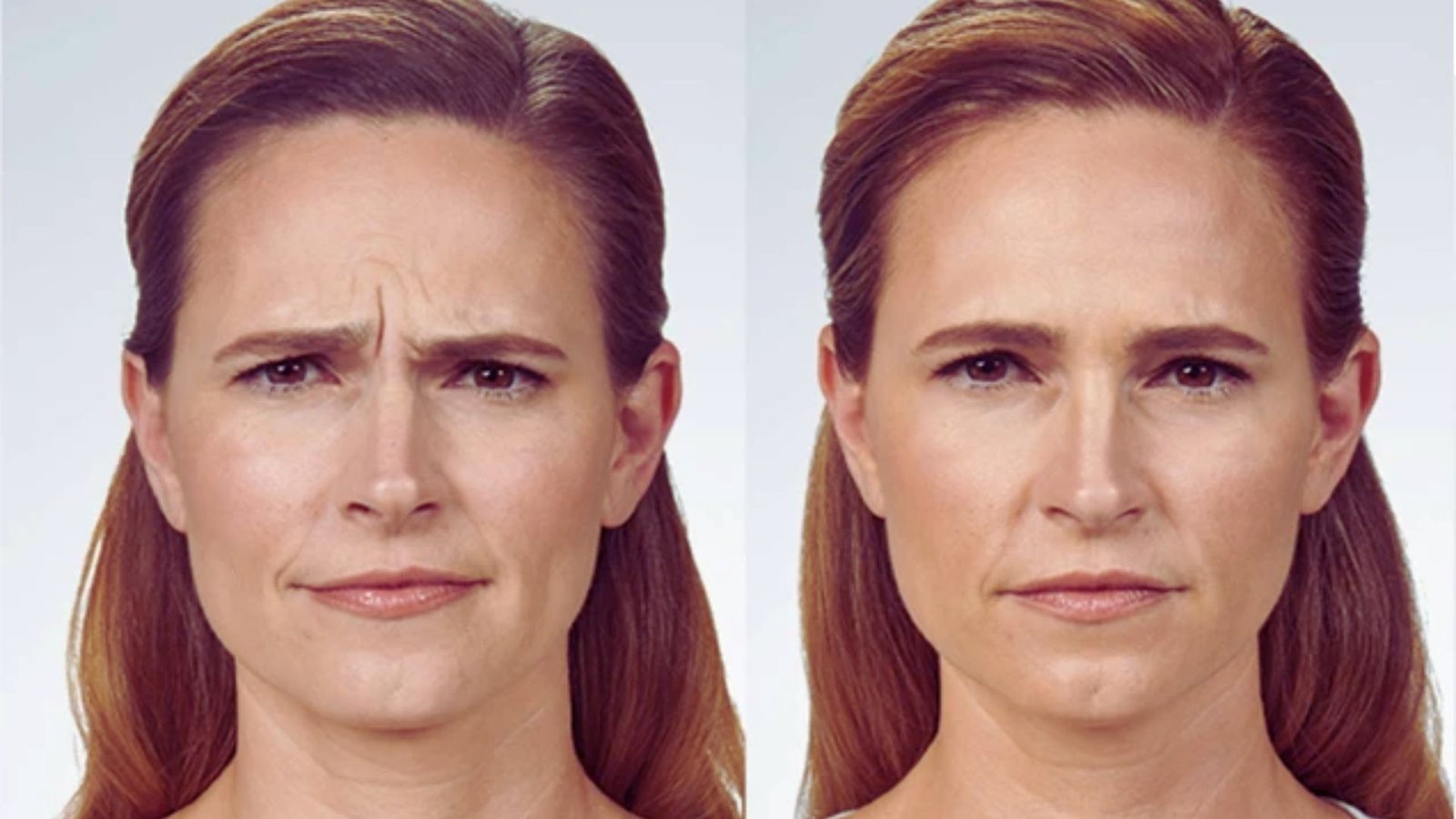
Twenty units for frown lines is the standard dose for this area. Before photos show deep vertical lines between the eyebrows that are visible even at rest. After treatment, the area between the eyebrows looks smooth, with the vertical lines fading significantly.
This is one of the most noticeable before and after results, and patients often say they look less stressed or tired.
Eye Area Treatment (12 Units)
Twelve units split between the forehead and eye area creates subtle changes. Before photos show light crow’s feet and minor forehead lines.
After treatment, the eye area looks brighter and more open, with the skin around the eyes staying smooth when smiling.
This approach works well for younger patients or those wanting to prevent deeper wrinkles from forming.
How Long Do Results Last?
Results from 20 units of Botox typically last three to four months before you need another treatment session.
Most people see their effects peak at two weeks, holding steady for about three months. By month four, you’ll notice movement returning as your muscles gradually start working again.
Your metabolism plays a big role in duration. If you have a fast metabolism, your body breaks down the Botox more quickly.
Athletes and very active people often metabolize it faster. Muscle activity in the treated area matters too much, more active muscles may require more frequent treatments.
Most providers recommend scheduling your next appointment at the three-month mark to keep your results consistent without waiting for all effects to wear off completely.
Why Choose a Professional Injector
Working with an experienced dermatologist or injector gives you safe, natural results that match your facial structure and goals.
Botox is a medical procedure. It requires skill and knowledge. An experienced injector understands facial anatomy. They know exactly where to place each injection for the best results.
They’ll avoid common mistakes like drooping eyelids, uneven results, or a frozen appearance. A good provider doesn’t use the same approach for every patient.
They consider your age. They look at your skin type. They assess your wrinkle depth and personal goals.
They’ll help you decide where to use your 20 units based on which area will make the biggest difference for your face.
Conclusion
I’ve watched 20 units of botox before and after results change how people feel about themselves. The confidence boost is real.
You get smoother skin, softer lines, and a more rested look without appearing frozen.
If you’re considering this treatment, start by viewing real patient photos to set realistic expectations. Find a qualified injector who’ll assess your face and create a plan that works for you.
Trust me, the right provider makes all the difference. Ready to take the next step? Book that consultation and see what 20 units can do for your skin.
Frequently Asked Questions
Is 20 units of Botox enough for my forehead?
Twenty units can cover your entire forehead if you have moderate lines. However, deeper wrinkles or a larger forehead might need 25 to 30 units for full coverage.
How quickly will I see results from 20 units of Botox?
You’ll start noticing changes within 3 to 5 days after injection, with full results appearing around two weeks.
Will 20 units of Botox make my face look frozen?
No, when injected correctly by a skilled provider, 20 units should give you natural movement while softening wrinkles. You’ll still be able to make normal facial expressions.
Can I get 20 units of Botox if I’m pregnant or breastfeeding?
No, Botox is not recommended during pregnancy or breastfeeding. There isn’t enough research to confirm its safety for babies. Wait until after you’ve finished breastfeeding to resume treatments.
How much does 20 units of Botox typically cost?
You can expect to pay between $200 and $400 for 20 units. Prices depend on your location, the provider’s experience, and whether the clinic charges per unit or per area.