What Is an Enzyme Peel? Benefits & How It Works


I tried my first enzyme peel, thinking it was just another fancy facial. I was wrong. It changed how I look at exfoliation entirely.
In this blog, I’ll break down exactly what an enzyme peel is, how it works, and why it might be the skin treatment you’ve been missing.
I’ll cover the real benefits, what happens during the treatment, who it’s best for, and how it stacks up against a chemical peel.
I’ve spent time researching and testing different facial treatments. So you’re getting honest, straightforward info here. No fluff.
What Is an Enzyme Peel?
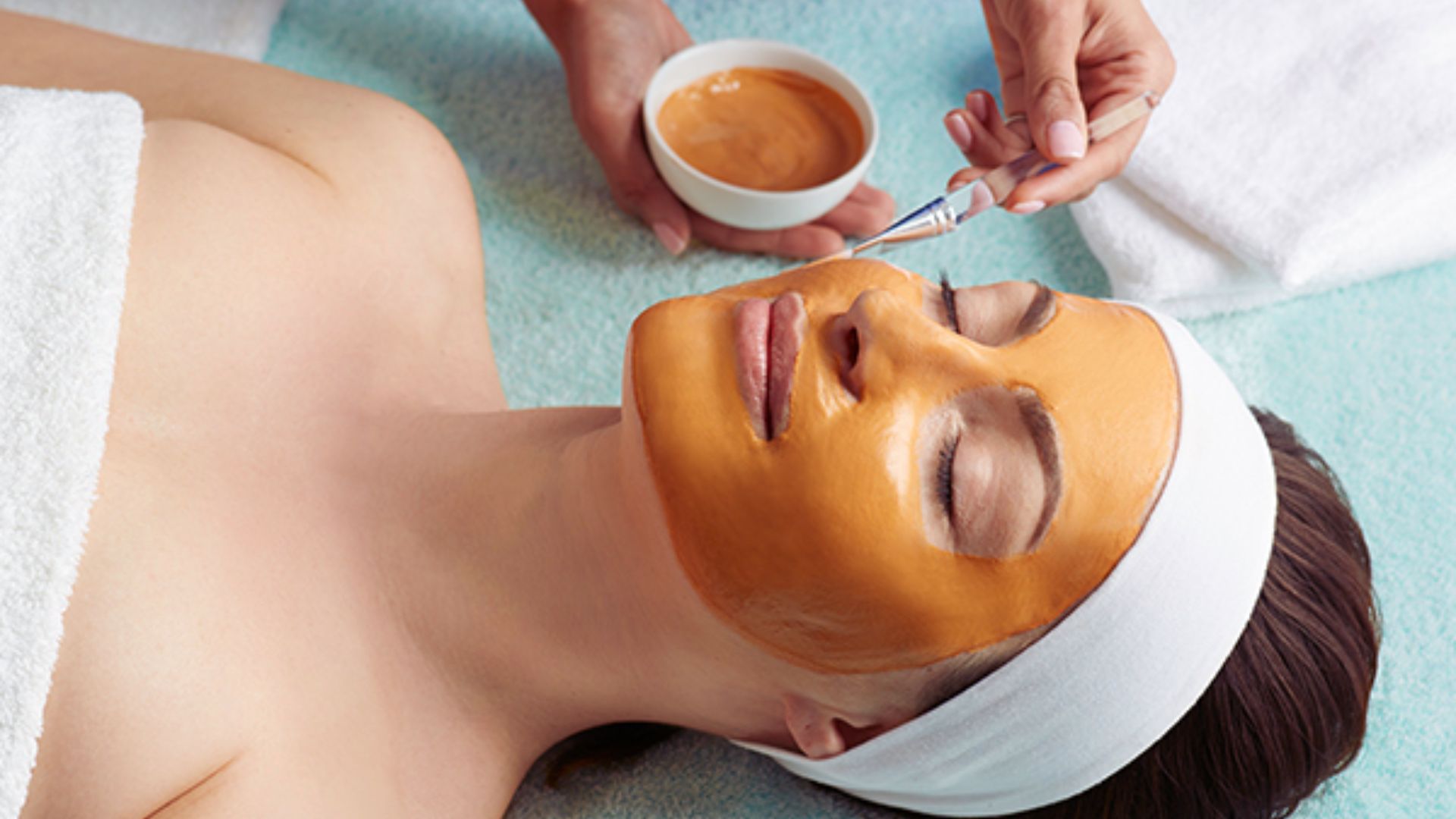
An enzyme peel is a skin treatment that uses natural enzymes from fruits like papaya, pineapple, or pumpkin to break down and remove dead skin cells.
These enzymes target the keratin protein in dead cells through a process called proteolysis, which simply means breaking down protein. Unlike scrubs or acid-based peels, enzyme peels work only on the skin’s surface.
No harsh chemicals. No micro-tears. They unclog pores, even out skin tone, reduce the look of fine lines, and improve how well your other skincare products absorb. Gentle, effective, and suitable for almost every skin type.
Key Benefits of an Enzyme Peel Facial
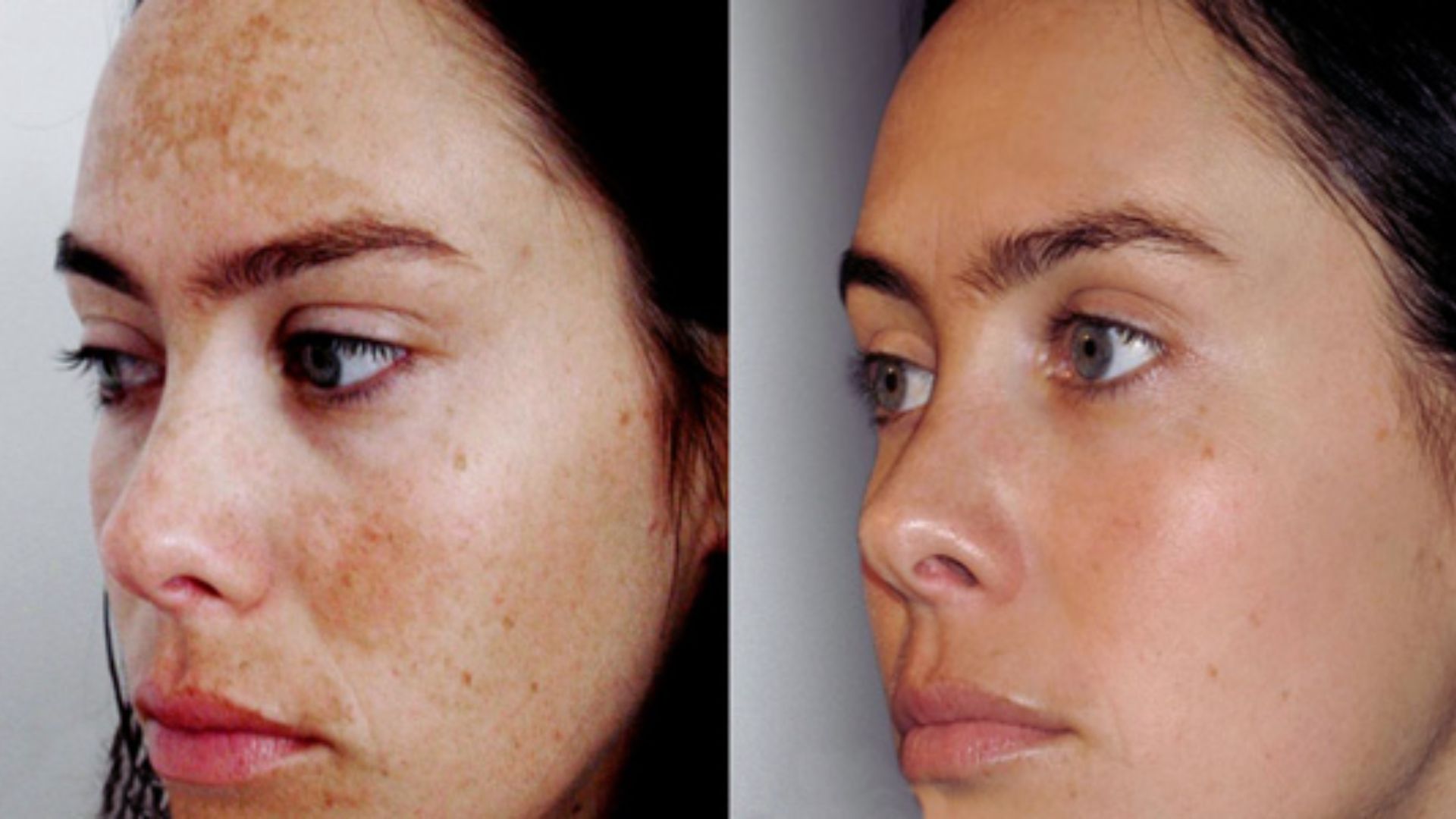
From smoother texture to clearer skin, here’s what an enzyme peel can actually do for you.
Gentle Exfoliation Without Irritation
Most exfoliants cause redness, tightness, or flaking. Enzyme peels skip all that. They work on the skin’s surface only.
No acid penetration. No micro-tears. Just a clean removal of dead skin without the irritation.
Brighter, Smoother, and More Radiant Skin
Dead skin makes your face look dull. Once an enzyme peel clears that layer, your skin reflects light better. Most people notice a visible glow right after their first session.
Improves Skin Texture, Tone, and Clarity
Enzyme peels speed up cell turnover. Over a few sessions, dark spots look lighter, rough patches feel smoother, and your complexion looks more even overall.
How Does an Enzyme Peel Work on Different Skin Types?
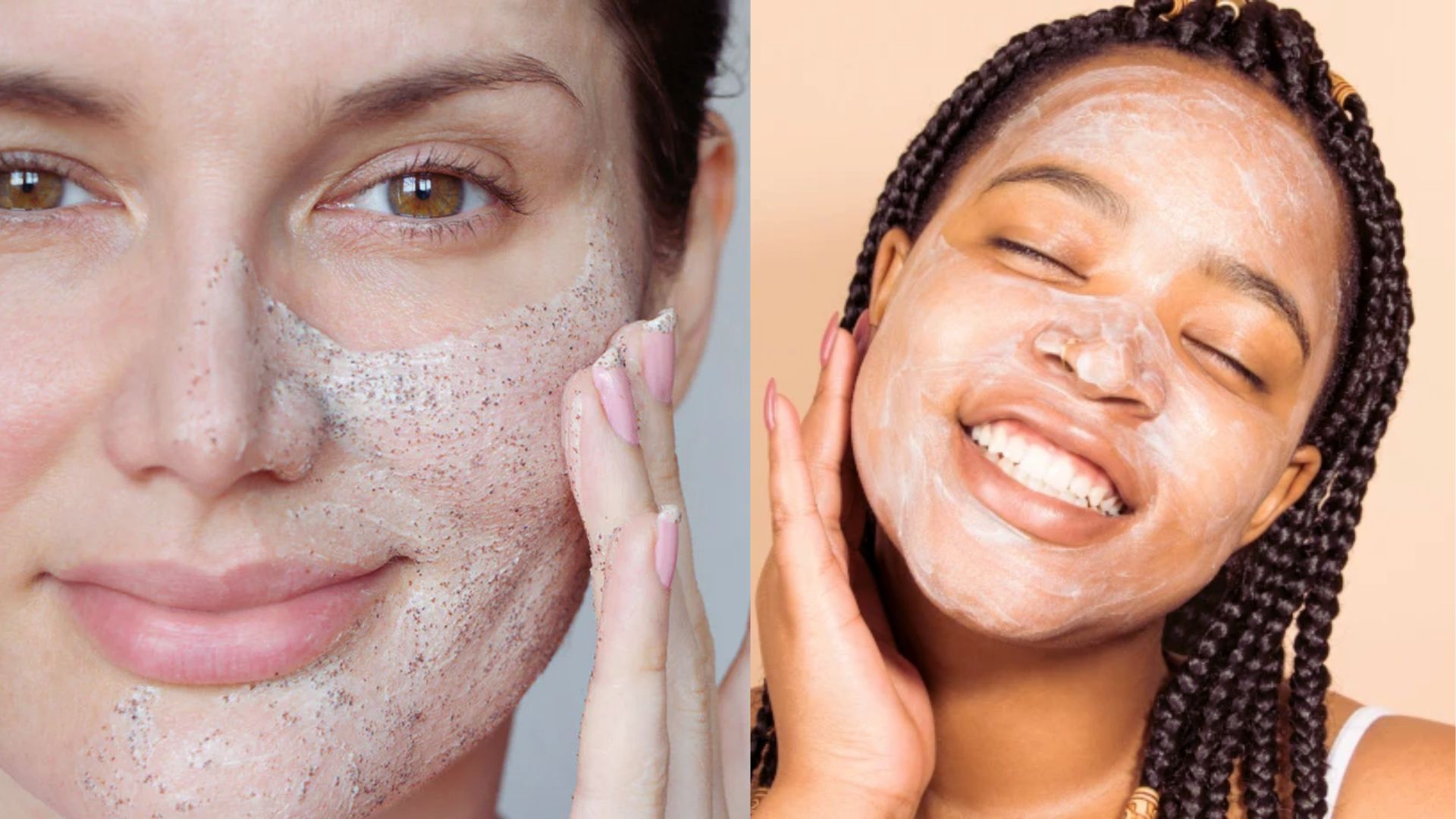
Enzyme peels aren’t one-size-fits-all, but they come remarkably close. Here’s how they work for different concerns.
Sensitive and Reactive Skin
This is where enzyme peels really shine.
If your skin reacts badly to most products, acids, or physical exfoliants, an enzyme peel is likely your safest option. The enzymes don’t disrupt your skin’s pH or strip its natural oils.
Most people with rosacea, eczema, or general sensitivity find enzyme peels well-tolerated. Always do a patch test first and check with your dermatologist if you’re unsure.
Acne-Prone and Oily Skin
Excess oil and dead skin are a recipe for clogged pores. Enzyme peels help break that cycle.
By clearing dead cells regularly, you reduce the chance of pores getting blocked. Less blockage means fewer breakouts.
Pineapple and papaya enzymes also have mild anti-inflammatory properties, which can calm existing blemishes rather than aggravate them.
Dry, Dull, and Ageing Skin
Dry skin builds up dead cells faster than oily skin. That’s why it often looks flaky and feels rough.
Enzyme peels clear that buildup and help your skin hold onto moisture better afterward. Pair the treatment with a good hydrating serum and the results are noticeably better.
For ageing skin, the cell renewal boost from regular enzyme peels helps maintain a fresher, more awake appearance over time.
What to Expect During an Enzyme Peel Facial
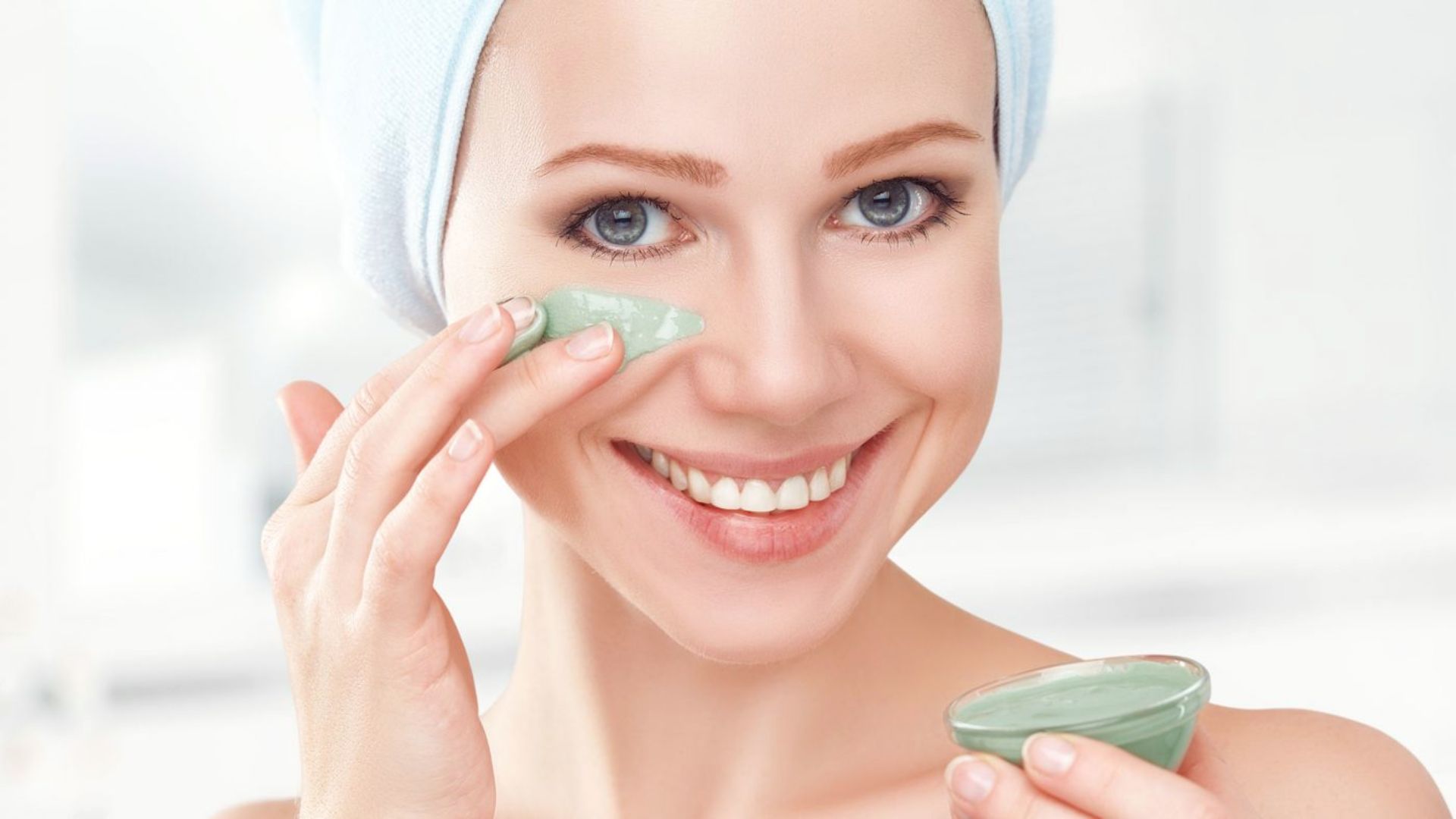
Knowing what happens during the treatment helps you walk in relaxed and get the most out of it.
Pre-Treatment Preparation
Most estheticians will ask you to:
- Avoid retinol and other exfoliants for 48 to 72 hours before
- Skip intense sun exposure in the days leading up
- Come with clean, makeup-free skin (or they’ll cleanse for you)
No special prep beyond that. It’s a low-maintenance treatment to plan for.
Step-by-Step Treatment Process
Step 1. Cleanse: Your skin is cleaned to remove any oil, makeup, or residue.
Step 2. Apply the enzyme peel: The peel is applied evenly and left on for 10 to 20 minutes, depending on the formulation and your skin.
Step 3. Optional steam or warmth: Some spas use steam to help the enzymes work more effectively.
Step 4. Remove: The peel is taken off with warm water or a damp cloth.
Step 5. Moisturize and SPF: Your skin is finished with a hydrating product and sun protection.
Sensations During the Procedure
Most people feel very little. Enzyme peels are known for being comfortable.
You might notice a mild warmth or slight tingling while the peel is working. That’s completely normal. If you feel burning or significant discomfort, let your esthetician know right away.
There’s no downtime. You can go about your day after the treatment, though your skin may look slightly pink for an hour or two.
Enzyme Peel vs Chemical Peel: What’s the Difference?
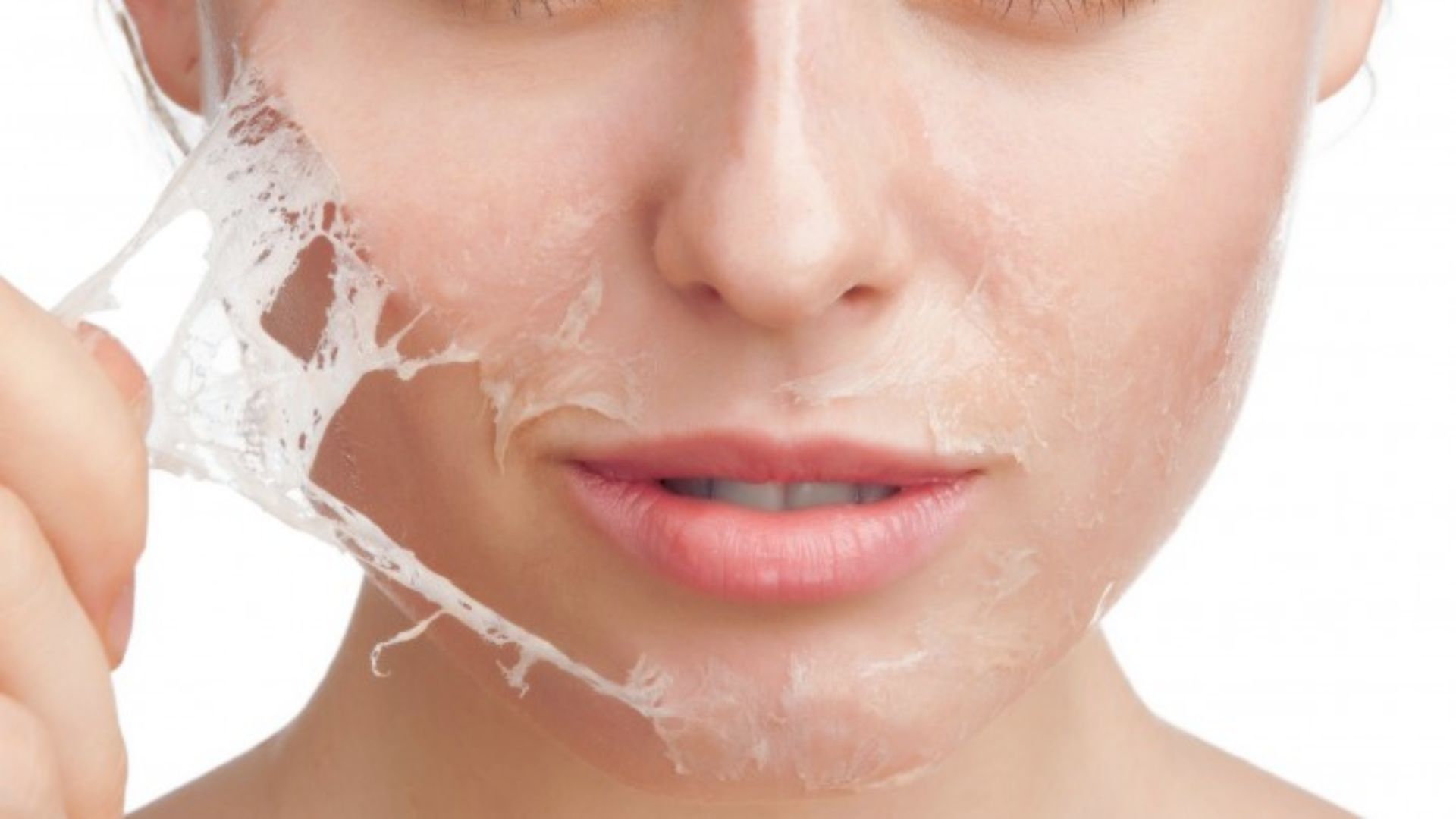
Both treat the skin surface, but they work very differently. Here’s a clear side-by-side look.
Key Differences Explained
Enzyme Peel: Uses natural enzymes from fruit. Works on the skin’s surface. Gentle, no downtime, suitable for sensitive skin. Results build over time.
Chemical Peel: Uses acids like glycolic, lactic, or salicylic. Penetrates deeper layers. Can cause peeling, redness, and may require downtime depending on strength. Results can be more dramatic.
The main difference comes down to depth and intensity. Enzyme peels stay at the surface. Chemical peels go deeper and can target more stubborn concerns.
Which Peel Is Right for Your Skin Type?
Go with an enzyme peel if:
- Your skin is sensitive or reactive
- You want regular maintenance without downtime
- You’re new to peels and want to start slow
Go with a chemical peel if:
- You want to treat deeper pigmentation or scarring
- You’re okay with some redness or peeling afterward
- You’re dealing with more severe acne or sun damage
For most people starting, I’d suggest the enzyme peel. You can always go stronger later.
Tips for Getting the Best Results from an Enzyme Peel
A few small habits before and after your treatment can make a big difference in what you see in the mirror.
- Stop retinol and actives 48 to 72 hours before your appointment
- Skip waxing or threading at least a week prior
- Don’t exfoliate the day before
- Moisturize with a gentle, fragrance-free product right after
- Wear SPF 30 or higher every morning post-treatment
- Avoid hot showers, saunas, and heavy workouts for 24 hours
- Hold off on retinol and acids for a few days after
- Start with once a month, then move to every two to four weeks as your skin adjusts
Conclusion
Honestly, I expected enzyme peels to be just another overhyped treatment. But after my first session, my skin felt smoother and looked noticeably clearer.
That was enough to convince me. If your skin is sensitive, dull, or prone to breakouts, this is genuinely worth trying. It’s also a solid starting point if you’ve never done professional exfoliation before.
Don’t overthink it. Book the appointment, give it a few sessions, and let your skin tell you the rest. Tried one before? Drop your experience in the comments. I’d love to hear what worked for you.
Frequently Asked Questions
What skin types can use an enzyme peel?
Enzyme peels work well for all skin types, including sensitive, oily, dry, and acne-prone skin. They’re gentle enough not to cause irritation in most people.
How long does an enzyme peel facial take?
A typical session lasts about 30 to 60 minutes. The enzyme is usually left on the skin for 10 to 20 minutes as part of that time.
Can I do an enzyme peel at home?
Yes, at-home enzyme peel masks are widely available and generally safe to use. Professional treatments are stronger, so start with at-home versions if you’re completely new to peels.
How soon will I see results from an enzyme peel?
Many people notice brighter, smoother skin after their very first session. More significant improvements in texture and tone show up after three to four regular treatments.
How often should I get an enzyme peel?
Once a week is enough for most skin types. Sensitive skin does better with once every two weeks to avoid over-exfoliation.