Why Do My Nails Hurt After Getting Them Done?

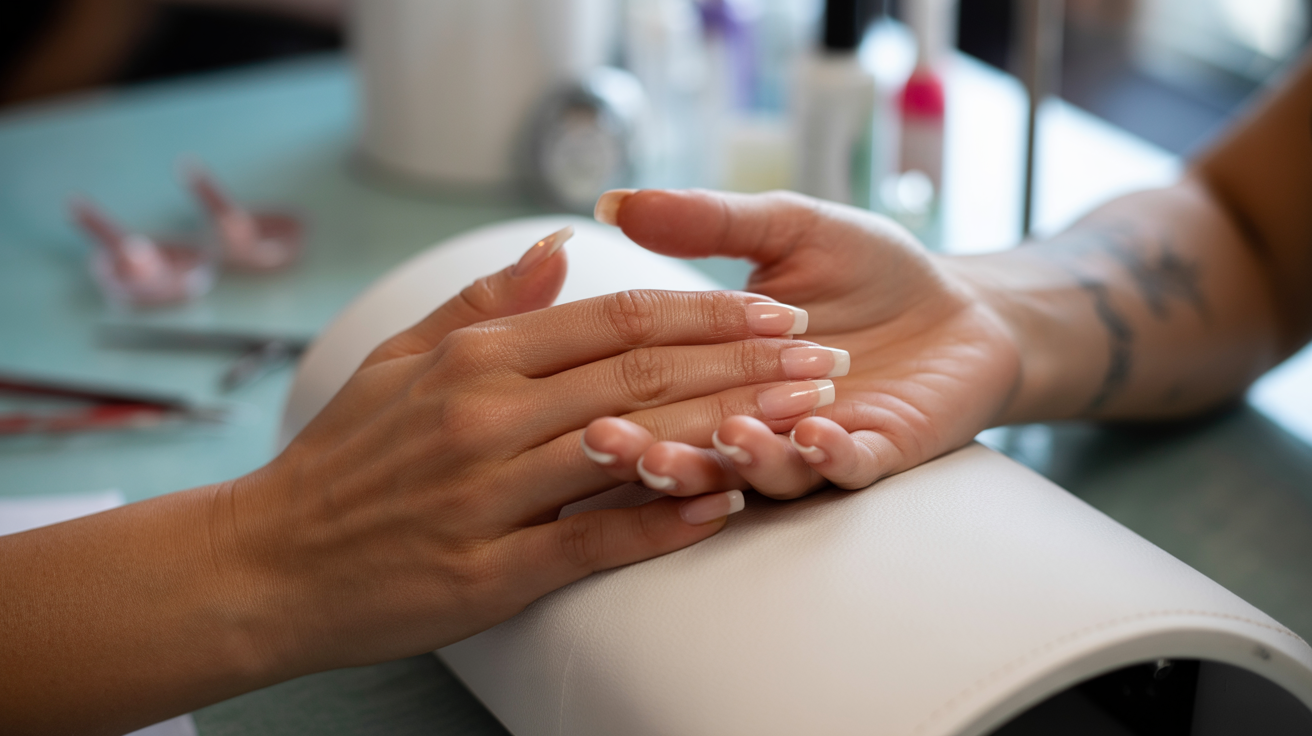
I still remember sitting in the salon chair, admiring my fresh set of acrylics, when that uncomfortable throbbing started.
My nails felt sore and tight, and I wondered if something went wrong. If you’re asking yourself why do my nails hurt after getting them done, you’re not alone.
This happens to so many people, and I want you to know that pain isn’t normal.
Your manicure should make you feel good, not leave you wincing every time you touch something.
In this post, I’ll walk you through the main reasons your nails might hurt after a salon visit and what you can do about it.
You deserve to leave the salon feeling confident and comfortable.
Common Reasons Your Nails Hurt After a Salon Visit
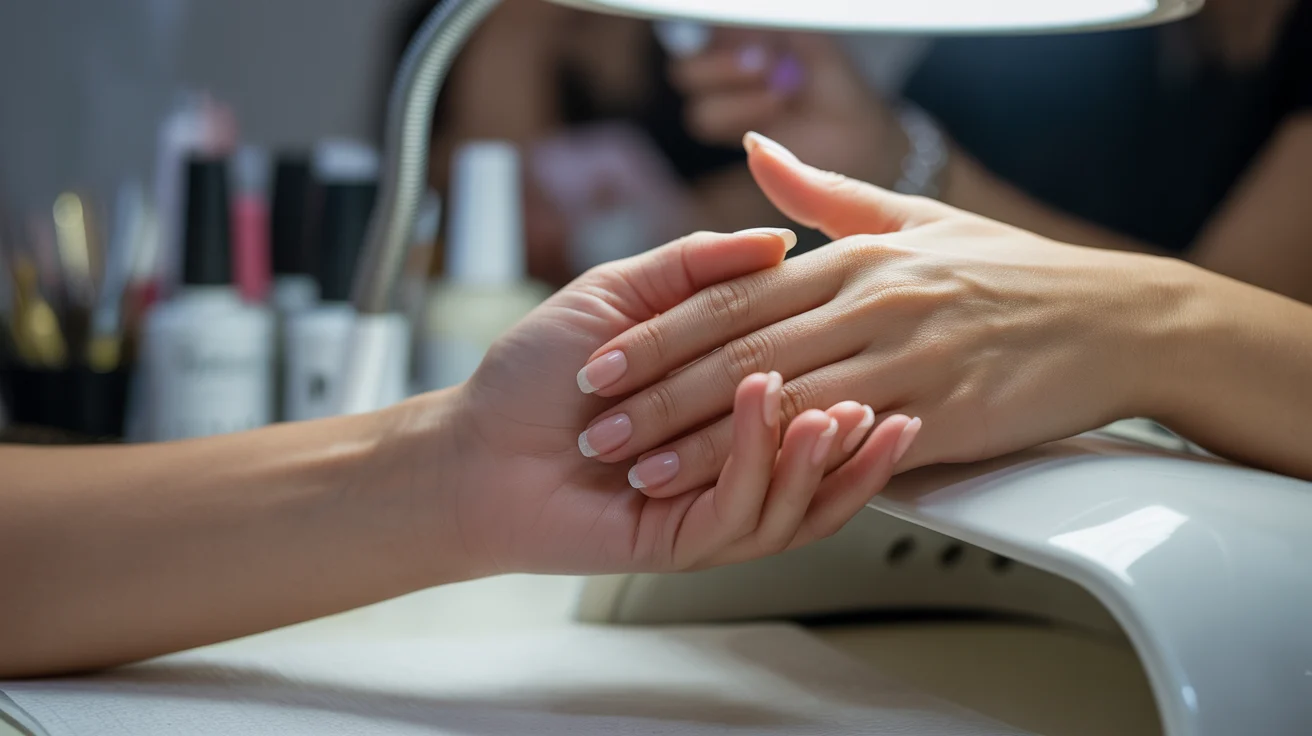
Let me break down the most common culprits behind post-manicure pain. Understanding what causes the discomfort helps you figure out if it’s temporary or something that needs attention.
Tightness From the Acrylic Seal
Acrylics create a firm seal over your natural nails. This seal bonds the product to your nail plate, which can feel restrictive at first.
You might notice a tight, almost squeezing sensation during the first day.
This feeling is actually pretty common. The acrylic hardens completely as it cures, and your nails need time to adjust to that new layer.
For most people, this tightness fades within 24 hours as you get used to the feeling.
Your nail beds are sensitive underneath that new coating. If you’ve never had acrylics before, or it’s been a while, your nails might react more noticeably.
The good news? This type of soreness usually resolves on its own without any intervention.
Your Nails Were Filed Too Short
Over-filing is one of the biggest reasons why do my nails hurt after getting them done. When a technician files too aggressively, they remove too much of your natural nail plate.
This exposes the sensitive nail bed underneath, which wasn’t meant to be uncovered.
Think of it like removing a protective layer. Your nail plate acts as a shield for the delicate tissue beneath it. When that shield gets filed down too thin, everything becomes more sensitive.
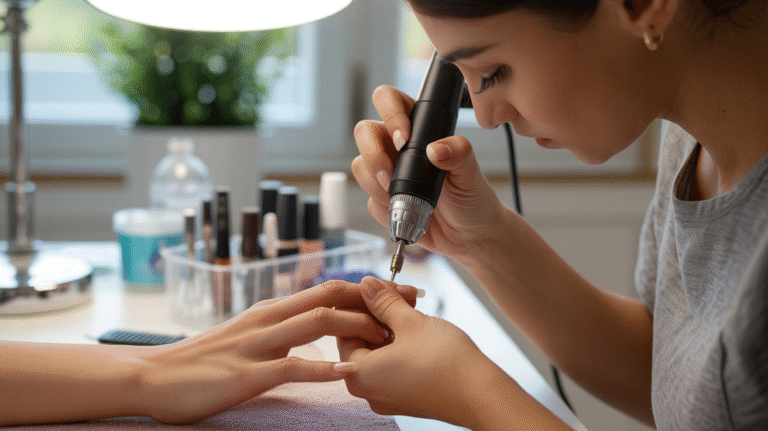
Improper technique or rushing through prep work often causes this problem. Some techs use coarse files or apply too much pressure.
If your pain lasts beyond 24 hours and feels sharp or burning, the filing probably went too deep.
Naturally Thin or Weak Nails
Some of us are born with thinner nail plates than others. It’s genetic, and there’s not much you can do to change your natural nail thickness.
If you have thin nails, you’ll likely experience more sensitivity with any type of nail enhancement.
Thin nails have less keratin protecting the nail bed.
Keratin is the protein that makes up your nails, and when you don’t have much of it, there’s less cushioning between your nail bed and the enhancement on top.
This explains why enhancements feel more uncomfortable for certain people. Your friend might get acrylics with zero pain while yours throb for hours.
It doesn’t mean your tech did anything wrong. Your nails simply react more strongly to the process.
Heat Spikes During Curing
Gel nails cure under a UV or LED lamp, which triggers a chemical reaction. This reaction hardens the gel polish, but it also creates heat.
You might feel a burning sensation or sharp, shooting pain under the lamp.
The heat happens because molecules in the gel are rapidly bonding together. It’s an exothermic reaction, meaning it releases energy as heat.
Most people feel a warm tingle, but some experience actual pain.
This shouldn’t be ignored if the burning feels severe. Pull your hand out of the lamp if it hurts too much.
Your tech can cure in shorter intervals or apply thinner coats to reduce heat buildup. Don’t just tough it out thinking it’s normal.
How Technique Affects Post-Manicure Pain
The way your nail technician works makes a huge difference in how your nails feel afterward.
Poor technique is often behind that uncomfortable soreness you’re experiencing.
- Aggressive cuticle pushing damages the delicate skin around your nails and can cause inflammation. Your cuticles protect the nail matrix where new growth happens, so too much pressure there creates lingering soreness.
- Coarse grit files should never touch natural nails, they’re too rough and create tiny tears in your nail plate. Buffers need light pressure in one direction, not harsh back-and-forth scrubbing.
- Wrong tools literally scrape away protective nail layers. A skilled professional knows which file grit works for prep versus shaping and prioritizes your nail health over speed.
When Nail Pain Signals a Bigger Problem
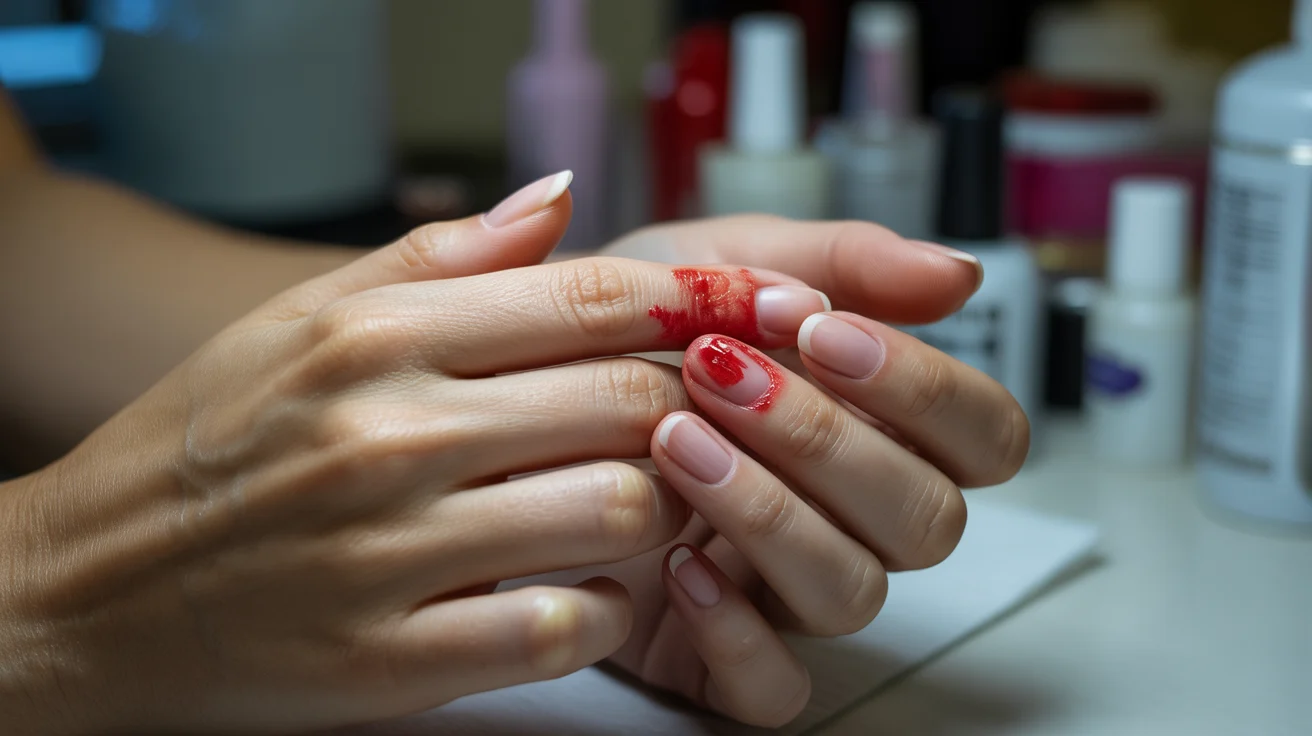
Sometimes nail pain after a manicure points to something more serious than normal adjustment.
Here’s what to watch for:
- Allergic reactions to gel products can cause intense itching, stinging, or burning that doesn’t improve
- Irritation differs from true allergy, but both need attention if symptoms persist
- Pre-existing health conditions like diabetes or autoimmune disorders can make nails more sensitive
- Infection signs include increasing pain, warmth, redness spreading from the nail, or pus
- Nail separation from the nail bed means immediate removal of enhancements
If something feels off, it probably is. Don’t hesitate to contact your nail tech or see a dermatologist if you’re worried.
Your nail health matters more than keeping a pretty manicure intact.
Tips to Prevent Sore Nails After Your Next Appointment
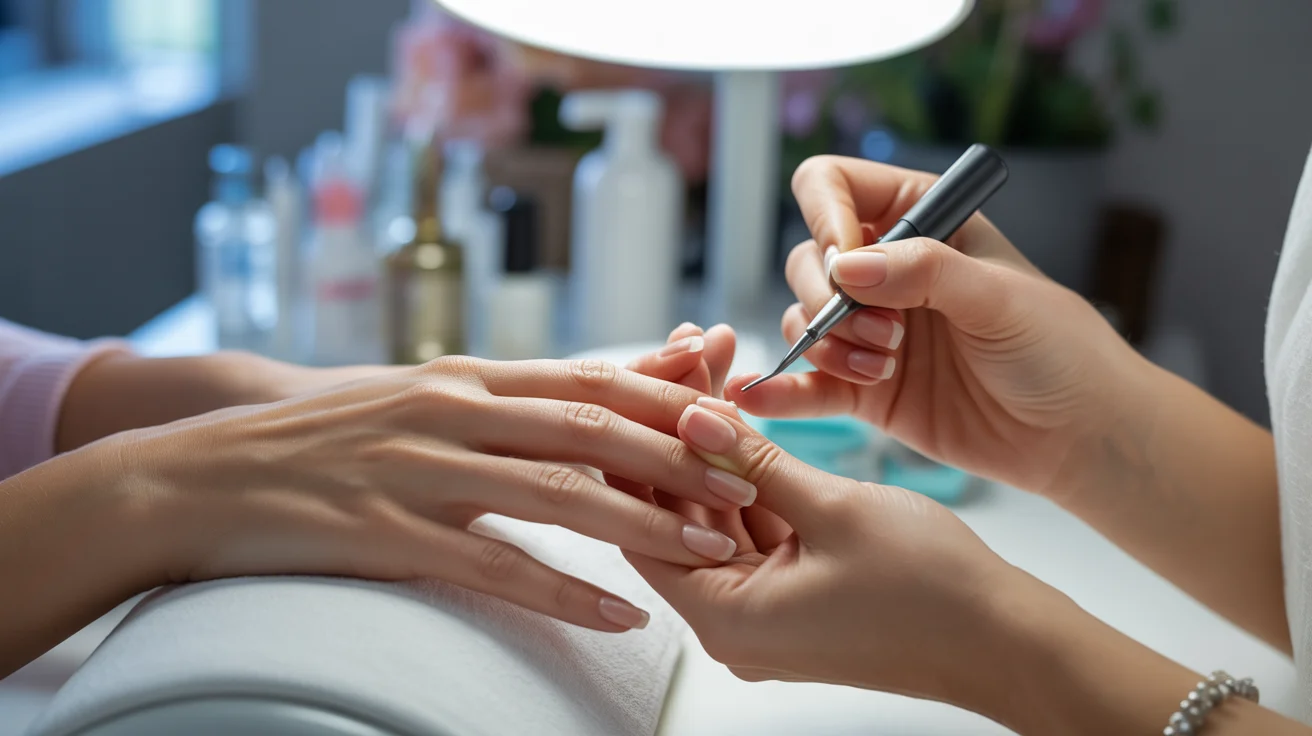
I’ve learned so much about preventing nail pain through trial and error.
These tips will help you avoid that uncomfortable soreness:
- Speak up during your service if anything hurts or feels too tight
- Choose an experienced nail technician by reading salon reviews and asking for recommendations
- Request thinner application since thick acrylics create more pressure and heat
- Consider nail shape carefully because pointy shapes put more stress on your nail bed
- Ask about low-heat curing options for gel services
- Apply thin coats if you DIY to prevent heat buildup under the lamp
- Let nails rest between services so your natural nails can recover properly
- Use gentle prep methods and never let anyone over-buff your nails
Communication is your biggest tool for preventing why do my nails hurt after getting them done situations.
A good tech wants to know if you’re uncomfortable. They’d rather adjust their technique than have you leave in pain.
Don’t feel bad about being specific with your requests. You’re paying for a service that should feel good, not hurt.
Research your salon before booking, and don’t be afraid to try a different tech if your current one consistently leaves your nails sore.
Alternatives If Your Nails Stay Sensitive
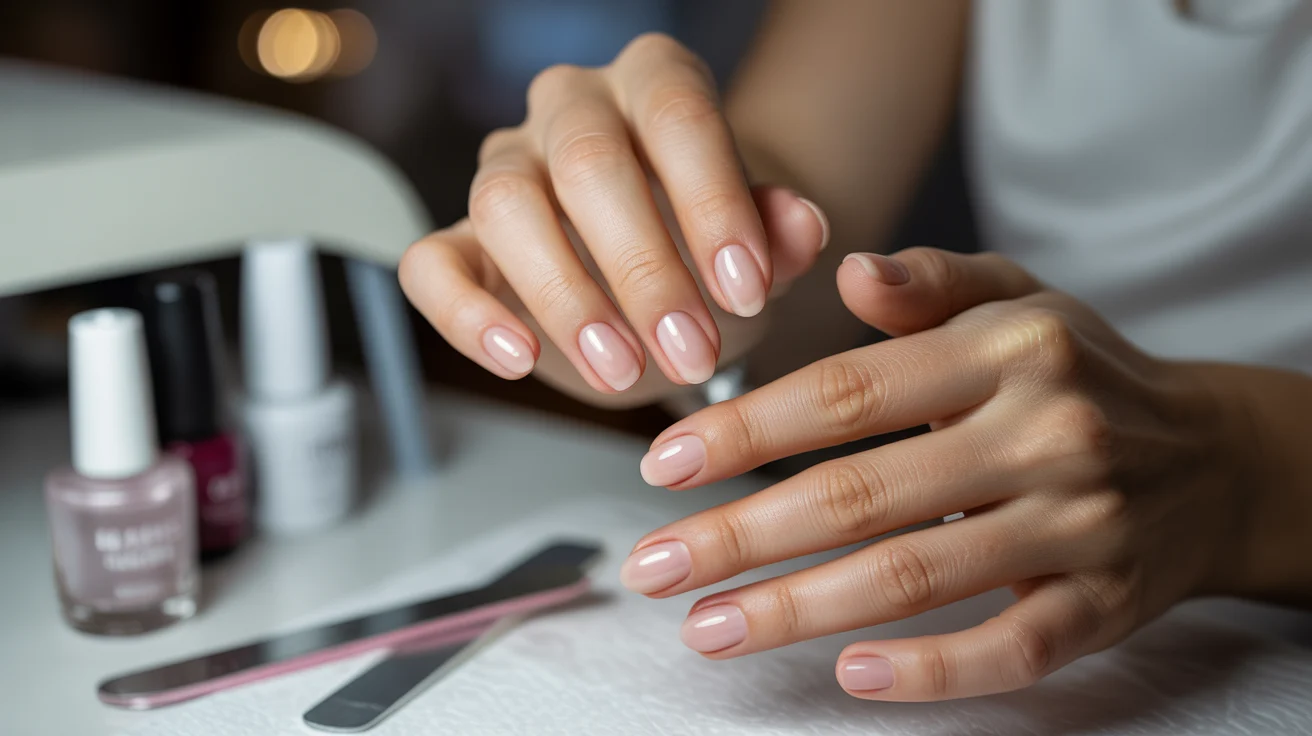
Some people’s nails just don’t tolerate certain enhancements well.
If you keep experiencing pain no matter what, consider these options:
- Press-on nails offer gorgeous looks without any filing or curing
- Quality press-on brands like Static Nails or Olive & June last up to two weeks
- Gel polish only skips the harsh prep and thickness of full acrylics
- Dip powder provides strength with less heat and filing than traditional acrylics
- Shorter lengths reduce leverage and pressure on your nail bed
- Natural nail treatments with strengthening polish give you a break from enhancements
Press-ons have come so far in recent years. They look professional and cause zero pain during application.
You can even reuse them multiple times. If your nails are naturally thin or sensitive, these alternatives might work better for your body.
There’s no shame in finding what works for you instead of forcing yourself through painful services.
Give your natural nails time to strengthen between enhancement applications. Sometimes taking a month off makes a huge difference in how your nails respond to future services.
Conclusion
Nail pain after getting them done isn’t something you should just accept as normal. Your manicure appointments should leave you feeling pampered, not uncomfortable.
Now you know the main reasons why do my nails hurt after getting them done and how to prevent it next time.
Talk to your nail tech about any concerns before, during, and after your service. A quality technician values your comfort and will adjust their technique to suit your needs.
Your nails deserve proper treatment and so do you.
You’ll enjoy your manicures so much more when they don’t come with a side of pain.
Frequently Asked Questions
How Long Should My Nails Hurt After Getting Acrylics?
Normal soreness should fade within 24 hours. If pain continues beyond that or gets worse, contact your nail tech about removal. Persistent throbbing or sharp pain isn’t typical and needs attention.
Can Nail Damage Be Permanent From Rough Filing?
Your nails constantly grow and regenerate from the nail matrix. Damage to the nail plate itself grows out over several months. However, severe damage to the matrix could affect future growth patterns.
What Should I Do If My Nails Burn Under the UV Lamp?
Remove your hand from the lamp immediately. Ask your tech to apply thinner coats and cure in shorter intervals. You can also try holding your hand outside the lamp for a few seconds between curing cycles.
Are Gel Manicures Less Painful Than Acrylic Nails?
Generally yes, since gel requires less filing prep and creates less pressure on your nails. However, the curing heat can cause sensitivity. Both services should be comfortable when done properly by a skilled technician.
How Can I Tell If I’m Allergic to Nail Products?
Allergy symptoms include severe itching, red bumpy rash around nails, swelling, or blistering. This differs from normal irritation, which feels like mild soreness. Allergic reactions often worsen with repeated exposure to the product.