Color Wheel Skin Tone Nail Polish Color Matching Chart

I know how overwhelming it feels to choose nail polish colors. You stand there looking at hundreds of shades, wondering which ones will actually look good on you.
I’ve been in that exact spot, which is why I put together this color wheel skin tone nail polish color matching chart for you.
In this guide, I’ll show you how to match colors to your skin tone using simple color theory. You’ll learn to identify your undertone, find your best shades, and use an easy reference chart.
No more guessing or buying the wrong colors.
Let’s make Polish shopping simple.
Understanding the Color Wheel

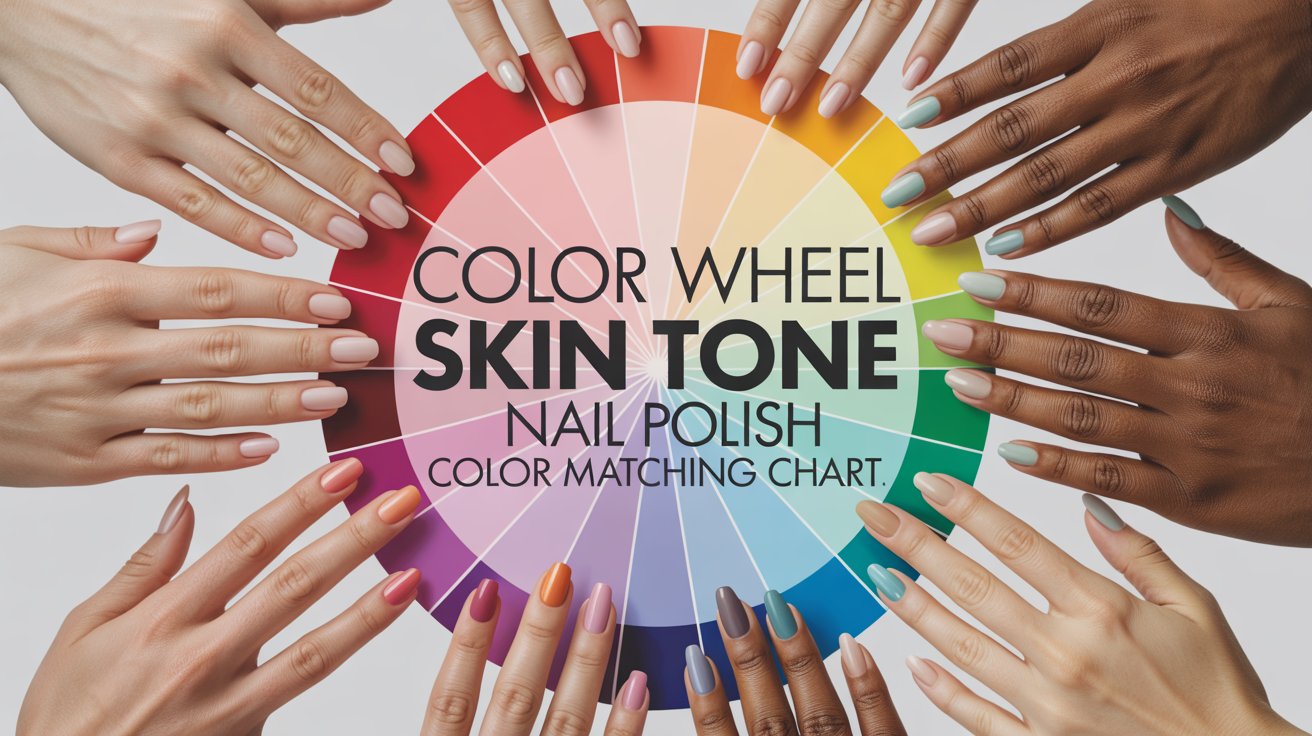
The color wheel is your roadmap to beautiful nail color choices. It shows how colors relate to each other and helps you pick flattering combinations.
Primary colors (red, yellow, blue) mix to create secondary colors (orange, green, purple). Complementary colors sit opposite each other on the wheel.
Blue and orange, red and green, yellow and purple create strong contrast and make great nail art pairings.
Understanding hue (color family), saturation (intensity), and tonal value (lightness or darkness) helps you choose shades that work best with your skin tone.
Skin Tone vs. Undertone
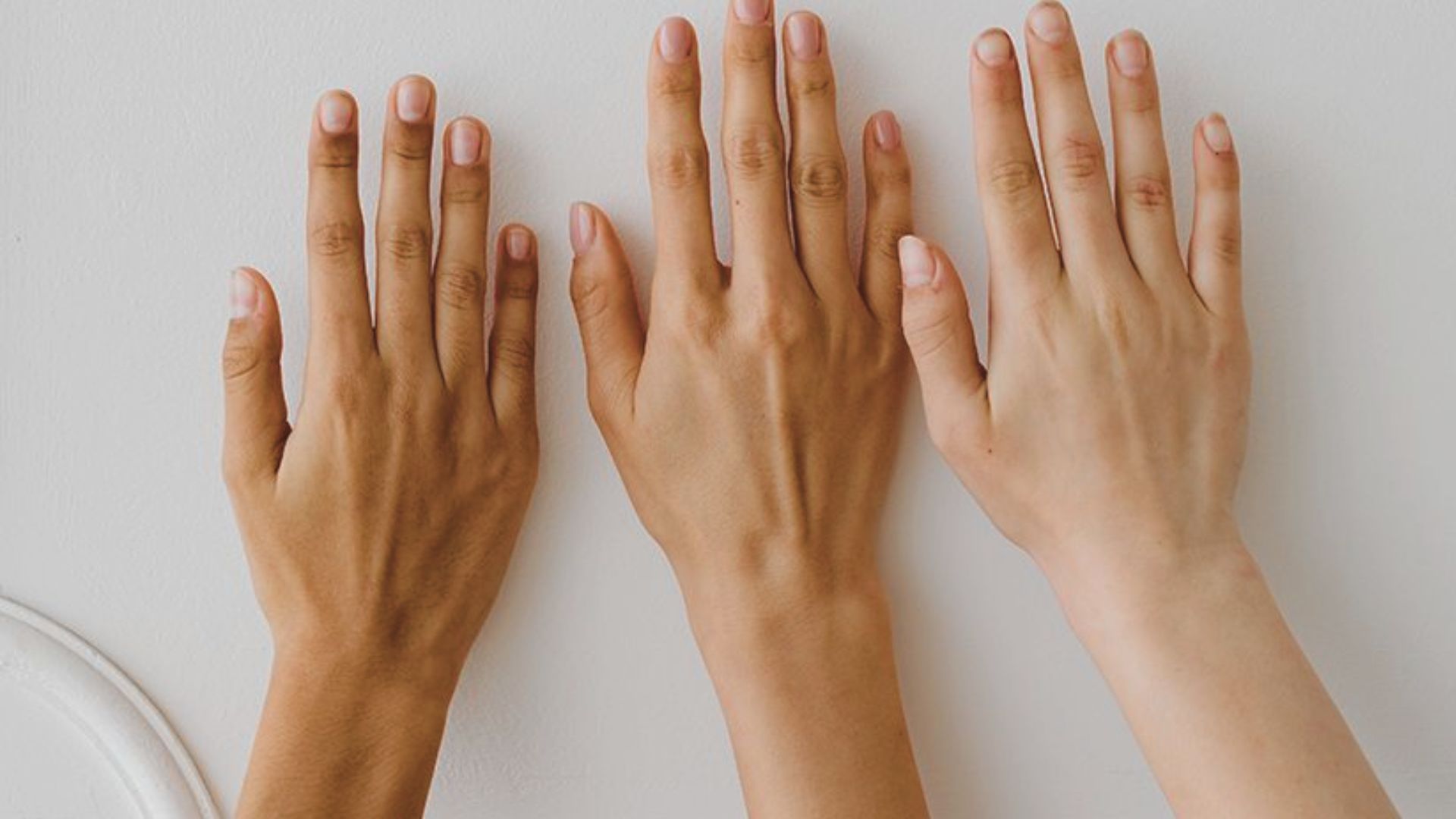
Most people confuse these two terms. But knowing the difference changes everything about how you choose nail polish.
Skin Tone (Overtone)
Your skin tone is what you see on the surface. It’s the obvious color of your skin.
Fair, light, medium, tan, olive, and dark are all skin tone categories. This is what people notice first about your complexion.
Your skin tone can change with sun exposure. You might be fair in winter and medium in summer.
Undertone
Undertone is the subtle hue beneath your skin’s surface. It stays the same year-round.
Warm, cool, or neutral describes your undertone. This hidden quality affects which colors look amazing on you versus which ones make you look washed out.
Warm undertones have golden, peachy, or yellow hints. Cool undertones show pink, red, or blue hints. Neutral undertones have a balanced mix of both.
How to Determine Your Undertone
The vein test is super simple. Look at the veins on your wrist in natural light. Green veins mean warm undertones. Blue or purple veins indicate cool undertones. If you can’t tell, you’re probably neutral.
The jewelry test works great too. Does gold jewelry make you glow? You’re warm. Does silver look better? You’re cool. If both look good, you’re neutral.
The sun exposure test is another clue. Do you tan easily? Warm undertone. Do you burn and turn pink? Cool undertone.
Nail Polish Color Recommendations by Skin Tone
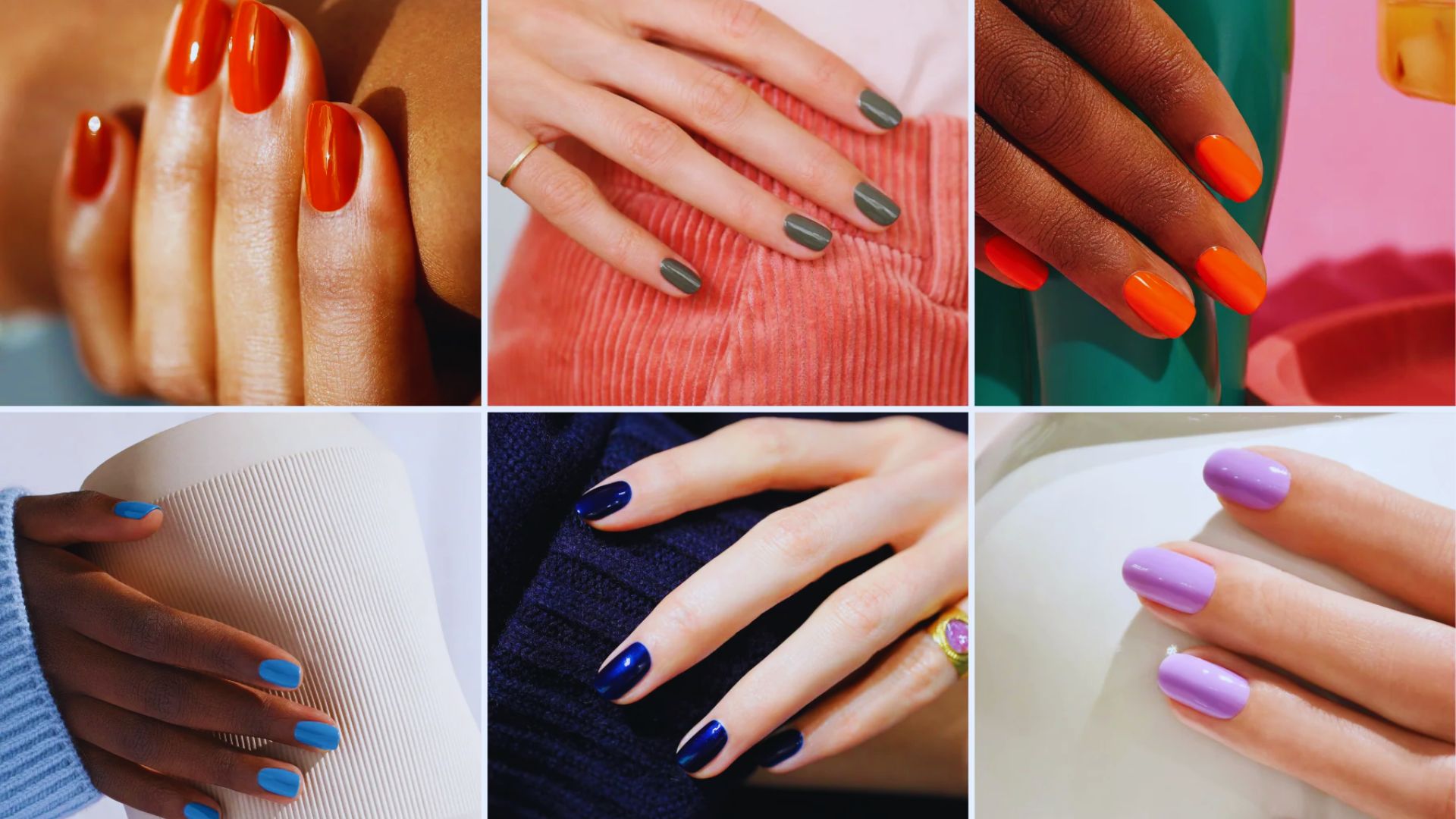
Now for the fun part. Here’s exactly which colors will make your hands look their absolute best.
Fair and Light Skin
Best colors include deep purples, dark brown, emerald green, and navy blue. Rich, saturated shades create beautiful contrast against pale skin.
Berry tones look fantastic. Wine red, plum, and burgundy are especially flattering. Classic red always works too.
Avoid yellows, bright oranges, and very pale pastels. These shades tend to wash out fair skin or make it look sallow. White and beige can make your hands disappear.
Try jewel tones for special occasions. They add drama without overwhelming your natural coloring.
Medium Skin
Peach, rose, jade, taupe, and soft blue are your best friends. Medium skin tones have the most flexibility with color choices.
Mauve and dusty pink create a polished look. Coral brings warmth and energy. Mint green adds a fresh, modern touch.
Avoid overly bright red, neon shades, and yellow tones. These can clash with medium skin and look too harsh.
You can pull off both warm and cool colors. Experiment with different shades to see what makes you feel confident.
Olive Skin
Orange, red, golden yellow, turquoise, and magenta are absolutely gorgeous on olive skin. Your warm, greenish undertone loves rich, vibrant colors.
Rust and burnt orange complement your natural coloring perfectly. Hot pink and fuchsia create striking contrast. Gold and bronze metallics look incredible.
Avoid cool blues and soft greens. These shades can make olive skin look dull or sickly. Icy pastels don’t provide enough contrast.
Bold is your friend. Don’t be afraid of intense, saturated colors.
Dark Skin
Peach, orange, yellow, cobalt blue, and bright pinks look amazing on dark skin. Your rich complexion creates beautiful contrast with lighter, brighter shades.
Coral and tangerine are especially flattering. Hot pink and fuchsia pop beautifully. Metallic gold and copper add glamour.
Avoid brown, navy, and black. These colors blend into dark skin and don’t create enough contrast. They can make your hands look drab.
Pastels work surprisingly well on dark skin tones. Lavender, mint, and baby blue all look fresh and modern.
Using the Color Wheel for Nail Polish Matching
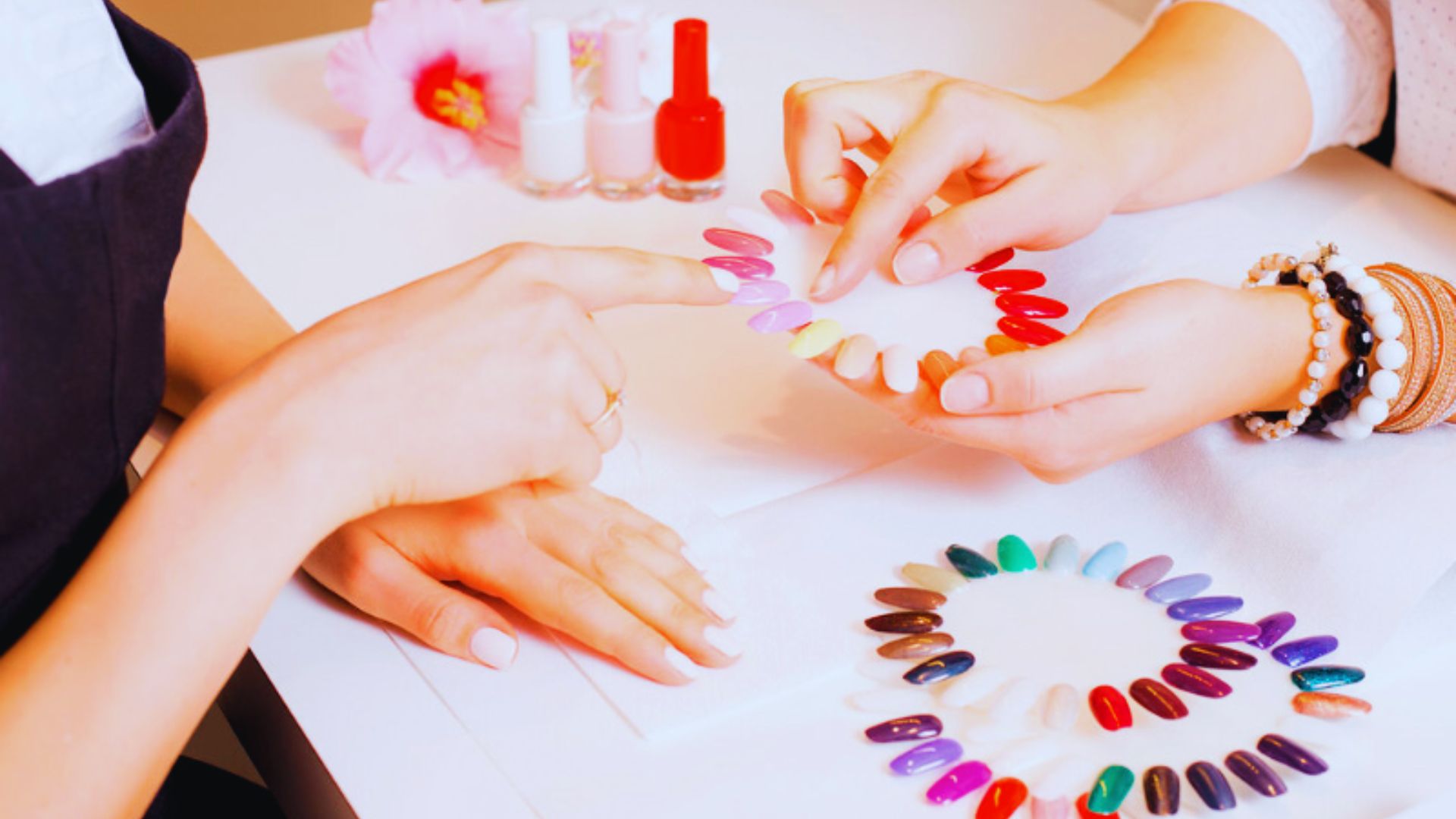
The color wheel isn’t just theory. It’s a practical tool for creating gorgeous nail looks.
Complementary and Analogous Color Choices: Complementary colors sit opposite each other on the wheel. Use them for bold, high-contrast nail art. A blue base with orange accents creates instant drama.
Analogous colors sit next to each other on the wheel. These create harmonious, cohesive looks. Try red, red-orange, and orange together for a sunset-inspired manicure.
Both approaches work beautifully. Complementary is bold. Analogous is refined.
Creating Contrast for Nail Art: Want your nail art to stand out? Use complementary colors.
A purple base with yellow designs makes both colors look more vibrant. Green leaves on a red background create visual interest.
The key is balance. Use one color as your main shade and the other as an accent. This prevents the look from becoming overwhelming.
Quick Reference: Nail Polish Color Matching Chart
Save this chart for easy reference when shopping for your next polish shade.
| Skin Tone | Best Colors | Colors to Avoid |
|---|---|---|
| Fair/Light | Deep purple, dark brown, emerald, navy, berry, wine red, plum, burgundy, jewel tones | Yellow, bright orange, pale pastels, white, beige |
| Medium | Peach, rose, jade, taupe, soft blue, mauve, dusty pink, coral, mint green | Bright red, neon shades, yellow tones |
| Olive | Orange, red, golden yellow, turquoise, magenta, rust, burnt orange, hot pink, fuchsia, gold, bronze | Cool blues, soft greens, icy pastels |
| Dark | Peach, orange, yellow, cobalt blue, bright pink, coral, tangerine, hot pink, fuchsia, metallic gold, copper, lavender, mint, baby blue | Brown, navy, black |
Undertone Guide:
Warm Undertone (golden, peachy hints): Choose warm polish colors like coral, peach, orange, red, golden yellow, rust
Cool Undertone (pink, red, blue hints): Choose cool polish colors like berry, purple, blue, emerald, rose, magenta
Neutral Undertone (balanced): You can wear both warm and cool colors. Lucky you!
Expert Tips for Perfect Color Application
Even the perfect color can look wrong in the wrong conditions. Here’s how to get it right every time.
- Test polish colors in natural light. Store lighting can be misleading. Step outside or near a window before making your final choice.
- Your undertone stays consistent throughout the year. Just because you tan in summer doesn’t change which colors flatter you. Stick with the same undertone family.
- Try nail samples before committing to a full manicure. Paint one nail with the shade you’re considering. Wear it for a day and see how it looks in different lighting and with your clothes.
- Apply a good base coat first. This prevents staining and helps color show true. Two thin coats of polish look better than one thick coat.
- Clean up the edges with a small brush dipped in nail polish remover. Neat application makes any color look more expensive and professional.
- Give each coat enough time to dry. Rushing leads to smudges and chips. Patience pays off with a longer-lasting manicure.
- Finish with a quality top coat. This adds shine and protects your color from chipping and fading.
Conclusion
Understanding the color wheel skin tone nail polish color matching chart has completely changed how I approach nail color. I used to grab whatever looked pretty in the bottle. Now I choose shades that actually enhance my hands.
You’ve learned the color theory basics, found your undertone, and identified your perfect palette. The chart gives you a quick reference whenever you’re shopping for polish.
Start experimenting with these guidelines. Try one new flattering shade this week. Pay attention to how it makes you feel. Confident? Beautiful? That’s the goal.
I’d love to hear which colors you find work best for you. Drop a comment below and share your favorite shade. And if this guide helped you, share it with a friend who’s also confused by the polish aisle.
Frequently Asked Questions
How do I know if a nail polish color will suit my skin tone?
Check your undertone first using the vein test or jewelry test. Warm undertones look best in coral, peach, and golden shades. Cool undertones shine in berry, purple, and blue tones.
Can I wear dark nail polish if I have fair skin?
Yes! Dark colors like deep purple, emerald green, and navy blue create beautiful contrast on fair skin. Rich, saturated darks are more flattering than muddy browns or blacks.
What’s the difference between skin tone and undertone?
Skin tone is the surface color you see (fair, medium, dark) that can change with sun exposure. Undertone is the constant hue beneath your skin (warm, cool, neutral) that affects which colors look best.
Which nail polish colors work for all skin tones?
Classic red works across most skin tones when you choose the right shade. Warm reds suit warm undertones, while blue-based reds flatter cool undertones.
How often should I change my nail polish color with the seasons?
There’s no rule, but many people choose darker colors in fall and winter, and brighter shades in spring and summer. The most important factor is choosing colors that flatter your undertone.