The “Arctic Plunge” Protocol: Sculpting the Body Through Thermal Contrast

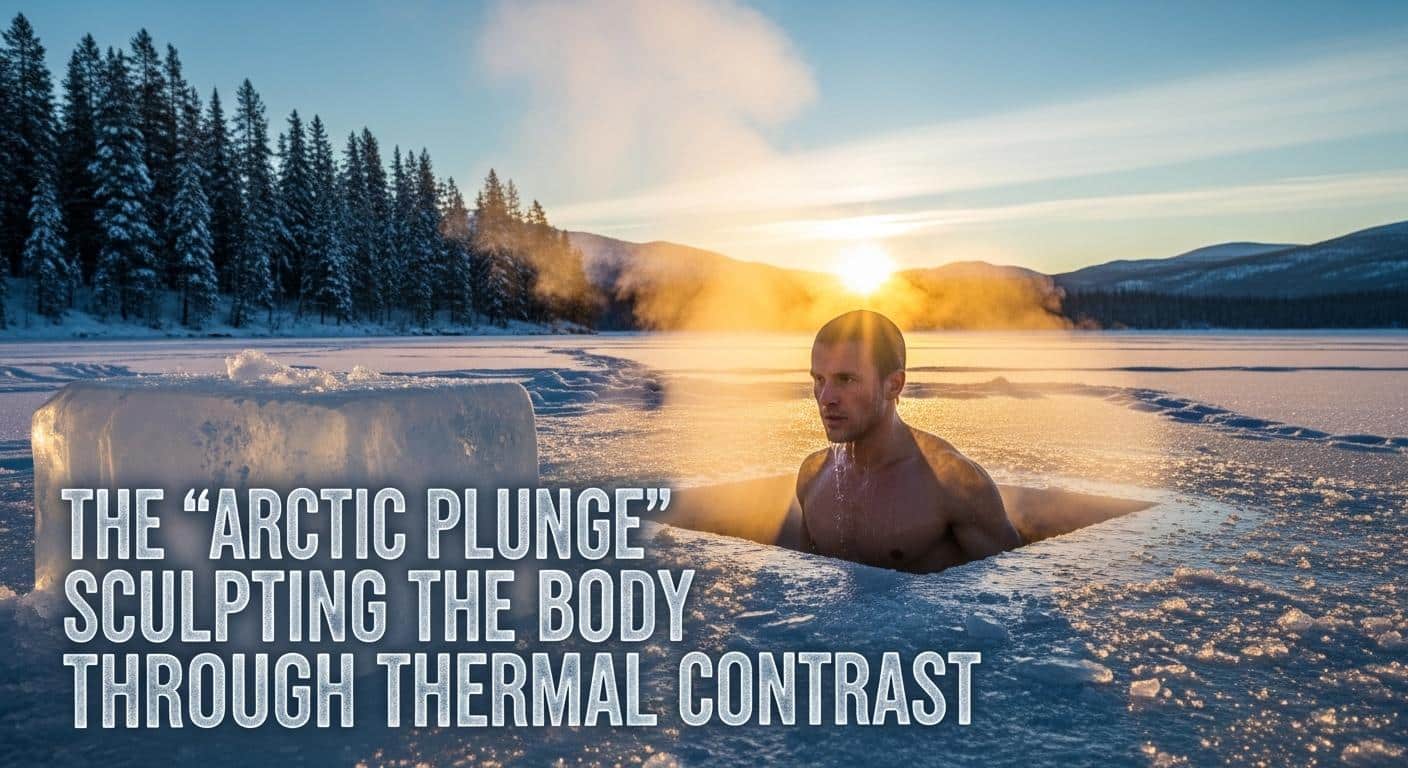
Cold therapy has been sold as the next great wellness “shortcut”, which completely misses the point. The Arctic Plunge Protocol doesn’t work because cold water is magic. It works because your body is forced to respond to stress in ways that produce measurable physical benefits over time.
Your blood vessels expand in heat and constrict in cold temperatures. When you practice cold plunges repeatedly, you can improve your circulation and clear metabolic waste from your system. If you aren’t consistent with it, you won’t see the same results. It takes effort.
What Is the Arctic Plunge Protocol?
This protocol is a specific approach to thermal contrast therapy, which is when you switch between hot environments (like a sauna or steam room) and cold immersion (like a plunge pool or ice bath).
Unlike simple temperature switching, this approach follows specific timing and sequencing to push your body through repeated cycles of vasodilation and vasoconstriction.
How contrast therapy works
When blood vessels expand in heat and then contract in cold, the pumping effect helps to encourage circulation through your muscle tissues. In turn, improved circulation means your body can clear metabolic waste faster and deliver nutrients to your recovering muscles more effectively. This is what makes it ideal for calming post-workout inflammation.
Athletes who use contrast therapy usually have shorter recovery periods, meaning they can train more consistently and shape their bodies through repeated exposure.
This repeated exposure to cold activates brown adipose tissue, which is a metabolically active fat that generates heat by burning calories. In other words, your body is actively trying to warm you up, which helps you to burn fat as well. Of course, this isn’t a magic weight-loss hack. It’s only one part of a better routine, coupled with better sleep and nutrition.
The Science Behind the Arctic Plunge
Your body is capable of adapting to controlled stress, which means you get used to the change from hot to cold over time. But there’s a science behind why this works as well as it does…
Hormesis is the biological phenomenon where a low-level stressor produces a positive adaptive response. Cold immersion triggers the same mechanism; the body reads the temperature shift as a threat. As a result, your autonomic nervous system (ANS) is activated and helps your body to recover.
Repeated exposure to this builds better tolerance and trains your stress-response system to operate more efficiently on a daily basis.
Building Your Own Arctic Plunge Ritual
You don’t have to go to a spa to begin contrast practice. Even a hot shower followed by 30 to 60 seconds of cold water is enough to get you started.
Once you’re a little more used to it, you can work your way up to a basic protocol of 10 minutes of heat followed by 1 to 2 minutes of cold. Repeat this twice and end on cold for the best circulatory effect. As your tolerance builds, you can extend the cold phase before you lengthen the heat phase.
Morning sessions help you to feel more alert during the day, and evening sessions work best when your cold phase is slightly shorter.
Taking Your Wellness Ritual With You
Once your body is accustomed to the feeling of an Arctic Plunge, you don’t have to disrupt your daily routine just because you’re heading on vacation. High-end cruise lines are slowly introducing more wellness-based experiences, meaning you may have access to cold therapy on board your next holiday cruise.
If you’re planning ahead, keep an eye on seasonal cruise deals, since itineraries to Nordic and Baltic regions often include access to bathhouses and thermal spa facilities. Just remember to take care of your skin, too.
When you travel frequently, you’ll want your skin to hold up through the extreme temperatures of contrast therapy. This is especially true in colder climates, since your skin needs more moisture and intentional care, so a good travel skincare routine can go a long way, too.