Eau de Parfum vs. Toilette: Which Concentration is Right for You?

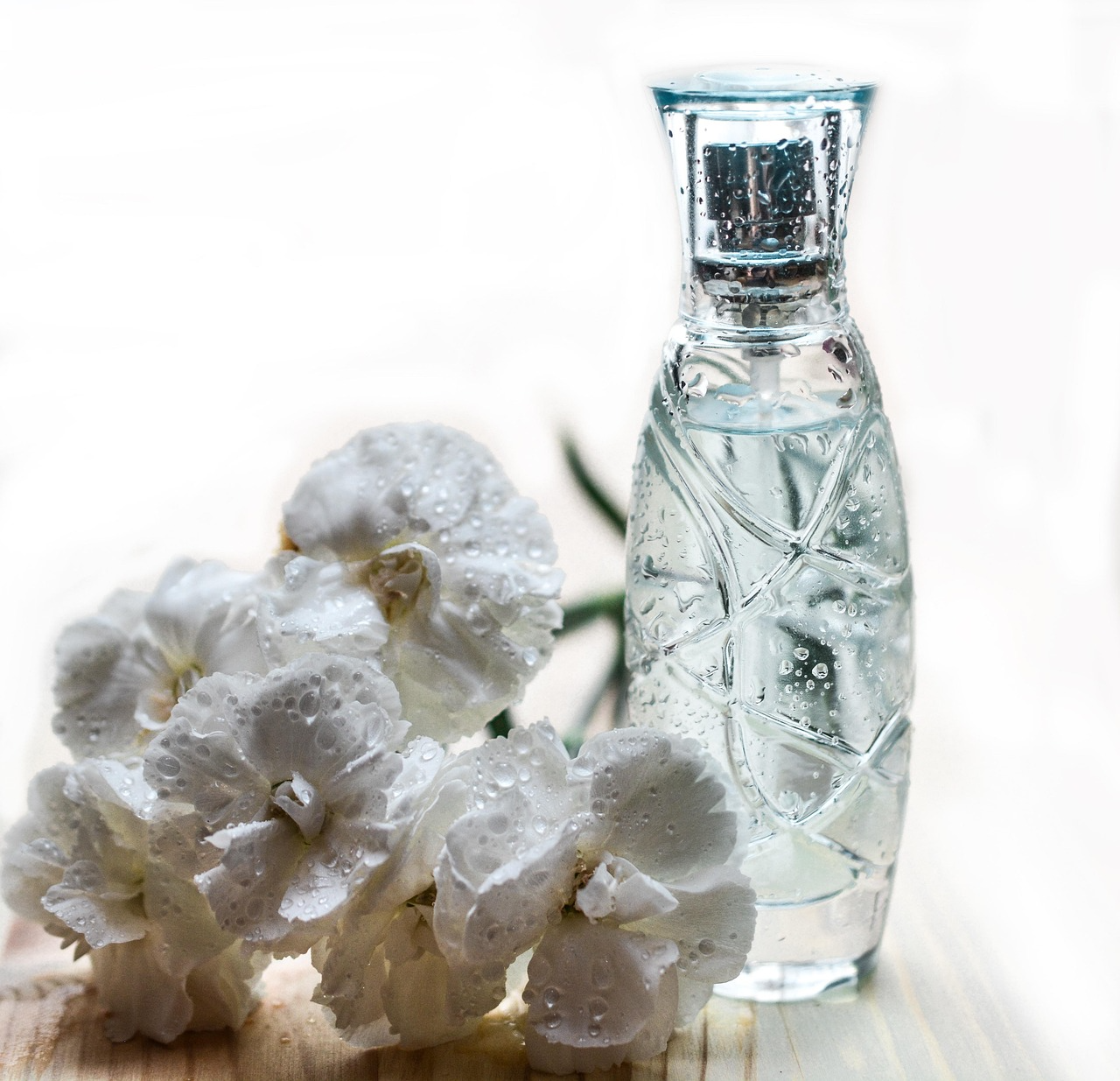
Standing in front of a fragrance counter, you've probably noticed the same scent sold in two or three different versions: one labeled Eau de Parfum, another labeled Eau de Toilette, sometimes a third called Eau de Cologne. The prices differ. The bottles look nearly identical. And the sales associate may not have given you a satisfying answer about what actually sets them apart.
This guide cuts through the confusion. Understanding the difference between eau de parfum and eau de toilette isn't just trivia for fragrance enthusiasts. It's a practical decision that affects how your scent performs throughout the day, how it interacts with your skin and lifestyle, and ultimately how much value you get from every bottle you buy. By the end, you'll know exactly which concentration suits you, and why.
What Does Fragrance Concentration Mean?
Fragrance concentration refers to the percentage of pure aromatic compounds (called the "fragrance oil" or "juice") dissolved in a solution of alcohol and water. The higher the concentration, the more intense, longer-lasting, and typically more expensive the fragrance.
Every perfume you've ever worn is essentially a mixture of fragrance oil and alcohol. The ratio between them determines what category the product falls into. This is the single most important factor in the eau de parfum vs. eau de toilette debate, and once you understand it, everything else follows naturally.
How the Main Fragrance Categories Break Down
The fragrance industry uses a fairly consistent set of classifications, though exact percentages can vary slightly between houses and regions. Here's how the major categories compare:
| Concentration Type | Fragrance Oil % | Typical Longevity | Intensity on Skin |
| Parfum (Extrait) | 20-40% | 8-12+ hours | Very heavy, rich |
| Eau de Parfum (EDP) | 15-20% | 6-8 hours | Strong, noticeable |
| Eau de Toilette (EDT) | 5-15% | 3-5 hours | Moderate, fresh |
| Eau de Cologne (EDC) | 2-5% | 2-3 hours | Light, subtle |
| Eau Fraîche | 1-3% | 1-2 hours | Very light, fleeting |
These numbers give you the framework. Now let's talk about what they mean in practice.
Eau de Parfum vs. Eau de Toilette: The Core Differences
How Longevity Differs on the Skin
Eau de parfum lasts significantly longer than eau de toilette. An EDP applied in the morning will typically still be detectable by early evening, often six to eight hours later. An EDT, by contrast, may fade noticeably within three to five hours, particularly in warm weather or on drier skin types.
This doesn't make EDT inferior. It makes it different. Some people actively prefer a fragrance that lightens over the course of the day rather than one that remains heavy and consistent. Longevity is a feature for some and a drawback for others, depending entirely on personal preference and context.
How Projection and Sillage Compare
Projection refers to how far a fragrance radiates from your body. Sillage (the French word for "wake" or "trail") describes the scent you leave behind as you move through a room. EDP wins on both counts.
A well-formulated eau de parfum will announce itself before you enter a room and linger after you've left. An eau de toilette stays closer to the skin and projects more softly. For formal events, evening occasions, or situations where you want your fragrance to be a genuine presence, EDP is generally the stronger choice. For office environments, casual wear, or warmer climates, EDT's quieter projection is often more appropriate.
How the Scent Character Changes Between Versions
This is where things get interesting: the same fragrance in EDP and EDT form doesn't just differ in strength. It can actually smell different. Higher concentrations allow more of the base notes, those deep, rich ingredients like woods, musks, and resins, to become apparent. Lower concentrations often emphasize the top and middle notes, which tend to be brighter and fresher.
Take a classic like Chanel's Bleu de Chanel. The EDT reads as a crisp, airy aromatic fougère. The EDP of the same fragrance is warmer, woodier, and considerably more complex. Neither is the "real" version. They're two distinct interpretations of the same composition, and many fragrance enthusiasts own both.
Which Concentration Suits Your Lifestyle?
- For Everyday Office Wear: Eau de toilette is almost always the better choice in professional settings. Scent in an enclosed office environment can be polarizing, and EDT's softer projection respects the people around you while still allowing you to wear something you enjoy. Look for clean, neutral compositions: light woods, soft musks, gentle citrus, or understated florals.
- For Evening Events and Special Occasions: Eau de parfum earns its place in the evening. The richer concentration complements formal dress, works well in cooler temperatures, and creates the kind of lasting impression that a special occasion calls for. Some luxury fragrance brands, such as Creed, Maison Francis Kurkdjian, and Amouage, often unveil their most acclaimed creations for these moments, knowing that their clientele expects their finest offerings for such occasions.
- For Hot Weather and Active Days: Heat amplifies fragrance dramatically. What smells balanced and pleasant at room temperature can become overwhelming in 35-degree heat if you've applied an EDP liberally. For summer wear, outdoor activities, or any situation involving warmth and physical movement, an EDT or even an Eau de Cologne gives you better control over the scent experience. Apply sparingly to pulse points and let the warmth of your skin do the work.
- For Sensitive Skin or Fragrance Sensitivity: Higher concentration means more fragrance oil in direct contact with your skin. If you experience irritation, redness, or headaches from certain perfumes, trying an EDT version of the same scent may resolve the issue entirely. The lower oil-to-alcohol ratio is simply gentler, and the faster fade rate means your skin isn't in prolonged contact with the aromatic compounds.
The Cost Question: Is EDP Worth the Premium?
Eau de parfum typically costs 20 to 40 percent more than the EDT version of the same fragrance. Whether that premium is justified depends on how you factor in longevity and usage.
Consider this: if you apply two sprays of EDP and it lasts eight hours, versus three sprays of EDT lasting five hours, the EDP may actually deliver more value per milliliter despite its higher price. The higher concentration means you use less product to achieve the same result. Over the lifespan of a bottle, the cost difference often narrows considerably.
That said, if you prefer a lighter scent profile or wear fragrance only occasionally, paying the EDP premium may not make practical sense. Buy what you'll actually enjoy wearing rather than optimizing purely for cost-per-wear.
Common Myths About Eau de Parfum and Eau de Toilette
A few misconceptions circulate persistently about fragrance concentrations. It's worth addressing them directly.
- "EDP is always better than EDT." Not true. Better depends entirely on the context, the wearer, and the composition. Many iconic fragrances are considered definitive in their EDT form.
- "More sprays compensate for lower concentration." Partially true, but over-applying EDT to mimic EDP doesn't replicate the depth and richness of higher concentrations. It usually just creates an overwhelming version of the top notes.
- "EDTs are masculine, and EDPs are feminine." This is a dated marketing convention with no basis in chemistry or logic. Gender-neutral and unisex fragrances exist at every concentration level.
- "The EDP always smells better." Beauty is subjective, and many people genuinely prefer the cleaner, brighter character of an EDT to what they perceive as the heaviness of the EDP version.
How to Test the Difference Before You Buy
The best way to understand the difference between eau de parfum and eau de toilette is to test the same fragrance in both concentrations on your skin. Many counters and sample services allow you to do exactly this. A few practical tips:
- Apply EDP on one wrist and EDT on the other at the same time.
- Check both at 30 minutes, 2 hours, and 4 hours to observe how each evolves and fades.
- Note the projection: hold your wrist 10-15 centimeters from your nose to assess how the scent radiates.
- Pay attention to the dry-down, the final base note phase, to see which version you find more appealing at the end of its life.
This side-by-side method quickly reveals which concentration genuinely suits your skin chemistry and wearing preferences, making the decision straightforward.
Niche and Artisan Brands: Do the Same Rules Apply?
Within the world of niche perfumery, concentration labeling can be somewhat less standardized. Some luxury fragrance brands, particularly those in the niche and artisan space, use EDP as their default concentration simply because their customer base expects intensity and longevity. Others release "parfum" concentrations as their signature tier, with no EDT equivalent at all.
When exploring niche houses, don't assume the rules are identical to designer fragrances. Always check the brand's own description of their concentration and, when possible, test before committing to a full bottle. Niche fragrances can behave unpredictably on different skin types regardless of their labeled concentration.
So, What’s the Difference Between Eau de Parfum And Eau de Toilette?
The difference between eau de parfum and eau de toilette comes down to concentration, and concentration shapes everything: longevity, projection, scent character, and price. Neither is universally superior. EDP suits evening wear, cooler climates, and those who want a lasting, present fragrance. EDT fits daytime use, warm weather, professional settings, and anyone who prefers a lighter touch.
The best approach is to understand your own wearing habits and context, test before you buy whenever possible, and resist the assumption that higher concentration automatically equals better fragrance. Some of the most beloved perfumes in history are defined by their EDT formulations.
Choose the concentration that fits your life. That's the one that's right for you.