Does Makeup Age Your Skin? Expert Insights & Science


I used to wonder the same thing every time I reached for my foundation. Does wearing makeup daily actually make my skin age faster?
It’s a worry many of us share, especially when we rely on cosmetics to feel our best.
Here’s the thing: makeup isn’t going away from our routines anytime soon. But we deserve to know the truth about what it does to our skin.
I dug into the science and talked to dermatology experts to get real answers.
Let’s break down the facts together.
How Makeup Interacts with Your Skin
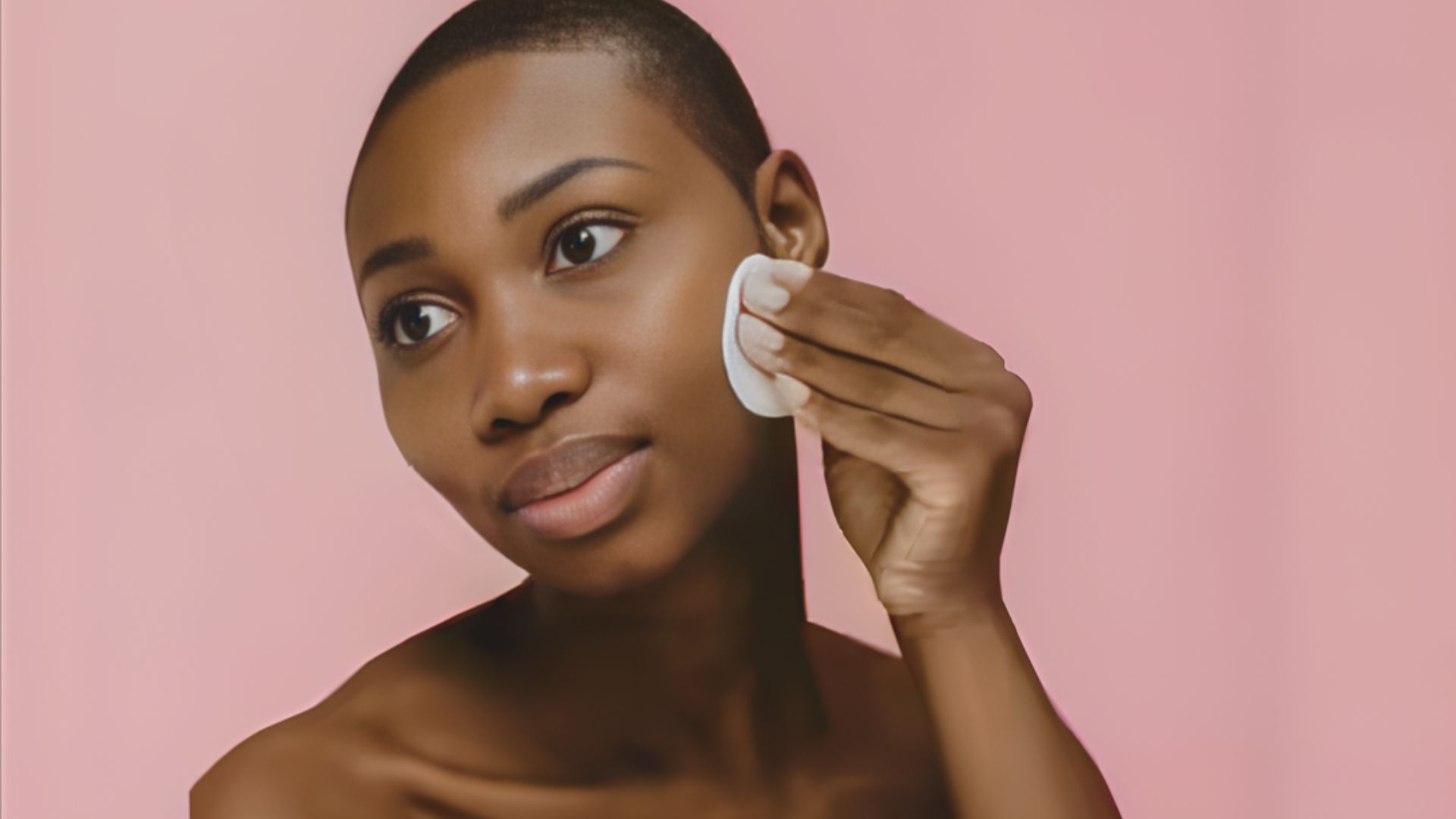
Makeup won’t harm your skin when used correctly. The real problems come from poor application habits and skipping proper removal.
Makeup Itself isn’t Inherently Harmful
Makeup doesn’t automatically damage your skin. It boosts confidence and lets you express yourself without causing harm.
What matters is how you use it. Dermatologists say quality products, applied and removed properly, won’t speed up aging.
Common Issues from Improper Use
Problems happen when we get careless. Here’s what goes wrong:
- Clogged pores: Makeup trapped in pores mixes with oil and dead skin. This creates blackheads, breakouts, and rough texture that ages your appearance.
- Dehydration: Ingredients like alcohol and SLS strip moisture away. Your skin becomes tight, flaky, and develops more fine lines.
- Incomplete cleansing: Skipping nighttime cleansing is damaging. Your skin repairs itself during sleep. Leftover makeup blocks this process and stops proper recovery.
Does Sleeping in Makeup Accelerate Aging?

Yes, it does. Sleeping in makeup is one of the worst things you can do for your skin’s aging process.
How Skin Regenerates During Sleep
Your skin works hard while you rest. During sleep, your body ramps up collagen production, which keeps skin firm and plump.
Cell turnover speeds up at night too. Old, damaged cells shed away and fresh ones move to the surface.
Your skin also activates repair mechanisms that fix damage from pollution, sun exposure, and daily stress.
Effects of Leaving Makeup on Overnight
When you sleep in makeup, you interrupt all these healing processes.
Here’s the damage it causes:
- Breakouts and inflammation: Makeup traps bacteria against your skin all night. This leads to clogged pores, pimples, and redness that can leave lasting marks.
- Premature wrinkles: Over time, blocked pores and inflammation break down collagen faster. Fine lines and wrinkles become deeper and more visible with repeated exposure.
Dermatologist Recommendations
Skin experts are clear about this. Always remove your makeup before bed, no exceptions.
- Use gentle cleansers: Pick a cleanser that removes makeup without harsh scrubbing. Your skin shouldn’t feel tight or stripped afterward.
- Moisturize after cleansing: Apply a good moisturizer to lock in hydration. This gives your skin the support it needs for overnight repair.
- Let your skin breathe: Clean, bare skin can complete its natural renewal cycle without barriers.
Makeup Ingredients That May Affect Aging
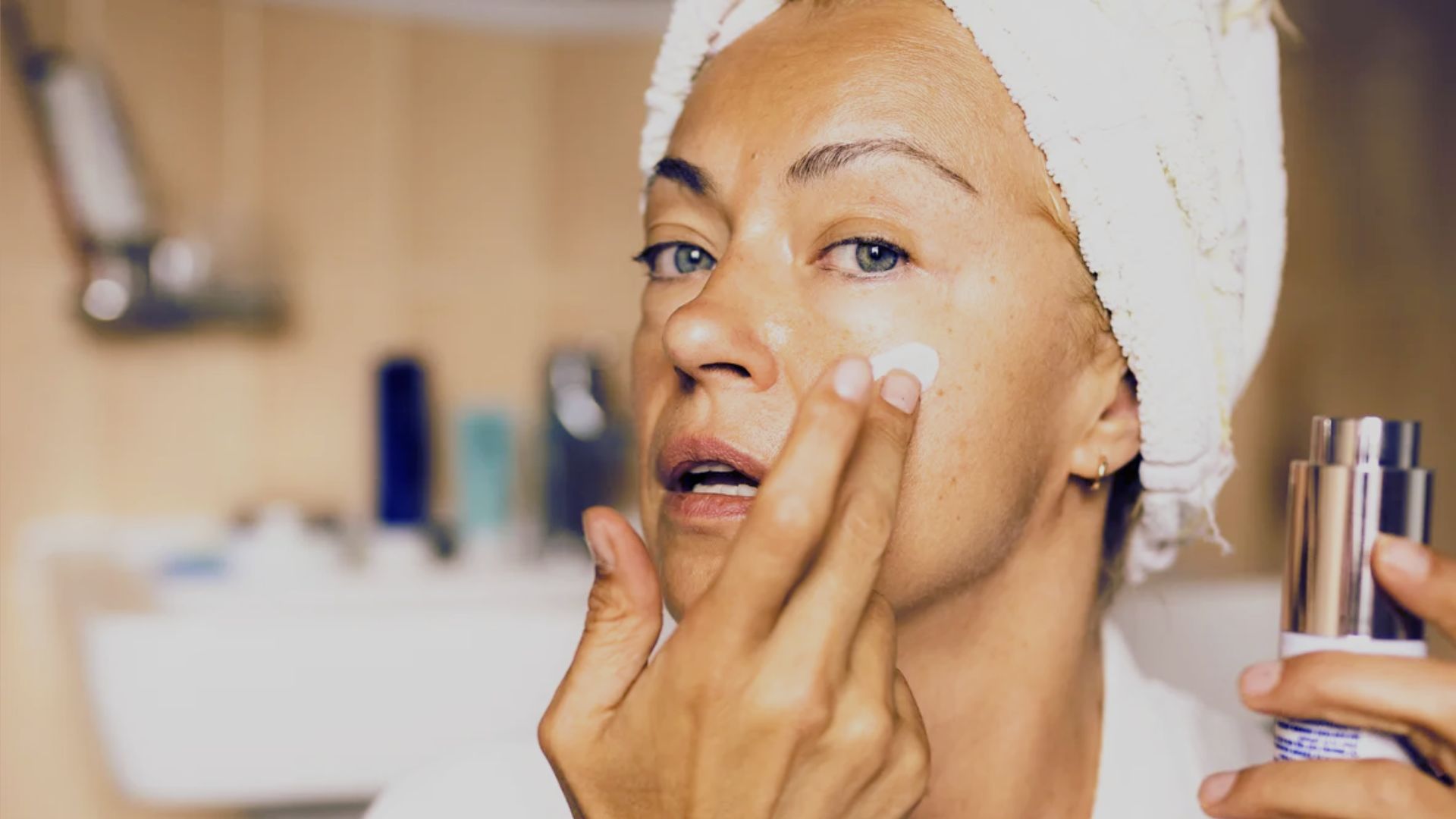
Not all makeup is created equal. Some ingredients speed up visible aging by irritating or damaging your skin over time.
Fragrance
Added scents might smell nice, but they’re a common irritant.
Sensitive skin reacts with redness, inflammation, and breakouts. Over time, this repeated irritation can leave lasting damage and make your skin age faster.
Alcohol
Alcohol-based formulas strip away your skin’s natural oils.
This leaves your face dry and dehydrated, making fine lines look deeper. The more you use these products, the more pronounced wrinkles become over time.
Coconut oil
While it works for some people, coconut oil is highly comedogenic.
If you’re prone to breakouts, it clogs pores and creates texture issues. These problems make your skin look older and less smooth than it should.
Sodium Lauryl Sulfate (SLS)
SLS creates that foamy texture in cleansers, but it’s harsh on skin.
It causes irritation, strips moisture, and can clog pores with repeated use. Your skin barrier weakens, leading to premature aging signs and sensitivity.
Choosing safer products
Protect your skin by reading labels carefully. Look for non-comedogenic formulas that won’t clog pores.
Choose gentle, dye-free, and paraben-free options. These products work with your skin instead of against it, keeping you looking younger longer.
External Factors That Contribute to Skin Aging
Makeup isn’t the only thing affecting how your skin ages. Several outside factors play a bigger role in creating wrinkles and damage.
- UV rays: Sun exposure is the number one cause of premature aging. UV rays break down collagen and elastin in your skin. This leads to deep wrinkles, sagging, and dark spots that make you look older than your years.
- Pollution: Air pollution settles on your skin throughout the day. Tiny particles penetrate your pores and cause irritation. This damage builds up over time, breaking down your skin’s protective barrier and speeding up the aging process significantly.
- Smoking: Cigarettes reduce blood flow to your skin. This means less oxygen and fewer nutrients reach your face. Your skin loses elasticity quickly, and wrinkles form much earlier than they would in non-smokers, especially around your mouth.
- Poor sleep: Skipping sleep shows on your face immediately. Dark circles, puffiness, and a dull complexion appear overnight. Long-term sleep deprivation prevents proper cell repair, leaving your skin looking tired and aged beyond your actual age.
- Inconsistent skincare: Skipping your routine or constantly switching products confuses your skin. Without regular care, dryness and sensitivity increase. Your skin can’t maintain its natural barrier, making every other aging factor hit harder and show faster on your face.
How to Minimize Makeup-Related Aging
The good news is you don’t have to give up makeup to keep your skin youthful. Start with a consistent skincare routine that includes cleansing, moisturizing, and daily sunscreen.
Consider adding retinoids or collagen-boosting treatments if your skin can handle them.
Give your face a break from makeup at least one or two days per week, especially during breakouts or irritation.
Don’t forget the basics either. Drink plenty of water, eat a balanced diet, get enough sleep, and avoid smoking. These lifestyle habits matter more than any product you put on your face.
Conclusion
So here’s the bottom line: makeup itself won’t age your skin. What matters is how you use it and care for your skin afterward.
Remove your makeup every night without fail. Check ingredient labels and avoid irritants that damage your barrier. Stick to a solid skincare routine that works for your skin type.
If you’re ever unsure about products or notice problems, talk to a dermatologist.
They can guide you toward safer choices that keep your skin healthy for years to come. Your face deserves that care, and so do you.
Frequently Asked Questions
Does wearing makeup every day damage your skin?
No, daily makeup won’t damage your skin if you use quality products and remove them properly each night. The key is choosing non-comedogenic formulas and maintaining a good cleansing routine.
What happens if I sleep in my makeup occasionally?
Sleeping in makeup blocks your skin’s natural repair process and traps bacteria against your face. Even one night can cause breakouts, inflammation, and prevent collagen production during sleep.
Which makeup ingredients should I avoid to prevent aging?
Stay away from products with alcohol, fragrance, SLS, and heavy oils like coconut oil. These ingredients dry out skin, cause irritation, or clog pores, all of which accelerate visible aging.
How often should I take breaks from wearing makeup?
Try to go makeup-free at least one to two days per week. This gives your skin time to breathe and recover, especially if you notice any irritation or breakouts.
Can sunscreen prevent makeup-related aging?
Yes, daily sunscreen is critical because UV damage is the leading cause of premature aging. Apply it under your makeup every morning to protect against sun damage and photoaging.