What Color Contour Should I Use for My Skin Tone?

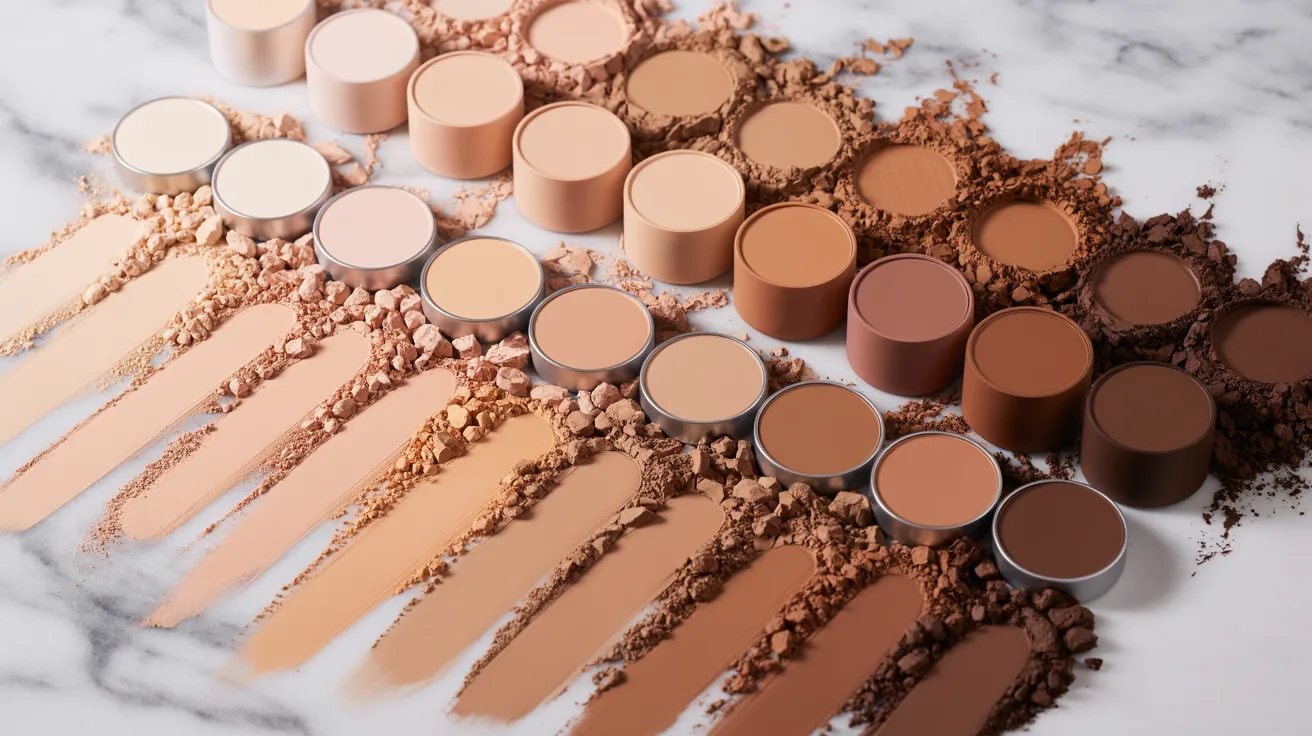
Finding the right contour shade changed everything for me. I used to grab random browns and end up with an orange streak across my cheeks. Not anymore.
This article breaks down exactly what color contour you should use for your skin tone, from fair to deep.
I’ll cover undertones, shade matching, and the most common mistakes people make along the way. No guesswork.
No wasted products. With years of testing shades across different skin tones, I know what actually works. By the end of this, you’ll know your perfect shade.
Why Choosing the Right Contour Shade Matters
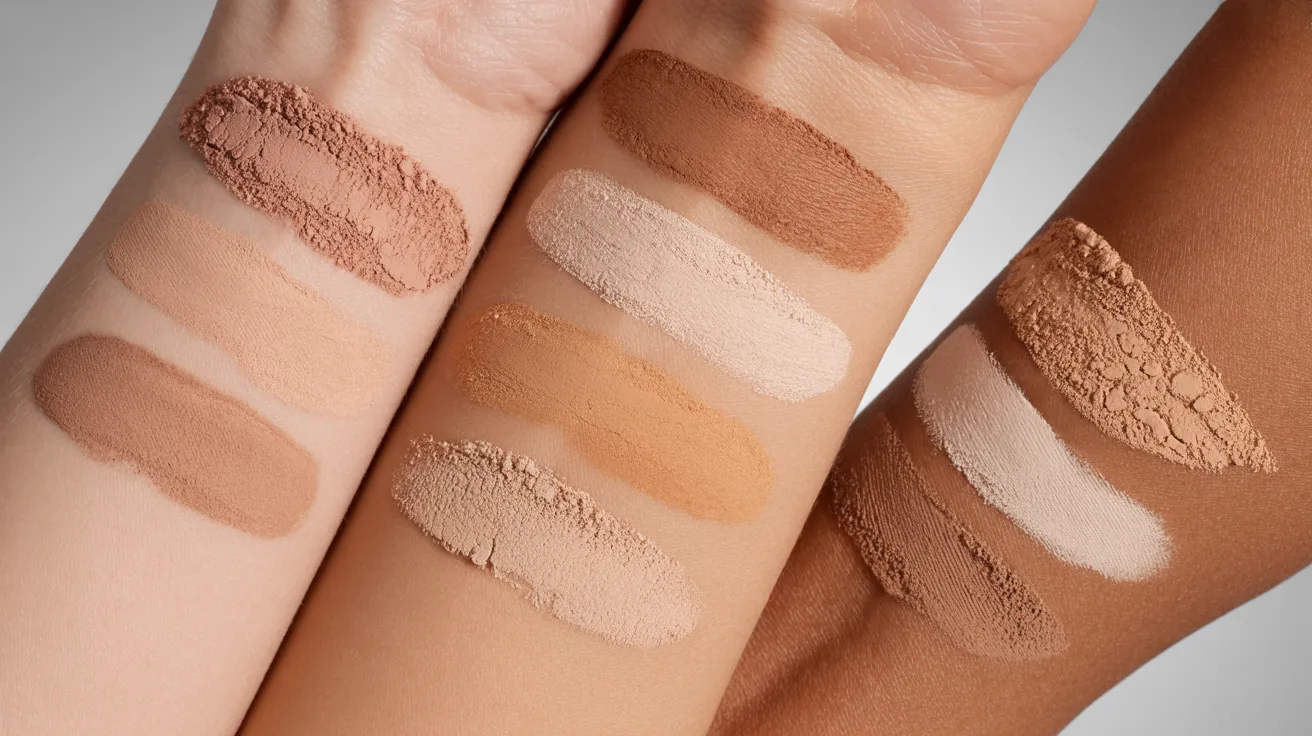
Contouring creates the look of shadow on your face, making certain areas appear smaller or more defined. The wrong shade can go orange when it’s too warm, or ashy when it’s too cool.
Both make your contour stand out for the wrong reasons. The right shade blends in and looks like a real shadow.
A simple rule to remember your contour should always be 2 to 3 shades darker than your skin tone.
Going too dark looks harsh. Staying too close does nothing. Two to three shades darker is always the sweet spot.
How to Find Your Perfect Contour Shade (Skin Tone + Undertone)

Knowing your skin tone and undertone together helps you choose a contour shade that actually works.
Identify Your Skin Tone (Fair, Light, Medium, Tan, Deep)
Skin tone is the surface color of your skin. Most people fall into one of five categories:
- Fair
- Light
- Medium
- Tan
- Deep
Look at your face in natural daylight. That’s your skin tone.
Understand Undertones (Cool, Warm, Neutral)
Undertone is the color beneath your skin. It stays the same even when your skin tans.
Check your wrist veins:
- Blue or purple veins = cool undertone
- Green veins = warm undertone
- Both = neutral undertone
This step matters a lot. It tells you if your contour should lean cool, warm, or balanced.
Match Contour to Natural Shadows
Look at your face without any makeup. Notice where natural shadows fall. Under the cheekbones, along the hairline, and under the jawline.
Your contour shade should look like those natural shadows. If it does, it’ll always look real.
What Color Contour Should I Use for Pale and Light Skin?

Pale and light skin needs the softest shades to look natural. Here is what works best.
Best Shades for Pale Skin (Soft Taupe, Cool Browns)
Pale skin needs very soft shades. A light taupe or cool-toned brown works best. Anything too dark will look like a bruise.
Look for shades described as “soft taupe,” “cool sand,” or “light ash brown.” These blend without going harsh.
Avoid anything with orange or red tones. On pale skin, they stand out badly.
Best Shades for Light Skin (Cool Beige, Subtle Browns)
Light skin can handle a bit more depth than pale skin. A cool beige or a soft brown with no orange works well here.
Brands often label these as “warm ivory” or “cool beige contour.” Try both and see which blends better into your skin.
Common Mistakes to Avoid
- Using bronzer as contour (bronzer adds warmth, contour adds shadow)
- Going too dark too fast
- Skipping blending
- Using a shade meant for deep skin on light skin
What Color Contour Should I Use for Brown and Medium Skin?

Medium and brown skin tones need warm, rich shades that add depth without looking gray or flat.
Ideal Shades for Brown Skin (Caramel, Mocha)
Medium and brown skin tones look great with caramel, warm brown, and mocha shades. These add depth without looking gray or flat.
If you have a warm undertone, go for golden brown or caramel. If you have a cool undertone, lean toward a cool mocha.
How to Avoid Ashy or Grey Tones
Ashy contour is a common issue for brown skin. It usually happens when the shade has too much gray or cool pigment.
Always swatch the product on your jawline before buying. If it looks gray on your skin in daylight, it’s not your shade.
Balancing Warm vs Cool Undertones
If your skin is medium with a warm undertone, avoid cool-toned contours. They will clash.
If your skin is medium with a cool undertone, skip warm caramel shades. Go for a dusty mauve-brown or a cool chocolate instead.
When in doubt, a neutral brown is the safest option for medium skin.
Best Contour Shades for Tan and Deep Skin Tones
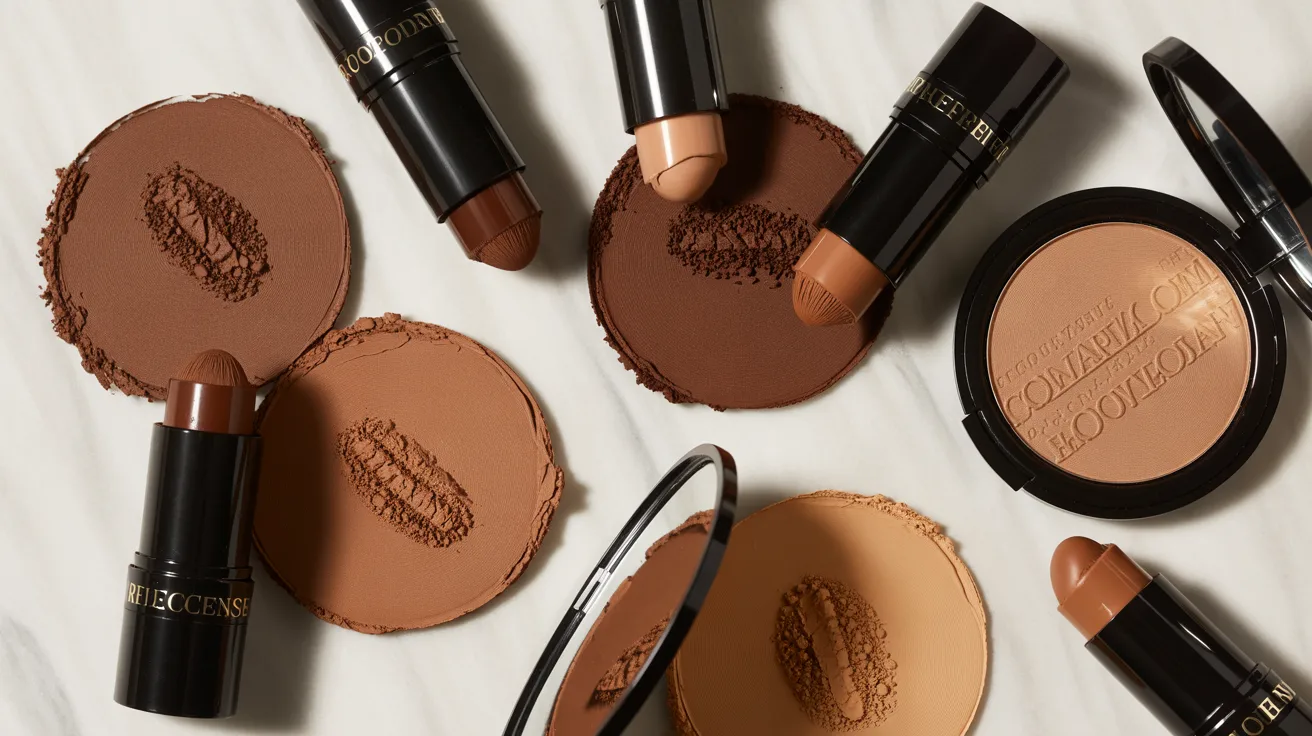
Tan and deep skin tones need rich, bold shades that show up and blend without looking muddy.
Cocoa and Golden Brown Shades for Tan Skin
Tan skin looks best with cocoa, warm brown, or golden brown shades. These show up clearly without going too dark.
If your tan skin has warm undertones, a golden brown is your best friend. If it leans cool, go for a true cocoa.
Espresso and Rich Chocolate for Deep Skin
Deep skin needs depth. Light browns do nothing. Look for espresso, rich chocolate, or deep mahogany shades.
These shades create visible shadow on deep skin without looking ashy or muddy. Make sure the shade still has warmth to it, even if you have a cool undertone.
Choosing Depth Without Looking Muddy
The key here is pigmentation and formula. A muddy look usually comes from using a powder that’s too matte and too flat.
Try a contour with a slight natural finish instead of a flat matte. It reads more like a real shadow and less like paint.
Tips for Choosing the Right Contour Shade
Small habits make a big difference when it comes to getting your contour just right.
- Always check your contour near a window; indoor lighting can be misleading.
- Step back and look at both sides of your face before stepping out.
- Start with a light hand and build the product up slowly.
- Adding more is easy, removing excess without starting over is not.
- Use cream contour for dry skin and powder contour for oily skin.
- Always blend with a damp sponge or fluffy brush until no edges are visible.
- There should be no harsh lines left when you are done blending.
Conclusion
Choosing the right contour shade doesn’t have to feel confusing. I used to grab whatever looked “dark enough” and end up with an orange streak across my cheeks every single time.
Once I figured out my undertone, everything clicked and it finally started looking natural. Start with your skin tone, understand your undertone, and go 2 to 3 shades deeper.
That’s really all it takes. Try one new shade this week and see the difference for yourself. Drop a comment below and tell me which shade works best for you!
Frequently Asked Questions
Can I use bronzer instead of contour?
Bronzer adds warmth and a sun-kissed look. Contour creates shadow and definition. They work differently, so using bronzer as contour can make your face look orange rather than sculpted.
What contour shade works for olive skin?
Olive skin tends to have neutral to warm undertones. A cool taupe or soft brown with no orange works well. Avoid anything too warm, as it can blend into your natural skin color.
Should contour be matte or shimmer?
Contour should always be matte. Shimmer adds highlight, not shadow. A matte formula gives the realistic shadow effect that makes contouring work the way it should.
How do I know if my contour shade is too dark?
If you can clearly see where the contour starts and ends after blending, it’s too dark. The right shade should disappear into your skin and look like a natural shadow.
Is powder or cream contour better for beginners?
Powder contour is easier to blend and more forgiving for beginners. Cream formulas give a natural finish but require more blending skills to avoid streaks or patchiness.