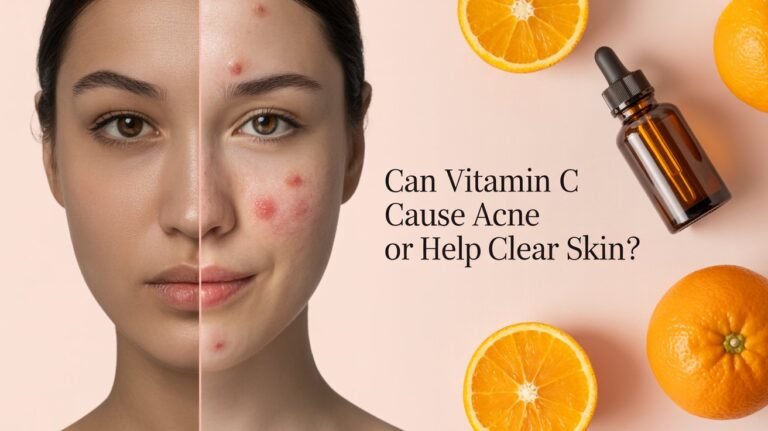
Celery Benefits for Skin: Does it Help Acne and Rosacea?


I’ve been getting questions about celery benefits for skin, especially for acne and rosacea. So I decided to dig into the research and share what actually works.
In this article, I’ll cover how celery’s nutrients support your skin, whether it can help with breakouts and redness, and how to use it safely.
You’ll learn about drinking celery juice versus applying it topically, plus when to skip it completely. I’ve spent years studying natural skin remedies, and I want to give you the honest truth about what celery can and can’t do.
Let’s look at the science behind this green vegetable and your skin.
What Nutrients in Celery Support Skin Health?
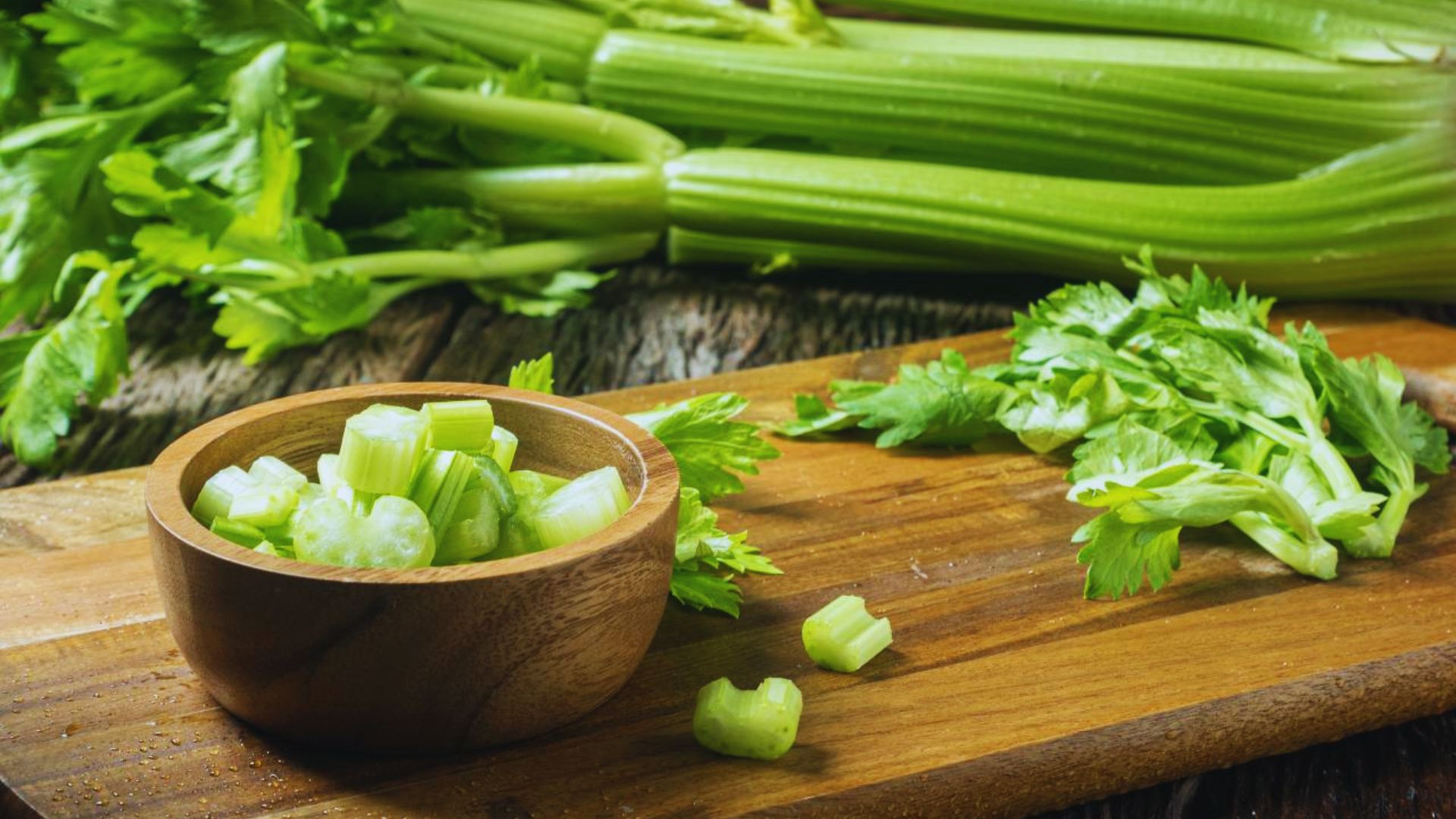
Celery contains vitamins, minerals, and antioxidants that support skin function.
Celery provides vitamin K for skin healing and vitamin A for cell turnover. It contains vitamin C, which helps your body make collagen. Celery also has potassium and folate, which help your cells function properly.
The antioxidants in celery include flavonoids and polyphenols. These fight free radicals that damage skin cells. Luteolin, a key antioxidant in celery, has anti-inflammatory properties that may help calm irritated skin.
Celery is about 95% water. This high water content helps you stay hydrated. Good hydration supports your skin barrier and helps your skin hold moisture better.
How Celery May Help Acne-Prone Skin

Acne happens when pores get clogged with oil, dead skin cells, and bacteria. Inflammation makes the problem worse.
Reducing Inflammation
Acne involves a lot of inflammation. The redness and swelling you see are inflammatory responses.
Celery’s antioxidants may help reduce this inflammation. Compounds like luteolin can calm inflammatory pathways in your body. However, eating celery won’t cure acne on its own.
Calming Red Breakouts
The cooling properties of celery might soothe irritated skin. Some people apply celery juice directly to red areas.
The vitamin K in celery may help reduce redness. Keep in mind that everyone’s skin reacts differently.
Supporting Skin Recovery
After a breakout heals, your skin needs to repair itself. Vitamin C in celery supports collagen production.
The hydration from celery also supports healing. But don’t expect miracles. Acne scars need proper treatment.
Excess Oil and Clogged Pores
There’s no strong evidence that celery reduces oil production. Your sebaceous glands respond to hormones, not vegetables.
Celery won’t unclog your pores directly. You still need proper cleansing and exfoliation for that.
Does Celery Help with Rosacea Symptoms?
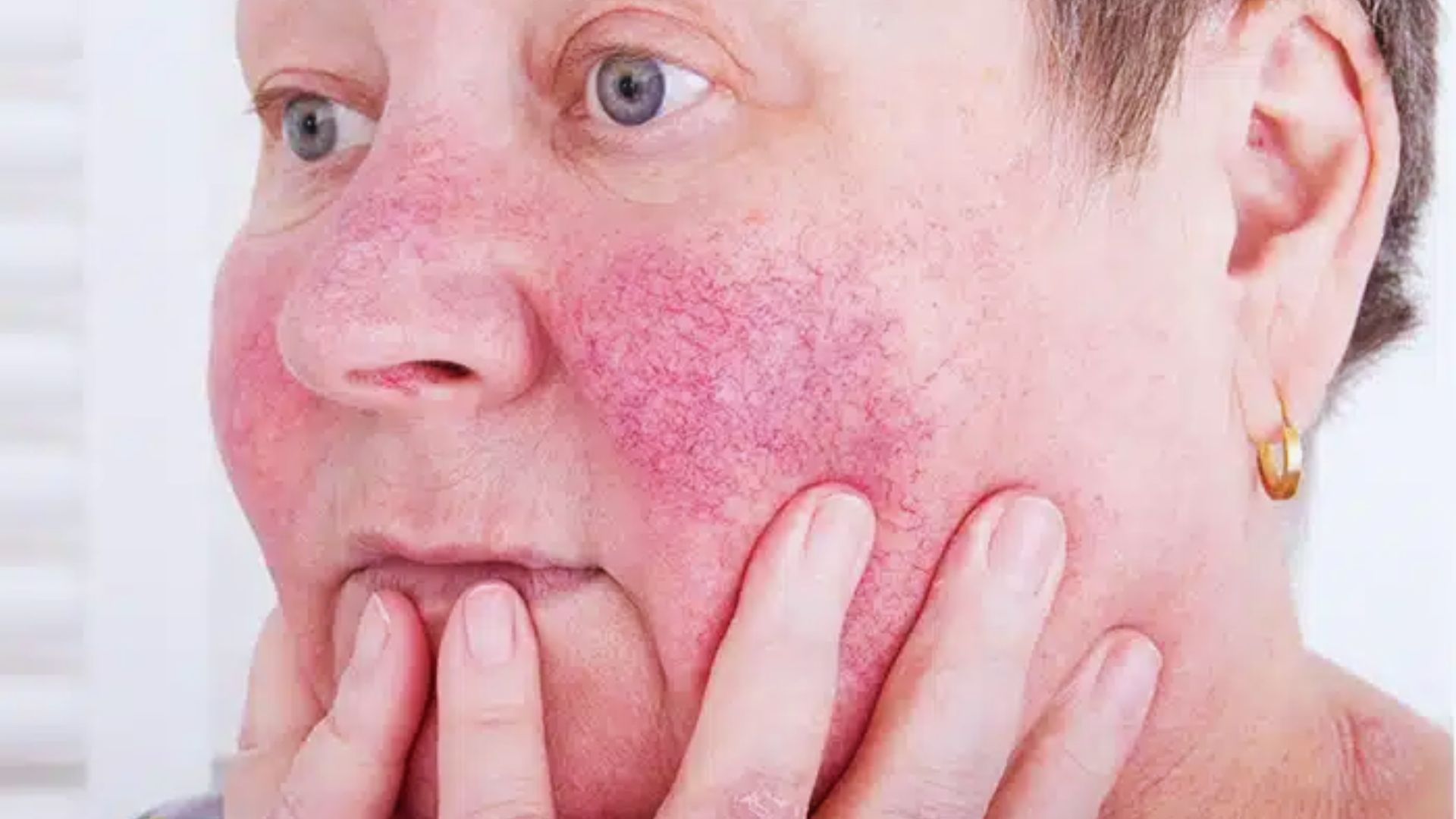
Rosacea causes facial redness, flushing, and sensitivity. It’s a chronic condition that needs careful management.
Reducing Redness and Flushing
Rosacea-related redness comes from dilated blood vessels and inflammation. Celery’s anti-inflammatory compounds might help calm some of this response.
The cooling sensation of celery can feel soothing on flushed skin. However, rosacea triggers vary by person. Always test carefully.
Soothing Sensitive Skin
Celery contains compounds that may calm reactive skin. The high water content can feel refreshing without harsh chemicals.
The antioxidants in celery fight oxidative stress. That said, celery isn’t a rosacea treatment. It’s just a supportive food that some people tolerate well.
Safety For Rosacea-Prone Skin
This depends on your individual skin. Rosacea skin is highly reactive.
Celery contains natural compounds called psoralens. These can make your skin more sensitive to sunlight.
I always recommend patch testing first. Apply a small amount of celery juice to your inner arm. Wait 24 hours before trying it on your face.
Celery Juice for Skin: Does Drinking Celery Help Acne and Rosacea?

Drinking celery juice has become popular for skin health. Let’s look at what it actually does.
Drinking celery juice gives you extra fluids and helps maintain your skin’s moisture barrier. It provides nutrients without added sugar.
The antioxidants in celery juice travel through your bloodstream to reach your skin. They might help reduce inflammation, but the effect is subtle and takes time.
Whole celery gives you fiber along with nutrients. Fiber supports gut health, which often means healthier skin. I prefer eating whole celery since you get the complete package.
How to Use Celery on the Skin for Acne and Rosacea

Some people apply celery directly to their skin. Here’s what you need to know before trying it.
Applying Celery to Your Face
Yes, you can make a paste or juice from celery and apply it topically. Clean your face first. Then apply the celery juice with a cotton pad or your fingers.
Leave it on for 10-15 minutes. Rinse with cool water.
Always do this in the evening. Never apply celery before going in the sun.
Safety for Sensitive Skin
Celery is generally gentle, but not for everyone. Sensitive skin can react to natural ingredients just like synthetic ones.
The psoralens in celery can cause photosensitivity. Some people develop contact dermatitis from celery.
When to Avoid Celery
Skip celery if you have open wounds or active breakouts. Don’t use celery if you’re going outside during the day.
Avoid it if you’ve had allergic reactions to celery when eating it. People taking photosensitizing medications should also avoid topical celery.
Tips for Using Celery Safely on Your Skin
Natural doesn’t always mean safe. Here are some safety tips when using celery on your skin.
- Always patch tests first. Apply a small amount of celery to your inner forearm, cover it, and check after 24 hours for any redness or itching.
- Watch for sun sensitivity. Celery contains psoralens that can cause phytophotodermatitis when combined with UV light, leading to burns and dark patches.
- Look for irritation signs. Some people develop redness, stinging, dryness, or allergic reactions like hives and swelling from celery.
- Stop if you react. Immediately wash your face with cool water and mild cleanser if you notice any negative reaction.
- See a doctor for severe reactions. If you develop blisters or severe burning, get medical help right away.
Can Celery Replace Acne or Rosacea Treatment?
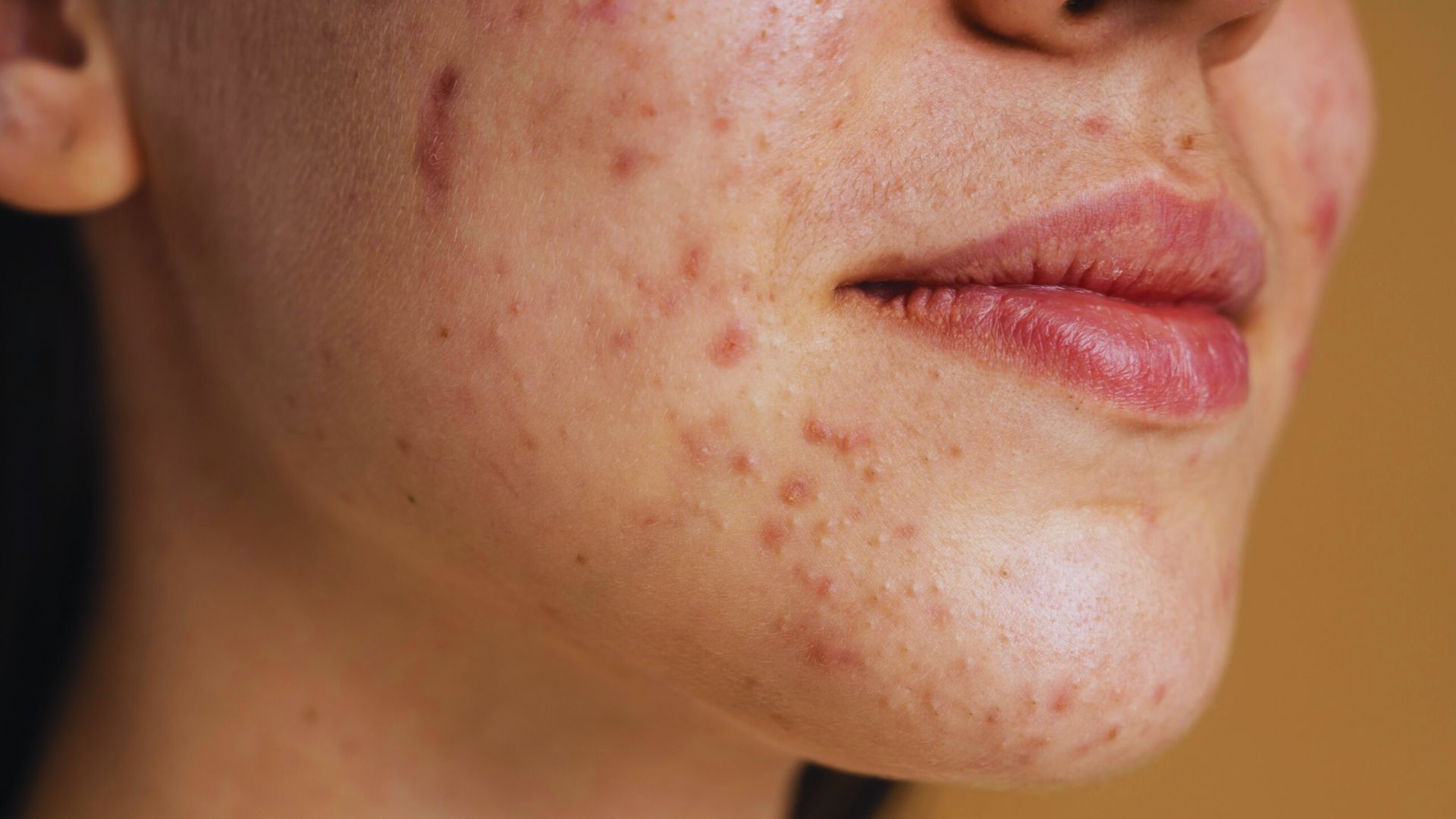
The short answer is no. Let me explain why.
Acne responds best to proven treatments like retinoids, benzoyl peroxide, and salicylic acid. Celery might support your skin health, but it won’t clear moderate to severe acne on its own. You need ingredients that actually fight acne bacteria and unclog pores.
Rosacea requires medical management. Dermatologists prescribe specific treatments based on your rosacea type. Celery cannot replace these medications since rosacea is a complex condition involving blood vessels, inflammation, and sometimes bacteria.
Think of celery as a supplement to your main routine, not a replacement. You can drink celery juice as part of a healthy diet. Keep using your prescribed treatments and talk to your dermatologist about any new additions to your routine.
Conclusion
I’ve tried many natural remedies over the years, and celery has some real benefits for overall health. But for acne and rosacea, it’s a helper, not a cure.
The celery benefits for skin come mainly from hydration and mild anti-inflammatory effects. If you want to try it, go ahead, but keep your expectations realistic.
Always patch tests first, and never skip your proven treatments. Your skin deserves the best care possible.
Have you tried celery for your skin? Leave a comment below and share your experience. I’d love to hear what worked for you.
Frequently Asked Questions
Does drinking celery juice clear acne?
Celery juice provides hydration and antioxidants that may reduce inflammation. However, it won’t clear acne on its own.
Can I put raw celery on my face?
Yes, but apply the juice for 10-15 minutes only. Always patch test first and avoid sun exposure afterward.
How long does it take for celery to help skin?
You might see subtle changes after several weeks of consistent use. Most people won’t notice dramatic improvements from celery alone.
Is celery good for rosacea redness?
Celery might help some people with mild redness. However, it’s not a rosacea treatment and can increase sun sensitivity.
What are the side effects of celery on skin?
Celery can cause burns and dark spots when combined with sun exposure. Some people develop redness or itching.