How to Get Rid of Brown Spots on Face Fast

Brown spots can make your skin look older, uneven, and dull. And the worst part? Most products promise results but take forever to work.
I’ve spent years figuring out how to get rid of brown spots on face the right way.
If you’re looking for how to get rid of brown spots on face fast, the key is combining the right ingredients with daily sun protection.
In this guide, I’ll walk you through what causes them, which hyperpigmentation treatments actually work, the fastest removal methods, and a simple daily routine to fade dark spots on your face for good.
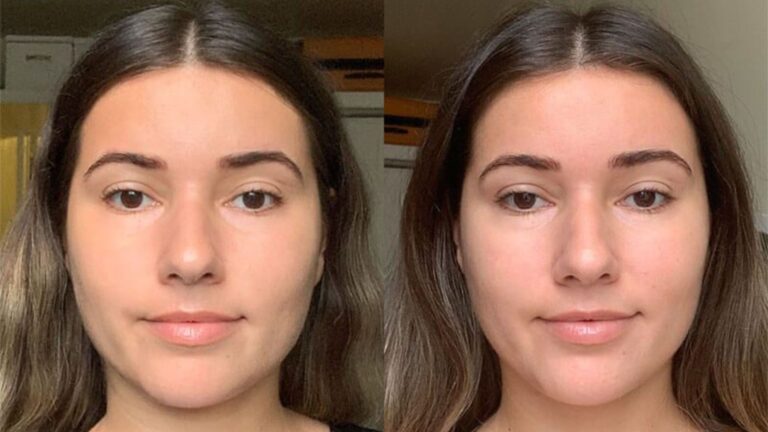
I tested this routine consistently and reduced visible brown spots on my cheeks within eight weeks, without professional treatments. Everything here is grounded in real experience.
Let’s get into it.
What Are Brown Spots on the Face?
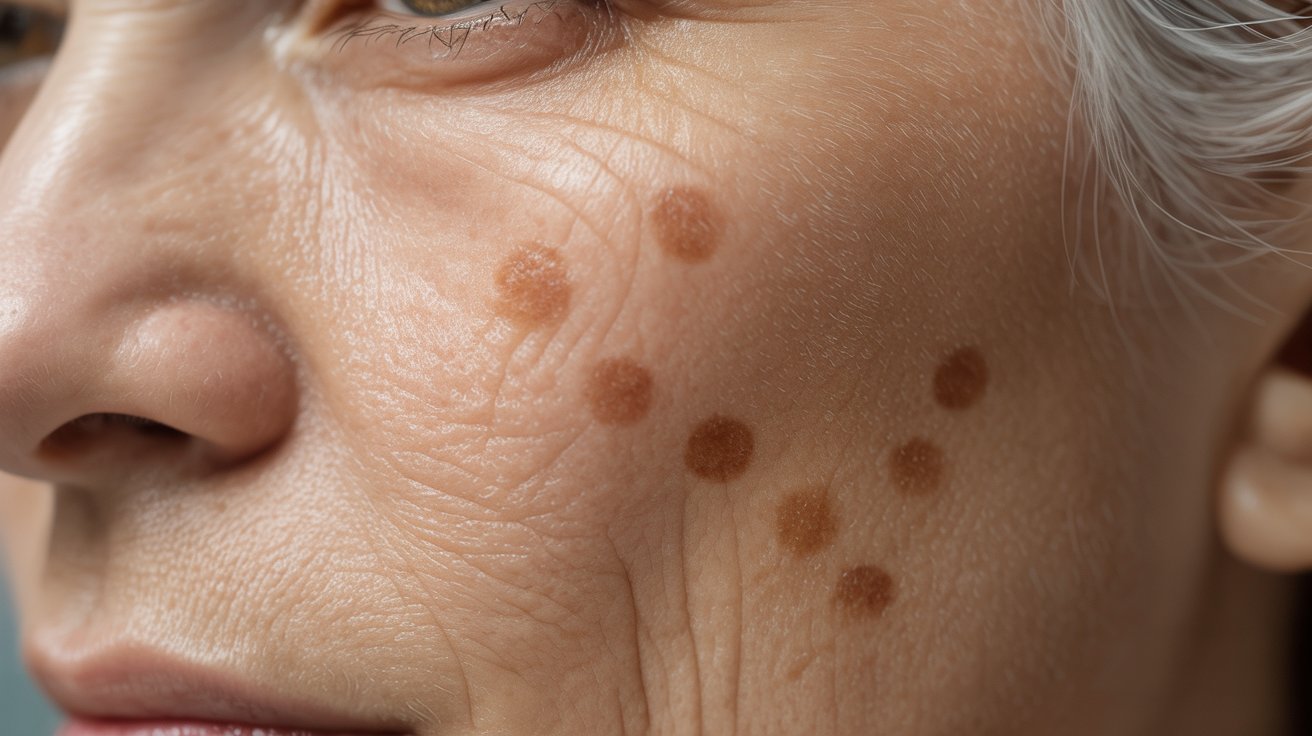
Brown spots are flat, darkened patches that appear on the skin. They can show up on your cheeks, forehead, nose, or chin. They’re usually harmless but they make your complexion look uneven.
These spots form when your skin produces too much melanin in one area. Melanin is the pigment responsible for skin color. When it clusters in one spot, a darker patch appears.
They go by several names. Age spots. Sun spots. Liver spots. Hyperpigmentation.
They all point to the same issue: uneven pigment.
What Causes Brown Spots on the Face?
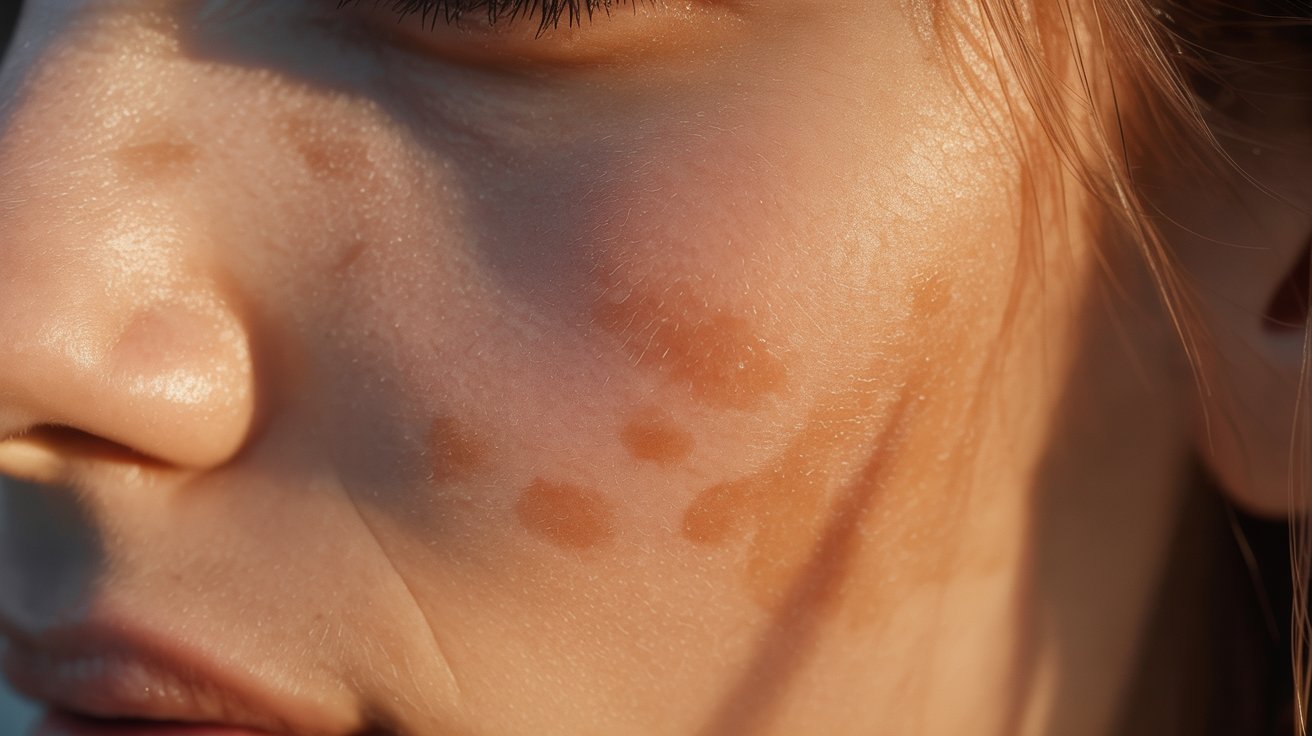
There are a few main triggers.
Sun exposure is the biggest one. UV rays push your skin to produce extra melanin. Over time, this shows up as dark spots, especially on areas that get frequent sun.
Hormonal changes also play a role. Pregnancy, birth control, and hormone shifts can trigger melasma, a common type of brown spotting.
Aging slows your skin’s ability to spread melanin evenly. Spots tend to appear more after your thirties.
Inflammation from acne or skin injuries leaves dark marks behind. This is called post-inflammatory hyperpigmentation, or PIH.
Types of Brown Spots You Should Know
Not all dark spots on your face are the same. Here are the most common types:
- Sun spots (solar lentigines): Caused by years of UV exposure. More common after age 40.
- Melasma: Triggered by hormones. Often appears during pregnancy or while on birth control.
- Post-inflammatory hyperpigmentation: Dark marks left after acne or skin damage.
- Freckles: Small spots linked to genetics and sun. Usually harmless.
Knowing your type helps you pick the right treatment. What clears melasma may not fully work on sun spots.
How to Get Rid of Brown Spots on Face (Proven Treatments That Work)
Not all treatments are created equal. Here’s what actually has science and real results behind it.
Topical Treatments
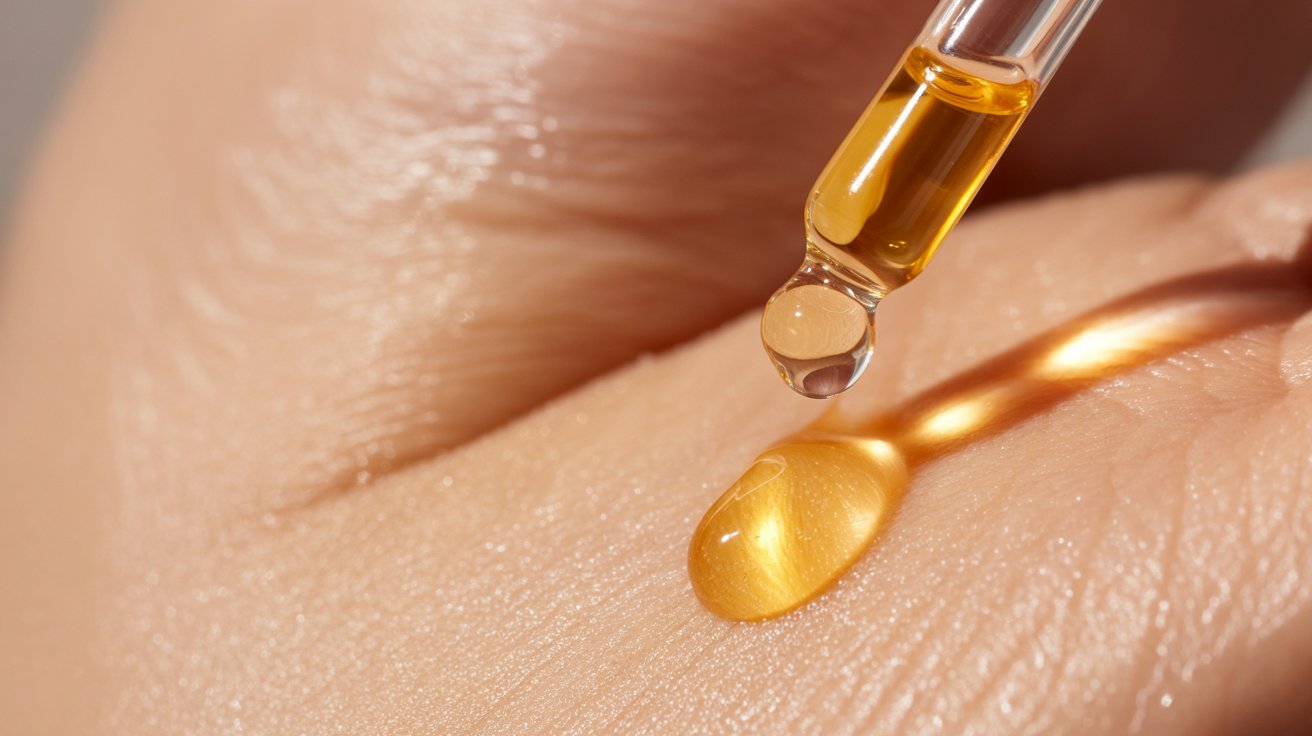
These are products you apply directly to your skin. They work by slowing melanin production or speeding up cell turnover.
Vitamin C serums are one of the best treatments for brown spots on face. They brighten skin and fade spots over time. I apply one every morning and noticed a real shift within weeks.
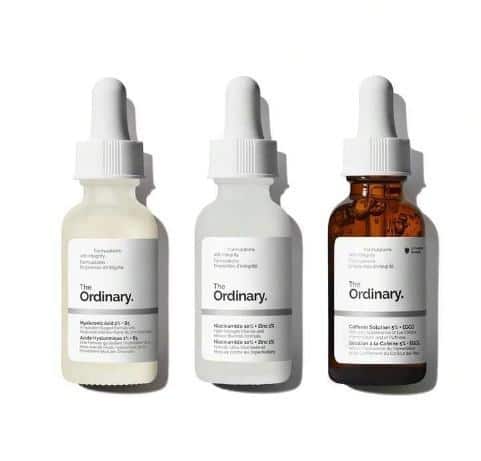
Niacinamide reduces pigmentation and calms the skin. It’s gentle enough for daily use on most skin types.
Retinoids are one of the most effective hyperpigmentation treatments available. They push out darker cells faster by speeding up cell turnover. Start slow. Use two or three nights a week at first.
Hydroquinone is a prescription-strength lightening agent. It works well but needs dermatologist supervision.
Kojic acid and azelaic acid are gentler options. Both work well for mild to moderate brown spot removal.
Professional Dermatological Treatments
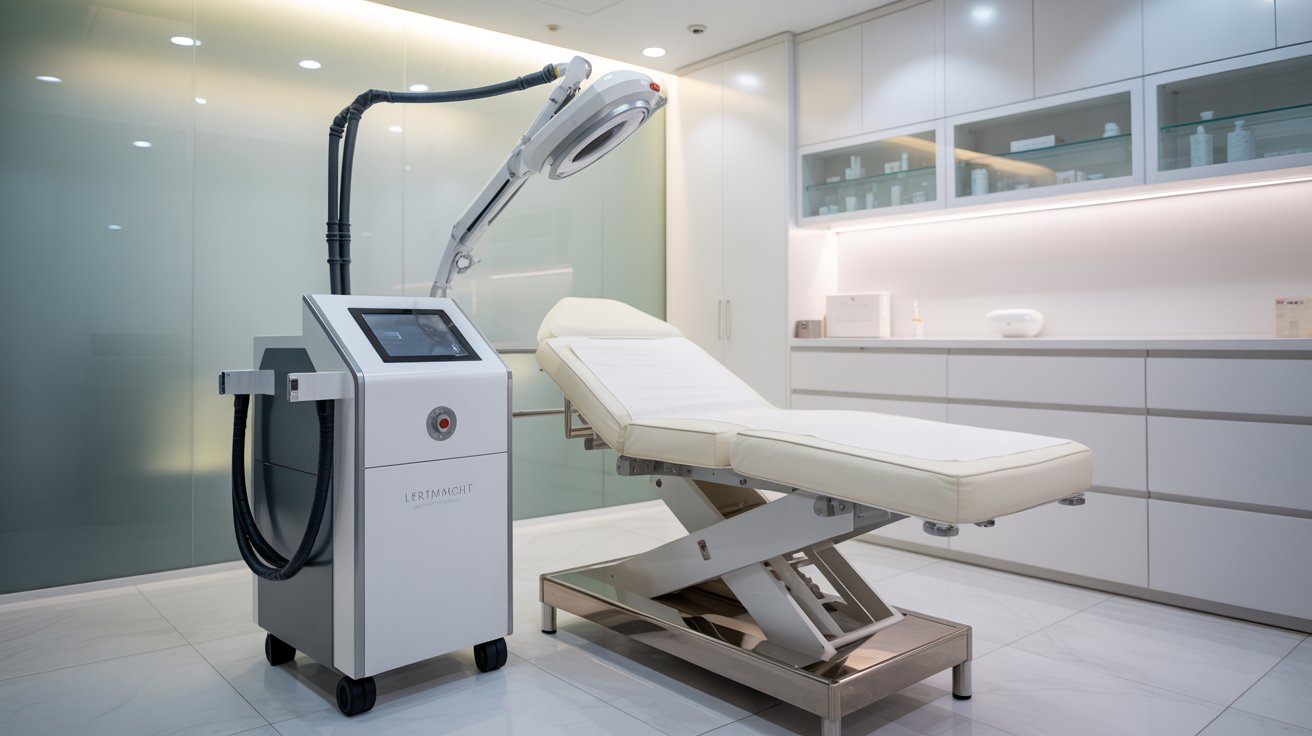
If topical products aren’t enough, professional treatments go deeper.
Chemical peels remove the top skin layer. They fade brown spots within a few weeks.
Laser therapy targets pigment directly and breaks it down. Multiple sessions are often needed.
IPL (Intense Pulsed Light) treats sun damage using light energy. It’s popular for removing dark spots caused by sun exposure.
Microdermabrasion works best on lighter surface spots. It gently sands the outer skin layer.
These options cost more and may involve downtime. But they deliver faster results than creams alone.
Fastest Ways to Remove Brown Spots on Face
If you want the fastest possible results, skip trial-and-error and focus on these methods:
- Laser therapy: Fastest results. Can show improvement in two to four weeks.
- Chemical peel: Visible fading in two to four weeks.
- Hydroquinone (prescription): Clinical-grade lightening in four to eight weeks.
- Retinoid plus vitamin C combo: Best treatment for brown spots on face at home. Results in six to eight weeks.
I personally used a retinoid and vitamin C combination and reduced my spots significantly by week eight. That’s where I’d start before spending money on professional options.
Most effective treatments for brown spots work by either reducing melanin production or speeding up skin cell turnover. This routine does both.
Brown Spots Removal Treatments Compared
Each treatment works differently. Here’s a quick breakdown to help you decide what fits your skin and timeline best.
| Treatment | Speed | Best For |
|---|---|---|
|
Laser |
Very fast |
Deep spots |
|
Chemical peel |
Fast |
Surface spots |
|
Hydroquinone |
Medium-fast |
All types |
|
Retinoids |
Medium |
All types |
|
Natural remedies |
Slow |
Mild spots |
Use this as a starting point. Your skin type, budget, and spot depth will shape the final call.
Natural Remedies for Brown Spots (Do They Really Work?)
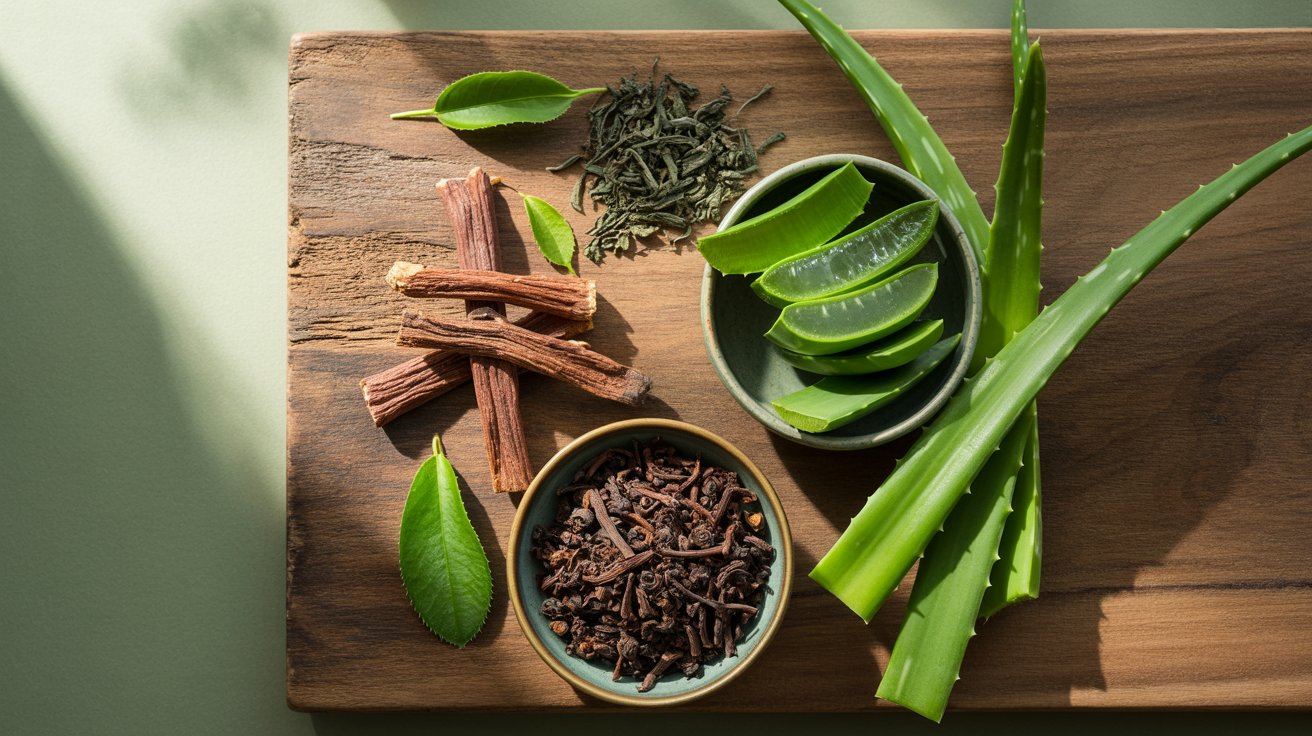
Many people want to try natural options first. I did too.
Some have real backing. Aloe vera contains a compound called aloesin, which may slow melanin production. Fresh aloe gel used daily can help fade mild spots gradually.
Green tea extract has antioxidants that may reduce pigmentation with consistent use.
Licorice root extract contains glabridin, which interferes with melanin production and is backed by research.
That said, natural remedies work slowly. They’re better for mild spots and maintenance. If your hyperpigmentation is deep or widespread, you’ll need something stronger.
How to Prevent Brown Spots from Coming Back
Getting rid of brown spots is one thing. Keeping them away is another.
Sunscreen is the most important step. Use SPF 30 or higher every single day, even indoors. UV rays come through windows.
I skipped sunscreen for years and paid for it with new spots every season.
Wear a hat outdoors. Avoid peak sun between 10 a.m. and 4 p.m.
Avoid picking at your skin. Every popped pimple risks leaving a dark mark behind.
Keep your skin barrier healthy. Strong, hydrated skin recovers faster from inflammation and spots, a nourishing face moisturizer used twice daily helps support that barrier while other actives do their work.
Best Skincare Routine to Fade Brown Spots
Consistency is what actually fades dark spots. Here’s the routine I follow to get rid of brown spots on face fast naturally over time.
Morning Routine
- Gentle cleanser: Start with a clean face.
- Vitamin C serum: Apply to damp skin. Fights free radicals and fades dark spots on face.
- Niacinamide: Layer over the serum for added pigment control.
- Moisturizer: Lock in hydration.
- SPF 30 or higher: Always the last step. Non-negotiable.
Night Routine
- Double cleanse: Remove SPF and makeup first.
- AHA toner or exfoliant: Use two to three times a week to speed cell turnover.
- Retinol: Apply to dry skin. Start at a low concentration.
- Richer moisturizer: Skin repairs itself overnight. Support that process.
Stick to this hyperpigmentation treatment at home for eight weeks before judging results. Most people quit too early.
What to Expect: Brown Spot Removal Timeline
Here’s a realistic breakdown of what happens when you stay consistent:
- Week 2: Skin looks slightly brighter overall.
- Week 4: Spots begin to look lighter around the edges.
- Week 8: Visible reduction in most surface-level dark spots.
- Month 3 to 6: Deeper spots like melasma show more significant fading.
Professional treatments speed this up. At-home routines take longer but still deliver real results.
How Long Does It Take to Remove Brown Spots?
It depends on the type and depth.
Mild surface spots can start fading in four to six weeks. Deeper spots like melasma or old sun damage need three to six months.
Professional treatments like laser can show results in two to four weeks. But they’re not always necessary if you start early and stay consistent with your routine.
When to See a Dermatologist
Most brown spots are harmless. But some need a closer look.
See a dermatologist if a spot changes shape, size, or color quickly. Also go in if the edges are uneven or the color shifts within the spot.
If a spot bleeds, won’t heal, or you’ve used over-the-counter products for three months with no change, book an appointment.
A dermatologist can confirm your spot type and recommend the best treatment for brown spots on face based on your skin.
Common Mistakes That Make Brown Spots Worse
Skipping sunscreen is the biggest one. If you use retinol or vitamin C but skip SPF, you’re working against yourself.
Using too many products at once irritates skin and causes more inflammation. Add one new product at a time.
Over-exfoliating strips your skin barrier. This leads to more dark marks, not fewer.
Stopping treatment too early is extremely common. Most people quit before results appear. Keep going.
Picking at blemishes leaves PIH marks that can take months to fade.
Conclusion
Brown spots are frustrating, but they fade with the right approach. I’ve seen real results by sticking to a simple routine and protecting my skin from the sun every single day.
Start with just two products: a vitamin C serum in the morning and SPF daily. Add retinol at night once your skin adjusts. Give it eight weeks and you’ll start to see the difference.
If products aren’t working after three months, a dermatologist can take things further. Professional treatments work fast and are worth it for stubborn spots.
The most important thing is staying consistent. What you do today shows up on your skin weeks from now. Be patient with the process.
So, which treatment are you going to try first?
Frequently Asked Questions
Can brown spots on the face be removed permanently?
Many brown spots fade significantly with consistent treatment and daily SPF. Without sun protection, they can return even after fading.
What is the fastest way to remove dark spots on the face?
Laser therapy is the fastest clinical option. At home, a retinoid combined with vitamin C is one of the most effective combos for quicker results.
Is vitamin C serum good for hyperpigmentation treatment?
Yes. Vitamin C slows melanin production and brightens skin over time. It works best when paired with SPF every morning.
How do I remove brown spots on face fast at home?
Start with a vitamin C serum, niacinamide, and retinol at night. Use SPF every day. Stick to it for at least eight weeks for visible results.
Can diet help with dark spots on the face?
A diet rich in antioxidants like vitamin C and E supports healthier skin overall. But diet alone won’t remove existing brown spots without topical treatment.