Does Caffeine Cause Acne? Real Experiences

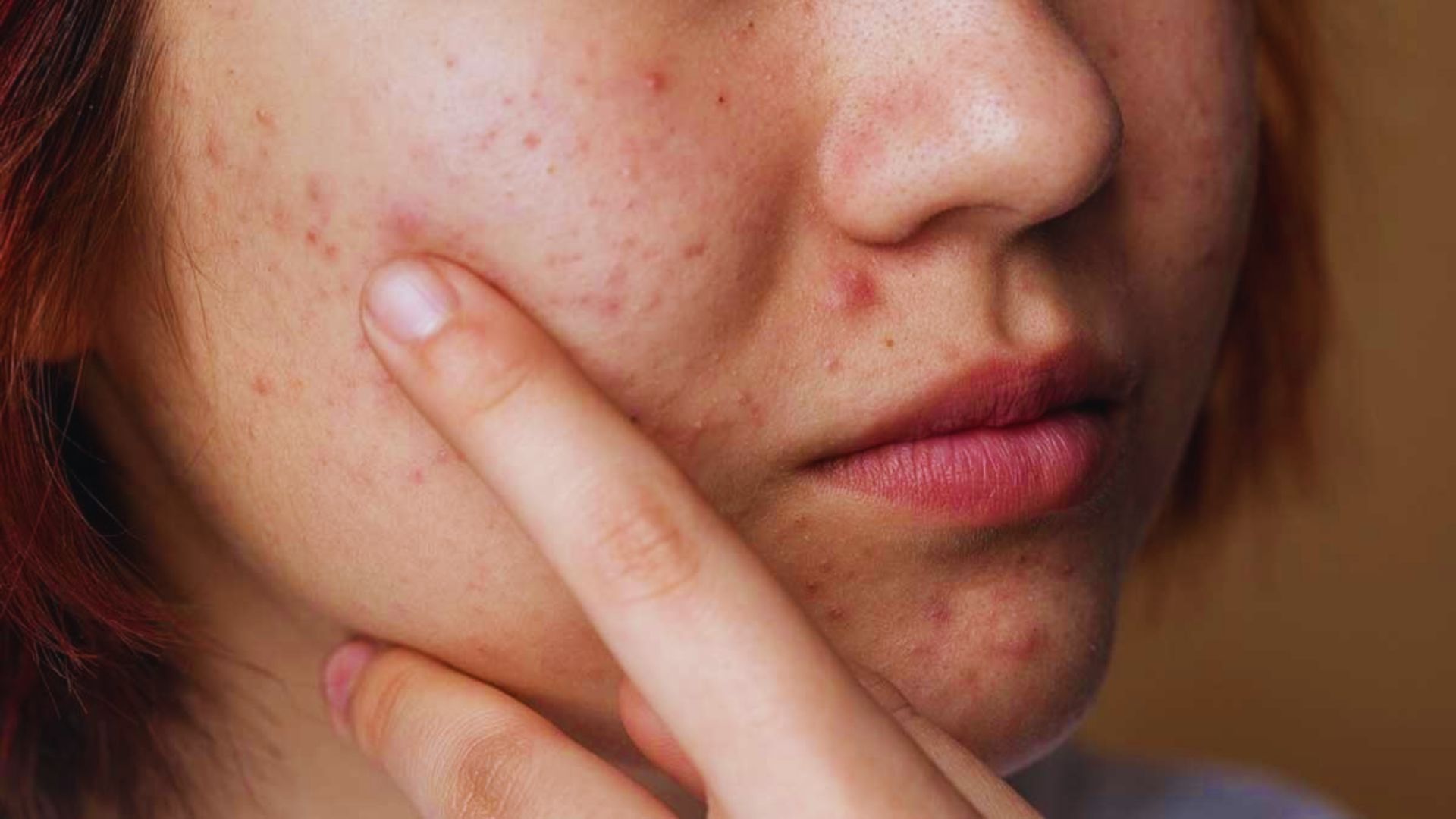
You wake up, pour your coffee, and later that day notice a new pimple on your chin.
Coincidence? Maybe. But a lot of people are asking the same question.
Caffeine is part of most people’s daily routine. But for some, it seems to show up on their skin too. Not everyone breaks out from it, and that is what makes it confusing.
This blog looks at what science says, what real people have experienced, and how you can figure out if caffeine is the problem for your skin.
Does Caffeine Cause Acne? (Real Answer + User Experiences)

Science does not directly link caffeine to acne. But many people report breaking out after drinking coffee regularly. So what is going on?
Caffeine raises cortisol levels, which can increase oil production in the skin. It also disrupts sleep, and poor sleep is a well-known acne trigger.
Some people are simply more sensitive to these effects than others.
The honest answer is that caffeine does not cause acne for everyone. Your body, hormones, and habits all play a role.
Real Stories: People Who Believe Caffeine Triggers Their Acne
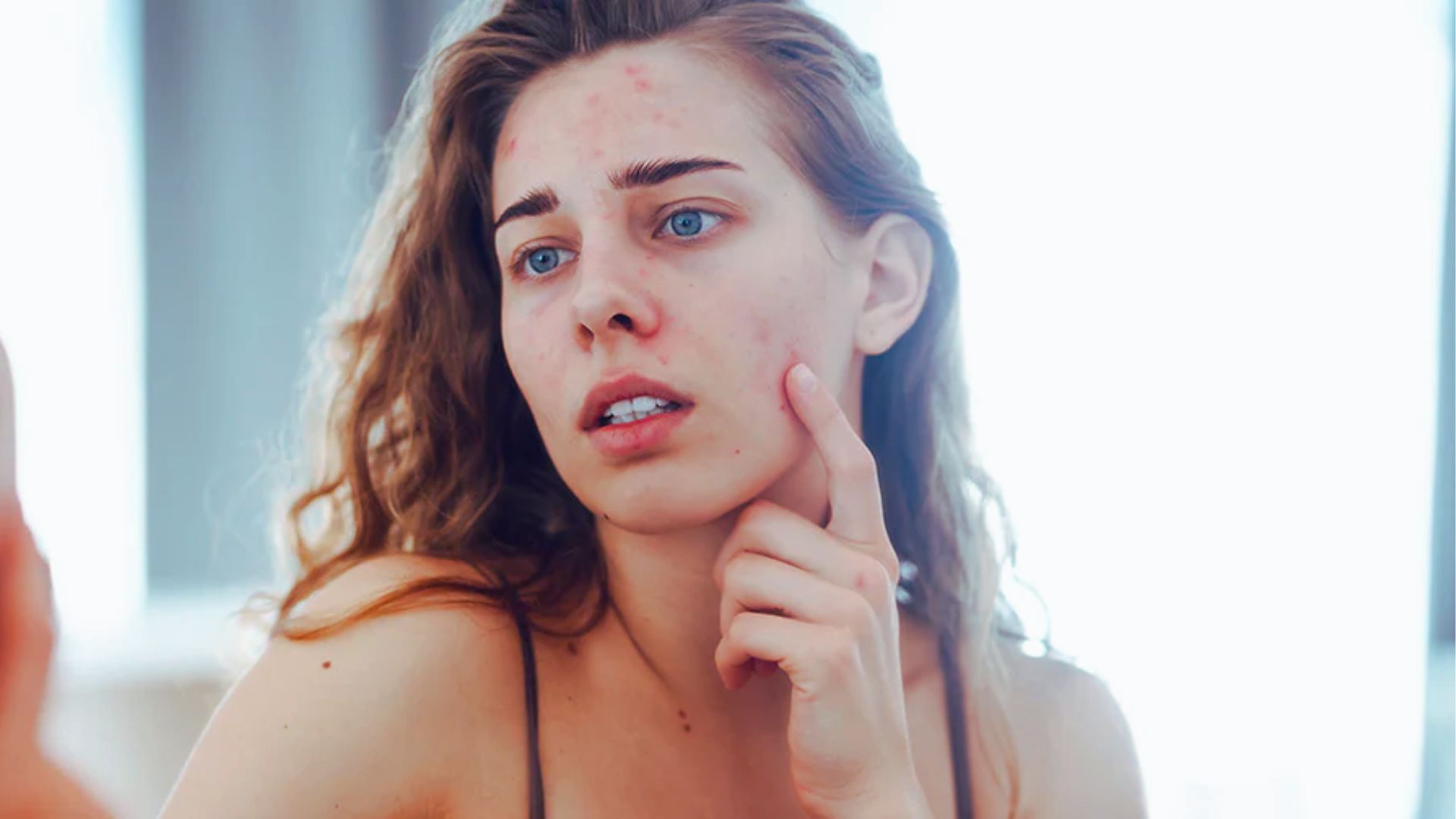
Real people, real skin changes. Here is what they noticed when caffeine entered or left their routine.
Breakouts after increasing coffee intake
Many people notice more pimples when they start drinking more coffee. A second or third cup added to their routine often lines up with new breakouts around the jaw and chin. Some link it to stress, but the timing points to caffeine.
Skin clearing after quitting caffeine
Several people report clearer skin within two to four weeks of cutting out caffeine. They did not change anything else, no new products, no diet overhaul. Just dropping coffee made a visible difference for them.
Differences between daily vs occasional drinkers
Daily coffee drinkers tend to report more consistent skin issues. Occasional drinkers rarely notice a connection. This suggests that regular, high intake may have a stronger effect on the skin than a cup here and there.
Common patterns noticed by users
Most people who link caffeine to acne notice breakouts on the lower face, especially the chin and jaw. Hormonal acne territory. They also report worse skin during high-stress periods when coffee intake tends to go up too.
Why Caffeine Might Cause Acne in Some People
Caffeine stimulates cortisol, the stress hormone. Higher cortisol levels signal your skin to produce more oil, which can clog pores and lead to breakouts.
Poor sleep makes things worse. Caffeine consumed later in the day cuts into sleep quality, and your skin repairs itself overnight. Less sleep means more inflammation and slower healing.
Not everyone reacts the same way. Some people process caffeine quickly with no skin changes at all. Others are more sensitive and feel the effects on their hormones, sleep, and skin almost immediately.
Coffee vs Caffeine: What’s Actually Causing Breakouts?

The problem might not be caffeine alone. What you add to your cup could be doing more damage than the coffee itself.
Caffeine itself vs coffee additives
Plain black coffee has a much smaller impact on skin than a fully loaded café order. The caffeine content is the same, but black coffee skips all the extras that are known to trigger breakouts in many people.
Sugar and syrups
Flavored syrups and added sugar spike blood sugar levels fast. That spike increases insulin, which then raises oil production in the skin. Regular sugary coffee drinks can quietly fuel breakouts without you connecting the two.
Dairy milk and hormonal acne
Cow’s milk contains hormones that can interfere with your own. This hormonal disruption is a common cause of chin and jawline acne. Switching to oat or almond milk has helped many people see a noticeable difference in their skin.
Energy drinks vs coffee
Energy drinks often combine caffeine with high sugar, artificial additives, and B vitamins in large doses. This mix is harder on the skin than a simple cup of coffee. People who switch from energy drinks to plain coffee sometimes notice fewer breakouts fairly quickly.
Signs Caffeine Might Be Causing Your Acne
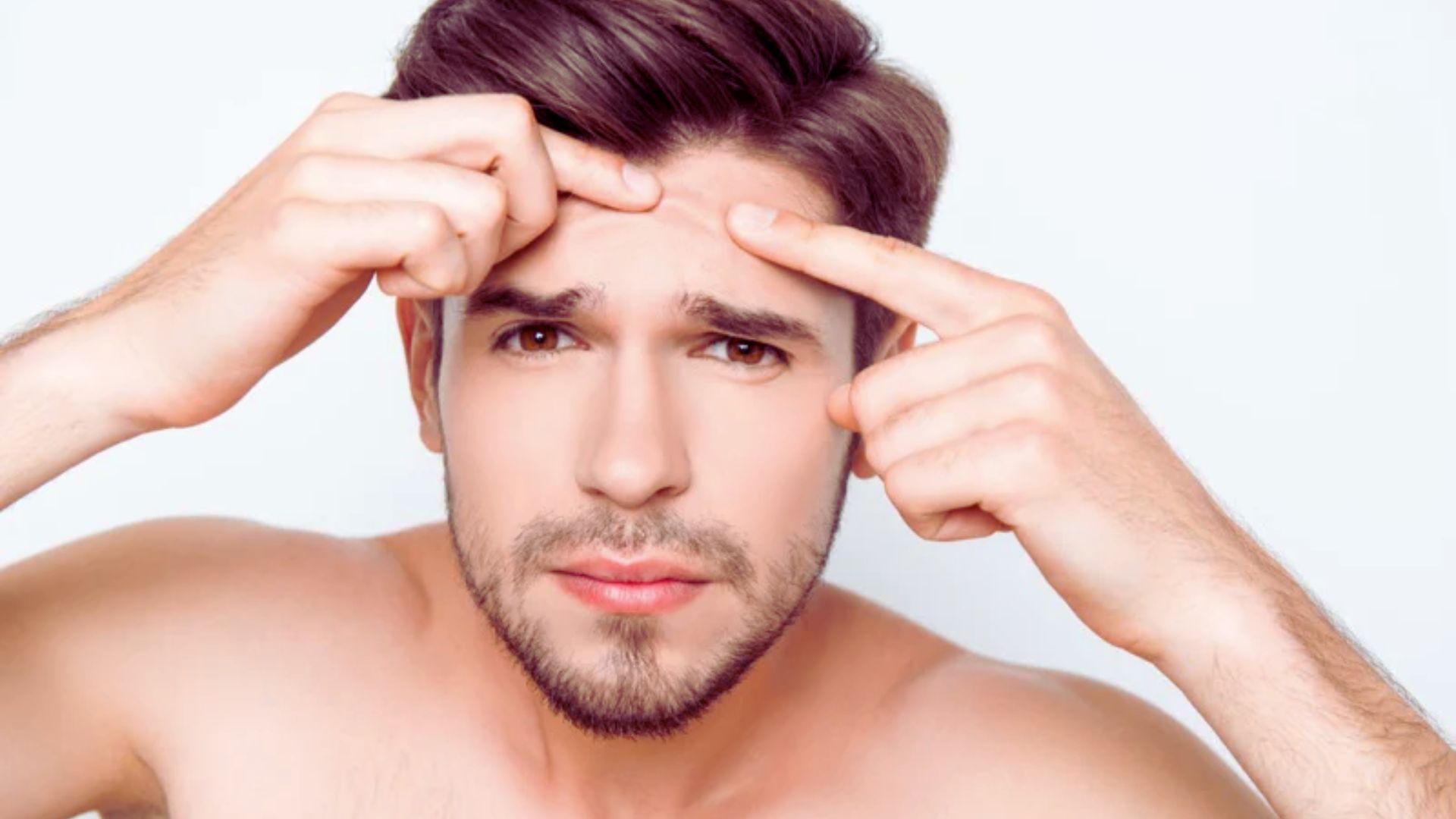
Not sure if caffeine is behind your breakouts? These signs are worth paying attention to.
Breakouts that appear within a day or two of higher caffeine intake are a red flag. Oily skin after your morning coffee is another sign to watch.
If your skin gets noticeably clearer during periods when you drink less caffeine, that pattern matters. Acne that flares alongside poor sleep, often caused by late caffeine, is also a strong indicator.
Real-Life Experiments: What Happens When You Quit Caffeine
Cutting out caffeine is one of the simplest ways to test its effect on your skin.
Most people see little change in the first week, though some report less oiliness. By weeks two to four, clearer skin becomes more noticeable.
When caffeine is reintroduced, breakouts often return within days, which confirms the connection. Over time, the pattern becomes hard to ignore.
Smaller amounts seem more manageable than going back to previous intake levels.
Types of Caffeine That May Affect Acne Differently
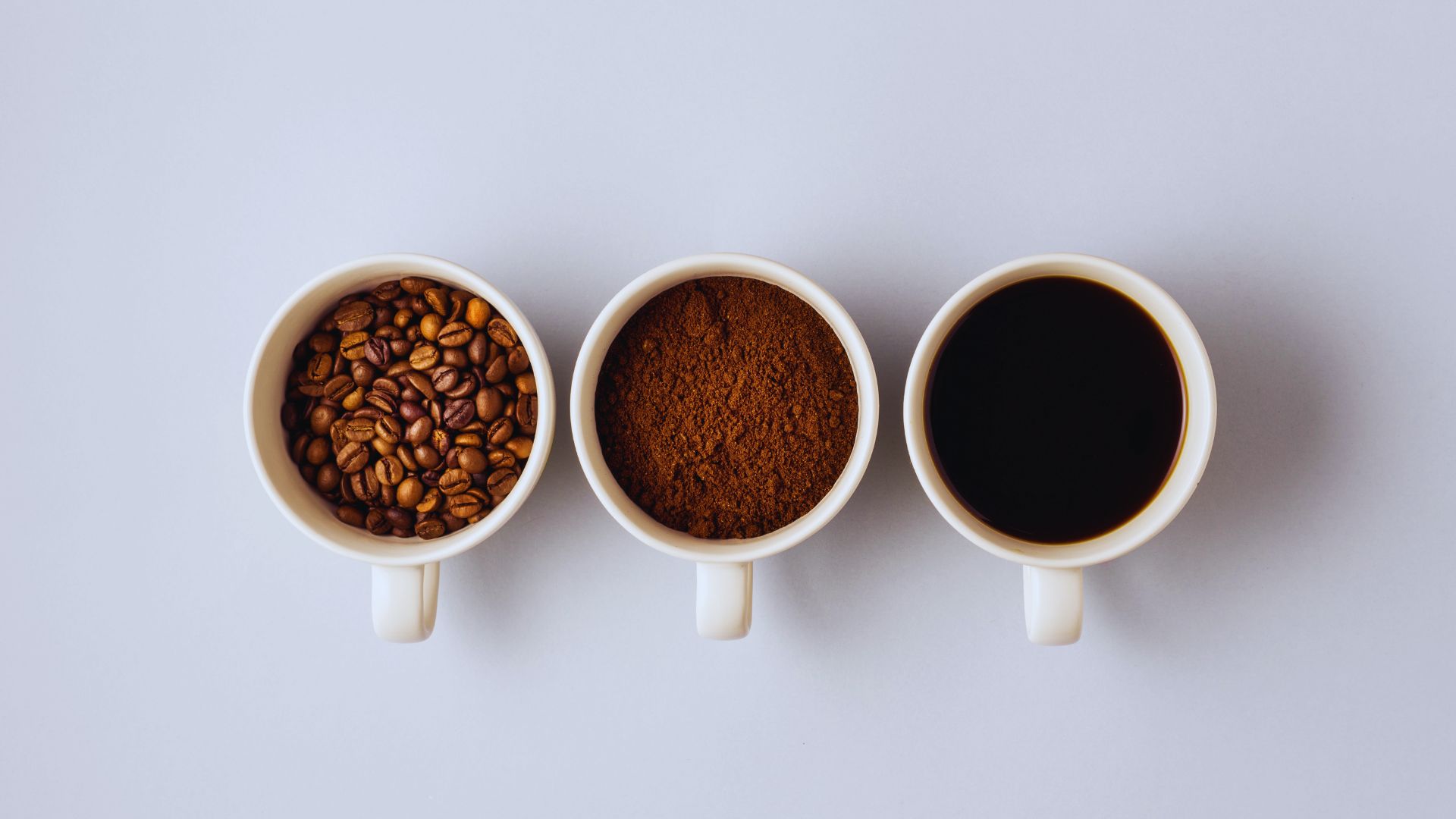
Not all caffeinated drinks affect your skin the same way. The type and what comes with it makes a real difference.
Black coffee vs sugary coffee drinks
Black coffee is the cleaner option for your skin. It skips the sugar, dairy, and syrups that are more likely to trigger breakouts. Sugary coffee drinks, on the other hand, combine multiple acne-linked ingredients in one cup, making it harder to pinpoint the actual cause.
Energy drinks and high caffeine intake
Energy drinks tend to be harder on the skin than coffee. They pack high caffeine doses alongside sugar, artificial flavors, and large amounts of B vitamins. This combination increases the chances of breakouts, especially with daily consumption.
Tea and low-caffeine alternatives
Green tea and herbal teas contain far less caffeine than coffee. Green tea even has anti-inflammatory properties that may actually support clearer skin. People who switch from coffee to tea often report a calmer skin response over time.
Decaf coffee and skin reactions
Decaf is not completely caffeine-free, but the amount is much lower. Some people still react to decaf, which suggests other compounds in coffee may also play a role. If your skin improves on decaf but not fully, other coffee acids could be worth looking into.
How to Test If Caffeine Is Causing Your Acne

A simple elimination test can give you a clear answer about caffeine and your skin.
Cut out all caffeine for at least four weeks. During this time, keep everything else the same, your diet, skincare, and sleep routine.
Track your skin daily with photos or quick notes. After four weeks, slowly reintroduce caffeine and watch for changes. Results are most reliable when nothing else shifts during the test period.
Conclusion
Caffeine does not break everyone out, but for some people, the link is very real. Cortisol, excess oil, and poor sleep are likely behind it. The only way to know is to test it yourself. Cut back for four weeks and watch what happens.
Have you noticed caffeine affecting your skin? Drop it in the comments and share this with someone fighting stubborn breakouts.
Frequently Asked Questions
Can drinking coffee every day cause acne?
Daily coffee can raise cortisol and disrupt sleep, both of which may trigger breakouts. It depends on how sensitive your skin is to these changes.
Does cutting out caffeine clear your skin?
Many people report clearer skin within two to four weeks of quitting caffeine. Results vary from person to person based on their skin type and overall diet.
Is it the caffeine or the milk and sugar causing breakouts?
It could be either. Dairy and sugar are well-known acne triggers, so your coffee additions may be doing more harm than the caffeine itself.
How long does it take to see skin changes after quitting caffeine?
Most people start noticing changes between two to four weeks. Giving it a full month gives you a more reliable result before drawing any conclusions.
Does green tea cause acne like coffee does?
Green tea has much less caffeine and contains anti-inflammatory properties. Most people find it much gentler on their skin compared to coffee or energy drinks.