15 Types of Skin Blemishes and How to Identify Them

I’ve spent years helping people understand what’s actually happening with their skin.
Skin blemishes show up without warning, and honestly, most of us have no idea what we’re looking at.
Is that a whitehead or something else? Should you worry about that dark spot?
In this guide, I’ll walk you through 15 different types of skin blemishes so you can finally identify what’s on your face.
You’ll learn the differences between acne, scars, and other marks. I’ll cover what causes them, how to spot each type, and when you need professional help.
After treating thousands of skin concerns, I know how confusing this can get. But understanding your skin doesn’t have to be hard.
Let me break it down in plain terms that actually make sense.
What Causes Skin Blemishes?

Your skin develops blemishes for many reasons. Clogged pores trap oil and dead skin cells. Hormones trigger breakouts during stress or monthly cycles.
Sun exposure creates dark spots over time. Bacteria inflame your pores and cause swelling. Genetics play a role too, some people just get more blemishes than others.
Poor skincare habits, touching your face, and certain products can make things worse.
15 Types of Skin Blemishes and How to Identify Them
Each blemish looks different and needs its own approach. Here’s how to spot what you’re dealing with.
1. Blackheads

Small dark spots caused by open clogged pores. You’ll usually see them on your nose, chin, and forehead.
They look like tiny black dots sitting right on the surface. The dark color comes from oxidation, not dirt. They feel slightly rough when you touch them.
2. Whiteheads

Closed clogged pores forming white bumps. These appear smooth and round. They’re not red or inflamed.
The bump sits just under your skin surface with a white or flesh-colored top. They’re smaller than most pimples and don’t hurt.
3. Papules

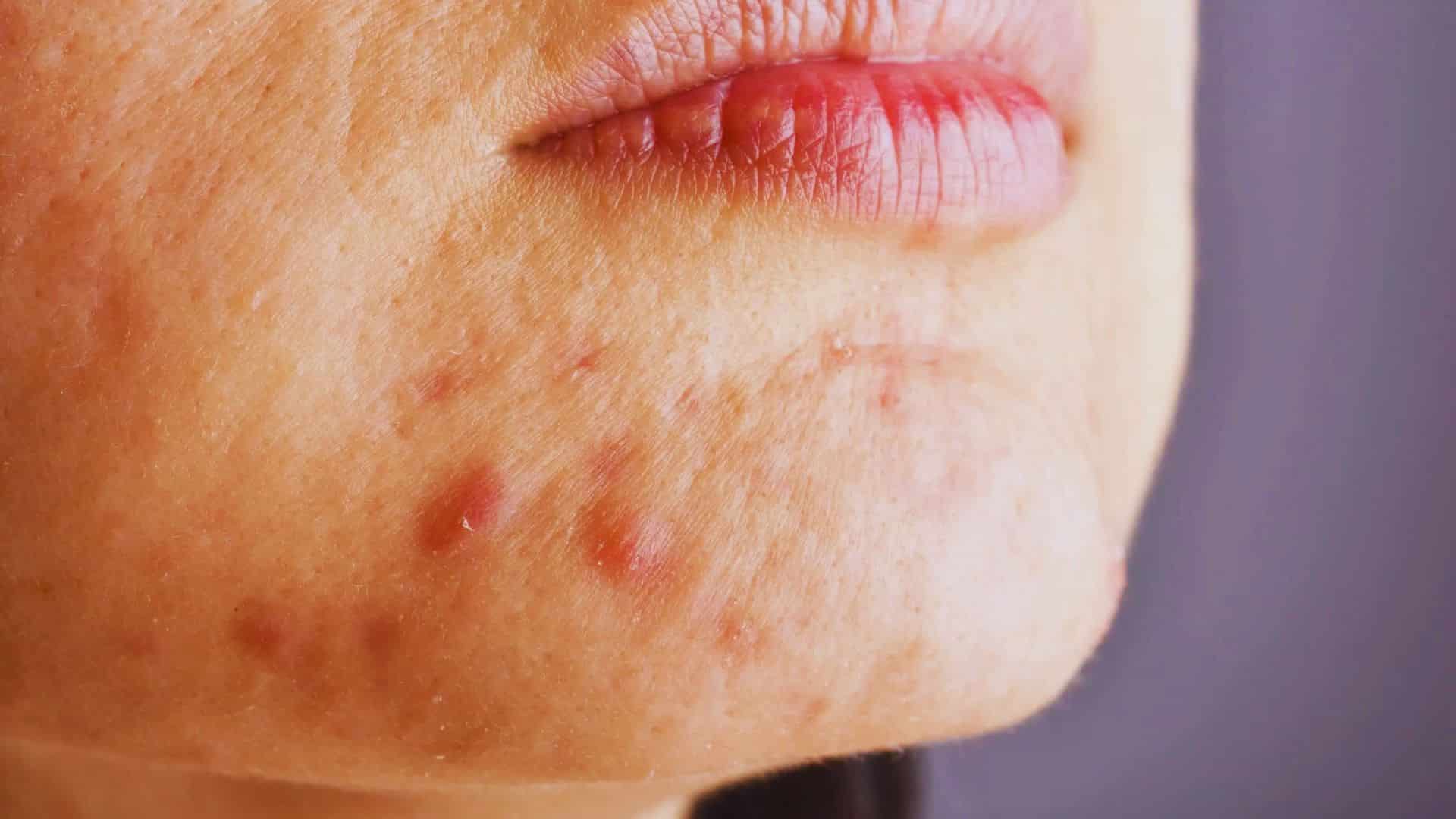
Small red, inflamed bumps without pus. You’ll notice they’re tender when you touch them. They often cluster together in groups.
These raised bumps feel firm and can be pink to deep red. They’re usually under 5mm in size.
4. Pustules

Pimples filled with pus. They have a red base with a white or yellow center. The middle looks swollen and raised.
These are what most people call typical pimples. They’re inflamed and can be tender to touch.
5. Nodules

Large, hard, painful bumps deep under skin. You can feel them before you see them. They sit far below the surface and don’t have a visible head.
These can last for weeks and often lead to scarring. They’re usually bigger than 5mm.
6. Cysts

Deep, pus-filled, swollen blemishes. These are the most painful type. They feel like soft lumps under your skin.
Cysts often leave permanent scars if not treated properly. They can be large and take a long time to heal.
7. Acne Scars

Marks left after acne heals. Some look like small pits or craters in your skin. Others appear raised or feel bumpy.
Dark scars fade over time, but pitted ones stay permanent. The texture changes are what set scars apart from regular marks.
8. Hyperpigmentation

Dark patches caused by excess melanin. Your skin produces more pigment in certain spots. This often appears after acne heals or from sun damage.
The patches are flat, not raised. They can be brown, gray, or even bluish.
9. Melasma
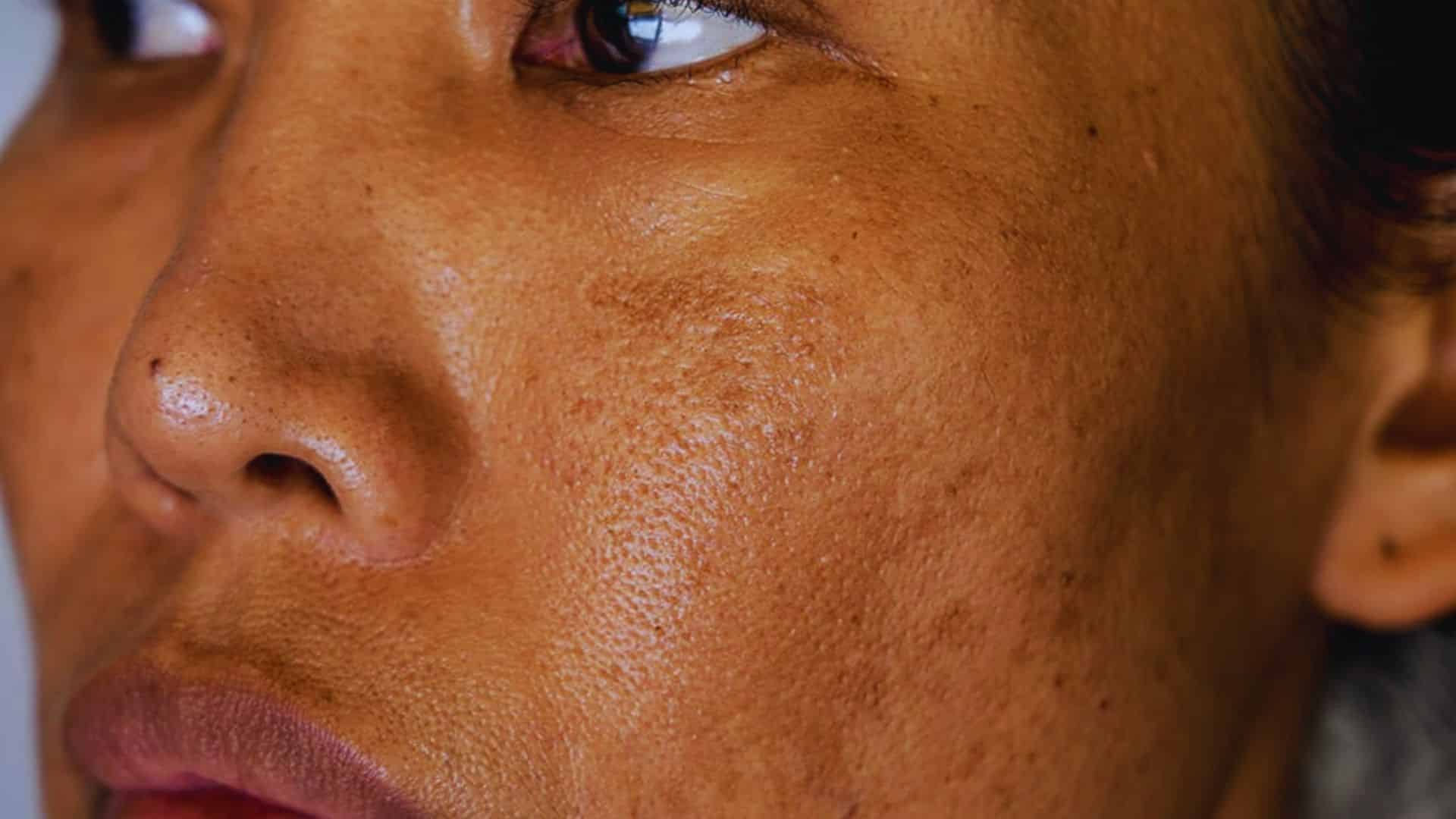
Brown or gray patches, mostly on the face. Hormones or sunlight often trigger this condition. You’ll see it on your cheeks, forehead, nose, and upper lip.
The patches are symmetrical and larger than freckles. They darken with sun exposure.
10. Age Spots (Liver Spots)
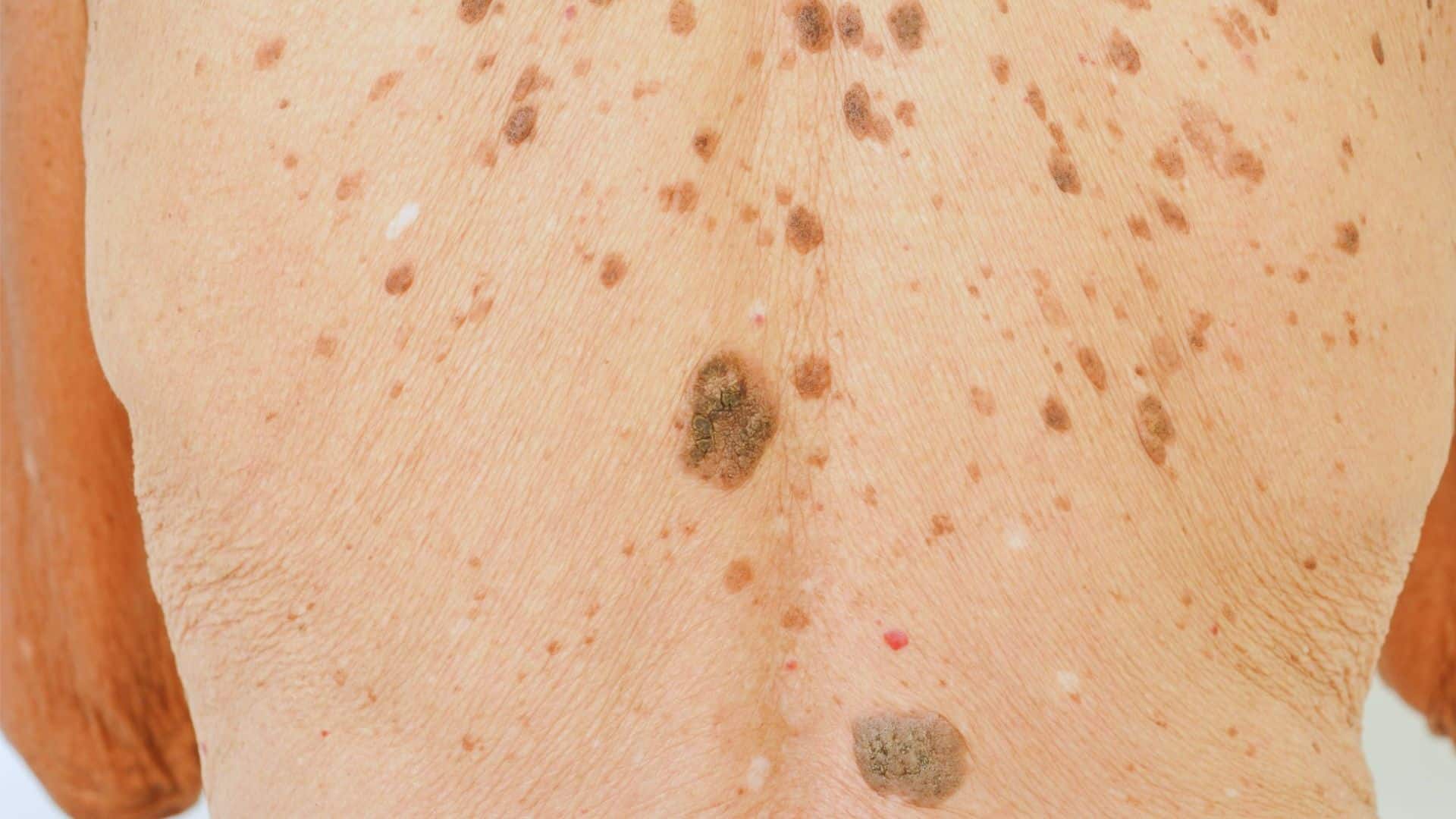
Flat dark spots from long-term sun exposure. These show up on your face, hands, and shoulders.
They’re common after age 40 but can appear earlier. The spots are brown or black and clearly defined. They don’t fade on their own.
11.Freckles

Small brown spots caused by genetics and sun. These are usually harmless and natural. They get darker in summer and lighter in winter.
Freckles appear in clusters, especially on fair skin. They’re flat and light brown to reddish.
12. Milia

Tiny white bumps caused by trapped keratin. You’ll find them around your eyes and cheeks. They look like small white seeds under your skin.
These bumps are hard and don’t pop like pimples. They’re common in newborns but happen to adults too.
13. Rosacea Bumps

Red, inflamed bumps with facial redness. Heat, spicy food, or stress can trigger flare-ups. Your skin looks flushed with visible blood vessels.
The bumps resemble acne but appear with persistent redness. They come and go in cycles.
14. Ingrown Hair Bumps

Raised bumps caused by hair growing into skin. These appear after shaving or waxing. You might see the hair trapped under the surface.
The area gets red and sometimes fills with pus. They’re common on legs, bikini area, and face.
15. Skin Tags

Small, soft, flesh-colored growths. They hang off your skin on a thin stalk. Skin tags are usually harmless and painless.
You’ll find them on your neck, armpits, or under breasts. They can be tiny or grow to grape size.
How to Tell Which Skin Blemish You Have
Start by checking the color, size, and texture of your blemish. Is it red, white, brown, or black? Does it feel hard, soft, or fluid-filled?
Notice if there’s pain, swelling, or pus. Painful bumps deep under your skin point to nodules or cysts. Surface pimples with white centers are pustules.
Track where blemishes appear and how often they show up. Blackheads stick to your T-zone. Melasma appears on both sides of your face.
When to consult a dermatologist: Get help if blemishes persist for weeks, cause pain, or spread quickly. A professional can diagnose tricky conditions and prevent scarring.
Basic Care and Prevention Tips
- Keep your skin clean with gentle washing twice daily. Don’t scrub hard.
- Use non-comedogenic products that won’t clog pores. Check your moisturizer and makeup labels.
- Protect from sun damage with SPF 30 daily. Reapply every two hours outside.
- Never pick or squeeze blemishes. You’ll spread bacteria and create scars.
- Sleep well, drink water, and manage stress. Your skin shows what’s happening inside. Limit sugar and eat balanced meals.
Conclusion
I know how frustrating skin blemishes can be. You look in the mirror and wonder what’s going on. But now you can identify what you’re dealing with and take the right steps forward.
Start with simple care habits, clean skin, sun protection, and hands off your face. If blemishes stick around or get worse, see a dermatologist. Your skin deserves proper attention. I’ve found that keeping things simple with organic products that don’t overwhelm the skin can make a difference over time, which is why Norse Organics products tend to fit well into a more balanced routine.
What type of blemish are you dealing with right now? Drop a comment below and let me know. I’d love to hear about your experience and help if I can.
Frequently Asked Questions
What’s the difference between blackheads and whiteheads?
Blackheads are open pores exposed to air, which makes them dark. Whiteheads stay closed under skin, creating white bumps without oxidation.
Can I pop my pimples safely?
No, popping spreads bacteria and causes scarring. Let blemishes heal naturally or see a dermatologist for safe extraction.
How long do skin blemishes take to heal?
Minor blemishes clear in 3-7 days. Deep nodules or cysts can take weeks or months to fully heal.
Are dark spots the same as acne scars?
Not always. Hyperpigmentation is flat and fades over time. True scars change your skin’s texture permanently.
When should I worry about a skin blemish?
See a doctor if it’s painful, growing, bleeding, or not healing after several weeks. Trust your instincts about unusual changes.