Stages of a Blind Pimple: Treatment Guide


Have you ever felt a painful bump under your skin that just won’t come to the surface? That’s a blind pimple.
These stubborn breakouts form deep within your skin and can stick around for weeks if you don’t handle them right.
The good news is that knowing what stage your blind pimple is in makes treatment much easier.
When you understand what’s happening beneath your skin, you can take the right steps at the right time.
In this guide, you’ll learn to spot the symptoms, follow the timeline, and manage each stage like a pro.
Let’s get started.
What Is a Blind Pimple?

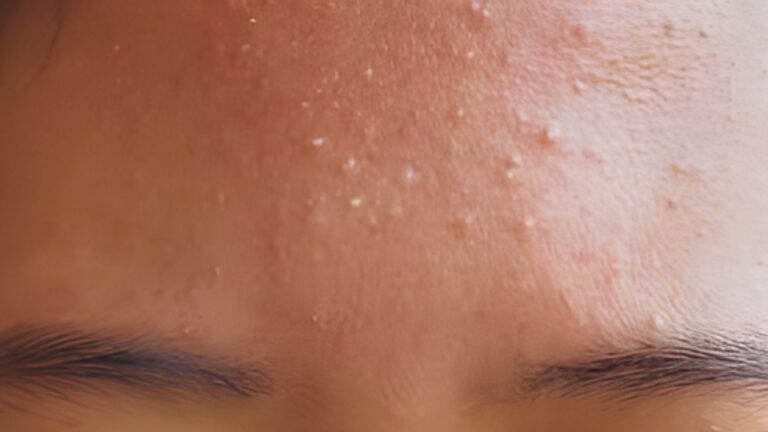
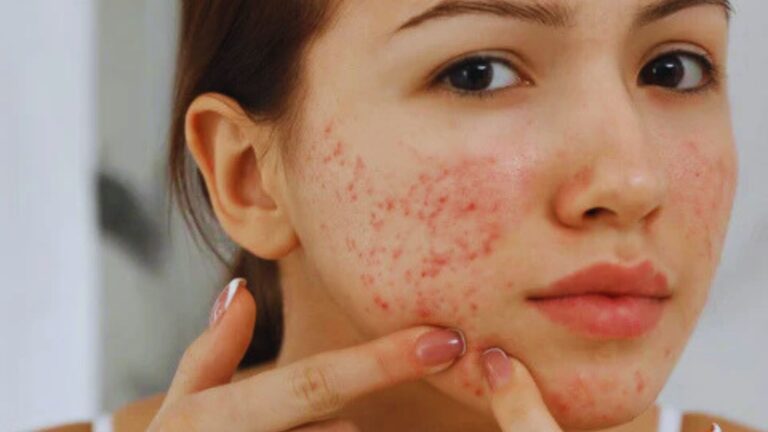
A blind pimple is a deep, painful bump that forms under your skin. Unlike regular pimples, it doesn’t have a visible head. The inflammation happens far beneath the surface.
Regular whiteheads and blackheads sit near the top of your skin. But blind pimples hide deep in your pores. They feel like hard, sore lumps.
These bumps commonly show up on your face, jawline, back, and chest. Anywhere you have oil glands can develop them.
They hurt because the swelling happens deep where nerve endings live. The trapped infection creates pressure with no escape, making them painful and tough to treat.
What Causes a Blind Pimple to Form?
Understanding why these painful bumps develop helps you prevent them. Several factors create that deep pimple under skin.
- Clogged Pores and Trapped Sebum: Your skin produces oil called sebum. When dead skin cells pile up, they block your pores. The oil gets trapped deep inside with nowhere to go. This creates a painful acne bump beneath the surface.
- Bacterial Growth Under the Skin: Once oil and dead cells clog your pore, bacteria move in and multiply. Your body sends white blood cells to fight the infection. This battle creates that cystic acne lump you feel under your skin.
- Hormonal Changes and Stress: Your hormones control oil production. During periods, pregnancy, or stress, hormone levels spike. This triggers extra sebum production and increases chances for deep clogs.
- Pore-Clogging Skincare or Makeup: Heavy creams and oil-based products can suffocate your pores. They mix with natural oils and sink deep, creating blockages that turn into stubborn blind pimples.
The 4 Stages of a Blind Pimple (Step-by-Step)
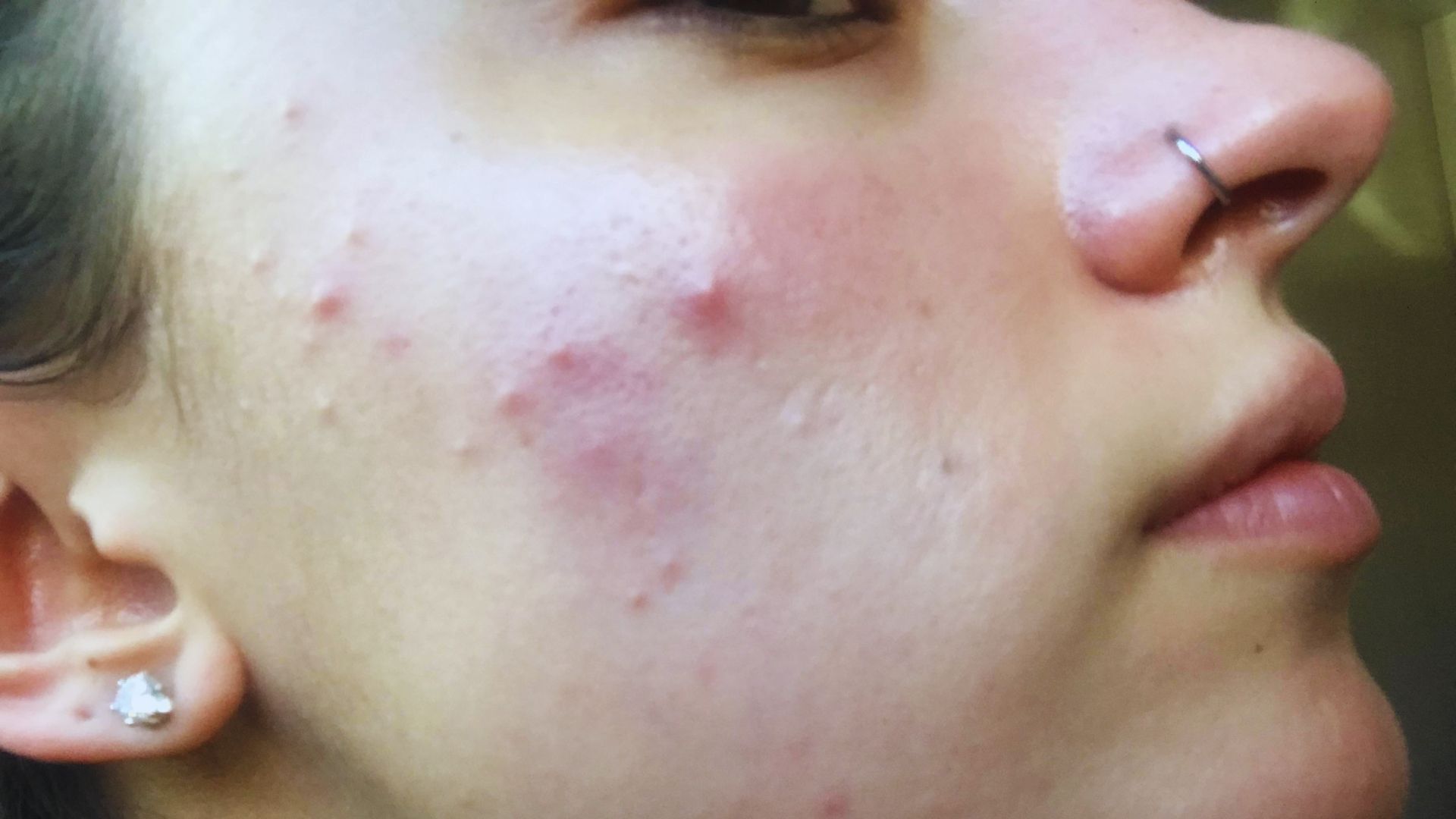
Every blind pimple goes through four distinct stages. Knowing which stage you’re in helps you treat it the right way.
Stage 1: Early Formation (The Hidden Bump)
Deep in your pore, oil and dead skin cells are starting to clog up. Your body notices something is wrong and sends inflammatory signals.
You’ll feel a small, firm lump under your skin. It’s slightly tender when you press it. The area might look normal or just a bit pink. This stage typically lasts 1 to 3 days.
Treatment Tips: Apply ice wrapped in a clean cloth for 10 minutes to calm early inflammation. Use a salicylic acid spot treatment to help unclog the pore. Most importantly, keep your hands off. Touching or squeezing will make things worse.
Stage 2: Inflammation & Swelling
The blockage is now triggering a bigger immune response. White blood cells rush to the area. Pressure builds as fluid and cells accumulate deep under your skin.
You’ll notice increased redness around the bump. The pain gets worse. It might feel tender or even throb when you touch it. This stage lasts 3 to 5 days.
Treatment Tips: Keep using anti-inflammatory ingredients like niacinamide or benzoyl peroxide. Stick to a gentle cleansing routine. Skip harsh scrubs and exfoliants. Your skin is already irritated and needs kindness right now.
Stage 3: Peak (Deep Painful Lump)
This is the worst phase. The inflammation is at its maximum. The lump feels hard and extremely sore. Sometimes a white head forms on the surface, but often it stays completely under the skin.
This is when people are most tempted to squeeze. Don’t do it. Squeezing a blind pimple pushes bacteria deeper and can cause permanent scarring. This peak stage lasts 2 to 4 days.
Treatment Tips: Apply a warm compress for 10 to 15 minutes several times a day. The heat encourages drainage. If the surface opens naturally, place a hydrocolloid patch over it to absorb fluid. If the pain is severe or the lump isn’t improving after a week, see a dermatologist. They can inject it with cortisone to speed healing.
Stage 4: Healing Phase
Your body is winning the battle. The inflammation starts to calm down. The lump gradually flattens and the pain fades. You might notice a dark spot left behind. This is post-inflammatory hyperpigmentation, not a scar.
This healing phase can take 1 to 2 weeks, sometimes longer.
Treatment Tips: Resist the urge to pick at any remaining texture. Use soothing products that repair your skin barrier. For dark marks, ingredients like niacinamide and azelaic acid help fade pigmentation over time. Be patient. Your skin is working hard to heal itself.
How Long Does Each Stage of a Blind Pimple Last?

Most blind pimples run their course in 7 to 14 days for mild cases. Severe ones can stick around for weeks or even longer.
Several factors affect healing speed. Your immune system strength, hormone levels, and how you treat the pimple all play a role. Picking or squeezing extends the timeline significantly.
Using the right treatments speeds things up. Your overall skin health and stress levels also impact how quickly that stubborn bump disappears.
How to Prevent Blind Pimples from Coming Back
Once you’ve dealt with a blind pimple, the last thing you want is another one. Prevention is all about consistent habits and smart choices.
- Maintain a Gentle Cleansing Routine: Wash your face twice daily with a mild, pH-balanced cleanser. Don’t scrub hard or use hot water. Harsh washing strips your skin’s natural oils, making it produce even more sebum. Pat your face dry gently with a clean towel.
- Use Non-Comedogenic Products: Check labels on your skincare and makeup. Non-comedogenic means it won’t clog your pores. Avoid heavy oils and thick creams, especially on acne-prone areas. Lightweight, water-based formulas work best for keeping pores clear.
- Manage Hormonal Triggers: Track when your breakouts happen. If they align with your menstrual cycle, talk to your doctor about options. Birth control or hormonal treatments can help regulate oil production. Keeping hormones balanced reduces those deep, painful bumps.
- Avoid Over-Exfoliation: Exfoliating removes dead skin cells, but too much irritates your skin. Stick to 2 to 3 times per week maximum. Choose chemical exfoliants like salicylic acid over harsh scrubs. Your skin needs time to recover between treatments.
- Reduce Stress: Stress hormones trigger excess oil production. Find healthy ways to manage daily pressure. Try exercise, meditation, or better sleep habits. Even small stress reduction makes a real difference in your skin’s behavior.
Conclusion
Blind pimples move through four clear stages, from that first hidden bump to final healing. The key is catching them early and staying patient throughout the process.
Remember, never squeeze a deep pimple. It only makes things worse and can leave permanent scars.
Stick to a consistent skincare routine that works for your skin type. Prevention beats treatment every time.
Have you dealt with blind pimples before? Share your experience in the comments below.
And if this guide helped you, pass it along to someone who needs it.
Frequently Asked Questions
Can I pop a blind pimple?
No, you should never pop a blind pimple. Squeezing pushes bacteria deeper into your skin, increases inflammation, and can cause permanent scarring.
How do I know if my blind pimple is infected?
Look for signs like extreme redness, warmth, severe pain, or pus. If the area feels hot to touch or the pain is unbearable, see a dermatologist immediately.
Will a blind pimple go away on its own?
Yes, most blind pimples heal naturally within 7 to 14 days. Your body’s immune system works to break down the blockage, though proper treatment can speed up the process.
What’s the fastest way to get rid of a blind pimple?
Apply ice early to reduce swelling, use spot treatments with salicylic acid or benzoyl peroxide, and try warm compresses during the peak stage. For severe cases, a dermatologist can inject cortisone for quick relief.
Why do I keep getting blind pimples in the same spot?
Recurring blind pimples often mean the pore has deep damage or scarring. Hormonal fluctuations, trapped bacteria, or using pore-clogging products on that area can also cause repeated breakouts in the same location.