How Long Do Dark Spots Take to Fade Naturally?


I have spent way too long staring at a dark spot on my cheek, wondering if it would ever go away. If you are doing the same thing, you are not alone.
How long do dark spots take to fade naturally? That is the big question.
In this blog, I will walk you through what dark spots actually are, why they show up, how long they typically take to fade, and what you can do to speed things along.
I have got real answers for you, not guesswork.
What Are Dark Spots on the Skin?
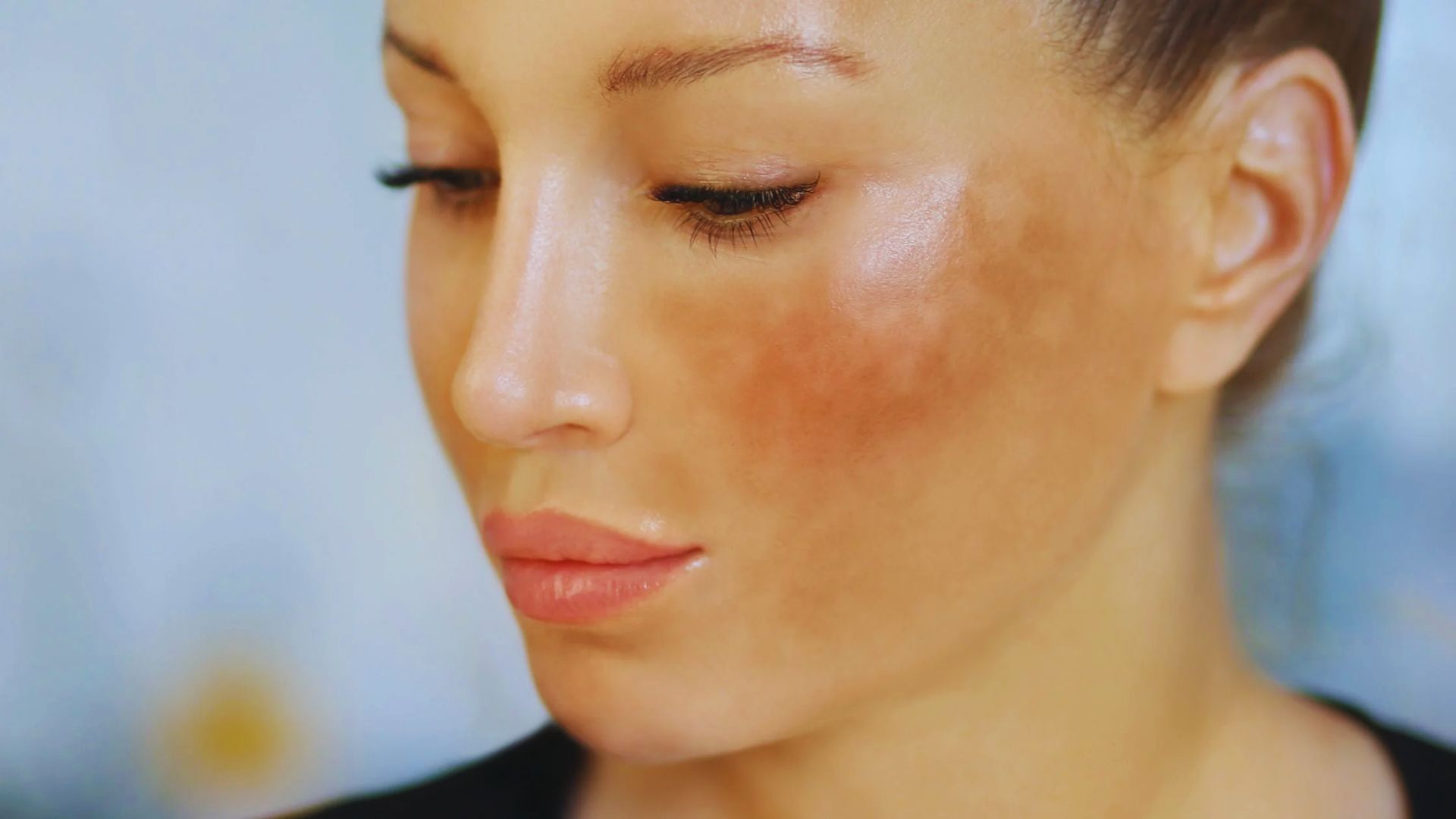
Dark spots, also called hyperpigmentation, are patches of skin that look darker than the surrounding area.
They happen when the skin produces too much melanin in one spot. This can affect any skin tone.
They are not harmful on their own, but they can be frustrating to deal with. They often show up on the face, shoulders, and hands, which are areas that get a lot of sun or irritation over time.
Common Causes of Dark Spots
Dark spots do not just appear out of nowhere. Several things can trigger your skin to overproduce melanin in one area.
Acne and Pimples
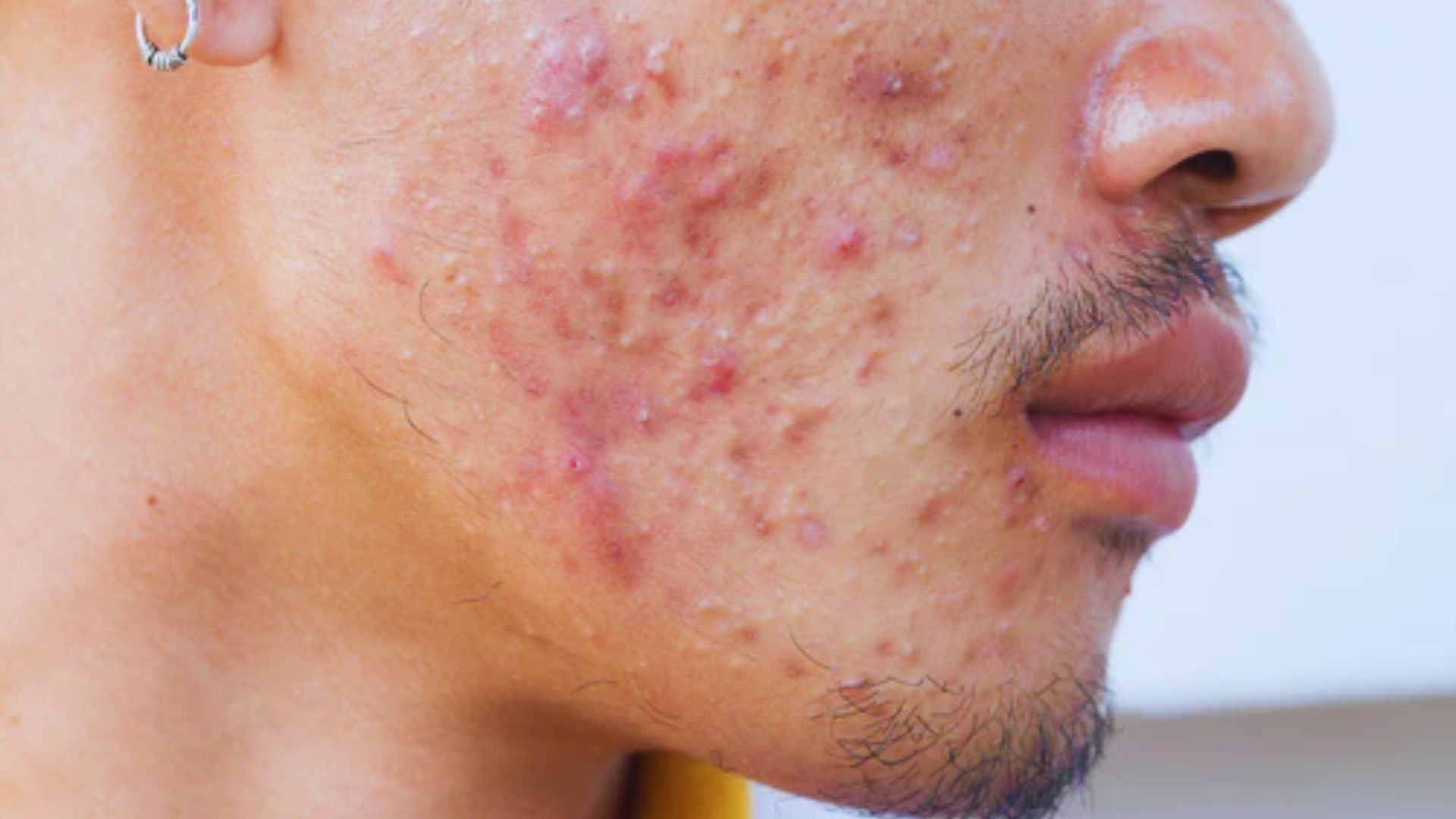
When a pimple heals, it often leaves behind a dark mark. This is called post-inflammatory hyperpigmentation.
The more you pick at your skin, the worse these marks tend to get. They can stick around for months if left untreated.
Sun Exposure
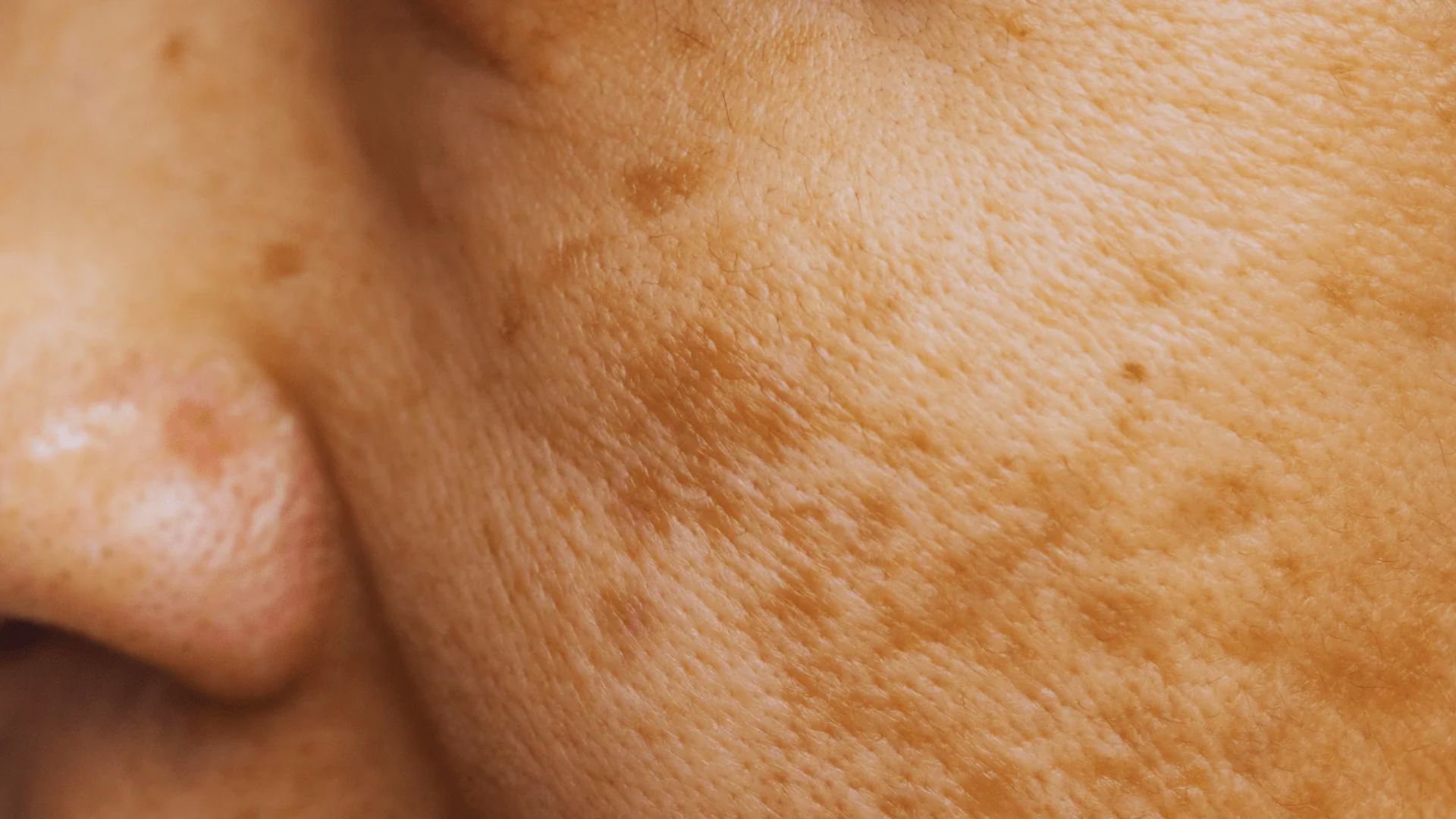
The sun is one of the biggest reasons dark spots form and stick around. UV rays push your skin to produce more melanin as a form of protection.
Over time, this leads to sunspots, especially in areas that see the most sunlight. Skipping SPF makes things much worse.
Hormonal Changes (Melasma)
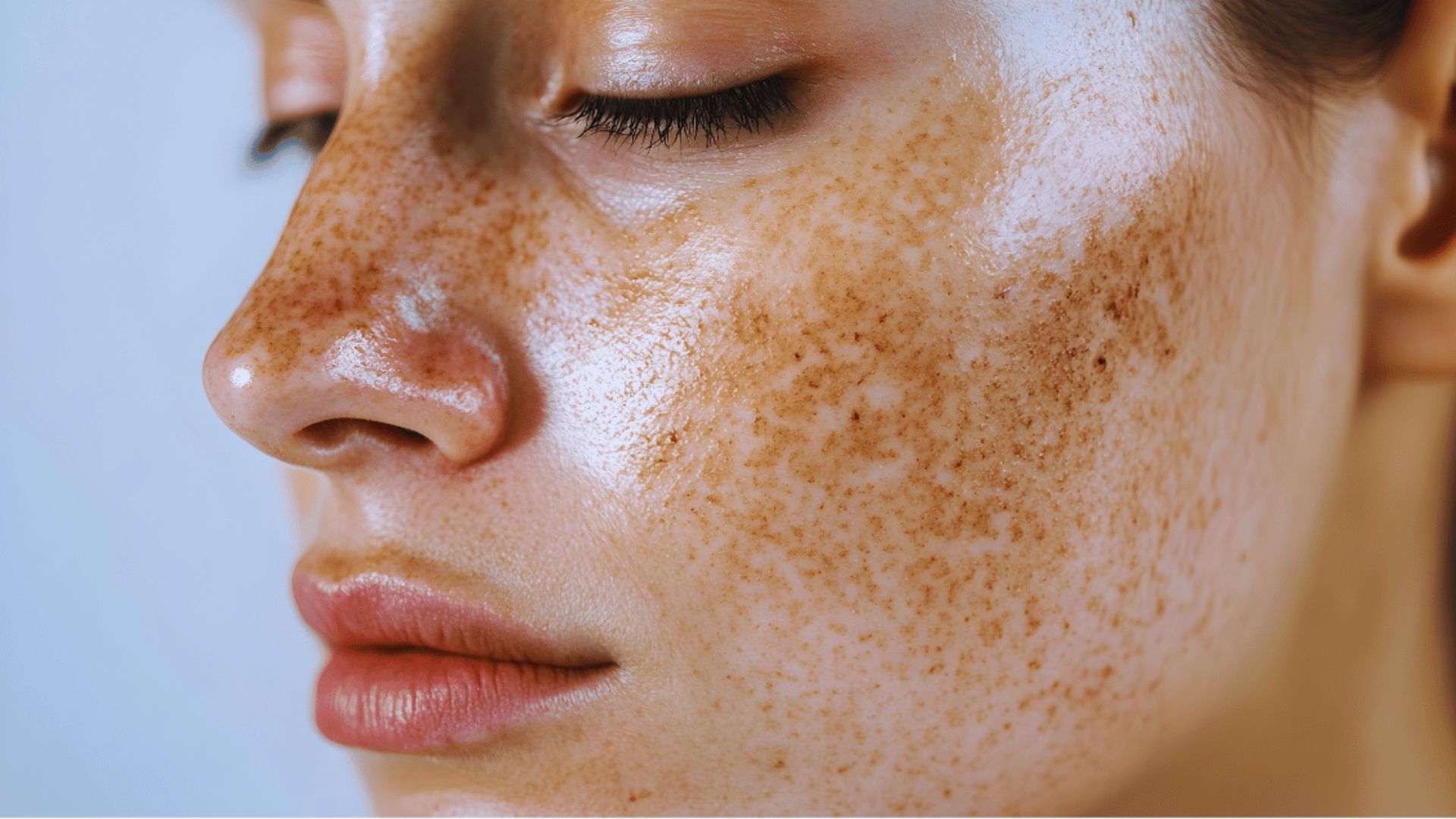
Melasma is a type of hyperpigmentation that is closely tied to hormones. It often shows up during pregnancy or when taking birth control pills.
It usually appears as large, flat patches on the cheeks or forehead. This type is one of the harder kinds to fade without targeted treatment.
Skin Injuries or Inflammation
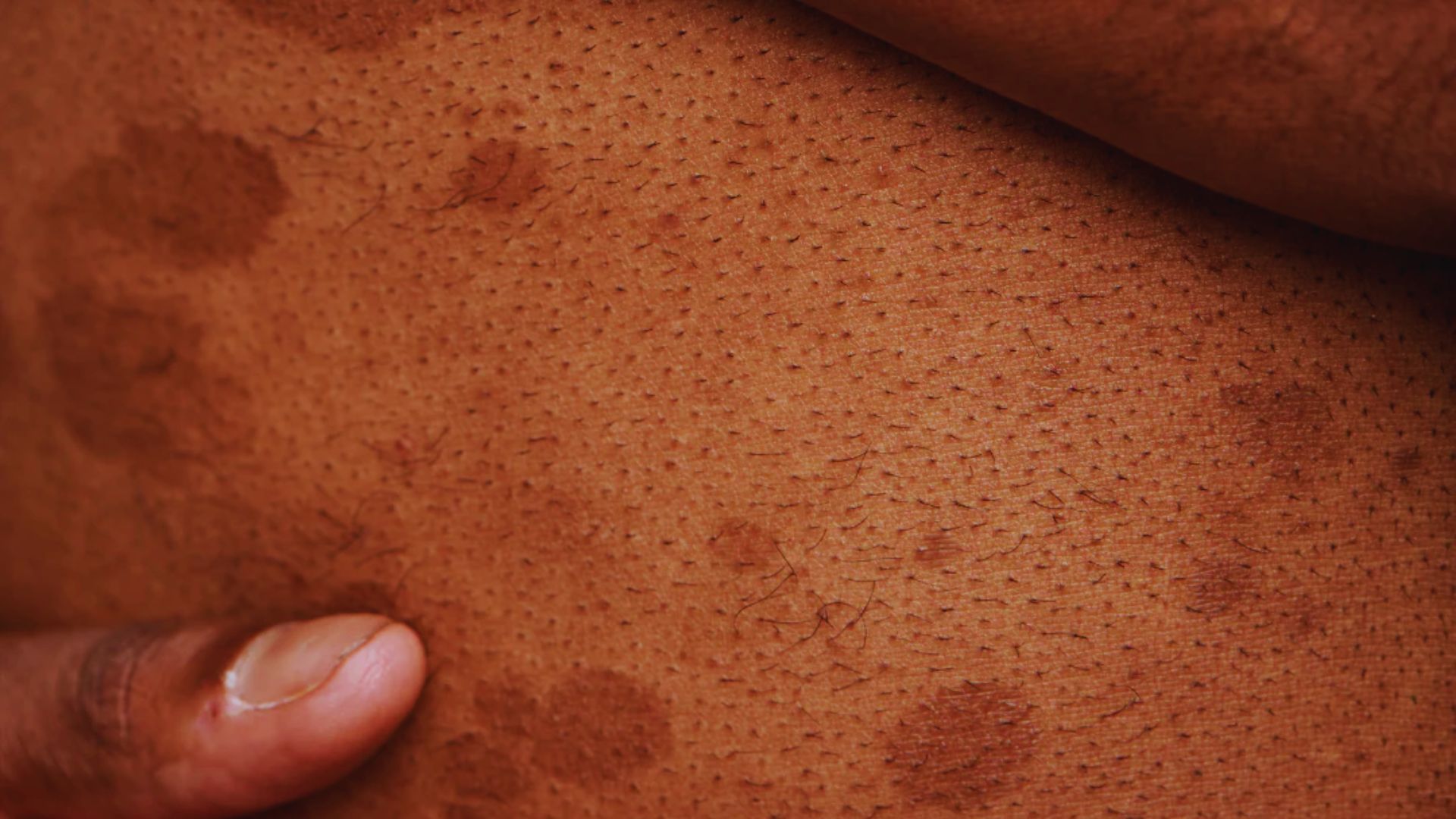
Any injury to the skin, whether from a cut, a bug bite, or even eczema, can leave behind a dark mark.
The inflammation triggers extra melanin production in that area. These spots usually fade over time, but deeper inflammation can leave longer-lasting marks.
How Long Do Dark Spots Take to Fade Naturally?
The honest answer is that it depends. There is no one-size answer here.
The timeline varies based on how deep the pigmentation is, how consistently you protect your skin, and how fast your skin naturally renews itself.
Mild Dark Spots
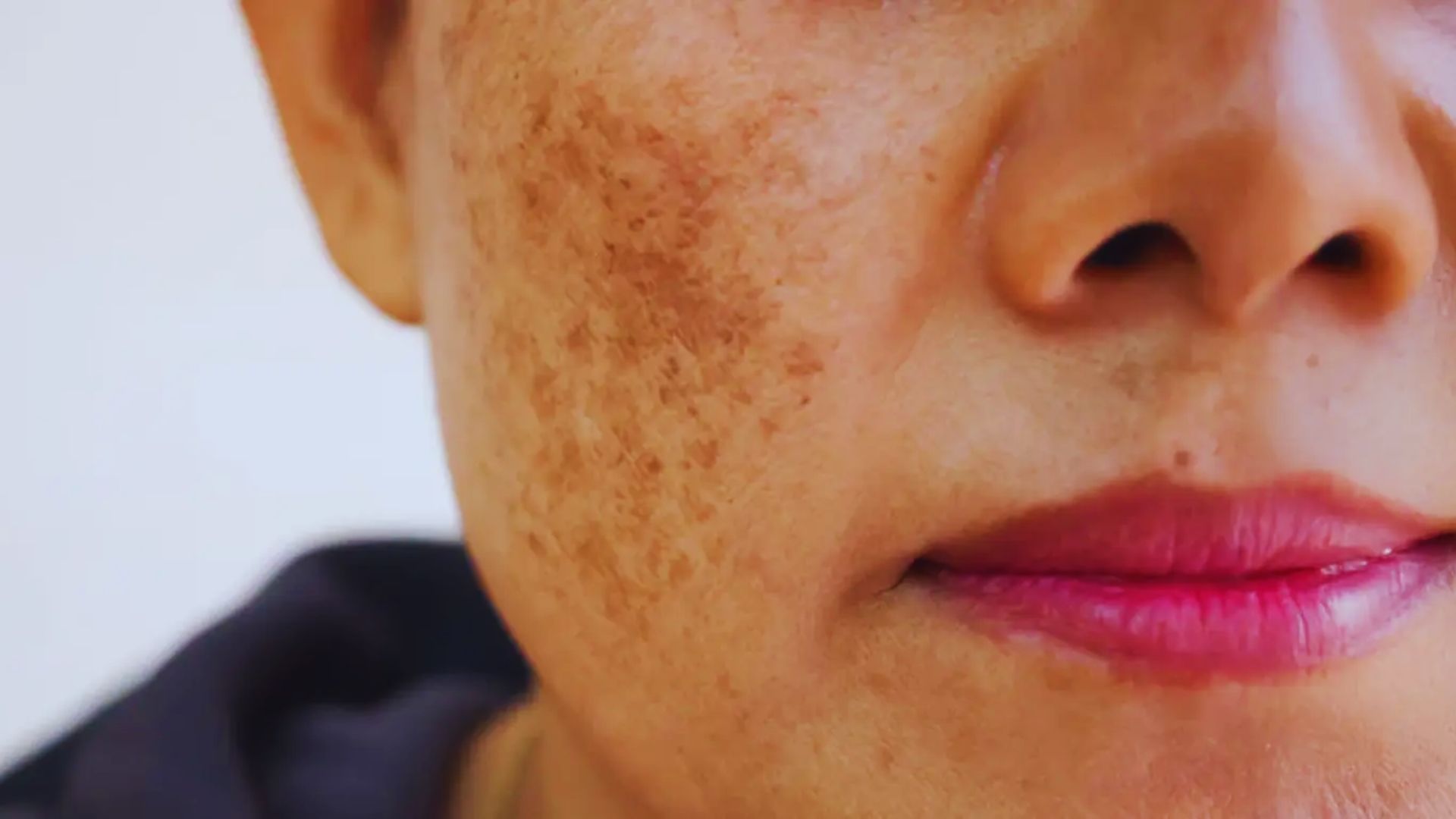
Mild dark spots, like a faded pimple mark or a small sunspot, usually clear up within a few months.
These sit closer to the surface of the skin, so they shed as the skin renews itself. With daily SPF and a good routine, these can fade faster than you expect.
Moderate Hyperpigmentation
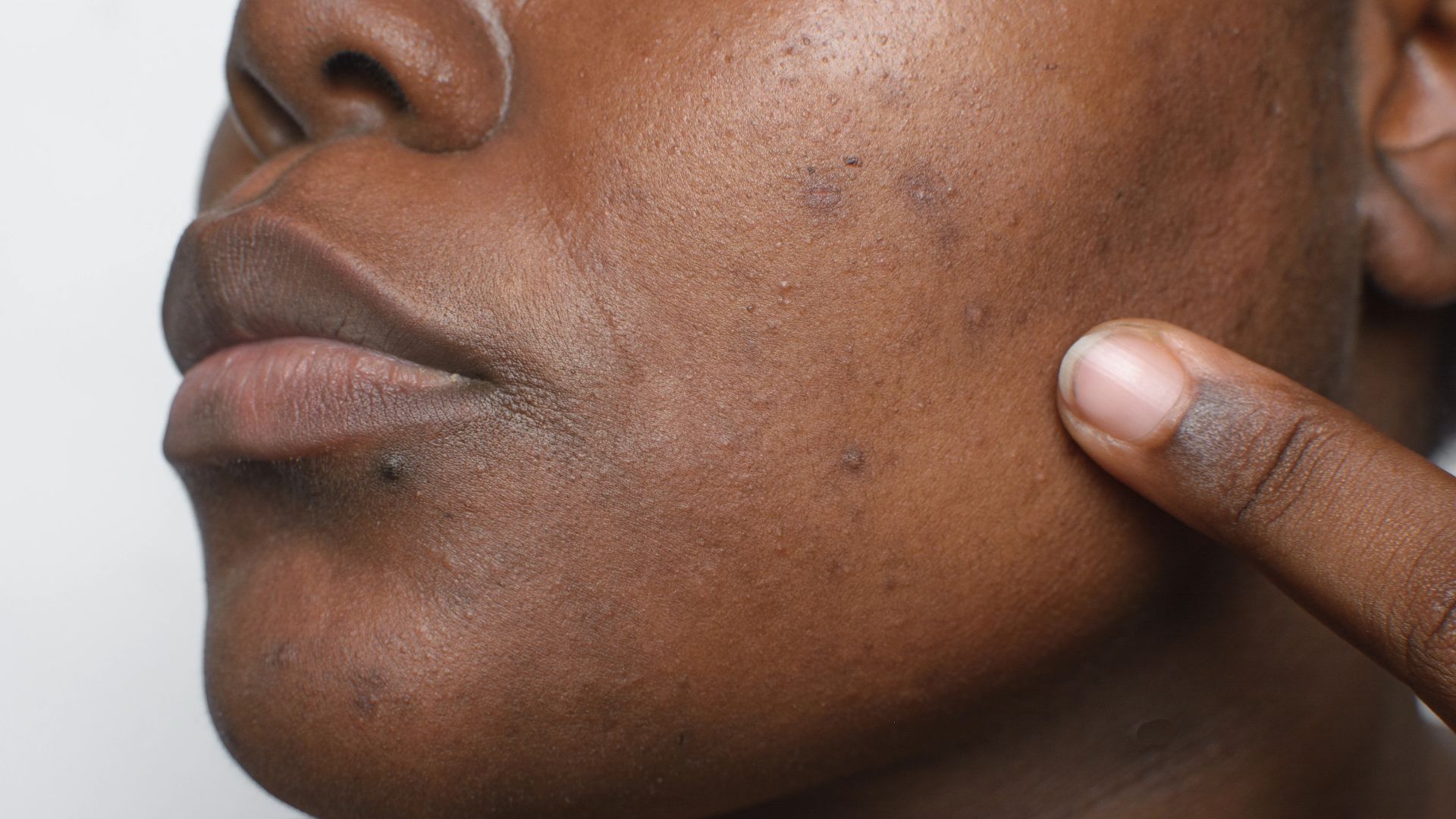
Moderate spots are deeper and more stubborn. These may take anywhere from several months to a full year to fade on their own.
Things like repeated sun exposure or hormonal shifts can keep pulling them back to the surface, which slows progress down significantly.
Stubborn or Deep Pigmentation
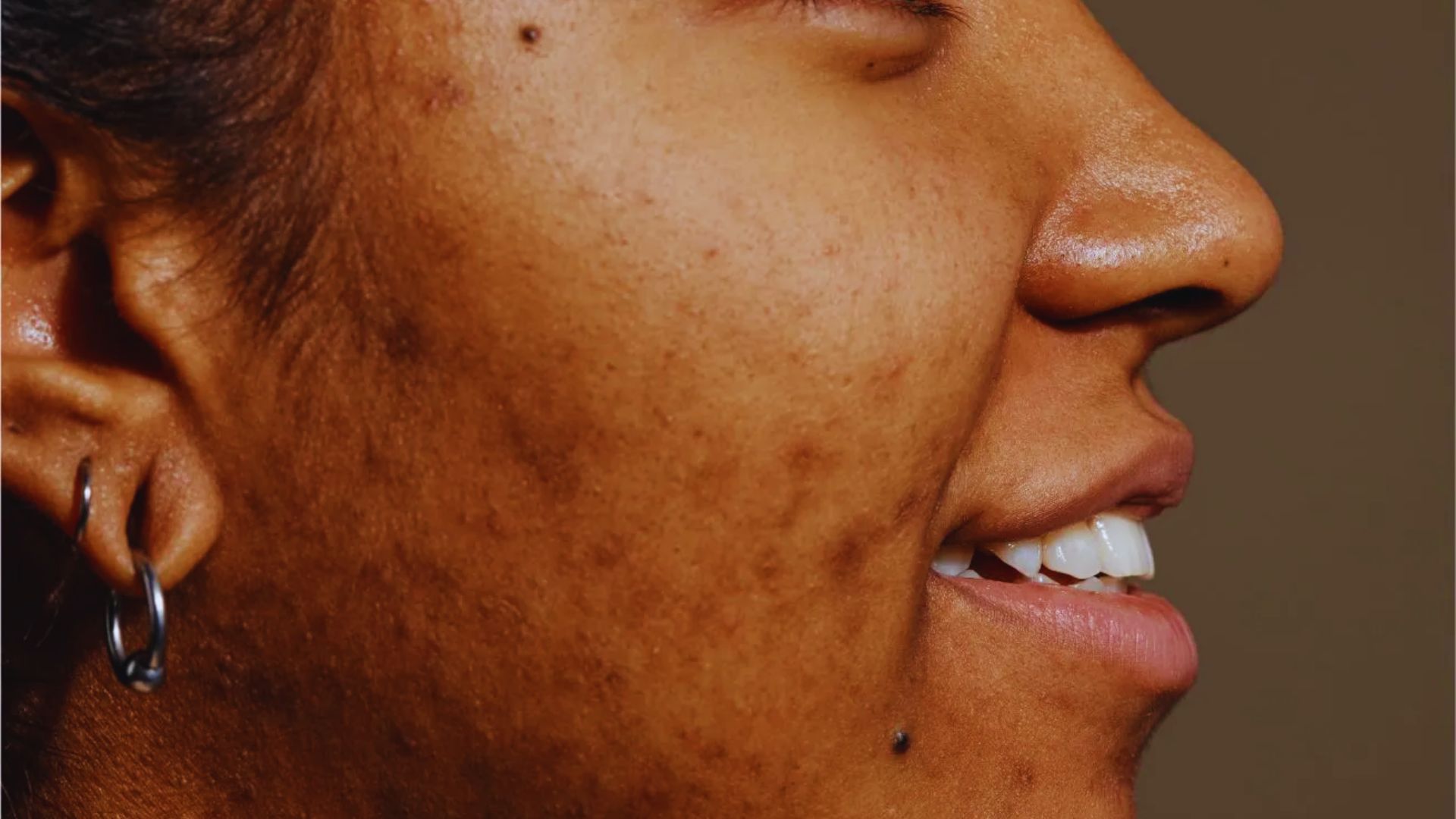
Deep pigmentation, like long-standing melasma or old acne scars, can take over a year to fade naturally.
Sometimes it does not fully fade without help. These spots sit deeper in the skin layers and do not respond much to surface-level changes alone.
Factors That Affect How Fast Dark Spots Fade
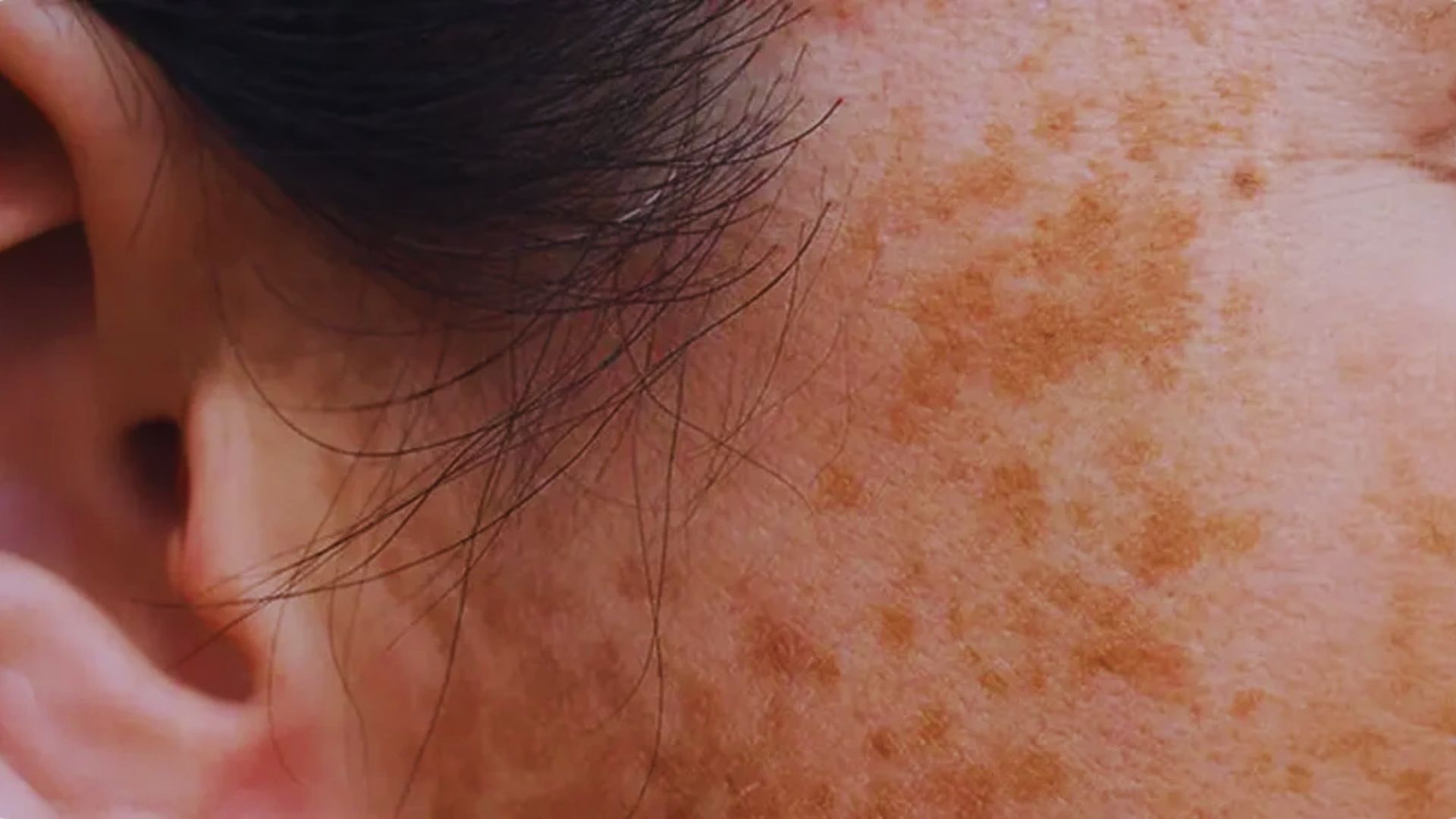
Several things play into how quickly your skin can clear those marks.
Skin Tone and Melanin Levels: People with deeper skin tones naturally produce more melanin. This means dark spots can be more intense and take longer to fade. It does not mean they cannot fade, but the process tends to move slower.
Depth of Pigmentation in the Skin: Surface-level spots fade much faster than deep ones. If the pigmentation has settled into the lower layers of the skin, it takes more time and more consistent care to see a change.
Sun Exposure and UV Damage: Every time your skin is exposed to UV rays without protection, dark spots get darker and fade slower. Sun protection is not optional if fading is the goal. Even a few minutes of unprotected sun daily can undo weeks of progress.
Age and Skin Renewal Rate: Younger skin renews itself faster. As we age, cell turnover slows down, which means dark spots stick around longer. A 25-year-old and a 45-year-old dealing with the same dark spot may see very different timelines.
Why Dark Spots Fade Slowly
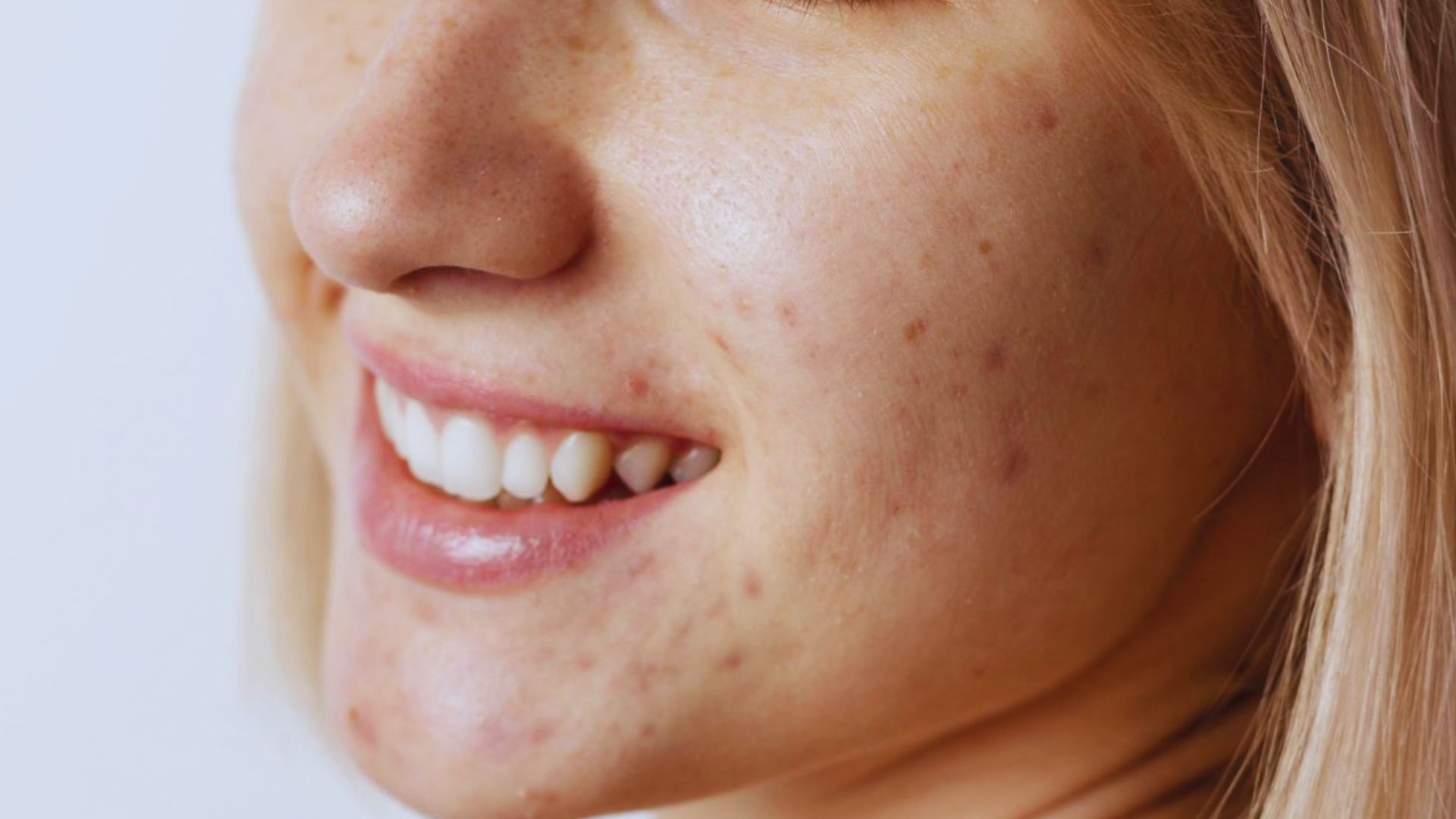
Dark spots fade slowly because they are tied to melanin production deep in the skin. Your skin renews itself in cycles, and that process takes time.
If you are not protecting your skin from the sun daily, those spots are being restimulated every time you step outside.
Stress, hormonal imbalances, and an inconsistent skincare routine also slow things down. The skin is always working to correct itself, but without the right support, it is fighting against constant triggers.
When Dark Spots May Not Fade on Their Own
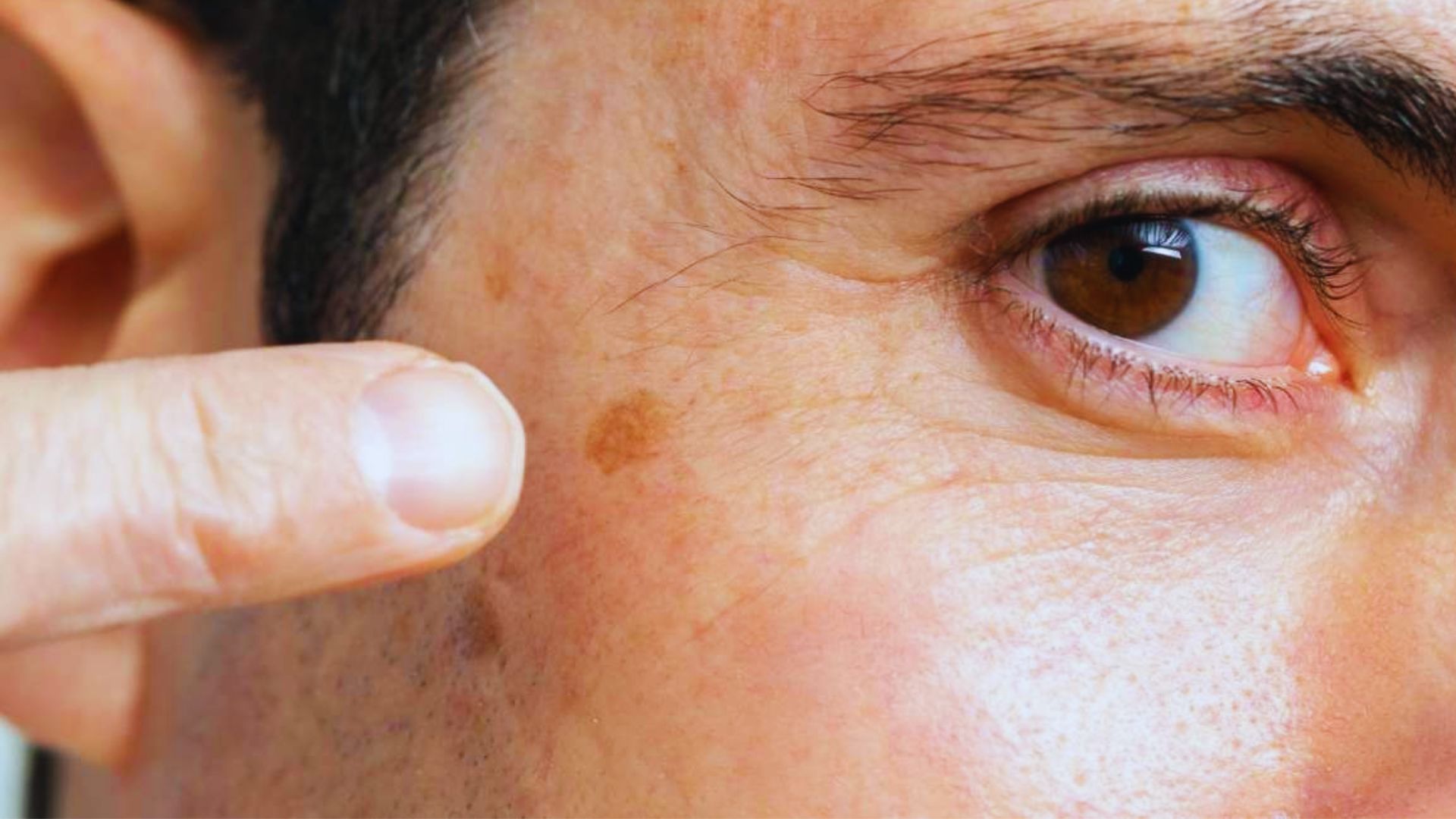
Some dark spots simply will not go away without intervention. If a spot has been sitting unchanged for over a year, it is unlikely to fade naturally.
Deep melasma, post-inflammatory marks from severe acne, and age-related sunspots often need targeted treatments to see real results.
If a spot is changing shape, rising above the skin, or looking unusual in any way, that is a reason to see a dermatologist.
Not every dark mark is just pigmentation, and it is worth getting it checked.
Tips to Help Dark Spots Fade Naturally
Small daily habits can make a real difference over time. Here are five that actually work.
- Wear SPF every single day. Rain or shine, indoors or outdoors, sunscreen keeps existing spots from getting darker and stops new ones from forming.
- Do not pick at your skin. Every time you pick a pimple or scratch a bug bite, you increase the chance of a dark mark forming or getting worse.
- Use a vitamin C serum in the morning. Vitamin C is one of the most well-studied ingredients for reducing pigmentation over time. Apply it before your SPF.
- Stay consistent with your routine. Results from any skincare habit take weeks to show. Give your skin at least 8 to 12 weeks before deciding something is not working.
- Keep skin hydrated. Healthy, moisturized skin renews itself more efficiently. Dry or irritated skin slows down the cell turnover process.
Conclusion
I know how discouraging it feels to look in the mirror every morning and see those spots still sitting there.
Trust me, I have been in that spot too, no pun intended. But here is the thing: your skin is always working, even when it does not feel like it.
How long do dark spots take to fade naturally really comes down to consistency and patience.
Protect your skin, be kind to it, and give it time. Drop a comment below and tell me what has worked for you. I would love to hear it.
Frequently Asked Questions
Can dark spots fade completely on their own?
Yes, mild dark spots can fade fully with time. Deeper pigmentation may lighten but not always disappear without some form of targeted treatment.
How long does it take for acne dark spots to fade?
Post-acne dark spots usually fade within 3 to 6 months. Darker or deeper marks may take up to a year, especially without sun protection.
Does drinking water help fade dark spots?
Staying hydrated supports overall skin health and speeds up cell turnover, which can help dark spots fade faster. It is not a cure but it does support the process.
Is SPF really that important for fading dark spots?
SPF is one of the most important steps. UV exposure keeps dark spots active and makes them darker. Without daily sun protection, fading is very slow or may not happen at all.
At what point should I see a dermatologist for dark spots?
If a spot has not changed in over a year, is growing, changing shape, or looks unusual, see a dermatologist. A professional can also offer faster, more targeted options for stubborn pigmentation.