Beyond Skincare: The Expanding Definition of Self-Care through Intimate Wellness


When people hear “self-care,” they often think of fitness routines, clean eating, or investing in high-quality skincare. While all of these matter, the concept of self-care for women goes beyond that. For decades, discussions around intimate wellness had been considered too personal or even taboo; however, intimate wellness has started to become a central part of the story in recent years.
In this blog, we’ll take a closer look at intimate wellness and self-care, explain why intimate health extends beyond basic hygiene and skincare, and walk through both non-surgical and surgical treatment options to achieve it.
Why Women’s Intimate Wellness Is More Than Just Hygiene
While hygiene is part of intimate wellness, it’s not the whole story. Many women were taught that if something feels off, the solution is to “clean better.” In reality, over-cleansing can sometimes do more harm than good.
Our bodies are also constantly changing. Hormones fluctuate, and skin may feel more sensitive at certain stages of life. Pregnancy, childbirth, and aging can all affect both structure and comfort. None of these changes reflect poor hygiene. They are simply part of how the body grows and adapts over time.
At its core, intimate wellness is about being in tune with your body. Sometimes discomfort is short-lived and resolves on its own. Other times, it is worth bringing it up with a healthcare provider. Paying attention to those signals makes a difference. Hygiene matters, of course, but it is only one piece of caring for your intimate health.
Exploring Intimate Wellness Treatments
When considering intimate wellness treatments, most options fall into two broad groups: non-surgical approaches and surgical procedures. Deciding which direction to take depends on your specific concerns, your medical history, and the changes you’re hoping to see.
Surgical Intimate Wellness Treatments
Surgical intimate wellness treatments refer to procedures designed to address structural concerns affecting comfort or confidence. These treatments fall under aesthetic gynecology and are performed by trained specialists with experience in this area.
They are often recommended to women who experience structural discomfort, tissue laxity, or changes following childbirth or menopause. Some common examples include:
- Labiaplasty: Labiaplasty is designed to reduce or reshape the labia when excess tissue leads to discomfort or personal concerns about appearance. For some women, the decision stems from physical irritation that interferes with daily activities such as cycling, running, or wearing certain clothing. For others, it may be about feeling more confident in their body. Labiaplasty is one of the most common treatments that women rely on to support intimate wellness and confidence.
- Clitoral Hood Reduction: Sometimes performed alongside labiaplasty, this procedure addresses excess tissue around the clitoral hood. It is typically considered when excess skin affects symmetry or contributes to physical discomfort, with the outcome tailored to the patient’s goals.
- Vaginal Tightening Procedures: These procedures focus on correcting internal laxity that can develop after pregnancy, vaginal delivery, or age-related changes in tissue elasticity. Over time, supportive muscles and connective tissue may weaken, leading to a sense of reduced tightness or diminished control. The goal is to repair and strengthen the underlying tissues to enhance firmness and improve muscle tone, which can support better pelvic control and increased sensation during intimacy.
Non-Surgical Intimate Wellness Treatments
For women who want support without undergoing surgery, non-surgical intimate wellness treatments may be a practical option. These treatments aim to enhance tissue quality, support muscle engagement, and reduce discomfort with minimal recovery time. Many women find that conservative options are enough, especially when changes are subtle or connected to shifts in hormones. A few commonly recommended non-surgical options include:
- Pelvic Floor Physical Therapy: Pelvic floor therapy focuses on strengthening and retraining the muscles that support the bladder, uterus, and vaginal canal. A specialized therapist guides patients through exercises and techniques that improve muscle coordination and control. This approach can be particularly helpful after childbirth or when mild laxity is present.
- Hormone-Based Treatments: For women experiencing dryness or thinning related to menopause or hormonal fluctuations, localized hormone therapy may be discussed. These treatments work by supporting tissue health at a cellular level and can improve elasticity and hydration over time under medical supervision.
- Energy-Based Therapies: Some non-surgical treatments use heat or radiofrequency technology to stimulate collagen production and improve tissue tone. These options typically involve little downtime, though results and suitability vary from person to person.
- Medical-Grade Moisturizers and Lubricants: Medical-Grade Moisturizers and Lubricants: For women experiencing dryness, sensitivity, or friction, moisturizers and lubricants for intimate areas can provide meaningful relief. Unlike facial moisturizers, these products are specifically formulated to support the natural pH balance and delicate tissue of the vulvovaginal area, helping to reduce irritation.
Everyday Habits That Support Intimate Wellness and Confidence
In addition to professional treatments, a few simple daily habits can actually make a noticeable difference in supporting intimate wellness and confidence. Some everyday practices that can help maintain balance and reduce irritation include:
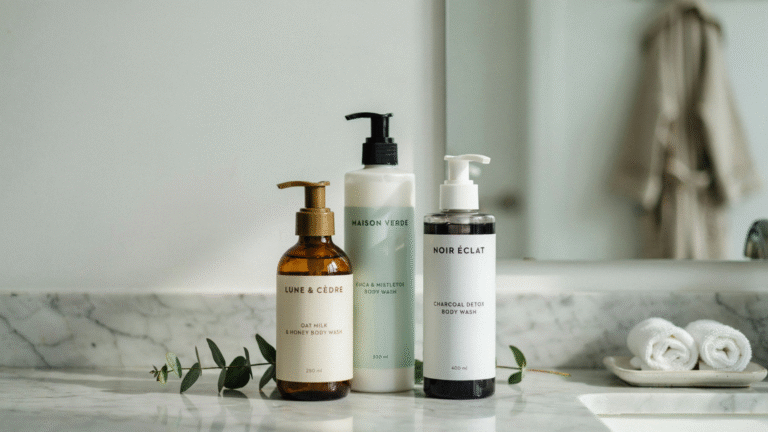
- Choosing Gentle, pH-Appropriate Products: Your intimate area does not require complicated products to stay healthy. In most cases, a mild cleanser formulated for sensitive tissue is enough. Strong scents and antibacterial washes may disrupt the natural balance and create more issues. Choosing simple, fragrance-free products can help keep irritation at bay and support the body’s natural defenses.
- Staying Hydrated: It may sound simple, but staying hydrated makes a difference. Water supports circulation, skin health, and tissue flexibility throughout the body. When hormone levels change, many women notice increased dryness. Drinking enough water each day supports overall wellness from the inside out.
- Supporting Pelvic Floor Strength: Incorporating pelvic floor exercises into your routine can help maintain muscle tone and internal support. Even a few minutes a day can make a difference, particularly after childbirth or during hormonal changes.
- Prevent Irritation: Using appropriate lubrication during intimacy or long periods of physical activity can reduce friction and prevent discomfort. Small adjustments can have a meaningful impact on daily comfort.
Key Takeaways
The conversation around intimate wellness is changing for a reason. Women are recognizing that discomfort, structural changes, and confidence concerns are valid topics within the larger framework of self-care.
Whether it’s adjusting everyday routines or exploring specialized treatments, there isn’t one “correct” path. The right choice is the one that fits your needs and feels true to your experience.
There is nothing shameful about paying attention to intimate health. It is about listening to your body, educating yourself, and knowing when to ask for support. When handled with care and understanding, intimate wellness becomes a meaningful part of a healthier and more compassionate relationship with yourself.