How to Use a Pumice Stone for Smooth, Healthy Skin

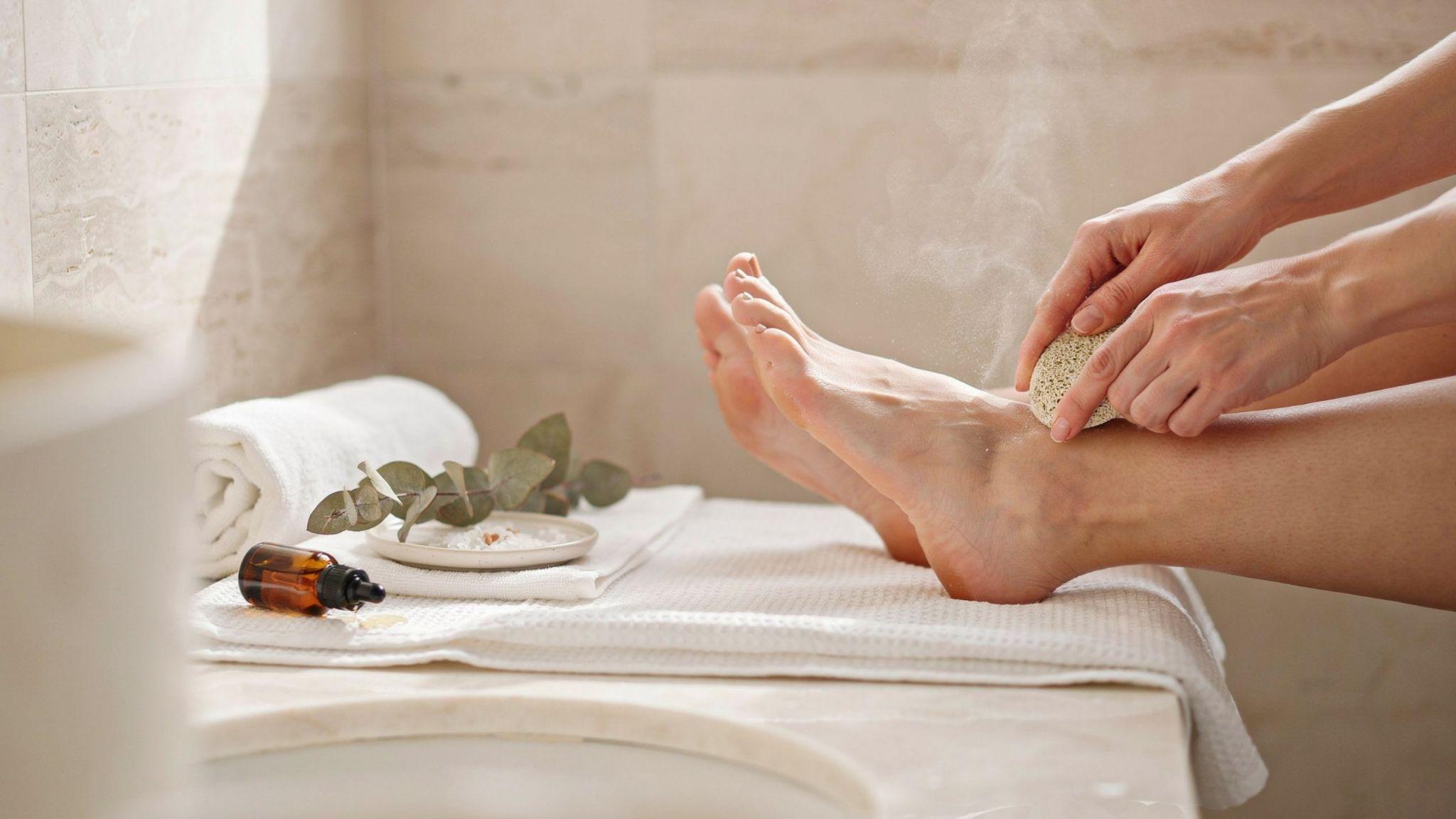
Rough heels and dry, flaky skin can be frustrating, especially when nothing seems to work. A pumice stone is one of the oldest and most reliable tools for dealing with exactly that.
It is a natural volcanic rock that gently removes dead skin without any chemicals or expensive treatments. People have been using it for centuries, and it still works just as well today.
If your feet feel rough, your heels crack, or your elbows stay dry no matter what you try, this guide is for you.
You will learn how to use it correctly, safely, and get real results without any guesswork.
What Is a Pumice Stone?
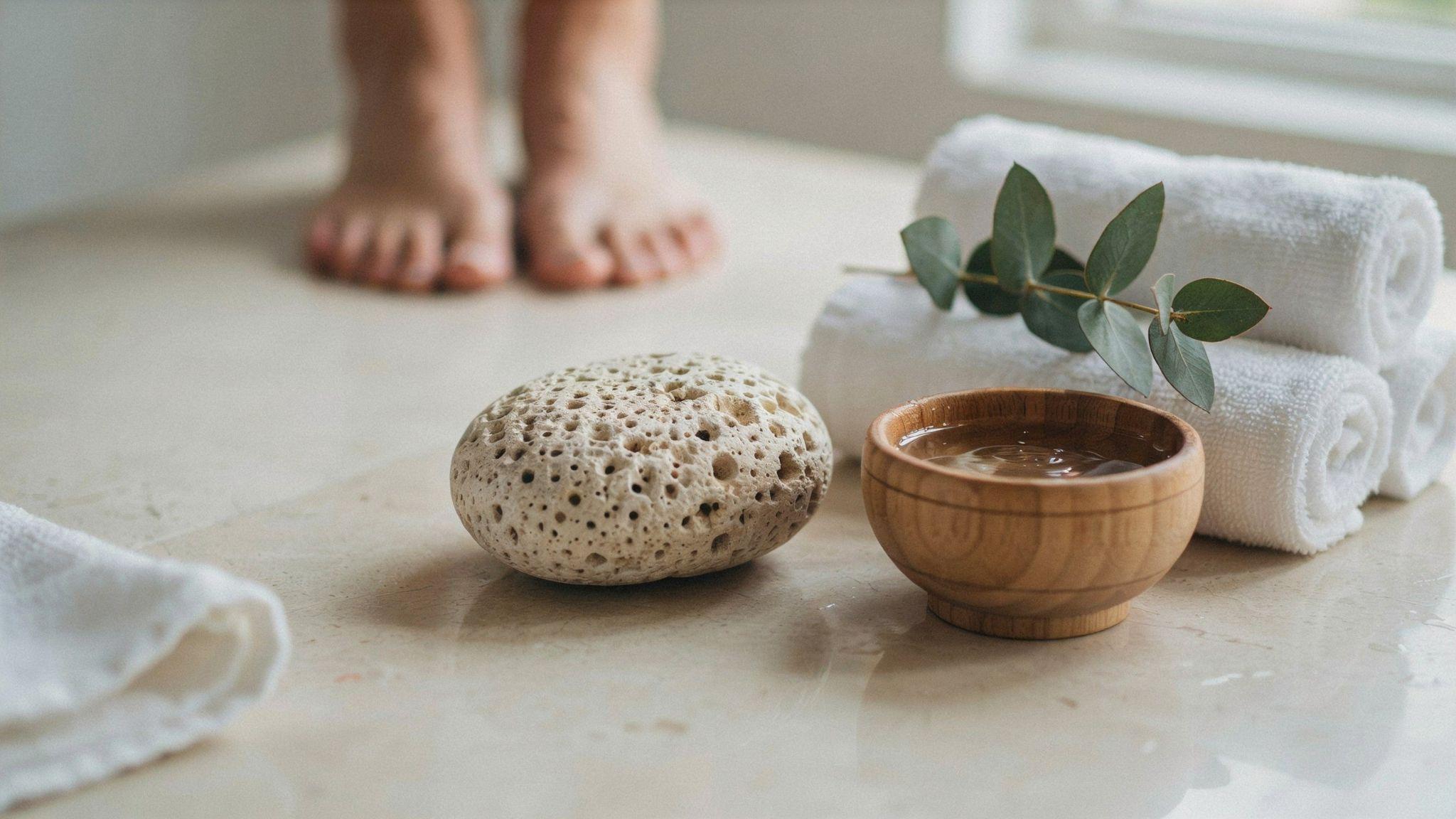
A pumice stone is a light, porous rock formed from cooled volcanic lava. Its rough surface works by gently scrubbing away dead skin cells when rubbed against the skin.
People use it to soften hard calluses and corns, smooth out rough heels, and keep feet feeling clean and fresh.
It works best on damp skin after soaking. Regular use keeps skin soft and free from buildup. It is simple, natural, and easy to use at home.
Benefits of Using a Pumice Stone
- A pumice stone removes dead skin cells without any harsh chemicals, making it a safe and natural way to keep skin clean and smooth.
- Regular use helps break down thick calluses and rough patches, making the skin feel softer and less uncomfortable over time.
- It improves overall skin texture by clearing away the dry, flaky layer sitting on top, leaving the skin underneath feeling fresh.
- Smoother skin also absorbs moisturiser better, so your lotion or cream works more effectively after using a pumice stone.
- It is a simple, low-cost tool that gives consistent results with minimal effort, making it a practical addition to any skincare routine.
What You'll Need Before Using a Pumice Stone
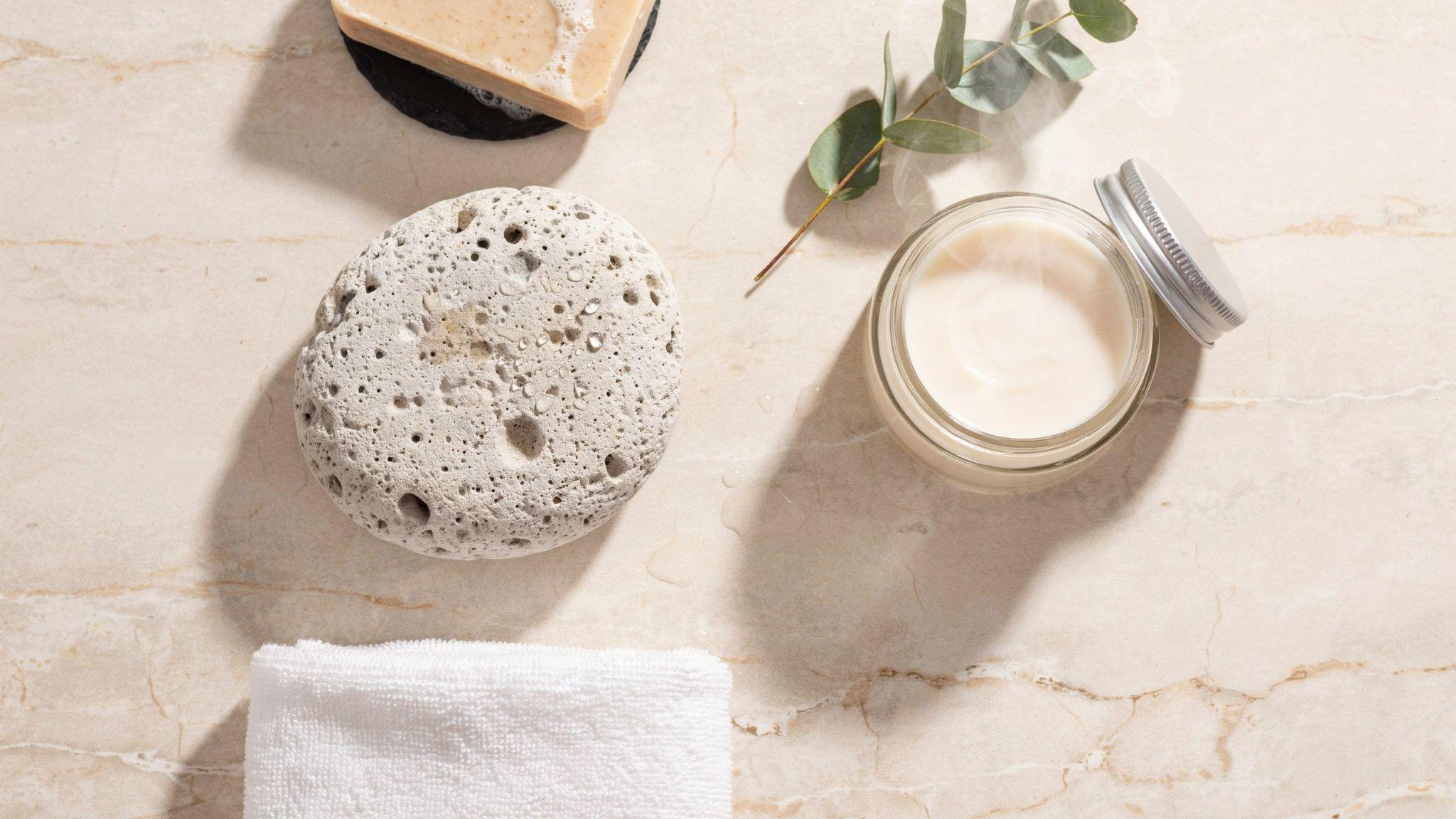
Get the right supplies ready before you start for the best results.
Supplies
Before you start, keep these supplies ready:
- Pumice stone: Pick one that feels firm but not too coarse, so it works well without being too harsh on the skin.
- Warm water: You will need this to soak the area first, as damp skin responds better and makes the process more comfortable.
- Mild soap: A gentle soap helps keep the skin clean during the process and reduces any risk of irritation or infection.
- Towel: Keep a soft, clean towel nearby to pat the skin dry once you are done scrubbing.
- Moisturiser: Apply it right after drying the skin to lock in softness and keep the area hydrated for longer.
How to Use a Pumice Stone: Step-by-Step Guide
Using a pumice stone is simple. Follow these steps to get the best results every time.
Step 1 – Soak Your Skin and the Pumice Stone

Soak the target area in warm water for 5 to 10 minutes. This softens the dead skin and makes it easier to remove.
Soak the pumice stone too. Soft, damp skin responds better and reduces the chance of irritation during scrubbing.
Step 2 – Gently Exfoliate With the Pumice Stone
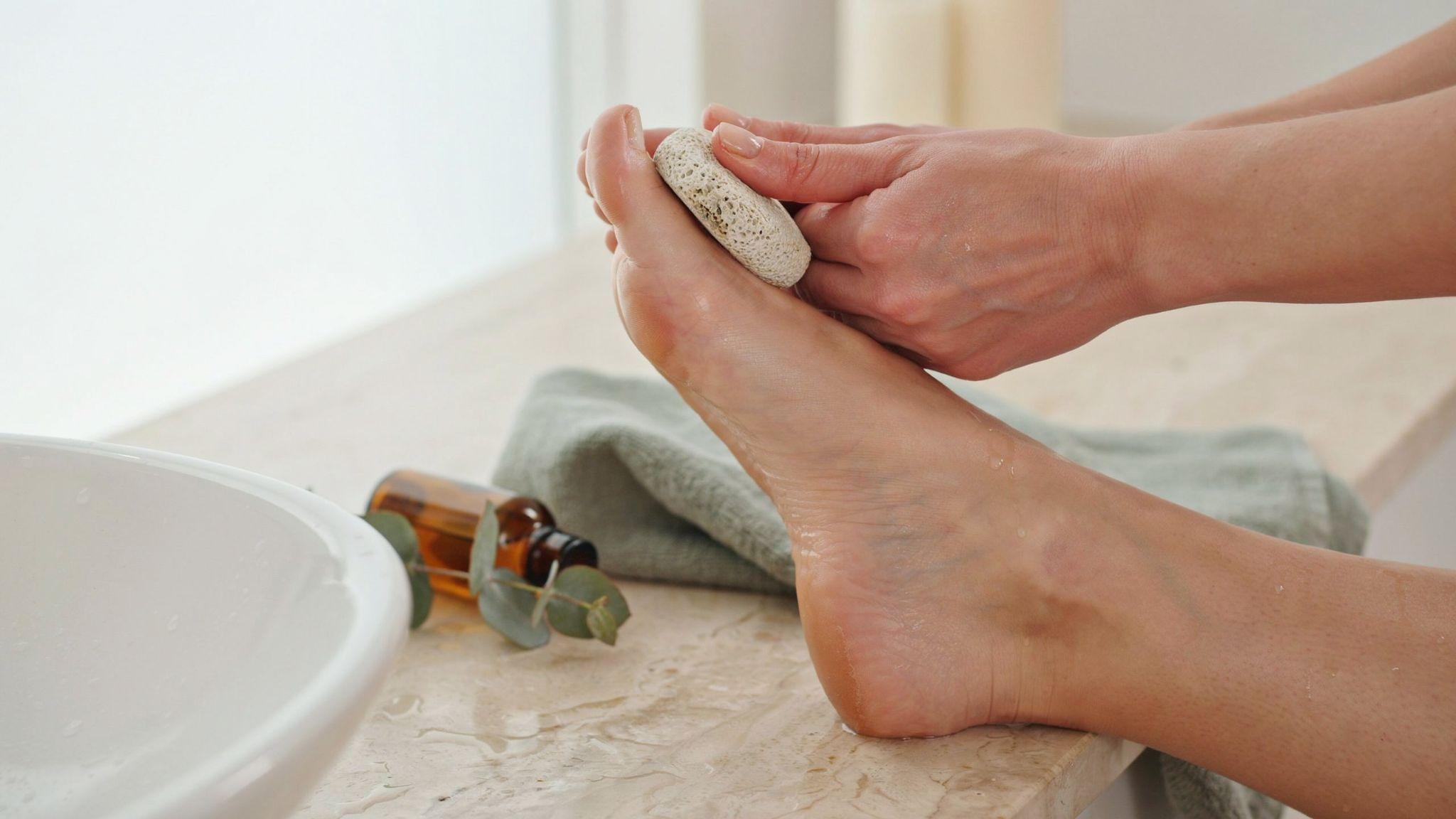
Rub the stone in small circular motions using light pressure. Do not press too hard. Focus on heels, soles, and rough patches.
Keep the skin wet while scrubbing. Stop if you feel any pain or see redness, as the skin should never feel raw.
Step 3 – Rinse, Moisturize, and Check Results
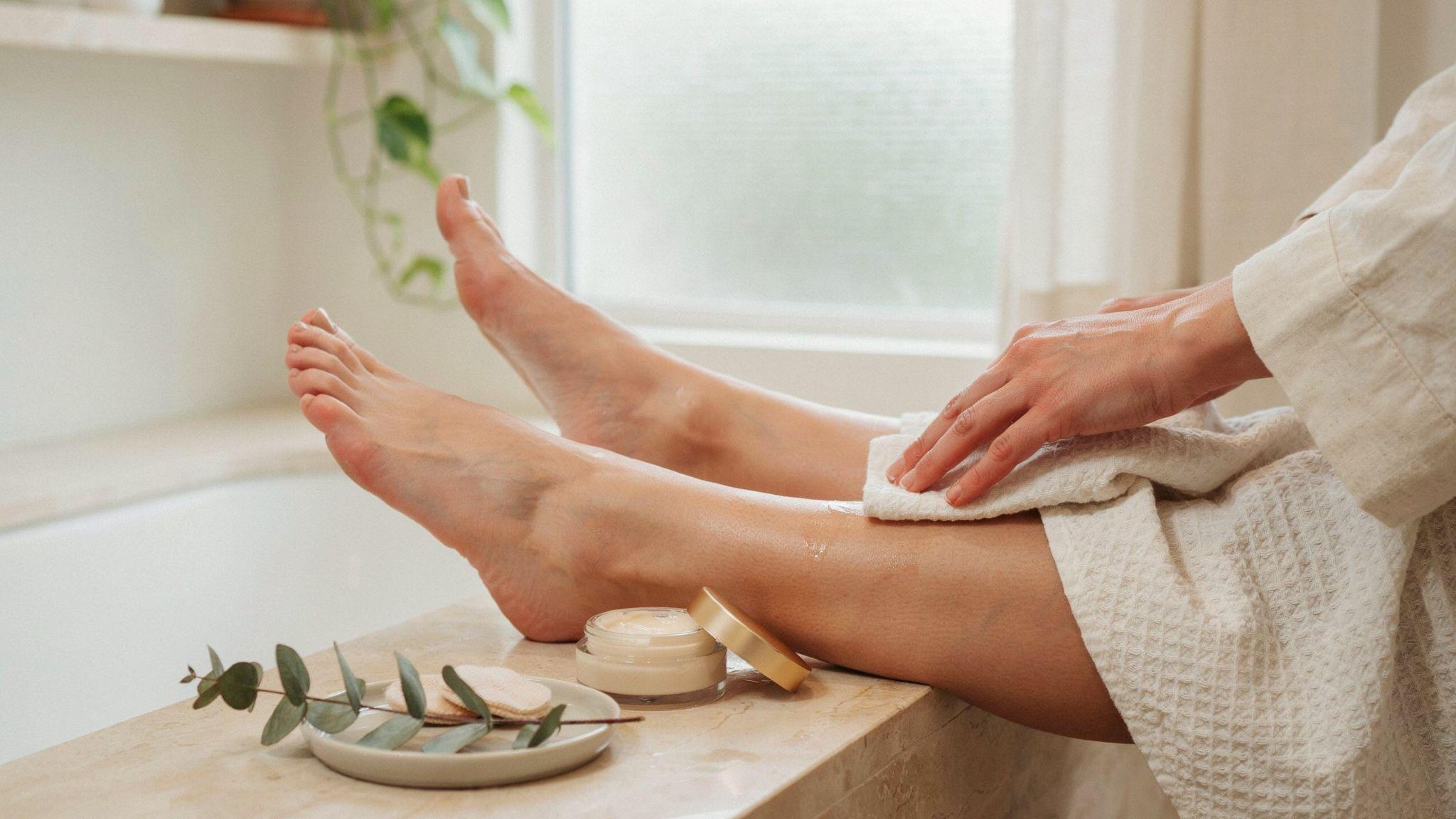
Rinse the area with clean water and pat dry with a soft towel. Apply a good moisturiser right away to keep the skin soft.
Check the results and repeat the process two to three times a week for consistent improvement over time.
Step 4 – Clean and Store Your Pumice Stone
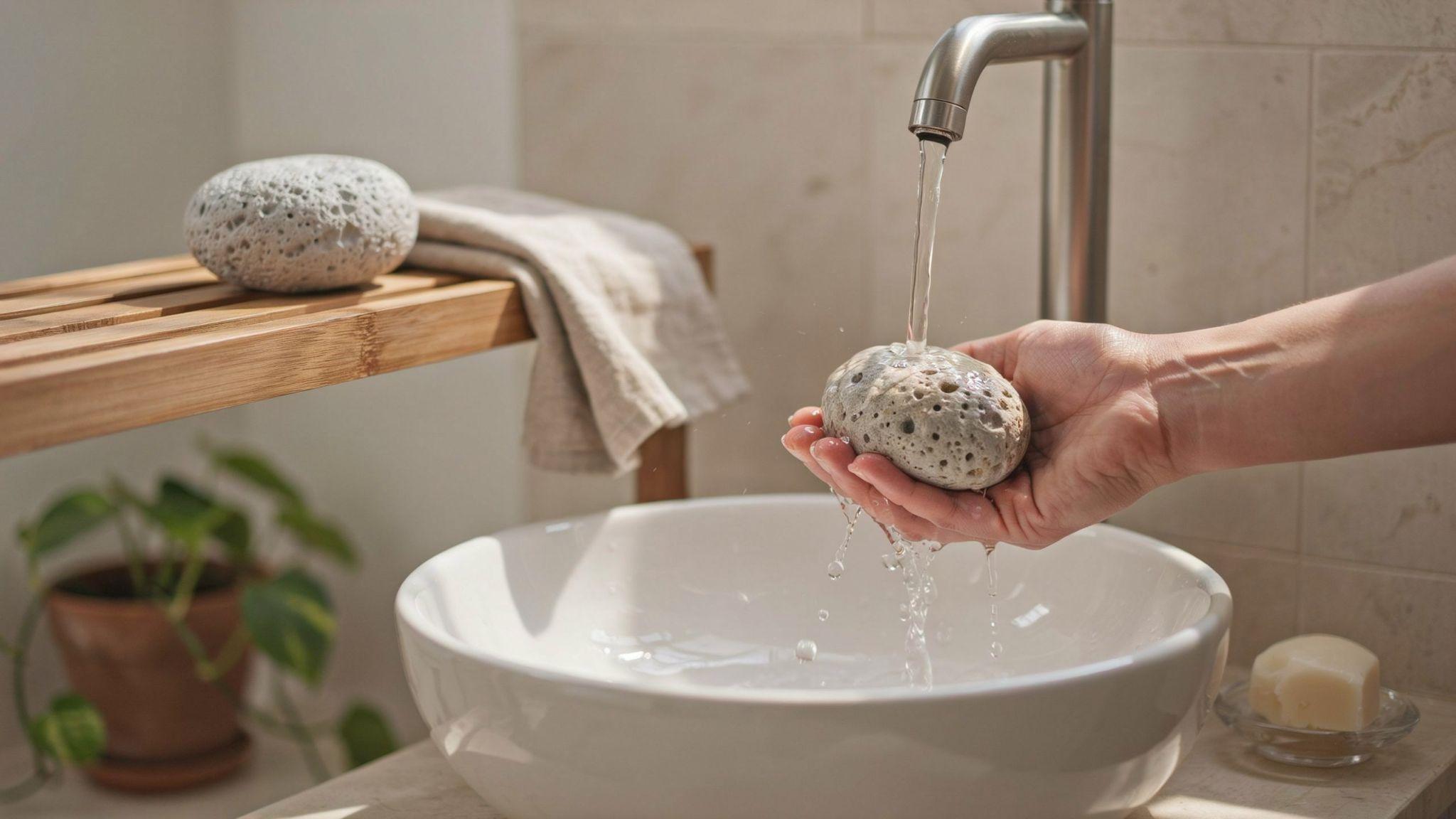
Rinse the stone well after every use to remove dead skin buildup. Scrub it with soap and let it air dry completely.
Store it in a dry, open space. A damp stone can grow bacteria, so never leave it sitting in water.
How to Use a Pumice Stone on Different Areas

A pumice stone works on different body parts, but each area needs a slightly different approach.
Feet and heels can handle more pressure as the skin is thicker. Hands, elbows, and knees need gentle scrubbing since the skin is thinner. Always soak first and use light circular motions.
For the face and neck, use a very fine pumice stone with minimal pressure. These areas are sensitive, so scrub for only a few seconds and moisturise right after.
Common Mistakes to Avoid
- Using a dry pumice stone: Always wet the stone and your skin before scrubbing. A dry stone is too rough and can cause irritation, redness, or small cuts on the skin.
- Scrubbing too hard: Applying too much pressure does more harm than good. Keep the pressure light and steady, as aggressive scrubbing can damage the skin surface.
- Skipping moisturiser: Exfoliating removes the outer skin layer, leaving it exposed. Always apply a moisturiser right after to protect the skin and keep it soft.
- Sharing your pumice stone: A pumice stone collects dead skin and bacteria after every use. Sharing it with others increases the risk of spreading infection or skin-related issues.
How to Clean and Replace a Pumice Stone

Clean your pumice stone after every single use.
Rinse it under running water and scrub it with a brush and mild soap to remove dead skin trapped in the pores. Let it dry completely in an open, airy spot before storing it.
Replace your stone when it becomes smooth, as it will stop working effectively. If it develops a bad smell or visible discolouration, throw it away.
Most pumice stones need replacing every one to three months depending on how often you use them.
Safety Tips for Using a Pumice Stone
- Stop using the pumice stone right away if you feel sharp pain or notice any bleeding. Mild redness is normal, but anything beyond that means your skin needs a break.
- Never use it on broken, sunburned, or irritated skin. Wait until the skin has fully healed before scrubbing again.
- People with diabetes should check with a doctor first. Their skin is more sensitive and even a minor scrape can take longer to heal.
- Those with very sensitive skin should use the stone less often. Always apply a moisturiser after to calm the skin down.
- If a callus or corn keeps coming back or feels painful, see a dermatologist or podiatrist. A professional can treat it more safely and effectively.
Conclusion
Using a pumice stone is one of the simplest ways to keep your skin feeling soft and clean. It takes only a few minutes, costs very little, and works well when done correctly.
Soak first, scrub gently, and moisturise after every session. Stay consistent and your skin will show real improvement over time.
If you found this helpful, share it with someone who needs smoother skin. Drop your questions in the comments below.
Frequently Asked Questions
How often should I use a pumice stone?
Two to three times a week is enough for most people. Using it daily can make the skin sore and overly sensitive.
Can I use a pumice stone on my face?
Yes, but only if the stone is very fine and you use very light pressure. The face is sensitive, so limit scrubbing to a few seconds only.
How do I know when to replace my pumice stone?
Replace it when the surface becomes smooth or starts to smell bad. A worn-out stone will not remove dead skin effectively.
Is a pumice stone safe for sensitive skin?
It can be used on sensitive skin, but less frequently. Always soak the skin first and apply a moisturiser right after to avoid any irritation.
Can I share my pumice stone with someone else?
It is best to keep it personal. A pumice stone collects dead skin and bacteria after each use, so sharing it can spread infection between people.