Does Laser Hair Removal Hurt? Pain, Myths, and Reality

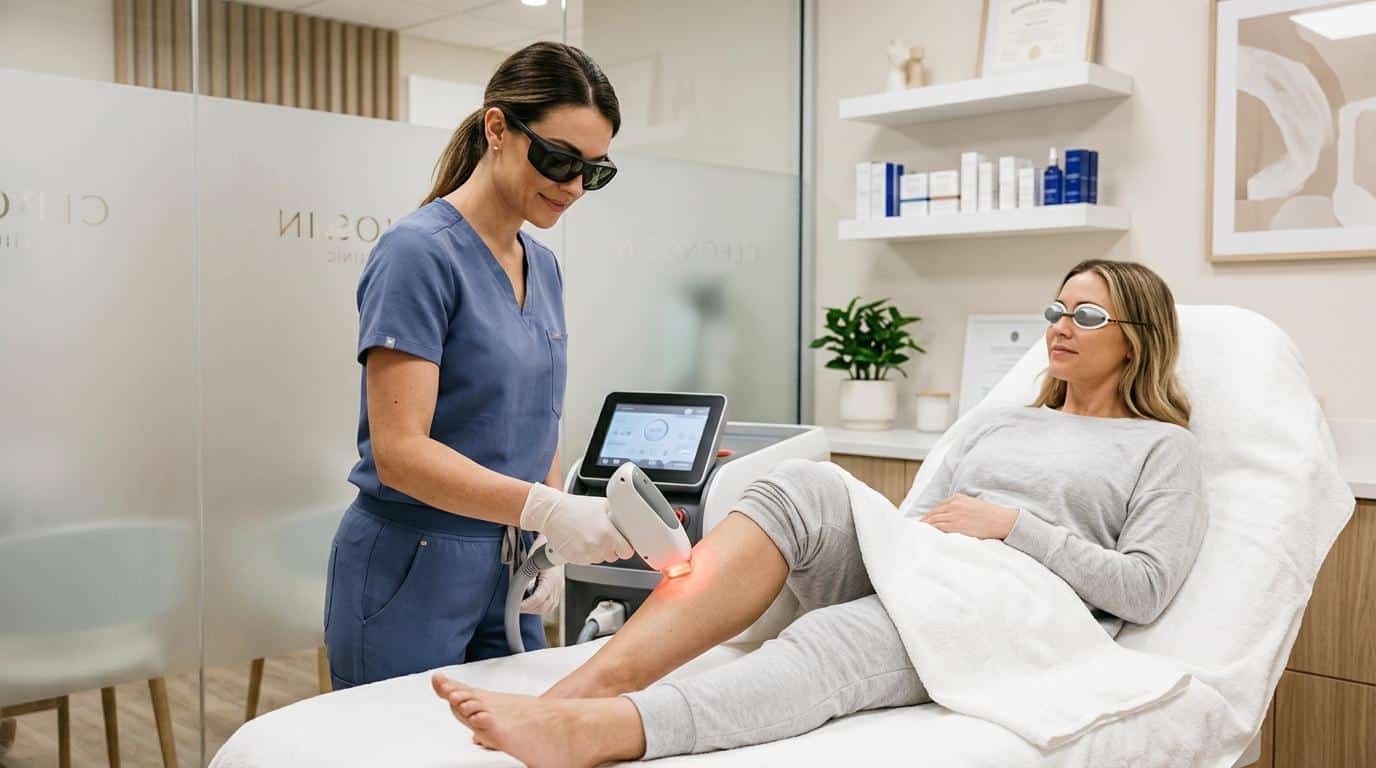
The fear of pain stops a lot of people from ever booking a consultation. Laser hair removal has been around long enough that the technology is genuinely impressive, yet the word "laser" still conjures images of burning, stinging, and gritted teeth. Most of that reputation is outdated. The honest answer to whether it hurts is: a little, briefly, and far less than most people expect.
Understanding why requires a closer look at what the laser actually does to your skin, how modern devices manage heat, and which variables make some sessions more noticeable than others.
What the sensation actually feels like
Ask ten people who have had the treatment and you will get ten slightly different answers, but the description that comes up most often is a quick snap, like a thin rubber band flicked against the skin. It is sharp for a fraction of a second, then gone.
The physics behind it are straightforward. The laser emits a concentrated beam of light that is absorbed by melanin, the pigment inside the hair follicle. That absorbed light converts to heat, which damages the follicle enough to disrupt future growth. The snap is that burst of heat, and because modern lasers pulse extremely fast, the sensation is over before your brain has much time to register it.
Some people describe the feeling as a mild warmth rather than a sting, particularly in areas where the skin is thicker. Others, especially those treating the upper lip or bikini line, notice it more. Neither experience is wrong. They are just different skin types responding to the same technology in different ways.
Contrast that with waxing. A wax strip tears the hair out from the root across a wide area all at once, producing a sustained sting that lingers for minutes. The laser moves in rapid, targeted pulses. The discomfort profile is completely different.
How cooling technology changed the experience
The idea that laser treatment feels like a continuous burn comes from older equipment. Early systems generated significant heat without much protection for the surrounding skin. That is not how current devices work.
Most modern lasers include one of two cooling approaches. Dynamic cooling devices (DCDs) spray a fine mist of cryogen onto the skin milliseconds before each pulse, pre-chilling the surface so the heat spike is barely noticeable. Contact cooling uses a chilled sapphire tip built directly into the handpiece, keeping the skin cold as the device moves across the treatment area.
These systems are effective enough that many clients describe the sensation as more of a warmth than a sting. For people with a genuinely low pain threshold, a topical numbing cream applied 30 to 45 minutes before the session is an option, though most practitioners find it unnecessary.
The variables that affect how much you feel
Discomfort is not uniform across a session or across different people. A few factors consistently influence the experience, and knowing them in advance helps you go in with accurate expectations rather than anxiety built on guesswork.
Treatment location
Skin thickness and nerve density vary considerably across the body. The lower legs, back, and forearms are generally easy sessions. The upper lip, underarms, bikini line, and areas near the ankle tend to be more noticeable because the skin is thinner or the nerve endings are closer to the surface.
Hair type
Darker, coarser hair absorbs more laser energy than fine, light hair. In early sessions, when follicles are at their densest, the heat transfer is higher. By the third or fourth session, a large percentage of those follicles have already been treated, and the remaining hair is finer. Most clients notice the sensation dropping off considerably as the course progresses.
The laser type
Nd:YAG lasers, which are commonly used on darker skin tones, operate at a longer wavelength and penetrate deeper into the dermis. Alexandrite and diode lasers work at shorter wavelengths and are more commonly used on lighter skin. Each type has a slightly different feel, and the right choice depends on your skin tone and hair color. A qualified practitioner will match the device to your profile, which matters both for safety and for comfort.
Your own threshold
Pain tolerance is personal. Hormonal fluctuations also play a role. Many women find they are more sensitive in the days before and during their menstrual cycle, so scheduling sessions for the week after it ends can make a noticeable difference.
Three persistent myths, addressed directly
Myth: It hurts more than waxing.
The opposite is generally true. Waxing rips hair from the root across a broad area, producing a sharp, sustained sting followed by inflammation that can last hours. The laser works in rapid, localized pulses. People who have done both consistently rate the laser as more tolerable, and unlike waxing, you are not repeating the experience every four weeks indefinitely.
Myth: Each session gets more painful.
Sessions typically get easier over time. As follicles are progressively destroyed, there is less pigment for the laser to target, which means less heat is generated. By the fourth or fifth session, many clients report barely feeling anything in areas that were noticeable at the start.
Myth: You need prescription painkillers beforehand.
Over-the-counter medication is rarely used, and prescription-strength pain relief is almost never warranted. For highly sensitive areas, a topical anesthetic cream is the standard option, applied before the appointment. The built-in cooling on modern devices handles the rest for the majority of clients.
Practical steps to reduce discomfort
A few straightforward habits make sessions more comfortable.
Shave the area the day before
Surface hair left on the skin will absorb laser energy before it reaches the follicle. That wastes the pulse and can cause a surface sting. Shaving the night before ensures the energy goes exactly where it needs to go.
Stay out of the sun beforehand
Tanned skin has elevated melanin in the surface layers, which makes it harder for the laser to distinguish between the skin and the hair follicle. This increases the risk of irritation and reduces treatment accuracy. Avoid direct sun exposure, tanning beds, and self-tanners for four to six weeks before a session.
Talk to your technician during the session
Practitioners can adjust the laser's settings in real time. If a particular area feels more intense than expected, say so. Reducing the fluence slightly or increasing the cooling interval is a routine adjustment. A good technician will welcome the feedback rather than push through it.
What happens after the session
Redness and mild swelling around the follicles are normal immediately after treatment. The clinical term is perifollicular edema, and it is a sign the laser reached its target. The area will look and feel similar to a mild sunburn.
For most people, this settles within a few hours. Sensitive areas may stay slightly pink for a day or two. A cool compress or plain aloe vera gel takes the edge off any residual heat. Avoid hot showers, saunas, and heavy exercise for 24 hours, as added heat can prolong the redness.
In rare cases, small blisters or temporary pigment changes can occur, usually when the laser settings were not properly calibrated for the client's skin tone or when pre-treatment sun exposure guidelines were ignored. This is why choosing a qualified, experienced practitioner matters as much as the equipment they use. Credentials, before-and-after photos, and a proper consultation are all worth checking before you commit to a clinic.
For post-treatment skincare advice and product recommendations, the guides on The Beauty Foodie's skincare section are a solid starting point.
Is it worth the temporary discomfort?
The math is fairly simple. A full course of treatment typically involves six to eight sessions spread over several months. After that, most people achieve an 80 to 90% permanent reduction in hair growth in the treated area. Compare that to shaving every two to three days for the rest of your life, or waxing every four weeks, and the trade-off becomes obvious.
Beyond the time and cost, there is the skin quality argument. Repeated shaving causes micro-abrasions and ingrown hairs. Regular waxing keeps skin in a constant cycle of irritation and recovery. Laser treatment removes the source of the problem rather than managing the symptoms.
The discomfort involved is real but brief. For the vast majority of people, it is well within the range of tolerable, and it diminishes with each session. By the time the course is complete, most clients look back and wonder why they waited as long as they did.
Pain is not a good reason to avoid the treatment. A lack of information is. Once you understand what is actually happening during a session, what the sensation means, and how modern equipment manages it, the decision becomes a lot clearer.