Why Your Skincare Stops Working Over Time


How many times has it happened to you to adjust your whole skincare routine only for it to fail within a month?
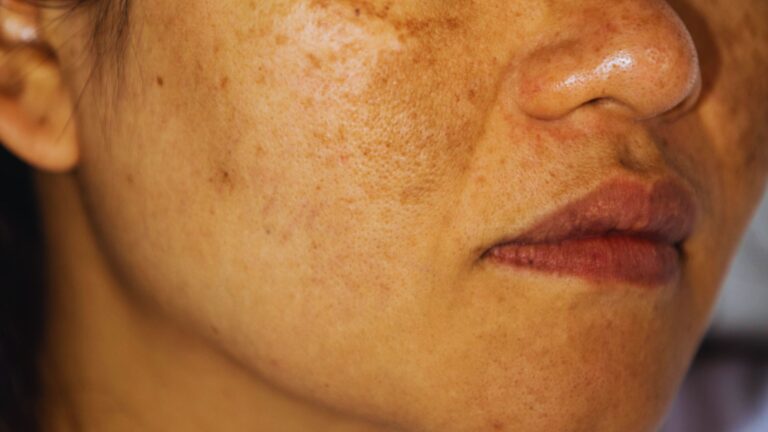
At first, the products do their job, making your skin more hydrated and softer. But, after a while, the initial boost fades, and let me tell you, most of the time it is not because of the products.
Even though there has been time to adapt to them, results depend on a bunch of different factors. It all goes down to your routines, environment, and issues connected to your overall health.
And, overall skin health depends on the same core factors, regardless of which products are used.
When Routine Starts Slipping
Before going past products into more serious causes, there are a few mistakes people make when it comes to using products.
One type of person does too little, believing it's for the best. That being said, they skip basic steps, such as cleanser or regular sunscreen.
In this situation, no matter if the products match skin type, if their use is irregular or insufficient, it will put your skin into a more serious condition.
While on the other side, as the complete opposite, there are people doing too much. Going from cleansing more than 3 times a day, exfoliating, and layering completely changes the skin barrier.
This can also be connected to switching products often, as a result of impatience or experimenting.
The real effect of any product shows within the right use and consistency. Not through following trends and overcomplicating routines.
What's Happening Beneath The Surface
When you exclude products as a factor for skin issues, you are left with underlying changes affecting your body.
Meaning that some skin issues don't always revolve around products and routines, but many serious habits that brought you into that situation.
Hydration And Basic Care
Talking about basic care, most people acknowledge it as a regular routine and hydration through moisturizers. What lots of people tend to miss is that hydration comes from the inside out.
So, if you end up dehydrated, just imagine the effect it has on your skin.
On top of that, when water isn't part of your daily routine, and it is replaced with sugary drinks or nothing, your body stops sending you clear thirst signals.
This becomes especially important over the years, when an average older adult suffers from a much higher risk of dehydration.
For instance, when older people can't be taken care of at home and are put into nursing homes because they've developed an elderly-related illness (e.g., Alzheimer's) or something similar, there has to be someone constantly monitoring their food and water intake. But because older people have reduced thirst signals and because nursing homes often have a very unfavorable staff-to-resident ratio, it becomes really hard to notice signs of dehydration in nursing homes.
Regardless of who's at fault here, residents should always be taken care of, and if dehydration does happen, it's best to take legal action to at least raise awareness about the issue. Dehydration is very dangerous and can even be fatal.
No matter if it's up to a younger or older person, skin breakage and elasticity are directly connected to hydration.
Luckily, with an efficient skincare routine, working on this habit is way easier today, with all the reminders and apps.
Diet And Gut Balance
Closely connected to hydration, another core factor affecting your body is your diet.
Of course, it stands to reason that with a poor diet, eating lots of processed foods and sugar leads to acne breakouts and oily skin. But what should concern you more is poor gut balance after such a diet.
Even when you fix your diet, your gut can suffer from a fungal or hormonal imbalance. So, if the skin doesn't glow after a fixed diet, you might wanna go deeper into that.
Also, diet and skin behavior are connected to your age. So if you are young in your twenties, your gut can adjust more easily, successfully overcoming gut imbalance without you even knowing. However, after the thirties and forties, it demands much more attention.
Hormonal Shifts And Lifestyle Habits
Shifting to your everyday routines, nowadays, everything can become a trigger for unhealthy lifestyles.
Unfortunately, when you factor in working habits and all the pressure that people push through the day, it has a direct effect on cortisol, which brings numerous side effects (e.g., increased anxiety and irritability, sleep disturbances, weight gain, fatigue, weakened immune system, difficulty concentrating/brain fog, acne, skin thinning, increased inflammation, dull/uneven skin tone, eczema, dermatitis, higher risk of pressure ulcers, etc.).
This brings a constant feeling of fatigue and inconsistent sleep. It is all building up, and one of the first signs of mental burnout is shown through skin sensitivity and its disrupted balance.
Over time, these patterns can shift how your skin reacts, even if your routine hasn't changed.
Conclusion
The bottom line is that what you read online or what someone told you about certain products usually doesn't mean it will work for you if other factors are excluded.
However, don't completely drop the products as a reason for skin breaks, as it can come if they are mismatched. But, going deeper and listening to your body might reveal much bigger issues.
Like taking care of what you eat and how much water you drink directly determines whether your skincare routine will be successful after a while or not.
These, matched with lifestyle habits, combined with consistency, have more effect on skin than short-term product changes you expect.