Why A Lipid Replenishing Face Cream Belongs In Your Skincare Routine

Sometimes a skincare routine feels like it is almost working.
You cleanse, apply a serum, use moisturizer, maybe even finish with SPF, but your skin still feels tight again by midday. It is not always a sign that your whole routine is wrong. Sometimes, it simply needs a better support step.
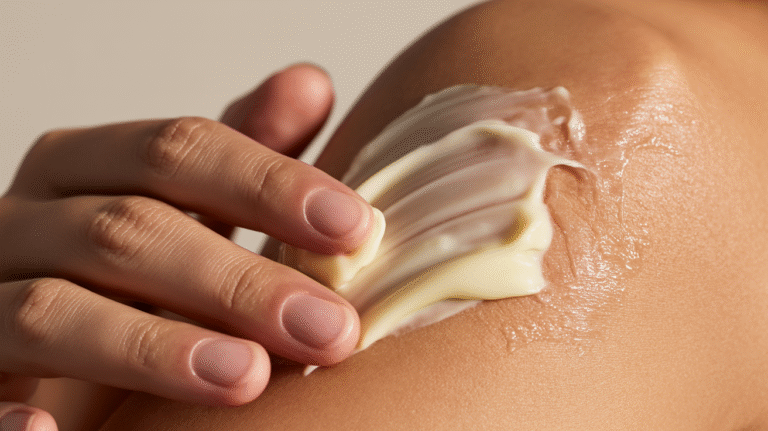
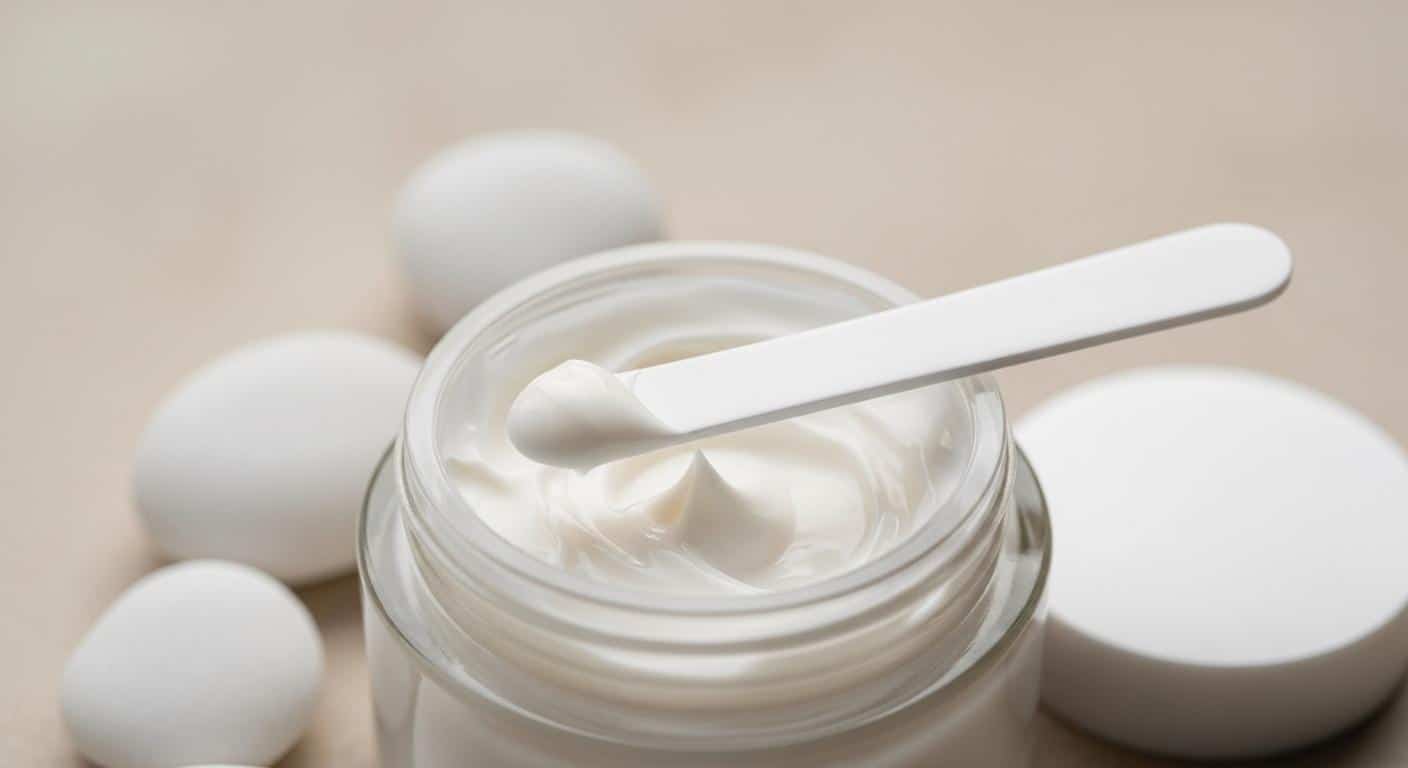
If your skin feels dry, dull, or uncomfortable even after moisturizing, a lipid replenishing face cream may be the barrier-support step your routine has been missing. Rather than adding another complicated product, it can help your skin feel more cushioned, comfortable, and better cared for.
What “Lipid Replenishing” Means For Your Skin
Lipids are fatty substances that are naturally found in the skin barrier. They’re what help skin feel soft, smooth and protected. When you have healthy amounts of them, skin is generally (but not always) better at holding on to moisture and is less likely to feel bothered by whatever comes its way.
When the skin’s lipid layer has taken a hit, however, hydration levels may start dropping. That’s when skin might start feeling a little more rough, more tight, more flaky and more irritated. A lipid-rich cream is formulated to help support that outer skin barrier so skin doesn’t feel as if it were sending out an S.O.S. at every hour of the day.
Lipids are part of the comfort layer that helps skin feel less tight, less rough and less irritated.
Why Your Skin Barrier Is More Important Than You Think
Your skin barrier isn’t some lofty marketing ideal. It’s the outermost layer that helps hold moisture in and helps keep things that could wreak havoc on the skin, like harsh weather, over-cleansing, pollution and irritants, out.
When your skin barrier is unhappy, even the most expensive, cosmetically elegant products may not be enough to soothe it. Your hydrating serum may feel great for 10 minutes, then evaporate. Your moisturizer may feel like it’s sitting on top of the skin, just sliding around. Your foundation may catch on areas it never clung to before.
Your skin barrier is a little like the seal on a water bottle. If the seal is weak, it does not matter how much water you pour in. The support has to be there for the hydration to last.
Signs Your Routine May Need A Lipid-Rich Cream
You don’t need to break out the pH strips and formulate a hypothesis on your individual skin lipid levels, but if the following scenarios sound familiar, your skin may be asking for more lipid support.
Irritating signs can be subtle. Your skin feels a little tight after washing, maybe more than it should, especially if your cleanser is meant to be gentle. Your moisturizer seems to vanish as quickly as you can apply it. Let a little time pass, and makeup might develop into pancake-like patches on your face or it just slips off in some areas before lunch. Products you’ve used for months or even years may morph into something foreign, causing unexpected stinging or mild redness.
A more insidious sign is an overall lackluster appearance that’s not remedied by exfoliation. Once skin starts to dull, we often add stronger acid products and scrubs to our routine, but if skin’s struggling in the surface department, more intensity, even a little, is likely to make things worse. Sometimes dullness is not a call for more polishing. Sometimes it is a call for more comfort.
How to Use a Lipid Replenishing Face Cream
A lipid-rich cream typically follows an aqueous, or hydrating, ingredient, so you’re giving skin a mid-level treatment that moisturizes deeply. That way, your skin gets the hydration it needs first, and the cream can provide the support to your skin’s surface that helps everything feel better.
An uncomplicated routine looks something like this: use a hydrating serum or mist after cleansing, any treatment serums if you use them, a lipid-bolstering cream next, then SPF in the morning. At bedtime, the cream can be your finish once your skin is out of water-based steps, and it feels dry or taut.
Dry skin can apply this cream twice a day. Combination skin might prefer it at bedtime or on drier areas only. The goal isn’t to put on the richest layer you can. The point is to use the right amount in the right place, so your skin feels supported rather than coated.
What Ingredients Make This Step Useful?
A great lipid-replenishing cream might contain ceramides, or cholesterol, or essential fatty acids (or all three). It might also or instead contain squalane or other nourishing lipids, or amino acids or peptides or humectants like glycerin.
That’s because all these components are doing different jobs. Some help soften the skin. Some reinforce the barrier. Others pull in and hold water so that the skin feels more hydrated. You don’t have to know what each compound does. You just have to know its end result: comfort and barrier-supported, long lasting hydration.
Sweet Chemistry’s Elasticity Reinforcing Lipid-Cream, for example, is positioned as a ceramide-rich option for dry, dehydrated, or depleted skin, with a texture designed to feel emollient and comforting.
Common Mistakes That Can Make Dry Skin Feel Worse
The first and most common mistake is over-exfoliation. Scrubbing harder or adding more actives because the skin looks tired and dry. Using several active ingredients at once can make it harder to know what is helping and what is irritating.
The second most common mistake is applying a rich cream texture to completely dry skin. If there is no water in the barrier, the product will escape right out into the air on the surface, creating tension on the skin barrier. A cream can feel more effective when it follows a hydrating layer. It also helps to avoid switching products every few days, skipping SPF, or assuming tingling means a product is “working.”
And please, do not cleanse until your skin feels squeaky. Squeaky skin is often just stripped skin trying to sound productive.
A Better Routine Does Not Have To Mean More Products
A lipid replenishing cream is not about adding clutter to your shelf. It is about choosing a final step that supports what the rest of your routine is already trying to do.
If your skin feels dry, tight, dull, or easily irritated, the missing piece may not be another serum, another active, or another trend. It may be the cream that helps your skin feel supported enough to settle down.
The best routine is not always the longest one. It is the one your skin can live with comfortably.
For more routine guidance, this guide to building a skincare routine that works with your lifestyle keeps the same practical spirit: skincare should fit real life, not make it harder.