Can I Use Vitamin C With Retinol in Skincare?


If you’re into skincare like me, you’ve definitely heard about vitamin C and retinol. These two are absolute powerhouses, and I use both in my routine.
But when I first started, I had no idea if using them together was safe. I kept reading different things online. Some people said it’s fine, others warned it could irritate your skin.
It was honestly so confusing. So I did my research, talked to dermatologists, and figured it out. In this guide, I’m sharing everything I learned.
We’ll cover how these ingredients work, whether you can mix them, and the safest way to use both.
What Is Vitamin C and Why Is It Used in Skincare?

Vitamin C is a powerful antioxidant you’ll find in many serums and creams.
It protects your skin from pollution and UV damage while boosting collagen production to keep your skin firm and youthful.
How Vitamin C Works on the Skin
Vitamin C fights free radicals that damage your skin cells. These come from sun exposure, pollution, and stress. It neutralizes them before they cause harm.
It also brightens your complexion and supports collagen production. Collagen keeps your skin plump and smooth. As we age, we lose it naturally. Vitamin C helps slow that down.
Key Benefits of Vitamin C
- Evens out skin tone and fades dark spots
- Targets dullness and hyperpigmentation
- Reduces fine lines and wrinkles
- Makes skin look fresher and more radiant
What Is Retinol and How Does It Work?
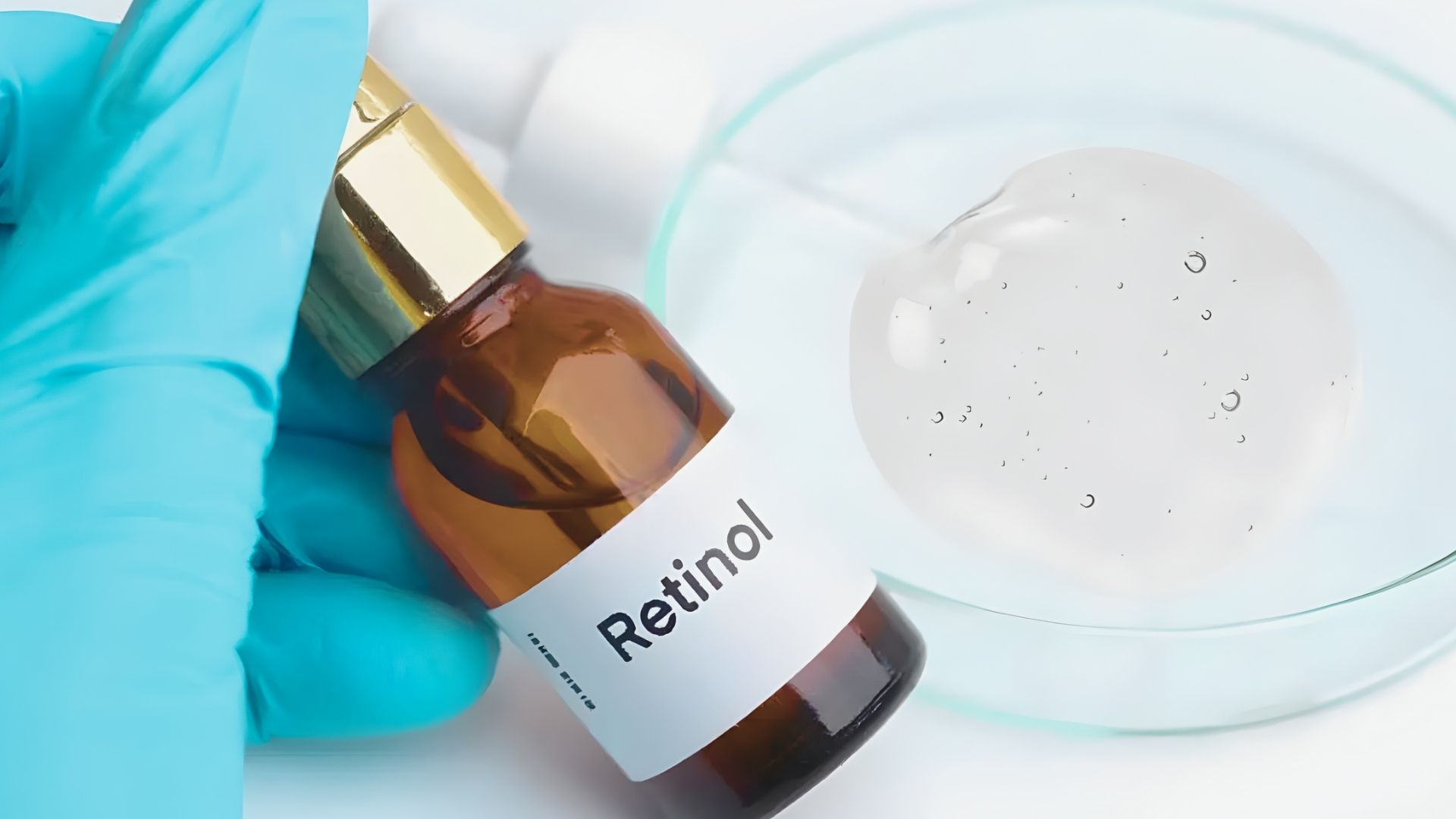
Retinol is a form of vitamin A that’s a go-to ingredient for anti-aging and acne treatment. Dermatologists recommend it all the time because it really works.
Understanding Retinol and Retinoids
Retinol is a type of retinoid. Retinoids are the whole family of vitamin A derivatives. This includes prescription options like tretinoin and over-the-counter versions like retinol.
Retinol is milder than prescription retinoids. It converts to retinoic acid once it’s on your skin, and that’s what does the work.
Key Benefits of Retinol
- Speeds up cell turnover so fresh skin comes to the surface faster
- Smooths fine lines and wrinkles by boosting collagen
- Clears acne by keeping pores clean
- Refines texture and evens out skin tone
Can I Use Vitamin C With Retinol?

Can you use vitamin C with retinol? Yes, you absolutely can. These two ingredients work well in the same skincare routine. But here’s why so many people think they don’t mix.
Vitamin C works best at a low pH, while retinol needs a higher pH to be effective. When you layer them at the same time, they can clash and irritate your skin.
That’s where the confusion comes from. The good news is there are safe ways to use both without causing problems.
You just need to know the right method and timing to avoid irritation.
Why You Should Not Apply Vitamin C and Retinol at the Same Time
Applying vitamin C and retinol at the same time isn’t the best idea. Vitamin C works best at a low pH around 3.5, while retinol needs a higher pH.
When you layer them together, they interfere with each other and become less effective.
Plus, using both at once can really irritate your skin. You might get redness, dryness, or stinging. Both ingredients are strong on their own.
Put them together, and you’re doubling up on irritation. Your skin barrier can get compromised, leading to sensitivity and discomfort. It’s too much for most skin types to handle all at once.
How to Use Vitamin C and Retinol Together Safely

The safest way to use both ingredients is to separate them by time of day. This prevents irritation and lets each one work at its best.
Best Time to Use Vitamin C
Use vitamin C in the morning. It’s perfect for daytime because it protects your skin from environmental damage.
When you apply it before sunscreen, it shields your skin from pollution and UV rays throughout the day.
Vitamin C also brightens your complexion, so you’ll look more radiant as you go about your routine.
Best Time to Use Retinol
Save retinol for nighttime. It works while you sleep, speeding up cell turnover and repairing damage.
Retinol also makes your skin more sensitive to the sun, which is why evening application is safer.
You avoid the risk of sun damage and let retinol do its job without interference. Just make sure to wear sunscreen the next morning.
Can Sensitive Skin Use Vitamin C With Retinol?
If you have sensitive skin, you can still use vitamin C and retinol, but you need to be careful. Start with lower concentrations of each ingredient.
Introduce them one at a time, not both at once. Give your skin a few weeks to adjust before adding the second one. Watch for signs of irritation like redness, peeling, or stinging.
If these happen, cut back on how often you’re using them. You might need to use each ingredient just twice a week instead of daily.
Listen to your skin and adjust accordingly.
Common Mistakes to Avoid
Here are the most common mistakes people make when using vitamin C and retinol:
- Don’t layer vitamin C and retinol at the same time. This causes irritation and makes both ingredients less effective on your skin.
- Never skip sunscreen during the day. Retinol makes your skin more sensitive to sun damage, so SPF is non-negotiable every morning.
- Don’t start with high strengths right away. Your skin needs time to build tolerance, so begin with lower concentrations and work your way up slowly.
- Avoid using them every single day at first. Give your skin breaks between applications until it adjusts to having both ingredients in your routine.
- Don’t forget to moisturize properly. Both vitamin C and retinol can be drying, so use a good hydrating cream to protect your skin barrier.
Conclusion
So can you use vitamin C with retinol? Absolutely. I do it myself, and my skin has never looked better. The key is timing. Use vitamin C in the morning and retinol at night.
Stay consistent with your routine, and you’ll see results. Remember, everyone’s skin is different. What works for me might need tweaking for you.
Start slow, pay attention to how your skin reacts, and adjust as needed. Have questions or want to share your experience?
Drop a comment below. And if this helped you, share it with someone who’s been wondering the same thing!
Frequently Asked Questions
Can I apply vitamin C and retinol at the same time?
No, it’s best to avoid applying them together. Use vitamin C in the morning and retinol at night to prevent irritation and let each ingredient work effectively.
How long should I wait between using vitamin C and retinol?
If you’re using them on the same day, separate them by at least 12 hours. Morning for vitamin C and evening for retinol is the safest approach for most people.
Can beginners use both vitamin C and retinol?
Yes, but start slowly with lower concentrations. Introduce one ingredient first, let your skin adjust for a few weeks, then add the second one to your routine.
Do I need sunscreen if I’m using vitamin C and retinol?
Absolutely, sunscreen is a must every morning. Retinol makes your skin more sun-sensitive, and vitamin C works better when paired with SPF protection during the day.
What should I do if my skin gets irritated?
Reduce how often you’re using them or lower the concentration. Give your skin a break for a few days, use a gentle moisturizer, and reintroduce them slowly once irritation clears.