Do Sunspots Go Away? Causes, Symptoms & Treatments


Sunspots show up uninvited and rarely leave without a fight. If you’ve noticed flat, dark patches on your face or hands, you’re not alone.
A lot of people ask the same question: do sunspots go away?
This article breaks it all down. You’ll find out what sunspots actually are, why they form, and what works to fade them.
I’ll also cover when to see a doctor and how to stop them from coming back. Let’s get into it.
What Are Sunspots?

Sunspots are flat, darkened patches that form on skin that’s been exposed to the sun over time.
Sunspots go by a few names. You might hear them called age spots, liver spots, or solar lentigines.
They’re all the same thing. These spots are flat, brown or tan, and show up on areas that get the most sun. Common spots include the face, hands, shoulders, chest, décolletage, and upper back.
They’re not raised. They don’t itch or hurt. But they do stick around. They’re simply your skin’s response to years of UV exposure.
Melanin builds up in certain areas over time, and that’s what creates those flat, darkened patches.
They’re more common in people with fair skin, but anyone can develop them.
Causes of Sunspots

Sunspots form when your skin gets too much UV exposure over the years.
UV Rays and Sun Exposure
UV rays from the sun or tanning beds trigger your skin to produce too much melanin in certain spots. That excess melanin clumps together and shows up as a darkened patch.
Ageing and Genetics
Older skin can’t repair sun damage as well. A history of sunburns speeds up the process, and genetics can make some people more prone to developing spots.
How Sunspots Form
Repeated UV exposure causes melanin to overproduce and cluster in one area, creating that flat, dark patch you see on the skin.
It doesn’t happen overnight. Years of sun exposure build up, and eventually those patches appear. This is why sunspots are more common in people over 40, but younger people can get them too.
Symptoms and Signs of Sunspots
Sunspots have a pretty recognizable look, but it’s worth knowing exactly what to look for.
Appearance of Dark Spots
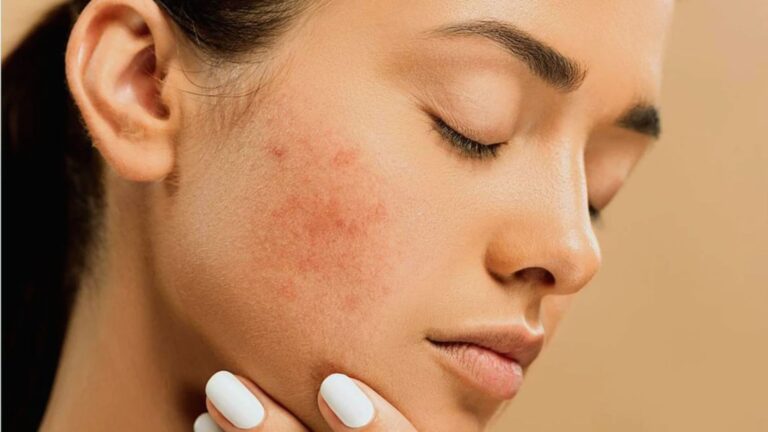
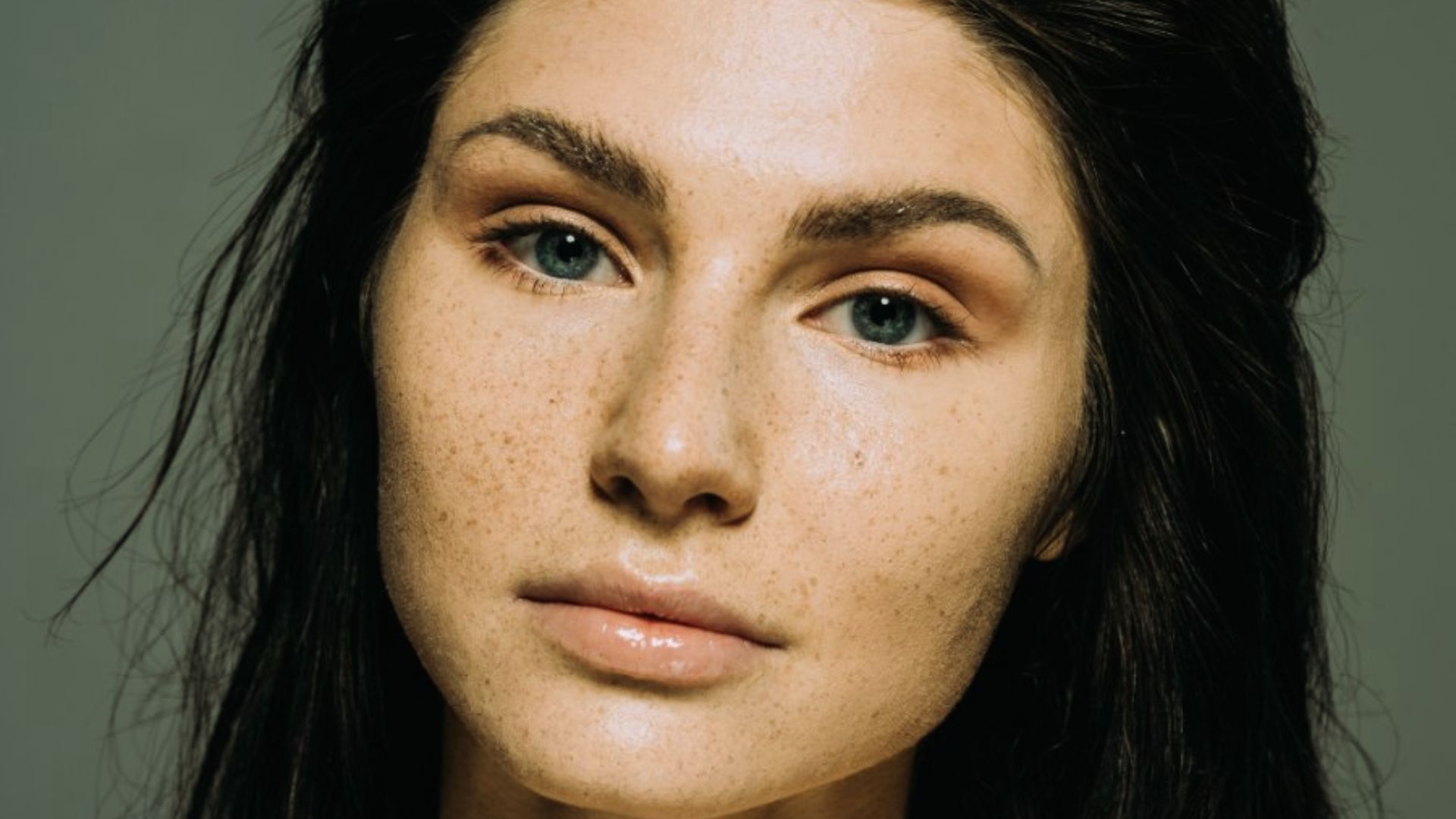
Sunspots usually appear as flat, brown, or black spots on sun-exposed areas of the skin.
They sit level with the skin and have a defined edge. The color can range from light tan to deeper brown, depending on your skin tone and how much sun damage has built up over time.
Common Locations on the Body
They’re typically found on the face, hands, shoulders, and arms. These are places that tend to get the most sun over the years.
The back of the hands is one of the most common spots. The forehead, cheeks, and nose are frequent areas too. If you spend a lot of time outdoors, you might notice them on your chest or upper back as well.
Size and Shape Variations
Sunspots can range from small freckles to larger patches with irregular shapes, so no two look exactly alike.
Some are tiny, barely the size of a pinhead. Others can grow to about half an inch across. They usually have fairly clear borders, but larger spots can sometimes look more uneven.
Changes Over Time
With continued sun exposure, sunspots may gradually darken or increase in number, which is why early prevention matters.
A spot that looks faint today can become more noticeable over the next few years if you’re not protecting your skin. New spots can also form alongside existing ones over time.
Skin Texture Differences
Most sunspots are smooth to the touch, but some may feel slightly rough compared to the surrounding skin.
If a spot starts to feel scaly or raised, that’s worth paying attention to. Smooth and flat is normal for sunspots. Anything beyond that is a reason to get it checked.
Treatments for Sunspots
There are solid options for fading sunspots, from creams you use at home to professional procedures.
Retinoids (Tretinoin, Adapalene)
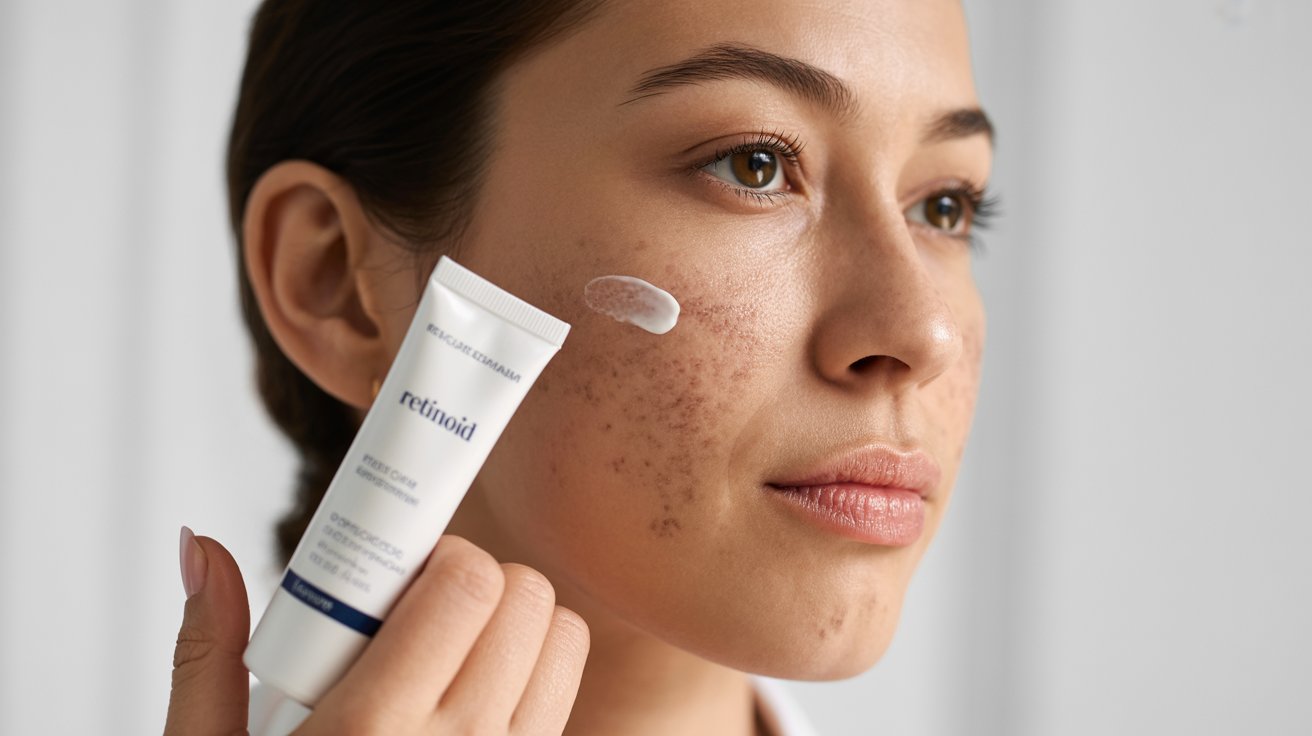
Retinoids speed up cell turnover, pushing pigmented cells to the surface faster. With consistent use, they gradually fade sunspots and improve overall skin tone over several weeks.
Vitamin C Serums (L-Ascorbic Acid)

Vitamin C is one of the most well-researched brightening ingredients out there. It slows melanin production and helps lighten existing dark patches with regular daily use.
Niacinamide
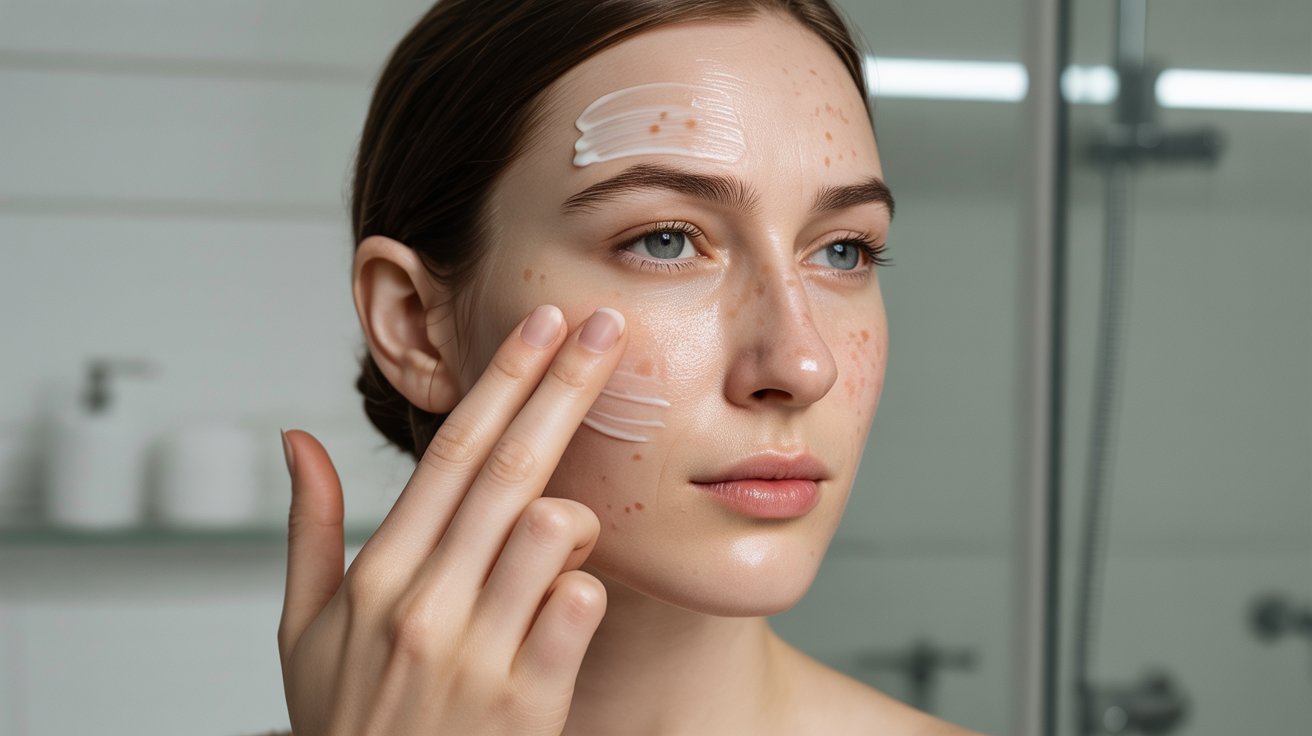
Niacinamide works by blocking the transfer of pigment within the skin. It evens out skin tone, reduces the appearance of dark spots, and improves overall skin texture over time.
Alpha Hydroxy Acids (Glycolic Acid, Lactic Acid)
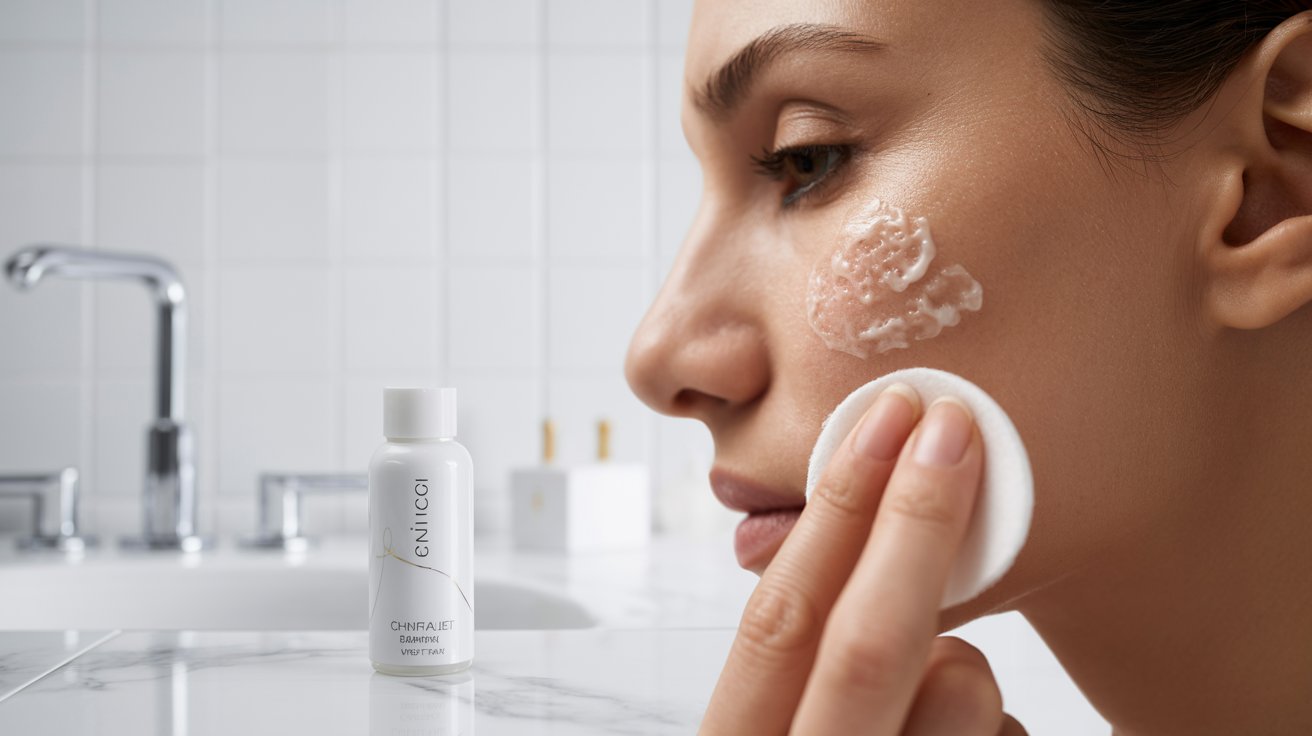
AHAs gently dissolve dead skin cells on the surface, allowing fresher, lighter skin to come through. Regular use helps fade dark patches and keeps skin looking more even.
Laser Therapy (Q-switched Nd:YAG, Fractional Laser)
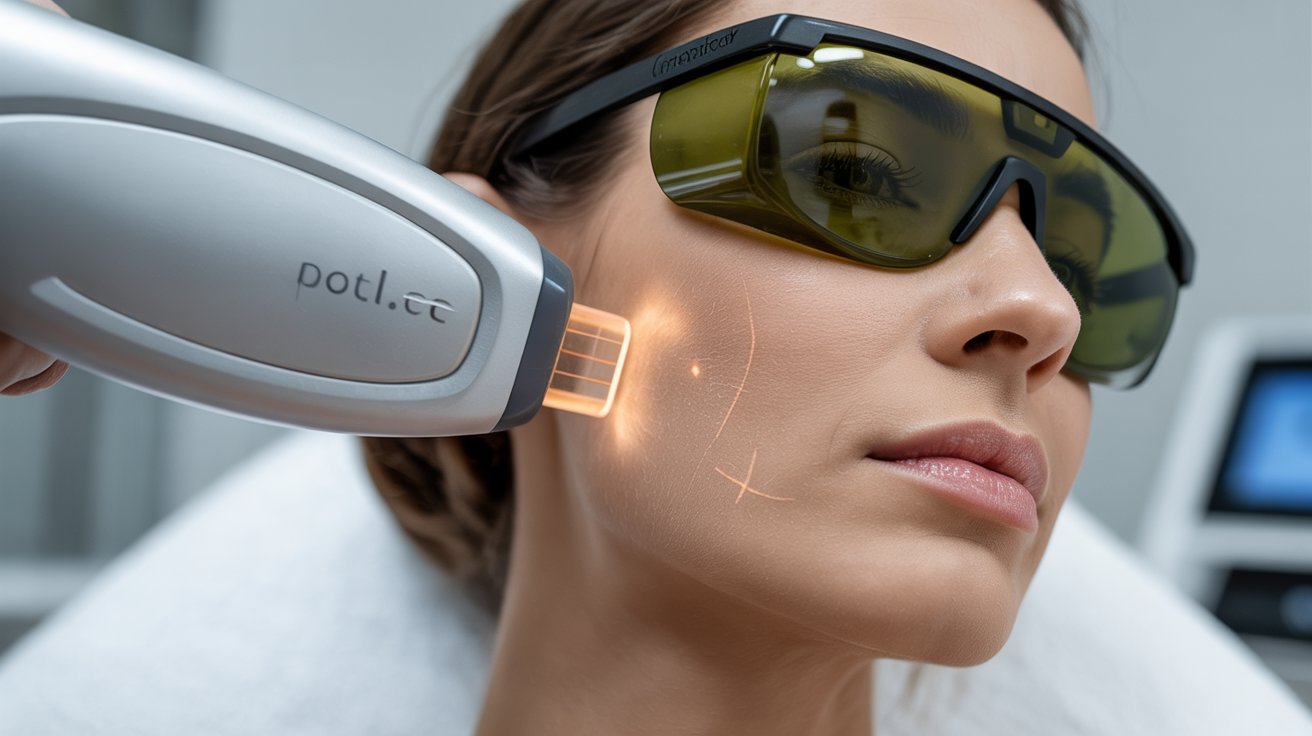
Laser treatments target pigmented cells directly without affecting the surrounding skin. Results are faster than topical options, though multiple sessions are usually needed for the best outcome.
Intense Pulsed Light (IPL)

IPL uses broad-spectrum light to break down melanin in the skin. It’s a popular option for treating sunspots across larger areas and works well on lighter skin tones.
Chemical Peels (TCA, Glycolic Acid Peels)
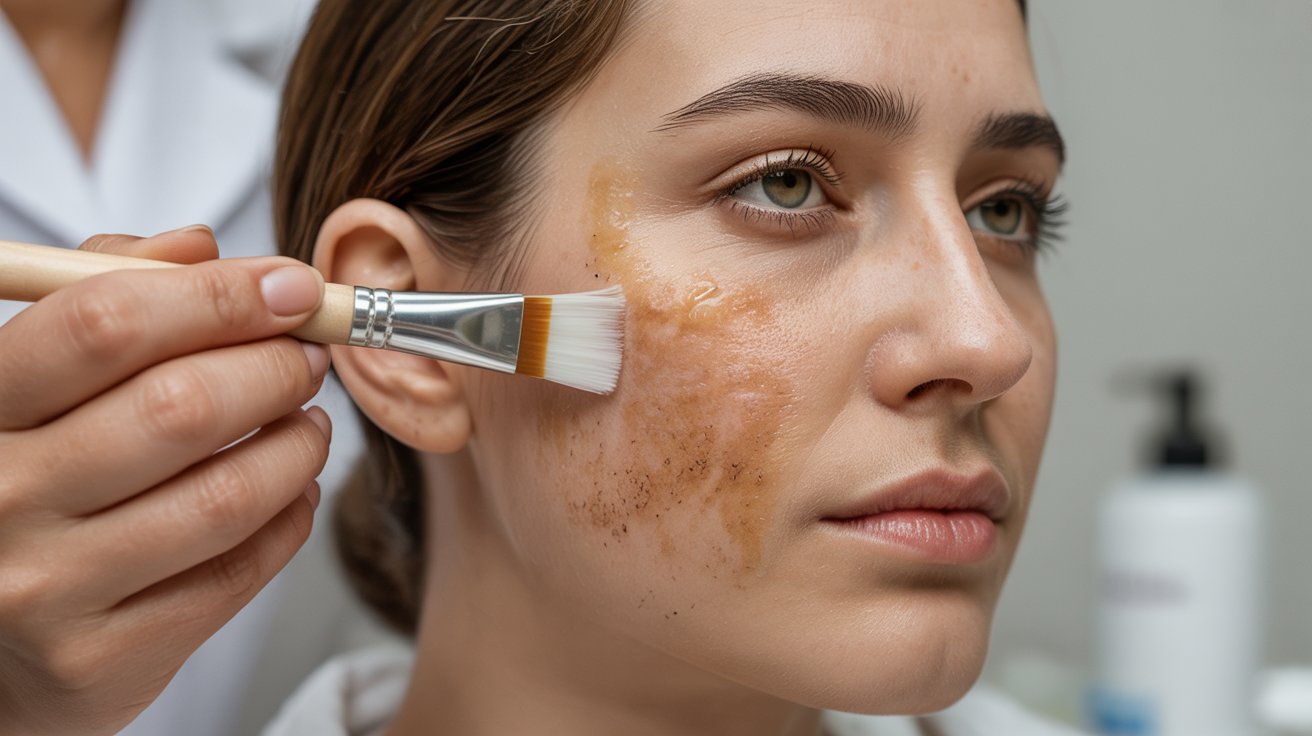
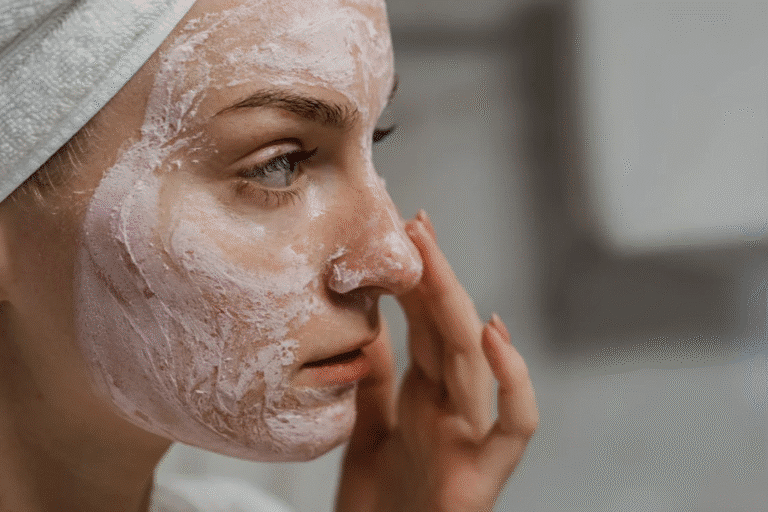
Chemical peels remove the top layers of skin, taking pigmentation with them. Lighter peels can be done at home, while stronger TCA peels are best left to a professional.
Cryotherapy
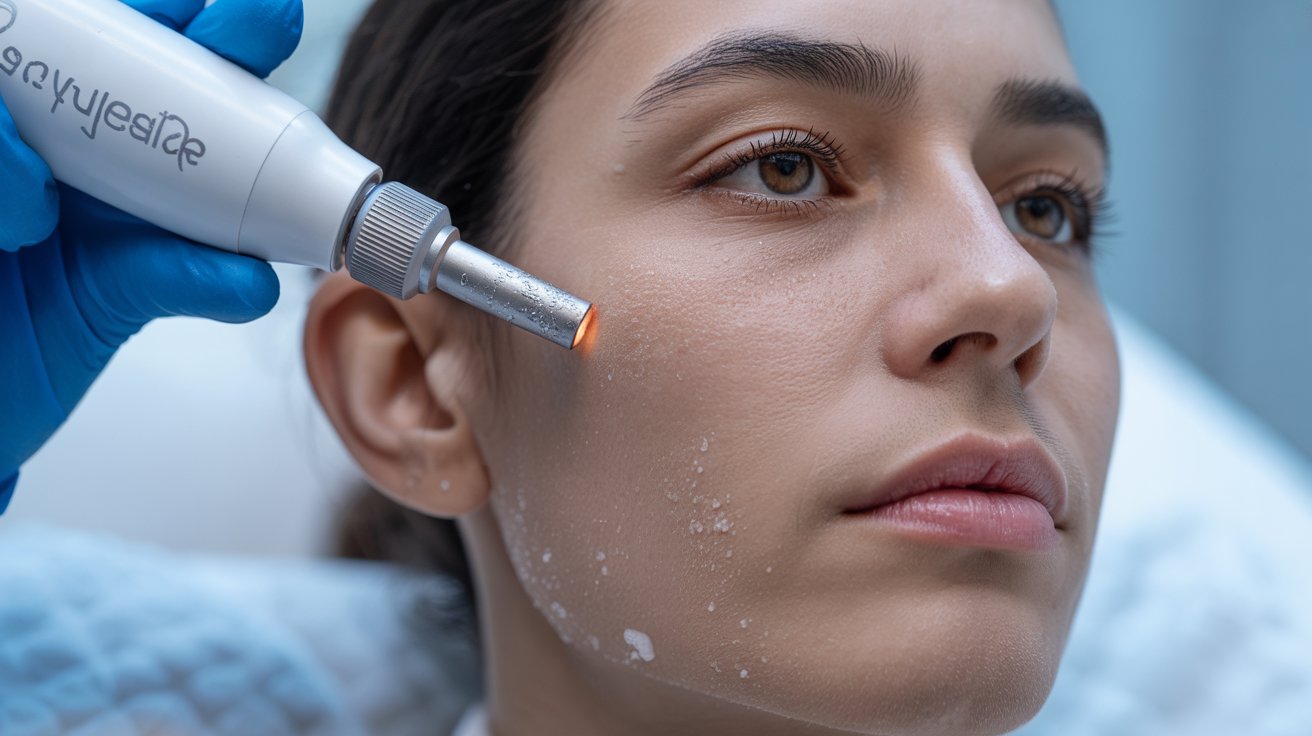
Cryotherapy uses liquid nitrogen to freeze pigmented spots, causing them to peel off as the skin heals. It’s a quick in-office procedure that works well on individual, well-defined spots.
Microdermabrasion
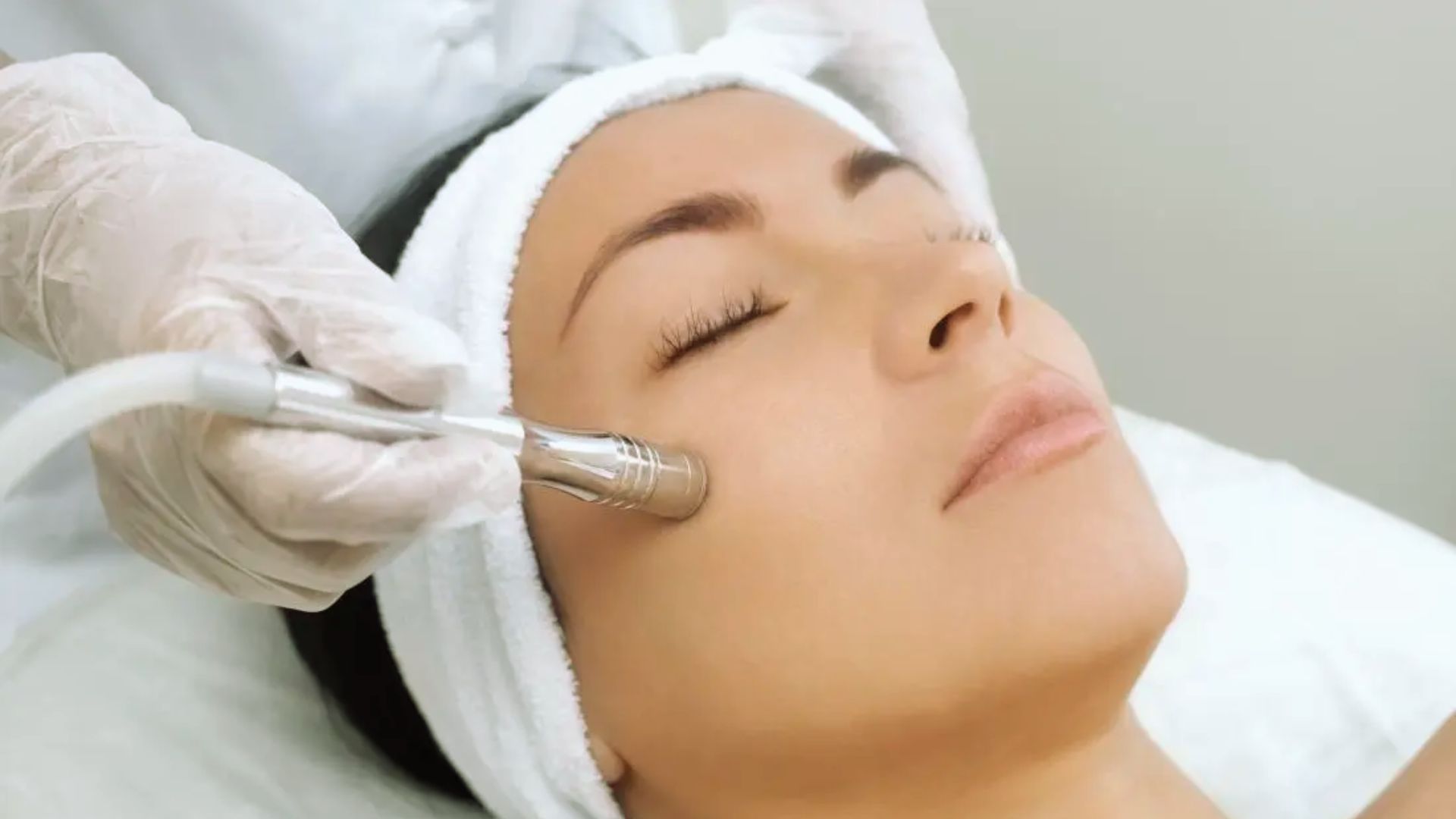
Microdermabrasion physically buffs away the outer skin layer using a fine abrasive tool. It’s a gentler option that works best for mild sunspots and improving overall skin texture.
Lifestyle Tips for Sunspot Prevention
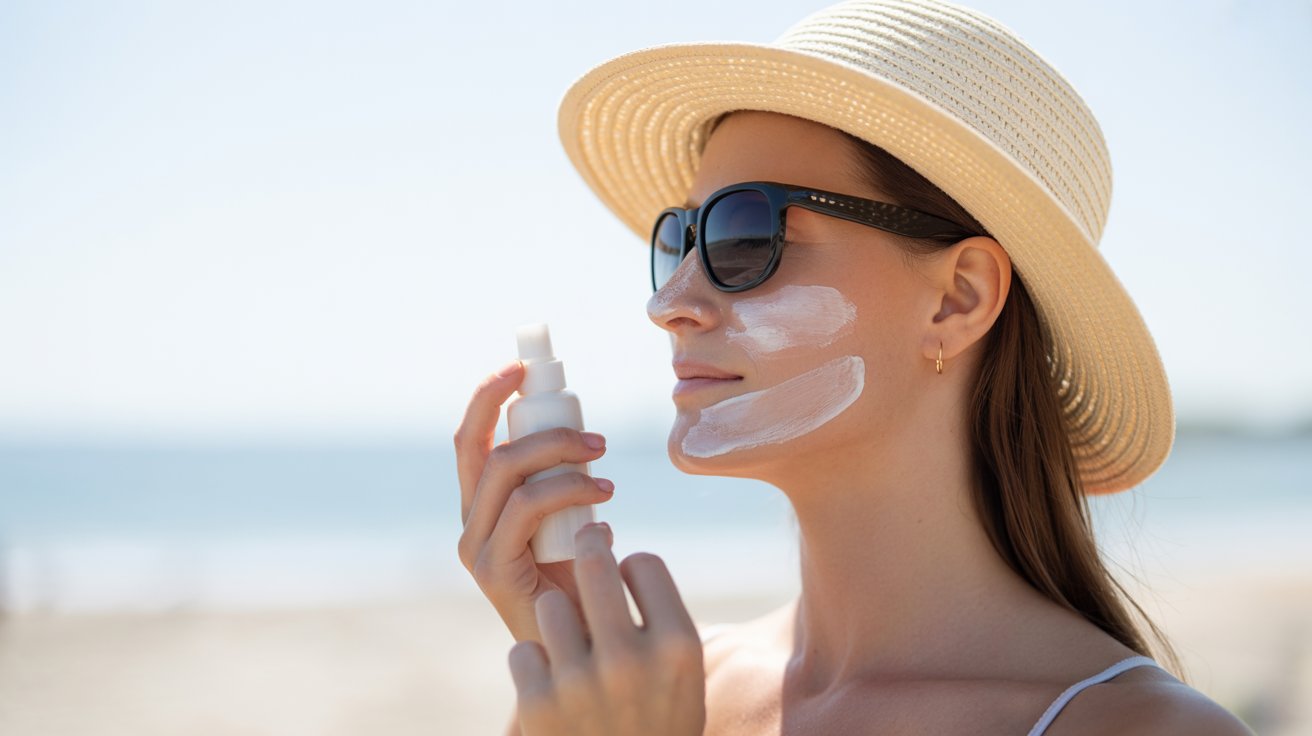
Small daily habits add up to big protection over time.
Seek Shade Whenever You Can
Sitting under an umbrella at the beach or parking in the shade might seem small, but these choices reduce your overall UV load significantly over time.
Use Broad-Spectrum Sunscreen
Look for sunscreens labeled broad-spectrum. These protect against both UVA and UVB rays. UVA rays in particular are the ones that cause long-term skin damage and spots.
Wear UPF-Rated Clothing
UPF-rated clothing is worth it if you spend a lot of time outdoors. It blocks UV rays much more effectively than regular fabric and takes the guesswork out of sun protection.
Skincare Routine for Sunspots
A consistent routine makes a real difference when treating sunspots at home.
Step 1: Cleanse
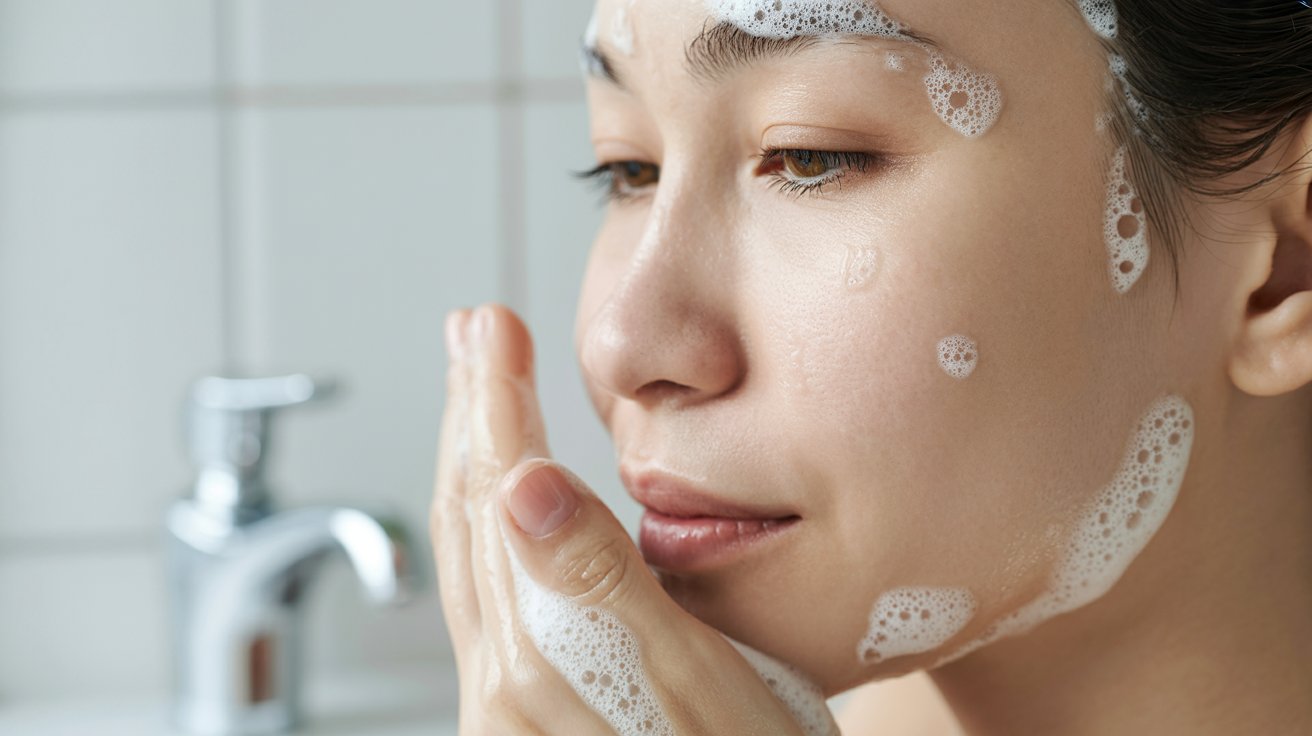
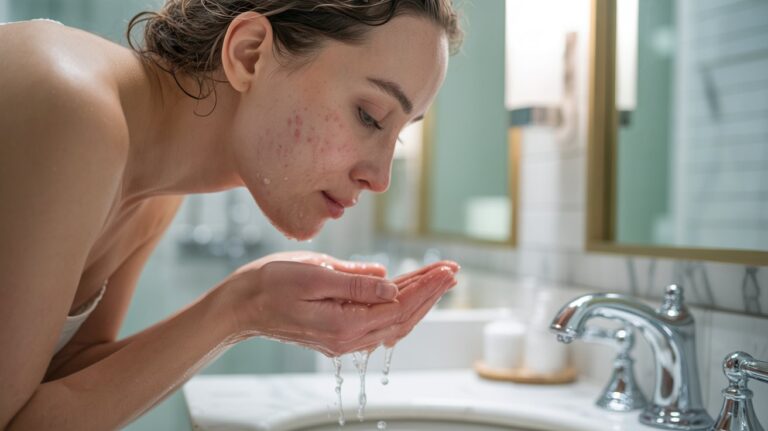
Start with a gentle cleanser morning and night. This removes dirt, oil, and anything sitting on the surface of your skin. Clean skin absorbs the products that come after it much better.
Step 2: Tone
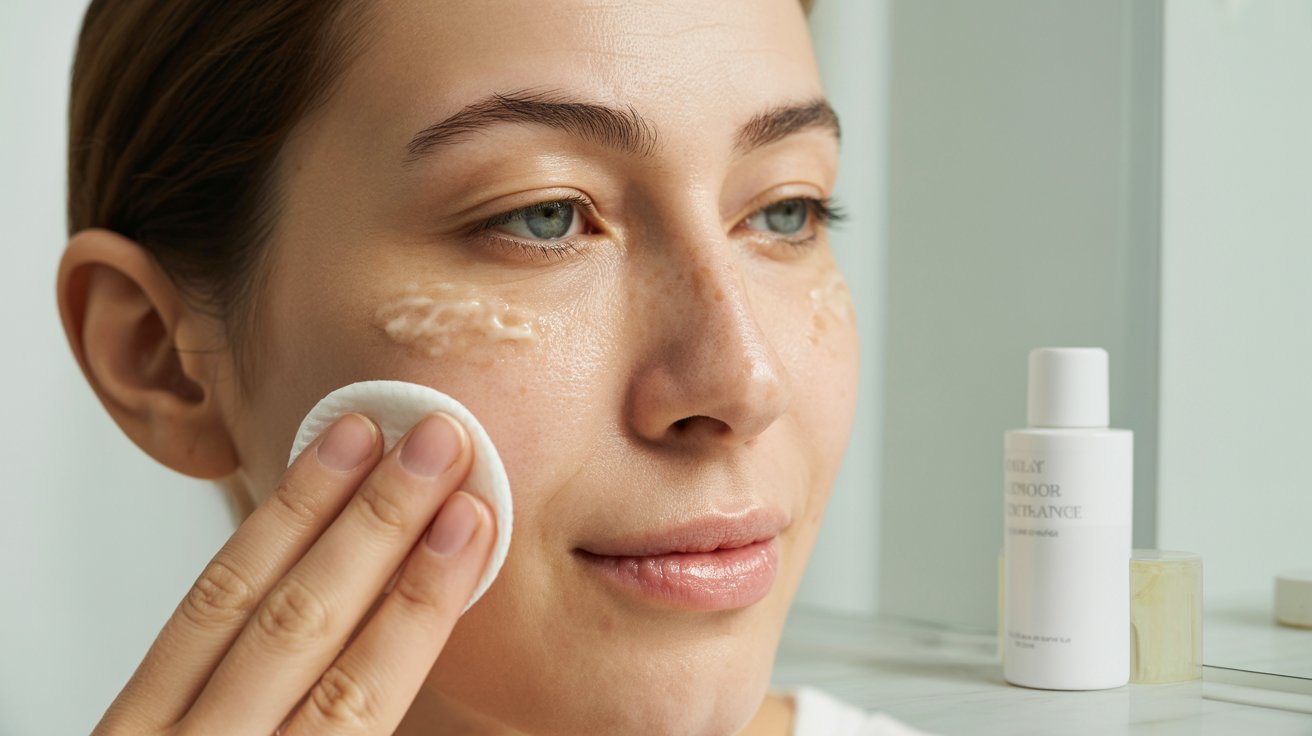
Follow with a toner to balance your skin. It helps prep your skin for the next steps and can also help with texture and pore appearance over time.
Step 3: Apply a Targeted Serum
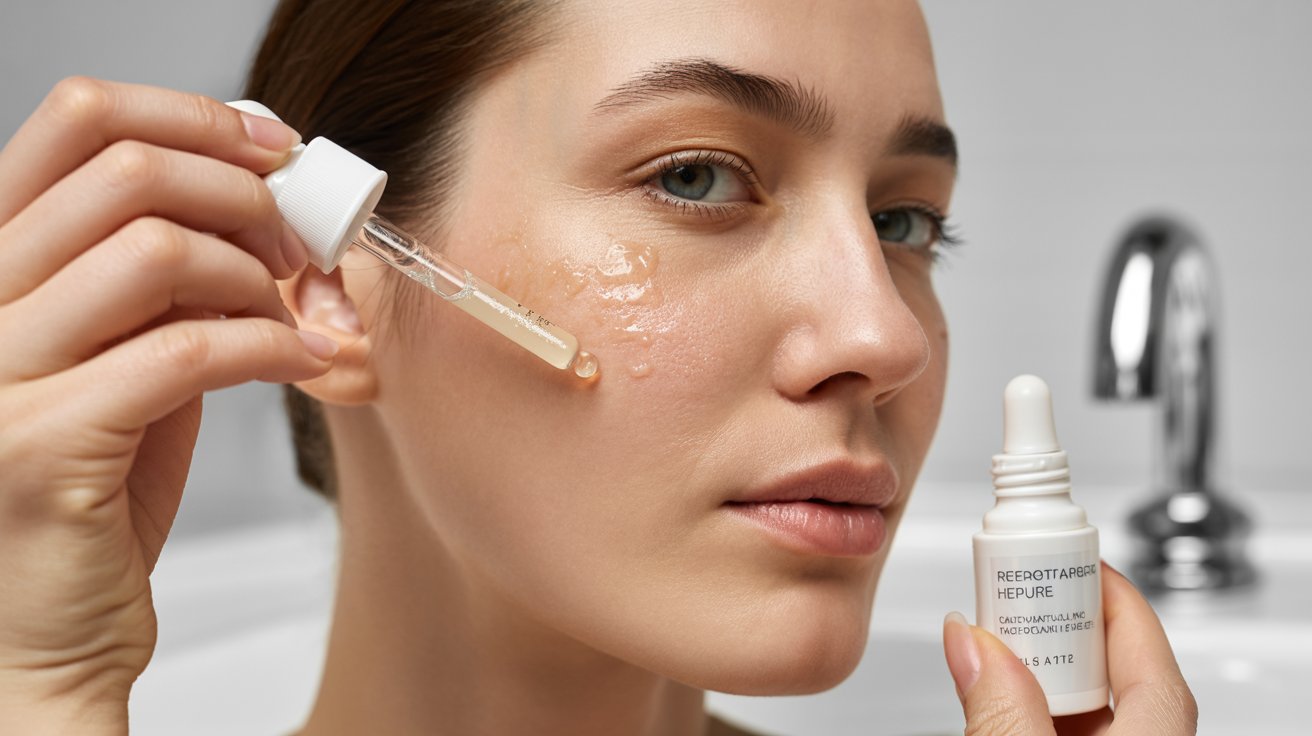
This is the most important step for sunspots. Use a vitamin C serum in the morning to brighten skin and slow melanin production.
At night, switch to a retinol serum to speed up cell turnover and fade pigmentation.
Step 4: Moisturize
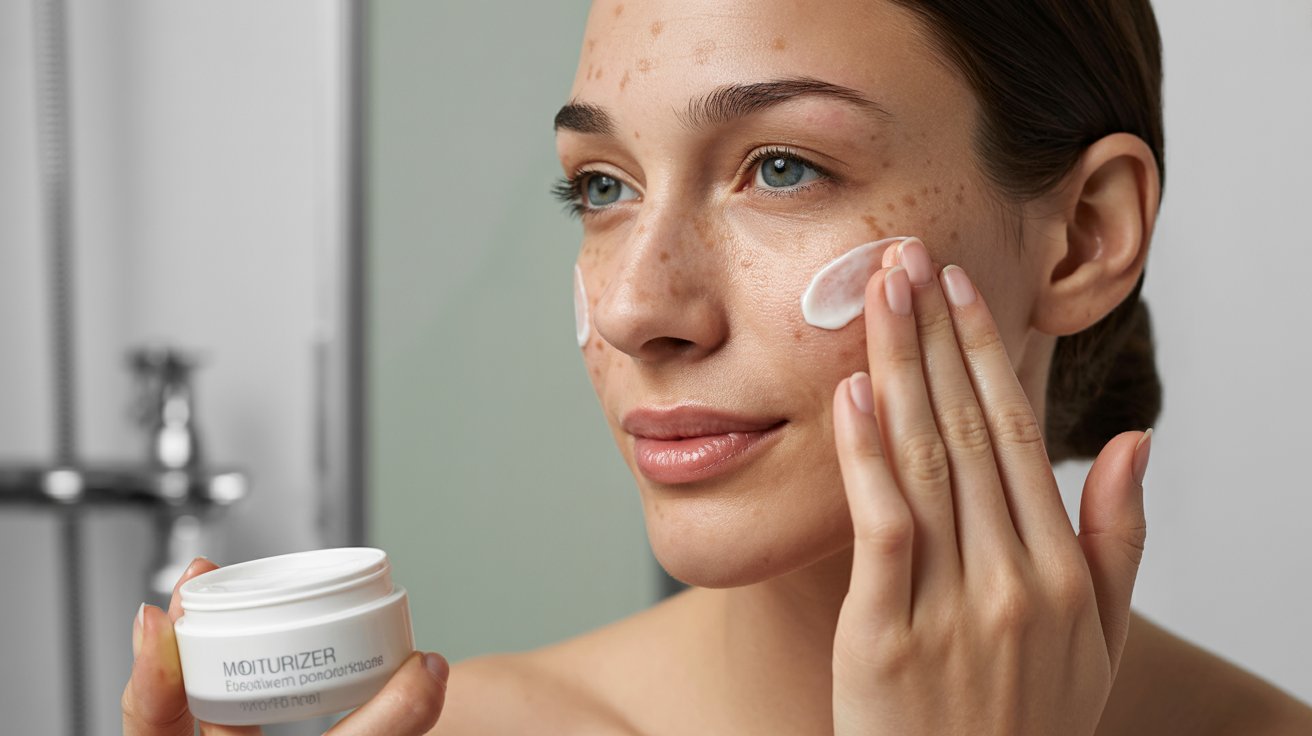
Lock in moisture with a good moisturizer. This keeps your skin barrier healthy and helps the active ingredients in your serums work more effectively.
Step 5: Apply SPF

Always finish your morning routine with SPF 30 or higher. This is non-negotiable. Without sun protection, any progress you make fading sunspots can be undone quickly.
Tips to Minimise Sunspots
Consistency is what actually moves the needle with sunspot prevention and care.
- Apply sunscreen every morning, not just on sunny days
- Reapply every two to three hours when outdoors
- Wear hats, sunglasses, and protective clothing in the sun
- Skip tanning beds completely
- Use brightening serums and moisturizers regularly
Conclusion
Dealing with sunspots can feel frustrating, especially when they seem like they’re here to stay. But the good news is that you’re not stuck with them.
I started being more careful about SPF a few years ago, and the difference it made was real. Prevention truly is the most powerful tool here.
Start with sunscreen daily, add a brightening serum, and if spots are really bothering you, see a dermatologist.
You’ve got options. Drop a comment below if you have questions or found something that worked for you!
Frequently Asked Questions
Do sunspots go away naturally?
Sunspots rarely fade on their own. Without treatment or strict sun protection, they tend to stay or darken over time.
Can makeup conceal sunspots?
Yes, color-correcting concealer and full-coverage foundation can cover sunspots well. This doesn’t treat them, but it works as a short-term fix.
At what age do sunspots appear?
Sunspots most commonly show up after age 40, but they can appear earlier in people with a lot of sun exposure or a history of sunburns.
Are sunspots dangerous?
Most sunspots are harmless. However, spots that are black, growing, bleeding, or irregularly shaped should be checked by a doctor to rule out melanoma.
What is the fastest way to treat sunspots?
Professional treatments like laser therapy, IPL, and chemical peels produce the fastest results. Topical treatments like retinoids and vitamin C work too, but take longer.