Can You Get Tan in the Shade? Expert Answer


You’ve probably heard that sitting in the shade keeps you safe from tanning. Spoiler: that’s not fully true.
You can still get tan in the shade, and I’ll break down exactly why that happens.
This article covers the science of how tanning works, why shade doesn’t block all UV rays, and what you can do to protect your skin.
By the end, you’ll know how to enjoy time outdoors without putting your skin at risk.
Can You Get Tan in the Shade?
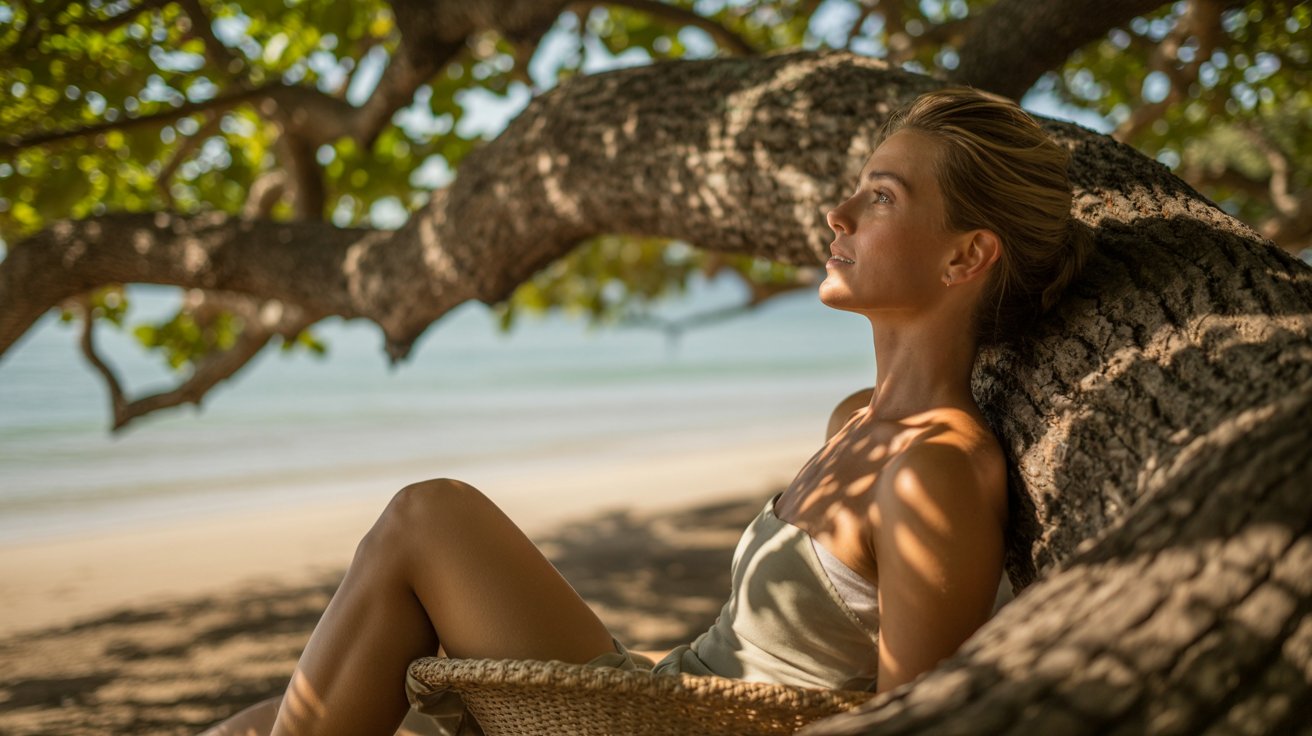
Shade reduces your direct sun exposure, but it doesn’t block UV rays completely. UV rays scatter through the atmosphere and reflect off surfaces all around you.
So even sitting under an umbrella or a tree, your skin is still picking up UV exposure.
A lot of people assume shade acts like a full barrier between them and the sun. It doesn’t. Think about a day at the beach where you stayed under an umbrella the whole time but still came home with color. That’s exactly how this works.
It may take longer than tanning in direct sunlight, but tanning in the shade is very much possible.
The process is slower, but the UV exposure is real. And without sunscreen, the damage adds up just the same.
How Does Tanning Work? (Science Explained)
Tanning happens when UV rays trigger your skin’s defense response.
What Happens When Your Skin Is Exposed to UV Rays
UV rays come in two main types that affect your skin differently.
UVA rays penetrate deep into the skin and cause tanning. UVB rays hit the outer layer and cause sunburn. Both are present outdoors, even in shaded areas.
The Role of Melanin in Tanning
Your skin darkens because of melanin, not magic.
When UV rays hit your skin, melanin production increases as a protective response. The more melanin produced, the darker your skin gets. That’s a tan.
Why You Can Get Tan in the Shade
Shade cuts down UV exposure but doesn’t eliminate it.
Reflection of UV Rays from Surfaces
UV rays don’t just come straight down from the sky.
They bounce off surfaces like sand, water, snow, and concrete and reach your skin from multiple angles. This is why beach shade still exposes you to significant UV radiation.
Indirect UV Exposure in Shaded Areas
The sky itself scatters UV rays in all directions.
Even without direct sunlight, your skin absorbs UV radiation through scattered light. This scattered light can reach you under a tree, a canopy, or an awning.
Different Types of Shade and Their Effect
Not all shade offers the same level of protection.
A dense tree canopy blocks more UV than a sparse one. A beach umbrella offers moderate protection but not full coverage. Buildings block direct sun but can’t stop reflected UV from nearby surfaces.
How to Tan Safely in the Shade
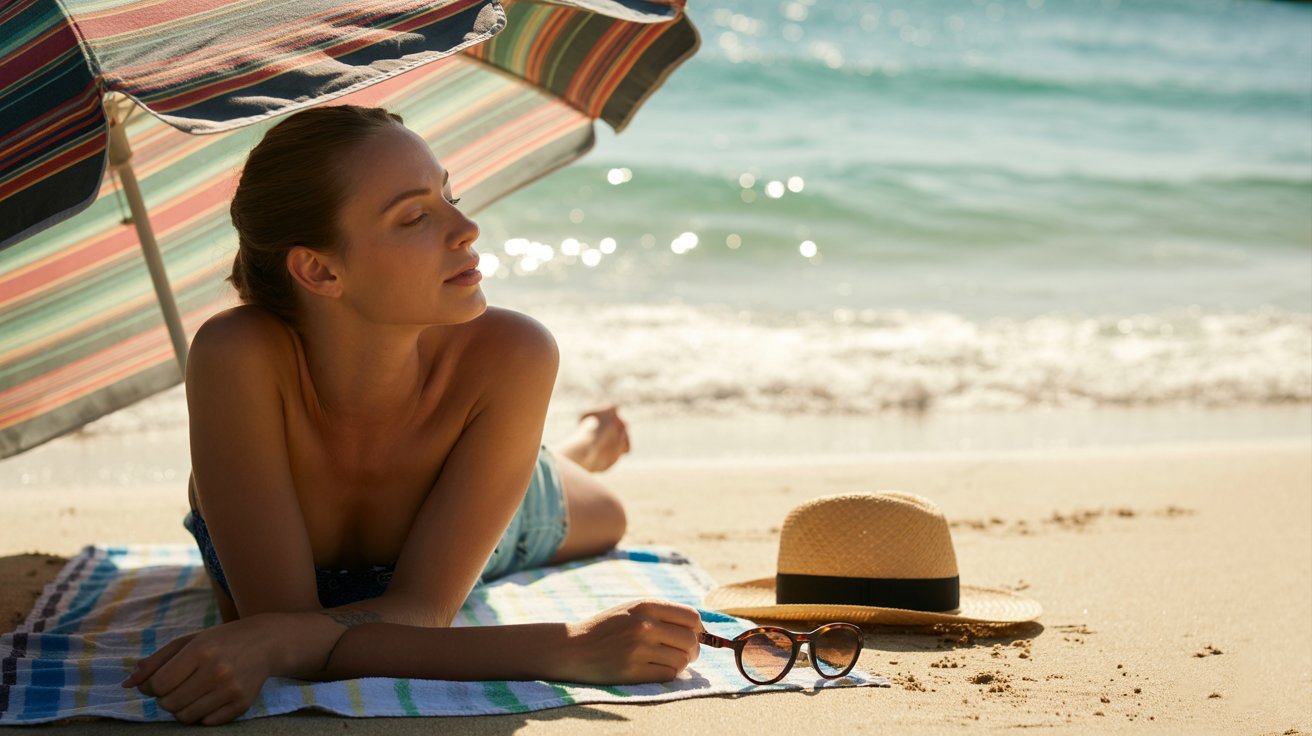
Being smart about shade time can protect your skin without keeping you indoors.
Use Broad-Spectrum Sunscreen
Sunscreen is your first line of defense, even in the shade.
Use SPF 30 at minimum and SPF 50 near water. Choose a broad-spectrum formula and reapply every two hours.
Wear Protective Clothing
Clothes and accessories reduce how much UV actually reaches your skin.
Wide-brim hats, UV-protective sunglasses, and UPF-rated clothing all help reduce exposure in shaded outdoor settings.
Avoid Peak Sun Hours
Timing your outdoor time makes a big difference.
The UV index is highest between 10 AM and 4 PM. Aim for early morning or late afternoon to reduce exposure.
Choose Better Shade for Protection
Where you sit matters more than just being in the shade.
Dense tree canopies offer better UV protection than a single umbrella. Combining shade with sunscreen gives you the best results.
Can You Get Tan in the Shade at the Beach?
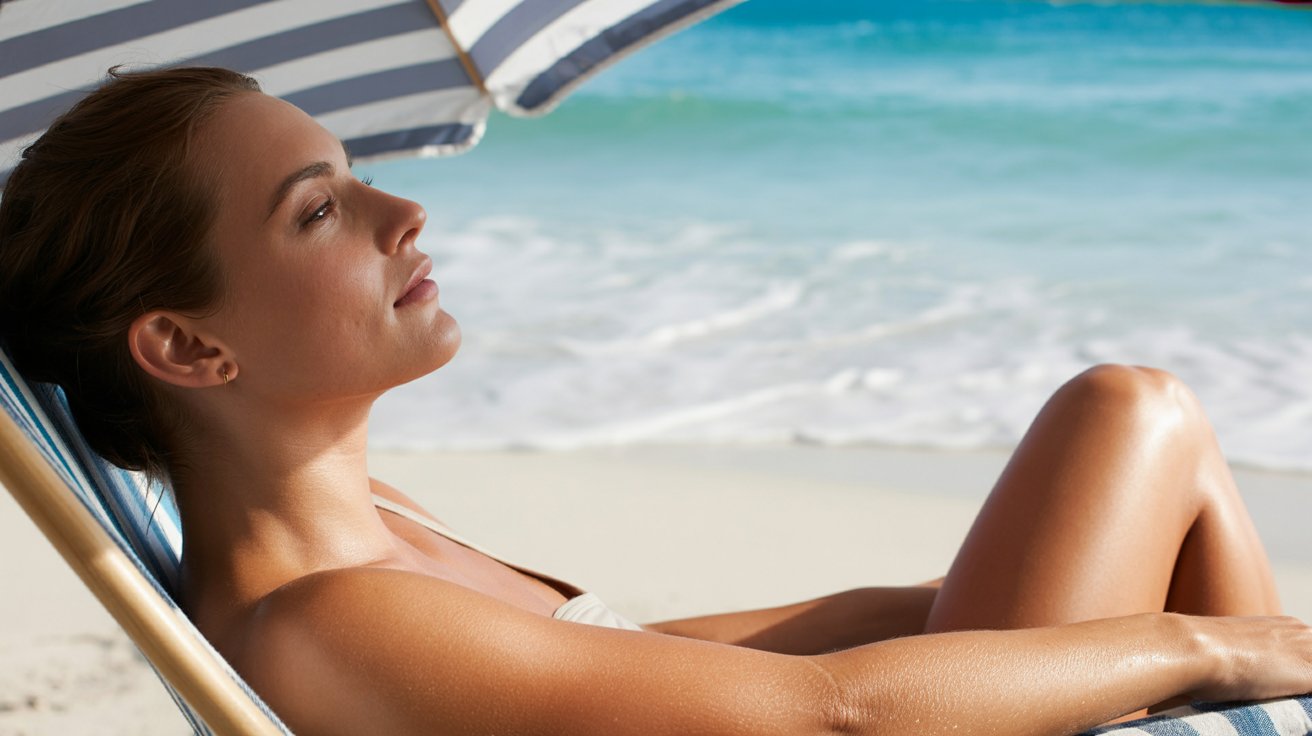
The beach is one of the worst places to assume you’re safe in the shade.
Sand and water reflect UV rays back up at you from below and the sides. Unlike a shaded spot in a park or your backyard, the beach bounces UV from almost every direction.
You’re not just dealing with what comes from the sky. You’re dealing with what bounces back from the ground too.
That’s why so many people come home from a beach trip with a tan, or a sunburn, even after staying in the shade all day.
The umbrella blocks what’s directly above you, but it can’t do much about the reflected rays coming at you from all angles. Sunscreen is not optional at the beach, even in the shade.
Can You Get Tan in the Shade of a Tree?
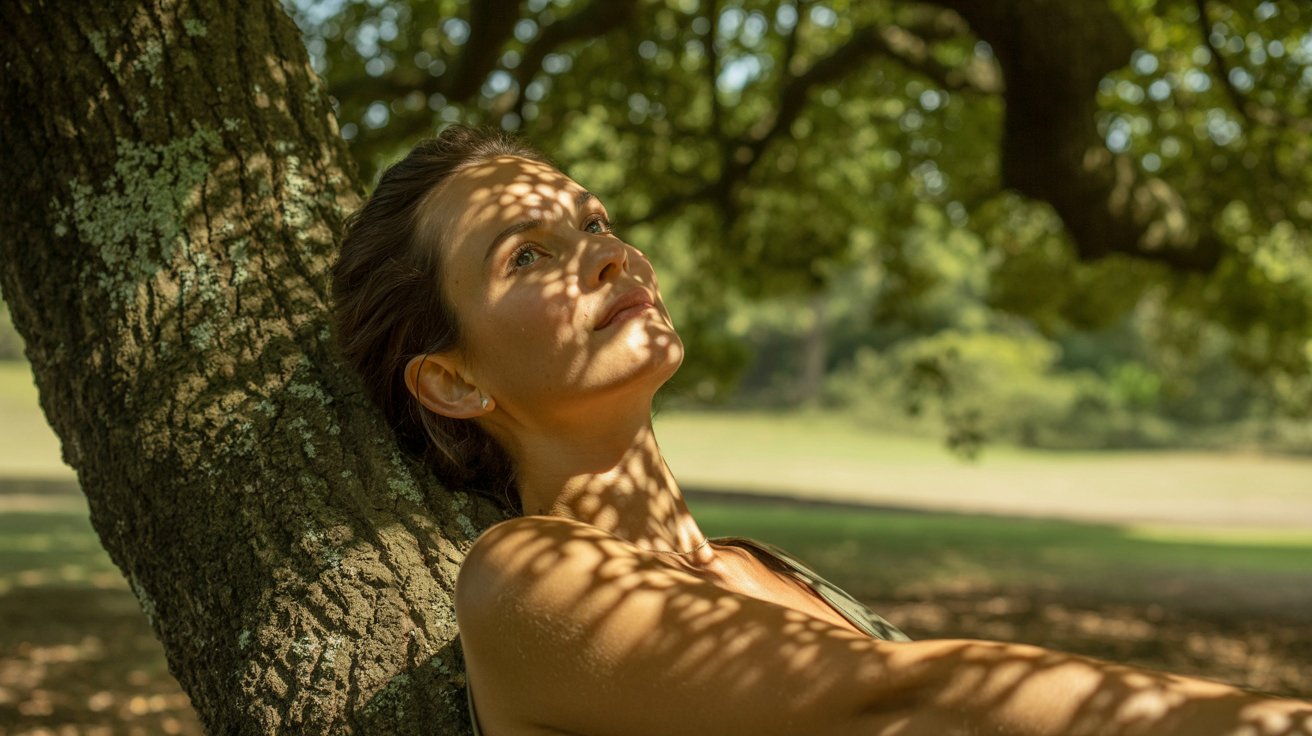
Tree shade offers more coverage than a beach umbrella, but it’s still not a shield.
Sunlight filters through leaves and gaps in the canopy, and the amount of UV that gets through depends on how dense the tree is.
A thick canopy blocks more than a tree with sparse or thin leaves. Research from the World Health Organization found that tree shade can reduce UV exposure by around 50%.
That’s genuinely helpful compared to sitting in direct sun.
But 50% reduction still means 50% exposure. Over a long afternoon outside, that adds up. Tanning is still possible, and so is burning if you stay out long enough without any protection.
Tree shade is a good start, but it works best when you pair it with sunscreen.
Is Tanning in the Shade Safer Than Direct Sun?
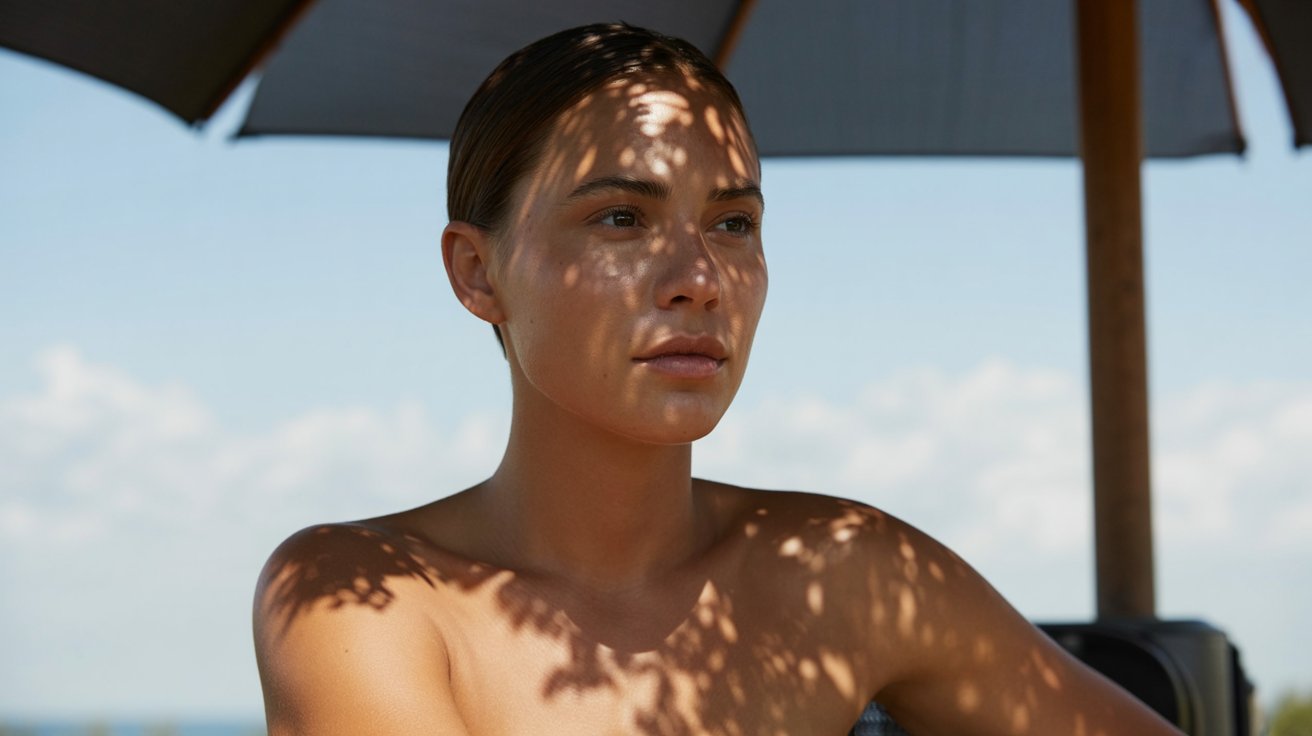
Compared to direct sun, shade tanning is lower risk but not risk-free.
Benefits of Shade Tanning
Lower UV intensity gives your skin more time to respond.
There’s less chance of a sudden burn, and the tanning process is more gradual compared to direct sun exposure.
Risks You Should Know
The slower process doesn’t make it safe to skip protection.
UV damage still builds up over time. Repeated unprotected exposure can lead to premature aging and increase the long-term risk of skin cancer.
Tips for Healthy Skin While Tanning
Small habits make a big difference when you’re spending time outdoors.
- Drink plenty of water to keep your skin hydrated throughout the day
- Apply a good moisturizer after sun exposure to help your skin recover
- Avoid staying out for hours without reapplying sunscreen
- Give your skin rest days between extended outdoor sessions
- Wear a wide-brim hat to protect your face and neck from direct UV exposure
Conclusion
So yes, you can get tan in the shade, and now you know exactly why. I’ve sat under a beach umbrella thinking I was totally covered, only to come home noticeably darker.
It happens to most of us. The good news is that a little sunscreen and some smart timing go a long way. Protect your skin, enjoy your time outside, and tan smart.
If this helped you out, drop a comment below or share it with a friend who swears shade is a full shield.
Frequently Asked Questions
Can you get tan in the shade without sunburn?
Yes, it’s possible to tan in the shade without burning since UV intensity is lower. But sunscreen is still recommended to avoid cumulative skin damage over time.
Can you get tan in the shade on a cloudy day?
Yes. Clouds block only about 20% of UV rays, so your skin still gets exposed enough to tan gradually, even on overcast days.
Can you get tan through clothes in the shade?
Regular clothing offers some protection but doesn’t block all UV rays. UPF-rated clothing provides far better coverage than regular fabric.
Is tanning in the shade better for your skin?
It’s less intense than direct sun, which reduces the risk of burning. But UV damage still occurs, so sunscreen matters regardless of where you sit.
Does umbrella shade prevent tanning completely?
No. A beach umbrella blocks direct sunlight but not reflected UV from sand and water. You can still tan and burn while sitting under one.