
Can You Tan in the Winter? 15 Tips, Methods & Steps

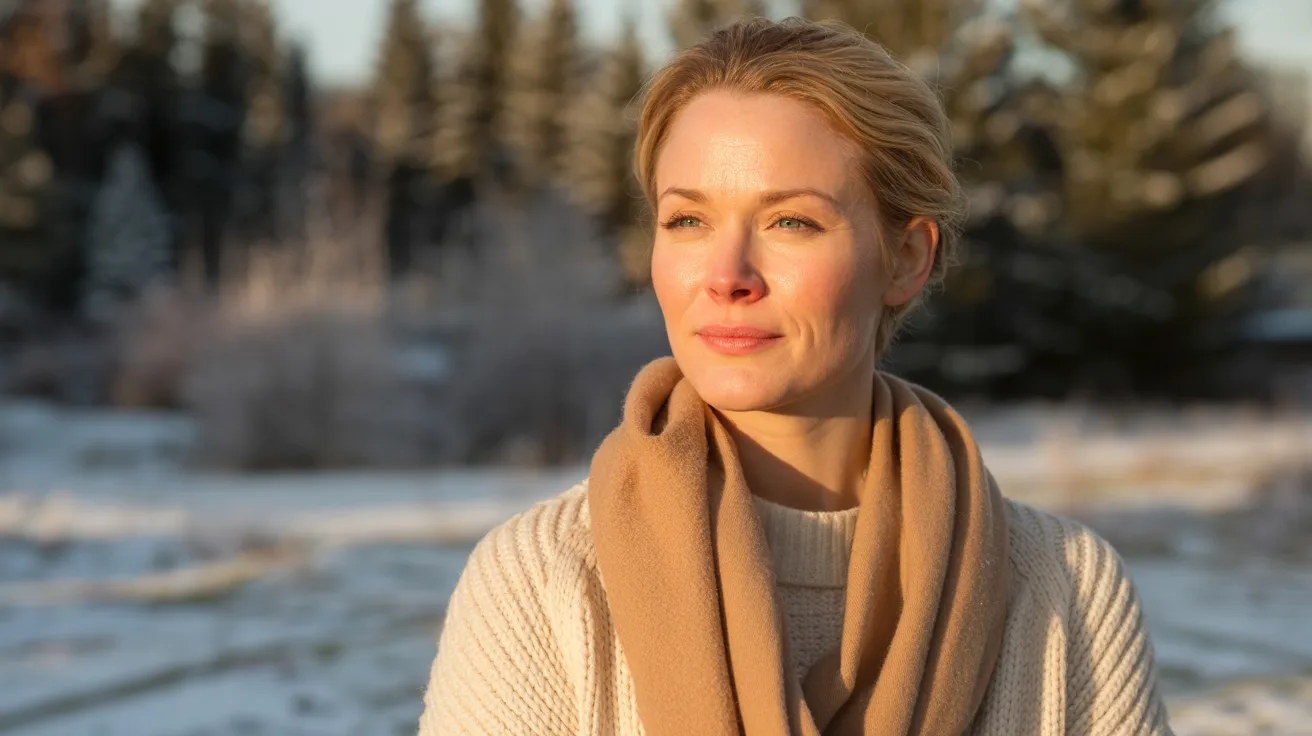
I’ve spent years perfecting my year-round glow, and I’m here to tell you: yes, you can absolutely tan in the winter.
Many people think tanning stops when temperatures drop, but that’s not true. UV rays work all year, and there are safe indoor options too.
In this guide, I’ll show you how to get and keep a tan during cold months. You’ll learn about winter sun exposure, 13 proven tanning steps, and the best locations for natural color.
I’ll cover self-tanners, spray tans, skin prep, and safety tips that actually work.My experience taught me what fails and what delivers real results.
Let’s get you glowing.
Understand Winter Sun Exposure
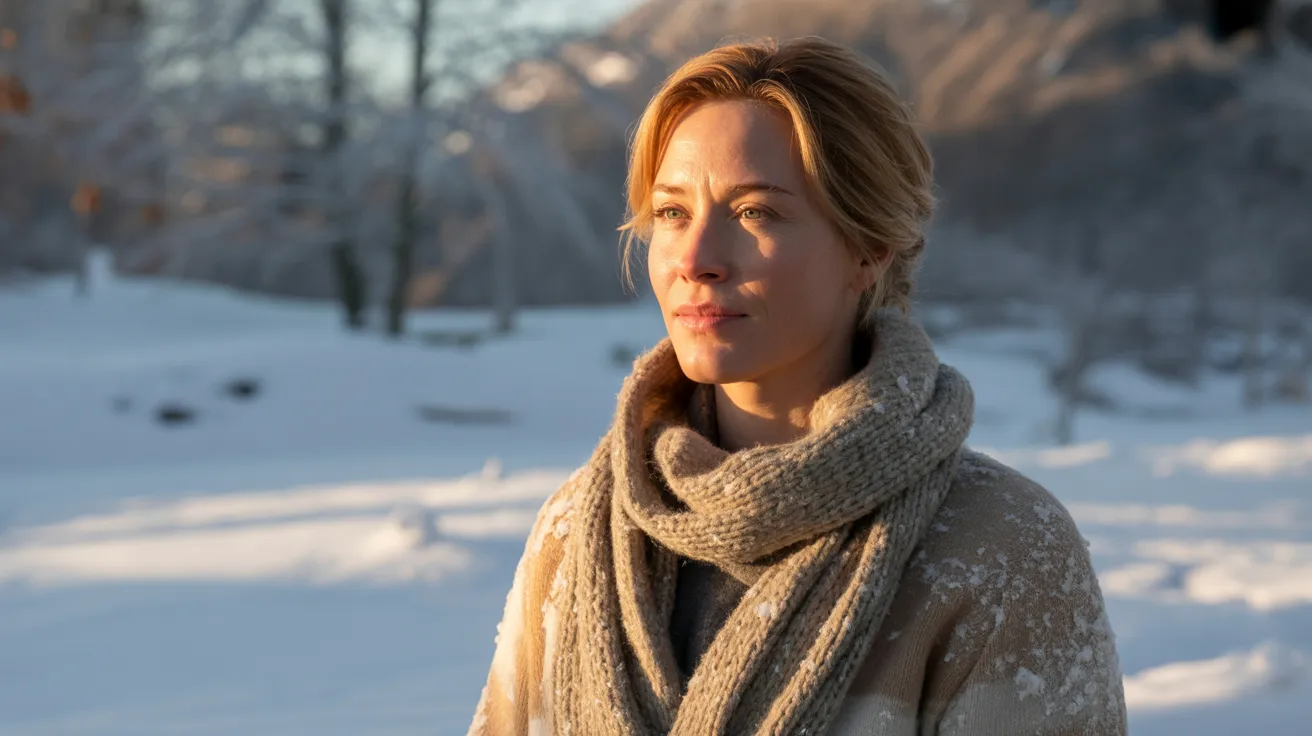
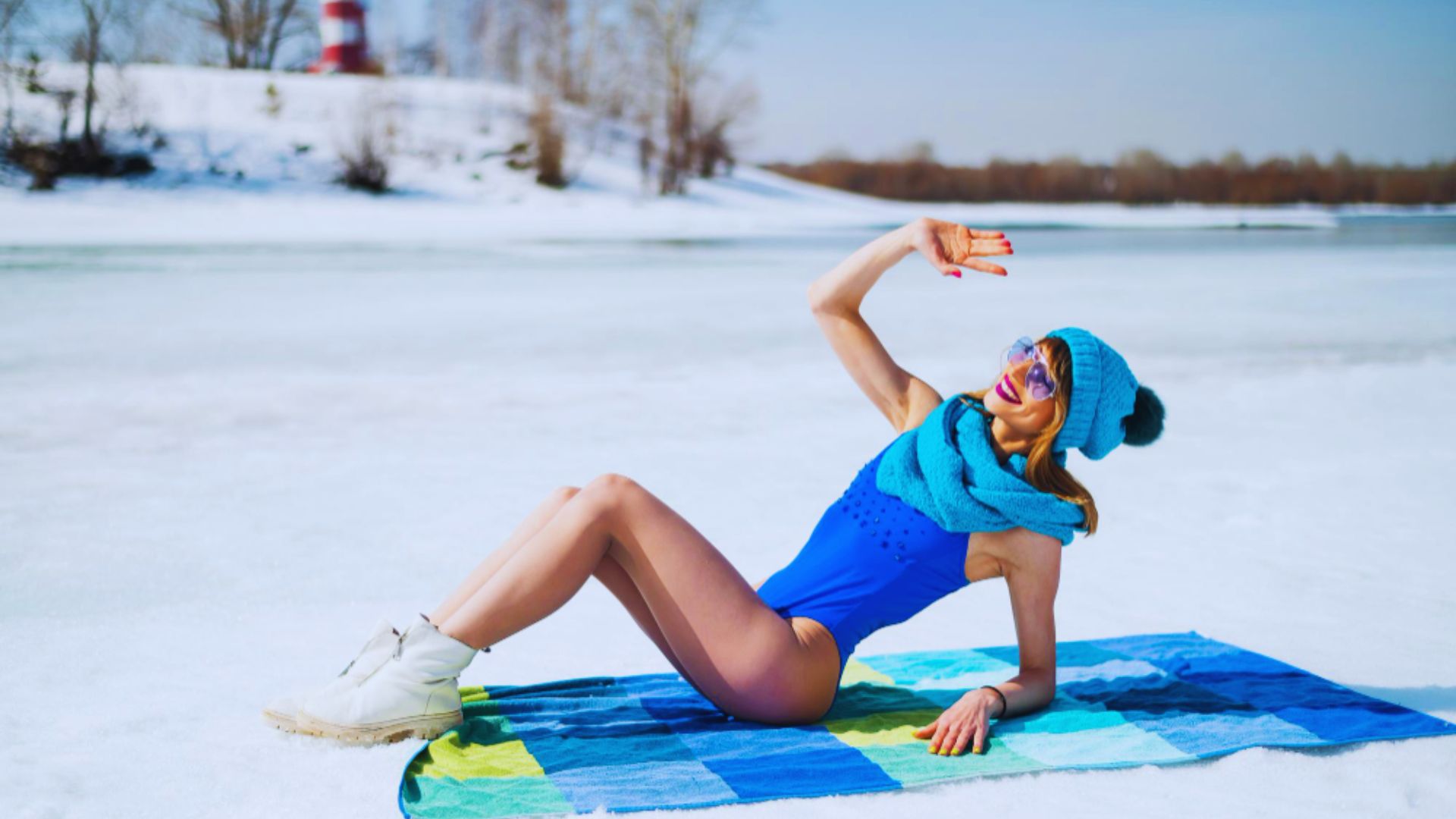
Winter sun still carries UV rays. They don’t disappear when it gets cold. Snow and ice can reflect up to 80% of UV light, doubling your exposure.
This means you can tan in the winter sun.But there are risks. Sunburn happens in winter too. Your skin gets drier from cold air and indoor heating.
Natural tanning works best in sunny regions. The sun sits lower in northern areas, reducing UV intensity. Indoor tanning and self-tanning products solve the winter challenge.
Winter Tanning Tips: 13 Steps to a Perfect Glow
Achieve a natural, sun-kissed glow all winter long with safe, skin-friendly tanning strategies that keep your skin radiant and healthy.
1. Protect Your Skin from Winter Dryness
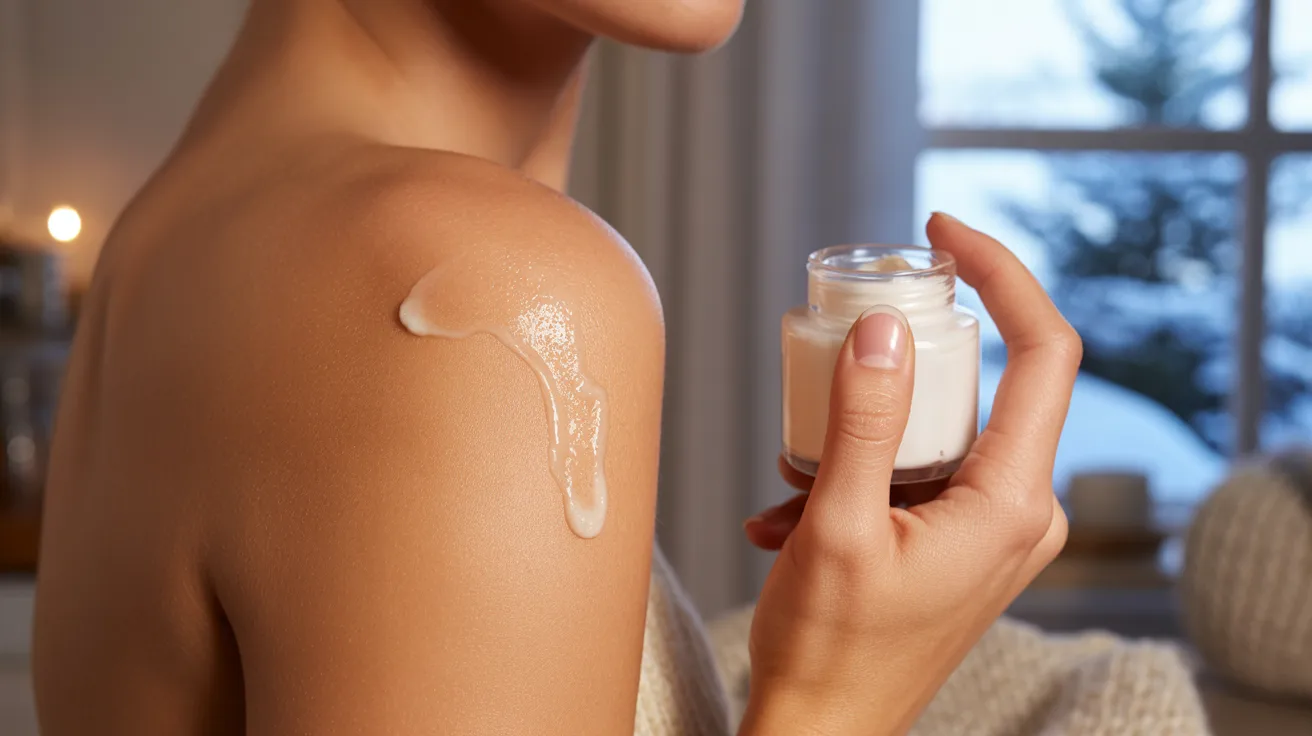
Dry skin ruins any tan. I apply a rich moisturizer or hydrating serum before every tanning session. Winter air sucks moisture out fast.
Cold weather and indoor heating make it worse. This prevents flaky, patchy color and creates a smooth base for even application.
2. Exfoliate Before Tanning
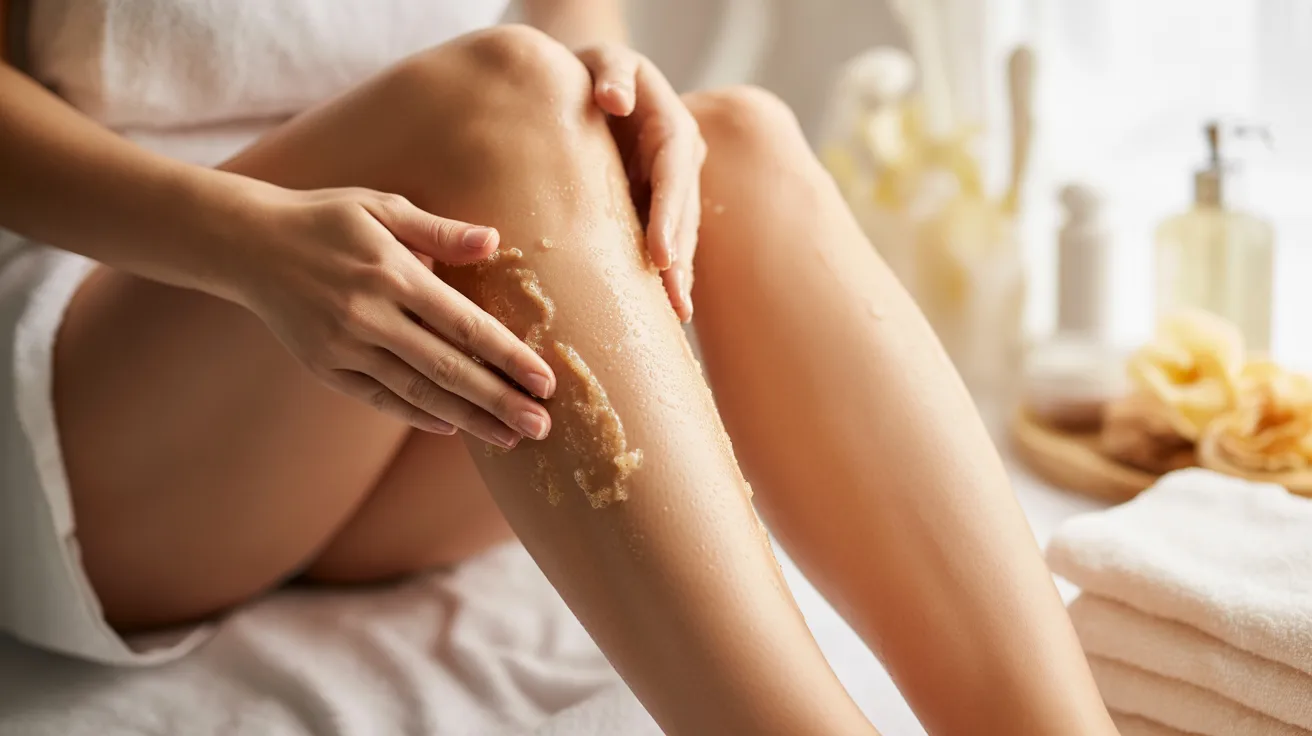
Dead skin cells are your enemy. I exfoliate 24 hours before tanning to remove the rough outer layer. Use a gentle scrub on knees, elbows, ankles, and feet.
These areas build up dead skin faster. Smooth skin takes color evenly and prevents streaks or dark patches.
3. Moisturize Daily
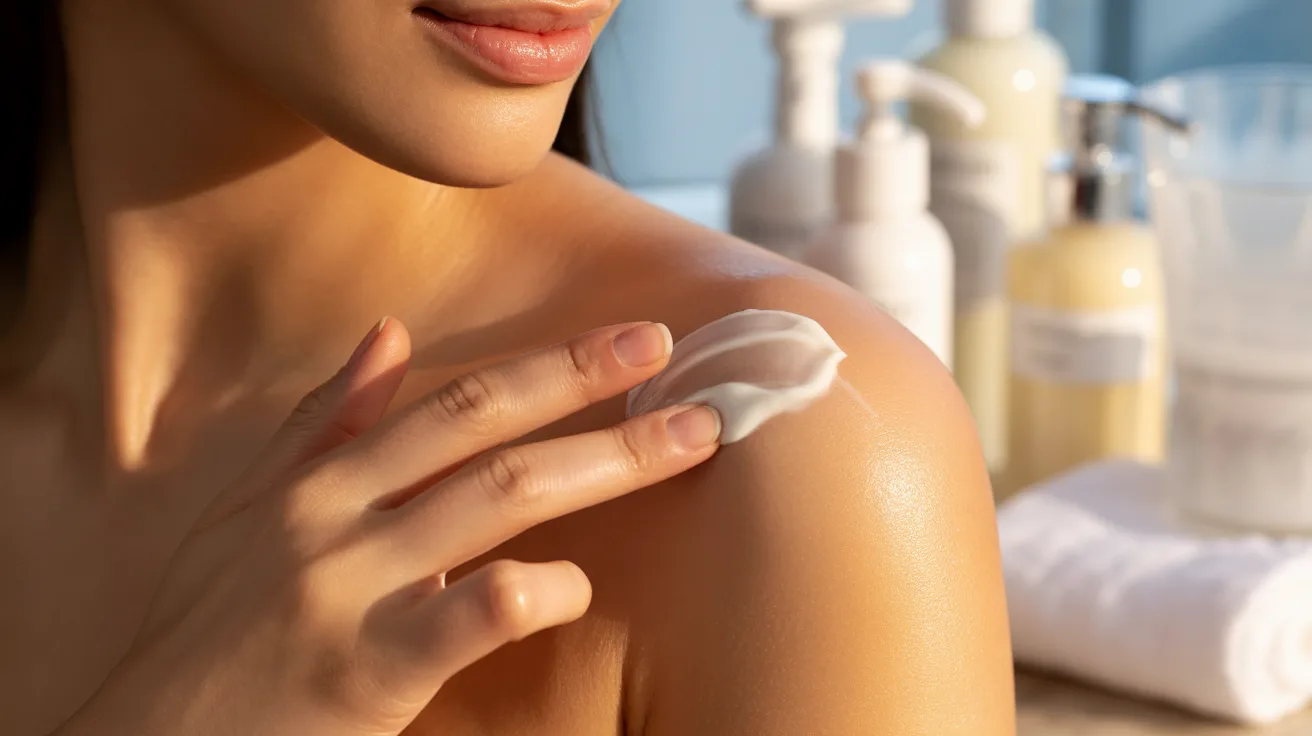
Hydrated skin holds color. I moisturize twice daily during winter, morning and night. Your tan fades as skin cells shed. Dry skin sheds faster, making color disappear quicker.
Gradual self-tanning moisturizers add subtle color while keeping skin hydrated and healthy. They work great between main tanning sessions.
4. Use Self-Tanning Products
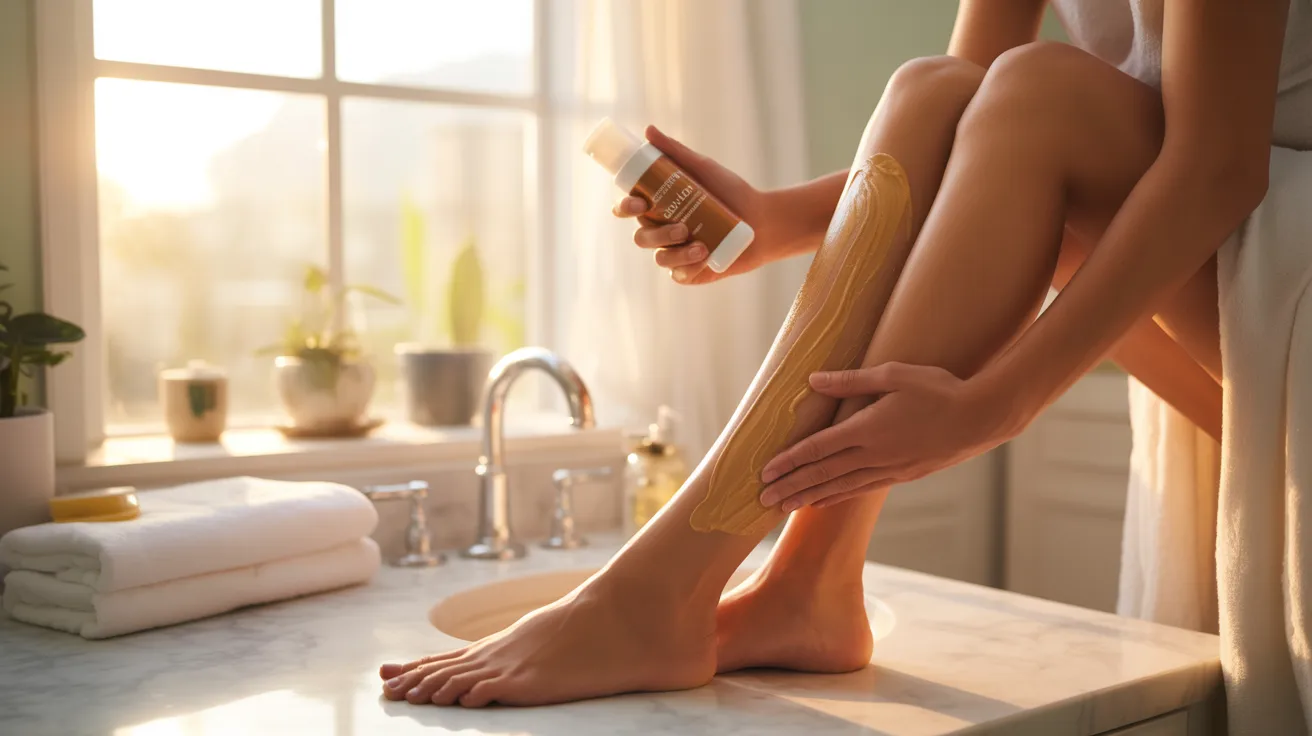
Self-tanners give you full control. You can tan in the winter time without sun or beds. Mousses, lotions, sprays, and serums each work differently.
Exfoliate first, apply to clean dry skin, blend carefully at dry areas like elbows, and let it dry completely before dressing or showering.
5. Try Spray Tans for Instant Glow

Spray tans deliver immediate results. No sun needed, no UV damage caused. Lasts 5-7 days with proper care. Wear loose, dark clothing after your session.
Skip tight shoes and socks. Don’t shower for 8-10 hours. Pat yourself dry afterward, never rub harshly. Color develops gradually within hours.
6. Use Tanning Beds or Booths Safely
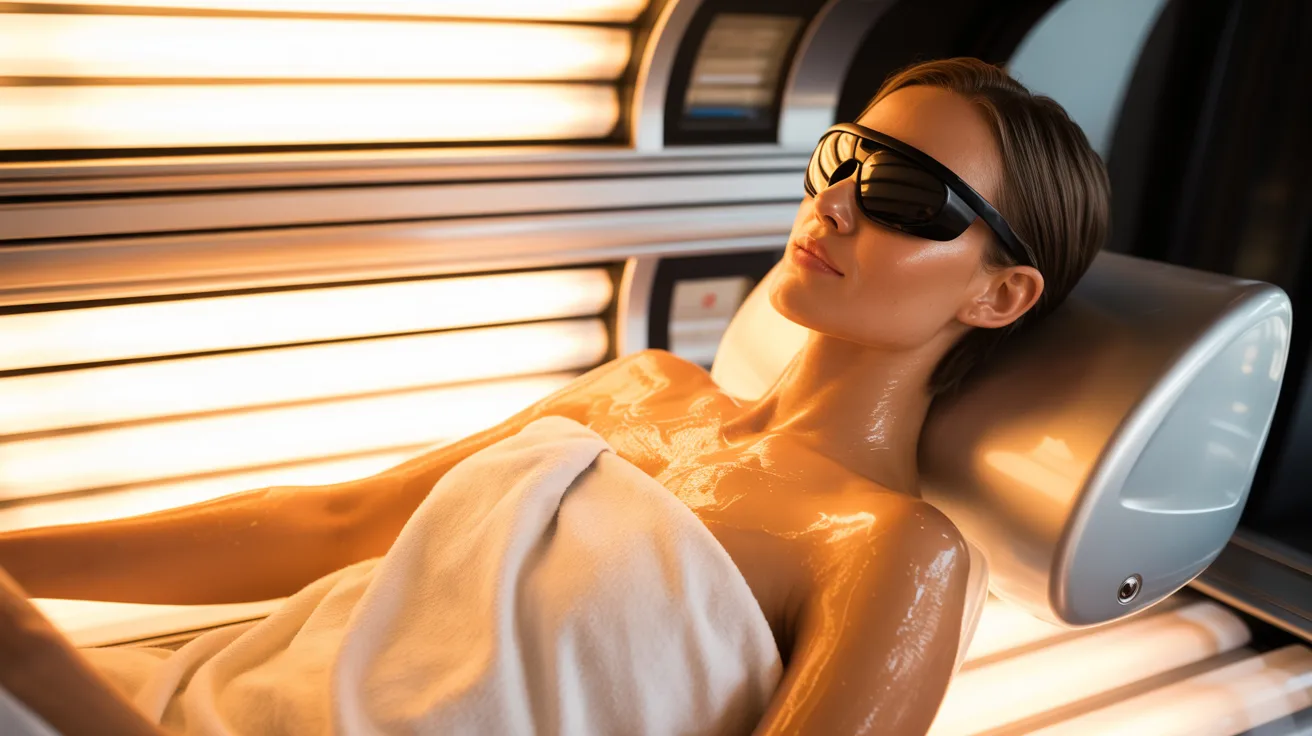
Indoor tanning gives consistent results. Know your Fitzpatrick skin type first before starting. Start with short sessions of 5-7 minutes only.
Use indoor tanning lotion and always wear protective eyewear. Limit sessions to 2-3 weekly maximum. Moisturize your skin before and after every session for best results.
7. Protect Your Face
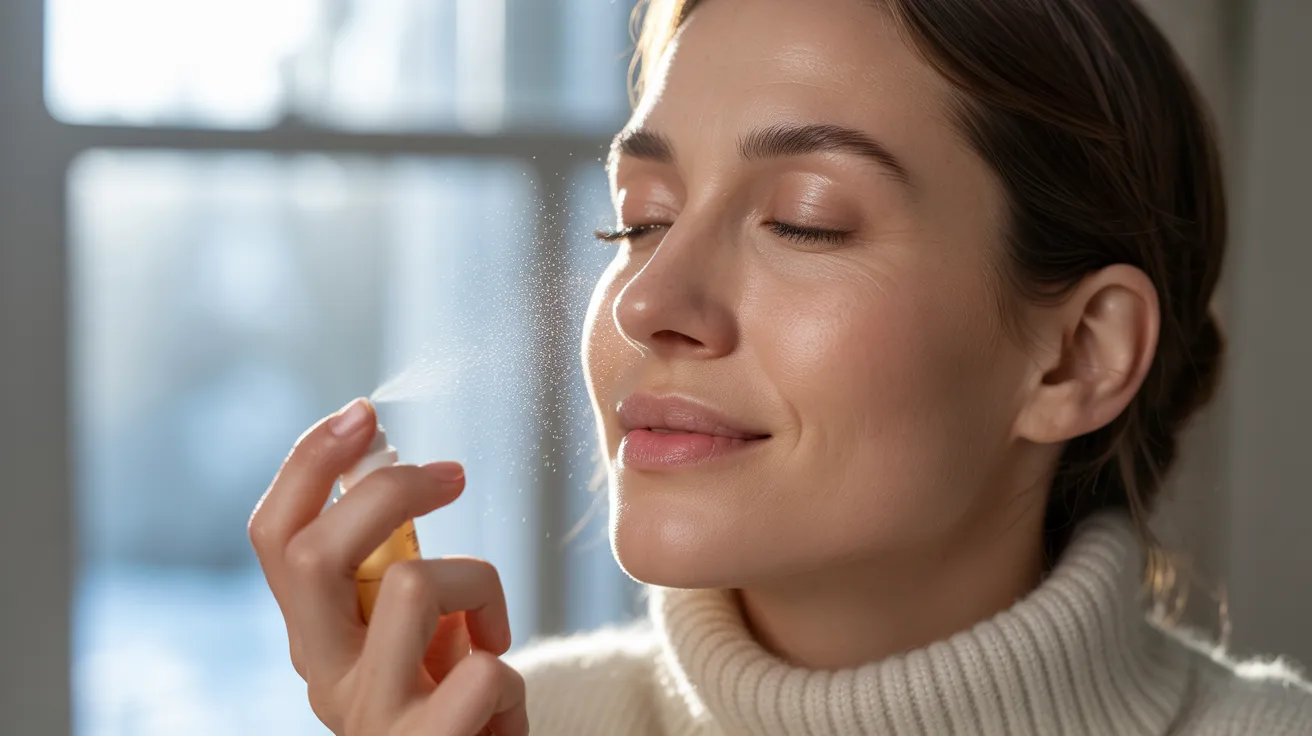
Your face fades faster in winter. Wind, cold air, and frequent washing strip color quickly from delicate facial skin. I use face mists or light self-tanners made specifically for faces.
Apply them every 2-3 days to maintain balance with your body. Keep your face slightly lighter for natural appearance.
8. Include Hard-to-Reach Areas
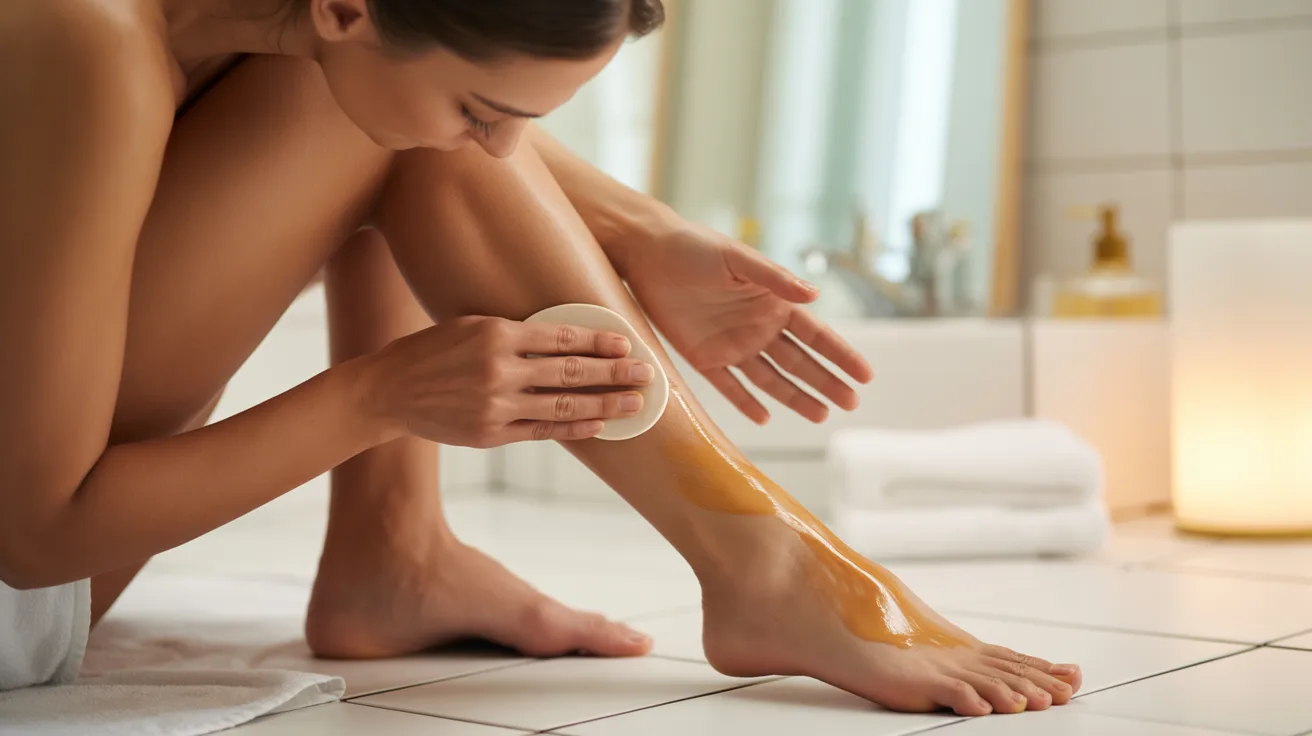
Hands, feet, and backs get forgotten. I’ve had uneven tans from missing these spots before. Use a tanning mitt with a handle for your back or ask someone to help.
Feet need light application because skin is thicker. Hands require careful blending at wrists. Don’t skip between fingers or toes.
9. Layer Gradually, Don’t Overapply
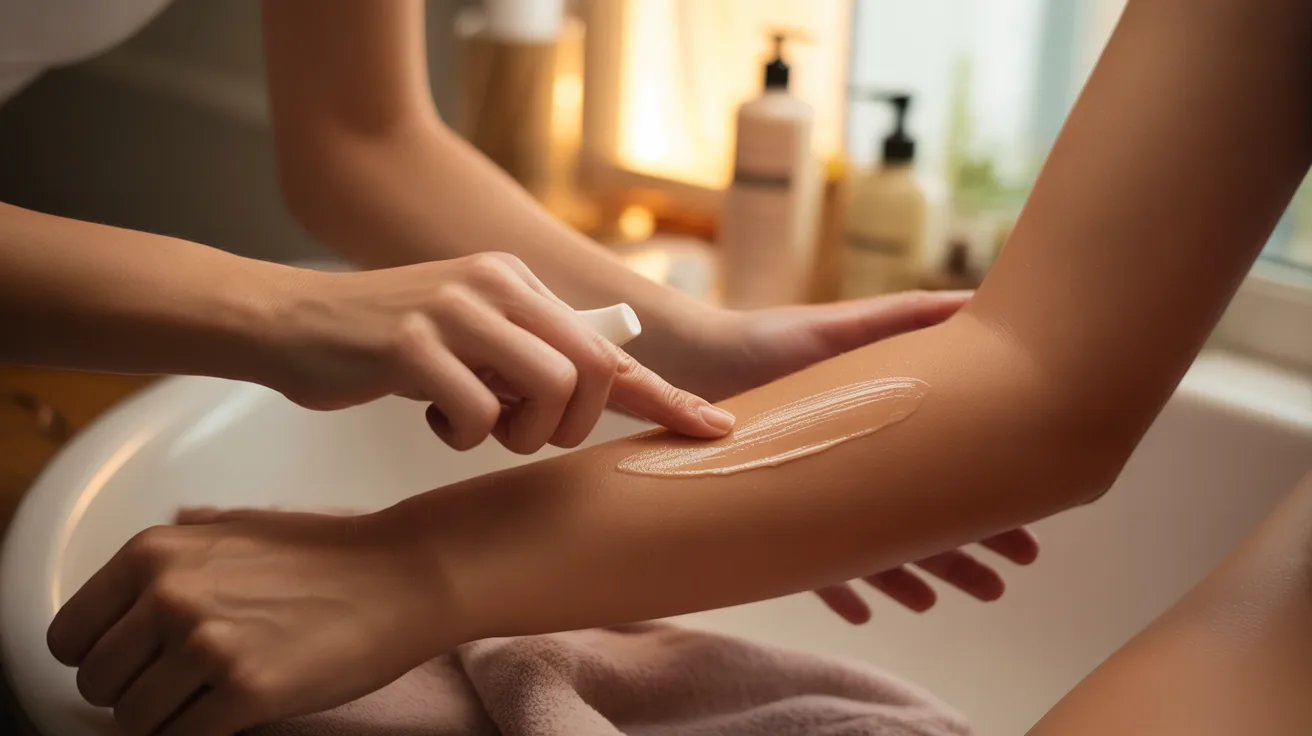
Heavy application causes problems. I learned this the hard way with orange streaks. Build color over 2-3 applications instead of rushing.
Let each layer develop fully before adding more. One thin coat beats one thick coat every single time. You have better control and make fewer mistakes this way.
10. Avoid Long Hot Showers
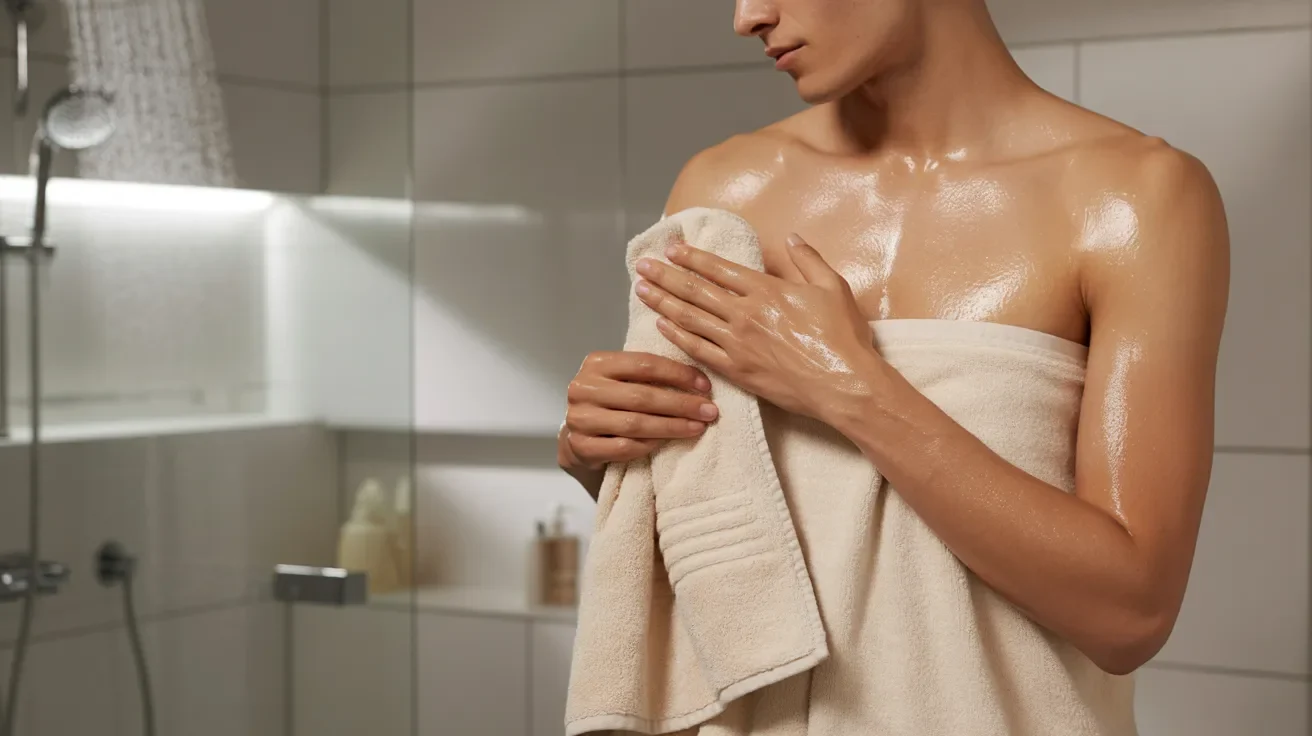
Hot water strips your tan. I take lukewarm showers now to protect my color. They’re gentler on both color and skin health. Keep showers under 10 minutes total.
Pat dry instead of rubbing with your towel. Apply moisturizer immediately after showering to lock in color and seal moisture back in.
11. Stay Hydrated

Water supports your glow from inside. I drink 8 glasses daily, more when tanning regularly. Hydrated skin stays elastic and healthy looking.
Your self-tanner fades evenly instead of patchily. Dry, dehydrated skin looks dull and ages faster. Water also helps your body function better overall for healthier skin appearance.
12. Time Your Tanning Sessions Strategically

Spacing matters for best results. I schedule spray tans 5-6 days apart for maintenance. Tanning bed sessions happen every 3-4 days maximum.
This spacing lets color build naturally without overdoing it. Your skin needs recovery time between UV sessions. For self-tanner, apply every 4-5 days once you reach desired shade.
13. Use Gradual Tanning Moisturizers
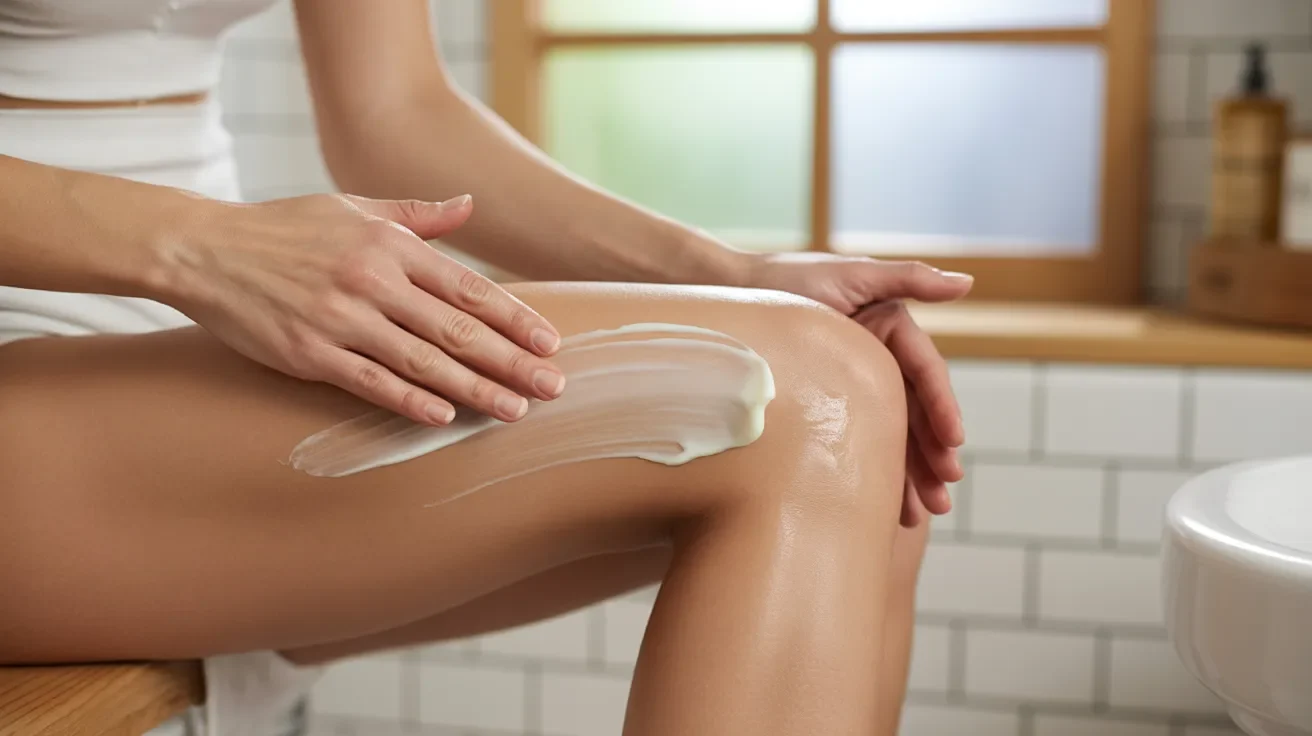
These products are my winter secret. They build color slowly while fighting winter dryness perfectly. I apply gradual tanning moisturizer daily after showering.
Color develops over 3-5 days naturally. Mistakes are minimal because each application adds just a hint of color. You can adjust by using it more or less often.
Choose the Best Locations
Location changes everything for natural tanning. I’ve tested this across different climates. Some places work great in winter, others don’t.
Can You Tan in the Winter in Arizona?
Absolutely. The sun shines bright and strong there year-round. Phoenix gets over 300 sunny days annually.
High desert UV levels stay intense even in December and January. The dry climate and clear skies create perfect tanning conditions throughout winter months.
Can you Tan in the Winter in Florida?

Yes, especially in southern parts. Miami and Key West offer consistent sunshine. The angle of the winter sun there still delivers good UV rays.
Beach time in January is real. Southern Florida stays warm and sunny, making it ideal for natural winter tans.
Conclusion
I’ve shown you that winter tanning is absolutely possible. You don’t need to lose your glow when temperatures drop.
Self-tanners, spray tans, and safe sun exposure all work during cold months.
Start with one method that fits your lifestyle. Prep your skin properly. Stay consistent with moisturizing and hydration. Remember, gradual color looks better than rushing.
I’d love to hear which method works best for you. Drop a comment below and share your winter tanning experience. Your glow doesn’t have to hibernate.
Frequently Asked Questions
Can you still get a tan in winter?
Yes, UV rays exist year-round. Natural tanning works in sunny climates. Self-tanners and spray tans offer reliable alternatives when natural sun is limited.
Is tanning in winter safer than summer?
Winter sun feels weaker but UV rays still cause damage. Snow can double UV reflection. You still need sunscreen and safety precautions during outdoor winter exposure.
How long does a spray tan last in winter?
A spray tan lasts 5-7 days typically. Winter dryness can make it fade faster. Daily moisturizing and lukewarm showers help extend the life of your tan.
Do tanning beds work better in winter?
Tanning beds deliver consistent results regardless of season. They’re popular in winter because natural sun is limited. Always follow safety guidelines and limit your sessions.
What’s the best self-tanner for dry winter skin?
Gradual tanning moisturizers work best for dry skin. They hydrate while adding color slowly. Look for products with hyaluronic acid or glycerin for extra moisture.