What Is UV Gel? A Simple Guide to Long-Lasting Nails

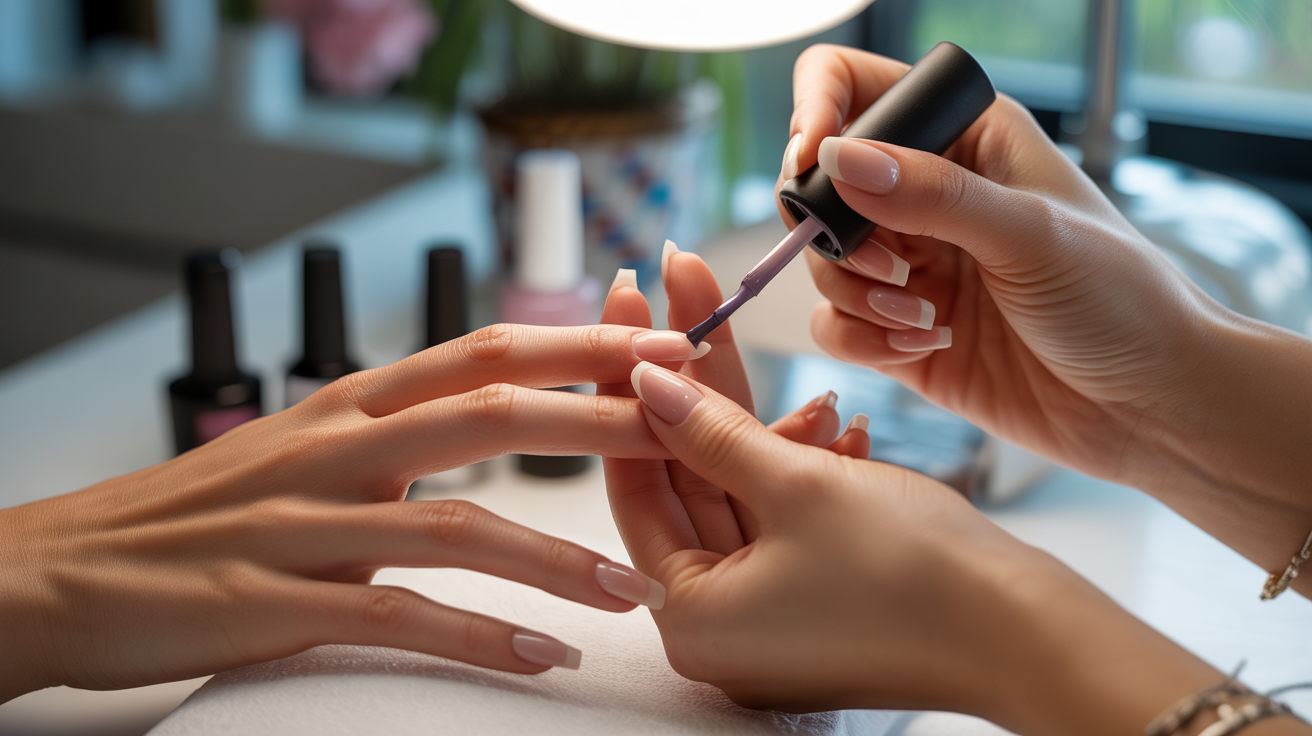
Gel manicures changed the nail care game completely. They give you weeks of perfect shine without the constant chipping regular polish brings.
But here’s where it gets confusing. You hear about UV gel, LED gel, and regular gel polish, and they all sound like the same thing.
They’re not, though. Each one works differently and serves different purposes. I’m going to explain what UV gel is in simple terms so you actually understand it.
You’ll learn the basics, how it differs from other gel types, and what makes it special for certain nail goals.
By the end, you’ll know exactly which gel option fits your needs best.
What Is UV Gel? (The Core Answer)

Understanding UV gel starts with knowing what it actually is and how it works on your nails. Once you get the basics, everything else makes sense.
The Basic Definition
UV gel is a thick liquid substance used to create artificial nails or strengthen your natural ones. It stays wet until you cure it under a UV lamp.
The formula contains oligomers, which are pre-linked molecules. When UV light hits them, they form long molecular chains that harden the gel.
This material is way more flexible than traditional acrylics. It moves with your nail instead of staying completely rigid.
The flexibility is actually what makes UV gel so comfortable to wear. Your nails don’t feel like they’re trapped under hard plastic.
How UV Gel Works
The curing process is where the magic happens. UV energy causes the molecules to connect and harden into a solid coating.
This process strengthens your natural nails while adding protection. The gel layer shields your nails from breaking and peeling.
You can extend nail length using tips or forms with UV gel. It builds structure that looks and feels natural.
What is UV gel best for? Thin, short, or brittle nails that need extra support and length. It gives you the strength regular polish can’t provide.
UV Gel vs LED Gel vs Regular Gel Polish
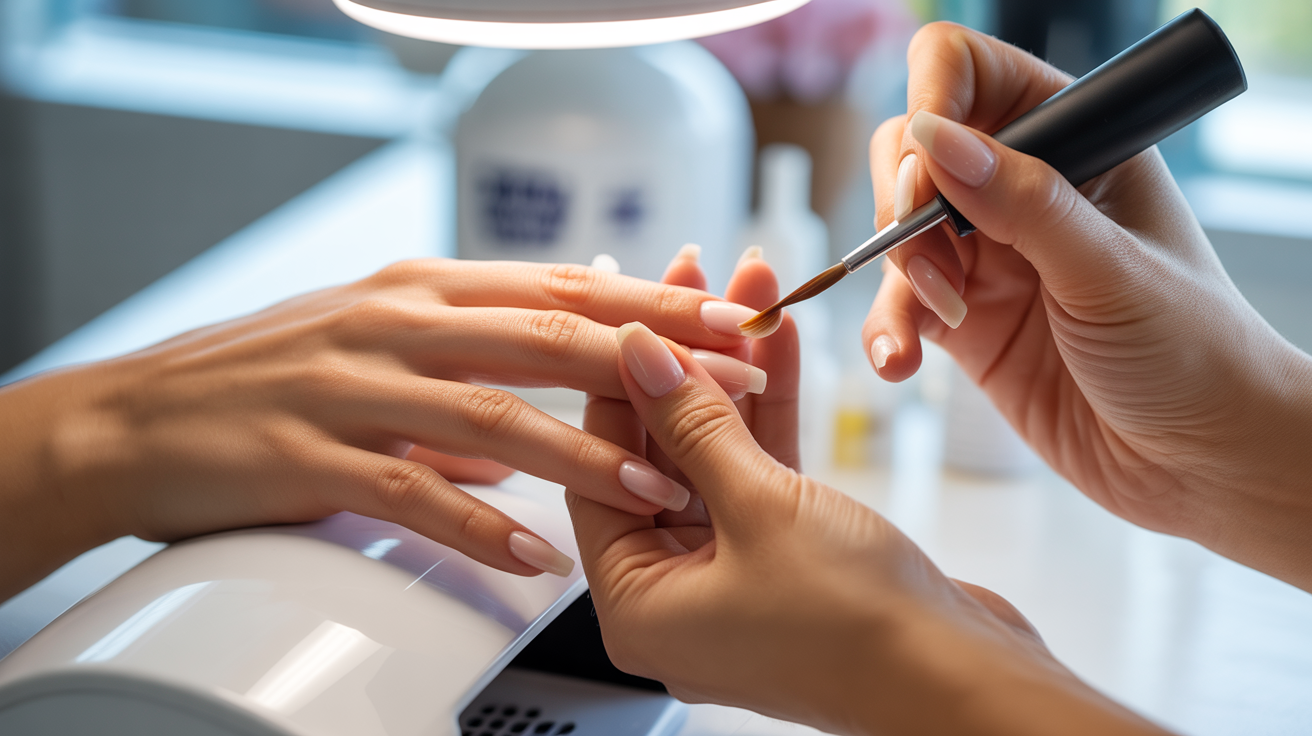
The differences between these three options confuse a lot of people. Here’s how they actually compare to each other.
| Feature | UV Gel | LED Gel | Regular Gel Polish |
| Lamp Type | UV lamp (36-watt typical) | LED lamp | Either UV or LED |
| Curing Time | 2-3 minutes per layer | 30-60 seconds per layer | 30-60 seconds per layer |
| Consistency | Thick, builder formula | Thick, builder formula | Thin, lacquer-like |
| Purpose | Building, strengthening, extending | Building, strengthening, extending | Color and shine only |
| Application | Multiple structured layers | Multiple structured layers | 2-3 thin coats |
| Durability | 3-4 weeks | 3-4 weeks | 2-3 weeks |
The Pros and Cons You Should Know
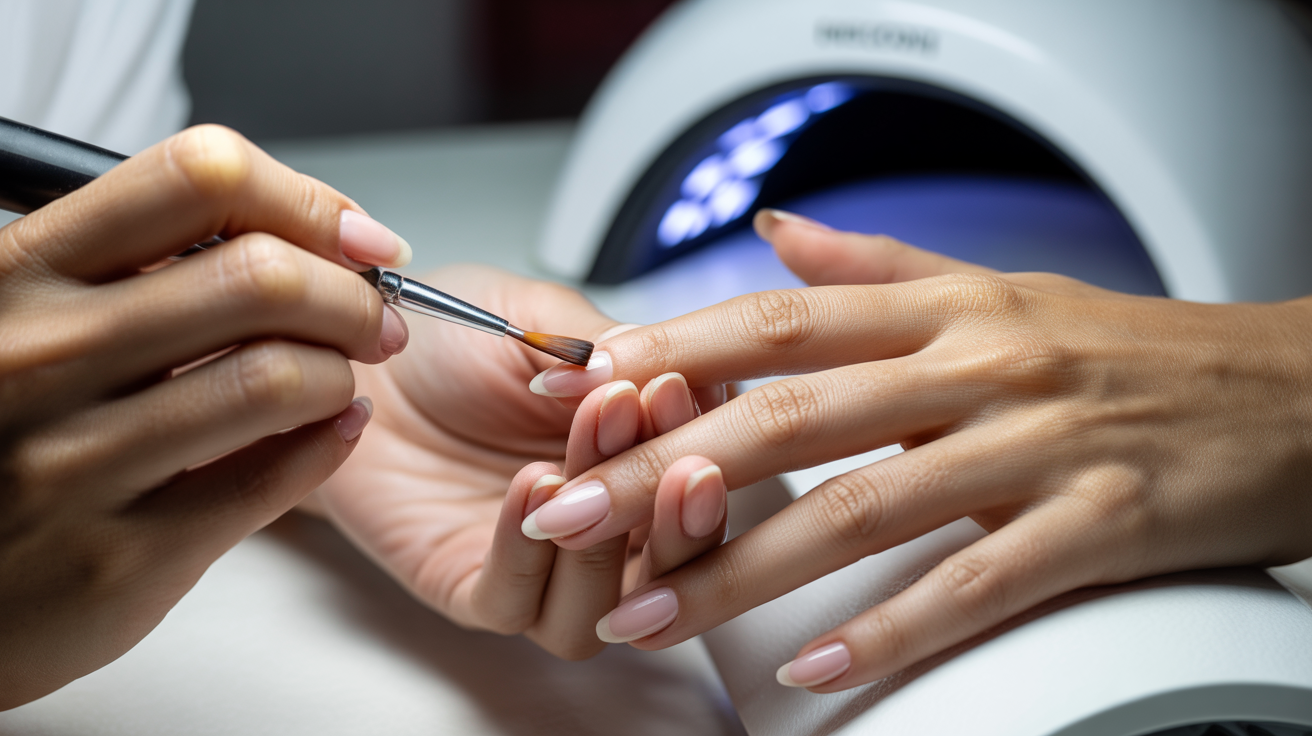
Like any nail product, UV gel has both benefits and drawbacks. Here’s what you need to consider before trying it.
Why People Choose UV Gel
UV gel lasts up to 4 weeks without losing its shine. You get consistently glossy nails for a full month.
The finished look appears really natural. It doesn’t have that thick, obviously fake appearance some nail products create.
Flexibility reduces breaking and chipping significantly. The gel moves with your nail instead of cracking under pressure.
There are no chemical odors like you get with acrylics. You don’t need to work in a ventilated area or hold your breath.
You can extend short nails to your desired length. UV gel builds the structure you need for longer nails.
The Downsides to Consider
Application takes longer than regular polish. You’re looking at 30 to 60 minutes for a full set.
You need to invest in a UV lamp. Without one, you literally cannot use UV gel at home.
The technique requires skill and practice. Your first few attempts might not turn out perfectly.
Removal is time-consuming and needs patience. You can’t just wipe it off with regular remover.
Different Types of UV Gel
What is UV gel made of exactly?
There are actually several types, each serving a specific purpose in the application process.
Base Gel
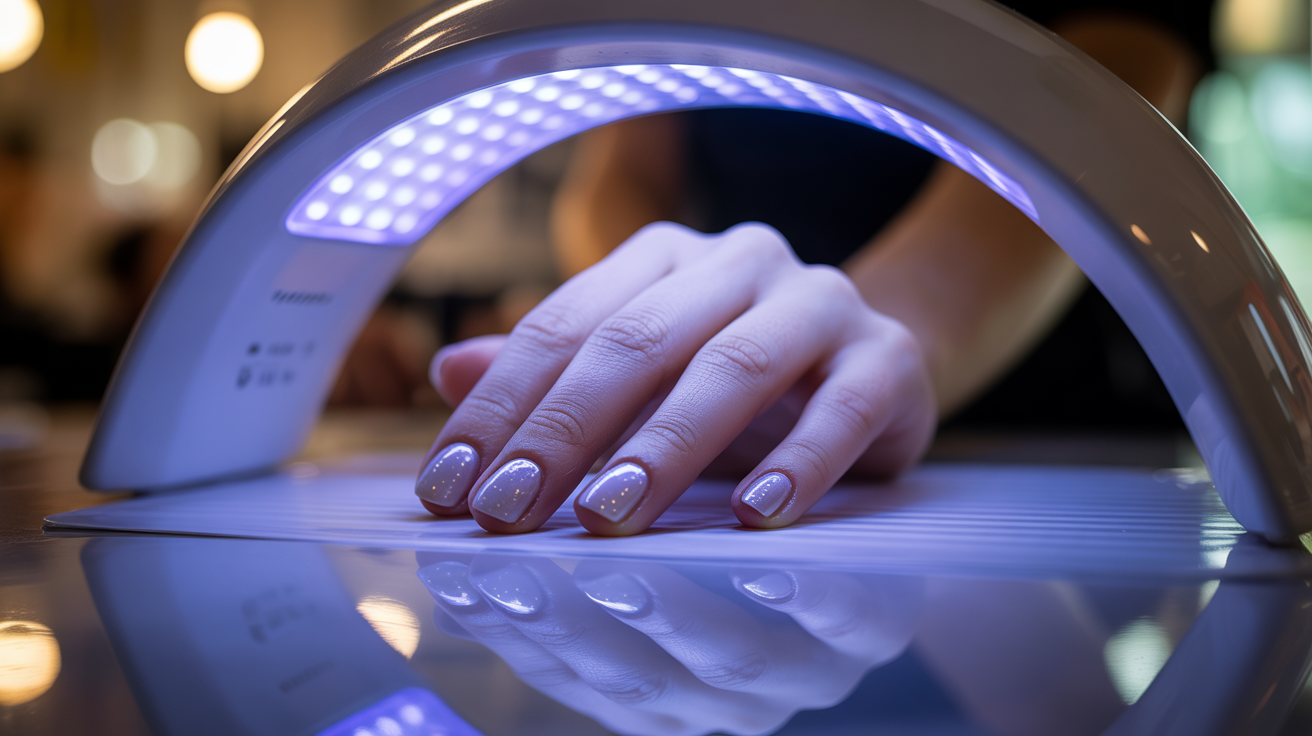
Base gel creates the foundation for everything else. It bonds strongly to your natural nail plate.
This layer prevents lifting and peeling. Without good base gel, your whole manicure can pop off early.
Base gel also smooths out ridges and imperfections. It gives you an even surface to build on.
The right base gel strengthens your natural nails underneath. It adds a protective barrier against damage.
Builder Gel
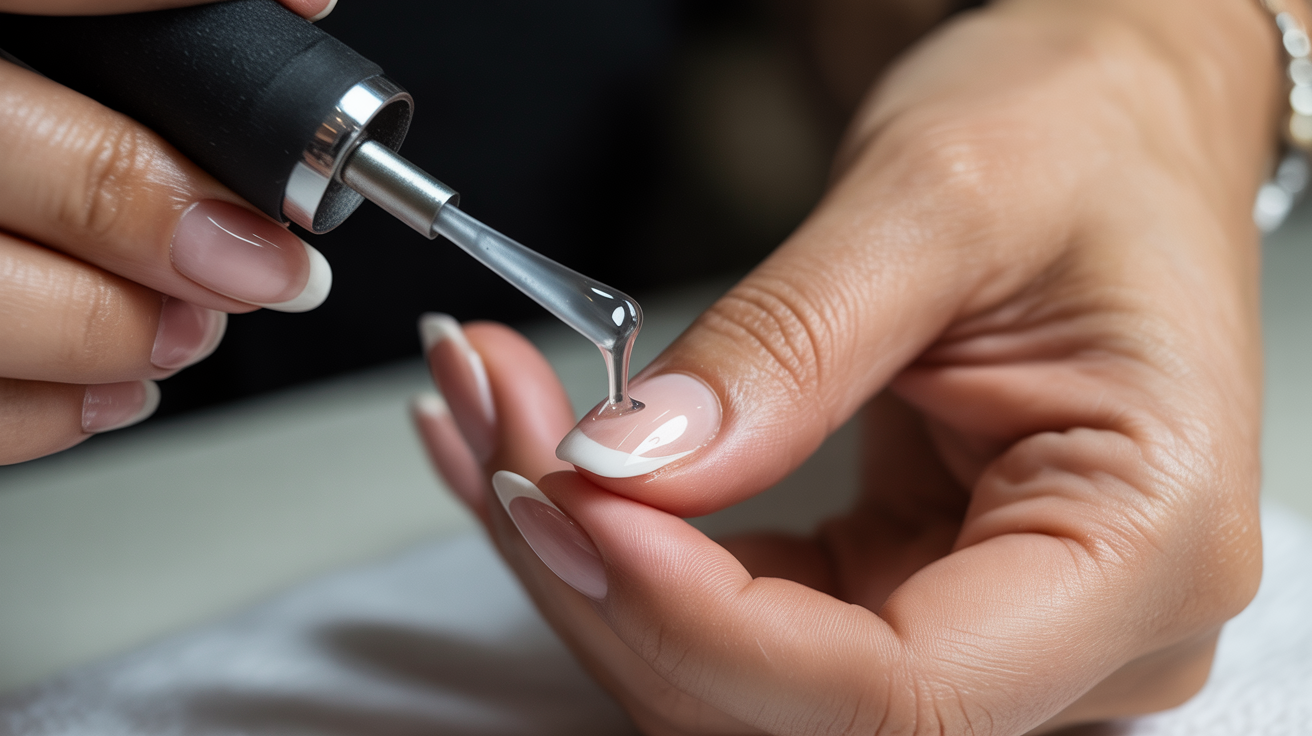
This is your workhorse gel for strengthening and lengthening. Builder gel has medium to thick consistency.
It’s self-leveling, which means it smooths itself out. You don’t need to work as hard to get an even surface.
Builder gel comes clear or colored. The colored versions are called cover gels.
You use this type when you need to add significant structure or length. It’s strong enough to support extensions.
Cover Gel
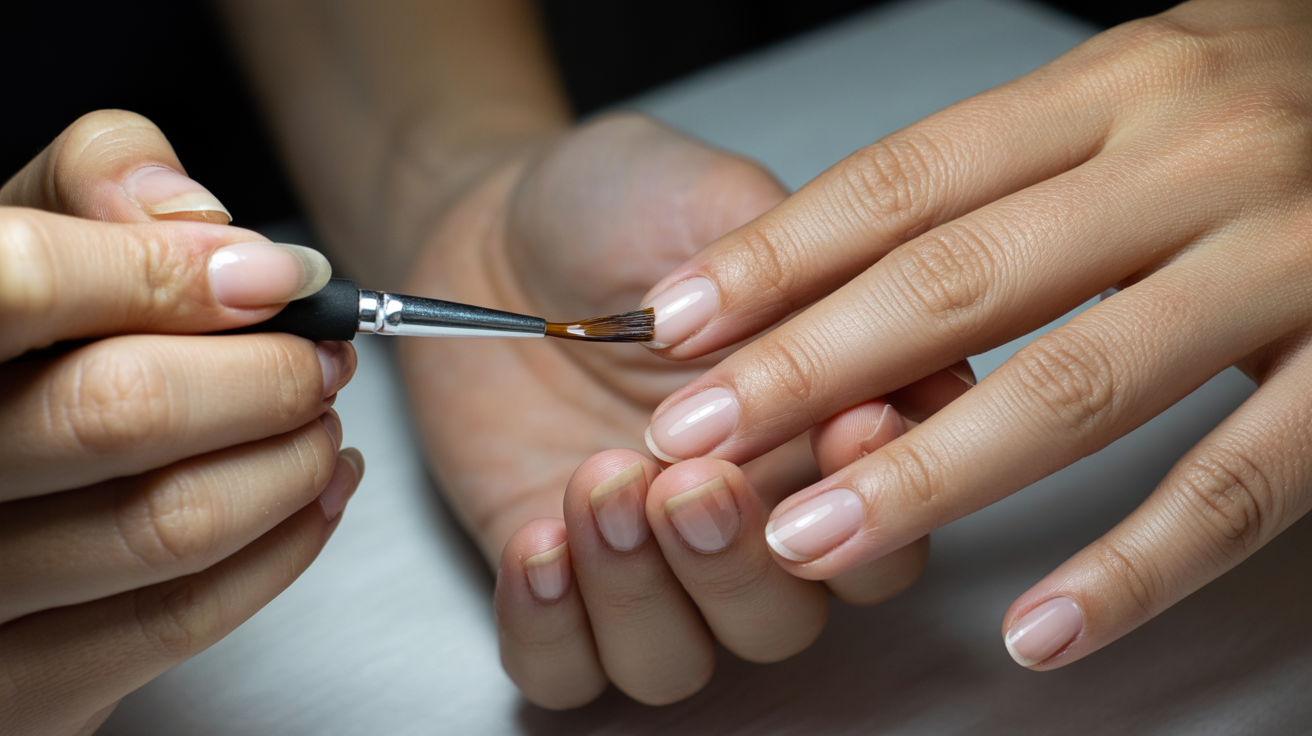
Cover gel is basically builder gel with pigment added. It hides nail imperfections and natural discoloration.
This type works perfectly for French manicures. The natural tint creates an even, clean base.
Cover gel is great for nail art too. You can paint designs right on top of it.
The natural color gives your nails that polished, even appearance without looking painted.
Top Gel
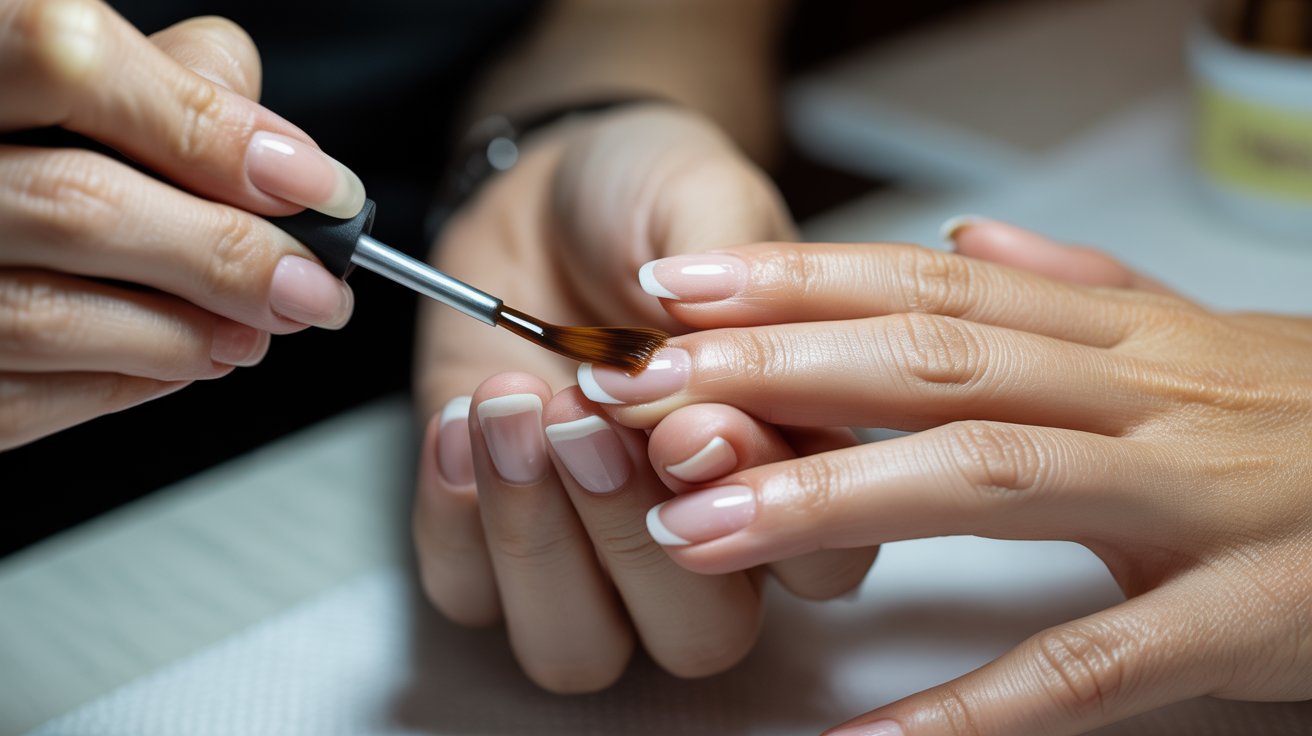
Top gel is your finishing layer. It seals everything and provides protection against chips and fading.
This layer prevents your color from dulling over time. It keeps that fresh, glossy look for weeks.
Top gel comes in different finishes. You can choose glossy, matte, or even glitter depending on your style.
Some top gels have UV filters to prevent yellowing. These work especially well over white or light colors.
One Phase Gel
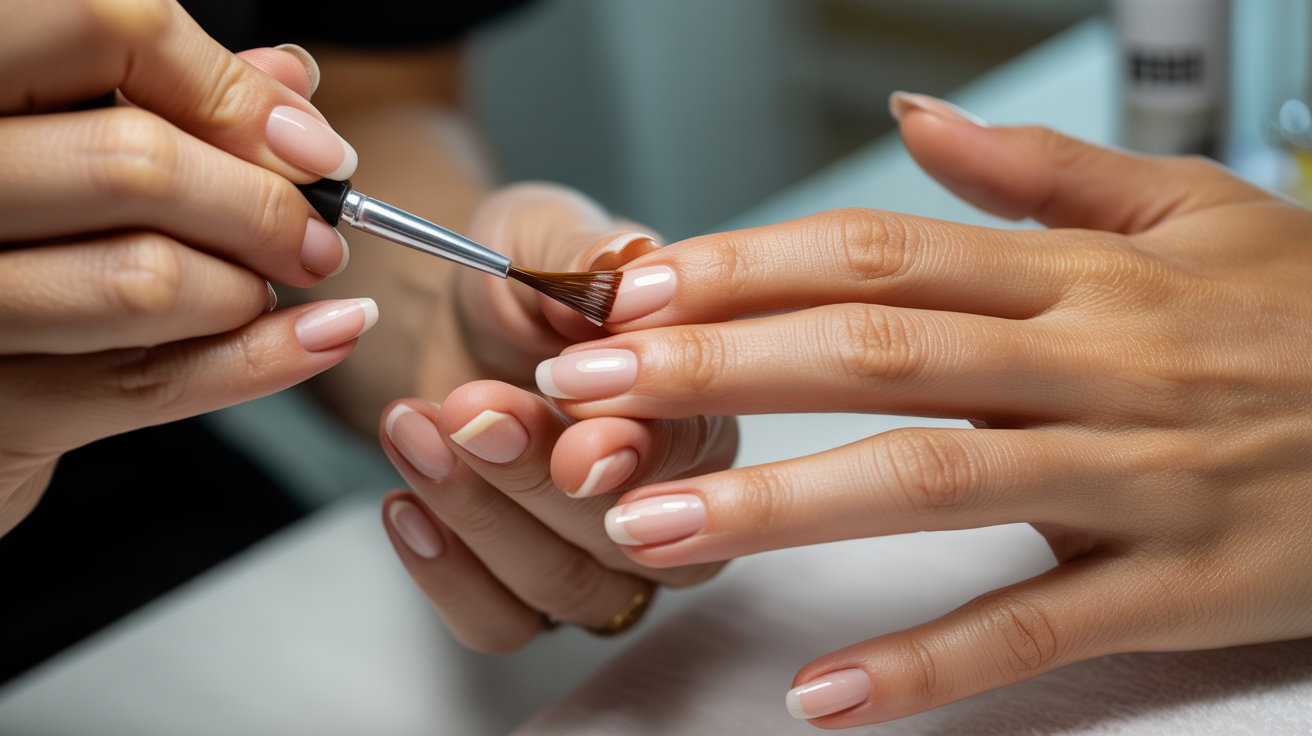
One phase gel combines base, builder, and top coat into one product. It’s convenient for quick applications.
The quality is slightly lower than using separate products. You sacrifice some performance for convenience.
This type works fine for basic overlays. If you need serious strength or length, separate gels work better.
One phase gel is perfect for beginners who want to try UV gel without buying multiple products.
What You Need for UV Gel Application
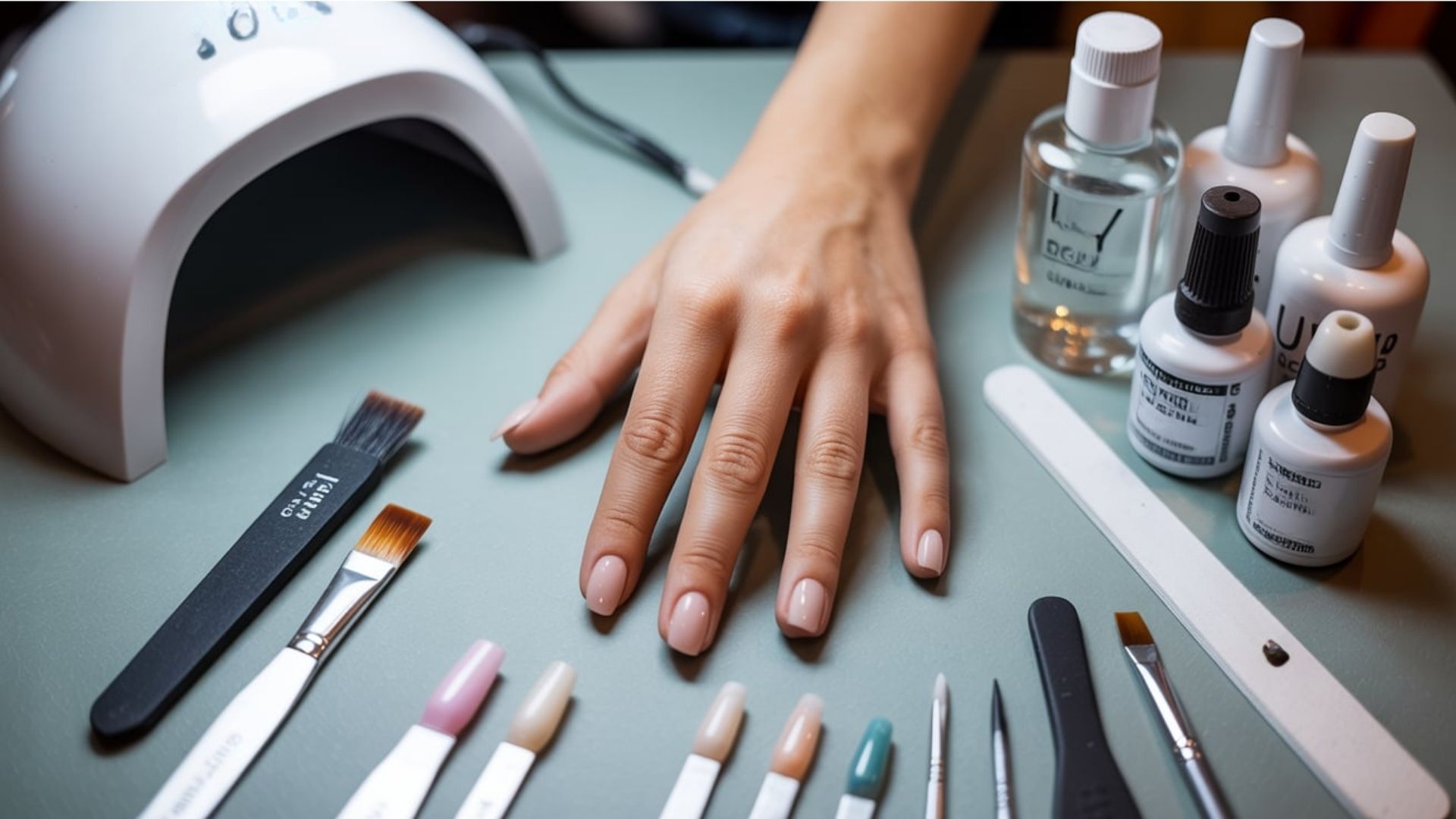
Getting started with UV gel requires some specific tools and products. Here’s what you absolutely need to have.
The most important item is your UV lamp. Without it, your gel will never cure. This is the one non-negotiable purchase for working with UV gel at home.
- UV lamp (typically 36-watt for proper curing)
- Gel brush for smooth application
- Nail prep solution and primer
- Base coat, builder gel, and top coat
- 100/180 grit file for shaping and removal
- Cuticle tools for proper nail prep
- Quality products from reputable brands
Investing in good quality products makes a huge difference. Cheap gel formulas don’t cure properly and can cause problems. Spend a bit more for products that actually work and last.
How Long Do UV Gel Nails Last?
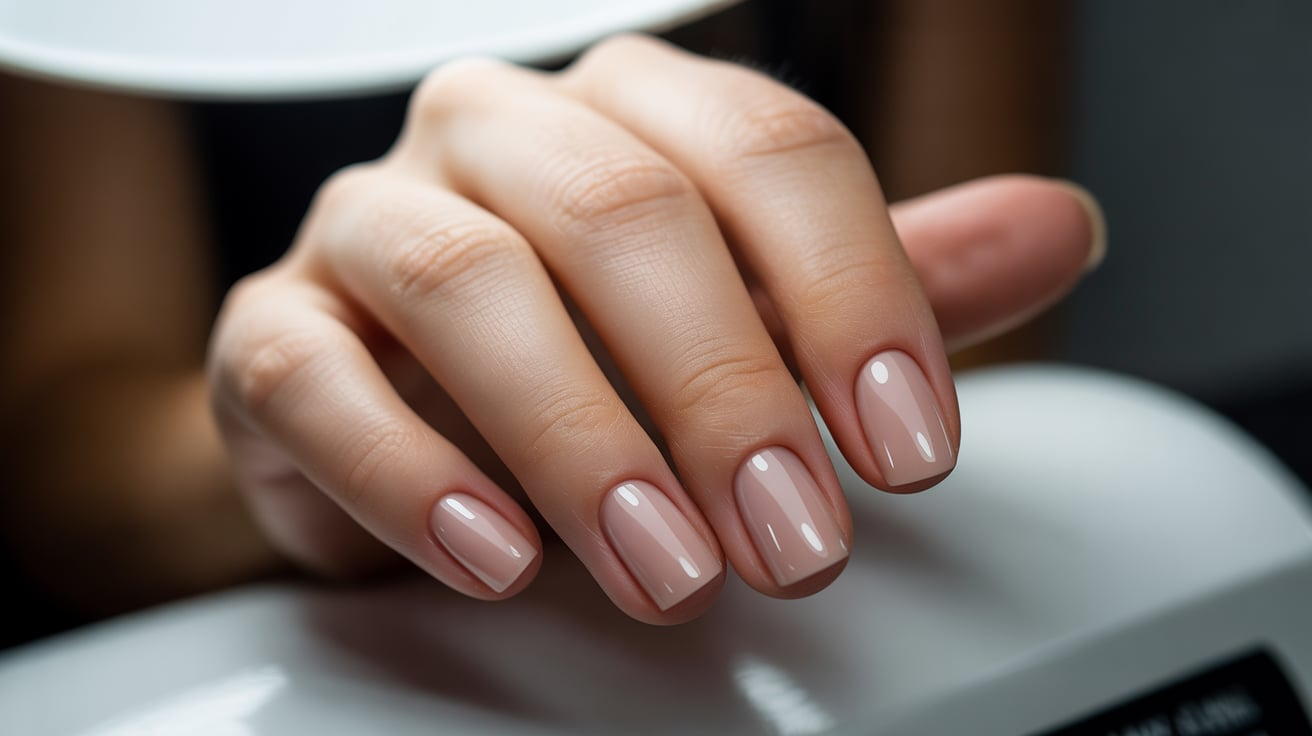
Longevity is one of the biggest selling points for UV gel. Here’s what you can realistically expect.
UV gel nails typically last 3 to 4 weeks before needing a fill or removal. Some people get even longer wear.
Your nail growth rate affects how long they look good. Faster growth means you’ll see the gap at your cuticles sooner.
The quality of products matters a lot. Professional-grade gel lasts longer than budget options.
Proper application extends wear time significantly. Rushed or incorrect technique leads to early lifting and chipping.
You need a healthy nail plate for best results. Damaged or peeling nails won’t hold gel as well.
Improper application can actually damage your natural nails. Always follow correct prep and application steps carefully.
Important Safety Tips
Working with UV gel safely protects both your nails and your overall health. These guidelines are really important to follow.
Never dilute UV gel with anything. This affects how it cures and increases your risk of developing contact allergies. Use products exactly as they come from the manufacturer.
- Follow correct curing times for each layer
- Incomplete curing can cause allergic reactions
- Avoid getting uncured gel on your skin
- Wipe up spills immediately
- Natural nails feel flexible after removal due to moisture absorption, not damage
- Both UV gel and acrylic are safe when applied and removed correctly
- Improper technique can permanently damage your nail matrix
Taking shortcuts with safety isn’t worth it. Your nail health is more important than saving a few minutes or dollars. Follow the rules and your nails will thank you.
Conclusion
So what is UV gel?
It’s a thick formula that requires UV lamp curing to harden into durable nail enhancements. The main difference from LED gel is just the lamp type you use.
Regular gel polish has thinner consistency and only adds color, not structure. UV gel offers flexibility, a natural look, and long wear time that regular polish can’t match.
You’ll need to invest in a lamp and practice your technique, but the results are worth it.
When used properly, UV gel is completely safe. Choose based on what your nails need and what fits your lifestyle best. Give it a try and see how it works for you.
Frequently Asked Questions
Can You Use UV Gel for Pedicures?
You can, but gel polish works better for toes. The thinner application looks more natural on toenails. UV gel’s thick consistency can appear bulky on smaller nail beds and isn’t usually necessary.
Will UV Gel Damage My Natural Nails?
Properly applied and removed UV gel doesn’t damage nails. They may feel flexible after removal because they’ve absorbed moisture, not because they’re damaged. This flexibility is temporary and normal.
What’s the Difference Between Acrylic and UV Gel?
Acrylic doesn’t need a lamp to harden. It cures through a chemical reaction with air. Gel is more flexible than acrylic. Both are safe when properly applied and removed by trained professionals.
Can UV Gel Cause Allergic Reactions?
Any nail product can potentially trigger allergies in some people. Reactions usually happen from uncured product touching skin or from improper curing times. Always cure gel completely and avoid skin contact.
Do You Need Special Skills to Apply UV Gel?
UV gel application requires practice and technique knowledge. Proper nail preparation is absolutely crucial for good results. Consider taking professional training or practicing extensively before doing complex applications on yourself.