Dermaplaning vs Microdermabrasion: Key Differences


I stood in the esthetician’s office confused. She mentioned dermaplaning and microdermabrasion like I should know the difference.
Both remove dead skin cells, right?
Turns out, they use completely different methods and deliver different results. One uses a blade, the other uses suction. Your skin concerns determine which one works better for you.
This guide explains each treatment separately before comparing them.
Let me help you figure out which option fits your needs best.
Why Most People Choose the Wrong Treatment

Most people think dermaplaning and microdermabrasion are basically the same.
Both exfoliate, both smooth your skin, so what’s the difference?
Everything.
One uses a blade and gives instant results. The other uses suction and takes weeks. One has zero downtime. The other needs recovery between sessions.
The wrong choice wastes your money and time. The right choice gives you exactly what your skin needs.
Let me show you how each treatment works so you can decide which one fits your skin type, concerns, and schedule.
What Is Dermaplaning? Manual Exfoliation and Hair Removal

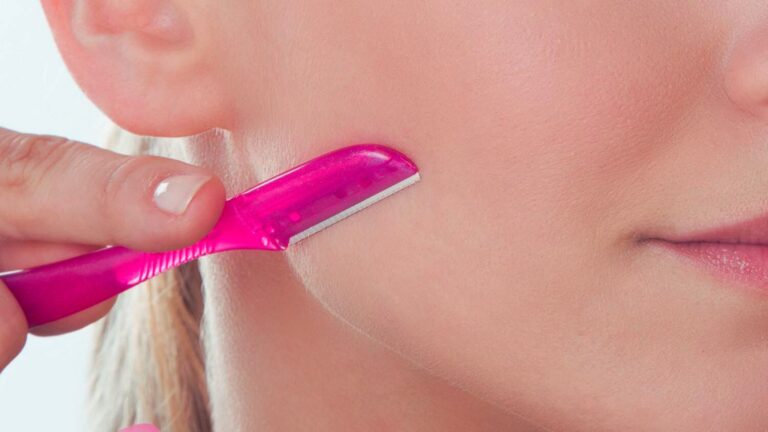
Dermaplaning is a manual exfoliation method. An esthetician uses a sterile surgical blade held at a specific angle to gently scrape away dead skin cells from your face.
The same process also removes vellus hair (peach fuzz) from your face. This gives you incredibly smooth skin instantly. I love how my makeup applies after this treatment.
It’s a quick treatment taking about 30 to 45 minutes. No machines or suction involved. Just skilled hands and a precise blade angle.
The process is painless and gentle on skin. Most skin types can handle dermaplaning, including sensitive skin. You feel light scraping but no discomfort.
Benefits of Dermaplaning
Dermaplaning removes peach fuzz instantly and creates a smooth canvas for makeup. Your foundation glides on perfectly without any texture interruption.
Key benefits include:
- Removes facial hair without making it grow back thicker or darker (that’s a myth)
- Improves product absorption because there’s no barrier of dead skin or fine hair
- Safe during pregnancy and works well for sensitive skin types
- Works with rosacea and broken capillaries unlike harsher treatments
- Zero downtime advantage means you can go straight back to normal life
- Immediate brightening effect shows up right after treatment
- Helps dry or flaky skin by removing the dead layer instantly
The treatment mainly addresses surface concerns rather than deeper skin issues like scars or wrinkles.
What Results Can You Expect From Dermaplaning?
Dermaplaning delivers immediate results you can see and feel right after your first session. Your skin feels incredibly smooth when you touch your face.
What you’ll notice:
- Smoother skin texture instantly after treatment
- Brighter appearance from removing dull dead cells
- Better product absorption for serums and moisturizers
- Flawless makeup application without peach fuzz interference
- Hair regrows normally in 3-4 weeks at the same texture
- Can repeat treatment every 3-4 weeks safely
There’s no healing or recovery period needed. No redness afterward either. You can wear makeup immediately if you want.
While dermaplaning makes skin look and feel amazing on the surface, it won’t make deeper concerns disappear.
Scars and deep wrinkles need different treatments since this only works on the outermost layer.
What Is Microdermabrasion? Mechanical Exfoliation for Deeper Skin Concerns

Microdermabrasion is a mechanical exfoliation method that works deeper than manual techniques. It uses specialized equipment to resurface your skin.
Two main types exist. Diamond microdermabrasion uses a vacuum wand with a diamond-encrusted tip. It suctions while exfoliating and is the most popular option nowadays.
Crystal microdermabrasion uses a machine that sprays fine crystals at your skin. Then it vacuums them away along with dead skin cells. This type is less common now.
This treatment works deeper than dermaplaning into your skin layers. You need multiple sessions for best results. Treatments typically happen every 7 to 10 days for a series.
Benefits of Microdermabrasion
Microdermabrasion unclogs pores deeply and reduces their appearance over time. The suction literally pulls debris out from inside your pores.
Key benefits include:
- Fades dark spots gradually through regular treatment sessions
- Softens acne scars by working deeper than surface treatments
- Stimulates collagen production beneath the surface for anti-aging
- Reduces fine lines through that collagen boost
- Boosts blood circulation which improves overall skin health
- Addresses stubborn texture that dermaplaning can’t reach
- Treats deeper concerns beyond just surface smoothness
These benefits build progressively over multiple sessions. You typically need five or more treatments to see full effects. Better for people dealing with deeper skin concerns.
What Results Can You Expect From Microdermabrasion?
Microdermabrasion delivers progressive results where improvement builds gradually. Your skin feels smoother after the first treatment but real change takes time.
Timeline and outcomes:
- Treatments scheduled every 7-10 days for a series
- Recovery takes about one week per treatment
- Skin stays slightly pink for up to 8 weeks during treatment course
- Can’t wear makeup immediately after sessions
- Must avoid sun exposure during healing between treatments
- Long-term results include improved texture, smaller pores, reduced pigmentation
- Fine lines soften and complexion clears over time
Achieving these results requires commitment to multiple sessions. Patience with the healing process between treatments is necessary.
Dermaplaning vs microdermabrasion shows very different timelines here.
Dermaplaning vs Microdermabrasion: Direct Comparison
Understanding the key differences helps you choose the right treatment.
Here’s how dermaplaning vs microdermabrasion compares directly:
| Factor | Dermaplaning | Microdermabrasion |
| Method | Manual blade exfoliation | Mechanical suction with crystals/diamonds |
| What It Removes | Dead skin + peach fuzz | Dead skin + unclog pores |
| Downtime | None | One week recovery |
| Sessions Needed | One shows results | 5+ for best results |
| Best For | Sensitive skin, pregnancy, immediate smoothness | Acne scars, pigmentation, texture issues |
| Not Suitable For | Active acne breakouts | Sensitive skin, rosacea, pregnancy |
| Results Timeline | Immediate | Progressive over weeks |
| Hair Removal | Yes | No |
The method difference is significant. Dermaplaning uses manual blade technique while microdermabrasion relies on mechanical suction power.
Conclusion
Dermaplaning vs microdermabrasion? Both work well for exfoliation but serve different purposes.
Dermaplaning offers immediate smoothness with no recovery time needed. Microdermabrasion provides deeper, progressive improvements over multiple sessions.
The right choice depends on your skin type, concerns, and lifestyle. Consider what matters most to you and what your schedule allows.
Ready to try one of these treatments? Schedule a professional skin assessment to determine which exfoliation method will give you the best results for your unique skin.
Frequently Asked Questions
Can I Do Both Treatments in One Session?
Some estheticians combine them with dermaplaning done first. This removes peach fuzz and surface dead skin before the deeper microdermabrasion treatment. Not all providers offer this combination, and your skin must tolerate it well.
How Long Do Results Last From Each Treatment?
Dermaplaning results last about 3-4 weeks until hair regrows and dead skin accumulates again. Microdermabrasion results last longer, typically 3-6 months after completing a full series, though maintenance sessions help extend benefits further.
Will Dermaplaning Make My Facial Hair Grow Back Thicker?
No, this is a complete myth. Hair grows back at the same texture, color, and thickness as before. The blade cuts hair at skin level without affecting the follicle structure that determines how hair grows.
Which Treatment Works Better for Acne Scars?
Microdermabrasion works better for acne scars because it penetrates deeper into skin layers. Dermaplaning only addresses surface texture and won’t improve scarring significantly. Multiple microdermabrasion sessions can soften scar appearance over time.
Are These Treatments Painful?
Neither treatment is painful. Dermaplaning feels like gentle scraping with no discomfort. Microdermabrasion feels like light suction and scratching, sometimes described as a cat’s tongue licking your face. Both are well-tolerated by most people.