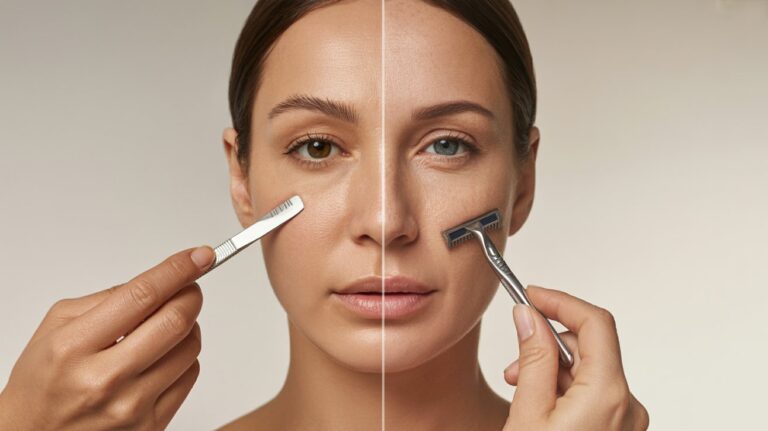
Dermaplaning vs Shaving: What You Need to Know


You’ve probably asked yourself: Should I try dermaplaning or just shave my face? I had the same question.
And the more I looked into it, the more conflicting advice I found online.
This article cuts through all of that. You’ll learn how each method works, which one suits your skin type, and what’s actually safe to do at home.
I’ve done the research so you don’t have to spend hours figuring it out yourself. From hair type to skin sensitivity to real results, it’s all covered right here.
No hype. No confusing terms. Just clear, honest answers in one place.
Dermaplaning vs Shaving: What’s the Difference?
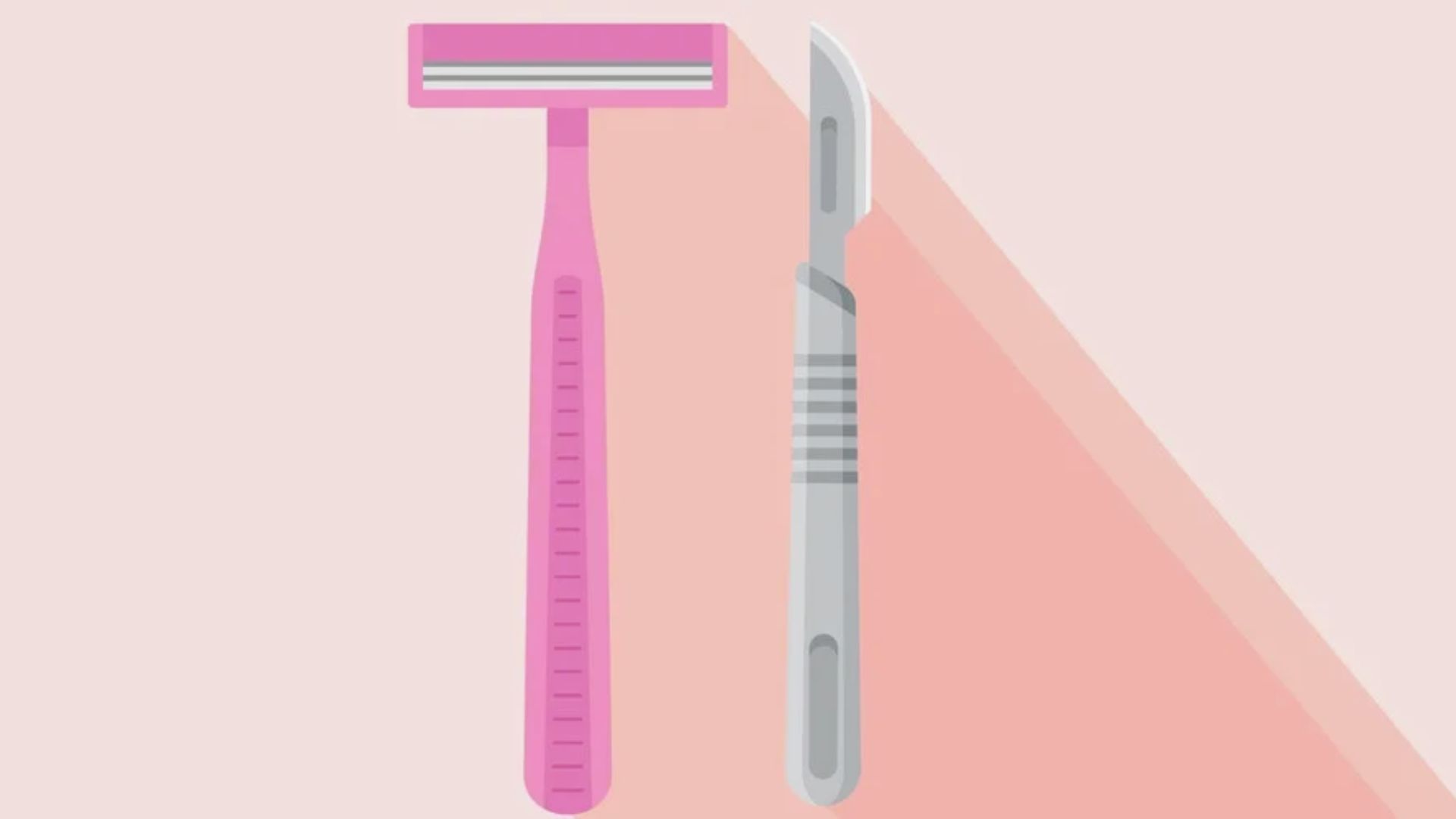
Two methods, two very different goals. Dermaplaning exfoliates deeply with a medical blade while shaving cuts hair at the surface with a standard razor.
Dermaplaning is a professional exfoliation treatment. A trained provider uses a medical-grade surgical scalpel to remove the top layer of dead skin cells and fine vellus hair (peach fuzz).
The goal is not just hair removal. It is full surface exfoliation that visibly smooths and brightens the skin.
Shaving is a quick at-home hair removal method. A standard manual or electric razor cuts hair at the skin’s surface. There is no exfoliation involved. It is simple, affordable, and accessible.
Here is a fast comparison: Dermaplaning uses a surgical scalpel directly on the face. Shaving uses a standard razor for basic hair removal.
Dermaplaning exfoliates deeply while shaving stays at the surface. Dermaplaning targets fine vellus hair specifically, while shaving handles both fine and coarse hair with ease.
Dermaplaning vs Shaving Face: How Each Method Works
The process behind each method is very different. Knowing how they work helps you choose the right one.
Tools Used in Dermaplaning
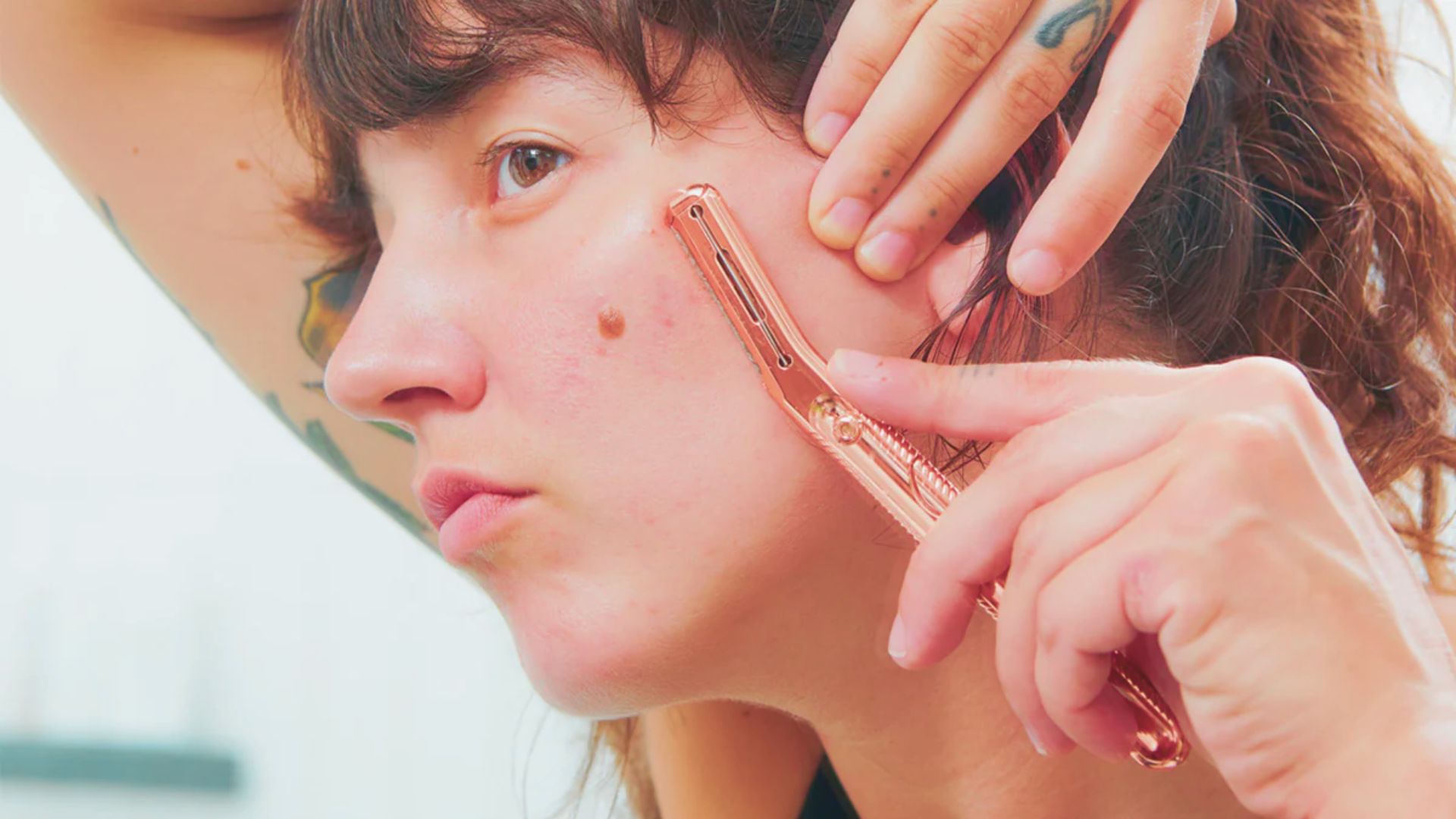
A surgical scalpel, a steady hand, and proper training. That’s what dermaplaning actually requires.
Dermaplaning is performed using a sterile, surgical-grade scalpel. A trained professional holds the blade at a 45-degree angle and moves it across the skin in short, controlled strokes.
It is typically done in a dermatologist’s office or licensed medical spa. The result is smoother, more even-looking skin with dead skin cells and peach fuzz removed together.
Tools Used in Facial Shaving
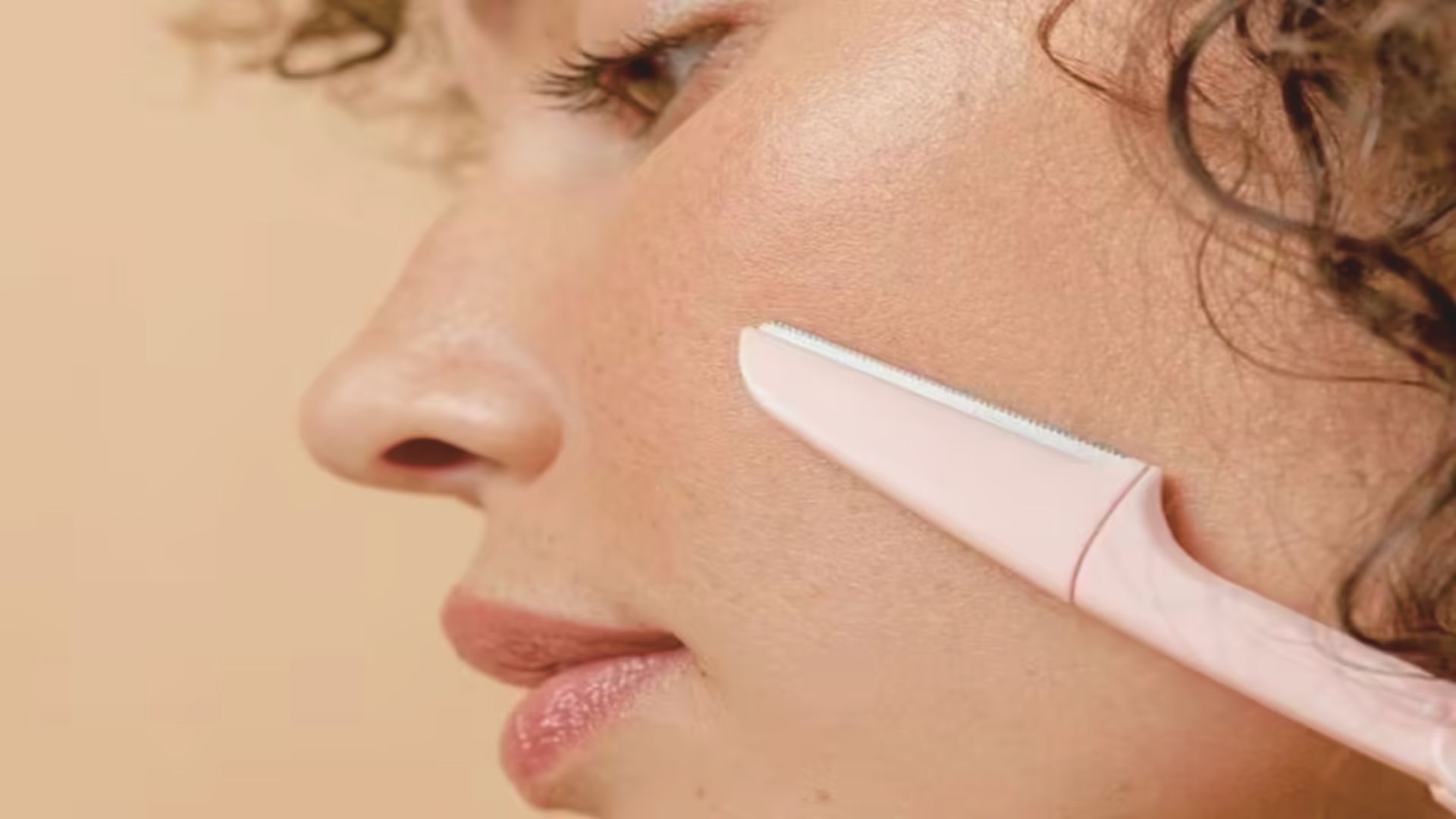
A simple razor, no training needed, and done in minutes at home.
Facial shaving uses a standard manual or small electric razor. The razor cuts hair at the skin’s surface with no exfoliation involved.
Single-blade face razors are popular at home, but they are built for quick hair removal only, not clinical skin care.
Dermaplaning vs Shaving Facial Hair: Hair Type Matters
The type of facial hair you have affects which method works best.
Vellus Hair vs Terminal Hair
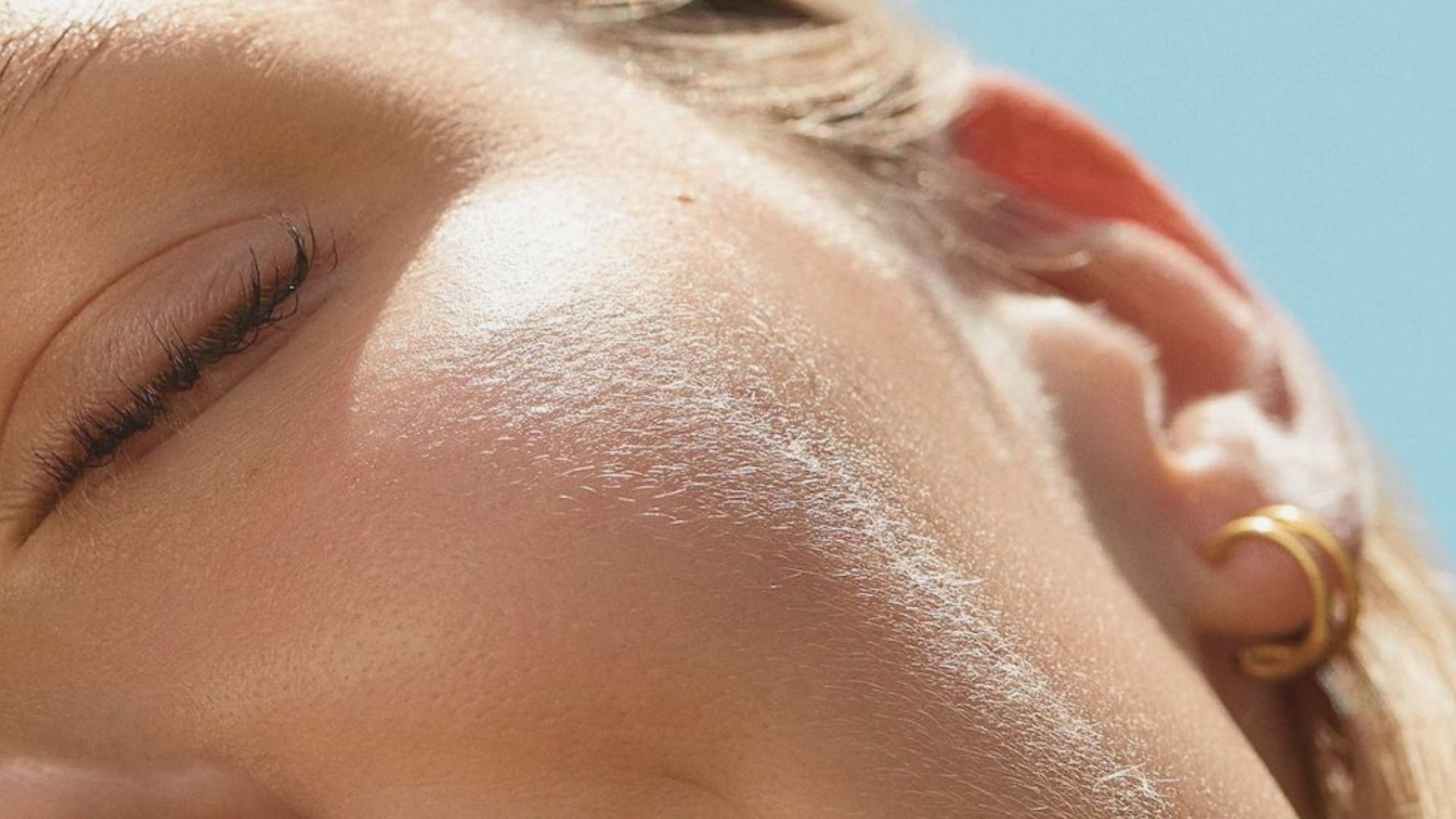
Alt text:A woman with closed eyes wearing a gold hoop earring, conveying a serene and contemplative expression.
Your face has two hair types. Vellus hair is soft, fine peach fuzz. Terminal hair is thicker and coarser, common on the chin or upper lip.
Dermaplaning targets vellus hair. Shaving handles both.
Does Hair Grow Back Thicker?

Hair does not grow back thicker or darker after either method. It simply regrows with a blunt tip instead of a tapered one, which can feel slightly rough at first.
Your follicle controls everything. Surface removal changes nothing.
Dermaplaning vs Shaving: Cost, Frequency, and Maintenance

Alt text:A woman carefully shaves her face with a razor, focusing on her grooming routine in a well-lit bathroom.
Your budget and schedule matter. Here is what each method realistically costs over time.
How Often Should You Dermaplane?
Once a month is the sweet spot for most people.
Professional dermaplaning is recommended once every three to four weeks. Going more often can over-sensitize your skin.
A single session typically costs between $75 and $200 depending on the provider and location.
Shaving Frequency and Long-Term Results
Shaving fits any schedule and almost any budget.
Facial shaving can be done weekly or every two weeks. A quality razor costs between $5 and $30 and lasts for months.
Shaving keeps hair in check but does not improve skin texture. Consistent dermaplaning does.
Dermaplaning vs Shaving: Side Effects and Safety

Safety always matters. Here’s who should be cautious and what to watch for.
Avoid dermaplaning if you have active acne, rosacea, open wounds, sunburn, or are on blood-thinning medications. Always check with a dermatologist first if you are unsure.
Dermaplaning can cause temporary redness or minor cuts from poor technique. Shaving can lead to razor burn, ingrown hairs, or dryness with frequent use.
A clean blade and a good moisturizer after either method will keep most side effects away.
Dermaplaning vs Shaving: Tips for Best Results
Simple, practical tips to get the most out of whichever method you choose.
- Choose dermaplaning for texture and glow. It removes dead skin cells and peach fuzz together, making it the better option before events or when you want makeup to sit more smoothly on the skin.
- Stick to shaving for quick, low-maintenance hair removal. It works well for coarser facial hair and fits easily into any routine. Always use a clean, sharp razor and follow up with a gentle moisturizer.
- Never dermaplane over active acne. The blade can spread bacteria and worsen breakouts. Shaving is the safer choice when your skin is currently breaking out, as long as your tools are properly cleaned first.
- Prep your skin before either method. Always start with clean, dry skin. Remove all makeup, oils, and serums beforehand. Wet or oily skin reduces blade control and increases the chance of irritation.
- Protect your skin after treatment. Apply a gentle, hydrating moisturizer right after. Avoid retinoids and exfoliants for 24 to 48 hours. Always finish with sunscreen to protect freshly treated skin from sun damage.
Conclusion
I’ll be real with you, I avoided putting anything sharp near my face for years. Then I finally tried dermaplaning before a wedding, and I couldn’t believe how smooth my skin felt or how well my makeup looked.
You don’t need to overcomplicate this. Try one method, see how your skin responds, and adjust from there. Both dermaplaning and shaving can work well when used correctly.
Have you tried either method? I’d love to know your experience. Drop a comment below, or share this post with someone who’s been asking the same questions about dermaplaning vs shaving.
Frequently Asked Questions
Is dermaplaning better than shaving for sensitive skin?
Professional dermaplaning is generally more precise and gentler when done correctly. Shaving with a clean, sharp razor and proper moisturizing after can also work well for sensitive skin types.
Can dermaplaning cause more facial hair to grow back?
No, dermaplaning does not affect hair growth at all. The follicle is not touched during the process, so hair always grows back with the same thickness, color, and texture as before.
How long do dermaplaning results last compared to shaving?
Dermaplaning results typically last two to four weeks. Shaving results vary by person, but most people see regrowth within one to two weeks depending on their hair growth rate.
Is it safe to use an at-home dermaplaning tool every week?
Weekly use is too frequent for most skin types and can cause irritation or sensitivity. Most skin care professionals suggest using at-home tools no more than once every two weeks.
Which method is better for removing upper lip hair in women?
Both methods work for upper lip hair. Shaving is faster for regular maintenance, while dermaplaning is better if you also want to improve skin texture and smoothness in that area at the same time.