How Many Units of Botox Is Average?


I remember sitting in the consultation room feeling totally confused about Botox units.
The injector started talking numbers and I had no idea what was normal. Was 20 units a lot? Too little?
How many units of botox is average? The answer depends on which areas you’re treating. Most people need between 20 to 60 units total per session.
This guide breaks down average units by facial area and explains what affects your personal dosage. I’m sharing what I learned from my own treatments and research.
Let’s talk about finding the right amount for your goals.
Average Botox Units by Treatment Area

Understanding typical dosage ranges helps you know what to expect. These are FDA-approved ranges that most providers use as starting points.
Average units by facial area:
- Forehead lines: 10-30 units
- Between eyebrows (frown lines): 10-25 units
- Crow’s feet (around eyes): 5-15 units per side
- Eyebrow lift: 2-5 units
- Chin area: 2-6 units
- Mouth corners: 3-6 units
- Nose lines: 5-10 units
- Jaw slimming (masseter): 15-50 units per side
- Neck bands: 25-50 units
Most people treating common areas like forehead and crow’s feet use around 40 to 60 units total.
How many units of botox is average for a full treatment? Somewhere in that range for multiple areas combined.
Your actual dosage depends on your specific concerns and treatment goals. These numbers give you a baseline for conversations with your provider.
What Determines Your Specific Botox Dosage

Several factors influence how many units you’ll need. Your provider assesses these during consultation to create a personalized plan.
Your Muscle Strength Makes a Difference
Stronger facial muscles need more units to relax effectively. I have really strong forehead muscles, so I need more units there than average.
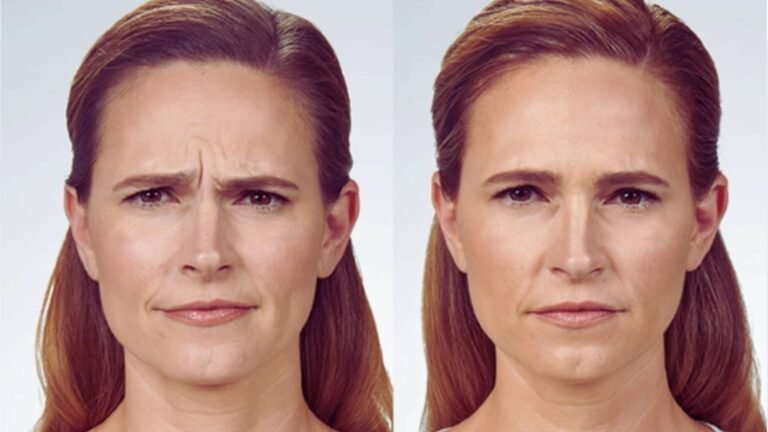
Active expressions create deeper lines requiring higher doses. If you raise your eyebrows constantly or squint frequently, you’ll likely need more product.
Your facial movement patterns impact dosage significantly. Someone with animated expressions uses their muscles more vigorously.
This creates stronger lines that need higher unit counts to smooth.
Facial Structure and Treatment Goals
Individual anatomy varies dramatically from person to person. Your bone structure, muscle placement, and facial proportions all affect dosing.
Desired results play a huge role too. Natural-looking movement requires fewer units. More dramatic smoothing needs higher doses.
The size and depth of your treatment area matters. Larger foreheads need more units than smaller ones. Deeper wrinkles require more product than fine lines.
How Age and Gender Affect Botox Units

Your age influences how many units work best for your skin. Younger patients using preventive Botox typically need fewer units. Their lines are shallower and easier to treat.
Mature skin with deeper wrinkles may require higher doses. Years of sun damage and muscle movement create stubborn lines. More product helps achieve visible smoothing.
How many units of botox is average for men versus women? Men generally need more units than women. Their facial muscles are naturally stronger and denser.
Gender-based muscle density makes a real difference. A man treating frown lines might need 25 units while a woman needs only 15 units for the same area.
This isn’t about being sexist. It’s simple biology affecting treatment needs.
First Treatment vs. Maintenance Injections
Starting conservative with your first Botox treatment makes sense. Your provider can always add more units at a two-week follow-up if needed.
Here’s how first treatments differ from maintenance sessions:
|
First Treatment |
Maintenance Injections |
|
Higher initial doses to establish results |
Lower doses as muscles condition to treatment |
|
Conservative approach with room for adjustment |
More predictable dosing based on past response |
|
Takes longer to see full effects (10-14 days) |
Results appear faster with regular use |
|
May need touch-up appointment |
Less likely to need additional units |
|
Provider learns your muscle response patterns |
Injector already knows what works for you |
How many units of botox is the average change between first and maintenance treatments. I need fewer units now than when I started.
My muscles have conditioned to the Botox effects with regular use.
Why Working with the Right Injector Matters
Finding a certified, experienced provider is crucial for proper dosing. Not all injectors have the same skill level or training.
Proper assessment determines accurate dosage for your face. An experienced injector knows how to evaluate muscle strength and movement patterns.
They calculate units based on your specific anatomy.
Avoiding under-treatment or over-treatment requires expertise. Too few units waste your money without delivering results. Too many units create that frozen look nobody wants.
Personalized consultation evaluates your specific needs thoroughly. Your injector should discuss your goals, examine your facial movements, and explain their dosage recommendations. Safety considerations and allergy screening happen during this appointment too.
Tips for Your Botox Consultation
Preparing for your consultation helps you get better results. Come ready to have an honest conversation about your expectations.
What to do before your appointment:
- Bring photos showing your specific concerns
- Discuss your aesthetic goals clearly and honestly
- Ask about provider’s experience with your specific treatment areas
- Understand that results develop gradually over 7-14 days
- Plan for potential touch-up appointments if needed
Being open with your injector leads to better outcomes. Don’t feel embarrassed about your concerns or questions. They’ve heard everything before.
How many units of botox is average for your specific situation? Your consultation answers this question based on your individual assessment.
Conclusion
How many units of botox is average? Most people use 20 to 60 units per session depending on treatment areas. These ranges provide helpful starting points for planning.
Personalization is key to getting natural-looking results. Your exact dosage depends on muscle strength, goals, and facial structure.
Work with a qualified provider who takes time to assess your needs properly.
Ready to try Botox? Schedule a consultation with a certified injector to discuss your goals and get a personalized treatment plan tailored to your face.
Frequently Asked Questions
Can You Start with Fewer Units and Add More Later?
Yes, starting conservative works well for first-time patients. Your provider can add more units at a two-week follow-up if results aren’t strong enough. This approach prevents over-treatment better than starting with high doses.
How Long Do Botox Results Last on Average?
Most people see results lasting 3 to 4 months. Factors like metabolism, muscle strength, and activity level affect duration. Some areas like crow’s feet may last longer than forehead treatments depending on muscle use.
Does Botox Hurt During the Injection Process?
Most people describe it as tiny pinches or bee stings. Pain is brief and tolerable for most patients. Some providers offer numbing cream or ice to reduce discomfort. The entire injection process takes just minutes.
What Happens If You Get Too Many Units of Botox?
Effects are temporary even with too many units. You might look frozen or have limited facial movement for several weeks. Results fade naturally as Botox wears off. Choose an experienced injector to avoid over-treatment from the start.
Are There Side Effects from Getting Botox Injections?
Common temporary reactions include bruising, redness, or mild headache. These typically resolve within days. Serious side effects are rare with qualified providers. Contact your injector if you experience drooping eyelids, vision changes, or difficulty swallowing.