Can Niacinamide Cause Acne? Complete Guide

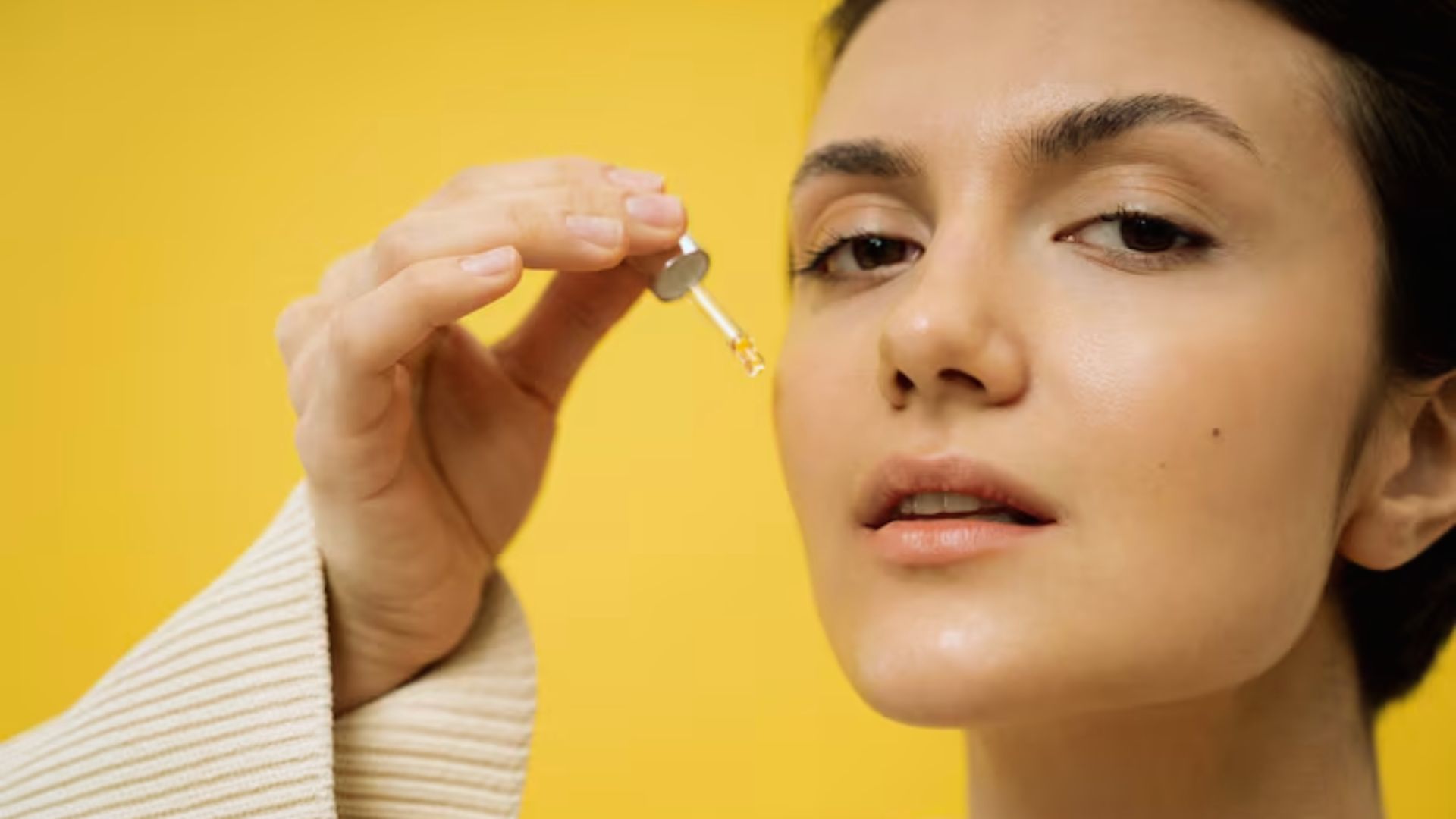
You started using niacinamide. Now you’re breaking out. And now you’re wondering if the serum is to blame.
I get it. That confusion is frustrating.
This article covers everything you need to know. Can niacinamide cause acne? Does it cause purging? How do you use it the right way?
I’ve spent time researching this topic and consulting dermatologist-backed information so you don’t have to guess.
By the end, you’ll know exactly what’s happening with your skin and what to do next.
Can Niacinamide Cause Acne? (Quick Answer)

Niacinamide is a form of vitamin B3 and one of the most widely used skincare ingredients today. The short answer is no, it does not directly cause acne.
It does not clog pores, trigger excess oil, or irritate skin the way harsh activities do. Most people tolerate it well. Studies even show it can reduce breakouts over time by calming inflammation and balancing oil.
It is also non-comedogenic, meaning it does not block pores. It regulates oil, strengthens the skin barrier, and reduces redness. None of that leads to new breakouts.
If you did break out after using it, the cause is usually the formula it’s mixed in, other new products used at the same time, or a short adjustment phase. The niacinamide itself is rarely the problem.
Why You Might Break Out After Using Niacinamide
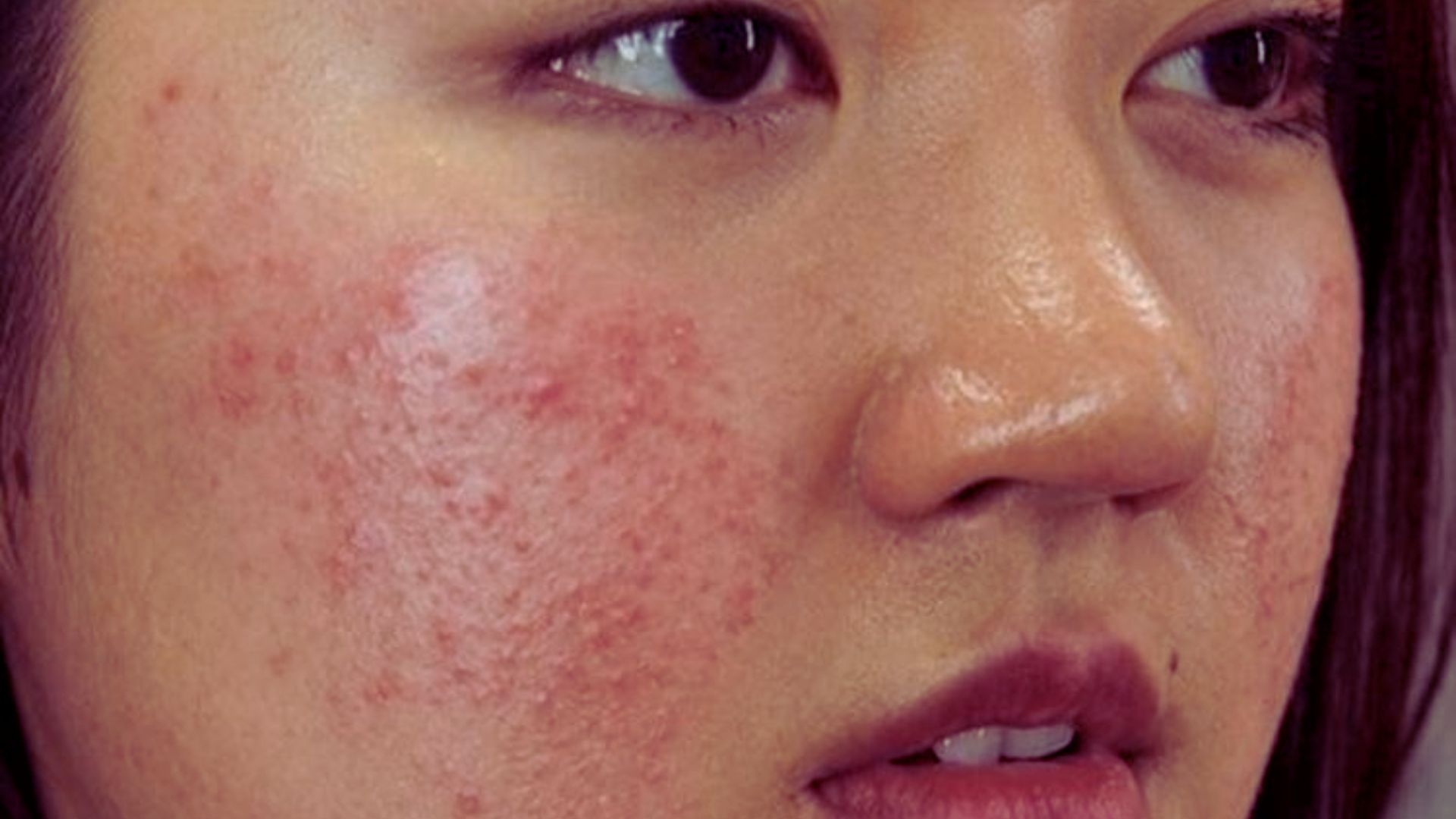
Just because niacinamide doesn’t cause acne doesn’t mean your skin will always react perfectly. Here are the real reasons breakouts happen.
Skin Adjustment Phase (Temporary Reaction)
When you add any new product to your routine, your skin adjusts. This can cause mild breakouts in the first one to two weeks.
This is not the same as purging. It’s your skin getting used to something new. In most cases, it settles down on its own.
Give your skin at least two to four weeks before making a judgment.
Using Too Many New Products at Once
This is one of the most common mistakes. You try three new products in the same week. Then something breaks you out. But you don’t know which one.
If you add niacinamide alongside a new cleanser, moisturizer, and SPF at the same time, it becomes impossible to trace the problem.
Introduce one product at a time. Wait one to two weeks before adding the next.
Product Formulation Issues (Heavy or Pore-Clogging Ingredients)
Niacinamide is often mixed with other ingredients. Some of those ingredients can clog pores.
For example, a serum with niacinamide and heavy silicones or oils may cause breakouts. But the niacinamide itself isn’t doing that. The other ingredients are.
Always check the full ingredient list. Look for known comedogenic ingredients like coconut oil, isopropyl myristate, or heavy waxes.
High Concentrations and Sensitivity
Most people do well with 2% to 5% niacinamide. Some products go up to 10%.
At higher concentrations, sensitive skin can get irritated. That irritation can weaken the skin barrier and make breakouts more likely.
If your skin is sensitive, start with a lower percentage and work your way up slowly.
Does Niacinamide Cause Purging?
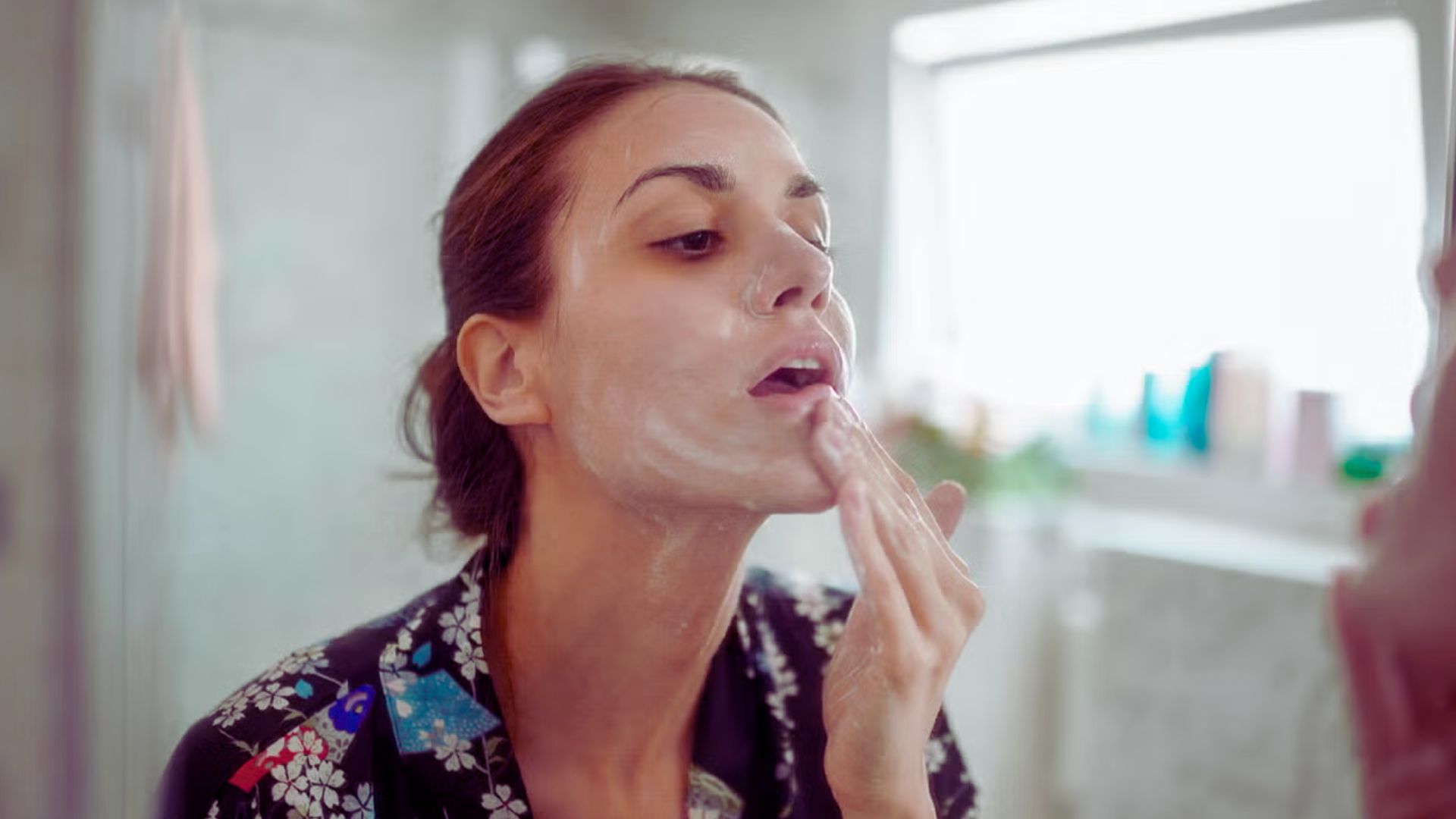
There’s a lot of confusion between purging and regular breakouts. Here’s what you need to know.
Purging happens when an active ingredient speeds up cell turnover, pushing built-up oil, bacteria, and dead skin to the surface faster than usual. Retinoids, AHAs, BHAs, and benzoyl peroxide are common examples.
Niacinamide does not work that way. It does not speed up cell turnover or force blocked material to the surface. So it does not meet the definition of a purging ingredient.
If you break out while using it, the more likely cause is a retinol or exfoliating acid you introduced at the same time. It’s easy to blame the new serum when the real cause is the combination of actives used together.
Purging vs Breakouts: How to Tell the Difference
Not sure what your skin is doing? Here’s a simple side-by-side breakdown to help you figure it out.
| Signs | Skin Purging | Regular Breakouts |
|---|---|---|
|
Location |
Shows up where you normally break out (forehead, chin, nose) |
Appears in new areas like cheeks, jawline, or neck |
|
Duration |
Clears up within four to six weeks |
Persists or gets worse beyond six to eight weeks |
|
Severity |
Smaller, less inflamed blemishes |
Deep, painful, or cystic pimples |
|
Healing Speed |
Comes and goes faster than usual |
Lingers and takes longer to heal |
|
Cause |
Triggered by cell-turnover actives like retinoids or AHAs |
Likely a reaction to a product or ingredient |
Can Niacinamide Help Prevent Acne?
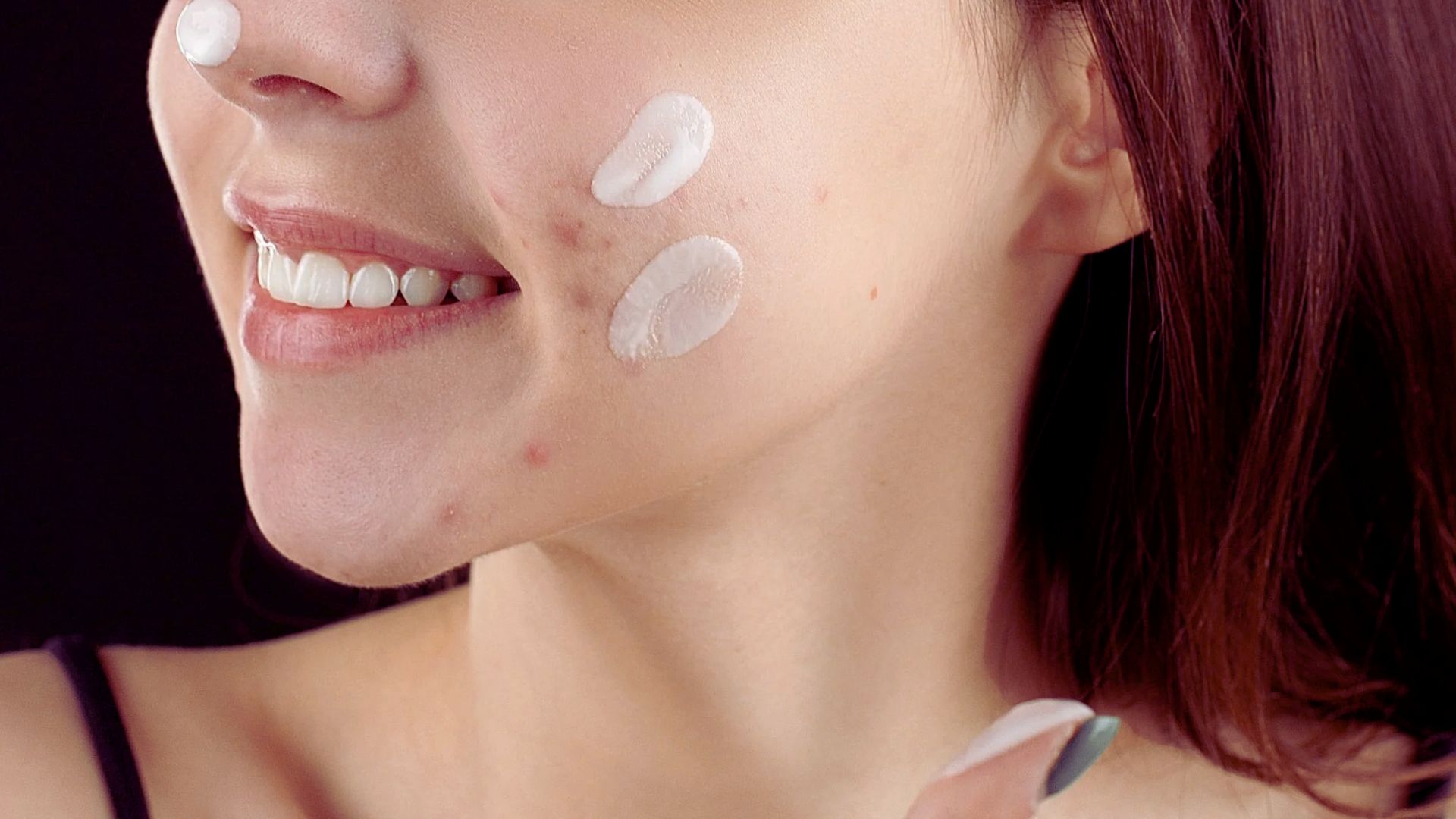
Yes. In fact, niacinamide is one of the better ingredients for acne-prone skin.
Regulates Oil (Sebum) Production
Excess oil is one of the main triggers for acne. Niacinamide helps control how much sebum your skin produces.
Less oil means fewer clogged pores. Fewer clogged pores means fewer breakouts.
Reduces Inflammation and Redness
Acne is an inflammatory condition. Niacinamide has anti-inflammatory properties that calm redness and reduce the size of active pimples.
This is why it’s often found in products for sensitive and acne-prone skin types.
Strengthens the Skin Barrier
A weak skin barrier makes it easier for bacteria and irritants to get in. That leads to more breakouts.
Niacinamide supports barrier repair. A stronger barrier means more resilient skin overall.
Helps Reduce Post-Acne Marks and Pigmentation
Dark spots left behind after a pimple heals are called post-inflammatory hyperpigmentation. Niacinamide is proven to reduce the appearance of these marks over time.
So it’s working not just on active acne but also on the marks it leaves behind.
Key Benefits of Niacinamide for Acne-Prone Skin
Here’s a quick look at why niacinamide is worth using if you have oily or acne-prone skin.
Controls Excess Oil and Shine
If your skin gets oily by midday, niacinamide can help. Regular use can reduce oil production and keep shine under control.
Minimizes the Appearance of Pores
Large pores often look bigger when they’re clogged or stretched by oil. Niacinamide helps tighten and refine pores over time.
Improves Skin Texture and Tone
Rough texture, dullness, and uneven tone all improve with consistent niacinamide use. Your skin will feel smoother and look more even.
Supports Hydration and Barrier Repair
Niacinamide works well with moisturizing ingredients. It boosts the skin’s ability to hold onto water, which keeps it healthy and less prone to irritation.
Can Too Much Niacinamide Cause Acne?
Using more of a good ingredient doesn’t always mean better results. For most skin types, 2% to 5% is enough. It’s effective and well-tolerated. 10% products exist but aren’t necessary for everyone. Sensitive or dry skin types may actually find higher concentrations cause redness and irritation.
Layering multiple niacinamide products or stacking it with strong acids and retinoids all at once can overwhelm your skin. This weakens the barrier, which leads to more breakouts, dryness, and sensitivity.
Keep it simple. Cleanser, serum, moisturizer, SPF. A consistent basic routine beats a complicated one every time.
Can Niacinamide Cause Cystic Acne?
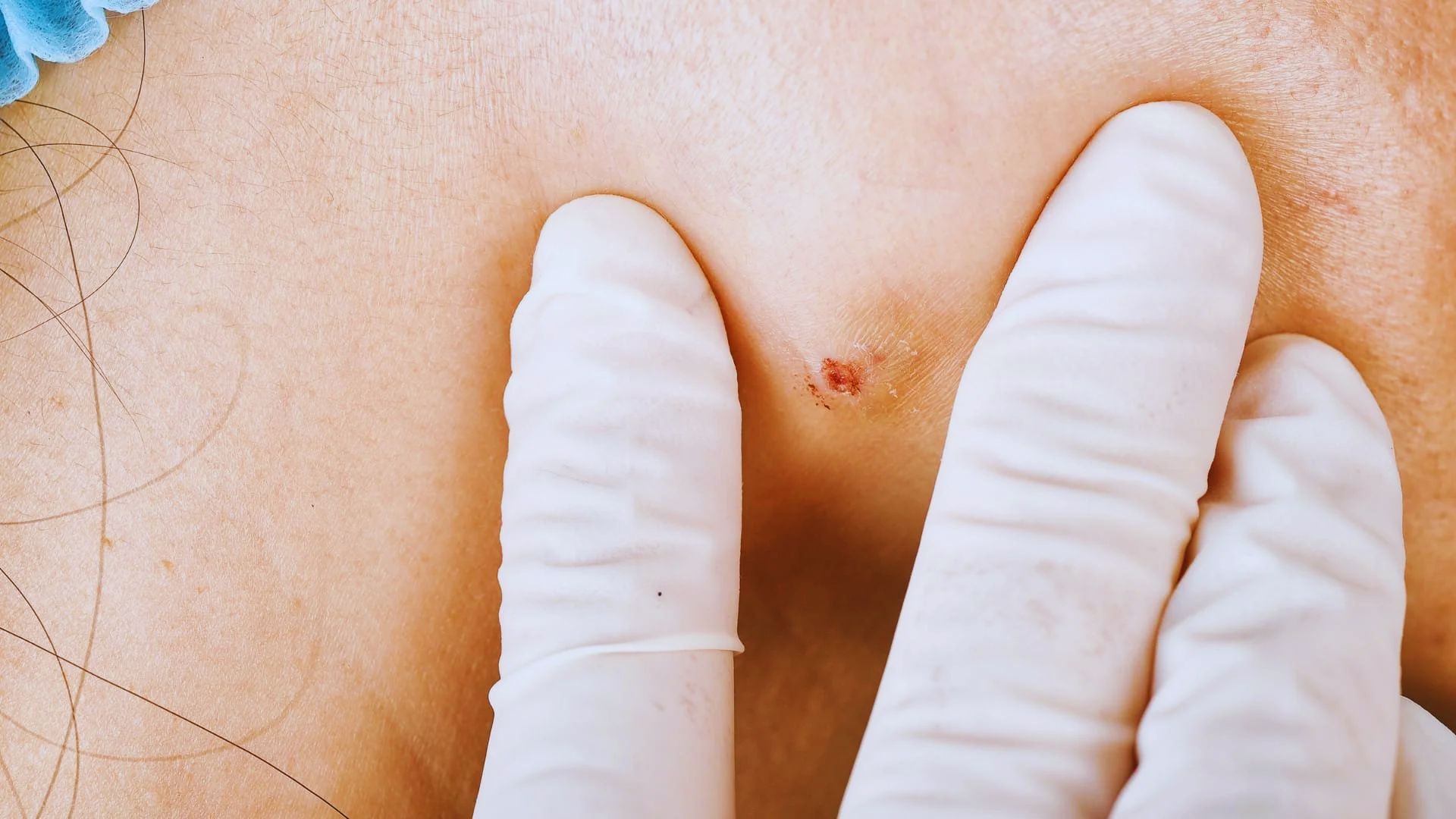
Cystic acne is deep, painful, and slow to heal. But niacinamide is unlikely to trigger it.
Cystic acne forms deep in the skin and is driven by hormones, genetics, or severe inflammation. Niacinamide doesn’t cause any of those things. It actually helps reduce inflammation, so it’s more likely to help than hurt.
The real causes of cystic acne are hormonal shifts, excess oil and clogged pores, or heavy comedogenic products. If you’re breaking out with cysts while using niacinamide, check the other products in your routine. A thick, pore-clogging cream is far more likely to be the problem.
Tips to Use Niacinamide Without Breaking Out
A few simple steps can help your skin adjust and avoid unnecessary breakouts.
- Start with a low concentration. Begin with a 2% to 5% product and give your skin time to adjust before moving to higher concentrations.
- Introduce it gradually. Use it two to three times a week first. After a week or two with no issues, move to daily use.
- Follow the correct layering order. Apply niacinamide after cleansing and before moisturizing. SPF goes last in the morning.
- Avoid overloading with strong activities. Don’t use it alongside strong exfoliants or high-dose retinoids until your skin is comfortable with each one separately.
- Always patch tests first. Test on a small area like your inner arm or behind your ear and wait 24 to 48 hours before applying to your full face.
Best Ingredients to Pair With Niacinamide
Niacinamide plays well with most ingredients. Here are the best combinations.
Salicylic Acid (for Clogged Pores)
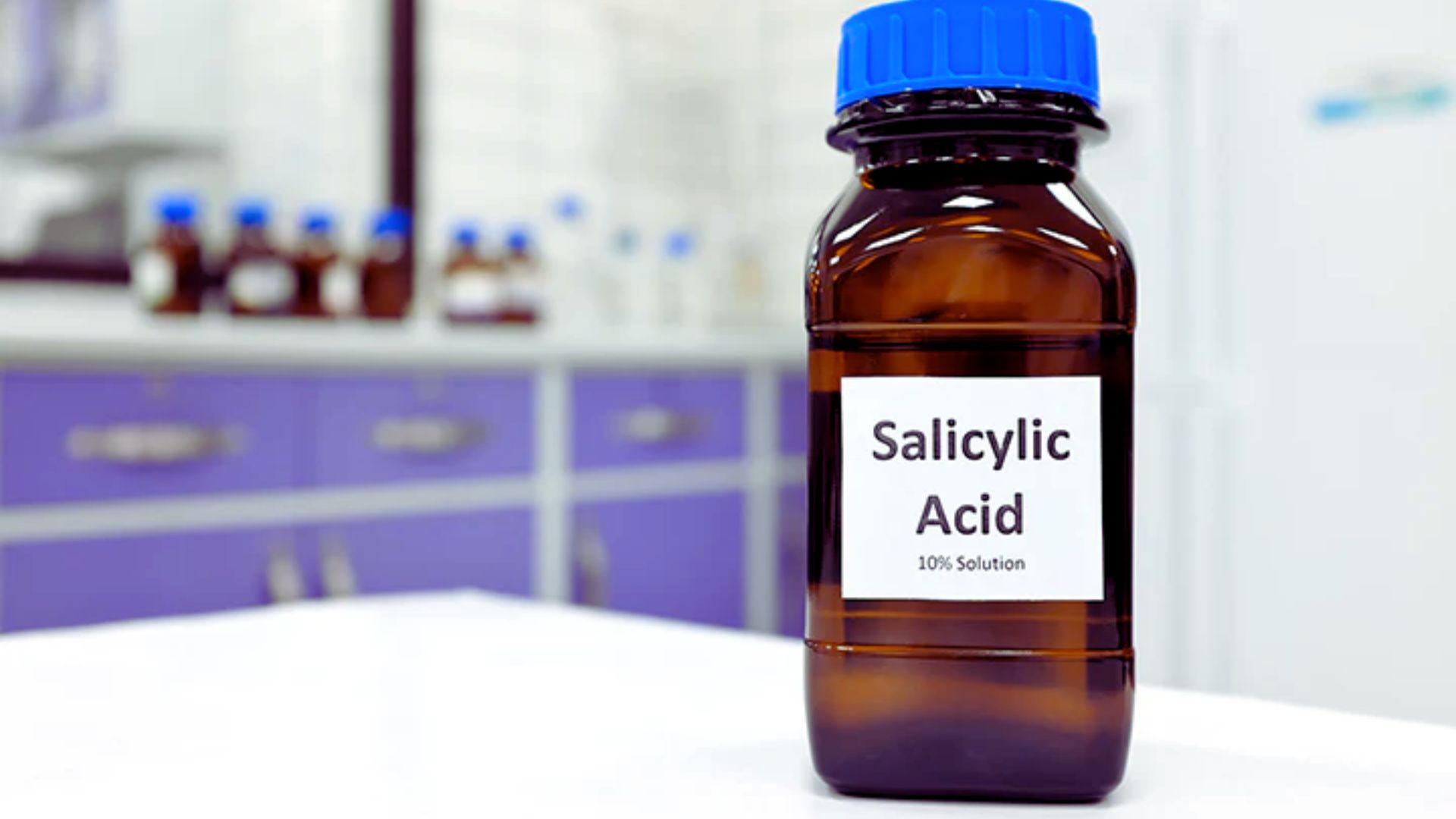
Salicylic acid goes inside pores and dissolves the buildup that causes blackheads and breakouts. Paired with niacinamide, this is a powerful combo for oily and acne-prone skin.
Retinoids (for Acne and Skin Renewal)
Retinoids speed up cell turnover and treat acne at the source. Niacinamide can help reduce the dryness and irritation that retinoids sometimes cause.
Vitamin C (for Brightening and Protection)

Vitamin C protects against environmental damage and helps with dark spots. Niacinamide pairs well with stable vitamin C derivatives, especially in a morning routine.
Benzoyl Peroxide (for Acne Treatment)
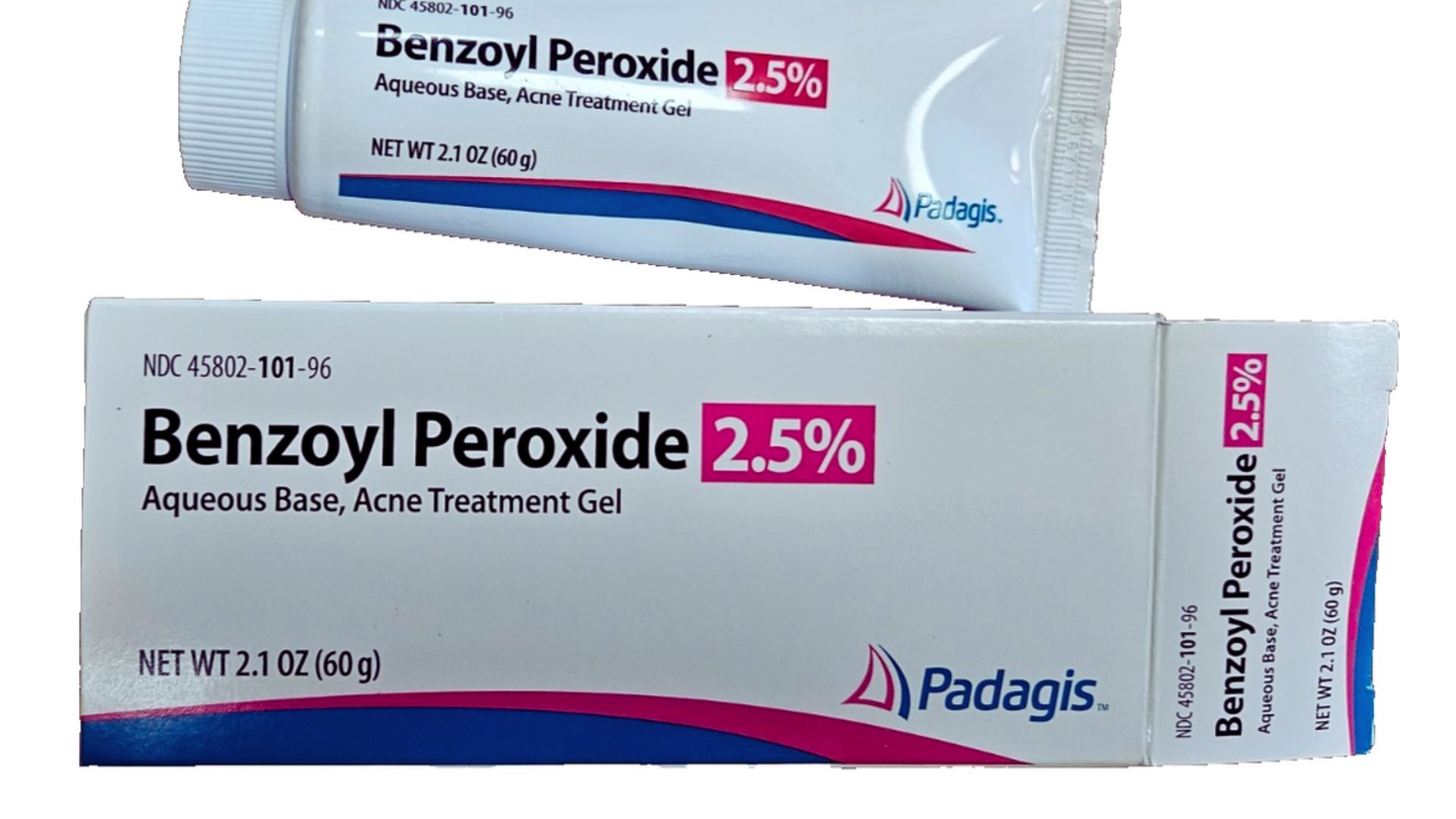
Benzoyl peroxide kills acne-causing bacteria. Use it separately from niacinamide if possible, or check with your dermatologist for the best timing.
When to Stop Using Niacinamide
Not everyone will tolerate niacinamide perfectly. Stop using it if you notice burning, stinging, or persistent redness. These are signs your skin isn’t handling it well.
If breakouts keep happening after four to six weeks and you’ve ruled out other causes, the product or formula may not be the right fit for your skin.
And if your acne is severe, cystic, or spreading, skip the over-the-counter options and see a dermatologist for a proper treatment plan.
Conclusion
If niacinamide broke you out, don’t give up on it just yet. In most cases, the issue isn’t the ingredient itself. It’s the formula, the timing, or too many new products at once.
I’ve been there, adding a serum and panicking at the first pimple. But slowing down and keeping things simple made all the difference.
Start low. Go slow. Patch test. Your skin will thank you.
Have you tried niacinamide before? Drop a comment below and share your experience. And if this helped, share it with someone who needs it.
Frequently Asked Questions
Can Niacinamide Cause Breakouts in Some People?
Yes, some people experience mild breakouts when starting niacinamide. This is usually due to skin adjustment or other ingredients in the product, not niacinamide itself.
How Long Does a Niacinamide Reaction Last?
If it’s an adjustment reaction, it typically clears up within two to four weeks. If breakouts persist beyond six weeks, something else may be causing the issue.
Is 10% Niacinamide Too Strong for Acne-Prone Skin?
For many people, yes. A 2% to 5% concentration is effective and less likely to cause irritation. Sensitive skin types should stick to lower concentrations.
Can I Use Niacinamide Every Day?
Yes, niacinamide is safe for daily use once your skin has adjusted to it. Start with a few times per week and build up gradually.
Does Niacinamide Help With Acne Scars?
Yes. Niacinamide is proven to reduce post-inflammatory hyperpigmentation, which are the dark marks left behind after acne heals. Consistent use shows visible improvement over time.