Can Hard Water Cause Acne? Skin Science Explained


Can hard water cause acne? If you keep breaking out even with good products, your tap water might be the problem. I have worked with hundreds of clients struggling with stubborn skin issues, and water quality often gets overlooked.
In this article, I will explain how hard water affects your skin and what you can do about it. You will learn what hard water is, how minerals interact with your skin, and why your face might feel tight after washing. I will also share practical ways to reduce hard water damage.
Plus, I will answer your most common questions about water and acne.
What Is Hard Water?

Hard water contains high levels of dissolved minerals that affect how water interacts with soap and skin.
Hard water has two main minerals: calcium and magnesium. They dissolve into water as it moves through rocks and soil. Water hardness is measured in parts per million. Soft water has 0 to 60. Hard water ranges from 121 to 180.
Rainwater starts soft. As it seeps underground, it passes through limestone and chalk deposits. The water dissolves minerals. Most cities do not remove them during treatment.
Common signs include white spots on dishes, poor soap lather, and film buildup in your shower. Your skin feels dry after bathing. Your hair looks dull. These are signs that hard water is affecting you.
How Hard Water Affects Your Skin

Mineral deposits change how cleansers work and leave behind residue that disrupts normal skin function.
How Minerals React With Soap and Cleansers
Calcium and magnesium bond with soap molecules and create soap scum. The same thing happens on your face.
When you wash with hard water, minerals grab onto your cleanser and form compounds that do not rinse away easily. You end up with less cleaning and more buildup.
Why Soap Residue Stays on the Skin
Soap scum sticks to skin like glue. Hard water minerals make this residue tacky and heavy. Your skin cannot shed it naturally.
Rinsing with more hard water just adds more minerals. The residue builds up with each wash and feels tight and uncomfortable.
How Residue Disrupts the Skin Barrier
Your skin has a protective barrier that keeps moisture in and irritants out. Soap residue damages this barrier.
The mineral film prevents your natural oils from spreading evenly. Some areas become too dry while others produce excess oil. A damaged barrier allows bacteria to penetrate deeper.
The pH balance shifts from 5.5 to 7 or higher, letting harmful bacteria thrive.
How Hard Water Can Clog Pores and Trigger Acne
Dead skin cells get stuck with hard water residue. They mix with mineral film and natural oils, clogging pores.
Clogged pores trap bacteria that multiply and cause inflammation. The residue also attracts dirt and pollution.
People with oily skin suffer most as minerals make skin overproduce sebum, feeding acne-causing bacteria.
How Hard Water Triggers Acne and Warning Signs
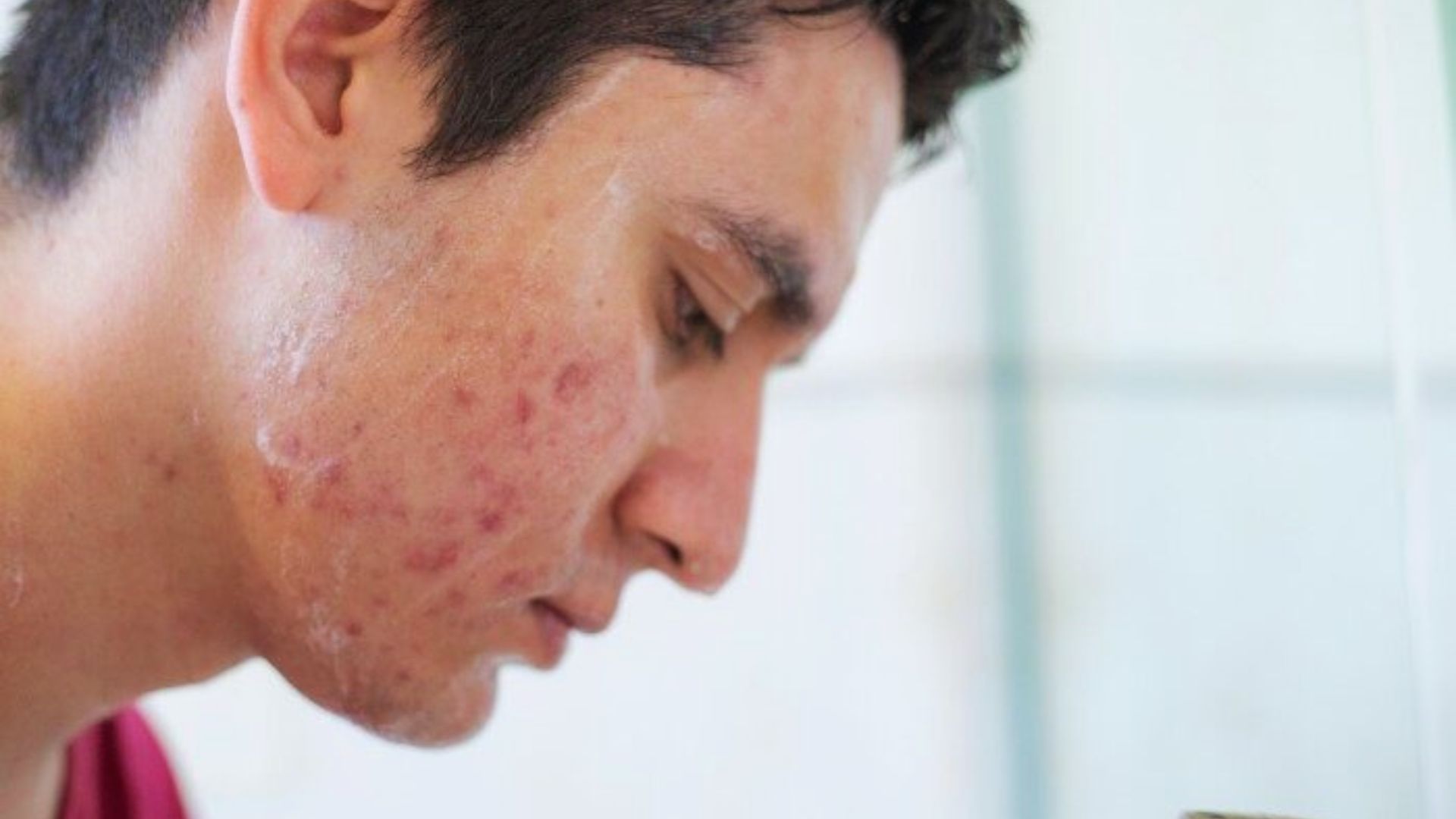
The combination of mineral buildup, altered skin chemistry, and trapped bacteria creates conditions for acne development.
Soap scum blocks your pores. Dead skin cells pile up and create plugs that become blackheads and whiteheads. Hard water minerals make your sebum thicker and stickier. The minerals oxidize your skin oils, turning them dark.
Acnes bacteria feed on trapped sebum and dead cells. Hard water creates an oxygen-free environment where bacteria multiply rapidly, causing inflammation and pimples. The residue blocks acne treatments from working.
Your skin feels tight after washing. White streaks appear in the nose corners and jawline. Your skin flakes despite moisturizing. Redness appears around your nose, cheeks, and forehead. New pimples show up hours after washing as small bumps.
How to Reduce Hard Water Effects on Acne

Simple changes in water quality and washing habits can significantly improve acne-prone skin.
Install a Water Softener
A whole-house water softener removes calcium and magnesium by replacing them with sodium ions. Installation costs range from $800 to $2500. Monthly maintenance includes adding salt to the system. Your appliances last longer and soap works better.
If you cannot install a whole-house system, try a shower filter. These attach to your showerhead and reduce some minerals and chlorine.
Use Filtered or Reverse Osmosis Water for Face Washing
Reverse osmosis filters remove up to 99% of minerals. I fill a bowl with filtered water each morning and use it to wash my face. The difference is noticeable within days. My skin rinses completely.
Bottled distilled or purified water works too. Avoid mineral water. Micellar water helps remove residue as a final rinse.
Wash With Lukewarm Water
Hot water allows minerals to penetrate deeper and strips natural oils. Cold water does not rinse effectively. Test the temperature with your wrist. It should feel barely warm.
Avoid Over-Cleansing
Washing more than twice daily adds more mineral residue. Stick to morning and evening cleansing. Choose a gentle, pH-balanced cleanser. Harsh soaps react more strongly with hard water minerals.
Avoid Irritating Skincare Ingredients
Your skin barrier is already stressed. Limit alcohol-based toners and skip high-percentage acids. Start with 2% salicylic acid at most. Opt for fragrance-free products. Focus on ceramides, niacinamide, and hyaluronic acid to rebuild damaged skin.
Can Switching to Soft or Filtered Water Help Acne?
Changing water quality often improves acne symptoms but results vary based on individual skin conditions.
Soft water allows soap to rinse completely with no mineral film. Your skin feels clean, not tight or coated. Pores stay clearer and dead skin cells shed naturally. Most people notice changes within one to two weeks.
Filtered water removes chlorine and minerals that irritate skin. This helps your barrier repair itself. Products absorb better and acne treatments penetrate properly.
Do not expect instant results. You should see less dryness within days. Flaking improves in one to two weeks. For acne improvement, give it four to six weeks. New breakouts should decrease. If you see no improvement after two months, hard water is not your main issue.
Conclusion
After years of helping clients solve stubborn skin issues, I can tell you that water quality matters more than most people think.
Can hard water cause acne? Not directly, but it definitely makes things worse. I switched to filtered water for face washing and saw my own skin improve within weeks. You do not need to live with tight, irritated skin and persistent breakouts.
Start with one change today. Try washing with filtered water or install a shower filter. Track your skin for a month and see what happens.
Drop a comment below and share your hard water struggles.
Frequently Asked Questions
Does Hard Water Cause Cystic Acne?
Hard water does not directly cause cystic acne but can worsen it by clogging pores and trapping bacteria deeper, making inflammation worse.
How Do I Know If I Have Hard Water?
Look for white spots on dishes, soap that does not lather well, and crusty buildup on faucets. Your skin feels tight after washing. You can buy a test kit online for around $10.
Will a Shower Filter Remove All Hard Water Minerals?
Most shower filters reduce some minerals but do not eliminate all calcium and magnesium. For best acne results, use filtered or reverse osmosis water for face washing.
How Long Does It Take for Skin to Improve After Switching to Soft Water?
Most people notice less dryness within three to seven days. Acne improvement takes four to six weeks. Results vary based on skin type.
Can Hard Water Cause Acne on the Body Too?
Yes, hard water affects body skin the same way. Back acne, chest breakouts, and shoulder pimples can all worsen. Installing a whole-house softener or shower filter helps.