
Do Pimple Patches Leave Scars? How to Avoid Dark Marks


I’ve woken up to dark marks after using pimple patches. It’s frustrating and confusing. You slap on a patch hoping for clear skin, but sometimes you get the opposite.
This article shows you why pimple patches sometimes leave marks and how to prevent it.
You’ll learn the right way to use them, what mistakes to avoid, and how to fix any marks that appear.
Most importantly, you’ll find out if pimple patches actually cause scars or if something else is happening.
Let’s clear up this skin concern once and for all.
Understanding Pimple Patches and How They Work
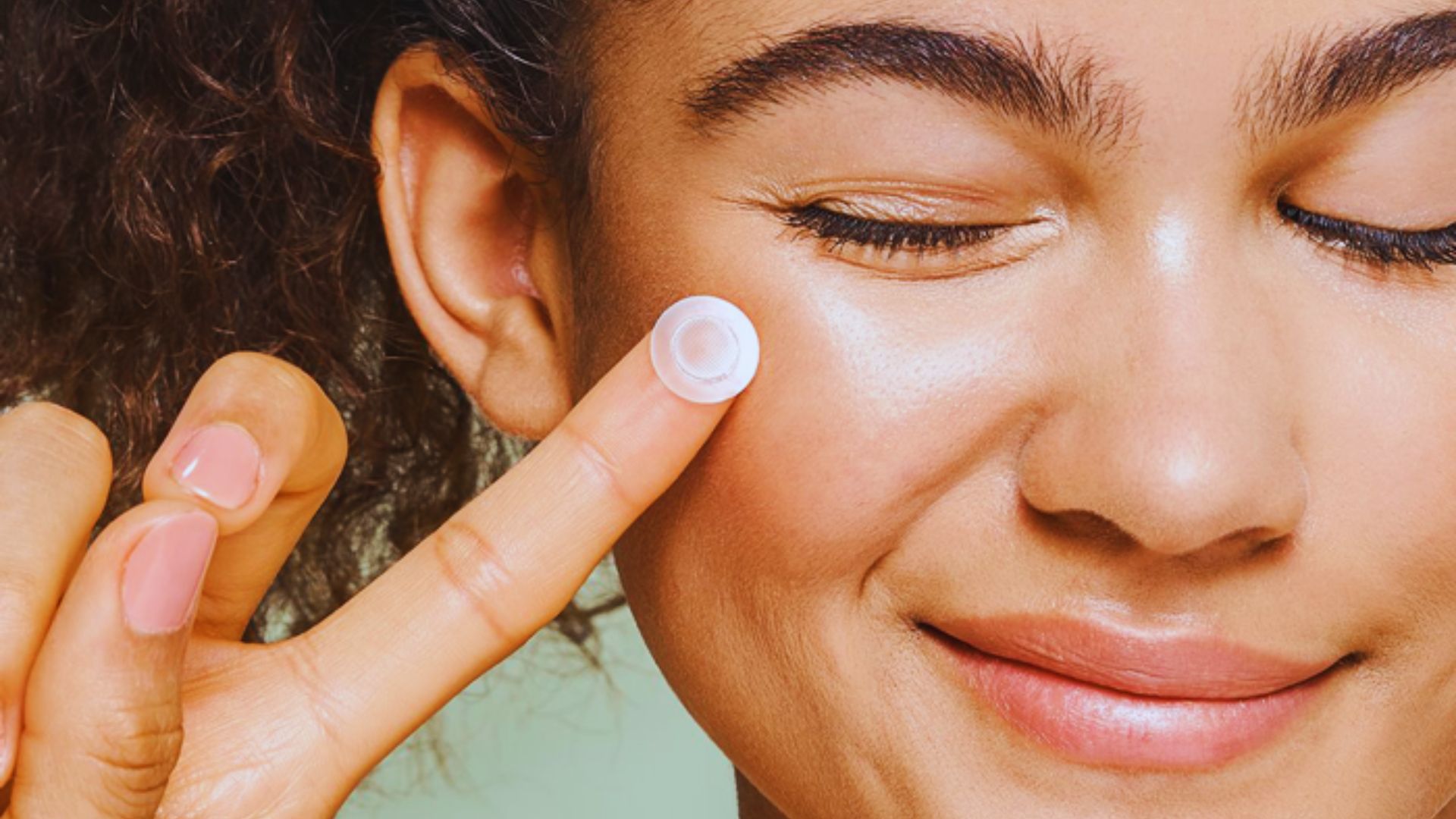
Pimple patches have become a popular acne treatment. But many people use them without understanding what they actually do.
These small stickers are made from hydrocolloid material, the same stuff used in medical wound dressings.
The material absorbs fluid and pus from pimples. It also acts as a protective barrier against dirt, bacteria, and your fingers.
Some patches contain active ingredients like salicylic acid or tea tree oil. These fight acne but can irritate sensitive skin.
The key thing to know: pimple patches are tools, not miracle workers. They work best on certain pimples with proper application and removal.
Do Pimple Patches Leave Scars?
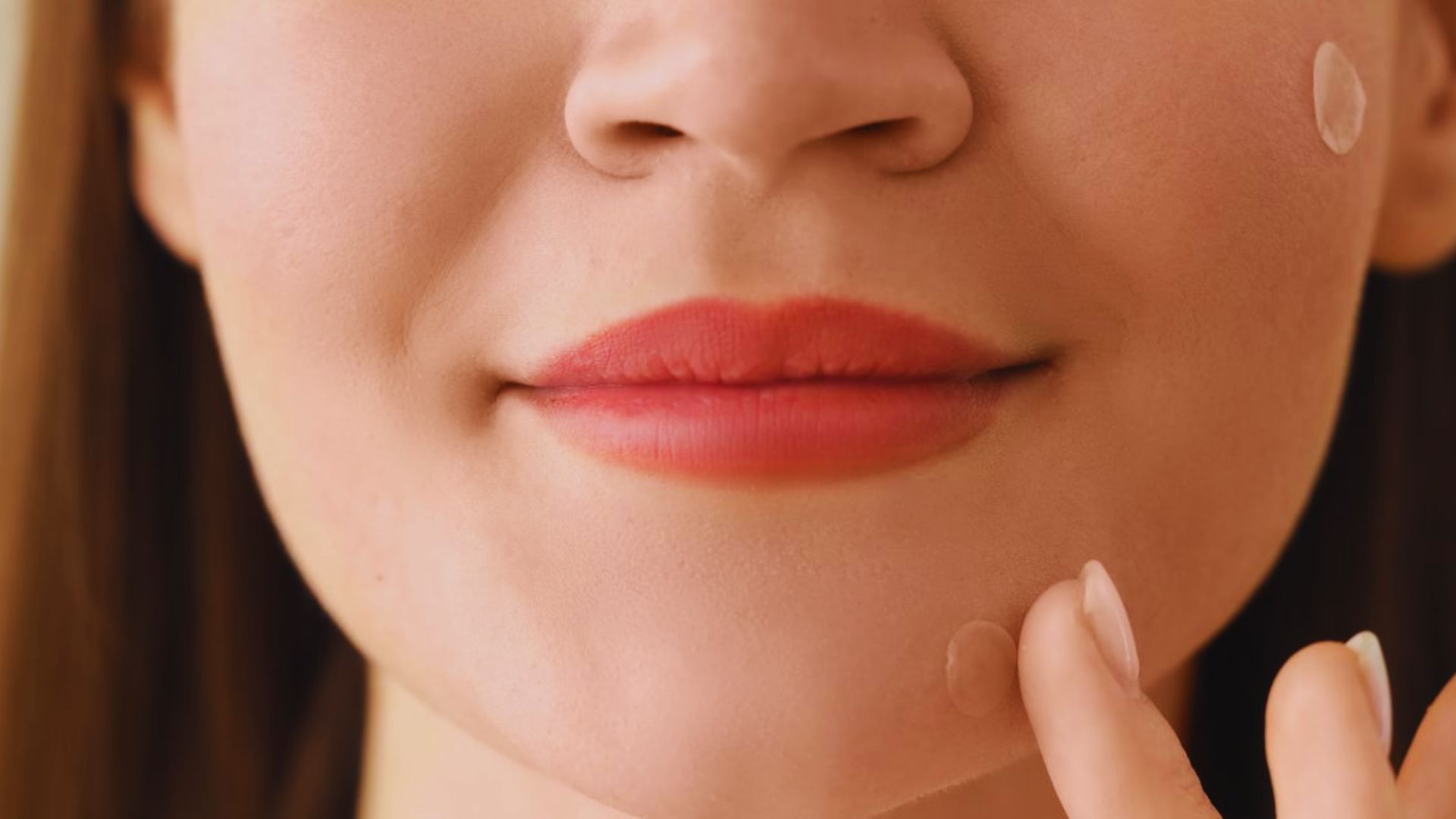
Here’s the good news: pimple patches themselves don’t cause scars.The patches protect your skin and speed up healing.
They absorb fluid and keep bacteria out. When used correctly, they actually help prevent scarring.
Sometimes you’ll see a dark spot after removing a patch. This isn’t a scar. It’s called post-inflammatory hyperpigmentation, or PIH. It’s a temporary mark that fades over time.
Real scars are permanent texture changes like indentations or raised bumps. Dark marks from patches are flat and smooth.
They’re just discoloration. However, how you use the patch can lead to marks or irritation.
Why Do Pimple Patches Leave Scars or Marks Sometimes?
Let me break down the real reasons you might see marks after using patches.
Leaving the Patch On Too Long
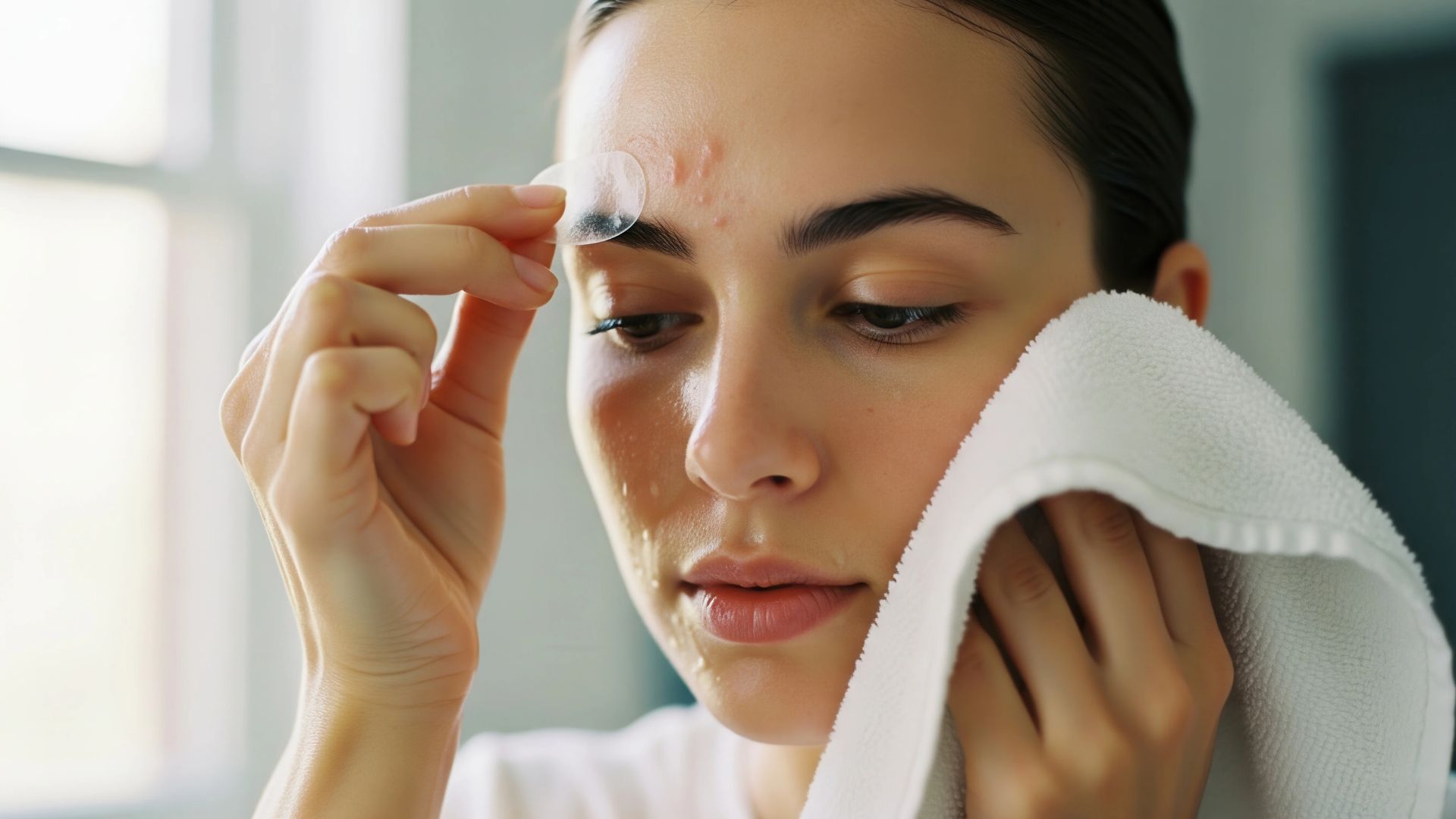
Pimple patches work best for 6-8 hours. Some people leave them on for 24 hours or more.The adhesive irritates your skin over time. Your skin gets too moist underneath.
This leads to redness and marks. Extended wear means the adhesive keeps pulling at your skin cells, causing inflammation.
Removing It Too Aggressively
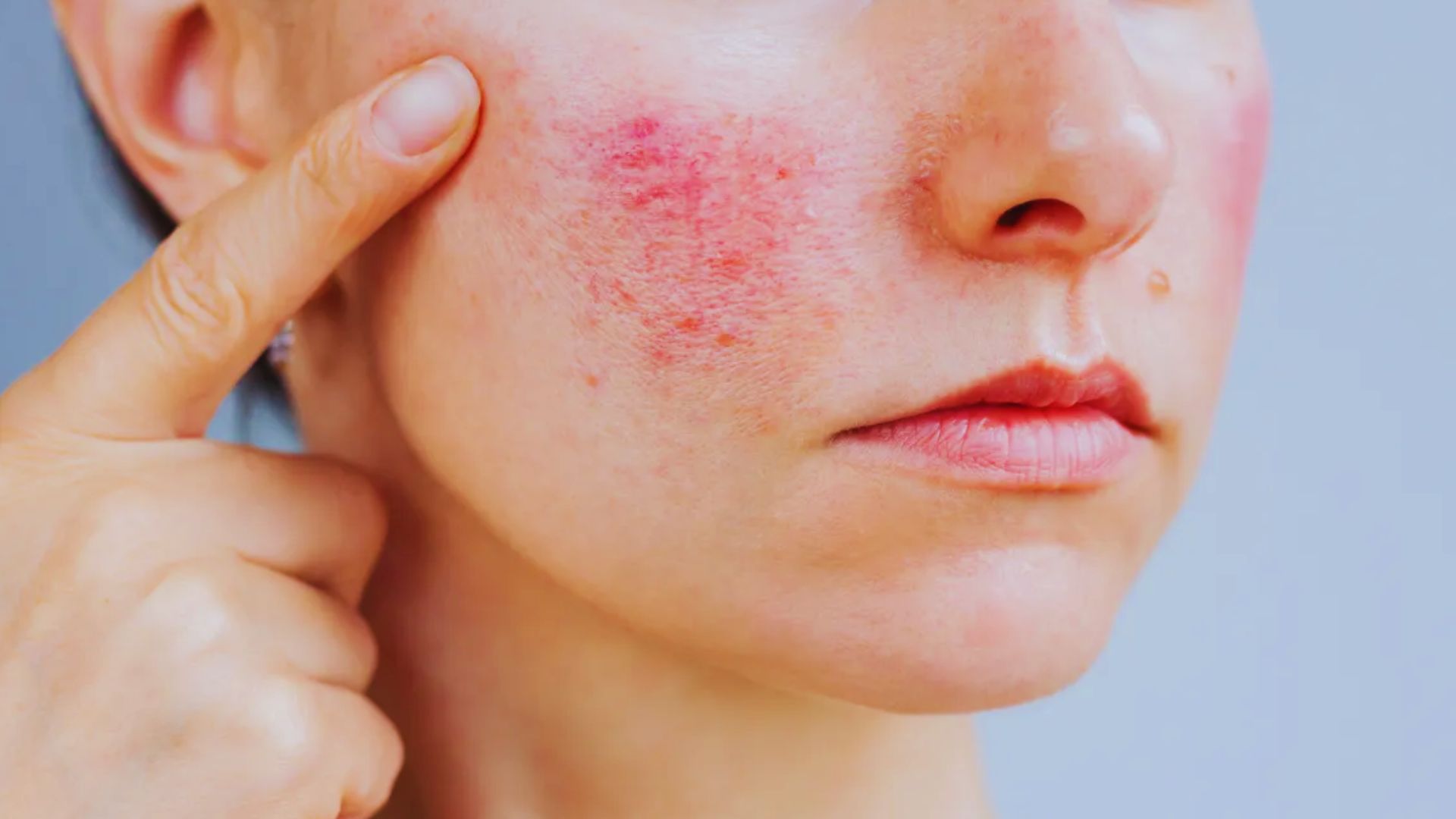
This is where most damage happens.You rip the patch off quickly. The adhesive takes skin cells with it. Now you have a raw, red spot.
Aggressive removal triggers inflammation and creates redness that turns into dark marks, especially on deeper skin tones.
Skin Irritation From Adhesives or Ingredients
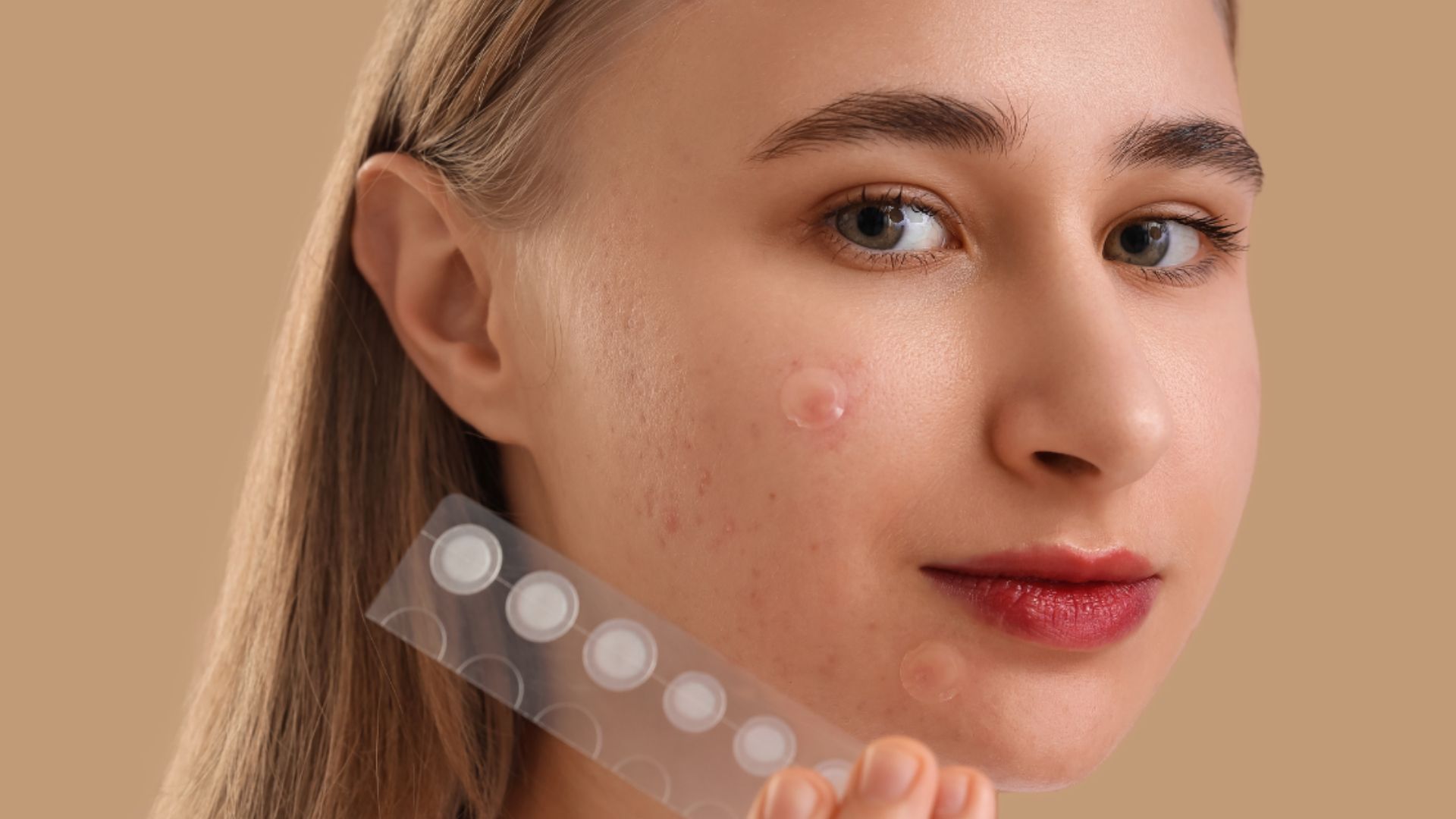
Some patches contain salicylic acid or tea tree oil. These can irritate sensitive skin.
Medical-grade adhesive is strong but can cause reactions. Signs include redness, itching, burning, and darkening after removal. The longer irritation lasts, the darker the mark becomes.
Using Patches on Deep or Broken Pimples

Patches work on surface pimples with whiteheads. They don’t work on deep cystic acne, nodules, or already popped pimples.
Patches on broken skin trap bacteria and slow healing. Deep pimples need different treatment. You end up with marks without treating the actual pimple.
Allergic Reactions and Sensitive Skin
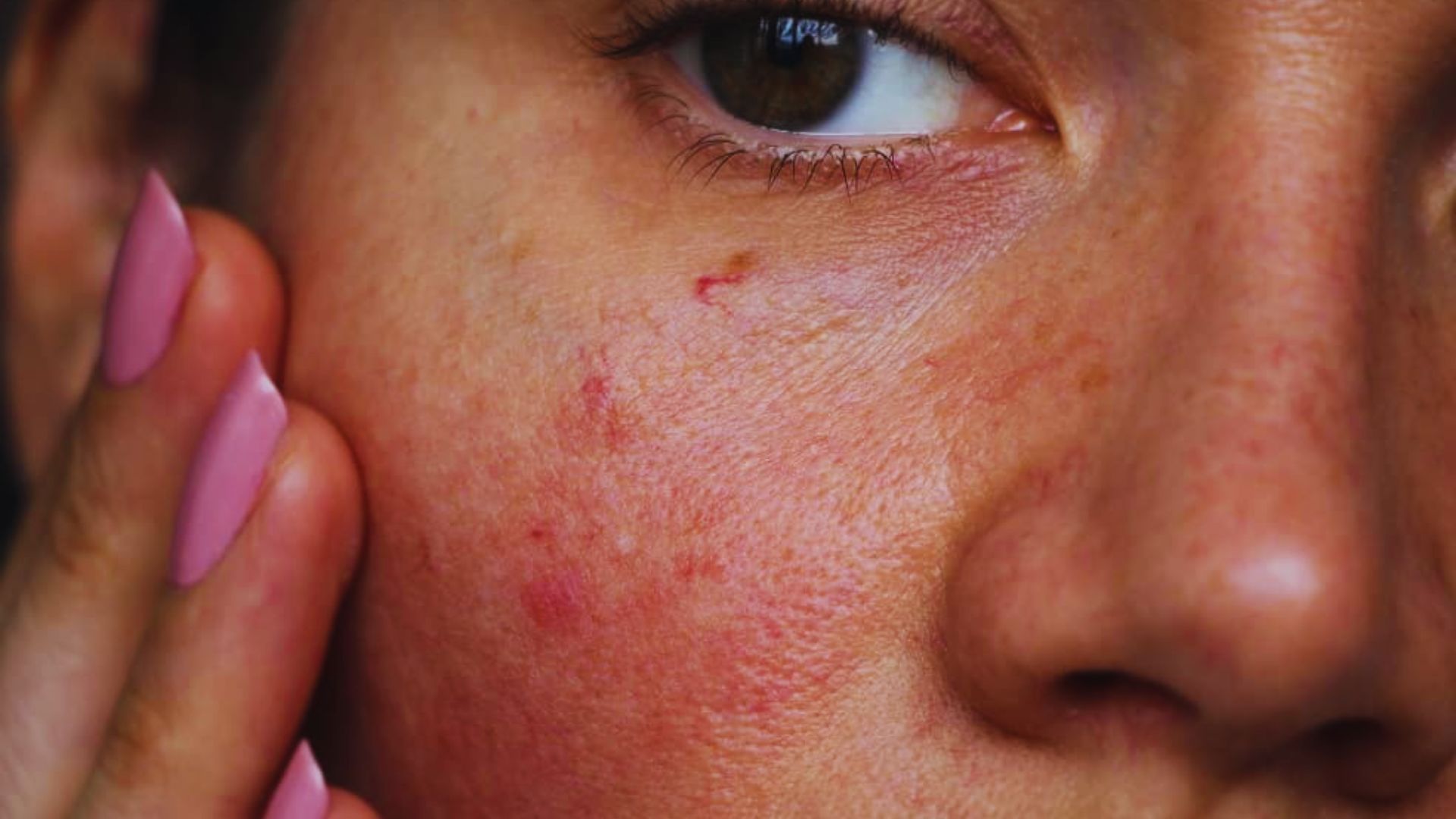
Some people have allergic contact dermatitis. Their skin reacts badly to patch ingredients.
This shows up as severe redness, swelling, rash, or intense itching. Sensitive skin is more likely to get marks. Allergic reactions cause stronger inflammation, creating darker, longer-lasting marks.
How to Use Pimple Patches Correctly to Avoid Scarring
Let me show you the right method. This prevents most problems.
Apply Only on Clean, Dry Skin

Wash your face first. Use a gentle cleanser. Pat dry completely with a clean towel.
Don’t apply patches over makeup, moisturizer, sunscreen, or damp skin. Wait 5 minutes after washing. Your skin needs to be bone dry for proper adhesion.
Choose the Right Patch for the Right Pimple

Use patches on whiteheads with visible pus, surface pimples you haven’t touched, and small raised bumps.
Skip patches on deep painful bumps, cystic acne, blackheads, and picked skin. Match the patch size to your pimple size.
head quickly. Deep ones stay painful and swollen without forming a visible white center.
How Long to Leave a Pimple Patch On
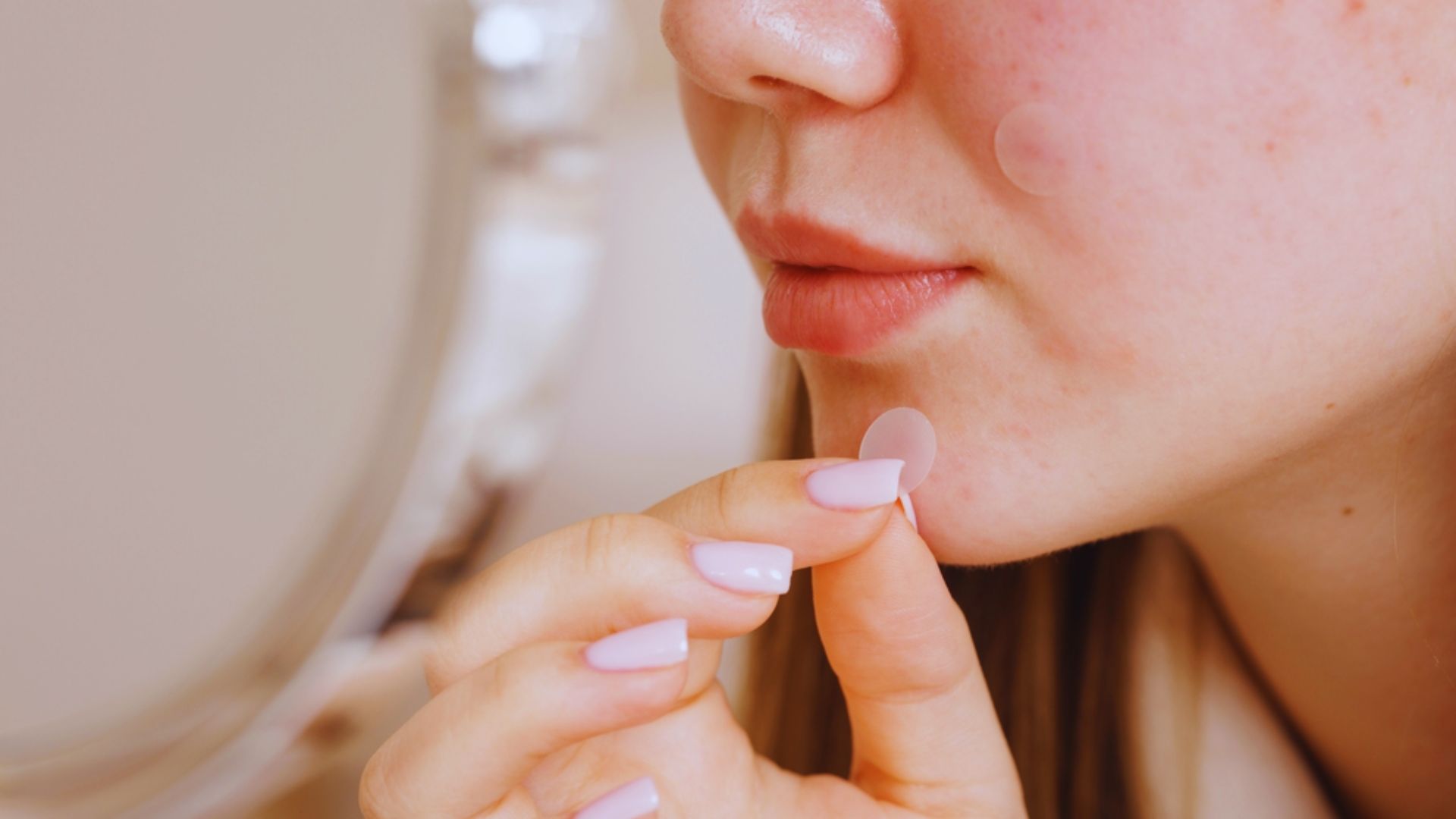
6 to 8 hours is the sweet spot.Apply at night before bed. Remove in the morning. The patch turns white when it absorbs fluid.
Change patches regularly, don’t leave on for multiple days.Some people think longer wear equals better results.
This isn’t true. The patch has a saturation point. After 8 hours, it’s usually maxed out on absorption.
How to Remove It Safely
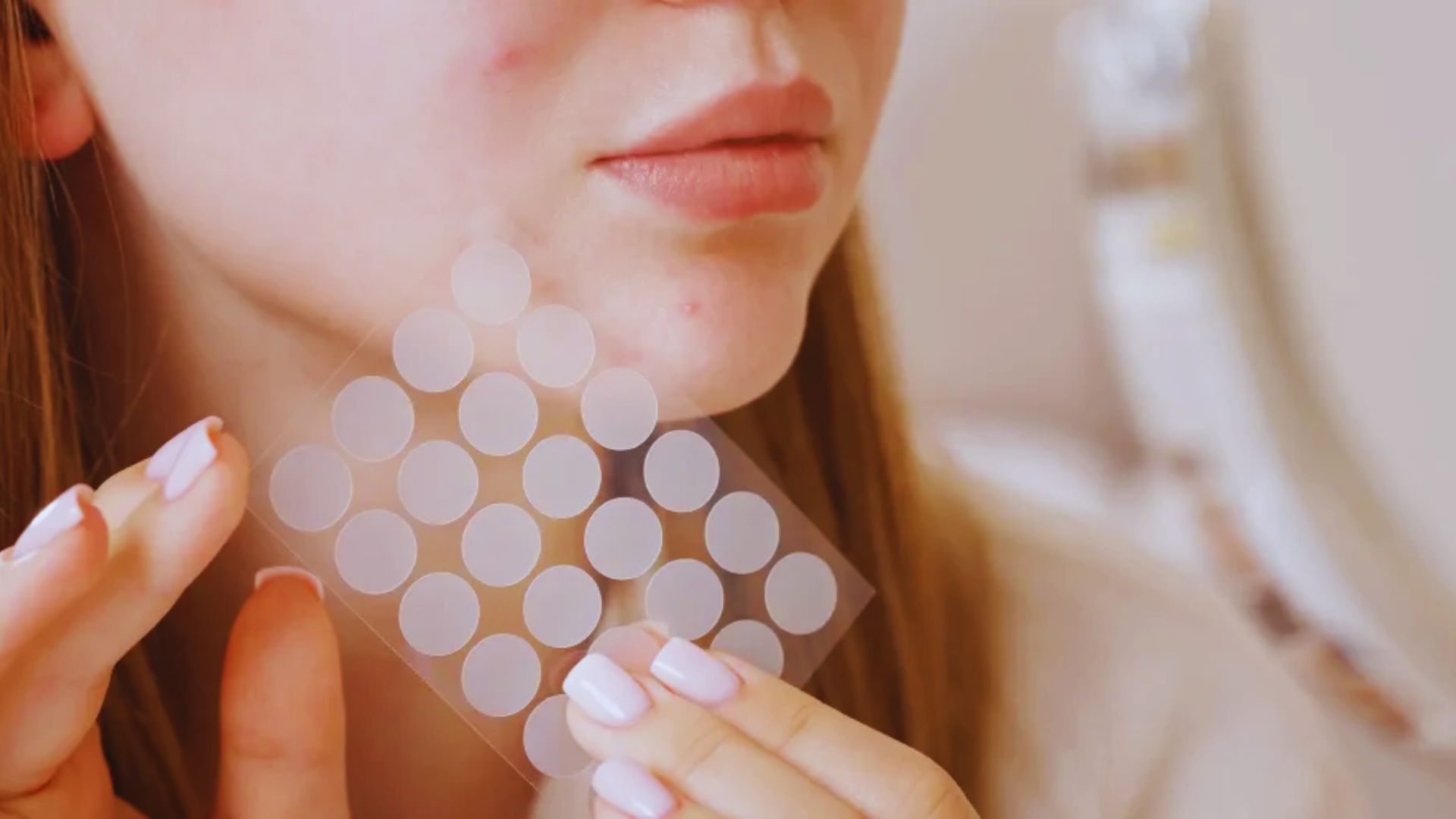
Wet the patch edges with warm water. Gently lift one corner. Slowly peel parallel to your skin. Support your skin with your other hand.
Don’t rip it off fast. If stuck, add more water and wait 30 seconds. You can also use micellar water to loosen the adhesive. Take your time with removal.
What to Do After Removing the Patch

Rinse the area with lukewarm water. Pat dry gently. Apply light moisturizer if skin feels tight. The skin might look pale, this fades quickly.
Wait at least 12 hours before reapplying another patch. Watch for redness or irritation and skip patches if needed.
What to Do If a Pimple Patch Leaves a Mark
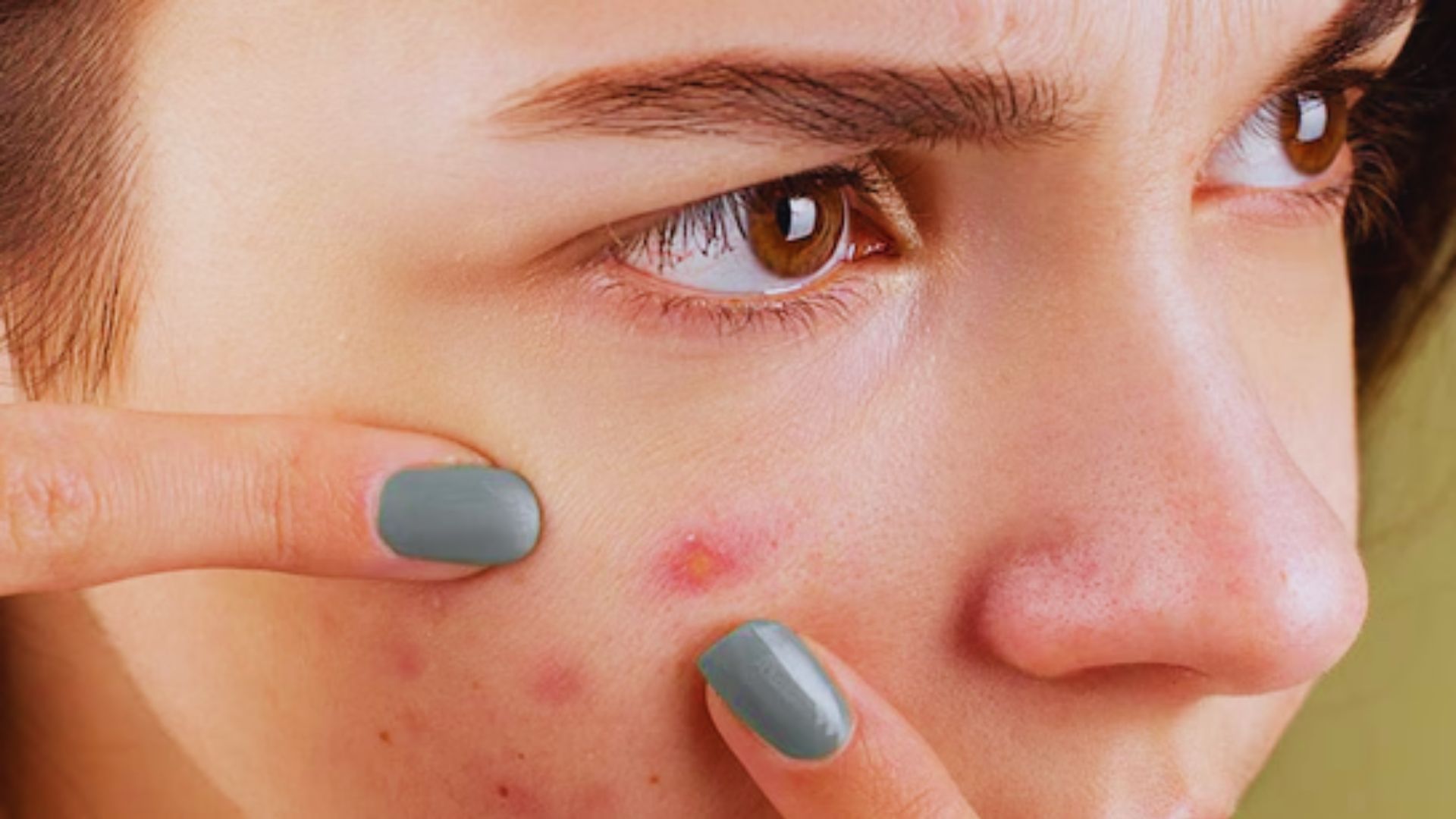
You removed the patch and there’s a dark spot. Don’t panic.This mark will fade in 2-8 weeks, sometimes longer for darker skin tones.
Melanin production causes these dark spots after inflammation.Use sunscreen daily, SPF 30 or higher. Sun exposure makes marks worse and triggers more melanin in the dark area.
Apply every morning, even on cloudy days.Try vitamin C serum or niacinamide products. These ingredients brighten skin and speed up fading. Apply once daily to clean skin.Be patient.
Don’t pick at the mark or use harsh treatments.Keep the area moisturized with gentle, fragrance-free products.See a dermatologist if the mark doesn’t fade after 3 months.
Mistakes to Avoid When Using Pimple Patches
Stop making these common errors. They cause most patch-related problems and skin marks.
- Don’t layer patches over retinol or acids. This causes severe irritation.
- Never reuse patches or use expired ones. They spread bacteria.
- Don’t use patches on swollen or picked pimples. Wait until the skin calms down.
- Test new patches on your arm first before using it on your face.
- Stop using patches if you see severe redness or swelling. Try hypoallergenic options instead.
Conclusion
I’ve learned that pimple patches are helpful tools, not magic fixes. They work when you use them right. The marks you see usually come from user error, not the patches themselves.
Start slow with patches. Pay attention to how your skin reacts. Remove them gently and give your skin breaks between applications.
I now test every new patch brand on my jawline first before using it on more visible areas.
Got questions about your pimple patch routine? Drop a comment below.
I’d love to hear what’s working for you.
Frequently Asked Questions
Can I sleep with a pimple patch on?
Yes, overnight use is perfect. The 6-8 hour period lets the patch absorb fluid effectively.
How do I know if I’m allergic to pimple patches?
Severe redness, swelling, or intense itching that lasts hours means you’re allergic. Mild redness is normal.
Will pimple patches work on cystic acne?
No. Patches only work on surface pimples with whiteheads. See a dermatologist for cystic acne.
Can I wear makeup over a pimple patch?
Not recommended. Makeup stops the patch from sticking and absorbing properly.
How many times can I use a pimple patch on the same spot?
Change every 6-8 hours, but give your skin a 12-hour break between applications.