How to Heal a Popped Pimple: Dermatologist Explain


We have all been there. You popped a pimple and now it looks worse than before. Red, raw, and impossible to ignore.
I have been there too, and I know exactly how that panic feels.
After years of dealing with acne and researching dermatologist-approved routines, I finally figured out what actually works.
In this blog, you will learn how to heal a popped pimple fast, stop scarring before it starts, and avoid the mistakes that make things worse.
Simple steps. Backed by dermatologists. Real results. Your skin can recover. Let me show you how.
Why You Should Be Careful After Popping a Pimple
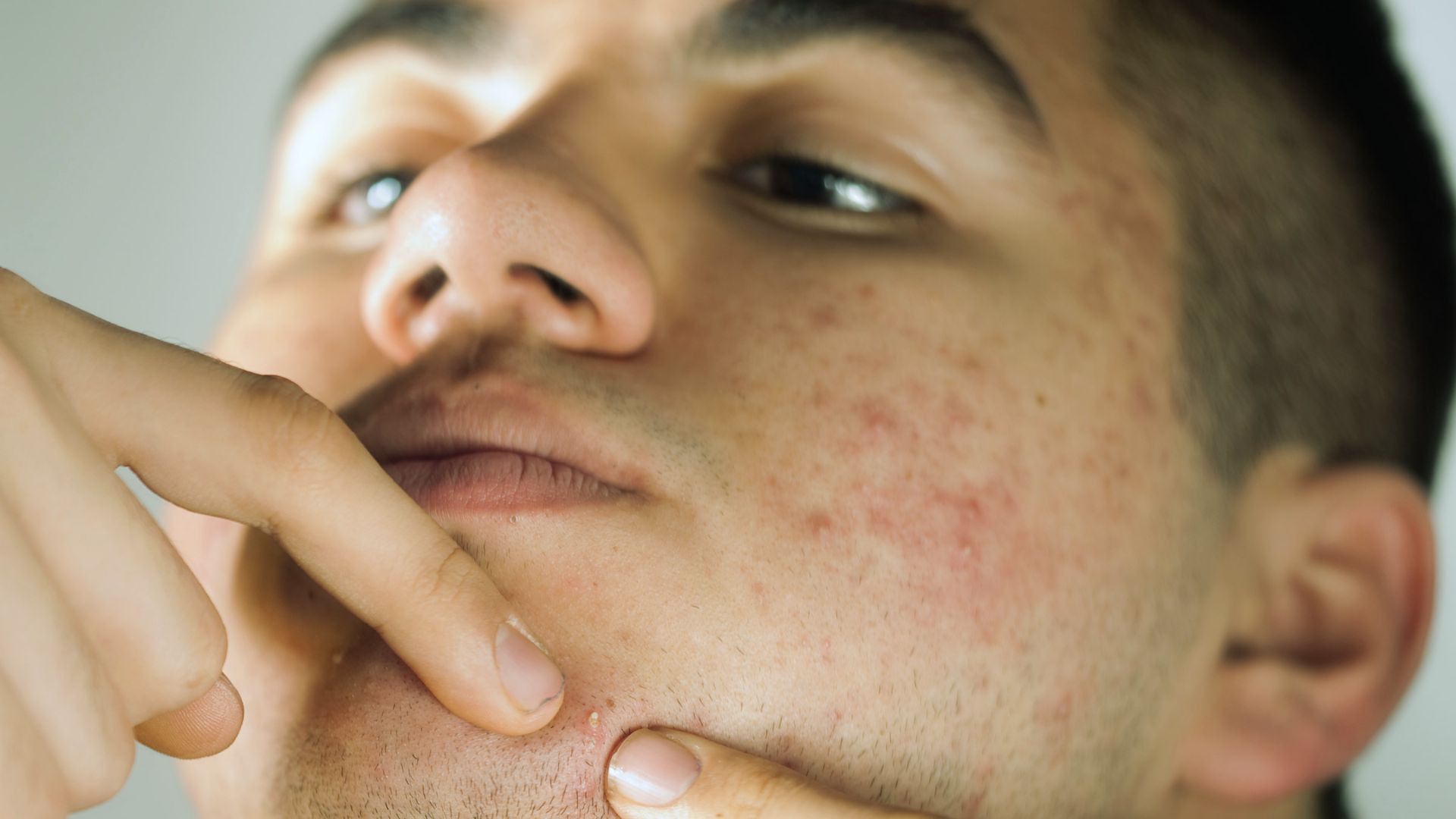
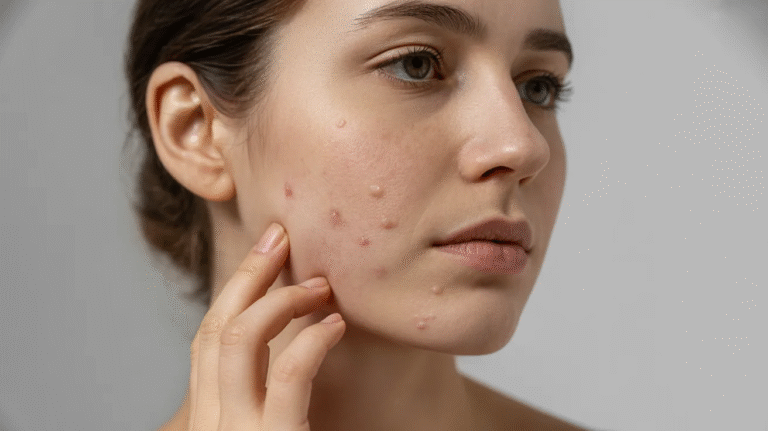
Popping a pimple is not the end of the problem. It is often the beginning of a bigger one. When a pimple pops, it leaves an open wound.
The skin barrier breaks, and bacteria from your fingers can get inside instantly. This is why it turns red, swells, and sometimes oozes. That spot is now vulnerable.
Picking at it or squeezing more pushes bacteria deeper. This leads to dark spots, scarring, or even a cyst forming under the skin.
Dermatologists are clear. You should not pop pimples at home. If you must, use clean hands and gentle pressure only. Never force it. A dermatologist can do it safely if needed.
How to Heal a Popped Pimple (Step-by-Step Guide)
Following the right steps after popping a pimple makes all the difference between quick healing and lasting damage.
Step 1: Clean the Area Gently
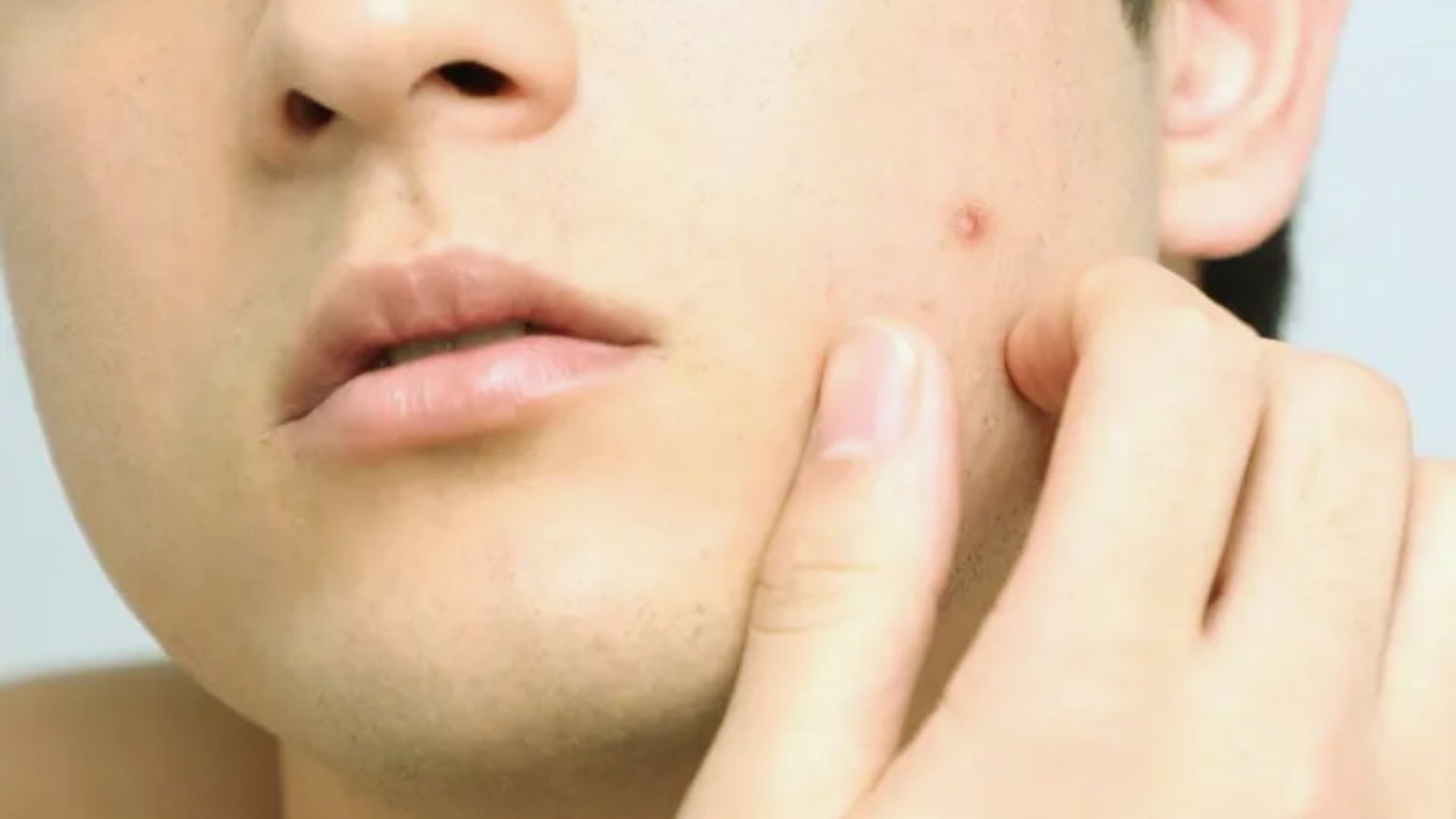
The first thing you need to do is clean the area. Use a mild, fragrance-free cleanser and lukewarm water. Do not scrub.
Do not use harsh toners or alcohol wipes. These will irritate the open wound and slow down healing. Pat the skin dry with a clean towel. Gentle is the word here.
Step 2: Stop Bleeding and Treat the Wound

If the pimple is bleeding or oozing, press a clean cotton pad gently on the spot. Hold it there for a few seconds without rubbing.
Do not pick at any crust that forms. That crust is your skin trying to heal itself. Leave it alone and let the process happen naturally.
Step 3: Apply the Right Spot Treatment
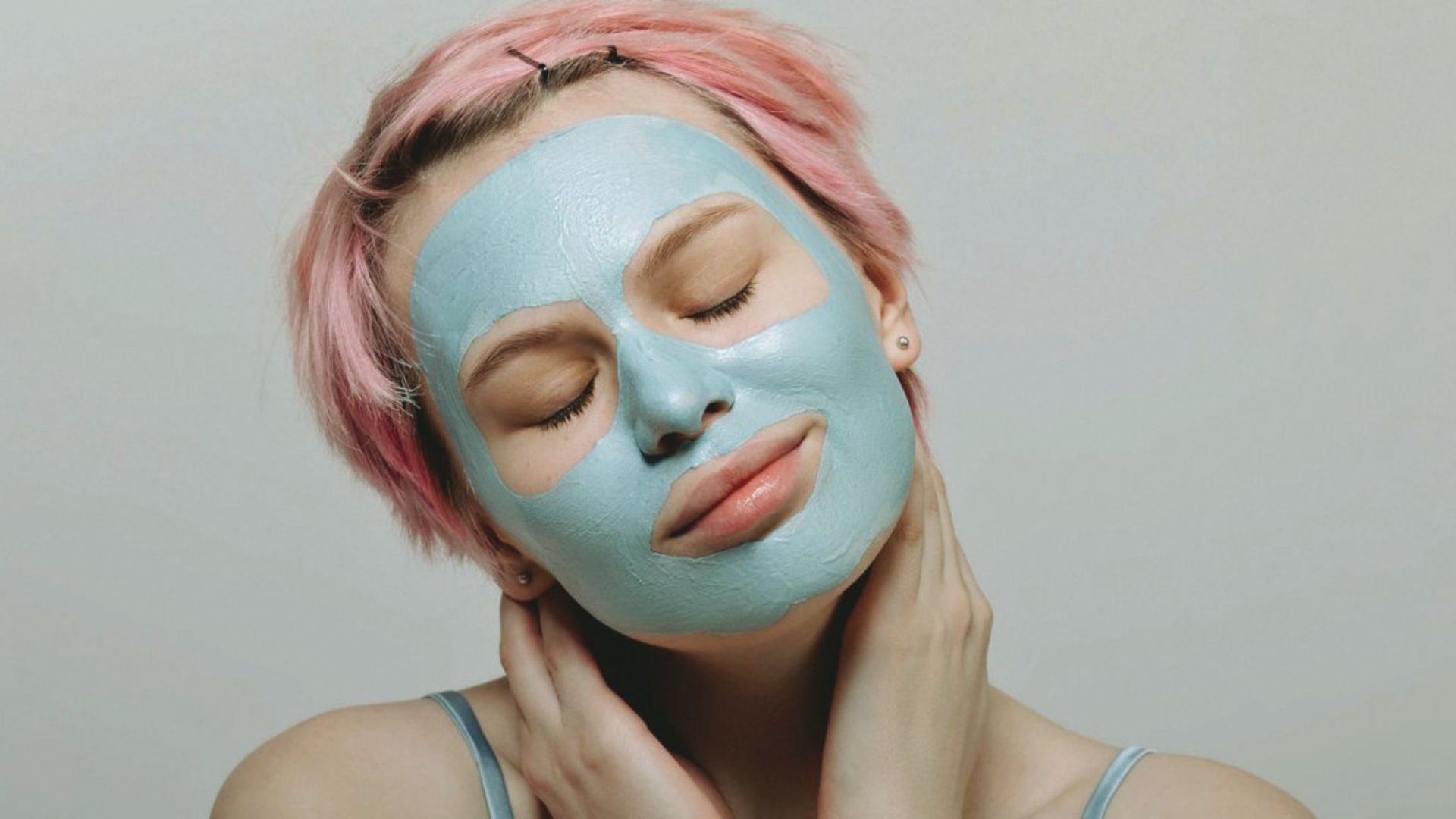
Once the area is clean and dry, apply a small amount of benzoyl peroxide or salicylic acid. These help kill bacteria and reduce inflammation.
You can also use a dab of hydrocortisone cream to calm redness fast. Less is more. Do not layer multiple products on an open wound.
Step 4: Protect It with a Hydrocolloid Patch
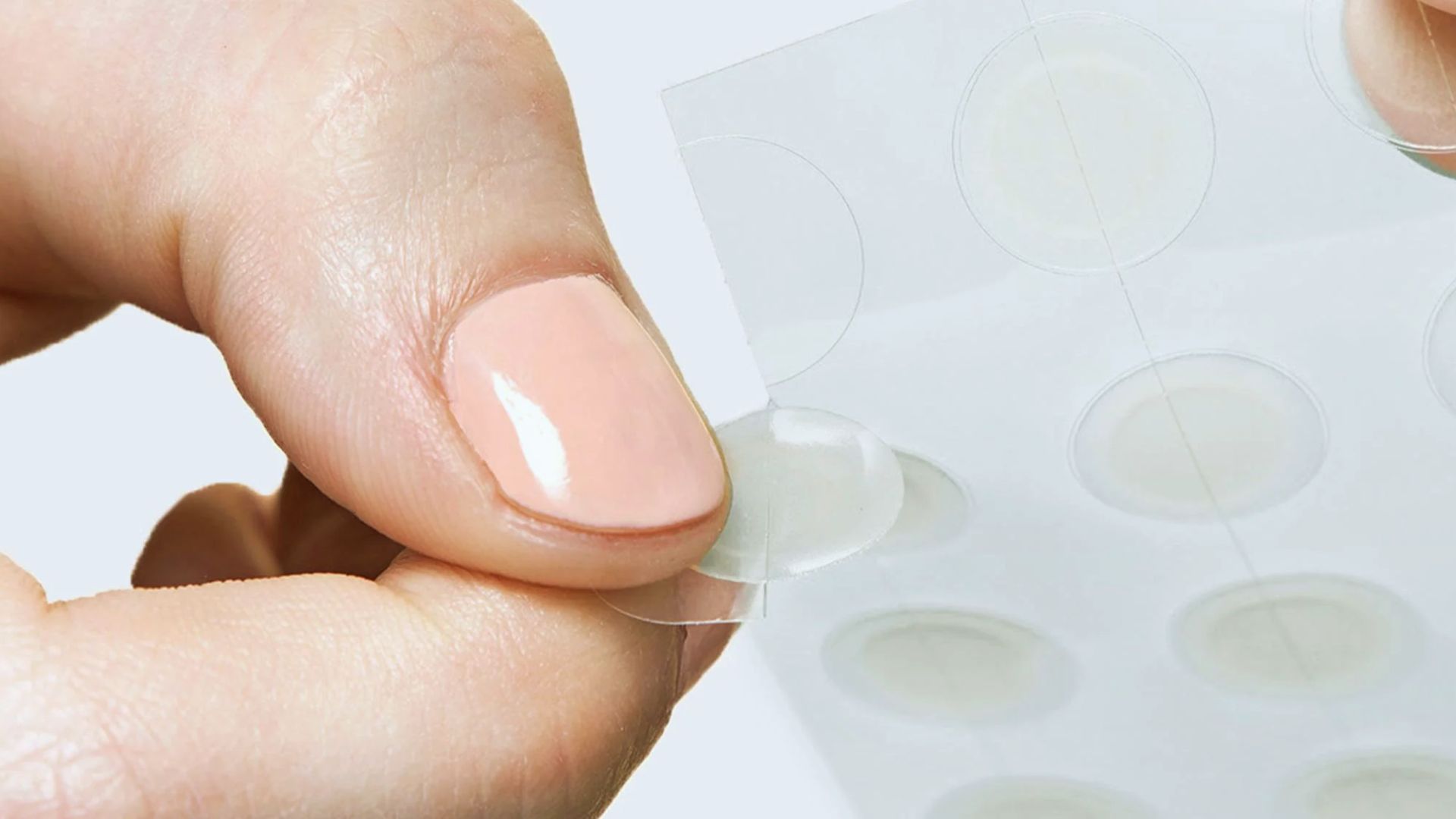
Hydrocolloid patches are one of the best things you can put on a popped pimple. They absorb excess fluid, protect the wound from bacteria, and stop you from touching it.
Put one on before bed and let it work overnight. By morning, the patch will have pulled out a lot of the gunk and the skin will look calmer.
Step 5: Keep the Skin Moisturized and Barrier Healthy

An open wound needs moisture to heal properly. Use a gentle, non-comedogenic moisturizer to keep the skin hydrated.
Skipping this step slows down recovery and can make the spot look dry and flaky. A healthy skin barrier heals faster, so do not skip moisturizer even if your skin feels oily.
Best Dermatologist-Recommended Treatments
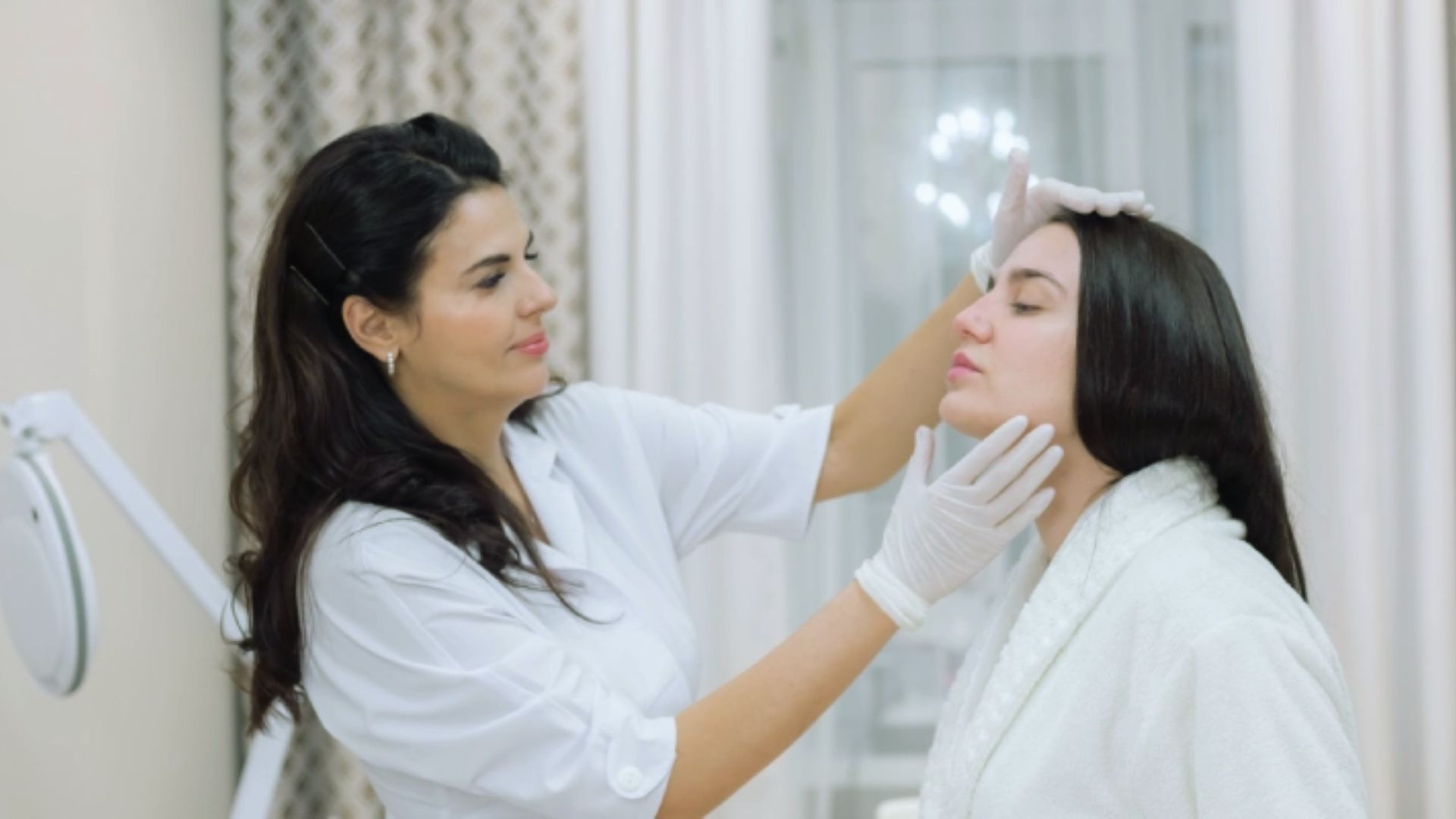
Choosing the right treatment after popping a pimple can speed up healing and stop things from getting worse.
Over-the-Counter Treatments That Work
You do not always need a prescription. Benzoyl peroxide kills bacteria, salicylic acid clears pores, and niacinamide calms redness.
Hydrocolloid patches protect the wound overnight. For dark spots, vitamin C or azelaic acid works well.
Prescription Options
When drugstore products fall short, a dermatologist may suggest retinoids to fade marks faster, antibiotics for infection, or clindamycin gel to target bacteria.
Always get proper guidance before using prescription treatments.
Professional Treatments for Faster Healing
For stubborn scarring or deeper damage, cortisone injections, chemical peels, laser treatments, and microneedling are proven options.
These are not everyday solutions but deliver real results when nothing else works.
How to Prevent Pimples in the First Place
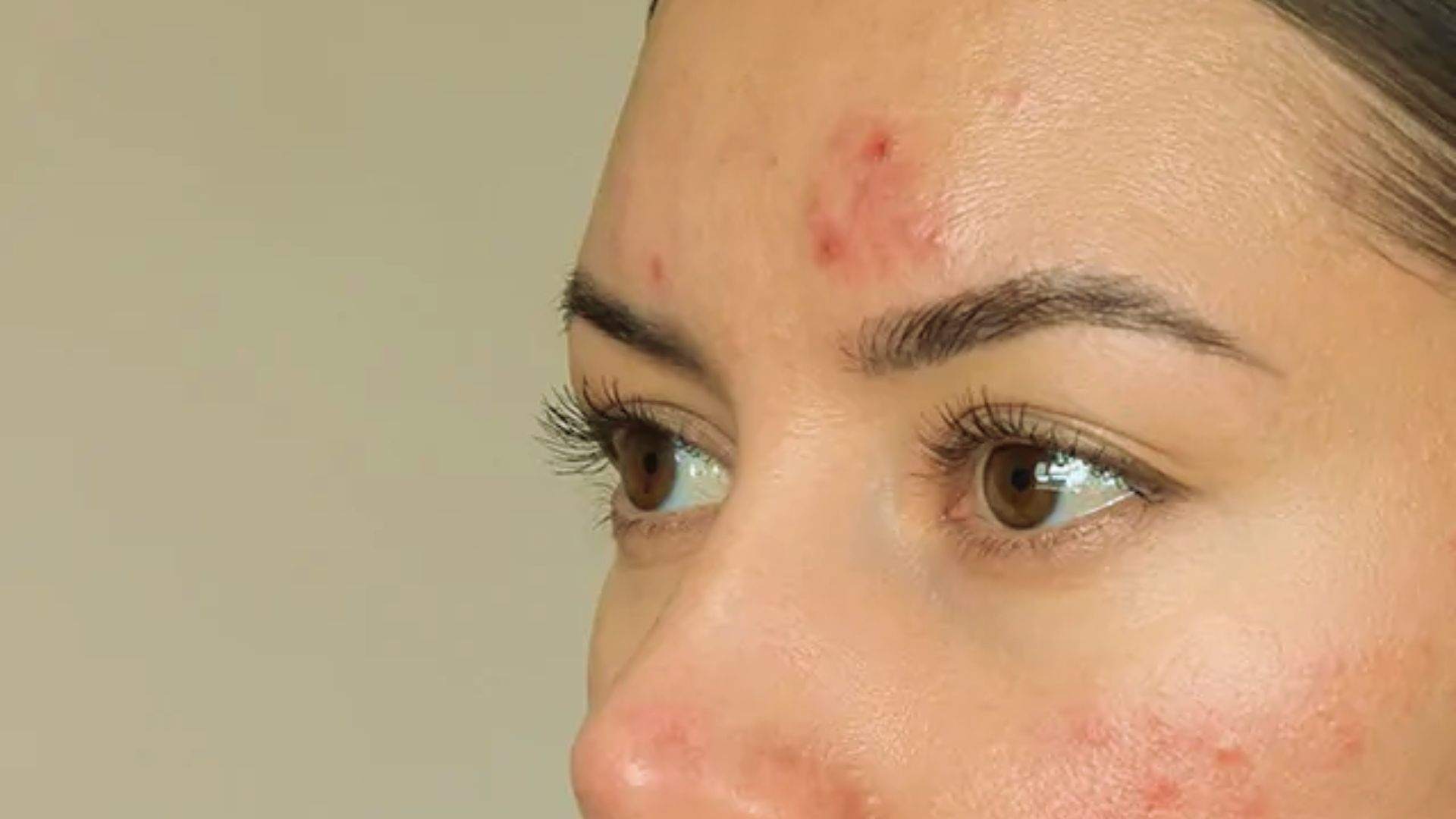
Treating a popped pimple is important, but stopping breakouts before they start is even better.
Build a Consistent Skincare Routine
A simple routine done daily beats an expensive one done occasionally. Cleanse twice a day, moisturize, and wear sunscreen every morning. Consistency is what keeps skin clear over time.
Choosing Non-Comedogenic Products
Many breakouts come from everyday products that clog pores. Always check for the word non-comedogenic on your makeup, sunscreen, and moisturizer.
This one habit can cut down breakouts significantly.
Lifestyle Habits That Reduce Breakouts
Change your pillowcase weekly, keep your hands off your face, and manage stress. Poor sleep, high sugar intake, and chronic stress all trigger more oil and more breakouts.
Small daily habits make a bigger difference than most people expect.
Common Mistakes That Delay Healing
Avoiding these mistakes is just as important as following the right steps.
- Alcohol-based toners and strong exfoliants on an open wound slow healing and cause more irritation
- Keep it simple while your skin recovers
- Touching the area transfers bacteria and delays healing every single time
- Re-popping pushes bacteria deeper and raises the risk of scarring
- Skipping moisturizer dries out the wound and slows skin repair
When to See a Dermatologist
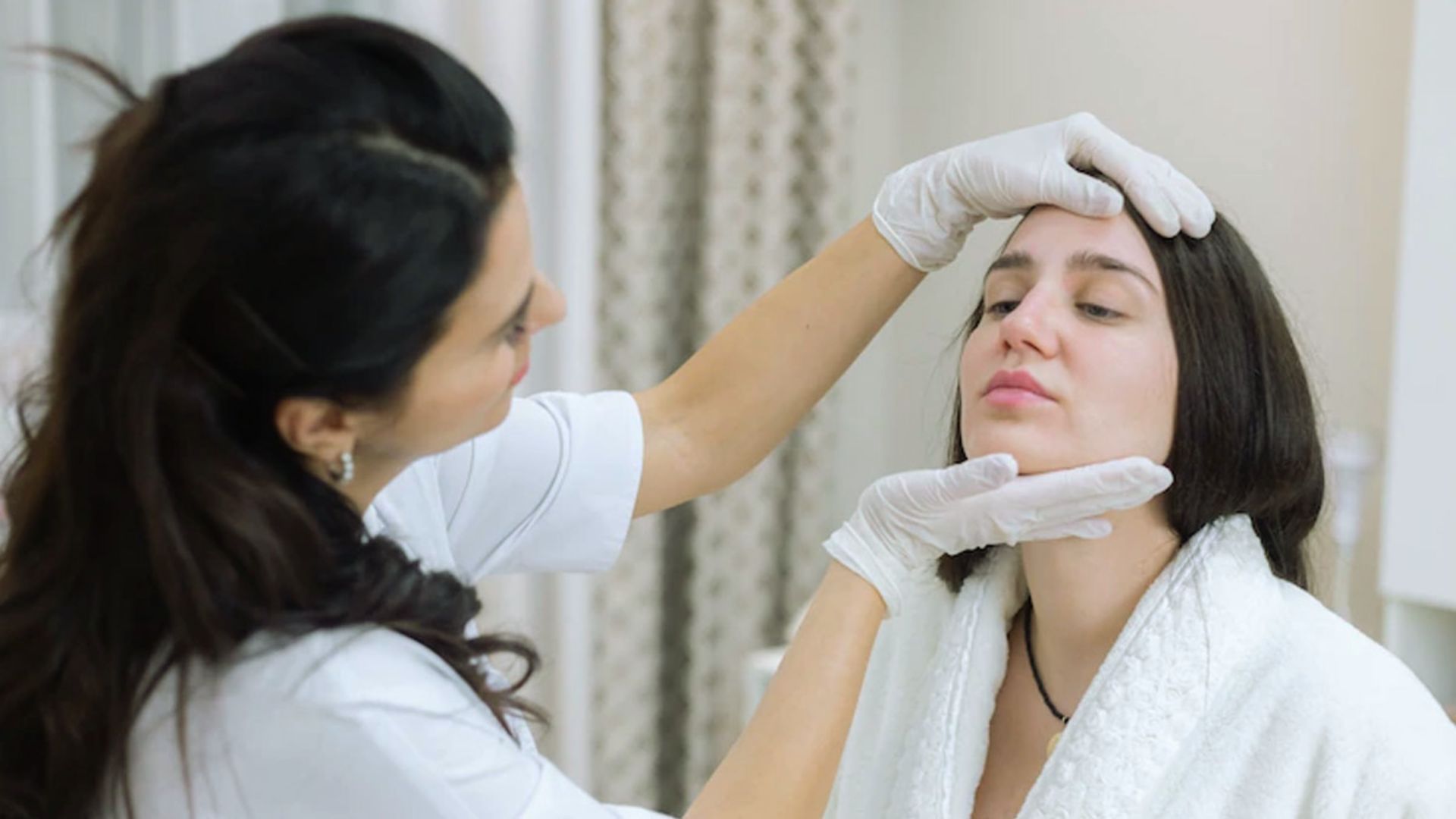
Some pimples go beyond what home care can handle, and knowing when to get help matters.
Signs of Infection or Severe Inflammation
If the area becomes increasingly painful, warm, or swollen beyond the pimple itself, that is a sign of infection. Pus that keeps returning or a fever alongside a breakout needs immediate attention.
Persistent Acne That Won’t Heal
If a pimple has not healed after two weeks of proper care, see a dermatologist. Stubborn spots that keep returning often need prescription treatment to fully clear.
Deep or Cystic Pimples That Should Not Be Popped
Cystic pimples sit deep under the skin and have no visible head. Popping them makes things worse.
A dermatologist can treat these safely with cortisone injections or prescription medication without the risk of permanent scarring.
Tips for Faster Healing and Clear Skin
Small habits done consistently can speed up healing and keep your skin clear long term.
- Avoid picking or touching the affected area, even when it feels tempting
- Always apply SPF during the day to prevent dark spots from getting darker
- Keep your skincare routine simple and gentle while your skin is healing
- Drink enough water and eat a balanced diet to support skin recovery from within
- Use clean towels, fresh pillowcases, and sanitized skincare tools every time
Conclusion
Healing a popped pimple is something I had to learn the hard way. Years of picking, panicking, and reaching for the wrong products taught me one thing. Gentle and consistent always wins.
Your skin is more capable of healing than you give it credit for. The steps shared in this blog on how to heal a popped pimple are simple, dermatologist-backed, and they actually work.
Give them a try and drop a comment letting me know how it went. Share this with a friend who needs it too.
Frequently Asked Questions
How long does a popped pimple take to heal?
A popped pimple usually heals within 3 to 7 days with proper care. Picking at it or using harsh products can extend healing time significantly.
Can I put toothpaste on a popped pimple?
Toothpaste is not a recommended treatment for popped pimples. It can irritate the skin and make redness worse. Stick to benzoyl peroxide or a hydrocolloid patch instead.
Should I pop a pimple if it has a white head?
Dermatologists advise against popping pimples at home. If you must, use clean hands and very gentle pressure only, and treat the area immediately after.
What should I put on a popped pimple overnight?
A hydrocolloid patch is the best option overnight. It protects the wound, absorbs fluid, and helps the skin heal without interference.
Will a popped pimple leave a scar?
It can, especially if it was forced or picked repeatedly. Treating it quickly and using SPF daily helps prevent dark spots and long-term scarring.