Does Benzoyl Peroxide Bleach Skin? All You Need to Know

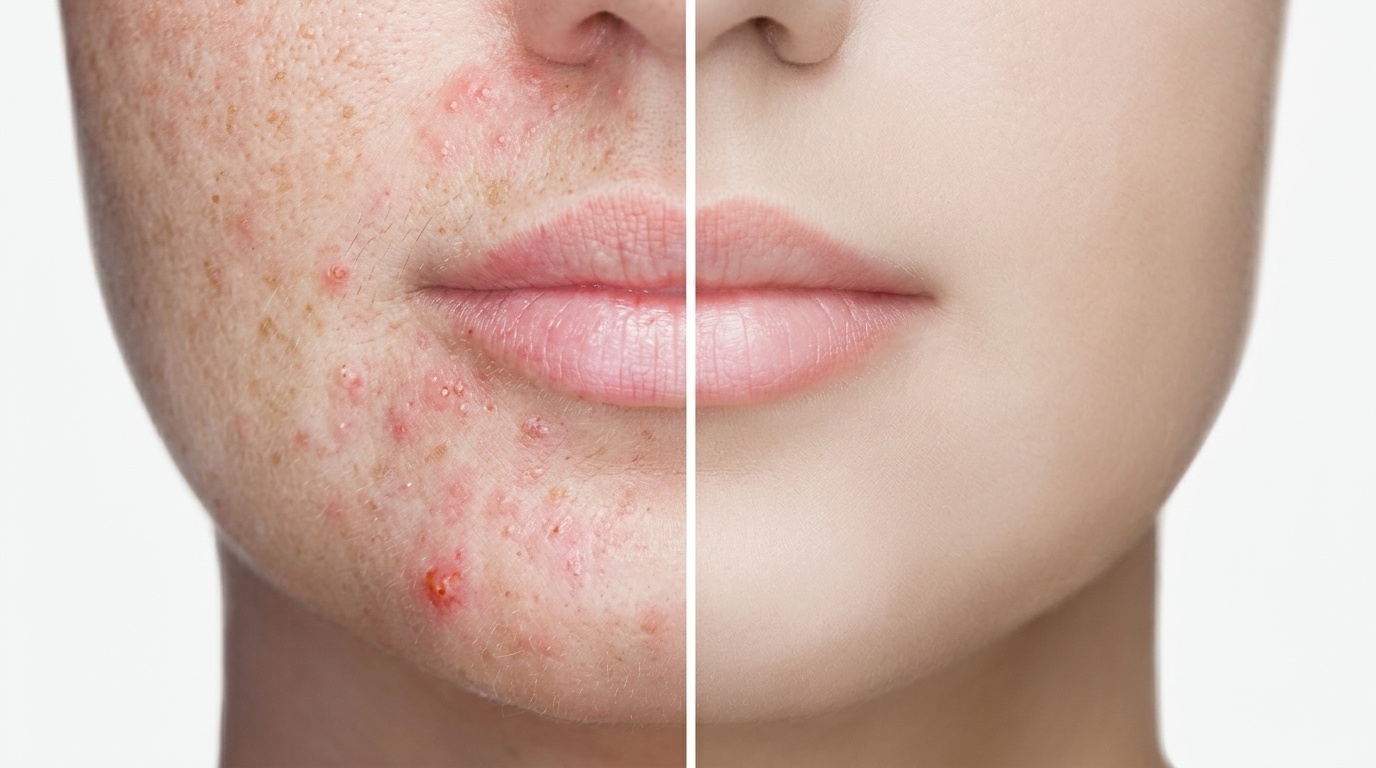
If you're wondering does benzoyl peroxide bleach skin, you're not alone.
Many people notice peeling, dryness, or changes after using acne treatments and worry that their skin is becoming lighter. The good news is that the answer is simpler than it seems.
In this guide, you'll learn if benzoyl peroxide can actually bleach skin, why it may seem like it does, what it really bleaches, and how to use it without causing unnecessary irritation.
I've spent time researching dermatology guidance and acne care best practices to make this information clear and practical.
My goal is to help you understand what's normal, what isn't, and when it's time to talk to a dermatologist.
Does Benzoyl Peroxide Bleach Skin?

The short answer is no. Benzoyl peroxide does not bleach or permanently lighten your skin. It works by killing acne-causing bacteria, specifically Propionibacterium acnes (P. acnes), reducing inflammation, and helping clear clogged pores.
Unlike skin-lightening ingredients such as hydroquinone, it does not reduce melanin, the pigment that gives your skin its natural color.
However, benzoyl peroxide is a strong oxidizing agent, which is why it can bleach fabrics, towels, pillowcases, and even hair after contact.
This fabric bleaching is a chemical reaction and is completely different from changing your skin tone. If your skin looks lighter while using benzoyl peroxide, it is usually due to dryness, peeling, or acne healing rather than the product bleaching your skin.
Why Do Some People Think Benzoyl Peroxide Bleaches Skin?
Several common side effects can make it seem like your skin is becoming lighter, even though it isn't.
Dryness and Flaking

When you first start using benzoyl peroxide, it's common to notice dry, flaky skin. As dead skin cells peel away through increased skin cell turnover, the fresh skin underneath may look brighter or slightly lighter for a short time.
This change is temporary and does not mean your natural skin color has changed. Dry patches can also reflect light differently, making some areas appear paler than the surrounding skin.
Using too much product or applying it too often can make peeling worse. Adding a gentle moisturizer to your routine can reduce dryness while allowing benzoyl peroxide to continue treating acne without making your skin feel overly dry or irritated.
Post-Inflammatory Hyperpigmentation
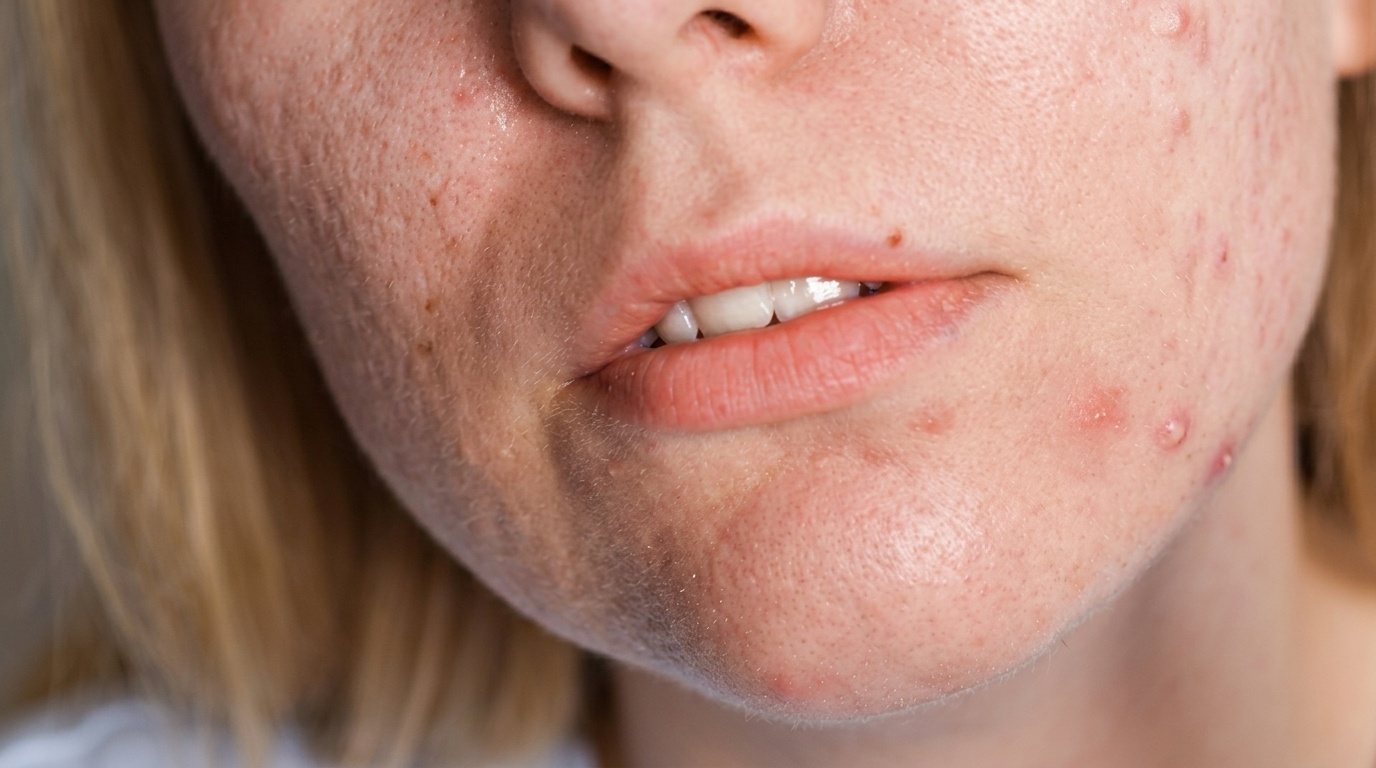
Acne often leaves behind dark marks after pimples heal, especially on medium to deeper skin tones.
These marks are called post-inflammatory hyperpigmentation (PIH). As benzoyl peroxide helps prevent new breakouts, your existing acne marks may slowly fade over time. When those darker spots become less noticeable, your overall complexion can appear more even.
Some people mistake this improvement for skin bleaching, but that isn't what's happening. Benzoyl peroxide is helping control acne, which allows your skin to heal naturally.
The fading of acne marks is different from reducing your skin's natural pigment or changing its original color.
People with darker skin tones should be especially aware of this. The temporary lightening effect from dryness is more visible on deeper skin, and PIH is also more common. Starting with a lower concentration and using sunscreen every day can help reduce both issues.
Skin Irritation

Benzoyl peroxide can sometimes cause redness, burning, peeling, or increased sensitivity, especially during the first few weeks of use. These reactions may make certain parts of your face look lighter or different in color compared to nearby skin.
In some cases, irritation can also leave temporary discoloration after the skin heals. This is not true bleaching but a response to inflammation or damage to the skin barrier.
Using a lower-strength product, applying it as directed, and keeping your skin moisturized can reduce irritation. If redness or unusual color changes continue or become severe, it's best to stop using the product and speak with a dermatologist.
What Does Benzoyl Peroxide Actually Bleach?
While benzoyl peroxide doesn't bleach your skin, it can permanently bleach many everyday fabrics and even hair. This happens because of the same oxidation process that makes it effective against bacteria.
- Clothing: Shirts, pajamas, and workout clothes can develop white or faded spots if the product hasn't fully dried before contact.
- Towels: Face towels and bath towels are commonly affected because they absorb leftover benzoyl peroxide after washing your face.
- Pillowcases: Going to bed before the product dries can leave permanent bleach marks on pillowcases over time.
- Bedsheets: Benzoyl peroxide can transfer from your skin to bedsheets, especially if you apply it at night and use too much.
- Hair (Including Eyebrows and Facial Hair): The product may lighten scalp hair, eyebrows, beards, or mustaches if it repeatedly comes into contact with them.
- Tips to Prevent Bleaching Fabrics: Let benzoyl peroxide dry completely before getting dressed or going to bed. Wash your hands after applying it, use white towels if possible, and avoid letting the product touch colored fabrics or hair.
Can Benzoyl Peroxide Cause Skin Discoloration?
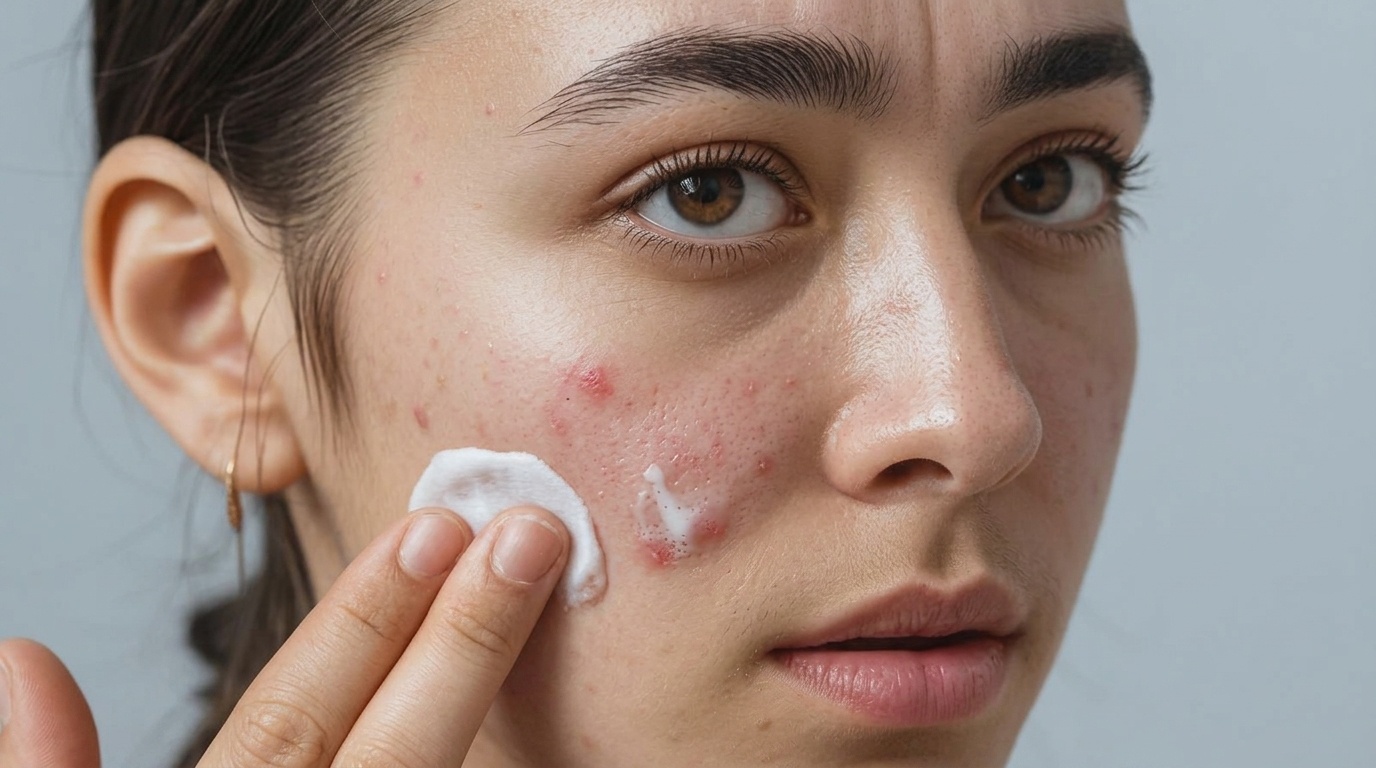
Yes, benzoyl peroxide can sometimes cause temporary changes in how your skin looks, but this is different from bleaching your natural skin color.
When you first begin using it, you may notice redness, dry patches, or peeling as your skin adjusts to the treatment. These side effects can make certain areas appear lighter, pinker, or uneven for a short time.
In some people, irritation may also trigger temporary dark marks after the skin heals, especially if they have a deeper skin tone. Although uncommon, a severe allergic reaction can cause intense redness, swelling, itching, or blistering.
If you develop these symptoms, stop using the product immediately and seek medical advice. You should also see a dermatologist if discoloration, irritation, or discomfort continues despite proper use.
How to Use Benzoyl Peroxide Without Irritating Your Skin
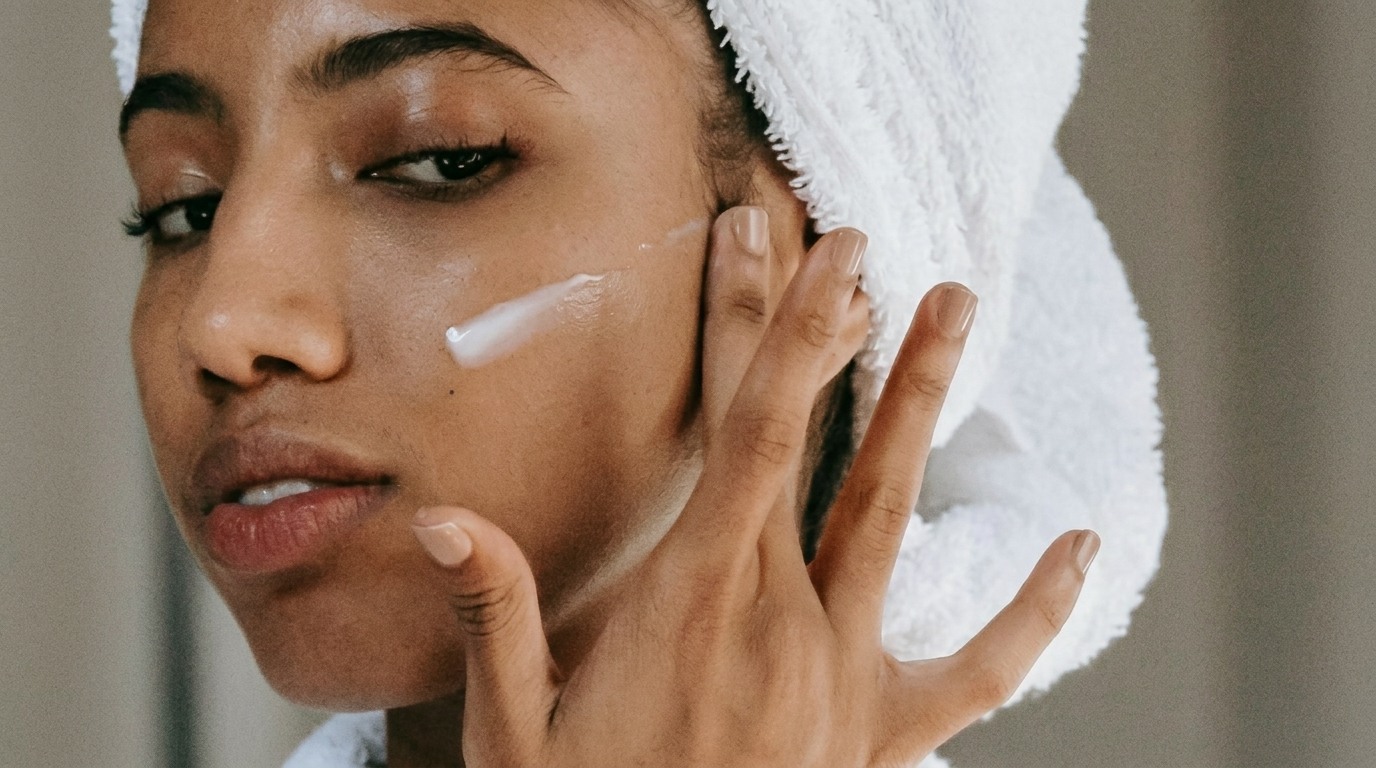
Using benzoyl peroxide the right way can help treat acne while reducing dryness, redness, and irritation.
Start With a Lower Strength
Many people get good results with a 2.5% benzoyl peroxide product, which is often as effective as higher strengths for mild to moderate acne while causing less irritation.
A 5% formula may be recommended if lower strengths aren't enough, while 10% products are usually reserved for more stubborn acne and may increase dryness or peeling. Starting with a lower concentration gives your skin time to adjust.
If needed, you can increase the strength later based on how your skin responds or as advised by a dermatologist.
Use a Moisturizer
Benzoyl peroxide can remove excess oil, but it may also weaken your skin's protective barrier if used without proper hydration.
Applying a gentle, fragrance-free moisturizer after benzoyl peroxide helps replace lost moisture and keeps your skin feeling comfortable. A healthy skin barrier is better able to resist irritation, reduce flaking, and recover from acne treatments.
If your skin feels tight or dry, don't skip moisturizer thinking it will make acne worse. In fact, keeping your skin hydrated can improve comfort and make it easier to continue using benzoyl peroxide consistently.
Apply Only as Directed
Using more benzoyl peroxide does not make acne clear faster. Applying thick layers or using it several times a day can increase redness, peeling, and irritation without improving results.
Start by applying a thin layer once daily or follow the directions on the product label. As your skin becomes more tolerant, you may be able to increase the frequency if needed. Avoid applying it to broken, sunburned, or irritated skin.
Consistent use according to the instructions is more effective than overusing the product and risking unnecessary side effects.
Be Careful When Layering Other Actives
Benzoyl peroxide does not play well with every ingredient. Retinol and vitamin C can increase peeling and irritation when used at the same time as benzoyl peroxide.
The same goes for AHAs and BHAs like glycolic acid or salicylic acid.
If you want to use any of these, stagger them:use benzoyl peroxide in the morning and retinol at night, for example.
Salicylic acid is a good option for non-inflammatory acne like blackheads and whiteheads, but it is better used separately rather than layered on top of benzoyl peroxide.
Wear Sunscreen Daily
Your skin can become more sensitive while using acne treatments, making daily sun protection an important part of your routine.
Apply a broad-spectrum sunscreen with SPF 30 or higher every morning, even on cloudy days. Sunscreen helps protect your skin from UV damage, which can make post-acne marks appear darker and slow the healing process.
It also reduces the risk of further irritation caused by sun exposure. Choose a lightweight, non-comedogenic sunscreen that won't clog pores, and reapply it as needed if you're spending time outdoors.
Benzoyl Peroxide vs Skin Bleaching Ingredients
Comparing benzoyl peroxide with common skin-brightening ingredients makes it easier to understand why it doesn't bleach your natural skin color.
| Ingredient | Purpose | Bleaches Skin? |
| Benzoyl Peroxide | Acne treatment | No |
| Hydroquinone | Treats hyperpigmentation | Lightens dark spots |
| Azelaic Acid | Acne and pigmentation | Helps fade discoloration |
| Niacinamide | Brightens uneven skin tone | No bleaching effect |
| Vitamin C | Brightens skin | No bleaching effect |
| Salicylic Acid | Exfoliates, treats blackheads/whiteheads | No bleaching effect |
Common Mistakes When Using Benzoyl Peroxide
Avoiding a few common mistakes can help you get better acne results while reducing dryness, irritation, and discomfort.
- Applying too much product: A thin layer is enough, and using more won't make acne clear faster.
- Using it too often: Applying benzoyl peroxide more than directed can lead to redness, peeling, and increased sensitivity.
- Mixing with irritating ingredients without guidance: Combining it with retinol, AHAs, BHAs, or vitamin C at the same time can increase irritation. Stagger these ingredients instead.
- Skipping moisturizer: Not moisturizing can weaken the skin barrier and make dryness and flaking worse.
- Forgetting sunscreen: Daily SPF helps protect your skin and prevents post-acne marks from becoming more noticeable.
- Waiting too long to see results: It typically takes 8 to 10 weeks to see a real change in your skin. Don't give up early, and don't pile on more products to speed things up.
Conclusion
If you've been asking does benzoyl peroxide bleach skin, I hope you now have a clear answer and feel more confident using it.
I know how easy it is to worry when your skin looks different after starting a new acne treatment. In my experience, understanding why something happens makes it much less stressful.
Give your skin time, use the product correctly, and pay attention to how it responds.
If you have questions or want to share your experience, leave a comment below or try our other acne care guides.
Frequently Asked Questions
Can benzoyl peroxide permanently change my skin color?
No. Benzoyl peroxide does not permanently change your natural skin color. Any temporary changes are usually caused by dryness, irritation, or increased skin cell turnover.
How long does skin irritation from benzoyl peroxide last?
Mild irritation often improves within a few weeks as your skin adjusts. Using a moisturizer can help reduce discomfort during this time.
Can I use benzoyl peroxide every day?
Yes, if your skin tolerates it and you follow the product instructions. Many people start with once-daily use before increasing the frequency if needed.
Why did my towel turn white after using benzoyl peroxide?
Benzoyl peroxide is an oxidizing agent that can bleach fabrics after contact. Let the product dry completely and use white towels if you're concerned about stains.
Should I stop using benzoyl peroxide if my skin gets red?
Mild redness is common when you first start using it. If the redness is severe, painful, or comes with swelling or blistering, stop using the product and contact a dermatologist.
Can I use benzoyl peroxide with salicylic acid?
It's best not to use them at the same time. Stagger them so you aren't piling on two potentially drying ingredients at once. Ask your dermatologist what routine works for your skin type.