9 Types of Wrinkles on Face You Must Know About


I spent years thinking all wrinkles were the same. Turns out, I was completely wrong.
The lines on your forehead? They’re different from the ones around your mouth. And each type needs a different approach to prevent or treat.
I wish someone had explained the types of wrinkles on my face to me earlier. I would’ve saved so much money on products that didn’t work for my specific concerns.
Here’s what I’ve learned about the different types of wrinkles on the face, where they come from, and what actually helps. Some of this might surprise you.
Understanding Wrinkles and Their Causes
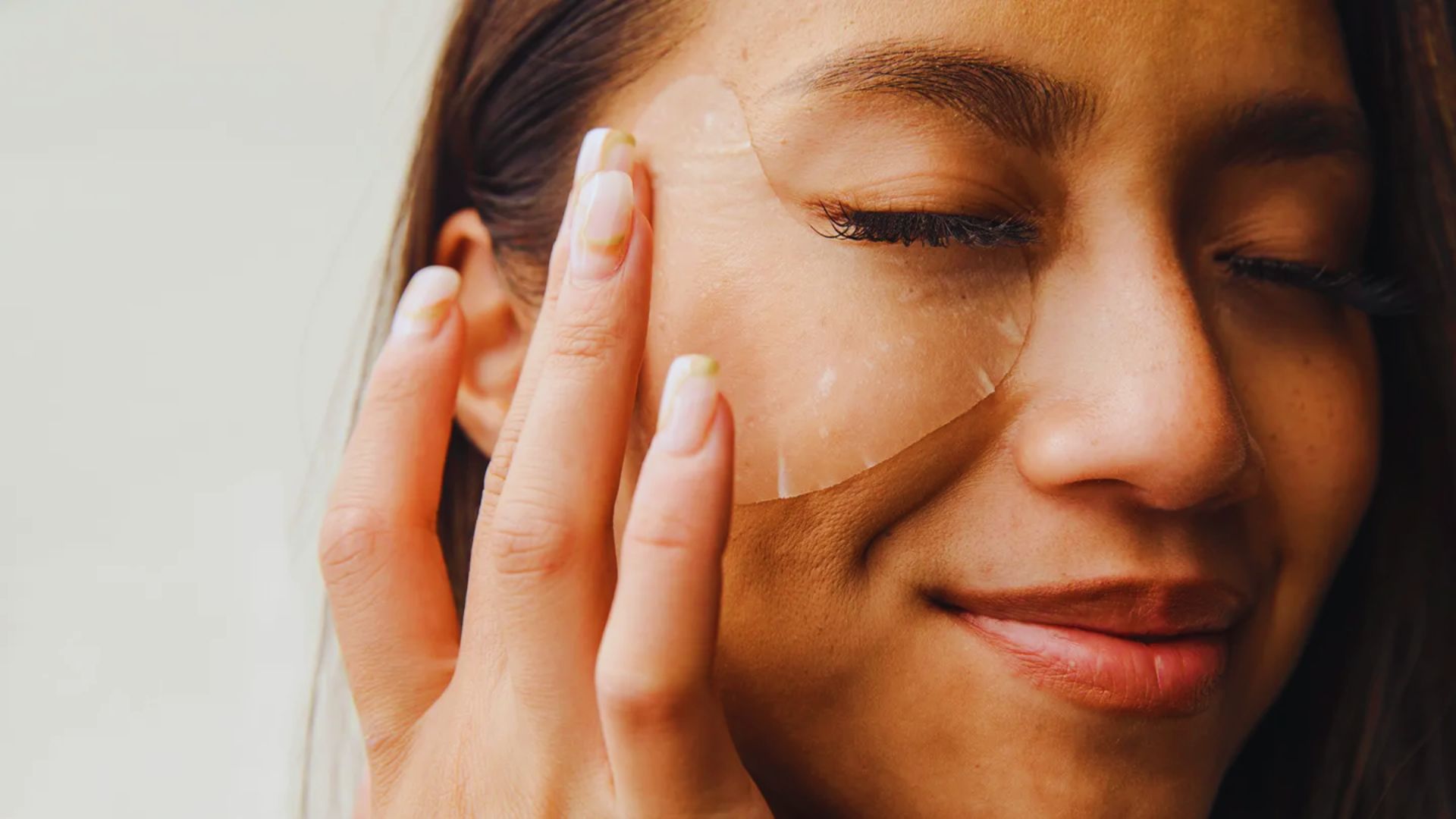
Wrinkles happen when your skin loses collagen and elastin. These proteins keep your skin firm and bouncy.
As you age, your body makes less of them. Your skin also holds less moisture over time.
Sun exposure is the biggest culprit. UV rays break down collagen faster than anything else. Smoking speeds up this process too.
Your facial expressions play a role as well. Every time you smile, frown, or squint, you’re creating tiny folds in your skin. Over years, these folds become permanent lines.
Genetics matter too. If your parents had early wrinkles, you might see them sooner. Your lifestyle choices can slow this down or speed it up.
Understanding the different types of wrinkles on face helps you pick the right treatments and prevention methods for your skin.
9 Types of Wrinkles on Face
Your face develops different wrinkle patterns based on movement, sun damage, and aging. Each type forms in specific areas for specific reasons.
1. Forehead Lines
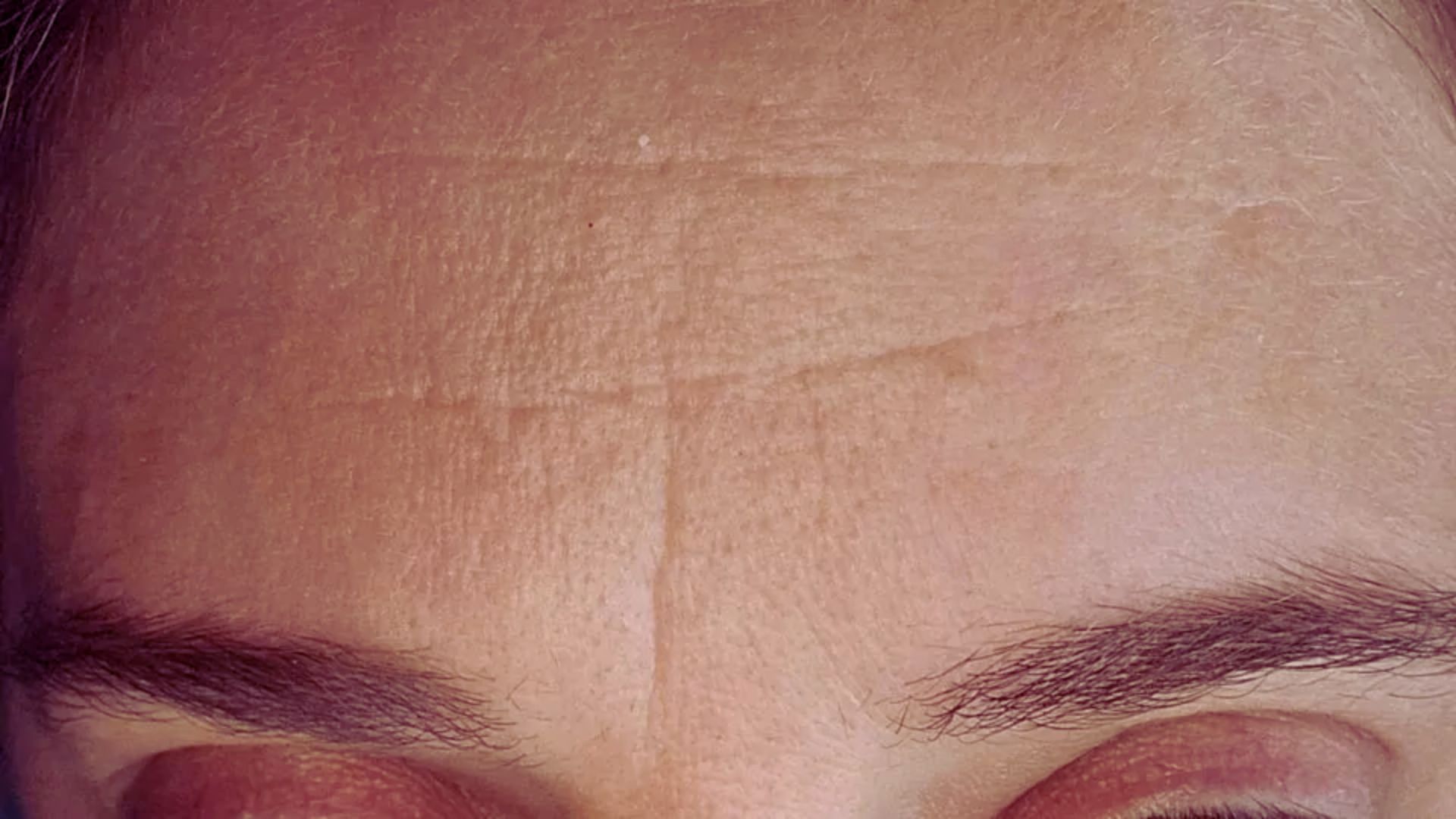
These are the horizontal lines that run across your forehead. You’ve probably got a few if you raise your eyebrows often.
I started noticing mine after years of looking surprised in conversations. They’re super common.
Aging and sun exposure make them deeper. The more you’ve been in the sun without protection, the more pronounced they become.
These lines show up earlier if you’re expressive with your eyebrows. Some people get them in their 20s, others not until their 40s.
2. Frown Lines (Glabellar Lines)

Look between your eyebrows. See those vertical lines? Those are frown lines.
People call them “11 lines” because they literally look like the number 11. I’ve had mine since my early 30s.
Stress and frowning create these lines. If you concentrate hard or furrow your brow when you’re thinking, you’re making these worse.
They get deeper with age. Your skin loses its ability to bounce back after each frown.
3. Crow’s Feet
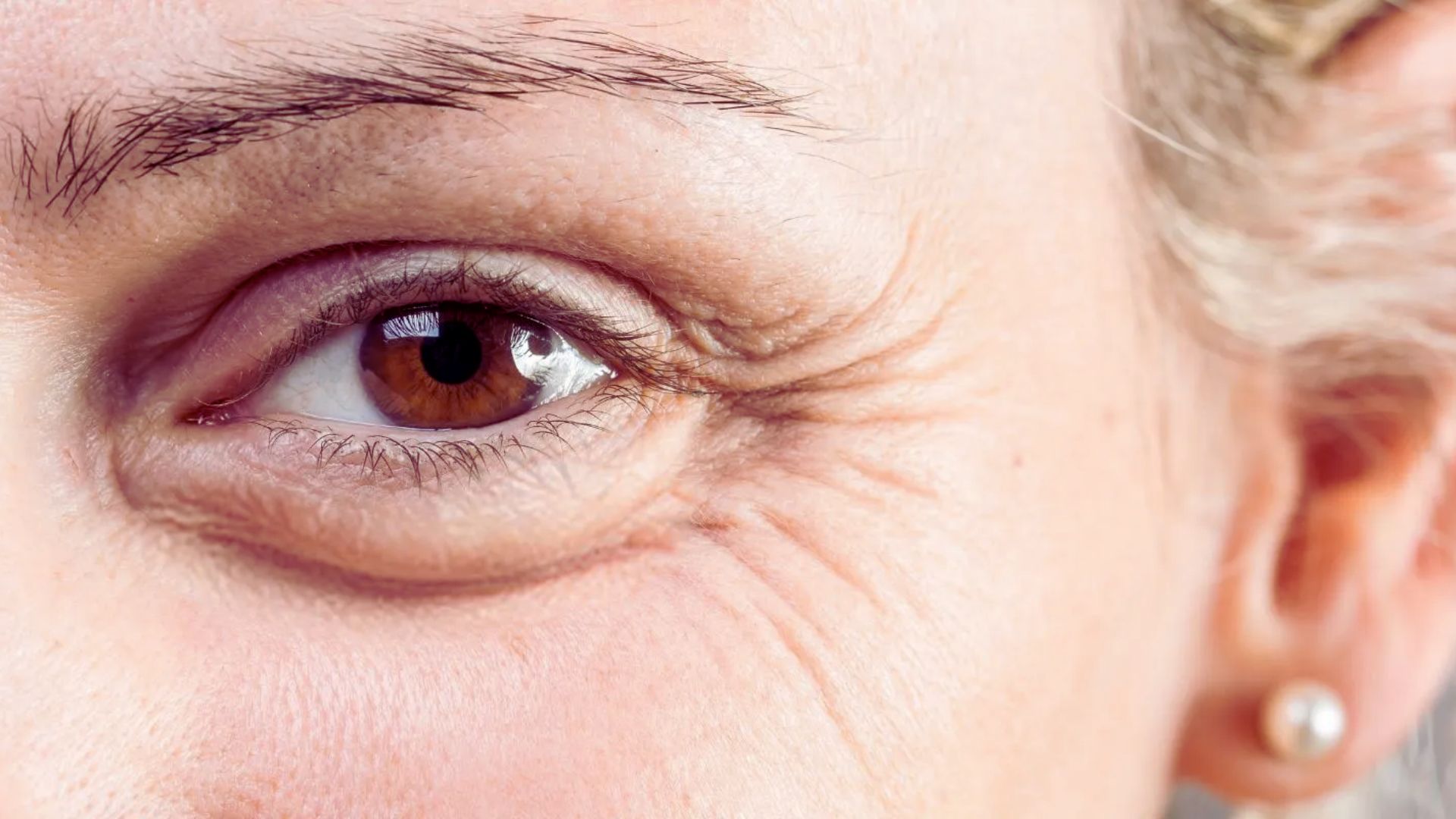
These are the fine lines that fan out from the outer corners of your eyes. They’re probably the most recognized type.
Smiling and laughing cause them. So does squinting in bright sunlight without sunglasses.
I love my crow’s feet because they’re from years of genuine happiness. But sun damage makes them appear earlier and deeper than they should.
The skin around your eyes is thinner than anywhere else on your face. It shows aging signs first.
4. Smile Lines (Nasolabial Folds)
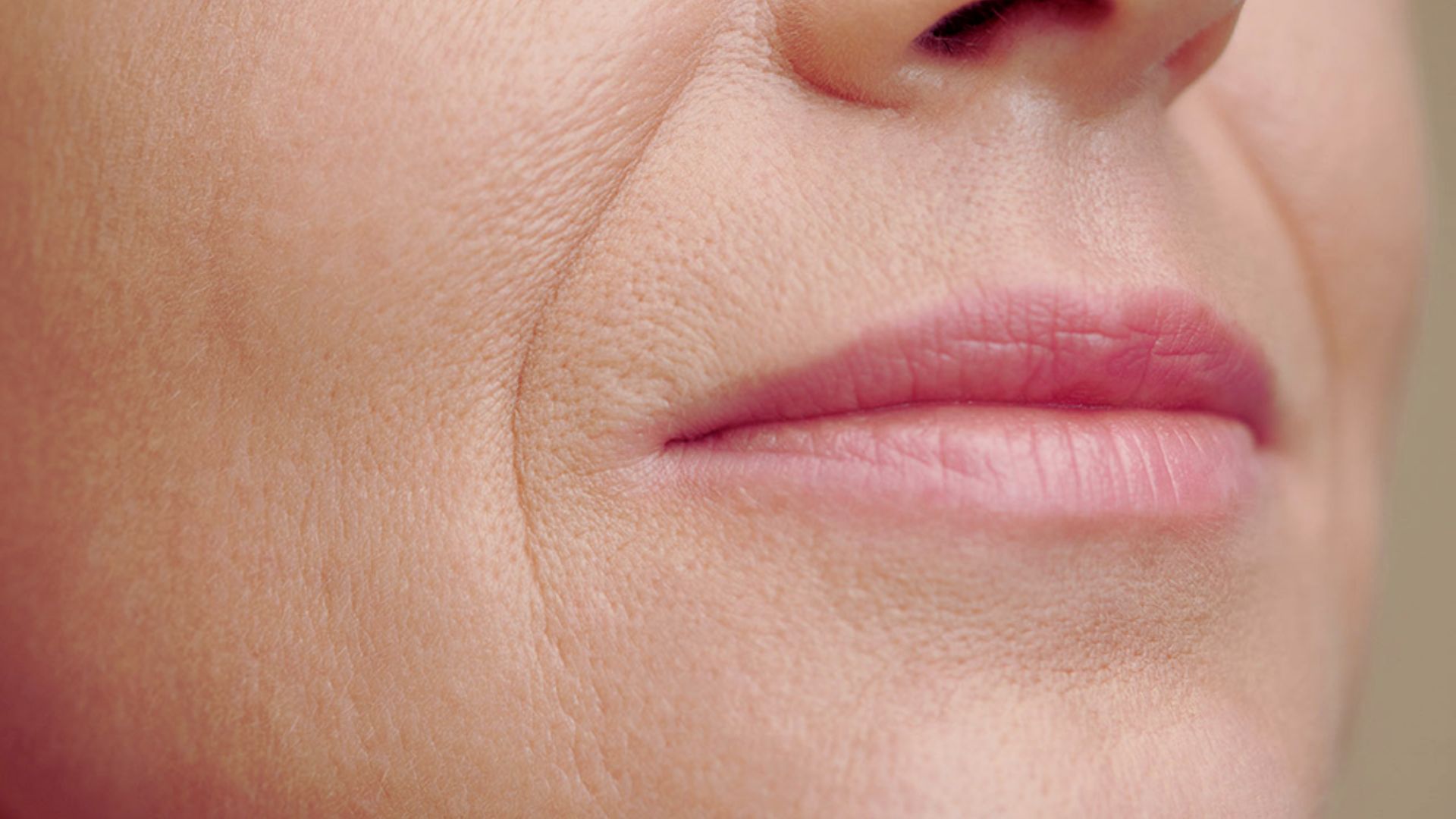
These lines run from the sides of your nose down to the corners of your mouth. Everyone has them to some degree.
They get deeper as you age and lose facial fat. Your cheeks naturally lose volume over time.
Smiling creates these folds, but they’re not just about expressions. Gravity pulls your skin down as collagen breaks down.
Some people hate these lines, but they’re completely normal. They give your face character.
5. Marionette Lines
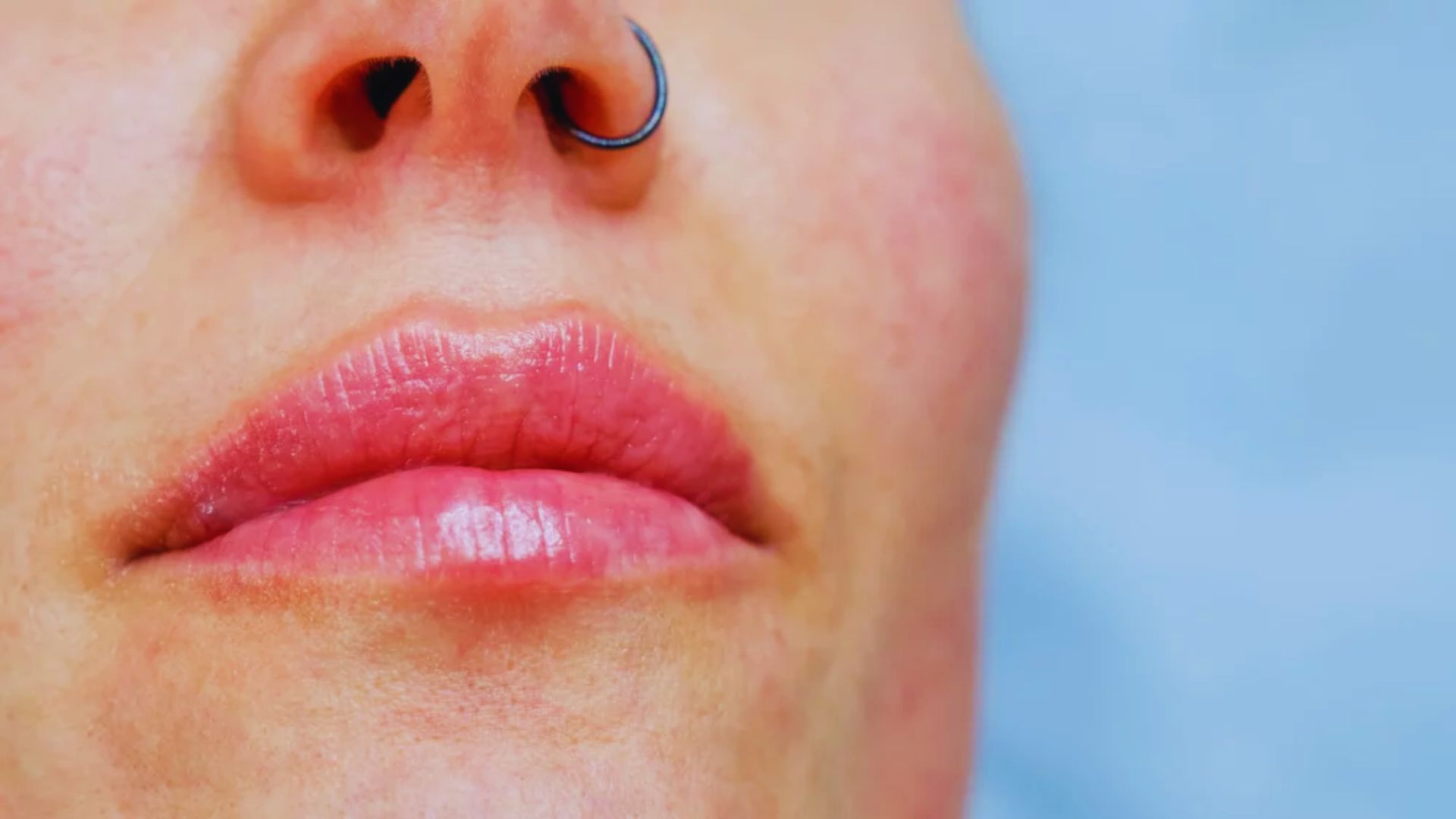
These lines run from the corners of your mouth down to your chin. They’re named after marionette puppets.
They can make you look sad or tired even when you’re not. I notice mine more when I’m dehydrated.
Loss of collagen and facial fat causes these lines. They typically show up in your 40s or 50s.
Smoking and sun exposure make them appear earlier. They’re one of the harder types to treat at home.
6. Lip Lines (Perioral Lines)
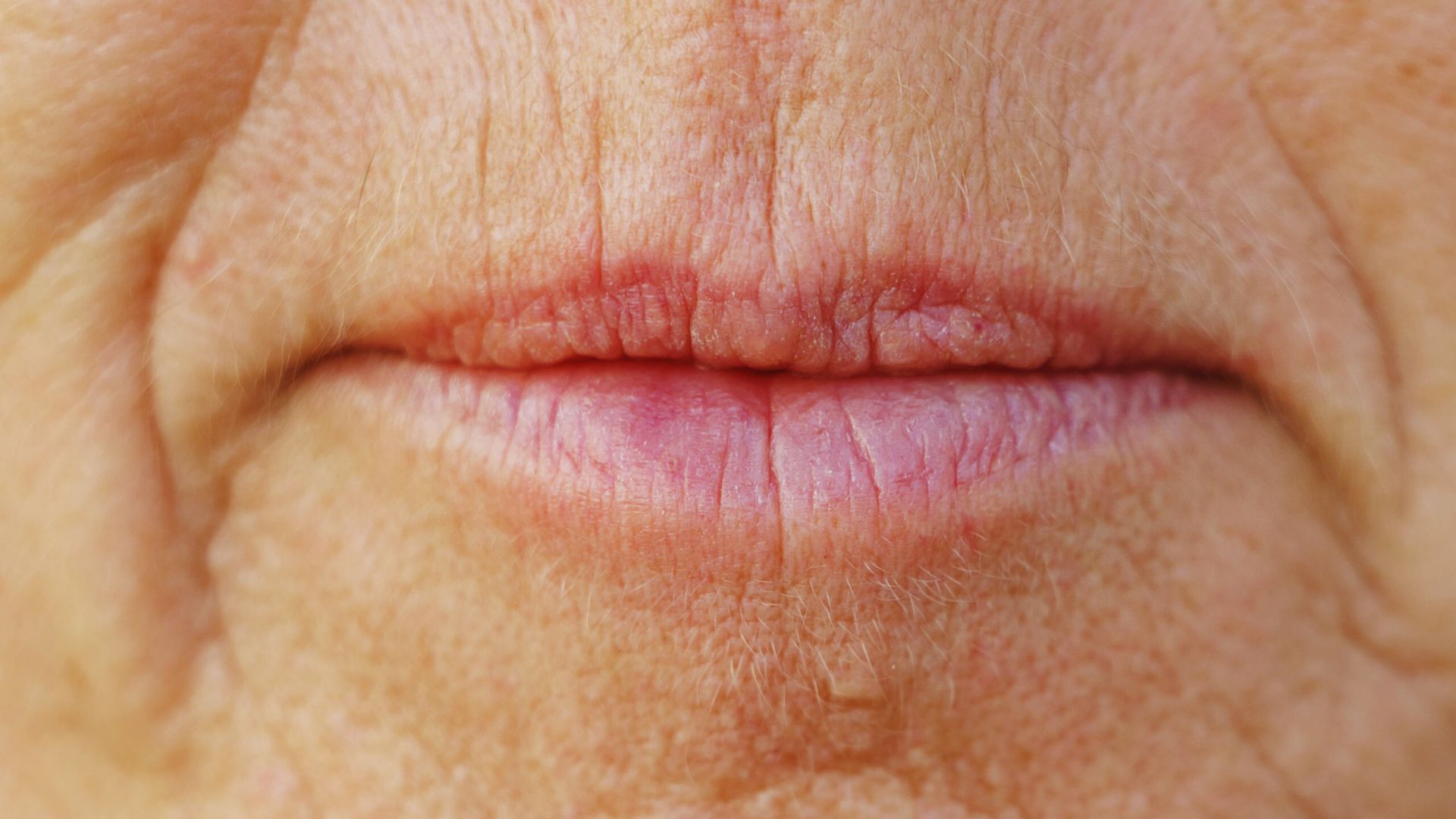
These are the vertical lines that form around your lips. Smokers get them worse, which is why they’re sometimes called “smoker’s lines.”
But you don’t need to smoke to get them. Repetitive lip movements cause them too. Drinking from straws, pursing your lips, even talking.
I started seeing mine after years of applying lip products. The skin around your mouth is delicate.
Aging naturally thins this area. Collagen loss makes the lines more visible over time.
7. Cheek Wrinkles
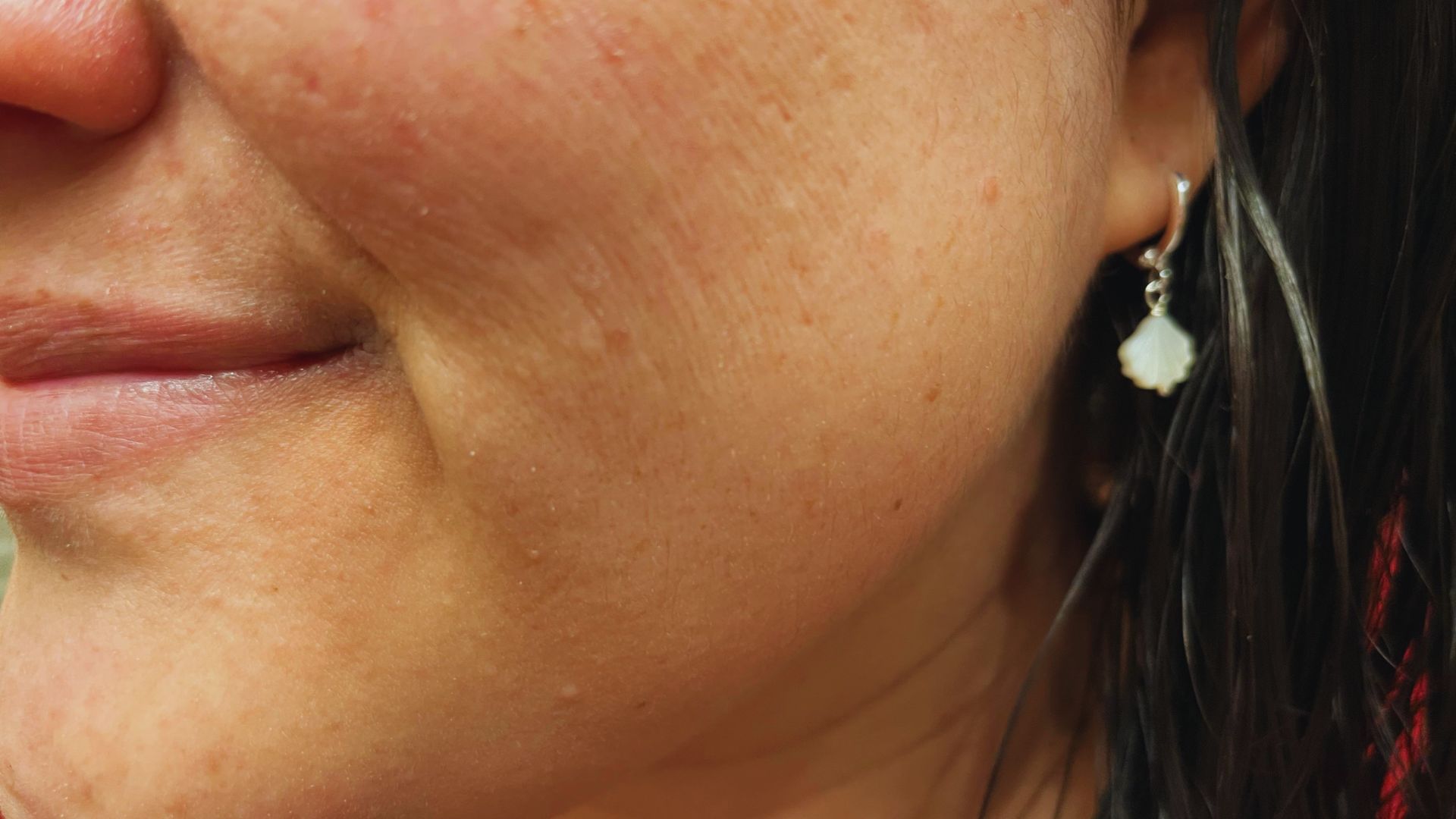
These are fine lines that appear across your cheeks. They’re less common than other types but still happen.
Sun damage is the main cause. If you’ve spent years in the sun without sunscreen, you’ll likely see these.
Your skin thins as you age, especially on your cheeks. This makes wrinkles more visible.
They can make your skin look crepey or textured. Moisturizing helps, but prevention is key.
8. Neck Wrinkles (Tech Neck)
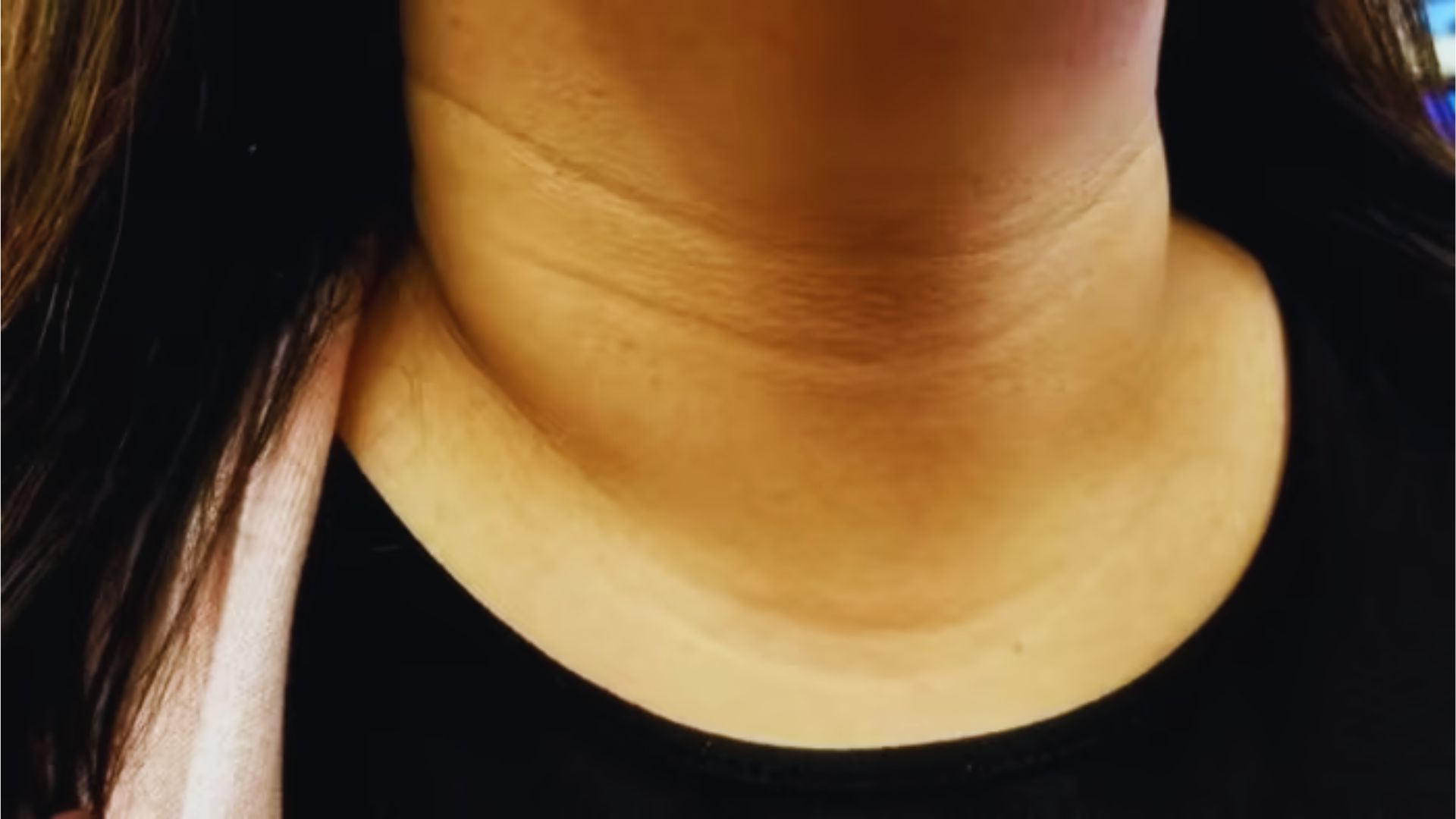
Look down at your phone right now. Feel those horizontal lines forming on your neck? That’s tech neck.
We spend hours looking down at screens. This constant bending creates permanent creases over time.
Aging and sun exposure contribute too. Your neck skin is thin and loses elasticity quickly.
I started seeing mine in my mid-30s. Now I try to hold my phone at eye level when I can.
9. Under-Eye Wrinkles
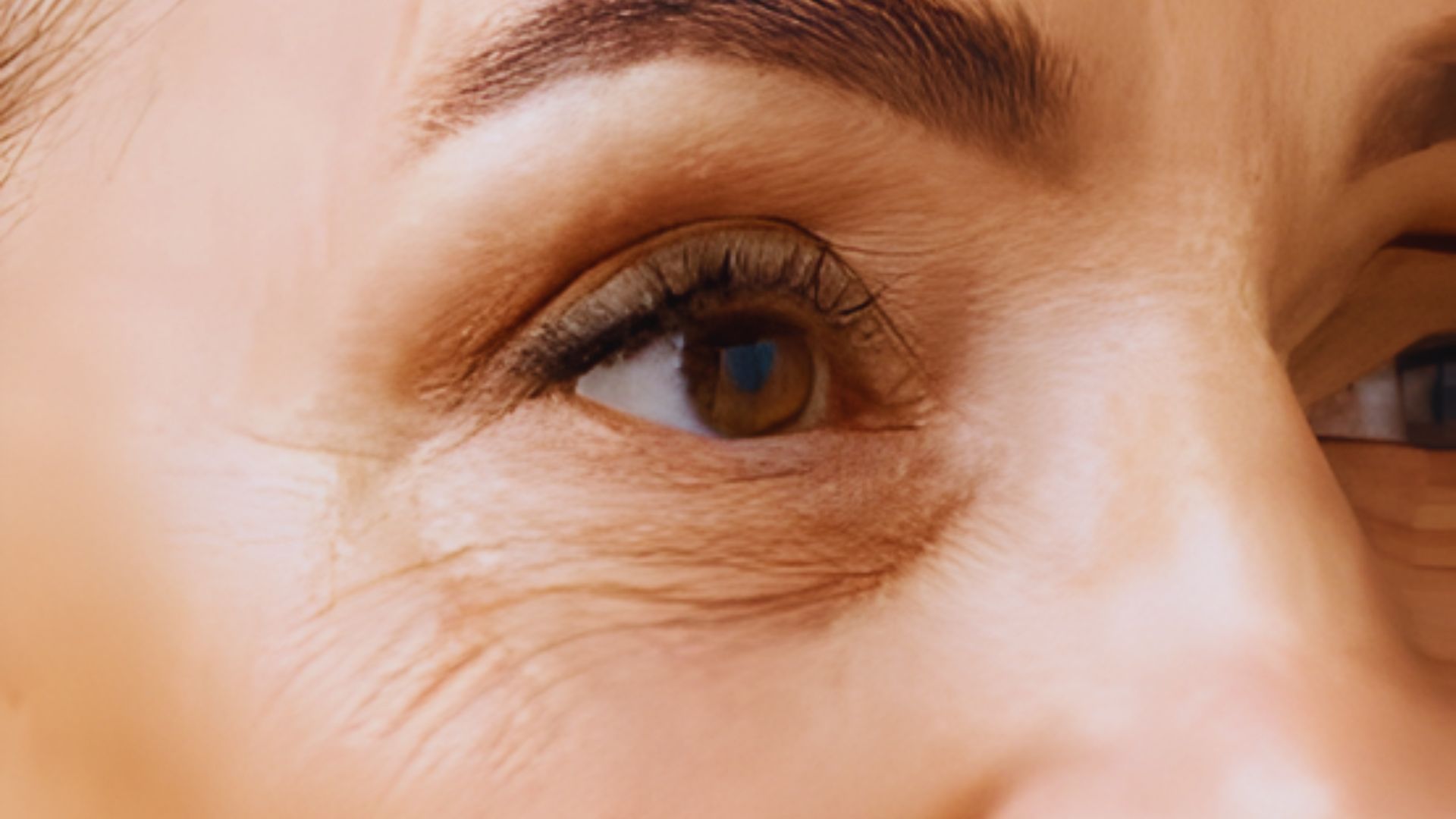
The skin under your eyes is incredibly thin. It shows wrinkles before anywhere else on your face.
Dryness makes these worse. So does rubbing your eyes and not getting enough sleep.
Smiling and squinting create fine lines here too. They’re often the first wrinkles people notice.
I use eye cream religiously now. It doesn’t reverse them, but it keeps the area hydrated.
Prevention and Skincare Tips
I wish I’d started taking care of my skin earlier. But it’s never too late to begin.
The best thing you can do is wear sunscreen every single day. SPF 30 minimum, even when it’s cloudy. UV rays are the biggest cause of premature aging.
Here’s what actually works:
- Wear sunscreen daily (reapply every 2 hours in direct sun)
- Moisturize morning and night to keep skin hydrated
- Use retinol products (start slow, they work but can irritate)
- Add hyaluronic acid to your routine for moisture retention
- Try peptide serums to support collagen production
- Sleep on your back (side sleeping creates wrinkles)
- Wear sunglasses to prevent squinting and crow’s feet
- Stay hydrated (drink actual water, not just coffee)
- Eat antioxidant-rich foods like berries and leafy greens
- Don’t smoke (seriously, it ages you faster than anything)
- Get enough sleep (7-8 hours helps skin repair)
- Manage stress (high cortisol breaks down collagen)
Understanding the different types of wrinkles on face helps you target your skincare routine. If you’ve got deep frown lines, focus on that area with treatments.
I’ve seen real improvement since I started being consistent. You won’t reverse decades of damage overnight, but you can slow down new wrinkle formation significantly.
When to See a Dermatologist
Most wrinkles are normal and don’t need medical attention. But sometimes you should get professional advice.
See a dermatologist if your wrinkles are forming rapidly. Sudden changes could signal a health issue or severe sun damage.
Persistent deep wrinkles that bother you are worth discussing too. A dermatologist can recommend treatments you can’t do at home.
They’ll create a personalized anti-aging plan based on your skin type and concerns. I see mine once a year for a skin check and treatment recommendations.
Professional guidance helps you avoid wasting money on products that won’t work for your specific situation.
Conclusion
Your skin is going to change. That’s just life. But now you know exactly what you’re looking at when new lines appear.
I’m still figuring out what works best for my skin. Some days I feel confident, other days I notice every line. It’s a process.
What wrinkle bothers you most? The frown lines? Those stubborn crow’s feet? Or maybe it’s something I didn’t cover here.
Drop a comment and tell me your story. What have you tried? What actually worked? Let’s help each other out.
And if this helped you, share it with someone who’s been stressing about their wrinkles. We’re all in this together.
Frequently Asked Questions
What are the most common types of wrinkles on face?
Crow’s feet, forehead lines, and frown lines are the most common. They typically appear first because of frequent facial expressions and sun exposure.
Can lifestyle changes reduce the appearance of wrinkles?
Yes, wearing sunscreen daily, staying hydrated, getting enough sleep, and avoiding smoking can significantly slow wrinkle formation. Existing wrinkles may appear less pronounced with consistent skincare.
How do I know which treatment is right for my wrinkle type?
Consult a dermatologist who can assess your skin and recommend treatments based on wrinkle depth, location, and cause. Dynamic wrinkles (from expressions) respond well to Botox, while static wrinkles need different approaches.
At what age do wrinkles typically start to appear?
Most people notice first signs in their late 20s or early 30s, usually around the eyes. Sun exposure, genetics, and lifestyle habits affect when wrinkles become visible.
Are there natural remedies for preventing facial wrinkles?
Sunscreen is the most effective natural prevention method, along with staying hydrated and eating antioxidant-rich foods. Sleep position and facial exercises may help, but results vary compared to proven treatments like retinol.