Does Creatine Cause Acne? What Research Says


You’ve probably heard the rumors. Does creatine cause acne? I get it this question keeps many fitness enthusiasts up at night. As someone who’s spent years researching supplements and their effects, I’m here to give you the straight facts. In this article,
We’ll examine what science actually says about creatine and skin health. We’ll cover how creatine works in your body, what research shows about breakouts, special considerations for women, and practical tips to keep your skin clear.
I’ve analyzed the studies so you don’t have to. By the end, you’ll know exactly how to use creatine without worrying about your complexion.
What Is Creatine and How Does It Work?
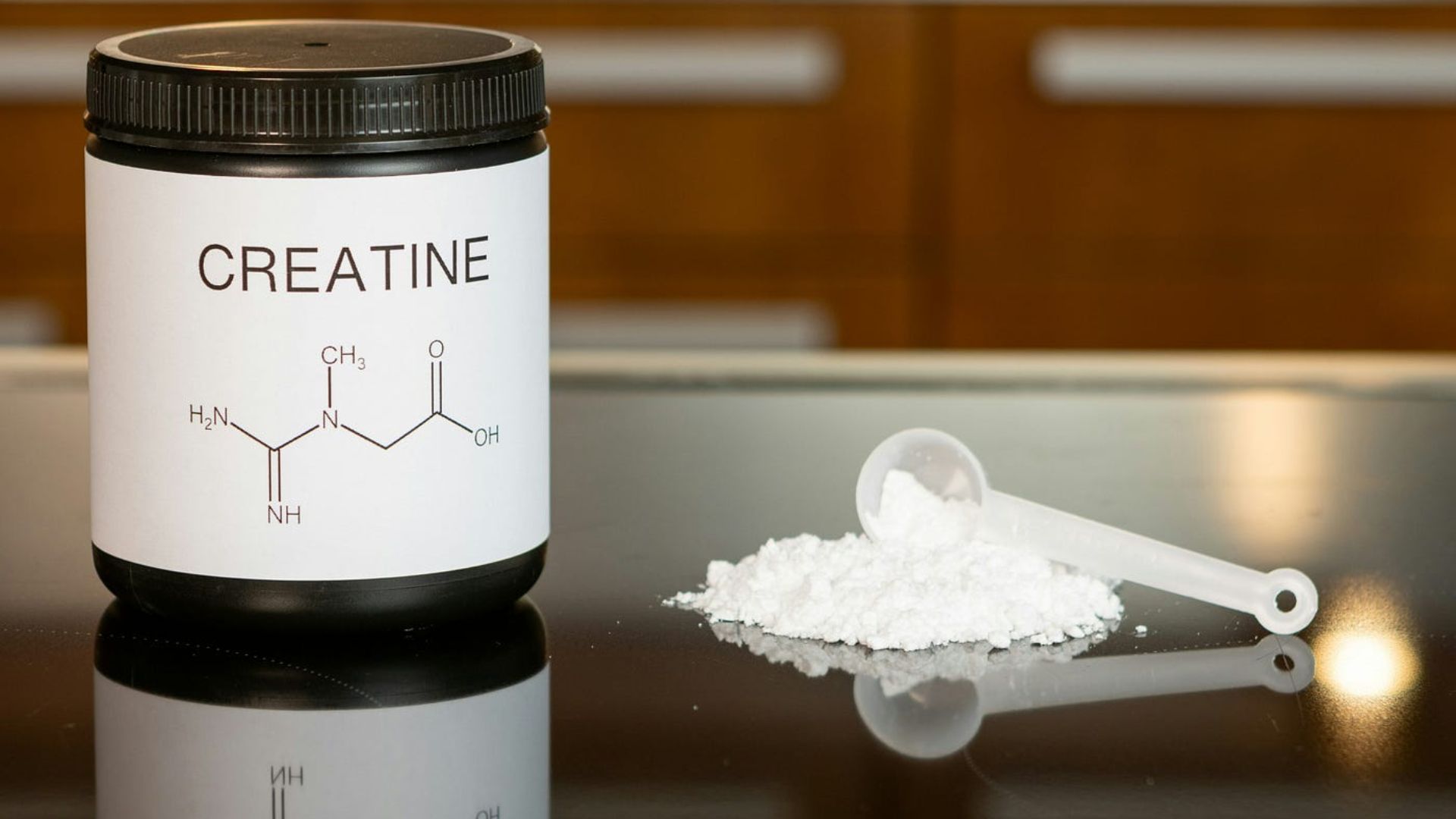
Creatine is a natural compound that helps your muscles produce energy during intense exercise and heavy lifting.
Your body makes creatine from three amino acids. About 95% sits in your muscles. Your liver, kidneys, and pancreas produce about 1-2 grams daily, but that’s not enough for serious training.
Athletes use creatine for increased strength, better performance, faster recovery, and greater muscle gains. You get some from red meat and fish, but supplements provide more. A typical dose is 3-5 grams per day.
Does Creatine Cause Acne? What Research Says
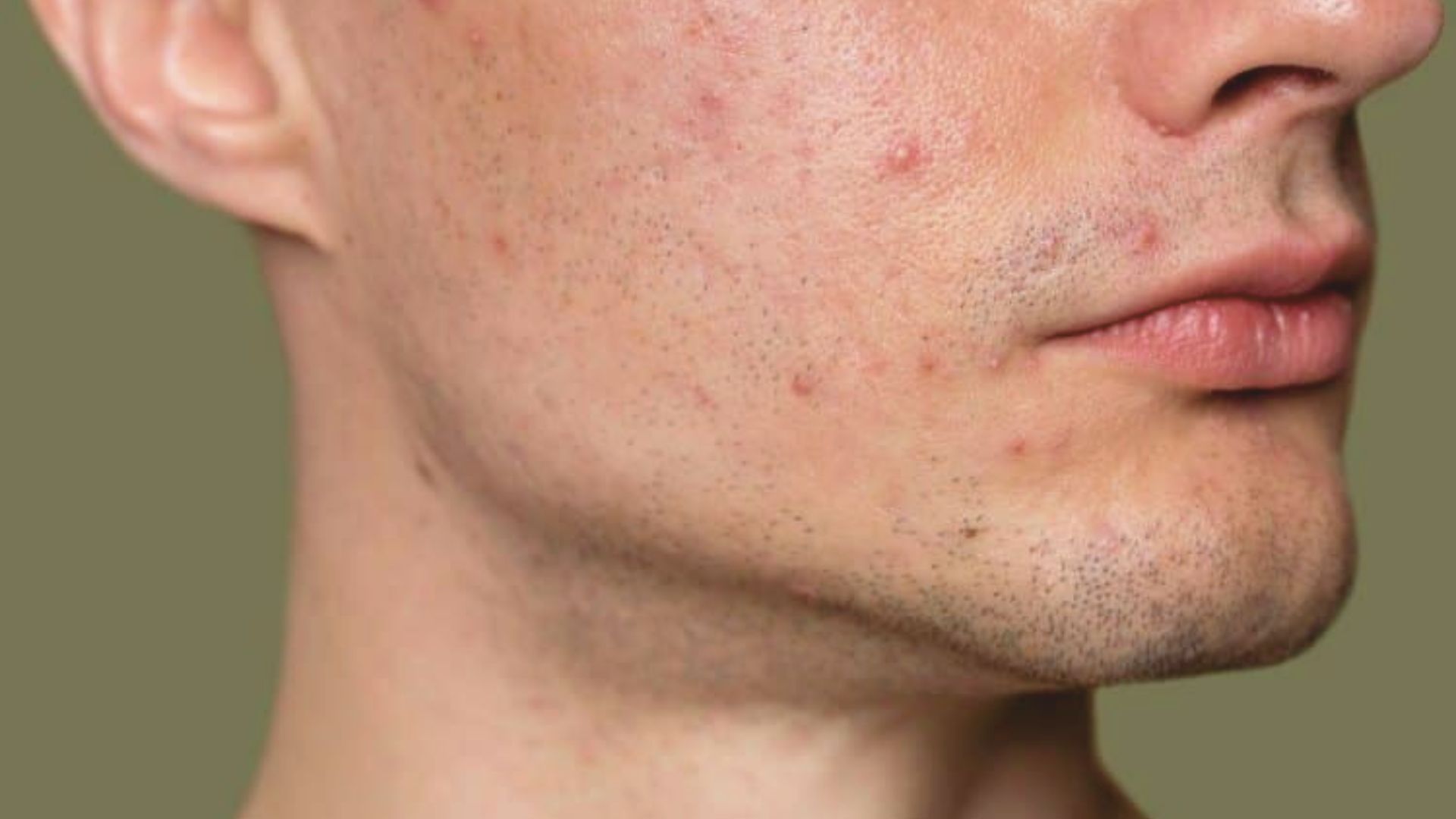
Scientific studies show no direct link between creatine supplementation and acne breakouts in most users.
Some people report breakouts after starting creatine. Others see no change. Individual responses vary based on genetics, diet, hygiene, and hormones.
Does Creatine Cause Acne Evidence Review
Multiple studies have examined creatine’s effects. None identified acne as a documented side effect.
A review in the Journal of the International Society of Sports Nutrition found creatine safe and effective. Common side effects included water retention and stomach discomfort. Acne wasn’t mentioned.
No peer-reviewed study has proven creatine directly causes acne.
Does Creatine Cause Acne Breakouts?
Some people notice breakouts for indirect reasons.
More workouts mean more sweat. If you don’t wash your face quickly, bacteria multiply and pores clog.
Diet changes like eating more protein, high-glycemic foods, or dairy can trigger acne. Low-quality supplements may contain impurities that affect your skin.
Training stress raises cortisol, which can influence oil production.
Why Does Creatine Cause Acne The Theory Explained?
The main theory involves DHT (dihydrotestosterone).
One 2009 study found creatine increased DHT levels by 56% in rugby players. DHT stimulates oil glands, potentially causing clogged pores.
This was one small study with 20 participants. Later research hasn’t replicated these findings. The DHT increase stayed within normal ranges.
Even if creatine raises DHT slightly, that doesn’t guarantee acne. Your genetics and skin type matter more. For most users, any DHT changes are minimal.
Does Creatine Cause Acne in Women?
Women may experience different hormonal responses to creatine, but research shows no gender-specific acne risk.
The short answer creatine works the same way in women’s bodies. It helps regenerate ATP and supports muscle function regardless of gender.
Hormonal Considerations
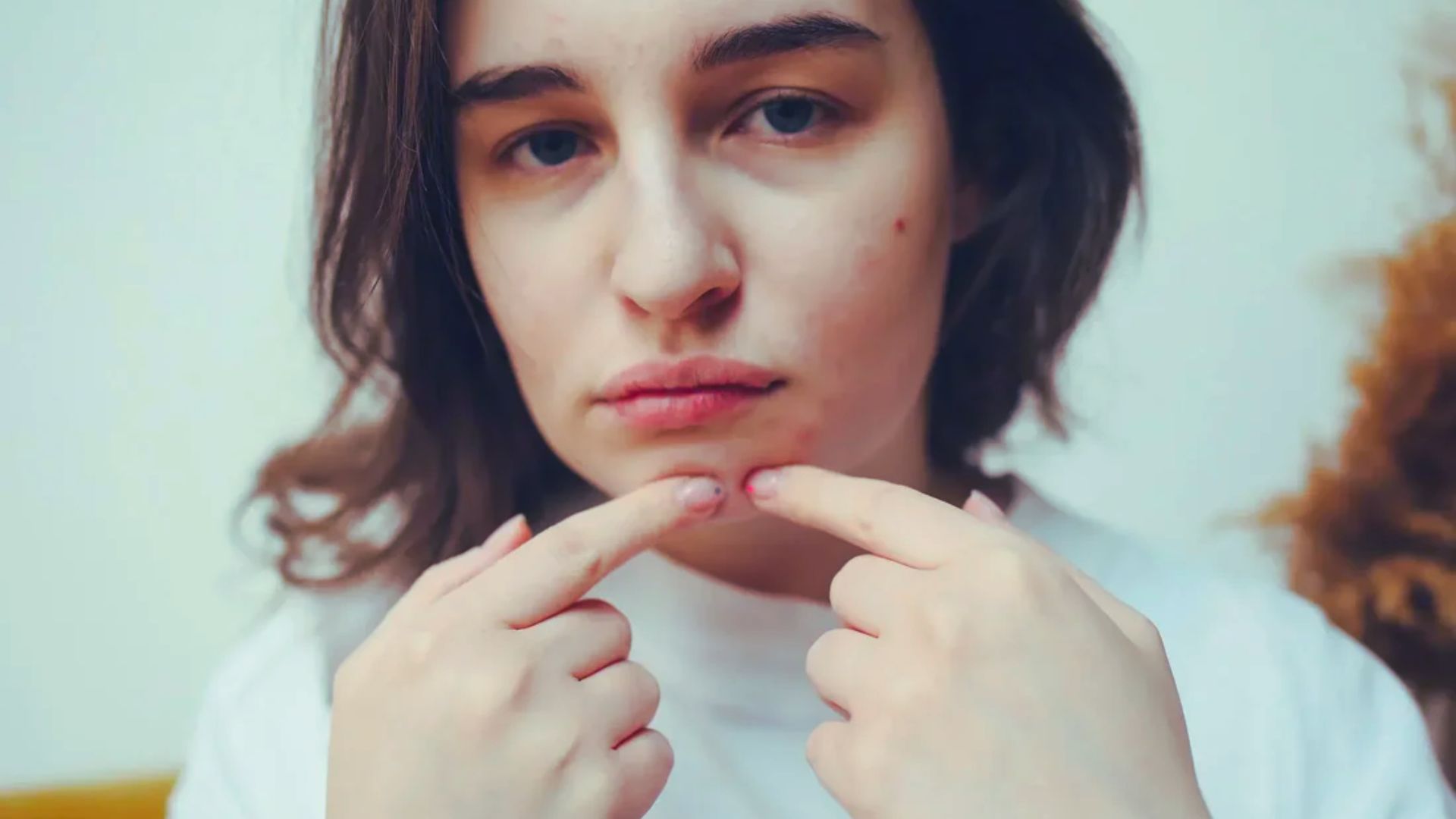
Women naturally have lower testosterone and DHT levels than men. Some worry that creatine might disrupt this balance.
The 2009 study I mentioned earlier only included male participants. We don’t have equivalent data for women showing similar DHT increases.
Some women notice breakouts around their menstrual cycle. If you’re already prone to hormonal acne, you might be more cautious about anything that could influence androgens.
The theory linking creatine to DHT is still just a theory. And even if true, the effect appears small.
Women who take creatine for athletic performance generally report the same benefits as men. They gain strength, recover faster, and build muscle.
Research and Real-World Reports
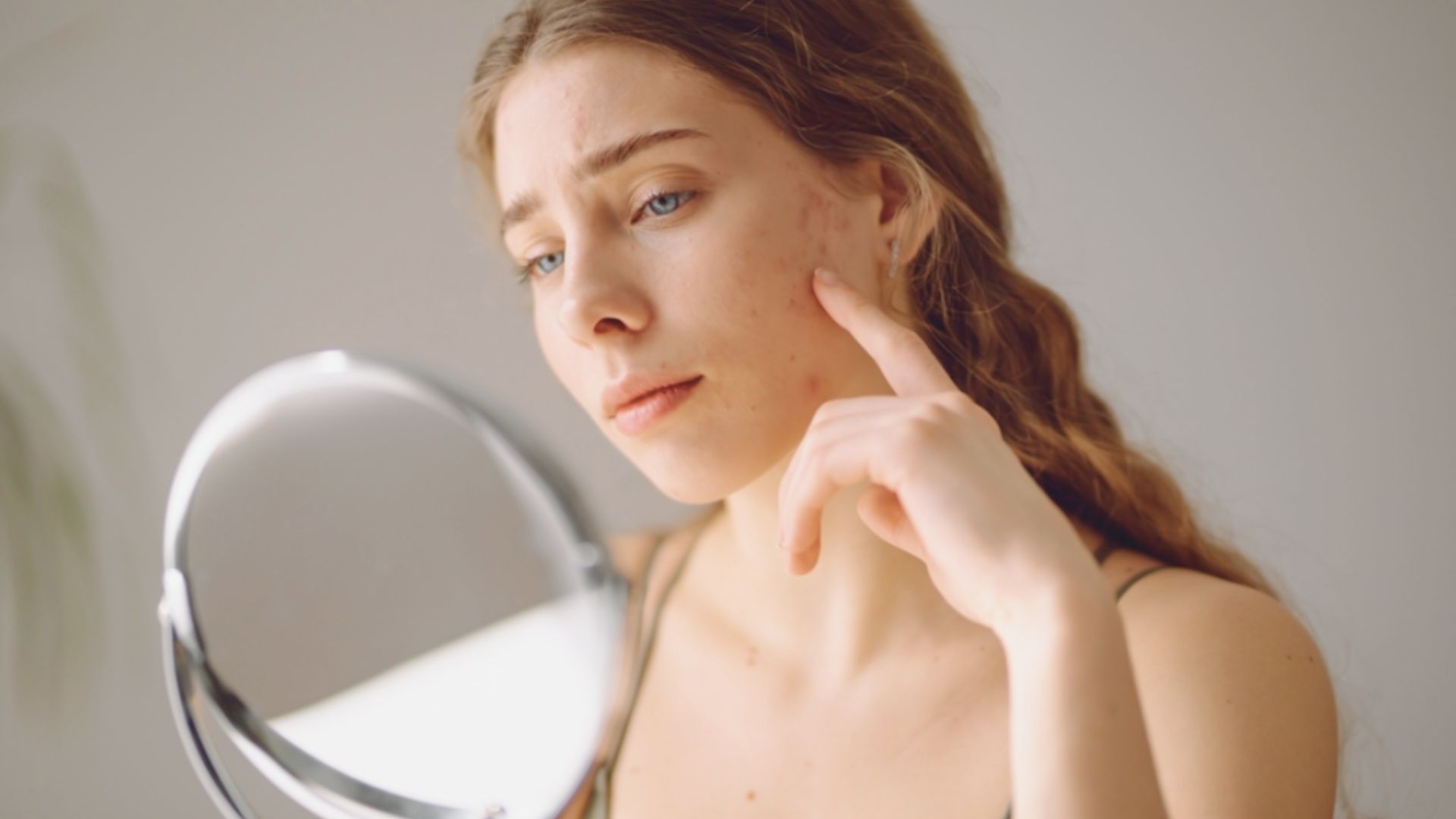
Large-scale studies including female athletes show creatine is safe and effective. Side effects remain rare and mild.
I’ve spoken with many women who take creatine regularly. Most report no skin changes at all. A small number mention occasional breakouts, but they can’t be certain creatine caused them.
If you’re a woman concerned about acne, start with a lower dose. Monitor your skin for the first few weeks. Track any changes in a journal along with your cycle dates.
This self-monitoring helps you identify patterns. You might notice breakouts coincide with your period, not your creatine intake.
How to Tell If Creatine Is Causing Your Acne?
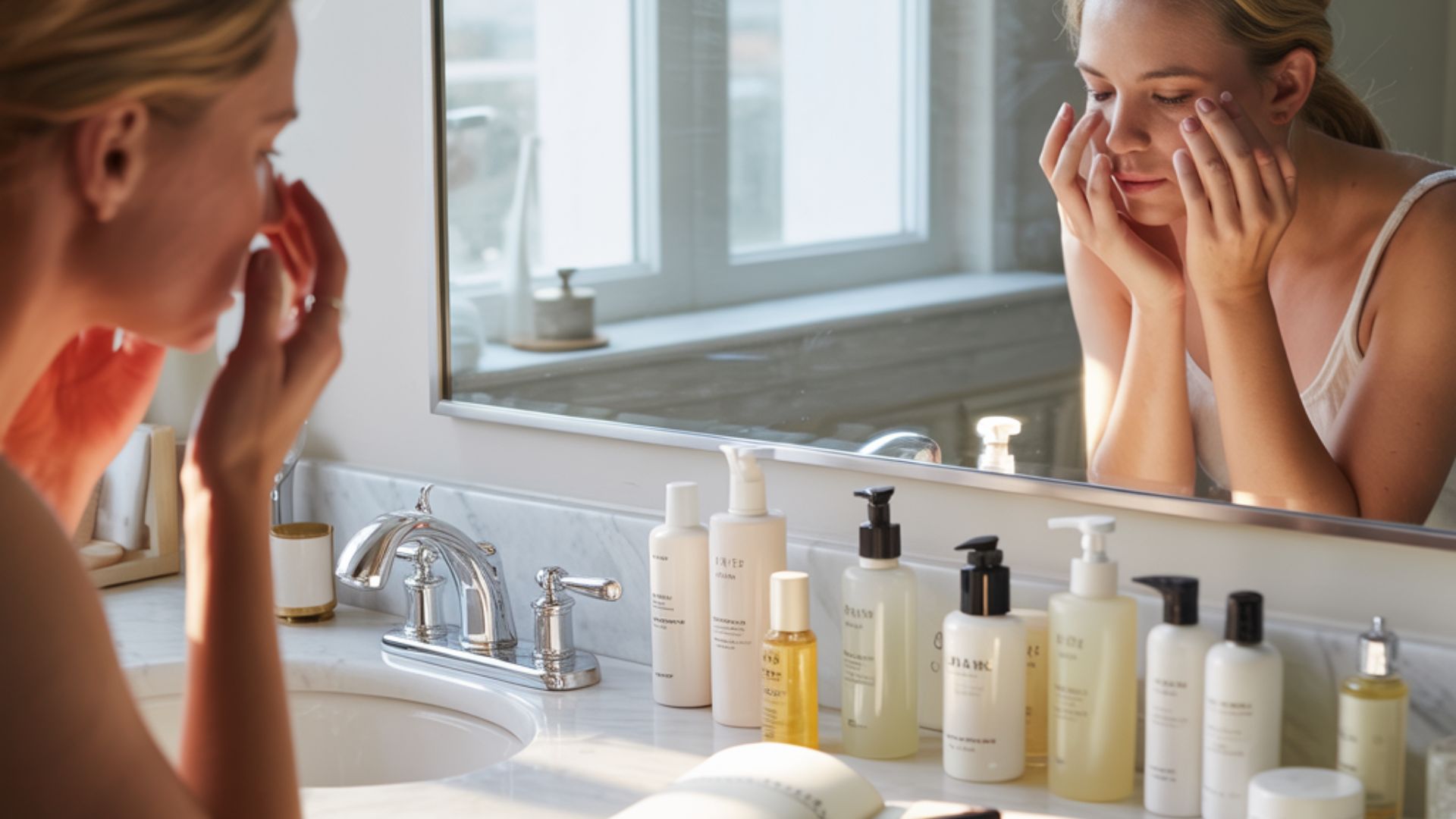
A simple elimination test can help you determine if creatine is truly triggering your breakouts or not.
The only way to know for sure is through testing. Stop taking creatine for 3-4 weeks and watch what happens to your skin.
Keep a daily skin journal during this time. Note any changes in breakouts, oiliness, or inflammation. Take photos each week to track progress objectively.
Pay attention to timing. Hormonal acne appears around your menstrual cycle. Stress-related breakouts come during busy periods. Creatine-related issues would show up consistently after supplementing.
Most people find their acne stems from other causes like poor face washing, dietary triggers, or hormonal fluctuations. But testing gives you certainty instead of guessing.
Tips to Prevent Acne While Using Creatine
You can take creatine and keep your skin clear with these simple practices.
- Wash your face immediately after workouts. Use a gentle cleanser and shower quickly. Change out of sweaty clothes and keep your hands off your face during training.
- Watch your diet. Reduce high-glycemic foods, white bread, and sugary snacks. Limit dairy products and balance protein sources between animal and plant-based options.
- Choose high-quality creatine monohydrate. Buy from reputable brands with third-party certifications. Avoid fillers and mystery ingredients. Stick to recommended doses.
- Stay hydrated. Drink at least 8 glasses of water daily. Eat vegetables, fruits, and omega-3 fatty acids to support skin health.
- See a dermatologist if acne persists. A specialist can determine the real cause and offer treatments. Often the issue is diet, stress, or skincare products instead.
Conclusion
So does creatine cause acne? The science says no there’s no proven direct link.
I’ve been using creatine for years, and my skin stays clear because I focus on the basics: washing my face after workouts, drinking enough water, and choosing clean supplements.
Your skin might react to other factors like diet changes or sweat buildup instead. Try the prevention tips I shared, and give them a few weeks to work.
Most likely, you can enjoy creatine’s performance benefits without compromising your complexion. Still concerned? Drop a comment below and share your experience.
Frequently Asked Questions
Can creatine make your face break out?
No direct link exists between creatine and facial acne. Breakouts more likely come from sweat and poor hygiene after intense workouts.
How long does it take for creatine acne to go away?
Stop creatine for 2-4 weeks to test if it’s the cause. Most acne clears in this time.
Does creatine increase DHT and cause acne?
One study suggested creatine raises DHT, but this hasn’t been confirmed. Any increase stays within normal ranges.
Is creatine safe for acne-prone skin?
Yes, it’s safe. Wash your face after workouts, stay hydrated, and buy quality creatine monohydrate.
Should women avoid creatine because of acne concerns?
No. Research shows creatine is safe for women with no gender-specific skin issues reported.