
Fine Lines and Wrinkles: Causes & Best Treatments

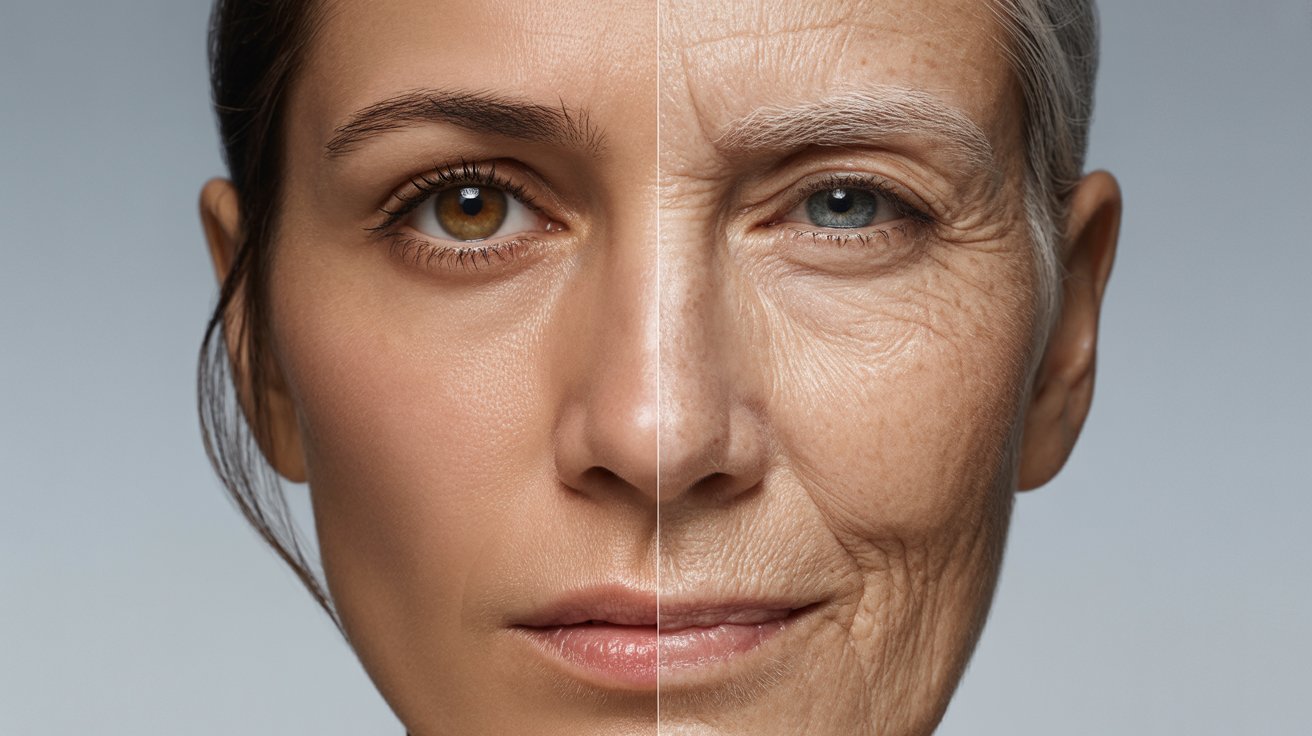
I’ve tested over 30 skincare products across years and tracked what genuinely worked on my own skin.
Fine lines and wrinkles were my biggest concern, and I had no idea where to start. Most blogs gave vague advice. I wanted real answers backed by actual research.
In this blog, I cover what causes fine lines and wrinkles, which ingredients are clinically proven to help, how long results realistically take, and what dermatologists actually recommend.
I also cover skin type differences, daily habits, and the mistakes most people don’t know they’re making.
If you want honest, research-backed guidance on how to prevent wrinkles naturally and treat fine lines that actually work, this is for you.
What Are Fine Lines and Wrinkles? (Key Differences Explained)
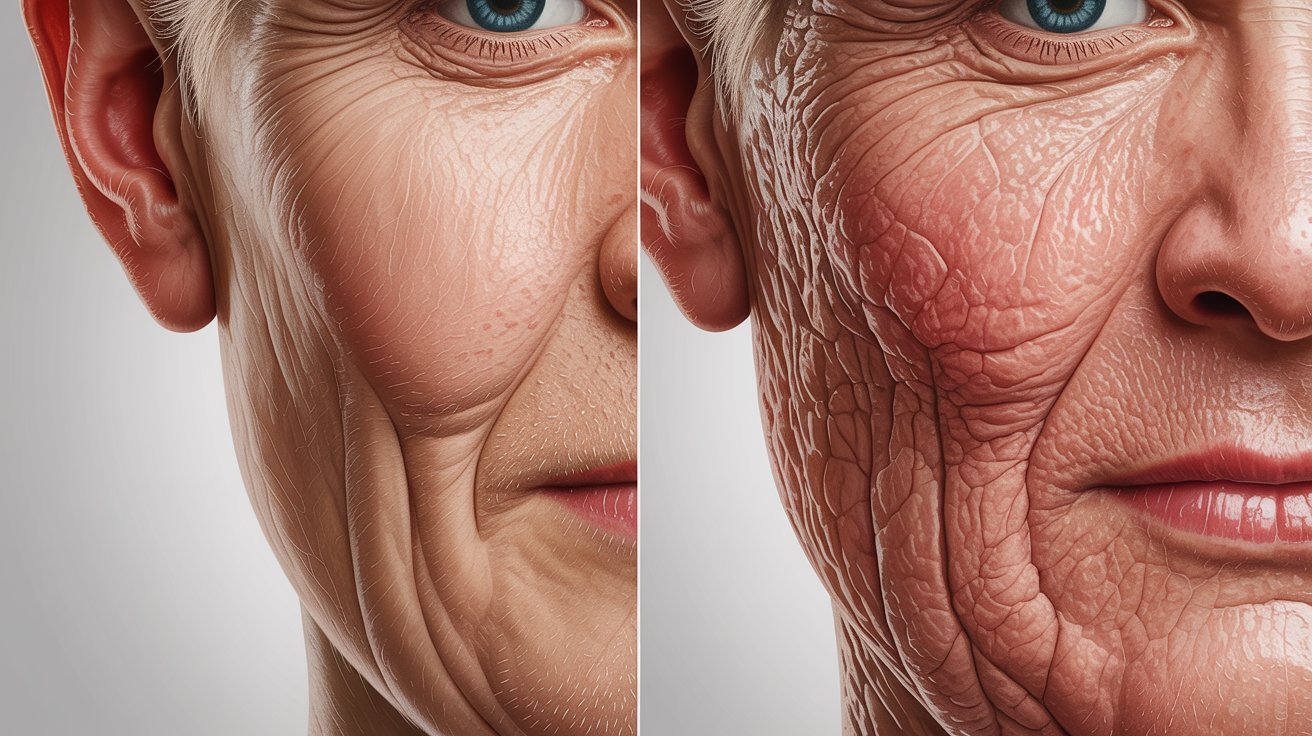
Both are signs of aging, but they’re not the same thing.
Fine lines are shallow creases close to the skin’s surface. Wrinkles are deeper grooves that form as skin loses collagen and elastin structure over time.
Fine lines often appear first, around the eyes, mouth, and forehead, as expression lines that fade when your face relaxes. Without consistent care, they tend to set permanently.
In many cases, fine lines respond well to topical ingredients with consistent use. Deeper wrinkles often need professional treatments to see meaningful change.
Most people treat them the same way. That’s usually where results fall short.
What Causes Fine Lines and Wrinkles?

Skin starts losing collagen at roughly 1% per year after age 25, according to findings published in the British Journal of Dermatology. That structural decline is the foundation of why lines form.
Sun exposure accelerates the process significantly.
A randomized controlled study published in the Annals of Internal Medicine found that people who used daily SPF showed 24% less skin aging than those who used it only sometimes. Separate research from the American Academy of Dermatology attributes approximately 80% of visible facial aging to UV exposure.
Other causes include repeated facial movements, smoking, poor sleep, dehydration, and a high-sugar diet.
A process called glycation, where sugar attaches to collagen fibers, makes skin stiff and prone to creasing. Chronic stress raises cortisol, which degrades collagen from the inside.
These factors compound. The more they stack up, the earlier fine lines tend to appear.
Early Signs You’re Developing Fine Lines and Wrinkles
The first sign most people notice is crow’s feet, tiny lines fanning out from the corners of the eyes during expressions.
At first they disappear when the face relaxes. That gap is your best window to act.
Horizontal forehead lines and faint lines around the mouth often follow. Less obvious signs include skin that looks dull, less firm, or slower to snap back when gently pressed.
That’s elastin declining, and it usually precedes visible lines.
Fine Lines vs Wrinkles: Which Appears First?
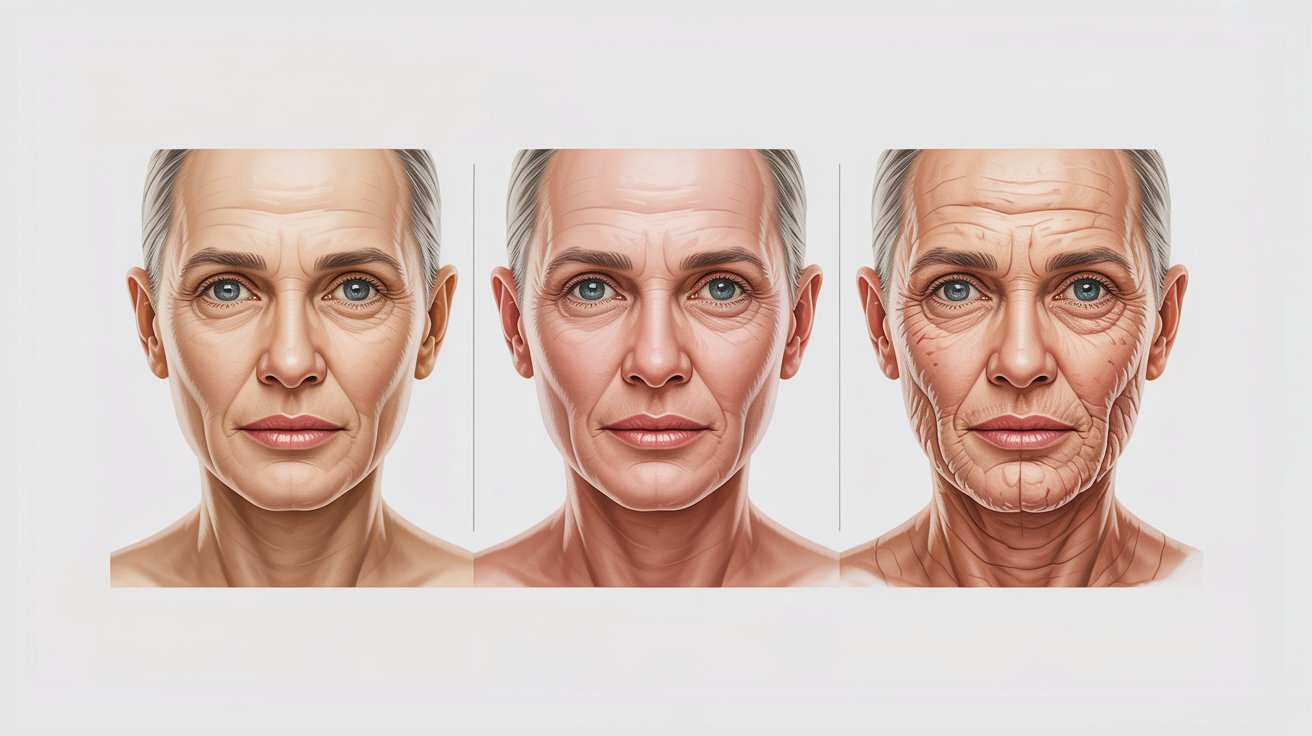
Fine lines always come first.
They typically begin appearing in the mid to late twenties. Dynamic fine lines show during expressions and fade at rest.
Over time, with repeated movement and declining collagen, they become static, staying visible even when the face is completely relaxed. That’s when fine lines cross into wrinkles.
I assumed wrinkles were something to deal with much later. Starting earlier would have made a noticeable difference.
Best Skincare Ingredients to Treat Fine Lines and Wrinkles
The ingredient matters. So does the percentage. Both determine what you actually get.
Retinol is the most clinically supported topical ingredient for fine lines.
A 2016 randomized study published in the Journal of Cosmetic Dermatology found that retinol reduces wrinkle depth and stimulates collagen production with consistent use.
Beginners should start at 0.25%, used two to three nights per week. Build up to 0.5%, then 1% over several months.
Avoid mixing retinol with AHAs or BHAs on the same night until skin is fully adjusted. People who are pregnant should avoid retinol entirely.
Vitamin C, specifically L-ascorbic acid, works best in the 10% to 20% concentration range. Below 10%, effects are often minimal. Above 20%, it can irritate sensitive skin. Use it in the morning before SPF.
Hyaluronic acid draws water into the skin and temporarily plumps fine lines. Look for sodium hyaluronate listed near the top of the ingredient list.
Peptides signal collagen production and are a gentler option for those who can’t tolerate retinol. They typically require 8 to 16 weeks of consistent use for visible results.
Not all peptides work the same way, though. Some are specifically designed for collagen stimulation, others target elasticity, and certain types focus on wound healing or barrier repair. If you’re wondering; What are the best type of peptides for your skin goals, it’s worth reading up on how signal peptides, carrier peptides, and enzyme-inhibitor peptides differ. Knowing which category your serum falls into helps you set realistic expectations and pair it with the right supporting ingredients — rather than assuming every “peptide serum” does the same thing.
Niacinamide at 5% to 10% improves texture, reduces redness, and strengthens the skin barrier. It pairs well with most other actives.
Simple No-Confusion Routine Rule
Morning: Vitamin C serum, then moisturizer, then SPF. That’s it.
Evening: Retinol only, no acids the same night. Follow with a moisturizer.
Two to three nights per week: Swap retinol for a gentle exfoliant like glycolic or lactic acid. Never use both on the same night.
This pairing removes most of the guesswork and prevents the barrier damage that comes from stacking too many actives.
How Long Results Take (Realistic Timeline)
This is what most people don’t get told upfront.
- Hydration: Visible plumping can happen within hours, but it’s temporary and depends on consistent use.
- Retinol: Most people notice visible improvement in fine lines between 8 and 12 weeks. Full results continue improving at the 6-month mark.
- Peptides: Expect 8 to 16 weeks for noticeable change.
- Vitamin C: Brightening effects can appear within 4 to 6 weeks. Structural collagen benefits take longer.
- Professional treatments: Chemical peels and microneedling typically require multiple sessions spaced weeks apart. Results vary by skin type and treatment intensity.
Patience matters more than most people expect. Switching products before giving them time to work is one of the most common reasons people don’t see results.
Dermatologist-Recommended Treatments for Wrinkles
When topical products aren’t enough, professional options often deliver faster results.
Prescription tretinoin is significantly stronger than any over-the-counter retinol. Clinical trials show visible improvement in fine lines within 12 weeks of regular use in many patients.
Chemical peels remove damaged outer skin layers and promote fresh cell turnover. A series of sessions generally gives noticeable results for surface-level fine lines.
Botox relaxes muscles that create expression lines, with results lasting three to six months in most cases. Laser resurfacing and microneedling both stimulate collagen growth over multiple sessions.
Always consult a board-certified dermatologist before starting any of these.
Skin Type Matters More Than Most People Realize
Most anti-aging products don’t fail because they’re bad. They fail because people use them on the wrong skin type, or in the wrong order.
Oily skin generally tolerates retinol better and tends to be less reactive to stronger actives.
Dry skin needs barrier repair before introducing retinol. Start with ceramide-rich moisturizers and peptides for the first four to six weeks.
Sensitive skin should skip retinol initially and start with peptides and niacinamide. These are gentler, effective, and far less likely to cause irritation.
Combination skin can often handle retinol on the drier areas but may need a lighter routine overall.
Matching ingredients to skin type changes everything.
Natural Remedies for Fine Lines and Wrinkles
Natural remedies can support a routine, though they work best alongside clinically proven ingredients.
- Aloe vera contains compounds that may support collagen production with consistent topical use.
- Rosehip oil is high in vitamins A and C and absorbs well with regular application.
- Green tea extract, which contains EGCG, offers antioxidant protection that may help reduce UV-related skin damage over time.
These are useful additions, not replacements for retinol or SPF.
Common Mistakes That Make Fine Lines and Wrinkles Worse
This is where most people go wrong.
Skipping SPF: UV damage builds up silently every single day, including indoors near windows.
Over-exfoliating: I made this mistake for two full years. It strips the skin barrier, triggers inflammation, and makes lines look worse, not better.
Stacking too many actives at once: Using retinol, acids, and vitamin C together, especially as a beginner, can damage the skin barrier and reverse progress.
Sleeping face-down: Side and stomach sleeping compresses skin repeatedly. Over years, this creates permanent sleep lines.
Not moisturizing enough: Dry skin makes fine lines look far deeper than they actually are.
When Should You Start Anti-Aging Skincare?
Earlier than most people think.
Your mid-twenties is the right time to build a basic routine focused on prevention. SPF, a vitamin C serum, and a moisturizer cover most of what you need at that stage.
Add retinol in your late twenties or early thirties. In your thirties, consider peptides and professional consultations if topical products alone aren’t enough.
Clinical research shows measurable improvement in fine lines and wrinkles even in patients in their fifties and sixties who begin consistent retinol and SPF use.
The skin responds at any age. Starting now is always the right call.
Conclusion
Fine lines and wrinkles are normal. But how quickly they progress is largely within your control.
The right ingredients at the right concentrations, matched to your skin type, used consistently, make a real and measurable difference.
Most anti-aging products don’t fail because they’re bad. They fail because people use them wrong, switch too fast, or skip the basics entirely.
You don’t need an expensive routine. You need a smart one. SPF every morning. Retinol most evenings. A moisturizer that fits your skin type.
Those three steps, done daily, outperform nearly every complicated 10-step routine I’ve tried. If you do only one thing after reading this, make it daily SPF.
What’s the one change you’re going to make to your routine starting today?
Frequently Asked Questions
Can fine lines actually go away with skincare?
Fine lines often improve significantly with consistent use of retinol and SPF, though results vary by skin type and depth of lines. Complete reversal is less common without professional treatments, but noticeable reduction is realistic for many people.
What percentage of retinol should beginners start with?
Start at 0.25%, used two to three nights per week, and give skin four to six weeks to adjust before increasing. Most people can move to 0.5% comfortably after that period with minimal irritation.
How long does it take for retinol to reduce fine lines?
Most people see visible changes between 8 and 12 weeks of consistent use. Results continue improving at the 6-month mark, particularly in deeper fine lines.
Can people with sensitive skin use retinol for wrinkles?
Sensitive skin types often do better starting with peptides and niacinamide before introducing retinol. When retinol is added, starting at 0.1% or 0.25% on alternate nights, with a moisturizer applied after, reduces the risk of irritation significantly.
Is vitamin C or retinol better for fine lines?
Both serve different functions. Vitamin C protects against daily UV damage and supports collagen when used in the morning. Retinol actively stimulates collagen repair at night. Used together in the right routine, they complement each other well.