Korean Botox vs American Botox OGOmed Comparison


If you've ever spent more than 5 minutes scrolling through beauty TikTok, browsing K-beauty forums or just hanging out with friends who seem to treat aesthetic medicine like some sort of hobby, you'll probably have heard the whispers about Korean Botox. Suddenly, everyone's comparing it to the American versions we've been used to for years and you can't help but wonder: is Korean Botox really that different, or is this just the latest in a long line of K-beauty trends to catch on & sweep the world.
The short answer is: yes, theres actually some real differences here and they matter. The longer answer is what this article is all about. We're going to have a closer look without getting bogged down in the marketing nonsense.
The Botox Boom: Some Background
Botox, as we all know, has been around since the late 1980s when Botulinum toxin A began being used in cosmetic medicine. For years the American market was dominated by just a handful of FDA-approved brands, and for patients there werent many alternatives. The treatment was expensive and exclusive , primarily just available to the wealthy.
Then Korea got in on the act and everything changed.
Korea has become one of the worlds largest botulinum toxin manufacturers. They now export dozens of brands across the globe and the country's obsession with achieving flawless skin has driven innovation in biotech. You go into any modern Seoul dermatology clinic and you're greeted with options you just dont see in most US med spas.
American Botox: The Established Names
When people in the US say Botox, they're usually talking about one of these FDA-approved brands:
- Botox Cosmetic (Allergan) – That one launched in 2002
- Dysport (Galderma) – Its been around since 2009
- Xeomin (Merz) – And Xeomin has been going since 2011
- Jeuveau (Evolus) – That one got the nod in 2019
- Daxxify (Revance) – And Daxxify came on board in 2022
These products have all gone through the FDA approval process which means they've had years of clinical trials, billions of dollars spent on research and a pretty hefty price to pay for consumers. Theres also the fact that a single session can cost anywhere from $300 to $800, & in major cities that figure can go even higher.
The upsides are theyve got a solid safety record, the results are pretty predictable and you get that added peace of mind that comes with knowing the FDA is keeping an eye on things.
Korean Botox: The New Wave
On the other hand, Korean Botox brands include names like Innotox, Nabota (which is sold as Jeuveau in the US) , Botulax , Meditoxin , Coretox & Hutox. These products are widely used across Asia and Europe and have built up a strong reputation worldwide in the aesthetic clinic scene. In Korea itself, Botox is so normalized that many people just consider it part of their regular skincare routine.
What really makes korean botulinum toxin products stand out is the innovation thats gone into them. Innotox, for example comes in a pre-mixed liquid form which means you dont need to take the trouble to reconstitute it with some saline like you have to do with traditional botulinum toxin powder. This makes it easier to get the dose right, saves on the time youd spend on preparation and reduces the chance of some human error when mixing it all up. Some are also formulated with skin-enhancing ingredients or peptide complexes that support anti-aging benefits and skin health. Its just the kind of sensible innovation you dont often see American brands embracing.
If you’re thinking of trying Korean Botox, you can get Innotox online from Ogomed & see why its such a popular pick among medical pros worldwide.
Korean manufacturers have also been pushing forwards with the development of purified, protein-free formulations. Some experts think this reduces the risk of long term antibody resistance. This is definitely something that worries patients who get treatments multiple times a year and dont want their results to start tailing off.
So What's Actually Different?
1. Formulation & Purity
Xeomin from the US and Coretox from Korea are both examples of botulinum toxin injections with a simpler composition, and both use botulinum toxin type A even though their formulation and purification processes differ. These key differences can matter clinically because purity and protein load may affect efficacy as well as how the product performs over repeated treatments. Many Korean brands have gone down this route, and these high-purity formulations are often considered a lower-risk option for triggering immune response with repeat use, while traditional American Botox still contains those proteins which some researchers believe could cause problems in a small number of patients.
We still dont know the full story on this one but its clear that there’s a trend here and Korean labs have been leading the charge.
2. Onset & Duration
Ive heard from many users that Korean Botox may show a slightly faster onset of action – sometimes as quickly as 2 to 4 days, whereas American Botox usually takes around 5-7 days to kick in. Now this isnt something thats universally agreed on in clinical literature but its something that enough of the medical pro folks I’ve spoken to have noticed that its worth mentioning.
Overall longevity for both Korean and American Botox is usually about three to six months, though results can vary based on metabolism and the treatment area. American products often hold for 4 to 6 months, while some Korean formulas last closer to 3 to 5 months, and full effects may take up to two weeks to fully settle. Maintenance sessions are usually repeated every three to six months to keep results consistent.
3. Price Point
Now this is where things get really interesting. Korean botox is significantly cheaper to both make and purchase because of lower production costs. What’s driving that? Well, manufacturing costs in Korea are lower, brands are competing with each other like crazy, and the regulatory environment is certainly strict, but its not as expensive to navigate as dealing with the FDA. In Seoul, Korean botox typically costs between 25,000 and 70,000 KRW per area. In the usa-imported segment of that market, American botox generally runs between 70,000 and 120,000 KRW per area. Even when you factor in import costs, clinics that source their products from Korea can often offer treatments at a fraction of what its costing in the States.
That can make all the difference for patients. Its the difference between getting botox twice a year instead of four times, or being able to treat multiple areas instead of just one as clinics respond to strong demand for more affordable options.
4. Dosing Differences
When you look at the units, Korean botox and American botox aren’t always interchangeable. A skilled injector will tell you that one unit of one product wont necessarily equal one unit of another, so following a qualified doctor’s recommended dosing guidance matters. The biological stuff can vary a little between products – which is why finding an experienced practitioner who knows their stuff is even more important than the brand name on the label, since dose selection also depends on the patient’s problem and aesthetic preferences.
5. Innovation and Variety
In Korea, the labs are always pushing the boundaries with new delivery methods, new formulations, and new applications, reflecting a faster approach to innovation than American developers. We’re talking everything from liquid forms to specialized products built around different brand strengths for specific areas of the face. Some are also chosen for the masseter muscles when a stronger slimming effect is desired, while American Botox is often preferred for more dramatic muscle reduction. The market over there is moving fast. American brands, on the other hand, tend to move a little slower – partly because of regulatory hurdles, partly because they just dont have the same level of competition pushing them to innovate.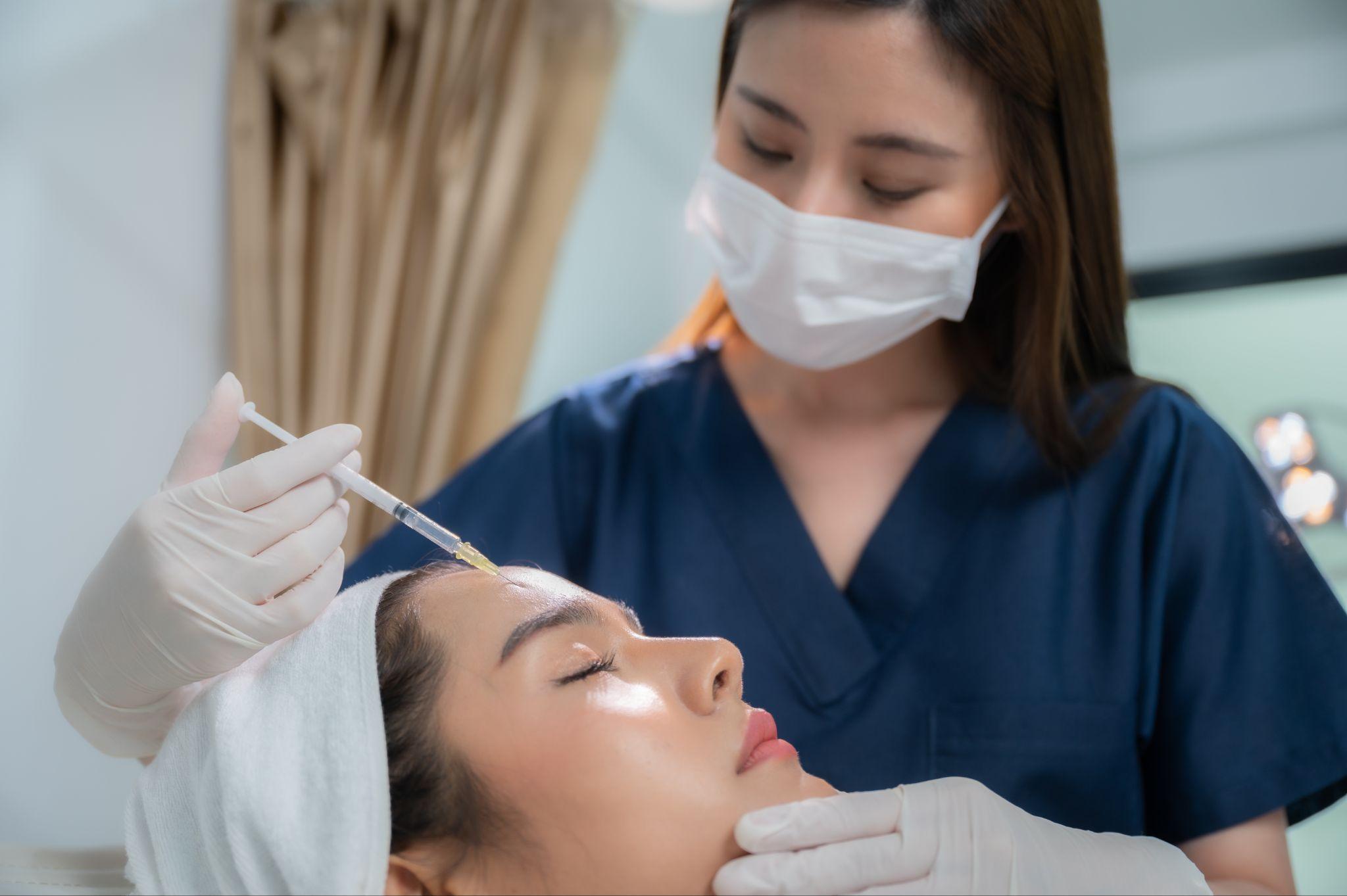
The Regulation Question
Now this is where things get a little complicated. American botox brands have FDA approval for cosmetic use in the US. Korean brands like Innotox and Botulax have approval from Korea’s Ministry of Food and Drug Safety, and are in use in licensed clinics all over Asia, Europe and beyond.
If you’re getting botox in the US, your doctor will probably use FDA-approved products. If you’re abroad for treatment or doing medical tourism in Korea, or sourcing from international channels, you’ll likely be looking at Korean options.
Now, this is worth keeping in mind – “not FDA-approved in the US” doesnt mean its unsafe. Korean botulinum toxin is generally considered safe when administered by certified providers, and its formulations are known for strong quality and safety standards. Lots of medications and devices are approved in other countries with very high standards before they even make it to the US market, and Korean botulinum toxins have had to undergo extensive testing in their home country and other places before they get used. Not all botulinum toxin brands from Korea have Western clearance, even though major brands are rigorously tested and some are U.S. FDA-approved. The safest approach is still to use reputable clinics and avoid counterfeit or unregulated vials from non-clinical sourcing channels.
Which One Should You Choose?
Honestly, its not really about which brand is best. Its about choosing the result style you want as much as who’s doing the injecting. A badly administered American botox is going to give you worse results than a beautifully done Korean botox, and vice versa. What really makes the difference is:
- The skill and experience of the person injecting you
- Getting the right dose for your particular anatomy
- Making sure the product is stored and handled properly
- Having realistic expectations about what the results are going to be
- The injector having a good eye for facial muscles and aesthetics
Korean botox is often chosen to relax facial muscles while preserving natural movement.
American botox may be better for deep wrinkles or stronger structural correction, while Korean options are often preferred to reduce wrinkles with softer results on facial wrinkles.
Korean botox has built its reputation through consistent results, advanced formulations, and a relentless drive to innovate. Its often preferred for soft, natural-looking results that align with East Asian beauty standards, emphasizing smooth and youthful expressions without a stiff appearance. American botox has got decades of clinical data, household name recognition, and the regulatory backing of one of the worlds most strict health agencies. It has traditionally been associated with a stronger freezing effect, which can suit deeper structural lines, while Korean botox tends to deliver more subtle results. Both can deliver amazing results when used by a qualified pro, but Korean botox typically emphasizes subtlety and natural expression, while American botox can create a more frozen look if not carefully administered.
What About Side Effects?
Both Korean and American botox have similar risk profiles when used properly, and botulinum toxin injections are widely recognized for their anti-aging efficacy, though patients should still understand the possible risks. Many patients experience mild, temporary side effects, including:
- Mild bruising at the injection site
- A headache that lasts a day or two
- Some slight swelling or redness at the injection site
- Rare cases of your eyelid drooping or becoming asymmetrical if the injection is done wrong
These reactions are typical, usually involve minimal discomfort, and often settle within a few days to a week.
Serious complications are super rare with experienced injectors, regardless of which brand they use. The most important thing is making sure your provider is fully qualified, properly trained and using product from a reputable place, and following aftercare advice, including avoiding strenuous activities right after treatment if your provider recommends it.
The Bottom Line
The Korean botox vs American botox debate isnt really about which one is better – its about access, innovation and giving patients more choice. Korean manufacturers have made aesthetic medicine more accessible in ways the American market hasnt followed yet, while American brands are still pushing the boundaries with longer-lasting formulas and refined techniques.
For patients, having more options across injectables means having more flexibility, better prices, and being able to find a product that really works for them. For practitioners, having access to multiple high-quality products lets them give patients even more personalized treatment plans, with product choice reflecting the patient’s goals and the practitioner’s preferred approach.
Whether you go for Korean or American, the smartest thing to do is to do your research on the doctor thoroughly, ask them which product they use and why, make sure you understand the dosing protocol, and never compromise on safety just to save a few bucks. The best botox is the one that gets injected by a pair of hands who really know what they’re doing, in a clean clinical environment with the right expectations in mind.
The future of aesthetic medicine is global, competitive and getting more accessible all the time. Korean botox aint replacing American botox, its expanding what can be done. And for anyone who wants to look refreshed without breaking the bank or sacrificing quality, thats genuinely good news.